Manaslu Region Trek
The Manaslu Region Trek offers one of the quieter and more traditional mountain journeys in Nepal. Located in the remote northern Himalayas around Mount Manaslu, this region is known for its deep valleys, stone villages, Buddhist culture, forest trails, and long stretches of peaceful mountain walking away from the busier trekking routes.
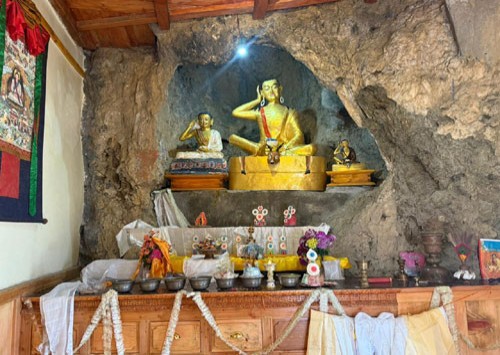
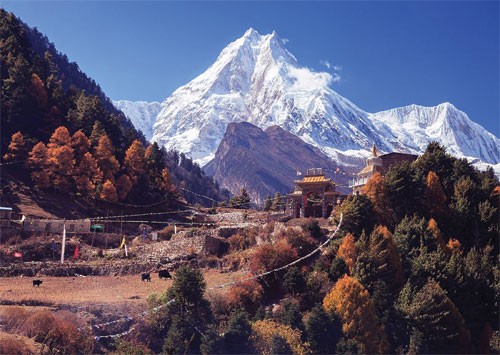
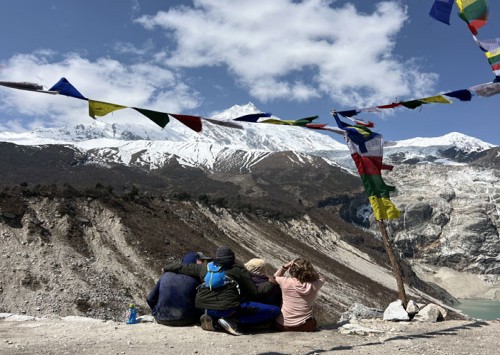
Compared to Everest and Annapurna, the atmosphere here feels slower and less commercial. Many villages still follow old Himalayan lifestyles, especially in the upper valley where Tibetan Buddhist traditions remain strongly connected to daily life. Prayer walls, spinning mani wheels, hillside monasteries, and mule caravans are common sights along the trail.
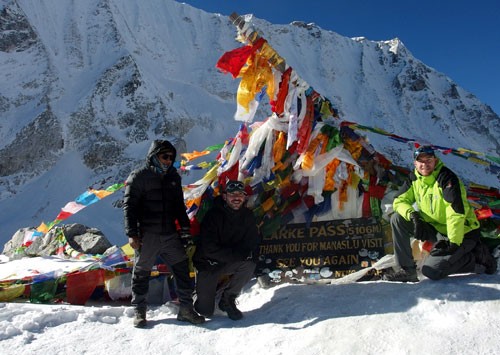
Several trekking routes can be explored within the Manaslu region. The Manaslu Circuit Trek is the best-known journey and follows a high mountain route through riverside villages, alpine landscapes, and remote settlements beneath the Himalayas. Travelers with limited time often choose the Short Manaslu Circuit Trek, while the Tsum Valley Trek leads into a hidden valley known for its monasteries and strong cultural identity. Some trekkers combine both areas through the Manaslu Tsum Valley Trek for a longer and more immersive mountain experience.
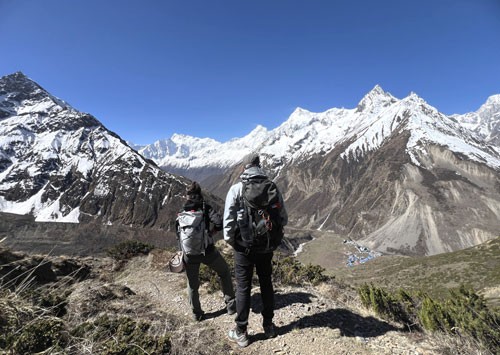
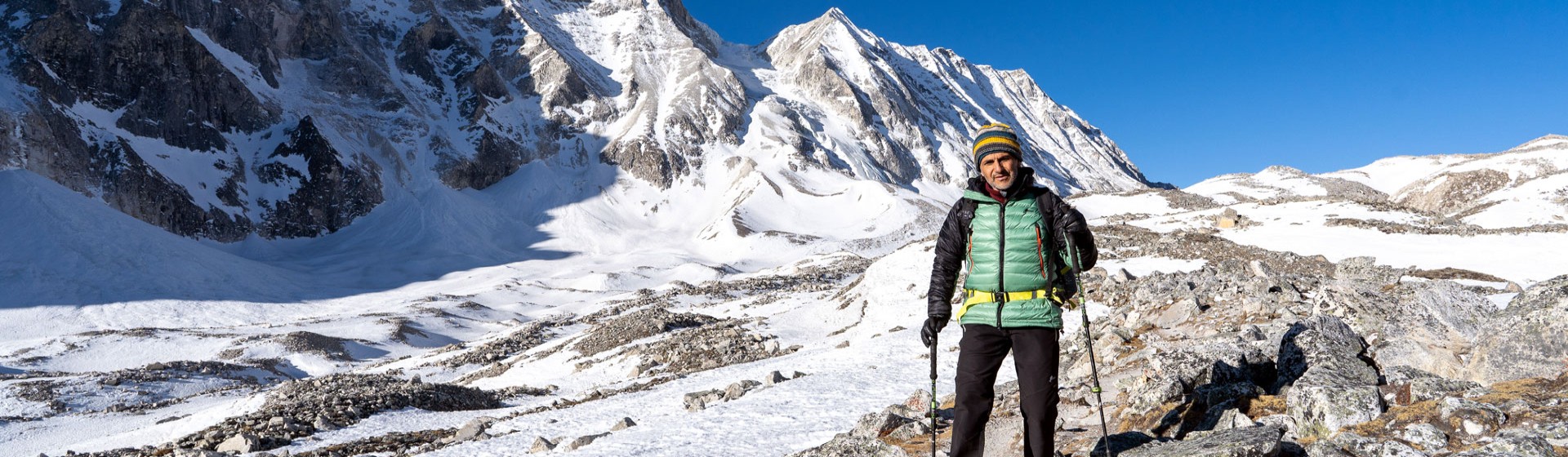
One of the most memorable parts of trekking in this region is the feeling of gradual change along the trail. Lower sections pass through warm hillsides, waterfalls, hanging bridges, and terraced farmland. Higher up, the landscape becomes quieter and more rugged, with glacier valleys, cold winds, and snow-covered ridges surrounding the route.
The remote nature of the Manaslu region has also helped preserve its traditional villages, cultural heritage, and quieter mountain environment. Special trekking permits and a licensed guide are required for trekking in this region.
For travelers searching for a quieter trekking experience with strong local culture and a more natural mountain atmosphere, the Manaslu region remains one of the most rewarding areas to explore in Nepal.