5 Days Langtang Valley Trek Overview
The 5 Days Langtang Valley Trek from Kathmandu is designed for travellers who want to reach Kyanjin Gompa and hike to Kyanjin Ri within a short but realistic itinerary.
Private jeep transportation from Kathmandu to Dovan allows us to begin trekking on the first day, while the return pickup from Dovan on Day 5 avoids adding separate road-transfer days. This is what makes it possible to reach Kyanjin Gompa and include Kyanjin Ri within five days without shortening the main Langtang Valley route.
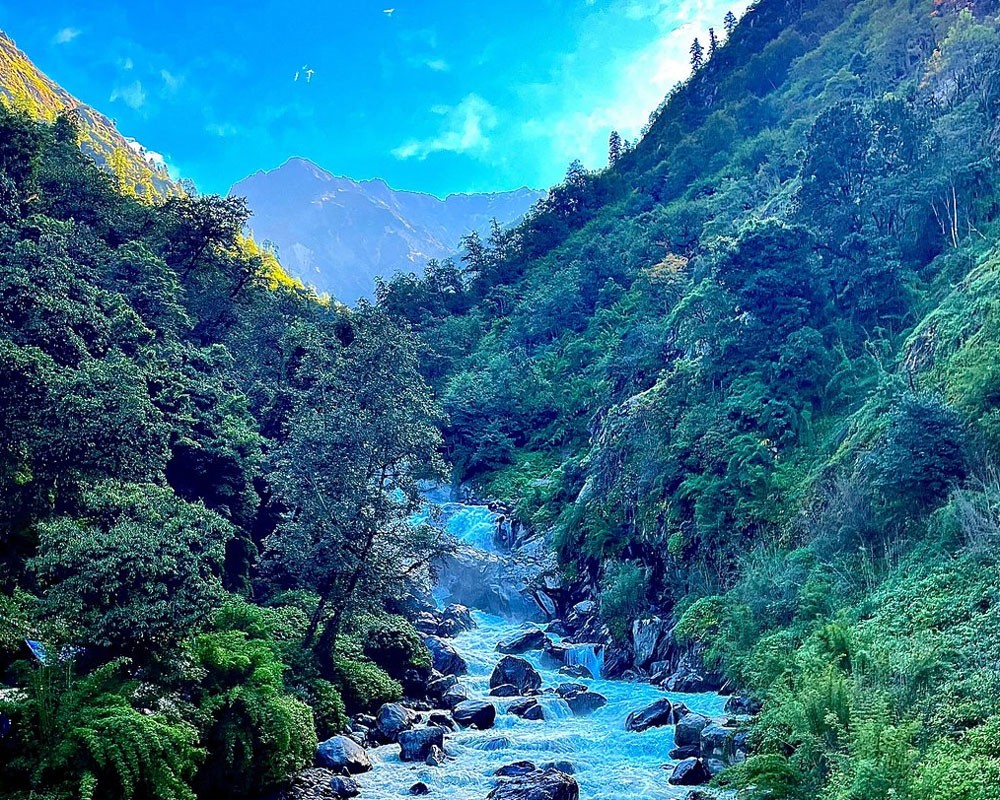
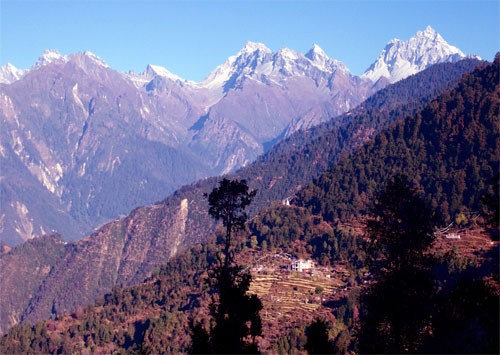
After driving from Kathmandu to the Langtang trailhead, the journey enters Langtang National Park, where the trail follows the Langtang River through dense bamboo and rhododendron forest. The early part of the trek feels enclosed and peaceful, with narrow jungle paths, wooden bridges, small waterfalls, and shaded sections that create a gradual and natural ascent.
The sound of the Langtang River stays close to the trail for much of the lower section, especially between Bamboo and Ghodatabela, where the forest feels dense and quiet even during trekking season.
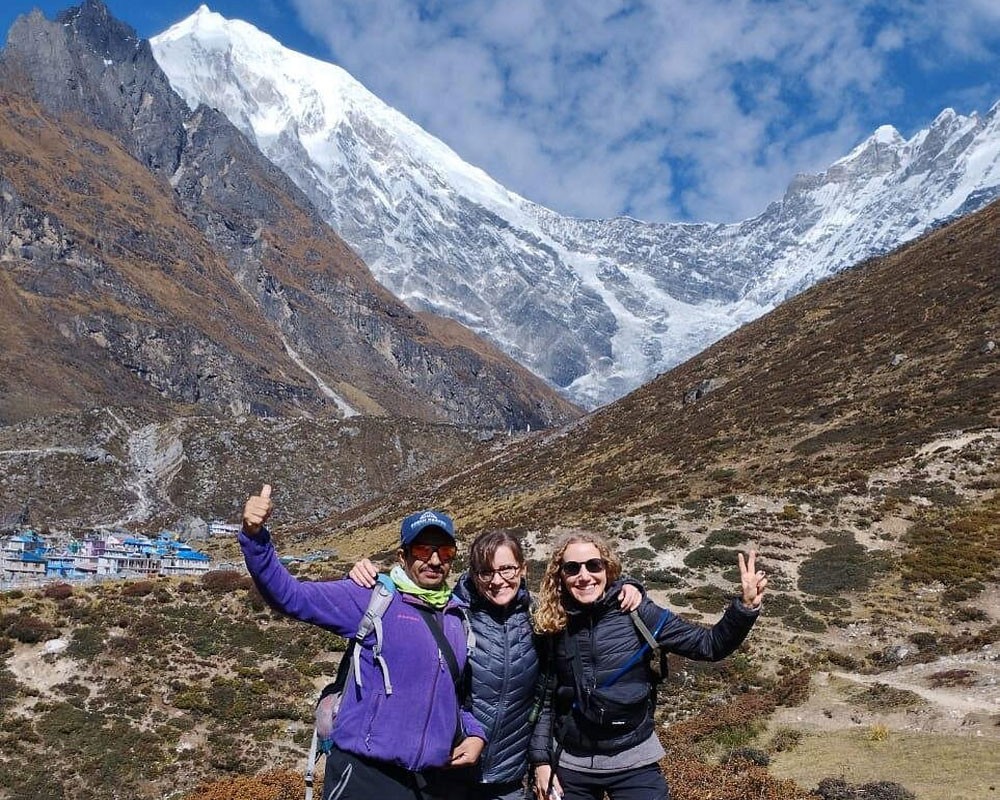
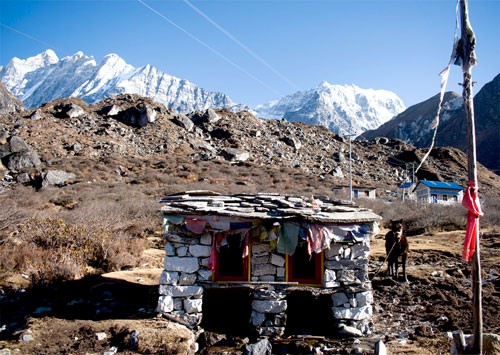
As you gain altitude, the dense forest gradually gives way to traditional mountain settlements, yak pastures and open alpine terrain. By the time you approach Kyanjin Gompa, the narrow lower valley has opened dramatically, with glaciers and the high peaks of the Langtang Himal filling the surrounding skyline. Experiencing this transition from river forest to alpine valley within only a few trekking days is one of the defining features of the route.
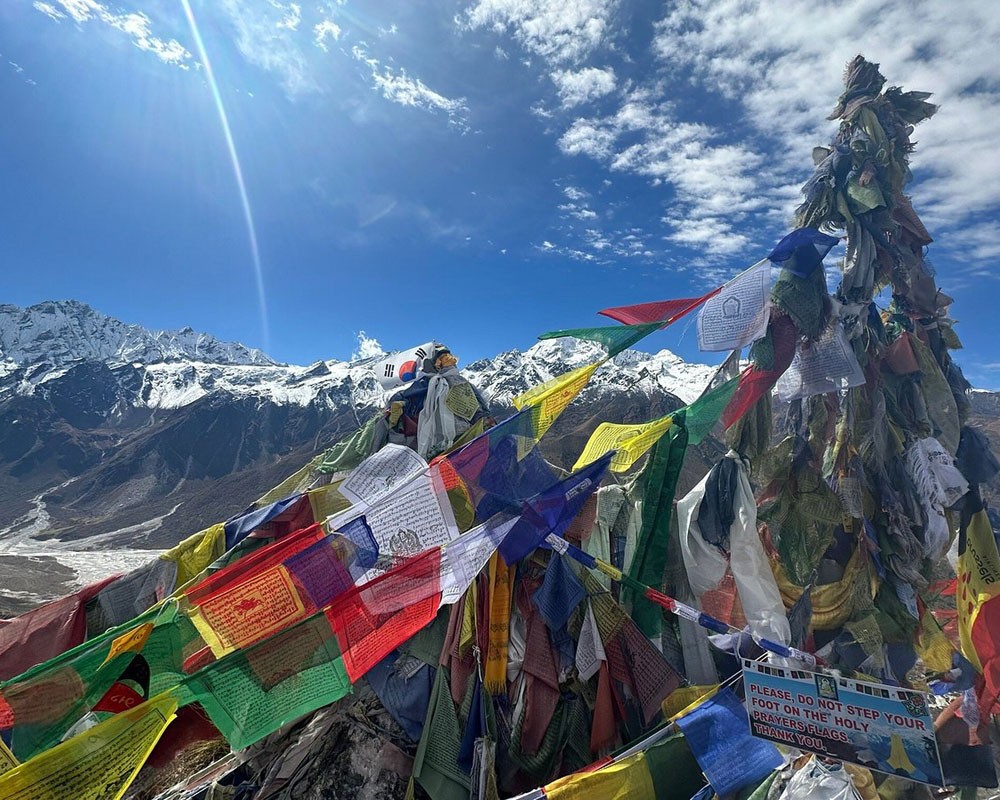
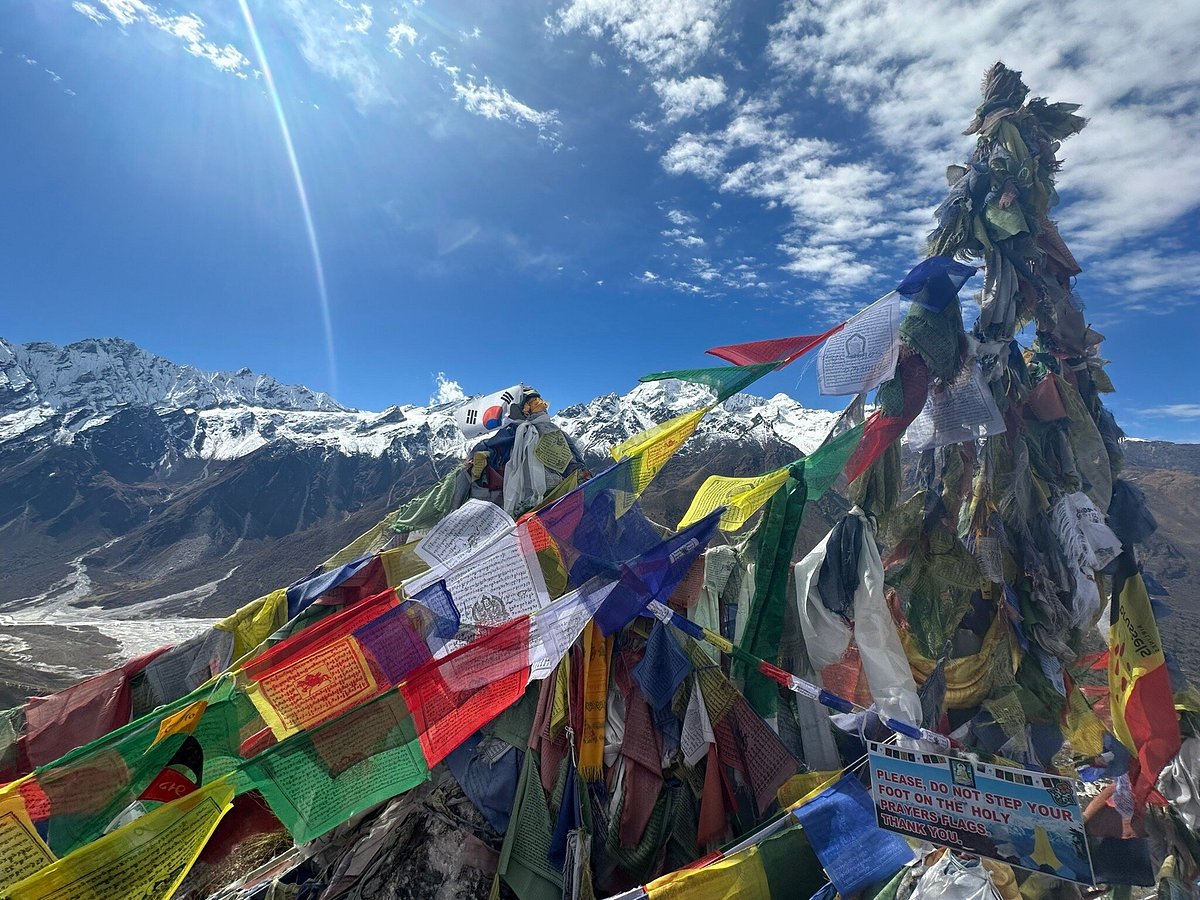
The mountains are only one part of the Langtang experience. As the trail passes through traditional Tamang and Langtangpa settlements, everyday life remains closely connected to Tibetan Buddhist traditions that have shaped the valley for generations. Prayer flags stretch across the trail, mani walls and chortens mark important points along the route, and the sound of spinning prayer wheels is a familiar part of many villages.
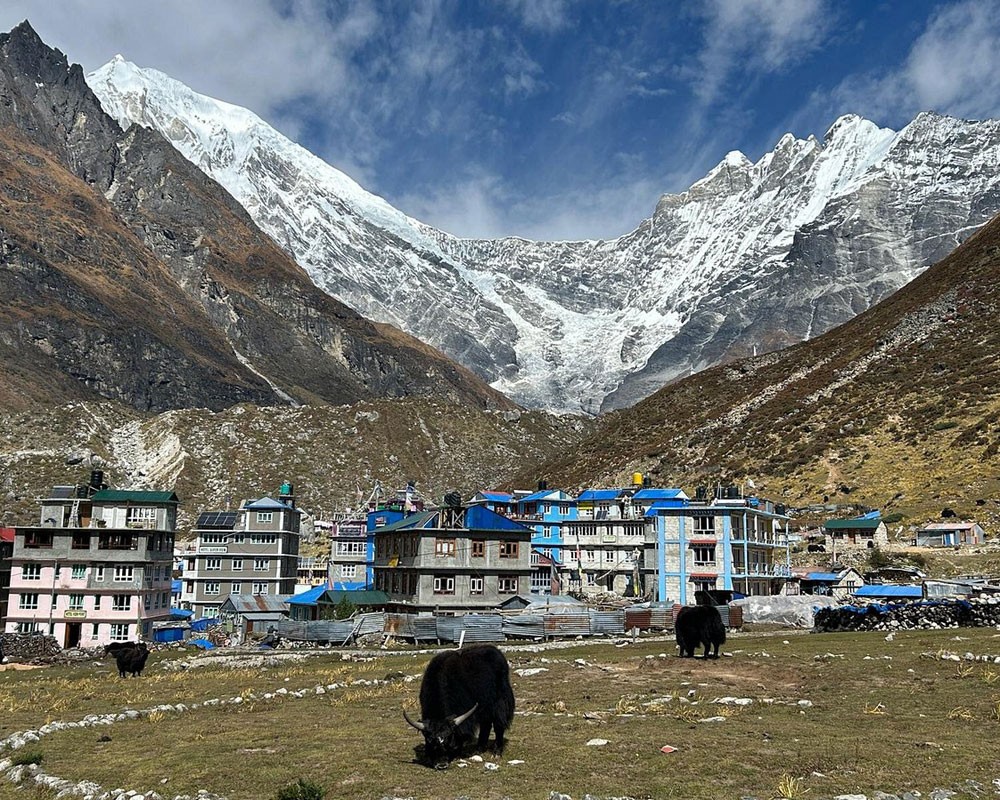
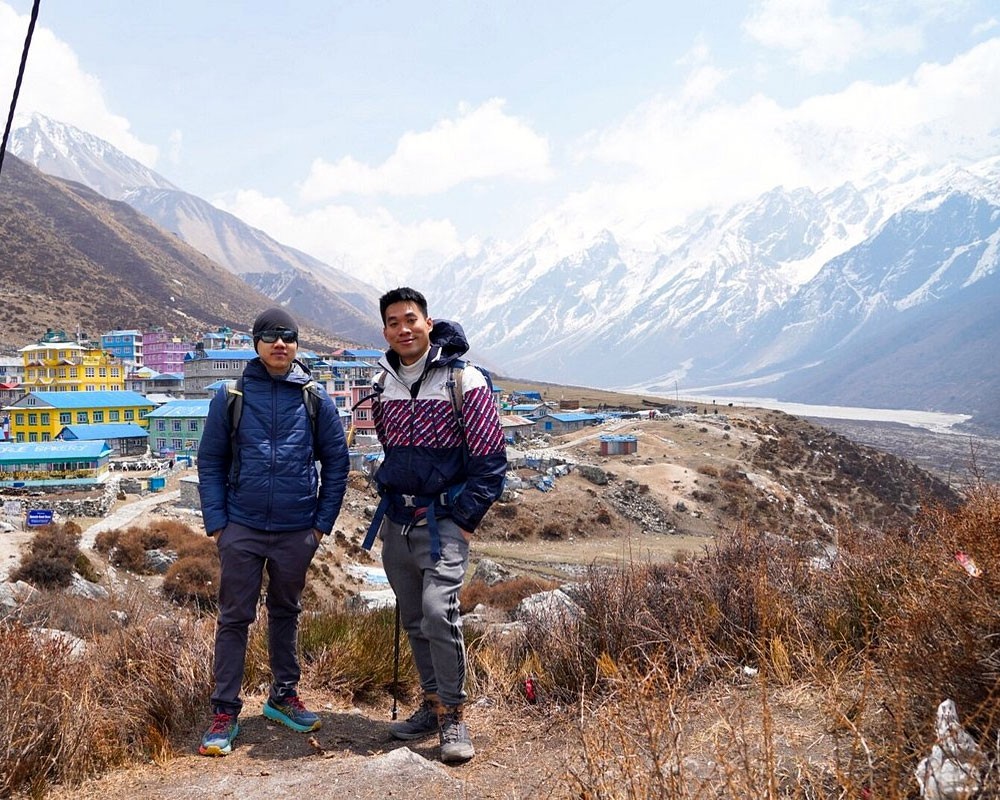
Reaching Kyanjin Gompa marks one of the defining moments of the trek. Surrounded by glaciers, grazing yak pastures, and some of the highest peaks in the Langtang Himal, the village feels both remote and welcoming. Rather than being simply the highest overnight stop, it serves as the natural base for exploring the upper valley and experiencing one of the most spectacular mountain settings in the region.
We normally leave Kyanjin Gompa early for Kyanjin Ri, when the valley is quiet and morning visibility is often at its best. As sunlight reaches the surrounding peaks, the climb opens increasingly wide views across the upper Langtang Valley.
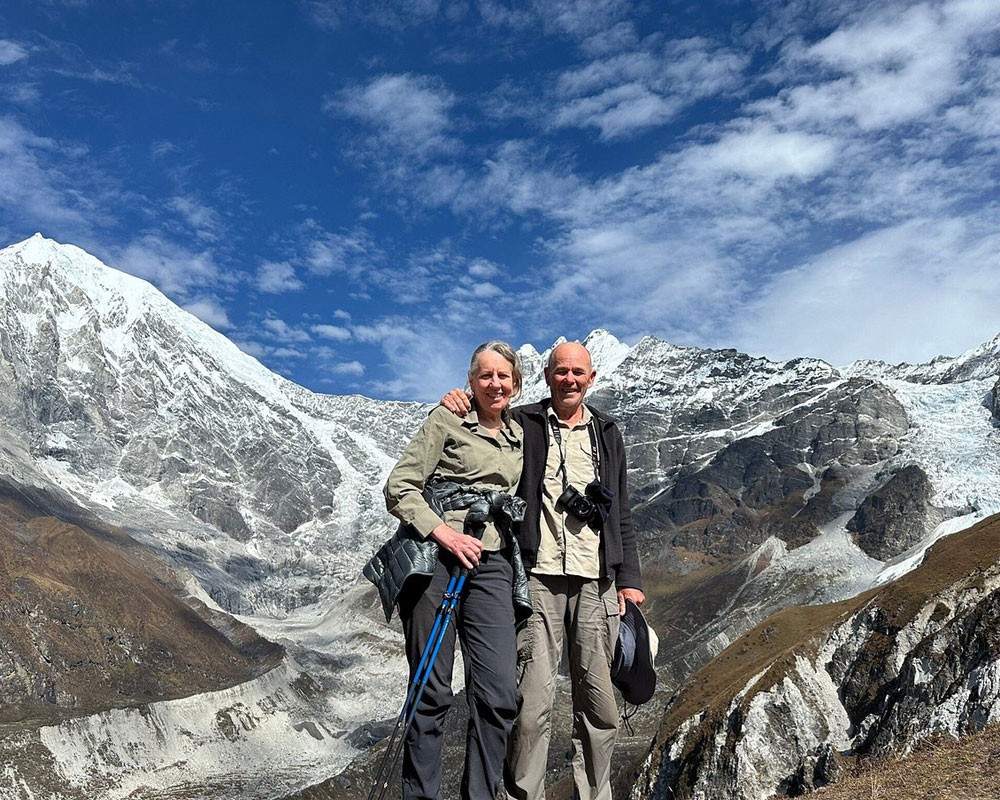
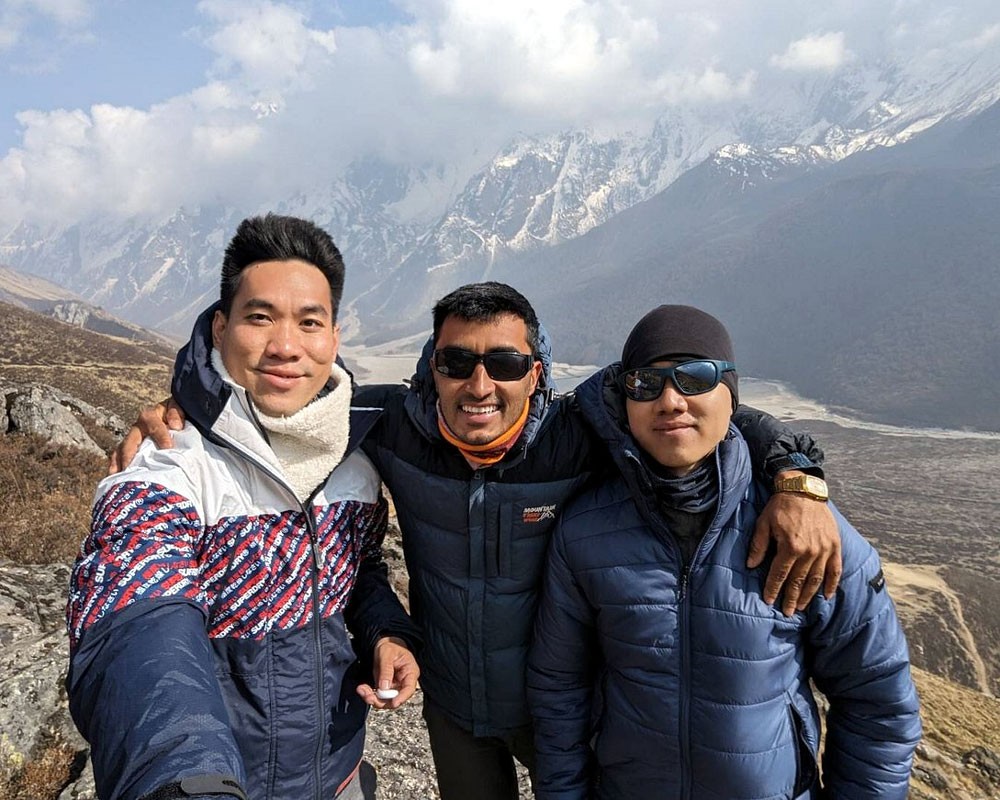
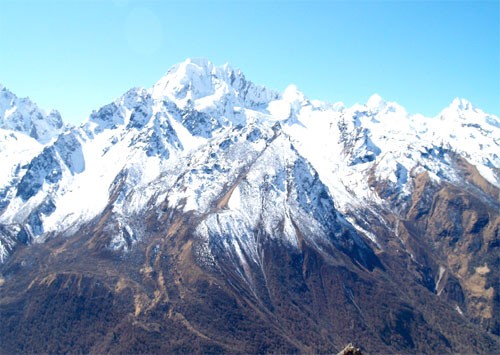
The hike to Kyanjin Ri offers one of the best viewpoints in the region, with wide panoramic views of Langtang Lirung, Langtang Ri, Gangchenpo, Dorje Lakpa, Yala Peak, and surrounding glacier systems.
Langtang Valley was heavily affected by the 2015 earthquake and avalanche, and the rebuilt settlements encountered today are also part of the valley's recent history. Passing through Langtang Village gives trekkers a clearer understanding of how the community has rebuilt while continuing its tourism, farming and mountain traditions.
Prepared by Dream Heaven Adventure
Last Updated:August 2026
This itinerary reflects how we currently operate the 5 Days Langtang Valley Trek. The route, walking times, accommodation, transportation, permit information, and practical trekking advice are based on our team's regular trekking operations in Langtang Valley and are reviewed whenever trail conditions, transportation, or local logistics change.
Why Choose the 5 Days Langtang Valley Trek?
Choosing a shorter trek in Nepal often means deciding what you are willing to miss. Some itineraries reduce walking days by cutting out the most rewarding sections of the trail, while others spend more time travelling than actually trekking. One of the reasons we recommend this itinerary is that it still reaches Kyanjin Gompa and includes the Kyanjin Ri hike while following the main Langtang Valley trail through Bamboo, Ghodatabela and Langtang Village.
Another advantage is that the entire journey is completed overland. There are no domestic mountain flights in the itinerary, so the trek is not dependent on flight schedules or cancellations. Private transportation also gives us more control over the early start from Kathmandu and the return after completing the trail.
The trade-off is pace. This itinerary has longer walking days and quicker altitude gain than our longer Langtang options, so we recommend it for travellers who are already comfortable with sustained uphill walking. If saving time matters more to you than having shorter trekking days, the five-day route provides a practical way to reach the upper Langtang Valley without cutting Kyanjin Gompa or Kyanjin Ri from the itinerary.
If your priority is a slower pace or more time to adjust to altitude, our 6 Days Langtang Valley Trek or 8 Days Langtang Valley Trek may be a better choice. If you have only five trekking days available and are comfortable with the faster schedule, this itinerary keeps the main Langtang Valley route, Kyanjin Gompa and Kyanjin Ri within the time you have.
Highlights of the 5 Days Langtang Valley Trek
- Reach Kyanjin Gompa and hike to Kyanjin Ri within a five-day itinerary from Kathmandu.
- Travel overland by private jeep, with no domestic mountain flights required during the trek.
- Follow the Langtang River from bamboo and rhododendron forest into traditional mountain settlements, yak pastures and the open upper valley.
- Stay in Langtang Village and Kyanjin Gompa, two of the main mountain settlements along the upper Langtang route.
- See panoramic views of Langtang Lirung, Langtang Ri, Gangchenpo, Dorje Lakpa, Yala Peak, and surrounding glaciers from Kyanjin Ri.
- Experience Tamang and Langtangpa culture through family-run teahouses, Buddhist monuments, prayer wheels and everyday village life along the trail.
- Explore the historic Kyanjin cheese factory, one of the best-known landmarks in the valley.
Who Is the 5 Days Langtang Valley Trek For?
The 5 Days Langtang Valley Trek is best suited to active travellers who already have a reasonable level of walking fitness and are comfortable with several consecutive days on mountain trails. You do not need previous mountaineering experience, but this is a compressed itinerary, so being comfortable with sustained uphill walking matters more than being an experienced climber.
This five-day itinerary is particularly suitable if you:
- Have limited time in Nepal but can commit to five active trekking days.
- Regularly hike, walk, run, cycle or do other endurance-based exercise.
- Are comfortable walking uphill and downhill for several hours on consecutive days.
- Prefer a compact trekking itinerary over additional rest or acclimatization days.
- Understand that mountain weather, road conditions and individual response to altitude can affect the planned schedule.
Previous Himalayan trekking experience is not essential, but we would not describe the five-day version as an easy beginner itinerary. A first-time trekker with good fitness and hiking experience can complete it, while someone who is unused to consecutive uphill walking may be better suited to a longer Langtang itinerary. No technical climbing skills are required.
If this is your first trek in Nepal, our Langtang Valley Trek Packing List explains the clothing, footwear and equipment we recommend for different seasons.
Which Langtang Trek Duration Is Right for You?
| Itinerary | Recommended For |
|---|---|
| 5 Days | Active travellers with limited time who are comfortable with longer walking days and a faster altitude profile. |
| 6 Days | Travellers wanting a more balanced pace with additional time to adjust as elevation increases. |
| 8 Days | First-time trekkers, slower walkers and travellers who prefer more time in the valley. |
How the Langtang Trail Changes from Dovan to Kyanjin Gompa
The lower trail from Dovan climbs mostly through forest, with the Langtang River close by around Bamboo, Rimche and Lama Hotel. This part of the route can feel surprisingly enclosed, and the big mountain views do not appear continuously from the beginning. Much of the first day's walking is about gaining height through the river valley.
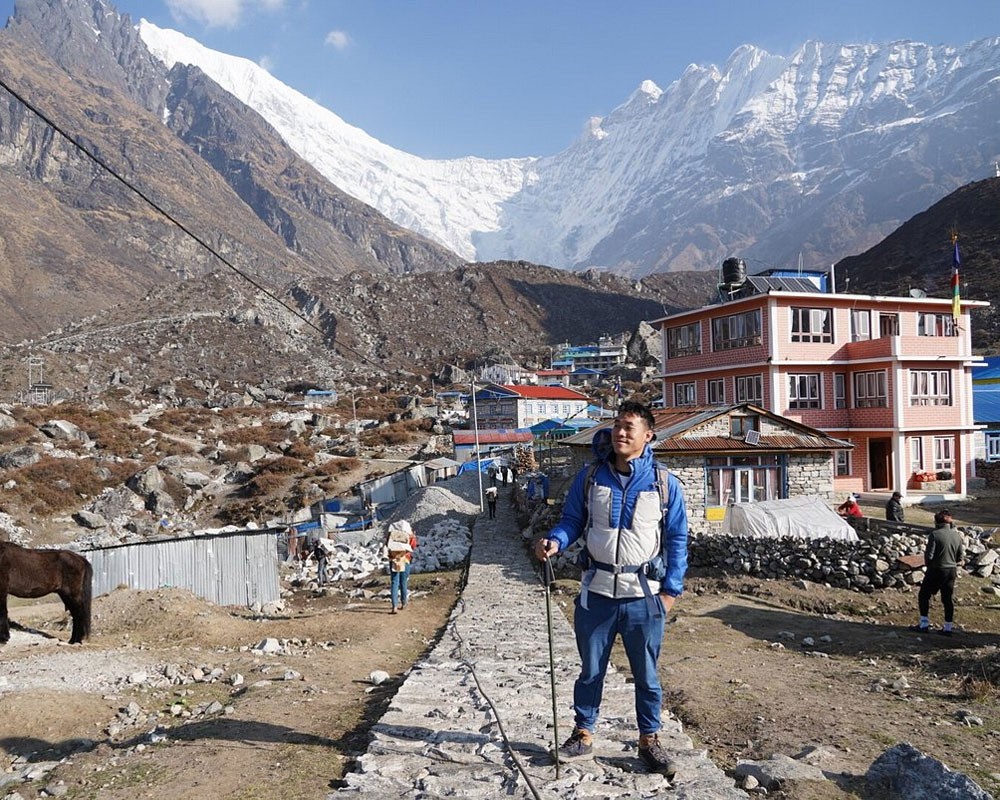
The character of the trail begins to change around Ghodatabela. The forest gradually thins, the valley becomes wider, and the route passes more open grazing ground and mountain settlements. Beyond Langtang Village, there are fewer trees and much more of the surrounding mountain terrain is visible as you continue toward Kyanjin Gompa.
The final approach to Kyanjin is noticeably different from the lower valley. The trail crosses open ground surrounded by high ridges, glaciers and peaks of the Langtang Himal, with yak pastures and stone-built settlements replacing the dense forest encountered earlier in the trek. By the time you reach Kyanjin Gompa, the trail looks and feels very different from the forested route where the trek began at Dovan.
Is the 5 Days Langtang Valley Trek Too Fast?
Five days is a fast schedule for the Langtang Valley, and we would not present it as the ideal duration for every trekker. The itinerary works because private road transfers allow us to start walking from Dovan on Day 1 and return from Dovan on Day 5, leaving the middle three days for the main valley route to Kyanjin Gompa and back.
The main compromise is not the destination. You still reach Langtang Village and Kyanjin Gompa and have time for the Kyanjin Ri hike. What you lose compared with a longer itinerary is spare time: there is less room for a shorter walking day, an additional night in Kyanjin, a side trip, or an unplanned delay.
Altitude is the more important consideration. Kyanjin Gompa is around 3,870 m, and the Kyanjin Ri hike takes you considerably higher before you begin the return journey. Because the five-day itinerary provides less acclimatization time than our longer Langtang routes, we pay close attention to how each trekker is responding as the group gains elevation. Reaching a planned overnight stop is never more important than responding appropriately to symptoms.
If you already have good walking fitness, are comfortable with consecutive trekking days, and have only a short window in Nepal, five days can be a practical option. If you want more acclimatization margin, additional time around Kyanjin, or simply prefer not to walk to a tight schedule, choose the 6-day or 8-day Langtang itinerary instead.
Difficulty Level of the 5 Days Langtang Valley Trek
The 5 Days Langtang Valley Trek is not technically difficult, but it can feel physically demanding because of the pace.
The route follows established mountain trails and requires no technical climbing skills. Most trekking days involve sustained uphill or downhill walking, while the Kyanjin Ri hike adds a steeper climb on rocky ground at high altitude. The challenge comes from combining these walking days into a compressed five-day schedule rather than from technical terrain.
The sustained climb through the lower valley is easy to underestimate. Between Lama Hotel and Langtang Village, the trail continues gaining height through forest before opening into the upper valley. The gradient is not technically difficult, but several hours of continuous ascent can become tiring, particularly after the previous day's walking.
From Langtang Village to Kyanjin Gompa, the trail remains uphill but the gradient is generally more gradual than some of the lower forest climbs. The greater challenge here is elevation: you are approaching 3,865 metres, so maintaining the same walking speed you used lower in the valley is neither necessary nor useful.
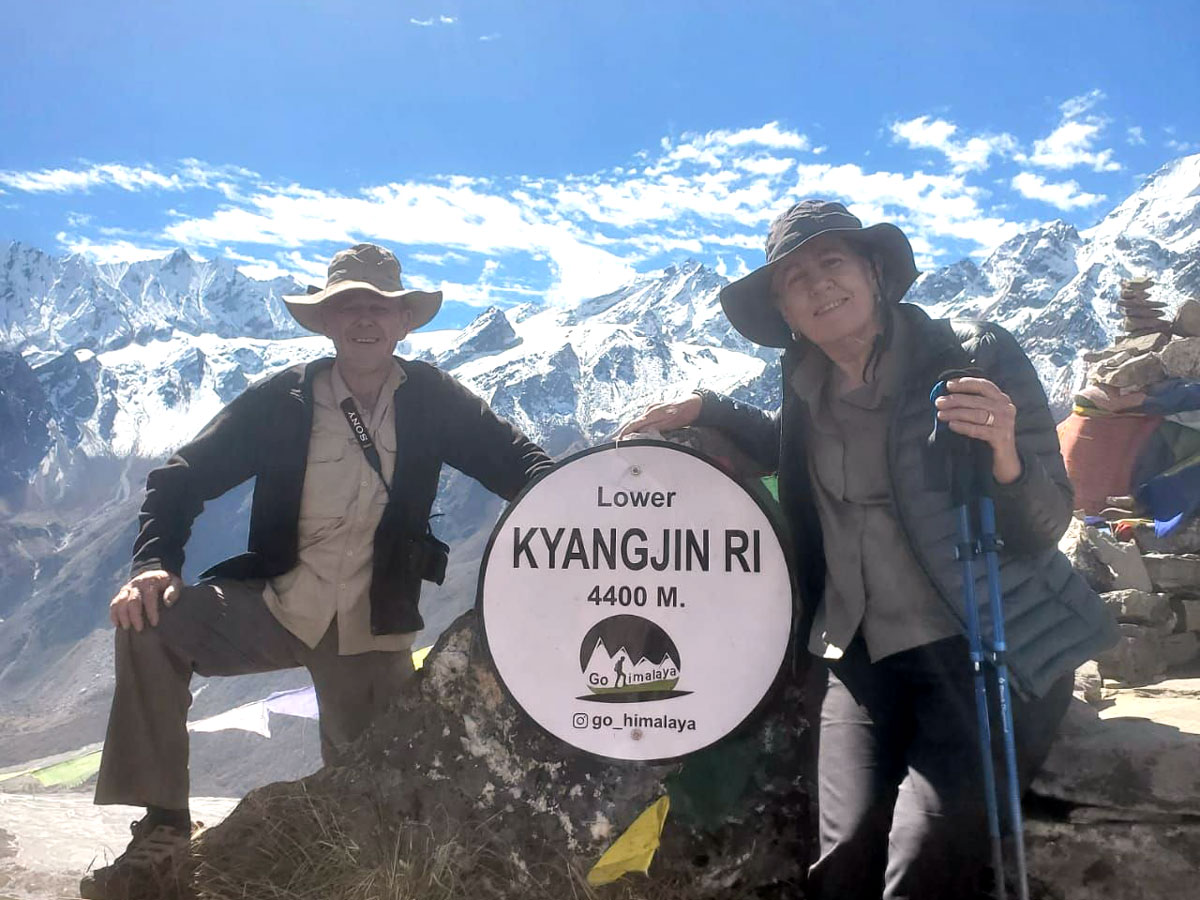
Kyanjin Ri is the most demanding climb of the itinerary. From Kyanjin Gompa, the trail climbs steeply over exposed rocky ground to 4,773 metres. The ascent is considerably steeper than the normal valley trail, and the descent can be hard on the knees. We normally start early, walk slowly on the climb, and recommend trekking poles for additional stability on the descent.
Trail Conditions and Terrain on the 5 Days Langtang Valley Trek
The Langtang Valley trail is well established and does not require technical climbing, but the surface changes considerably during the five-day route. Expect a mixture of forest paths, stone steps, suspension bridges, rocky mountain trail and steeper ground on the Kyanjin Ri hike.
From Dovan, the lower trail follows the Langtang River through forest toward Bamboo, Rimche and Lama Hotel. There are repeated short climbs and descents, exposed roots, natural stone steps and uneven sections rather than one continuous uphill path. Shaded ground can remain damp after rain, particularly around the lower forest, so trekking shoes or boots with reliable grip are important.
Higher in the valley, the trail remains straightforward to follow but becomes increasingly rocky in places. Around Ghodatabela and toward Langtang Village, expect compact earth, stone paths and uneven natural trail. There are also suspension bridges and sections where landslide damage, rainfall or ongoing trail maintenance can alter the exact walking line from one season to another.
The normal trail between Langtang Village and Kyanjin Gompa is generally less steep than the Kyanjin Ri climb, although you are still walking on uneven mountain ground. Trekking poles are not essential for the main valley trail, but they can be useful on long descents and where loose stones make footing less stable.
Kyanjin Ri is the steepest and roughest section of the itinerary. The path climbs continuously above Kyanjin Gompa over rocky ground, with loose stones and uneven footing in places. We recommend trekking poles for the descent, when tired legs and loose ground can put additional pressure on the knees. Snow or ice can occasionally affect the upper section in colder conditions, and the guide will assess whether the planned climb is appropriate on the day.
Altitude and Acclimatization on the 5 Days Langtang Valley Trek
The 5 Days Langtang Valley Trek reaches Kyanjin Gompa at approximately 3,870 m on Day 3, followed by the Kyanjin Ri hike to 4,773 m on Day 4. Because this altitude is reached within a short itinerary, acclimatization deserves more attention here than the total number of trekking days might suggest.
The sleeping altitude rises quickly from Bamboo at 1,970 m on the first night to Ghodatabela at 3,020 m and then Kyanjin Gompa at approximately 3,870 m. There is no separate acclimatization day before reaching Kyanjin, which is one of the main differences between this five-day itinerary and a slower Langtang schedule.
You do not sleep at the highest point of the trek. Kyanjin Ri is climbed as an early-morning day hike from Kyanjin Gompa, and after reaching 4,773 m you descend back to Kyanjin before continuing down the valley. This limits the amount of time spent at the highest elevation, but it does not remove the possibility of altitude illness.
Headache, nausea, dizziness, unusual fatigue, loss of appetite or difficulty sleeping can occur as altitude increases. Any new or worsening symptoms should be reported to your guide rather than dismissed as normal tiredness. If symptoms suggest that continuing higher is unsafe, the priority is to stop ascending and reassess the plan.
Our guide checks how each trekker is responding as the group gains altitude, particularly before the Kyanjin Ri hike. If someone is not acclimatizing well, the day's plan can be adjusted rather than treating the viewpoint as something that must be reached. Kyanjin Ri is an objective, not a requirement for completing the Langtang Valley trek.
Best Time for the 5 Days Langtang Valley Trek
The best times for the 5 Days Langtang Valley Trek are generally spring (March to May) and autumn (September to November). For this shorter itinerary, reliable trail conditions and good morning visibility are particularly useful because there is little spare time to wait for better weather around Kyanjin Gompa or Kyanjin Ri.
Spring: March to May
Spring brings progressively warmer trekking conditions to Langtang Valley. Rhododendrons begin flowering along the forested lower trail, particularly around Bamboo and Lama Hotel, while the upper valley remains much more open and alpine. March can still be cold around Kyanjin Gompa, whereas April and May are generally warmer. Mountain views are often clear in the morning, although cloud can build later in the day as spring progresses.
Autumn: September to November
Autumn is usually our first choice for trekkers who place the highest priority on mountain visibility. After the summer monsoon, clearer air often gives excellent views of Langtang Lirung and the surrounding peaks, while the main trail is generally drier than during the rainy months. October is particularly popular, while November usually brings colder mornings and nights but can still provide very clear mountain conditions.
During both spring and autumn, we normally leave Kyanjin Gompa early for Kyanjin Ri. Morning visibility is often better than later in the day, and an early start also gives us more time to complete the climb and descent before continuing down the valley.
Winter: December to February
The trek can also be done in winter, but conditions around Kyanjin Gompa are considerably colder. Snow may affect the upper valley and Kyanjin Ri, especially after a recent storm, and icy ground can change the conditions on the viewpoint trail. Winter can suit trekkers who are properly equipped for cold weather and prefer fewer people on the route, but the guide may need to reconsider the Kyanjin Ri climb if snow or ice makes conditions unsuitable.
Monsoon: June to August
Monsoon is the least predictable period for this five-day itinerary. The lower forest trail can become wet, muddy and slippery, cloud frequently limits mountain visibility, and heavy rainfall can affect road conditions as well as the trail. Langtang remains exceptionally green during these months, but we would not choose monsoon over spring or autumn if your dates are flexible.
If you can choose freely, October and November are particularly strong months for clear mountain views, while April offers a good combination of spring vegetation, rhododendron flowering and generally comfortable trekking temperatures. Actual mountain weather varies from year to year, so seasonal patterns should be treated as guidance rather than a guarantee.
For month-by-month conditions, temperatures and a more detailed seasonal comparison, see our Best Time to Trek Langtang Valley guide.