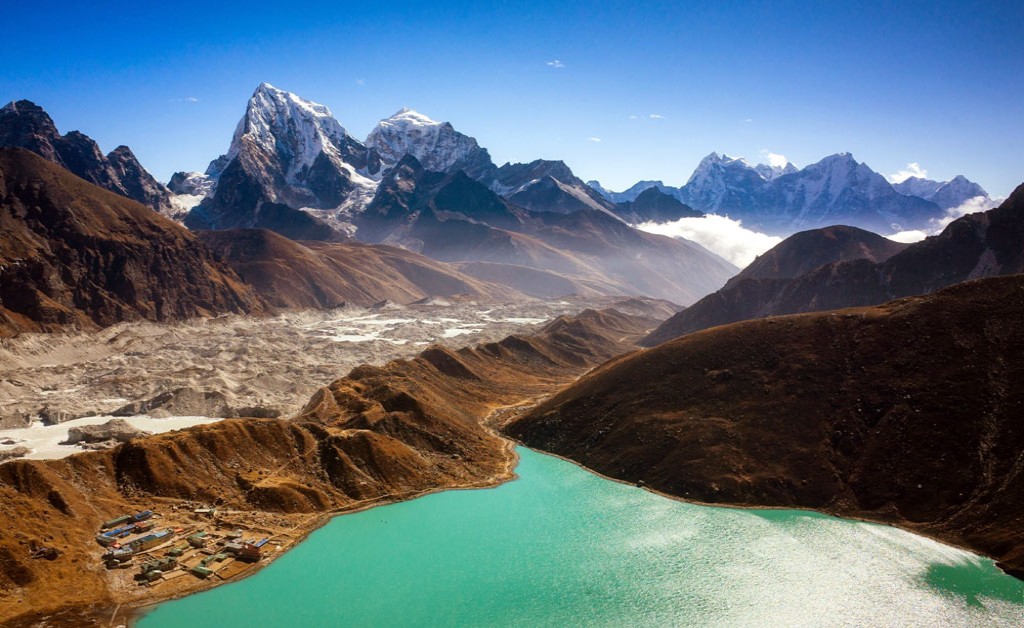
Gokyo Lakes Trek Overview
The Gokyo Lakes Trek is a scenic trekking journey in the Everest region that leads to the turquoise glacial lakes of Gokyo Valley and the panoramic viewpoint of Gokyo Ri. Compared with the classic Everest Base Camp Trek, this route is generally quieter and less crowded while still offering spectacular Himalayan scenery and Sherpa culture.
Trekkers looking for the classic Everest route can also explore our Everest Base Camp Trek itinerary.
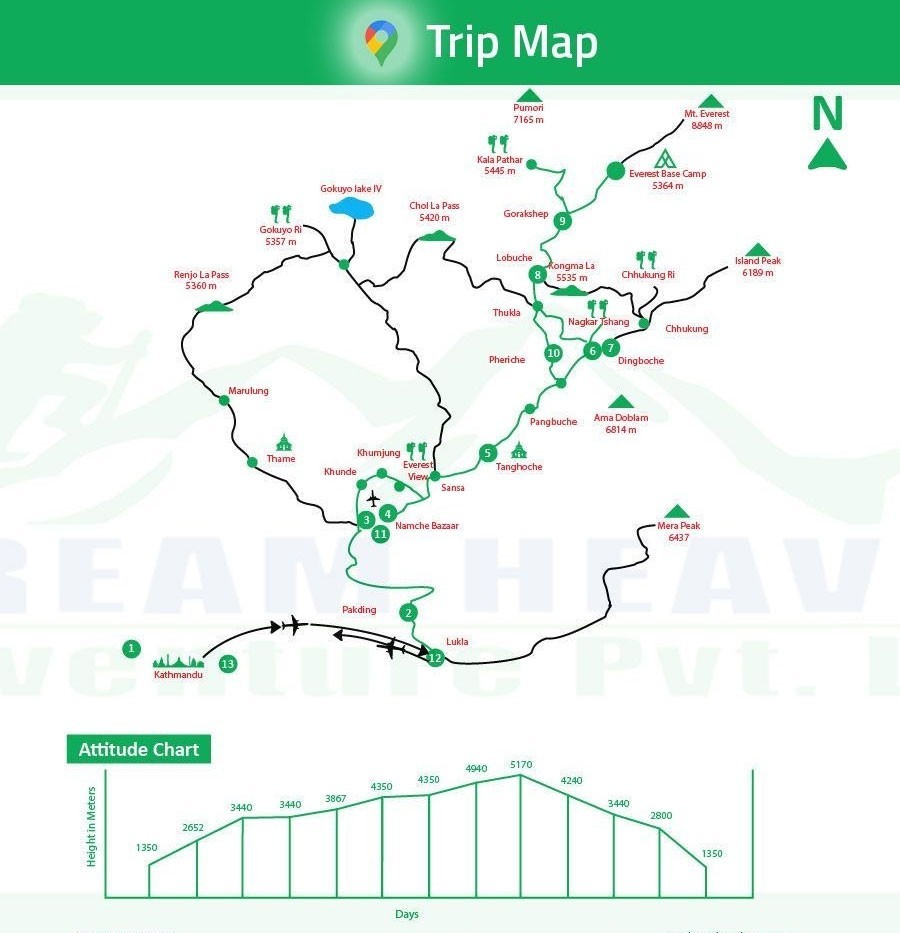
The trek begins with a flight to Lukla and follows the lower Everest trail through Phakding and Namche Bazaar before separating toward the Gokyo Valley route. The trail gradually passes through Dole, Machhermo, and high alpine landscapes surrounded by mountains, glaciers, and glacial lakes.
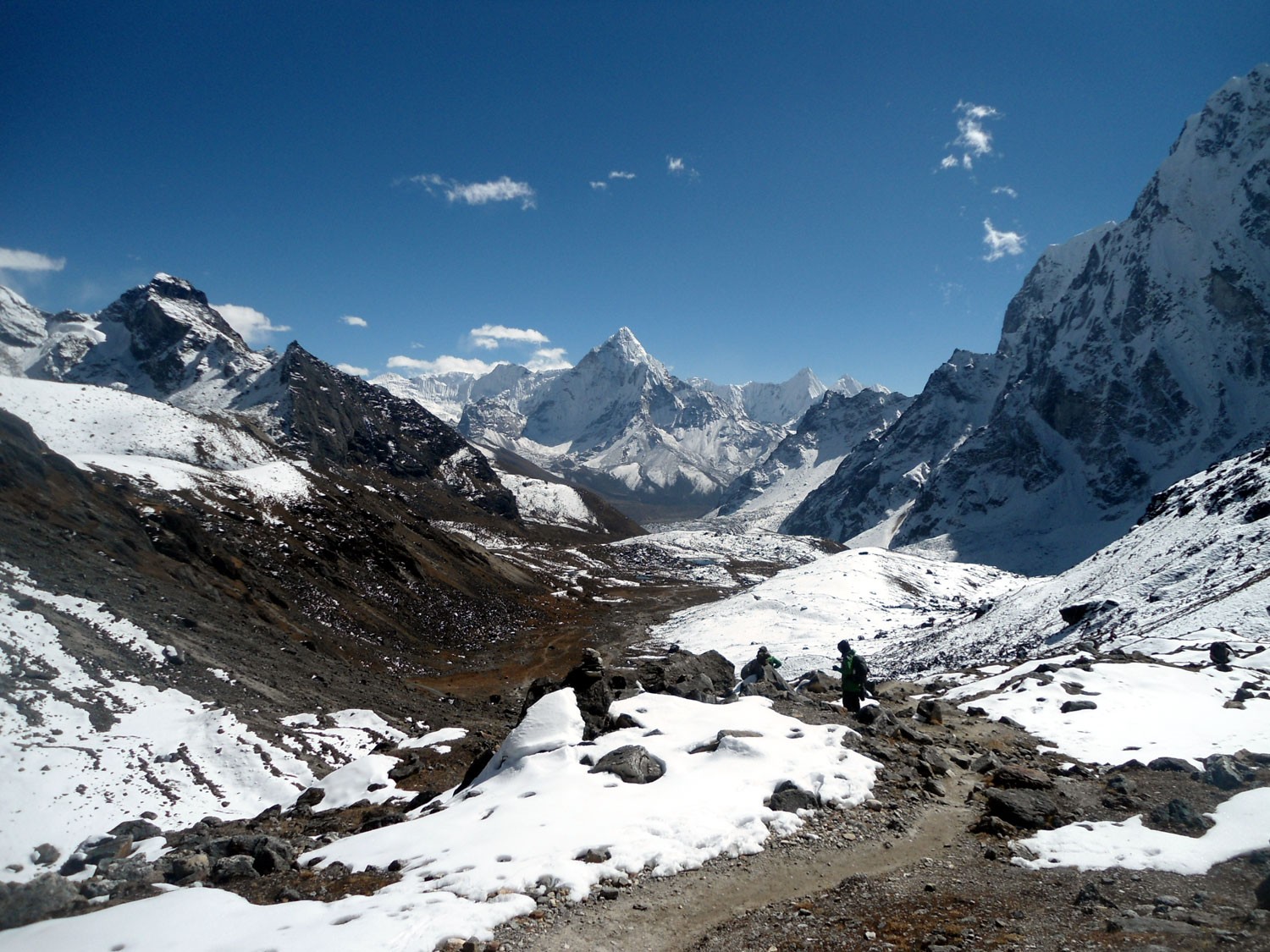
The main highlights of the trek include the Gokyo Lakes, Ngozumpa Glacier, Gokyo village, and the sunrise hike to Gokyo Ri. From Gokyo Ri, trekkers can enjoy panoramic views of Everest, Lhotse, Makalu, Cho Oyu, Ama Dablam, and many surrounding Himalayan peaks.
The Gokyo Lakes Trek is a good option for trekkers looking for Everest-region scenery with a more peaceful trekking experience away from the busier Everest Base Camp route.
Gokyo Lakes and Ngozumpa Glacier
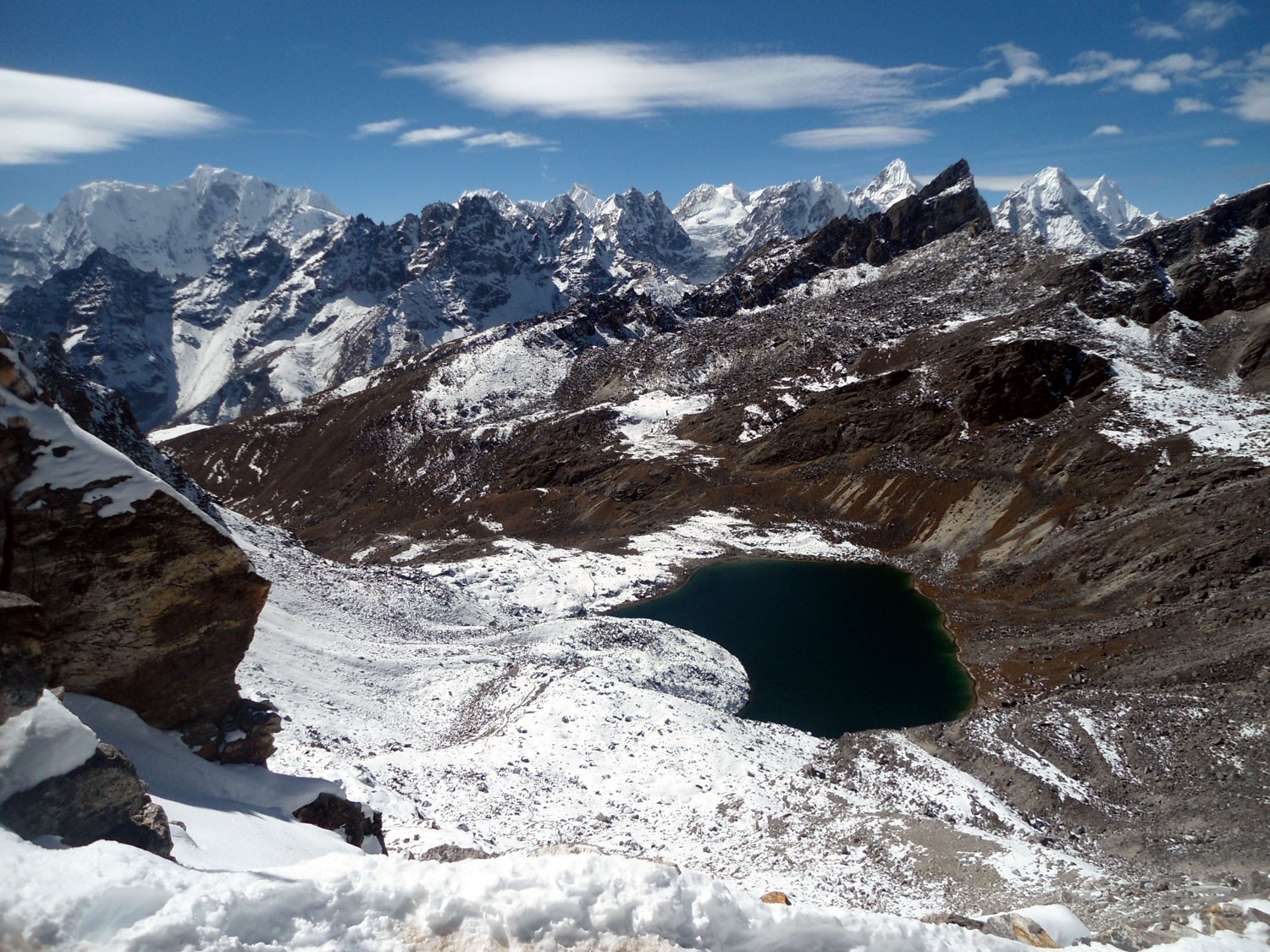
The Gokyo Lakes are a group of high-altitude glacial lakes located between approximately 4,700 and 5,000 meters inside Sagarmatha National Park. These lakes are considered one of the world’s highest freshwater lake systems and are an important natural feature of the Everest region.
The Gokyo lake system includes several lakes, with Thonak Lake being the largest. The lake most trekkers refer to as Gokyo Lake is Dudh Pokhari, also known as Gokyo Cho, located beside Gokyo village.
The lakes are mainly fed by the Ngozumpa Glacier, the longest glacier in Nepal, which stretches for around 32 kilometers through the upper Gokyo Valley. The combination of turquoise lakes, glaciers, snow-covered mountains, and high alpine landscapes makes this region one of the most scenic parts of the Everest area.
What Can You See from Gokyo Ri?
Gokyo Ri is one of the best viewpoints in the Everest region and one of the major highlights of the trek. The hike usually starts early in the morning for sunrise views over the Himalayas.
From the summit of Gokyo Ri, trekkers can see Mount Everest, Lhotse, Makalu, Cho Oyu, Ama Dablam, Thamserku, and many surrounding Himalayan peaks. The viewpoint also overlooks the Ngozumpa Glacier, Gokyo Valley, and the turquoise lakes below.
Compared with many viewpoints on the Everest Base Camp trail, Gokyo Ri offers wider panoramic views with fewer crowds.
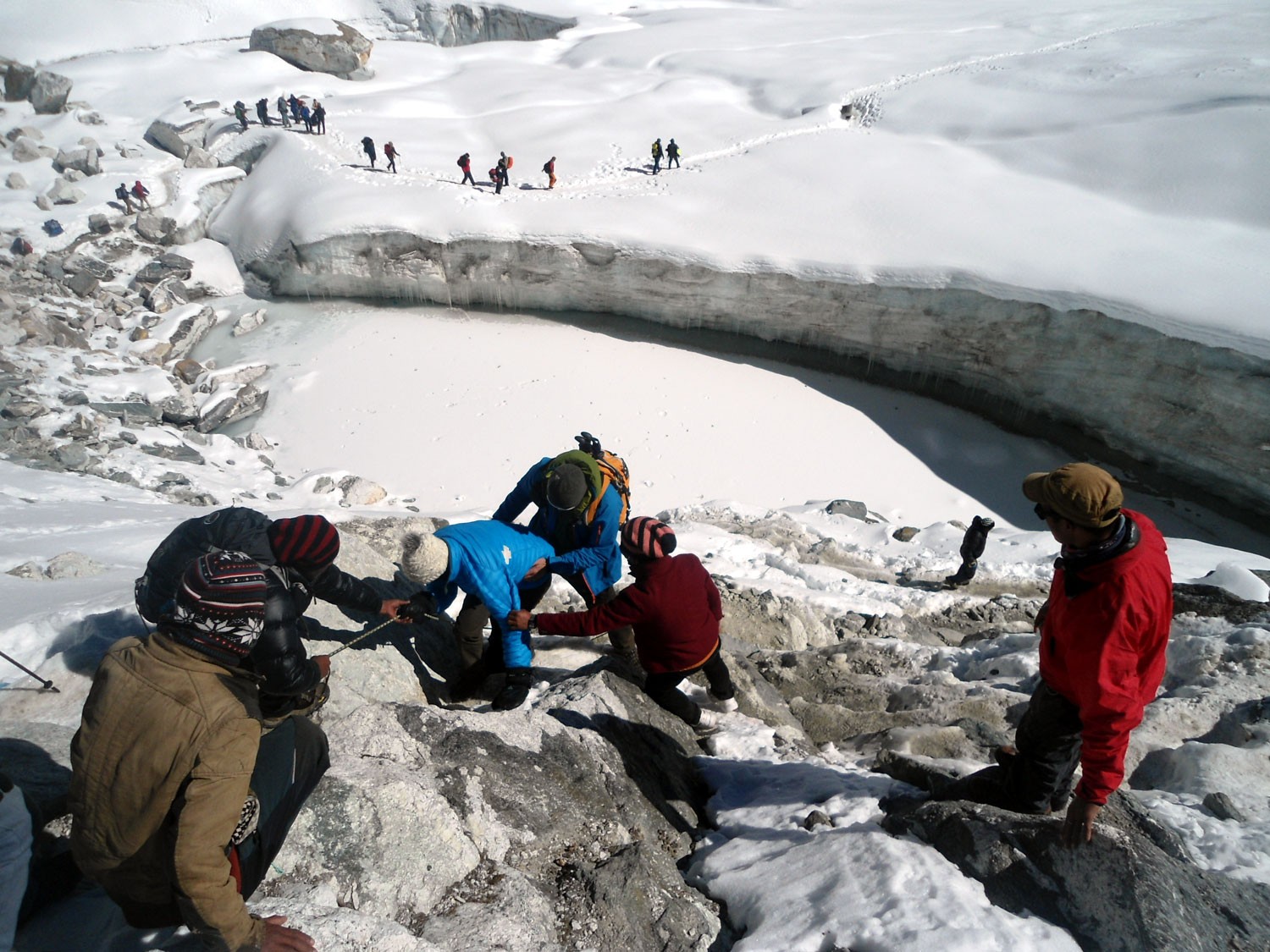
The dark rocky surface visible across much of the Ngozumpa Glacier is formed by layers of debris carried down from surrounding Himalayan peaks over many years.
Cultural and Religious Importance of Gokyo Lakes
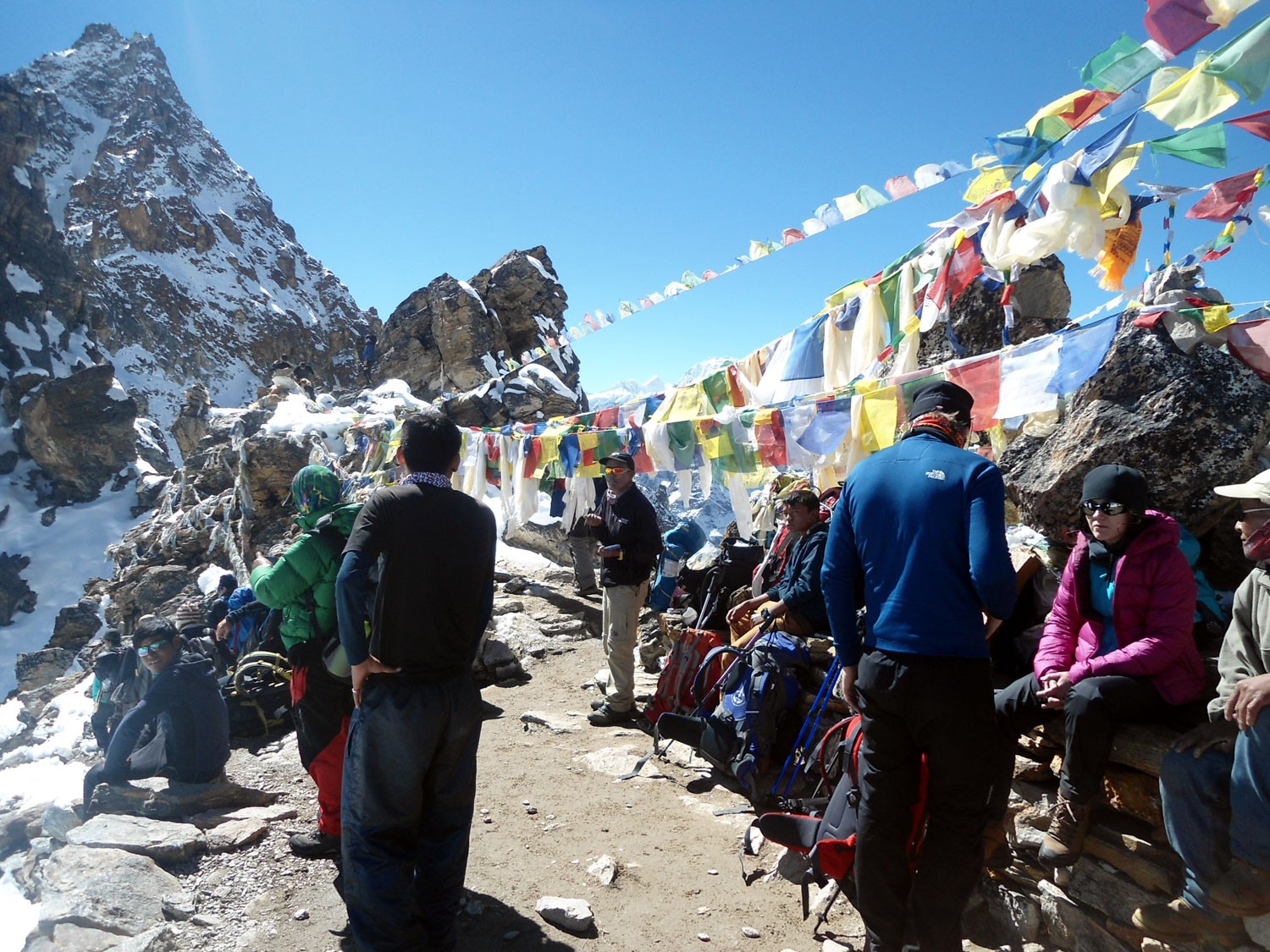
The Gokyo Lakes hold cultural and religious importance for both Buddhist and Hindu communities in the Everest region. Prayer flags, stone shrines, and traditional beliefs connected to the lakes can still be seen around Gokyo Valley today.
For local communities, the lakes are considered sacred, and many pilgrims visit the area during special religious occasions. The peaceful environment, surrounding mountains, and spiritual atmosphere add another unique dimension to the Gokyo Lakes Trek experience.
What Makes Gokyo Lakes Trek Different from Everest Base Camp?
The Gokyo Lakes Trek and Everest Base Camp Trek both follow the Everest region trail through Namche Bazaar, but the experience becomes very different after the route separates toward Gokyo Valley.
Compared with the Everest Base Camp route, the Gokyo trail is generally quieter and less crowded. Instead of following the busy trail toward Tengboche and Lobuche, the route heads toward Dole, Machhermo, and the glacial lakes of Gokyo Valley.
The scenery also feels different. While Everest Base Camp focuses more on the Khumbu Glacier and the journey to base camp itself, the Gokyo route is known for turquoise lakes, panoramic mountain views, and the Ngozumpa Glacier.
Many trekkers choose the Gokyo Lakes Trek because it offers a more peaceful trekking experience while still providing spectacular views of Everest and other Himalayan peaks.
Trekkers interested in combining Gokyo Valley with Everest Base Camp and Cho La Pass can also explore our Everest Base Camp Cho La Pass Trek.
Gokyo Lakes Trek Difficulty
The Gokyo Lakes Trek is generally considered a moderate to challenging trek. Our standard 12-day Gokyo Lakes itinerary does not include high pass crossings such as Cho La Pass or Renjo La Pass, making it more manageable compared to the Everest Three Passes Trek.
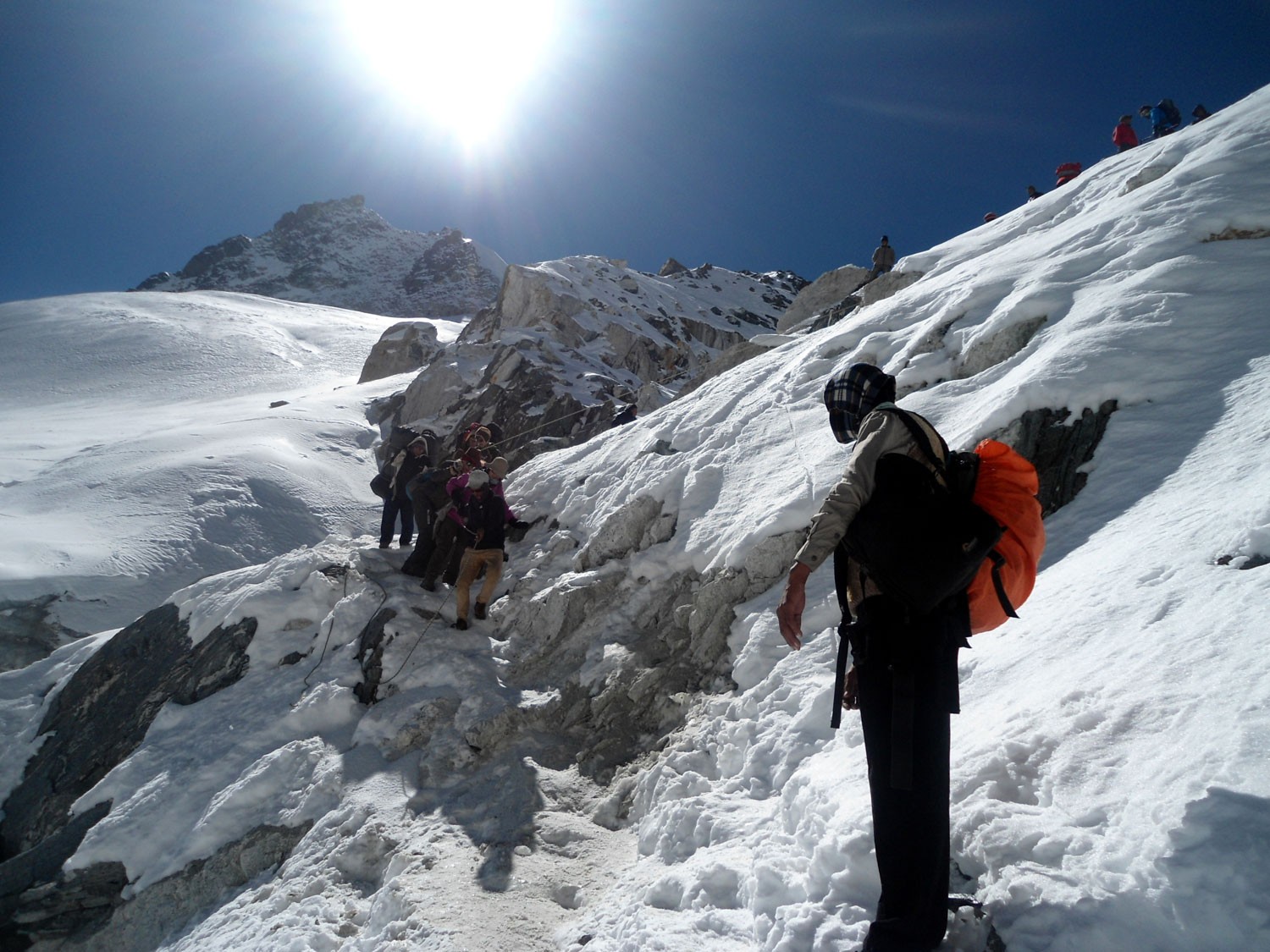
There are no technical climbing sections on the trek. However, the trail beyond Namche Bazaar becomes more rugged, with rocky paths, glacier moraines, uneven terrain, and gradual altitude gain toward Gokyo Valley.
The trek covers approximately 75 kilometers in total, with average daily walking distances of around 9 to 11 kilometers. Most trekking days involve about 5 to 6 hours of walking depending on pace, weather, and trail conditions.
As the altitude increases above Dole and Machhermo, thinner air can make walking feel slower and more physically demanding. Proper acclimatization, steady pacing, and basic physical preparation help make the trek achievable for both fit beginners and experienced trekkers.
Overall, the Gokyo Lakes Trek is suitable for trekkers who are physically prepared for multiple walking days at high altitude and comfortable with basic mountain accommodation.
Travelers looking for a shorter and easier Everest experience may also consider our Everest View Hotel Trek.
Best Time for Gokyo Lakes Trek
Spring (March to May) and autumn (September to November) are considered the best seasons for the Gokyo Lakes Trek. These months usually offer stable weather, clear mountain views, and comfortable trekking conditions in the Everest region.
During spring, rhododendron forests bloom along the lower trails, and daytime temperatures are generally moderate. Autumn is known for dry weather, crisp visibility, and excellent panoramic mountain views after the monsoon season.
Temperatures become colder as the trek moves above Namche Bazaar and Dole, especially during mornings and nights. Even during the warmer trekking seasons, warm clothing and a sleeping bag are recommended for higher elevations.
Winter trekking is also possible for experienced trekkers who are prepared for colder temperatures and snow-covered trails. During winter, the Gokyo Lakes may partially freeze, and the trails are generally quieter with fewer trekkers in the region.
Afternoon cloud buildup and changing mountain weather are common in the Everest region, especially at higher elevations.
What the Gokyo Lakes Trek Feels Like
Compared with the busier Everest Base Camp route, the Gokyo Valley trail often feels quieter and more remote after leaving Namche Bazaar. The combination of high alpine landscapes, glacial lakes, Sherpa villages, and wide Himalayan views creates a more peaceful trekking atmosphere throughout the journey.