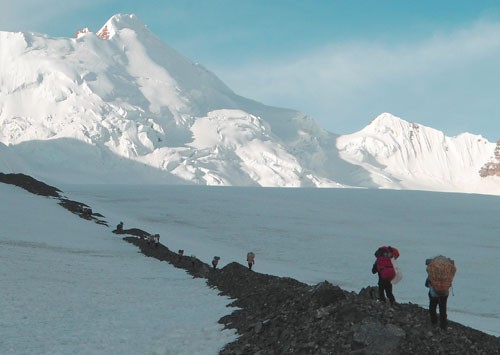
What Reaching Kanchenjunga Base Camp Actually Feels Like
Before starting the Kanchenjunga Base Camp Trek, most people imagine a single moment: standing at the base of the world's third-highest mountain. The reality is often very different.
After days of trekking through forests, river valleys, mountain villages, alpine terrain, and glacial landscapes, reaching Pangpema feels less like arriving at a destination and more like completing a journey that has been unfolding gradually since the first day on the trail.
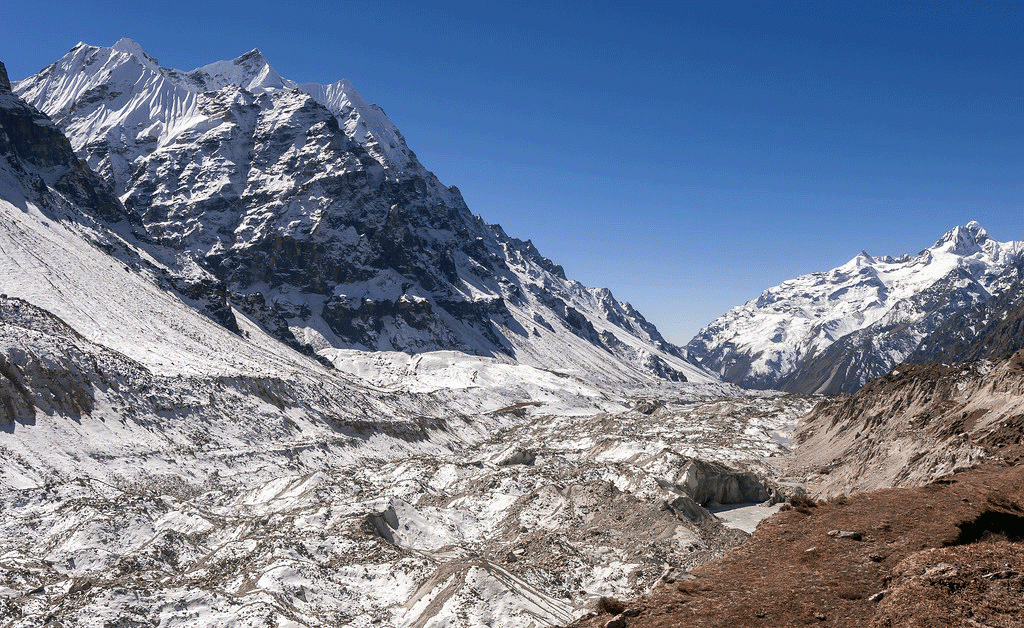
One thing we frequently notice is that many trekkers arrive expecting a traditional viewpoint. Yet after spending time at Pangpema, conversations often shift away from the viewpoint itself and toward the scale of the surrounding landscape. The immense north face of Kanchenjunga rises above the valley in a way that photographs rarely capture accurately. Many people are surprised by how much larger and more imposing the mountain feels when standing directly beneath it.
By the time trekkers reach Pangpema, they have already spent days beyond Ghunsa, Kambachen, and Lhonak. Forests have gradually disappeared, villages have become increasingly scarce, and the landscape has transformed into a world of rock, ice, glaciers, and high mountain terrain. This gradual progression is one reason the experience feels so different from many other trekking destinations in Nepal.
Unlike some famous viewpoints where crowds become part of the experience, Pangpema remains remarkably quiet. There are no large settlements, busy trekking hubs, or commercial distractions. The attention naturally shifts toward the mountains, glaciers, and the vast Himalayan landscape surrounding the base camp.
The feeling of remoteness is often what stays with trekkers the longest. Reaching Pangpema requires commitment, patience, and many days on the trail. That effort changes the experience. Standing at Kanchenjunga North Base Camp feels different because the journey itself has been long enough to create a genuine sense of distance from roads, cities, and everyday routines.
Many trekkers expect the mountain to be the most memorable part of the day. Surprisingly, some later describe the atmosphere as equally important. The silence of the valley, the surrounding glaciers, the open terrain, and the realization that relatively few people ever reach this part of the Himalayas often leave just as strong an impression as the mountain itself.
For some, Pangpema becomes the highlight of the trek. For others, it becomes the moment when everything finally comes together. The forests below Ghunsa, the changing landscapes above Kambachen, the vast valley surrounding Lhonak, and the long approach through eastern Nepal all seem to lead naturally toward this point.
Standing at Kanchenjunga North Base Camp is certainly a memorable achievement. Yet for many trekkers, what remains most vivid long after returning home is not simply reaching the destination, but the feeling of having traveled through one of the most remote and least-visited mountain regions in the Himalayas to get there.
Is the Kanchenjunga Base Camp Trek Difficult?
Yes, the Kanchenjunga Base Camp Trek is considered one of the more challenging teahouse treks in Nepal. However, the difficulty is often misunderstood.
Many people assume the trek is difficult because of steep climbs or technical mountain terrain. In reality, most trekkers find that the challenge comes from the combination of duration, altitude, and remoteness rather than any single section of trail.
One thing we have noticed over the years is that strong hikers are not always the people who enjoy the trek most. The trekkers who tend to perform best are usually those who maintain a steady pace, acclimatize properly, and remain patient throughout the journey. Kanchenjunga rewards consistency far more than speed.
What Makes the Kanchenjunga Trek Challenging?
The first factor is the length of the trek. Unlike shorter trekking routes where the destination can be reached within a few days, Kanchenjunga requires a long commitment. Trekkers spend more than two weeks moving through changing landscapes, gradually gaining altitude before eventually reaching Pangpema, also known as Kanchenjunga North Base Camp.
The second challenge is altitude. The trek reaches approximately 5,143 meters at Pangpema, where the thinner air can make even moderate uphill sections feel noticeably more demanding. This is why acclimatization days in Ghunsa and Kambachen play such an important role in the itinerary.
The third challenge is remoteness. Once beyond Ghunsa, settlements become smaller, facilities become more limited, and the distances between overnight stops become increasingly noticeable. Unlike
Everest Base Camp or Annapurna Circuit, there are fewer trekking groups, fewer lodges, and significantly less infrastructure. For many trekkers, this sense of isolation becomes one of the most rewarding aspects of the journey, but it also adds to the overall challenge.
How Difficult Is the Trail Itself?
Most sections of the Kanchenjunga Trek do not require technical climbing skills. There are no ropes, fixed ladders, or mountaineering sections on the standard trekking route.
That said, trekkers should expect a mixture of stone staircases, forest trails, rocky paths, suspension bridges, glacial terrain, and uneven mountain tracks. Some sections can feel physically demanding, particularly on longer trekking days or when walking at higher elevations.
Weather can also influence trail conditions. Rain, snow, and colder temperatures at higher elevations may increase the difficulty during certain seasons.
Daily Walking Hours
Most trekking days involve between five and eight hours of walking, depending on the itinerary, trail conditions, and pace of the group. Some days are relatively moderate, while others require longer periods on the trail.
A six-hour day on the Kanchenjunga Trek often feels different from a six-hour day on more developed trekking routes. The trail is generally quieter, settlements are further apart, and long sections can pass without encountering another trekking group. This is one reason why mental endurance becomes just as important as physical fitness.
Do You Need Previous Trekking Experience?
Previous trekking experience is helpful but not essential.
We regularly guide trekkers who have completed routes such as Everest Base Camp, Annapurna Circuit, Langtang Valley, or Manaslu Circuit before choosing Kanchenjunga. These trekkers are often familiar with altitude, teahouse trekking, and multi-day walking, which makes the adjustment easier.
However, first-time trekkers with good fitness, realistic expectations, and enough preparation can also successfully complete the trek.
Who Is This Trek Best Suited For?
The Kanchenjunga Base Camp Trek is best suited for trekkers who enjoy long journeys, remote mountain environments, and spending extended periods on the trail. It is an excellent choice for people seeking a less-crowded alternative to Nepal's more popular trekking regions.
If your goal is a short trek with easy access and extensive facilities, there are better options available. If you are looking for a genuine Himalayan journey through one of Nepal's most remote trekking regions, Kanchenjunga is one of the most rewarding treks in the country.
For most trekkers, the challenge is not reaching Kanchenjunga Base Camp itself. The challenge is maintaining a steady pace over many days while gradually moving deeper into a region where the mountains become larger, the valleys become wilder, and the sense of remoteness becomes more pronounced with every step.
Altitude and Acclimatization on the Kanchenjunga Base Camp Trek
Altitude is one of the most important factors to understand before starting the Kanchenjunga Base Camp Trek. While the route does not require technical climbing skills, it does take trekkers into a high-altitude environment where proper acclimatization becomes essential.
The highest point reached during the trek is Pangpema (Kanchenjunga North Base Camp) at approximately 5,143 meters. At this elevation, oxygen levels are significantly lower than at sea level, making even moderate uphill walking feel more demanding than expected.
One thing we regularly notice is that many trekkers spend months preparing physically for the trek but underestimate the role altitude plays in the overall experience. Unlike fitness, altitude affects everyone differently regardless of age, strength, or previous trekking experience.
What Is the Highest Altitude of the Trek?
The highest overnight stop on the standard Kanchenjunga Base Camp Trek is Lhonak at approximately 4,780 meters.
The highest point reached during the trek is Pangpema at approximately 5,143 meters.
While these elevations are well within the range of high-altitude trekking, they are high enough for trekkers to notice the effects of thinner air. This is why the itinerary follows a gradual ascent and includes dedicated acclimatization days before moving higher into the valley.
Where Do Most Trekkers First Notice the Altitude?
The experience varies from person to person, but many trekkers first begin noticing the effects of altitude after leaving Ghunsa and continuing toward Kambachen.
In our experience, many trekkers feel strong when leaving Ghunsa and assume altitude will not be a major factor. The first noticeable change often comes during longer uphill sections, where conversations become shorter, walking speeds naturally slow down, and regular rest stops become more common.
As the trek progresses toward Lhonak and Pangpema, the thinner air becomes increasingly noticeable. This is completely normal and one of the reasons why a gradual pace is so important throughout the upper section of the trek.
Why Are There Acclimatization Days in Ghunsa and Kambachen?
The acclimatization days in Ghunsa and Kambachen are among the most important parts of the entire itinerary.
Some trekkers initially view acclimatization days as rest days that delay reaching base camp. However, after continuing higher into the valley, many quickly understand why these extra nights are included. The gradual ascent helps the body adapt naturally and significantly improves comfort at higher elevations.
These additional days are not simply about reducing the risk of altitude sickness. They also help trekkers maintain energy levels, recover properly, and enjoy the journey rather than constantly feeling the effects of altitude.
In our experience, trekkers who acclimatize well often enjoy the final days around Lhonak and Pangpema far more than those who try to gain altitude too quickly.
Common Symptoms of Altitude Sickness
As altitude increases, some trekkers may experience symptoms of Acute Mountain Sickness (AMS).
Common symptoms include:
- Headache
- Loss of appetite
- Nausea
- Difficulty sleeping
- Fatigue
- Dizziness
- Shortness of breath during exertion
Most symptoms are mild when recognized early and managed appropriately. However, they should never be ignored or dismissed.
How to Reduce the Risk of Altitude Sickness
While no method can completely eliminate the risk of altitude sickness, several practices can significantly reduce the chances of developing serious symptoms.
We generally recommend:
- Following a gradual ascent schedule
- Taking acclimatization days seriously
- Drinking plenty of water throughout the trek
- Maintaining a steady walking pace
- Avoiding unnecessary exertion at higher elevations
- Eating regular meals even when appetite decreases
- Informing your guide immediately if symptoms develop
One of the most common mistakes trekkers make is trying to walk at the same pace they maintained at lower elevations. On the Kanchenjunga Trek, moving steadily and conserving energy is often far more effective than trying to move quickly.
Is the Altitude More Challenging Than Everest Base Camp?
Both treks reach elevations above 5,000 meters and require proper acclimatization.
However, many trekkers find that the remoteness of the Kanchenjunga region makes altitude feel more significant. Beyond Ghunsa, settlements become smaller, facilities become more limited, and the environment becomes increasingly isolated compared to the Everest region.
This does not necessarily make Kanchenjunga more dangerous, but it does make proper preparation, acclimatization, and experienced local support especially important.
For most trekkers, altitude is a challenge that can be managed successfully with a sensible itinerary, a gradual pace, and adequate acclimatization. The goal is not to reach Kanchenjunga Base Camp as quickly as possible, but to reach it safely while still enjoying the landscapes, villages, and mountain environment that make the journey so rewarding.
Best Time to Trek Kanchenjunga Base Camp
Choosing the right season can significantly influence your overall experience on the Kanchenjunga Base Camp Trek. Weather conditions affect trail accessibility, mountain visibility, temperatures, road conditions, and the overall character of the journey from the lower valleys to Pangpema.
While the Kanchenjunga region can be visited in different seasons, spring (March to May) and autumn (September to November) are generally considered the best times for trekking. These months typically provide the most favorable combination of weather, visibility, and trail conditions.
One thing we have noticed over the years is that the season influences much more than the views at base camp. It affects everything from the forests below Ghunsa to the conditions around Kambachen, Lhonak, and Pangpema. The experience can feel surprisingly different depending on when you choose to trek.
Kanchenjunga Trek in Spring (March to May)
Spring is one of the most rewarding seasons for the Kanchenjunga Base Camp Trek.
As winter gradually ends, forests throughout the lower and middle sections of the route begin to come alive. Rhododendrons bloom across many hillsides, temperatures become more comfortable, and the landscapes take on a vibrant green appearance.
The sections below Ghunsa are often particularly attractive during spring, with forests, waterfalls, and river valleys looking their best after the colder winter months. Wildlife activity can also be more noticeable within the Kanchenjunga Conservation Area.
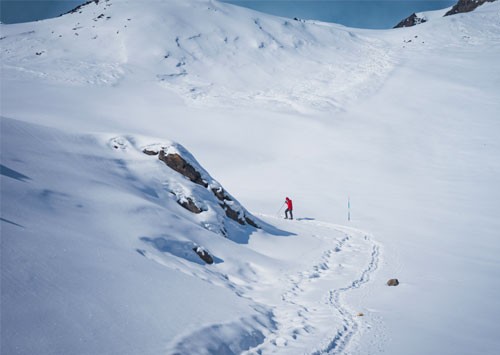
Higher elevations around Kambachen, Lhonak, and Pangpema may still hold patches of snow, especially earlier in the season. This often adds a dramatic alpine character to the upper valley without creating the severe winter conditions found during colder months.
For trekkers who enjoy blooming forests, moderate temperatures, and a combination of mountain scenery and seasonal color, spring is an excellent choice.
Kanchenjunga Trek in Autumn (September to November)
Autumn is widely regarded as the best overall season for trekking in the Kanchenjunga region.
Following the summer monsoon, dust and haze are typically washed from the atmosphere, creating some of the clearest mountain views of the year. Visibility throughout the route often improves significantly, particularly in the upper valley between Ghunsa, Kambachen, Lhonak, and Pangpema.
In our experience, October and early November frequently provide the most stable trekking conditions. Clear mornings are common, mountain views are often outstanding, and weather patterns tend to be more predictable than during other times of the year.
This is also the season we most often recommend to first-time trekkers visiting Kanchenjunga. The combination of stable weather, excellent visibility, comfortable temperatures, and reliable trail conditions makes autumn particularly well suited for reaching Kanchenjunga North Base Camp.
Can You Trek Kanchenjunga in Winter?
Yes, trekking is possible during winter, but conditions become considerably more challenging.
Temperatures drop significantly above Ghunsa, especially around Kambachen, Lhonak, and Pangpema. Snowfall can affect trail conditions, and the upper sections of the route may require additional flexibility depending on weather patterns.
One thing that surprises many trekkers is that winter conditions are often felt most strongly in the upper valley rather than the lower sections of the trek. While villages at lower elevations may remain relatively comfortable, conditions near base camp can be dramatically different.
The main advantage of winter is solitude. Visitor numbers are extremely low, and trekkers who prefer quiet trails often appreciate the additional sense of isolation. However, winter trekking is generally better suited to experienced hikers who are comfortable in colder mountain environments.
Is Monsoon a Good Time for the Kanchenjunga Trek?
The monsoon season generally runs from June to August and is usually considered the least favorable time for trekking in the region.
Heavy rainfall can create muddy trails, increase the risk of landslides, reduce mountain visibility, and make transportation logistics more complicated. Road access in eastern Nepal can occasionally become more challenging during prolonged periods of rain.
Leeches are commonly encountered in lower forested sections of the trail, particularly below Ghunsa. Cloud cover can also limit mountain views for extended periods.
While trekking is still possible during some monsoon periods, most trekkers prefer spring or autumn for a more comfortable overall experience.
Our Favorite Time for the Kanchenjunga Trek
If we were recommending a season to someone planning their first Kanchenjunga Base Camp Trek, we would usually suggest October or early November.
These months often provide the best balance of clear mountain views, stable weather, comfortable trekking temperatures, and reliable trail conditions. Visibility around Kambachen, Lhonak, and Pangpema is frequently at its best, allowing trekkers to fully appreciate the scale of the surrounding Himalayan landscape.
Spring remains an excellent alternative, particularly for those who enjoy rhododendron forests, greener hillsides, and slightly warmer conditions in the lower valleys.
Ultimately, there is no single perfect month for every traveler. Some trekkers prioritize mountain views, others prefer quieter trails, and some enjoy the seasonal beauty of the forests and landscapes. Fortunately, both spring and autumn provide outstanding opportunities to experience one of Nepal's most remote and rewarding trekking regions.
For most trekkers, the best season is the one that matches their priorities. The mountains will always be there, but the character of the journey changes with the seasons.
Accommodation on the Kanchenjunga Base Camp Trek
Accommodation on the Kanchenjunga Base Camp Trek is provided through locally operated teahouses and mountain lodges located in villages along the route. While the facilities are more basic than those found on popular trekking routes such as Everest Base Camp or Annapurna Circuit, they offer an authentic experience in one of Nepal's most remote Himalayan regions.
The further you travel into the Kanchenjunga region, the more noticeable the sense of remoteness becomes. Villages become smaller, supplies become harder to transport, and facilities become simpler. For many trekkers, this gradual transition is part of what makes the journey so memorable.
What to Expect from the Teahouses
Most teahouses along the route are family-run lodges that provide accommodation, meals, and a communal dining area where trekkers gather each evening.
Rooms are generally simple and practical, usually consisting of twin beds, mattresses, pillows, and blankets. The focus is on providing a comfortable place to rest after a day on the trail rather than luxury facilities.
Unlike Nepal's busier trekking regions, the atmosphere along the Kanchenjunga route remains quiet and relaxed. The small number of trekkers and the remoteness of the villages help preserve a more traditional mountain experience.
Accommodation from Ghunsa to Lhonak
Ghunsa offers some of the most comfortable accommodation found on the trek. As one of the largest settlements in the upper valley, it serves as an important stop for trekkers preparing to continue toward higher elevations.
Many trekkers appreciate the opportunity to spend extra time in Ghunsa during acclimatization. After several days on the trail, the village often feels welcoming and comfortable while still retaining its remote mountain character.
Beyond Ghunsa, facilities gradually become more basic.
In Kambachen, accommodation is simple but sufficient for trekkers traveling through the upper valley. Surrounded by dramatic mountain scenery, most people spend more time appreciating the landscape than thinking about room facilities.
Lhonak is one of the most remote overnight stops on the trek. Accommodation here reflects the realities of life in a high-altitude mountain environment where transporting supplies and maintaining facilities requires significant effort. By the time trekkers reach Lhonak, the focus is usually on the experience of being deep within the Kanchenjunga region rather than the level of comfort available.
Electricity, Charging, and Internet
Electricity is available in many villages along the route, although availability can vary depending on location and season.
Charging electronic devices is usually possible for an additional fee. As the trek moves higher into the valley, charging facilities may become more limited than on Nepal's more developed trekking routes.
Internet access is available in some villages but should not be expected throughout the entire trek. Mobile coverage becomes increasingly unreliable as the route progresses into more remote areas.
Many trekkers find that the limited connectivity becomes one of the unexpected benefits of the journey, allowing them to focus more fully on the landscapes, villages, and daily experience of the trek.
Are the Teahouses Comfortable?
Comfort on the Kanchenjunga Trek should be viewed in the context of the region's remoteness.
Rooms are generally clean, simple, and functional. Shared toilets are standard throughout most of the route, while attached bathrooms are uncommon, particularly at higher elevations.
Trekkers expecting hotel-style accommodation may find the facilities basic. Those arriving with realistic expectations are often pleasantly surprised by the level of hospitality available in such isolated mountain communities.
As the trek moves beyond Ghunsa toward Kambachen and Lhonak, facilities become increasingly limited due to the challenges of transporting supplies into the upper valley. This is one reason accommodation remains relatively simple compared to Nepal's more developed trekking regions.
For most trekkers, the accommodation provides exactly what is needed: a warm place to rest, a hot meal at the end of the day, and shelter before continuing deeper into the Kanchenjunga region.
Food and Drinking Water on the Kanchenjunga Base Camp Trek
Food plays an important role on any long-distance Himalayan trek, and the Kanchenjunga Base Camp Trek is no exception. While the region is far more remote than Everest or Annapurna, trekkers are often pleasantly surprised by the quality and variety of meals available throughout much of the route.
The menus found in the Kanchenjunga region are designed to provide energy, warmth, and nutrition for people spending long days on the trail. Although choices become more limited at higher elevations, the food available is generally simple, filling, and well suited to trekking conditions.
What Kind of Food Is Available?
Most teahouses along the route offer a combination of Nepali, Tibetan, and basic international dishes.
Common meals include:
- Dal Bhat (rice, lentil soup, vegetables, and seasonal side dishes)
- Fried rice
- Noodles
- Thukpa (Tibetan noodle soup)
- Momo (dumplings)
- Fried potatoes
- Chapati
- Eggs prepared in different styles
- Pancakes
- Porridge
- Soups and simple pasta dishes
The exact menu varies from village to village depending on season, supply availability, and the size of the teahouse.
Popular Meals on the Trail
Dal Bhat remains the most popular meal throughout the trek and for good reason.
The combination of rice, lentils, vegetables, and unlimited refills in many teahouses provides the sustained energy needed for long trekking days. Many guides, porters, and experienced trekkers continue to choose Dal Bhat regularly, particularly at higher elevations.
Thukpa is another favorite, especially during colder evenings in villages such as Ghunsa, Kambachen, and Lhonak. The warm broth and noodles are both filling and comforting after a day on the trail.
Breakfasts typically include porridge, eggs, pancakes, chapati, potatoes, tea, and coffee, providing a good start before beginning the day's walk.
Does Food Change at Higher Elevations?
Yes.
One thing that surprises many trekkers is that food remains relatively consistent for much of the journey despite the remoteness of the region.
The biggest change is usually not quality but variety. As the trek moves beyond Ghunsa toward Kambachen and Lhonak, menu options gradually become fewer because every food item must be transported into the upper valley. Some ingredients may not always be available, particularly during quieter periods of the trekking season.
For this reason, many trekkers naturally begin choosing simpler meals as they gain altitude. Dal Bhat, noodle soups, potatoes, fried rice, and hot drinks become increasingly popular, not because other foods disappear completely, but because these meals are filling, reliable, and well suited to long days in the mountains.
By the time trekkers reach Lhonak, most people are far less concerned about menu variety than they were at the beginning of the trek. A hot meal at the end of the day is often more important than having a long list of choices.
Vegetarian and Vegan Options
Vegetarian meals are widely available throughout the trek.
Dal Bhat, vegetable fried rice, vegetable noodles, potatoes, soups, chapati, and many breakfast items can easily be prepared without meat.
Vegan trekkers can usually find suitable options as well, although choices become more limited in remote villages. It is always helpful to inform your guide of dietary requirements before the trek begins so that arrangements and recommendations can be made where necessary.
Drinking Water on the Trek
Safe drinking water is essential throughout the Kanchenjunga Base Camp Trek.
Bottled water may be available in some villages, but purchasing large numbers of plastic bottles is neither environmentally responsible nor practical in remote mountain areas.
For this reason, most trekkers carry a reusable water bottle and use one of the following methods:
- Water purification tablets
- Water purification drops
- Personal filtration systems
- Boiled drinking water purchased at teahouses
Boiled water is widely available throughout the route and remains one of the most common choices among trekkers.
As altitude increases, staying properly hydrated becomes increasingly important. Many guides encourage trekkers to drink regularly throughout the day, particularly during the ascent from Ghunsa toward Kambachen, Lhonak, and Pangpema, where the effects of altitude become more noticeable.
Kanchenjunga Base Camp Trek Permits
Permits are mandatory for all trekkers visiting the Kanchenjunga region. Before starting the trek, it is important to understand both the permit requirements and the regulations that apply to this remote part of eastern Nepal.
Unlike some trekking destinations where a single permit is sufficient, the Kanchenjunga Base Camp Trek requires multiple permits because the route passes through both a protected conservation area and a restricted region near Nepal's international borders.
Why Are Permits Required?
The Kanchenjunga region is one of Nepal's most remote and environmentally sensitive mountain areas. Large sections of the trek pass through the Kanchenjunga Conservation Area, while the upper valleys fall under Nepal's restricted area regulations.
The permit system helps support conservation efforts, protect local communities, and monitor trekking activities in regions where access and infrastructure remain limited compared to Nepal's more developed trekking destinations.
Kanchenjunga Conservation Area Permit (KCAP)
All trekkers entering the Kanchenjunga region require a Kanchenjunga Conservation Area Permit (KCAP).
The conservation area protects forests, wildlife habitats, alpine environments, rivers, and traditional mountain communities found throughout the region.
The KCAP is checked at designated control points along the route and must be carried throughout the trek.
Restricted Area Permit (RAP)
In addition to the conservation area permit, trekkers must obtain a Restricted Area Permit (RAP).
The restricted area regulations apply because parts of the Kanchenjunga trekking route pass through sensitive border regions where visitor access is regulated by the Government of Nepal.
Unlike the conservation area permit, the Restricted Area Permit cannot be obtained independently and must be arranged through a registered trekking agency in Nepal.
Can You Trek Kanchenjunga Solo?
This is one of the most common questions trekkers ask when planning the journey.
Under current regulations, solo trekking without a licensed guide is not permitted in the Kanchenjunga restricted area.
However, this does not mean you need to join a group trek.
A solo traveler can complete the Kanchenjunga Base Camp Trek with a licensed guide arranged through a registered trekking company. This option has become increasingly popular among trekkers who prefer flexibility while still complying with permit regulations.
The guide requirement is intended to support safety, route management, and compliance with restricted area policies throughout the trek.
Where Are Permits Checked?
Permit checks take place at designated checkpoints along the route.
Trekkers should expect permits to be inspected at various stages of the journey, particularly when entering conservation and restricted areas. Because permit checks are a routine part of trekking in the region, guides typically carry the required documentation and ensure that all paperwork remains accessible throughout the trek.
What Documents Are Required?
To arrange permits, trekkers generally need:
- A valid passport
- Nepal visa details
- Passport-sized photographs (if required)
- Travel insurance information
- Confirmed trekking itinerary
Permit requirements and regulations can occasionally change, so it is always advisable to verify the latest requirements before traveling.
Permit Arrangements Before the Trek
Unlike some trekking regions in Nepal where permits can be obtained individually, the Kanchenjunga Base Camp Trek requires permit arrangements to be completed before entering the restricted area.
Because the trek combines both conservation area regulations and restricted area permits, all paperwork must be prepared and approved before the journey begins.
For this reason, permit preparation is usually one of the first steps completed after confirming trek dates. Once permits have been issued and checked before departure, the focus quickly shifts from paperwork to the journey itself and the experience of trekking through one of Nepal's most remote Himalayan regions.
Transportation to and from the Kanchenjunga Base Camp Trek
For many trekkers, the journey to the Kanchenjunga region begins long before the first day of walking.
Unlike Everest Base Camp, where the trek starts shortly after arriving in Lukla, or Annapurna, where road access reaches many trailheads, reaching Kanchenjunga requires traveling across a large section of eastern Nepal before arriving at the start of the trek.
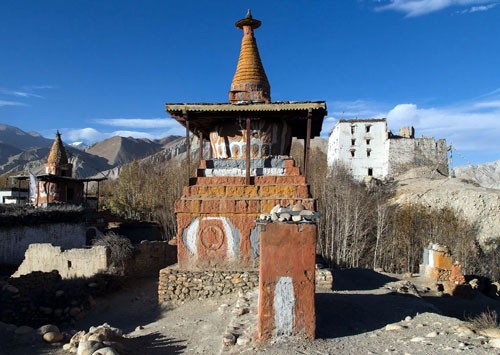
Many trekkers are surprised by this part of the journey. In reality, the transportation days provide an introduction to a side of Nepal that most visitors never see, passing through tea-growing hills, rural settlements, mountain roads, and landscapes that feel very different from the country's more familiar trekking regions.
Flight from Kathmandu to Bhadrapur
The journey normally begins with a domestic flight from Kathmandu to Bhadrapur.
Located in Nepal's southeastern lowlands near the Indian border, Bhadrapur serves as the main gateway for trekkers traveling to the Kanchenjunga region.
The flight is relatively short, but it marks the beginning of a gradual transition from Nepal's busy capital to one of its least-visited mountain regions.
Through Ilam and the Hills of Eastern Nepal
After arriving in Bhadrapur, the route continues by road toward Ilam and Taplejung.
This section of the journey often becomes an unexpected highlight for many trekkers. The landscapes change quickly as the road leaves the lowlands and climbs into the hills of eastern Nepal.
Terraced farmland, tea gardens, forested ridges, small market towns, and traditional villages become part of the scenery throughout the drive. Ilam, in particular, is known throughout Nepal for its tea production and rolling green hills.
Compared to the busier trekking regions of central Nepal, eastern Nepal feels quieter, less commercialized, and more closely connected to everyday rural life.
Taplejung to Sekathum
From Taplejung, the journey continues toward Sekathum, where the trekking trail begins.
The road beyond Taplejung is often the transportation section that surprises trekkers most. Although road access has improved considerably over the years, some sections remain narrow, uneven, and heavily influenced by seasonal weather conditions.
Depending on recent rainfall and road maintenance, travel times can vary. For this reason, flexibility and patience remain an important part of traveling in the region.
By the time you reach Sekathum, the change from road travel to trekking feels obvious. Vehicles, towns, and busy roads are gradually left behind, while suspension bridges, river valleys, forests, and mountain trails become the focus of the journey.
Returning After the Trek
After completing the trek, the return journey follows the same route back through Taplejung, Ilam, and Bhadrapur.
Many trekkers find that the drive feels very different on the way back. At the beginning of the trip, attention is usually focused on reaching the trail. After completing the trek, there is often more time to appreciate the landscapes, villages, and daily life encountered along the route.
Most itineraries include an overnight stay in Bhadrapur before the return flight to Kathmandu.
What Should Trekkers Expect?
Transportation in the Kanchenjunga region requires more time and patience than transportation on many of Nepal's better-known trekking routes.
The roads are longer, the distances are greater, and travel conditions can vary depending on weather and local circumstances. However, these same factors help preserve the remote character of the region.
For many trekkers, the journey through Bhadrapur, Ilam, Taplejung, and Sekathum becomes an important part of the overall experience. It creates a gradual transition into eastern Nepal and helps explain why the Kanchenjunga region feels so different from the country's more frequently visited trekking destinations.
By the time the trail begins, most trekkers already feel they have traveled far beyond Nepal's main tourist routes and into a region where the pace of life, landscapes, and trekking experience remain distinctly different.
Kanchenjunga Base Camp Trek Cost
The Kanchenjunga Base Camp Trek is generally more expensive than many other teahouse treks in Nepal. Trekkers sometimes compare prices with routes such as Langtang Valley, Annapurna Base Camp, or Mardi Himal and wonder why there is a noticeable difference.
The main reason is logistics.
Kanchenjunga is one of Nepal's most remote trekking regions. Reaching the trail requires domestic flights, long overland transportation, restricted area permits, licensed guides, and considerably more coordination than many of Nepal's more accessible trekking destinations.
Unlike routes where services, supplies, and infrastructure are widely available, operating a trek in the Kanchenjunga region involves additional planning long before the first day of walking begins.
Why Is the Kanchenjunga Trek More Expensive?
Several factors contribute to the overall cost of the trek.
Transportation is one of the biggest. The journey involves flights to eastern Nepal followed by long drives through Ilam, Taplejung, and Sekathum before reaching the trailhead.
Permit requirements also increase the cost. Trekkers need both the Kanchenjunga Conservation Area Permit and the Restricted Area Permit, which are mandatory throughout the region.
Another important factor is the guide requirement. Under current regulations, trekkers must be accompanied by a licensed guide while trekking in the restricted area.
The remoteness of the route also affects overall operating costs. Accommodation, food supplies, staffing, and trekking logistics are more challenging to organize than in Nepal's more developed trekking regions.
Does Group Size Affect the Cost?
Yes.
Group size often has a direct impact on the overall cost per person.
Many of the fixed expenses associated with transportation, staffing, and trek operations can be shared among participants. As a result, group departures are usually more economical than private treks.
Private departures offer greater flexibility and a more personalized experience, but the overall operating costs are distributed among fewer people.
For this reason, both group and private treks remain popular depending on individual travel preferences and budget.
Is the Kanchenjunga Trek Worth the Cost?
Kanchenjunga is not typically chosen because it is the cheapest trek in Nepal.
People choose Kanchenjunga because of the experience.
The region offers a combination of remote mountain villages, diverse landscapes, low visitor numbers, and a sense of isolation that has become increasingly difficult to find on many of Nepal's busier trekking routes.
For trekkers seeking a genuine Himalayan journey through one of the country's least-visited mountain regions, the value of the trek often comes from the experience itself rather than the services included in the package.
That is one reason many trekkers consider Kanchenjunga to be one of the most rewarding long-distance treks in Nepal.