Annapurna Circuit Trek

7 reviews
Trip Fact:
  • Duration 12 Days
  • Difficulty Level Moderate
  • DestinationNepal
  • Max Altitude5416m
  • AccommodationHotels in Pokhara and Guest houses/lodges during trekking
  • MealsBreakfast in Pokhara and All meals during the trek
  • Trip Start/EndKathmandu
  • Group Size1-25 pax
  • Best SeasonMarch, April, May, September, October and November are the best months.

Annapurna Circuit Trek Overview 

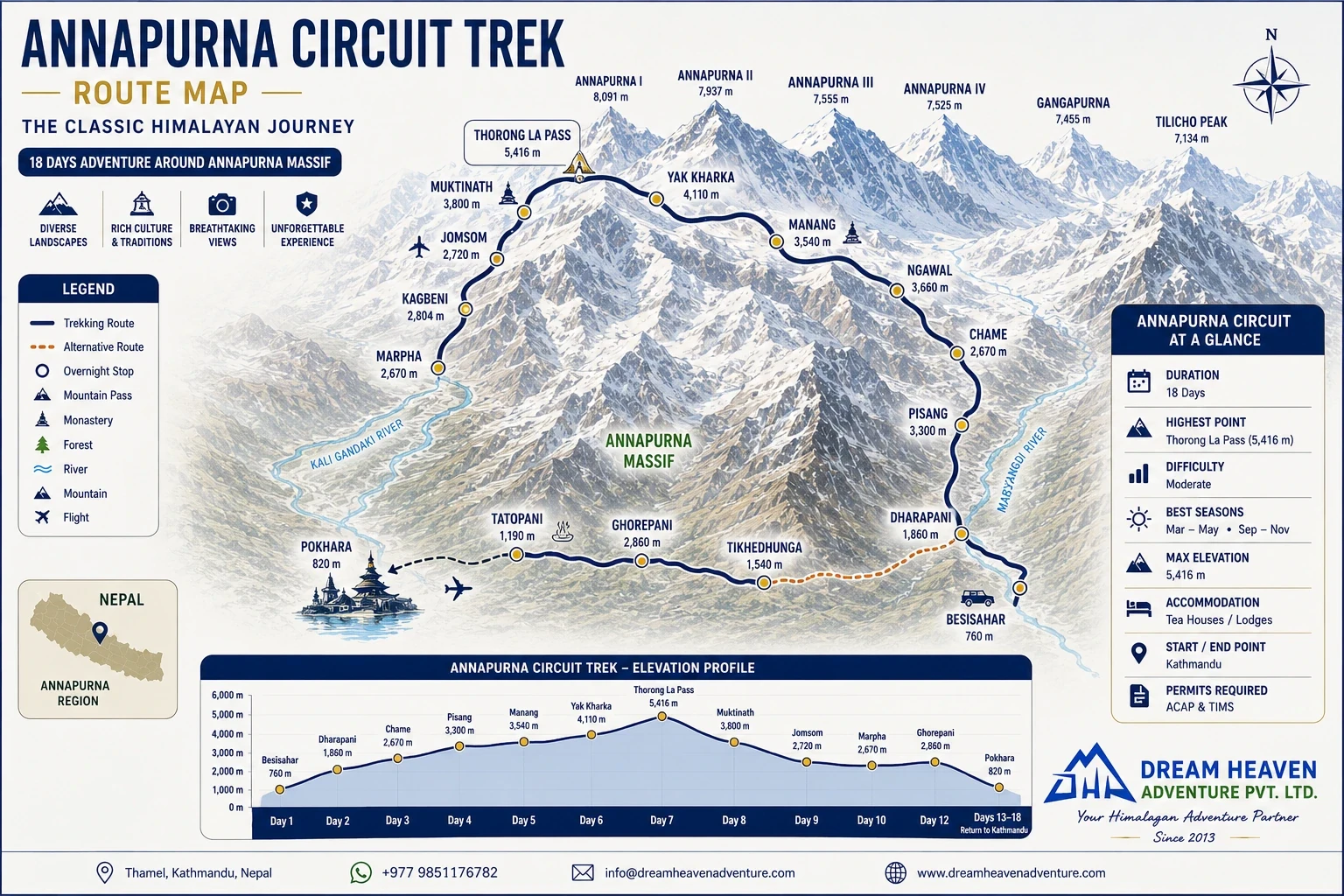
The Annapurna Circuit Trek is a classic long-distance Himalayan journey that offers much more than reaching a single destination. It is a complete trekking experience that combines changing landscapes, living mountain culture, and one of the highest trekking passes in Nepal. This trek begins from Kathmandu, where you meet your guide and start the journey together, ensuring smooth coordination and proper preparation from the very first day.

Our standard itinerary is designed with a balanced approach to cost, safety, and walking comfort. Instead of expensive private jeep rides deep into the mountains, the trek starts with a local bus journey up to Jagat, which allows trekkers to experience real rural Nepal while keeping the overall trip affordable. The guide travels with you from Kathmandu, helping with logistics, permits, and daily planning. A pre-trip meeting is arranged either at your hotel or at our office to finalize all arrangements before departure.

The walking route follows the Marsyangdi River valley through villages such as Bhulbhule, Jagat, Pisang, and Chame. These settlements are not just stopovers; they reflect the daily life of Gurung and Manangi communities who have lived along this trade route for generations. As you gain altitude, the landscape slowly changes from green hills and waterfalls to dry alpine terrain decorated with prayer flags, mani walls, suspension bridges, and mountain streams.

Manang is one of the most important stops on the Annapurna Circuit. It is known for acclimatization, mountain views, and strong Tibetan-influenced culture. From here, the trail moves above the tree line toward Yak Kharka and Thorong Phedi, where the environment becomes more rugged and demanding. Walking sections sometimes follow roads built in recent years, but our itinerary prioritizes quieter trail alternatives wherever possible. Jeep access is available in some sections, but it is costly and does not add real trekking value, which is why this itinerary keeps a sensible trekking-focused route.

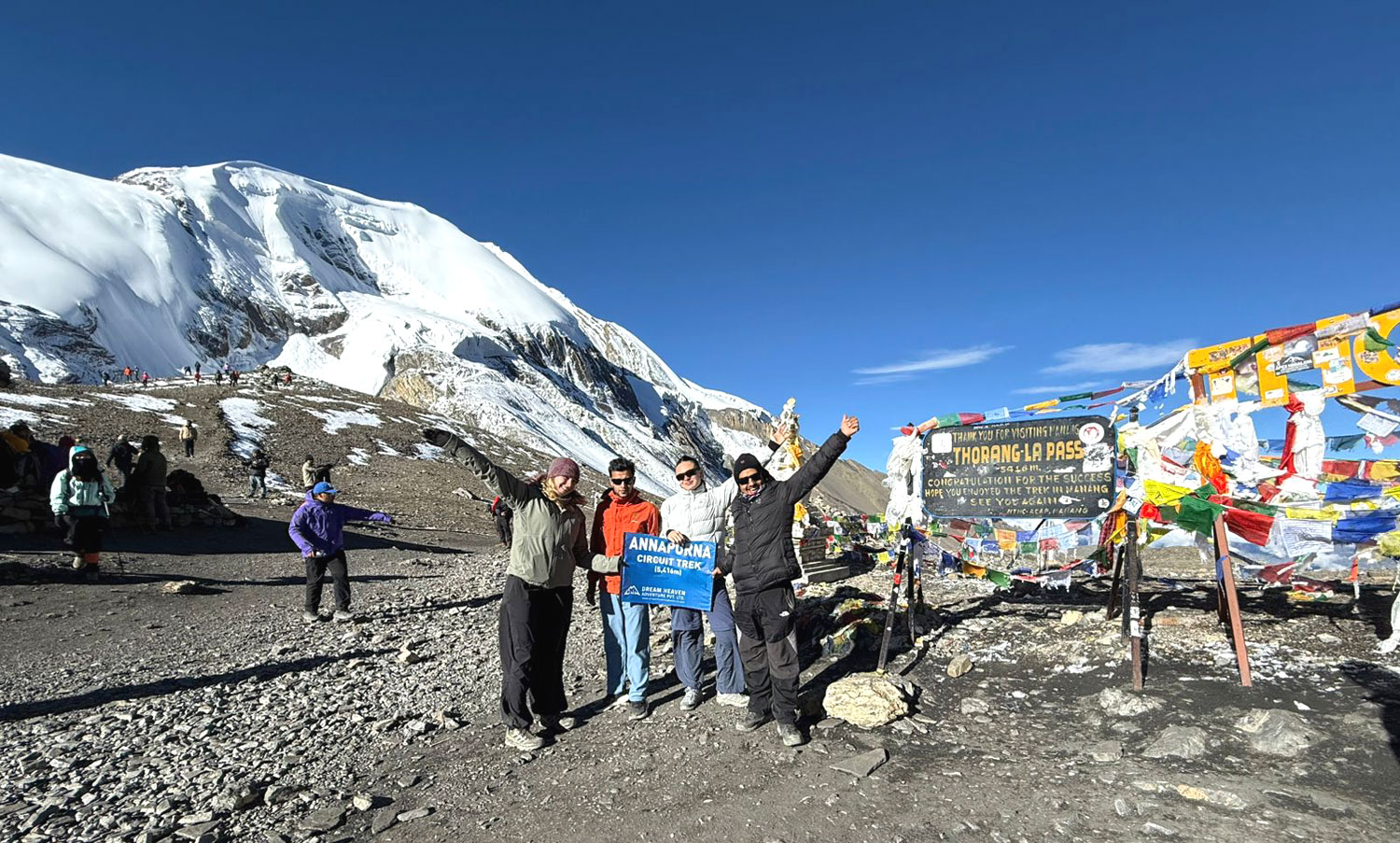
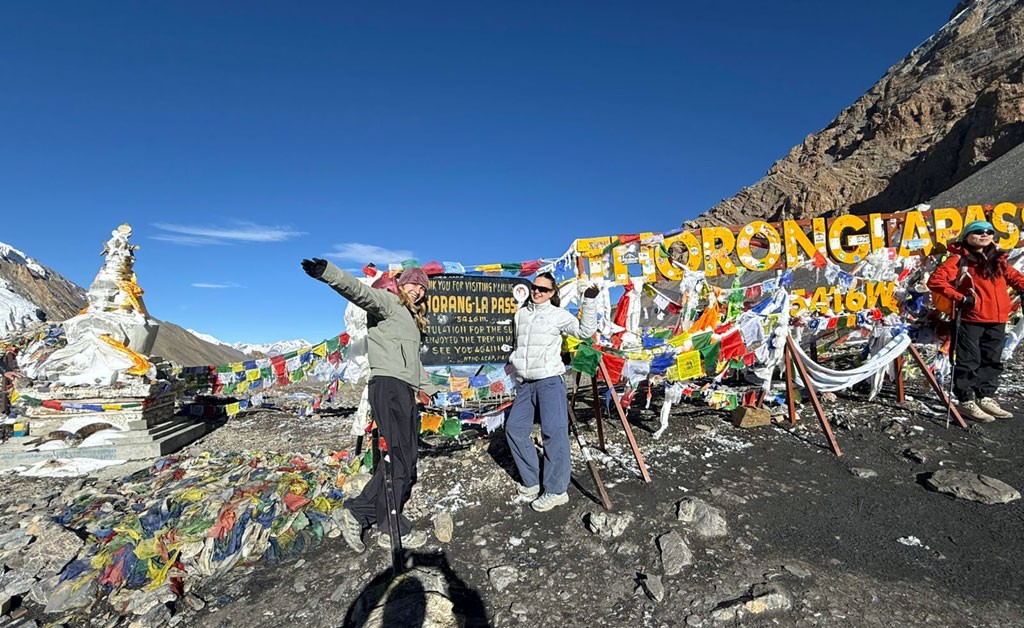
Crossing Thorong La Pass at 5,416 meters is the most challenging and rewarding part of the trek. Local belief connects the pass with mountain deities, and prayer flags at the top symbolize gratitude for safe passage. Reaching the pass requires patience, steady walking, and respect for altitude, making it a true achievement rather than just a physical crossing.

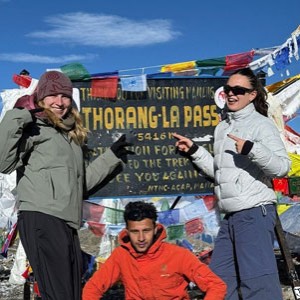
Trekkers crossing Thorong La Pass 5416m on the Annapurna Circuit Trek Nepal

After the pass, the trail descends to Muktinath, one of Nepal’s most important spiritual sites for both Hindu and Buddhist pilgrims. The area is known for its eternal flame, natural water spouts, and deep religious significance. From here, the trek continues through the Kali Gandaki region, where dry landscapes, ancient villages, and strong winds define the Mustang side of the circuit.

The Annapurna Circuit Trek is best suited for trekkers with previous trekking experience who want a true journey rather than a short highlight trek. With long walking days, high altitude, and varied terrain, it is challenging but deeply satisfying for those who prepare well and walk at a steady pace.

Why This Annapurna Circuit Itinerary Is Ideal for 2026

Planning the Annapurna Circuit today requires more than following an old map. Road access, weather patterns, trekking traffic, and costs have all changed over the years. This 2026 itinerary is designed with those realities in mind, focusing on safe pacing, meaningful walking sections, and practical decisions that improve the overall trekking experience.

Designed from real trekking experience

This itinerary is shaped by on-ground trekking experience, not copied trail descriptions. Route choices such as starting with local transport, selecting villages with better overnight conditions, and timing the higher sections carefully come from understanding how trekkers actually feel on the trail. Instead of rushing or adding unnecessary distance, each stage is planned to keep energy steady and morale high throughout the journey.

Balanced acclimatization, not forced rest days

Altitude management is one of the most important factors on the Annapurna Circuit. Rather than pushing quickly to high elevation or adding rest days without purpose, this plan keeps a gradual ascent and uses natural terrain progression to support acclimatization. Staying in Manang is not only about rest, but also about preparing the body for the days ahead. This balance increases comfort and significantly improves success while crossing the high pass.

Practical route choices in a changing trail network

Parts of the Annapurna Circuit now follow vehicle roads, which can feel tiring and dusty if handled poorly. This itinerary avoids unnecessary road walking where possible and keeps jeep options optional rather than compulsory. While private vehicles can shorten some sections, they are expensive and do not always improve the trekking experience. The standard plan focuses on walking value first, while still allowing flexibility for those who prefer extra comfort.

A safer and smarter Thorong La crossing plan

Crossing Thorong La Pass is the most demanding part of the trek and requires careful preparation. This itinerary spaces the days before the pass to allow the body to adjust naturally and plans the crossing day with realistic walking hours and early start timing. Instead of treating the pass as just a checklist item, it is approached as a major mountain day that deserves respect, patience, and proper planning.

Cultural depth, not just altitude gain

What makes the Annapurna Circuit special is not only the height, but the life along the trail. This route passes through villages shaped by Gurung, Thakali, and Tibetan-influenced mountain cultures. Prayer flags, monasteries, seasonal farming, and traditional hospitality remain part of daily life here. Reaching Muktinath after the pass adds spiritual meaning to the journey, connecting nature, belief, and history in a way few treks can.

Flexible, traveler-friendly start from Kathmandu

Starting the trek from Kathmandu allows clear coordination from day one. You are free to choose your own hotel, keeping control over comfort and budget. A pre-trip meeting is arranged at your hotel or at our office to finalize permits, check gear, and explain the route in detail. Having the guide with you from the start avoids confusion and ensures smooth handling of logistics throughout the trek.

Annapurna Circuit Trek Highlights

  • Complete circuit of the Annapurna massif, offering changing landscapes every day
  • Gradual ascent from green river valleys to high alpine terrain above the tree line
  • Crossing the iconic Thorong La Pass (5,416 m), one of the highest trekking passes in Nepal
  • Acclimatization stop in Manang with optional hikes and mountain views
  • Walk through traditional Gurung, Manangi, and Thakali villages
  • Prayer flags, mani walls, monasteries, and mountain streams along the trail
  • Visit to Muktinath, sacred to both Hindu and Buddhist pilgrims
  • Dramatic descent into the Kali Gandaki region and Mustang landscapes
  • Comfortable teahouse stays with warm local hospitality
  • Thoughtfully planned itinerary focused on safety, comfort, and value

Itinerary

Distance: approx. 205 km
Altitude: 1,290 m / 4,232 ft
Duration: 7-8 hours
Meals: Lunch, Dinner
Overnight: Tea house

Your Annapurna Circuit journey begins with an early local bus drive from Kathmandu to Besisahar, offering a genuine introduction to everyday travel in Nepal. The road follows river valleys and green hills, passing terraced farmland, roadside towns, and small rural settlements. Much of the drive is comfortable and scenic, with frequent views of rivers, waterfalls, and distant hills.

From Besisahar, the route changes character as you continue toward Jagat on a mountain road following the Marsyangdi River. This section is slower and bumpier but visually dramatic, with steep cliffs, suspension bridges, and traditional stone villages. Jagat is a charming Gurung village and marks the official entry point into the Annapurna Circuit trekking trail.

    Distance: approx. 15 km / 9.3 miles
    Altitude: 1,860 m / 6,200 ft
    Duration: 5-6 hours
    Meals: Breakfast, Lunch, Dinner
    Overnight: Tea house

    Today is the first full trekking day. The trail follows the Marsyangdi River through forests, rocky paths, and narrow gorges. One of the highlights is Tal village, spectacularly located beneath towering cliffs, where waterfalls cascade directly onto the valley floor.

    Beyond Tal, the trail passes through terraced fields where locals grow rice, maize, barley, and potatoes. You walk across suspension bridges and through villages such as Kodo and Kani, experiencing daily mountain life along this ancient trade route. Dharapani lies at an important junction of trekking routes and shows a stronger Tibetan cultural influence through prayer flags, mani walls, and traditional stone houses.

      Distance: approx. 15.5 km / 9.6 miles
      Altitude: 2,610 m / 8,560 ft
      Duration: 6 hours
      Meals: Breakfast, Lunch, Dinner
      Overnight: Tea house

      The trail gradually climbs through dense forests of pine, fir, oak, and maple, with the sound of the river always nearby. As you gain altitude, the air becomes cooler and the forest scenery more alpine. Mountain views start to open up, including Annapurna II, Annapurna IV, and Lamjung Himal.

      You cross several bridges and pass small settlements before reaching Chame, the administrative center of Manang district. Chame has better facilities, small bakeries, and access to nearby hot springs, making it a comfortable place to rest after a steady day of walking.

        Distance: approx. 13 km / 8.2 miles
        Altitude: 3,115 m / 10,200 ft
        Duration: 5-6 hours
        Meals: Breakfast, Lunch, Dinner
        Overnight: Tea house

        Today’s walk leads into a narrower and more dramatic valley. One of the standout features is the impressive Paungda Danda rock face, rising almost vertically above the Marsyangdi River. The trail alternates between forested sections and open valley paths.

        As you approach Upper Pisang, the landscape becomes drier and more rugged. Traditional stone houses, prayer flags, and chortens reflect the strong Tibetan-influenced culture of the region. Views of Annapurna II and Pisang Peak dominate the skyline, especially in the late afternoon.

          Distance: approx. 17 km / 10.6 miles
          Altitude: 3,540 m / 11,300 ft
          Duration: 6-7 hours
          Meals: Breakfast, Lunch, Dinner
          Overnight: Tea house

          Two routes lead to Manang, and this itinerary follows the upper trail via Ghyaru, chosen for its exceptional scenery and better acclimatization profile. The climb is steady and rewarding, offering wide panoramic views of Annapurna II, Annapurna III, Annapurna IV, Gangapurna, Tilicho Peak, and Pisang Peak.

          This section feels distinctly high-mountain, with dry air, sparse vegetation, prayer flags, stone villages, and long open views. Manang is one of the most important stops on the Annapurna Circuit, known for acclimatization, mountain culture, bakeries, monasteries, and its long history as a Himalayan trading village. A visit to Barge Monastery adds cultural and spiritual depth to the day.

            Max altitude (hike): approx. 4,600 m (Ice Lake)
            Duration: 4-6 hours (round hike)
            Meals: Breakfast, Lunch, Dinner
            Overnight: Tea house

            Today is a crucial acclimatization day, designed to help your body adjust before moving higher. Instead of resting all day, you follow the proven “climb high, sleep low” principle with a day hike to Ice Lake or Praken Gompa, depending on weather and group condition.

            The trail climbs steadily above Manang through open alpine terrain with wide views of Annapurna II, Gangapurna, Tilicho Peak, Pisang Peak, and Chulu ranges. As you gain height, vegetation becomes sparse and the air noticeably drier. From the viewpoints, the Manang valley spreads out below, offering one of the best panoramic scenes of the entire trek.

            Back in Manang, you have time to explore the village, visit monasteries, bakeries, and the Himalayan Rescue Association clinic. Manang is famous for its unique micro-climate, strong winds, and long history as a Himalayan trading hub linking Tibet and Mustang. Proper rest, hydration, and a good meal today play a key role in a successful pass crossing later.

              Distance: approx. 9.5 km / 5.8 miles
              Altitude: 4,050 m / 13,287 ft
              Duration: 4–5 hours
              Meals: Breakfast, Lunch, Dinner
              Overnight: Tea house

              Leaving Manang, the trail gradually climbs above the tree line, marking a clear transition into high-altitude terrain. You pass stone houses, prayer flags, and small chortens before entering open alpine landscapes. The Marsyangdi valley slowly fades behind as the route turns toward the Jar Sang Khola valley.

              The walk is shorter but feels more demanding due to altitude. You pass through Gunsan, a small settlement with flat-roofed stone houses, prayer wheels, and yak corrals. Yaks and horses are commonly seen grazing in the surrounding meadows. The pace remains slow and steady, allowing your body to continue adapting.

              Yak Kharka is a small, quiet settlement mainly used by trekkers and herders. The surrounding terrain is wide, open, and peaceful, with long views and cold mountain air — a true high-Himalayan atmosphere.

              • Tea House
              • Breakfast/Lunch/Dinner
              • 4,050 m

              Distance: approx. 8.5 km / 5.2 miles
              Altitude: 4,525 m / 14,845 ft
              Duration: 4-5 hours
              Meals: Breakfast, Lunch, Dinner
              Overnight: Tea house

              Today’s trek is relatively short but important for preparing for the pass. The trail climbs gently at first, crosses a wooden bridge over the river, and continues past Ledar, a small resting point beneath steep slopes.

              As you approach Thorong Phedi, the landscape becomes stark and rugged, with loose rocks, narrow paths, and towering mountain walls. The air is thin, and walking becomes slower and more deliberate. This is the final settlement before crossing Thorong La Pass.

              The afternoon is dedicated to rest, hydration, and final preparation. Your guide will brief you on pacing, clothing, headlamp use, and the early start for the next day. A good night’s rest here is essential.

                Distance: approx. 15.5 km / 9.6 miles
                Max altitude: 5,416 m / 17,756 ft (Thorong La Pass)
                Duration: 8-9 hours
                Meals: Breakfast, Lunch, Dinner
                Overnight: Tea house

                This is the most challenging and rewarding day of the Annapurna Circuit. We start very early in the morning to avoid strong winds that usually build later in the day. The climb is long, steady, and physically demanding, but the route is well-marked and managed with a careful pace.

                As you approach the top, the landscape opens into a wide saddle decorated with prayer flags. Reaching Thorong La Pass is a major achievement. According to local belief, the pass is protected by mountain deities, and prayer flags are placed to give thanks for safe passage. From the top, you are rewarded with views of the Annapurna range behind and the vast Mustang landscape ahead.

                The descent toward Muktinath is long and steep, passing loose gravel and landslide sections. As you lose altitude, oxygen levels increase and the environment slowly changes. Muktinath is one of Nepal’s most important pilgrimage sites for both Hindus and Buddhists, known for its 108 water spouts and natural eternal flame. After days in remote high mountains, reaching this sacred place feels deeply meaningful and symbolic.

                  Distance: approx. 23 km / 14 miles
                  Altitude: 2,743 m / 8,999 ft
                  Duration: 5-6 hours
                  Meals: Breakfast, Lunch, Dinner
                  Overnight: Guest house

                  After breakfast in Muktinath, we begin our descent into the Kali Gandaki valley. The trail gradually loses altitude, making walking more comfortable as oxygen levels increase. We pass through Kagbeni, one of the most culturally rich villages in the region, known for its narrow alleys, ancient monasteries, mud-brick houses, and strong Tibetan-influenced traditions.

                  This section of the trek lies in the lower Mustang region, where the landscape is dry and open, shaped by strong winds and centuries of trade between Tibet and the lowlands. The Kali Gandaki River flows below, carving what is known as one of the deepest gorges in the world, between the Annapurna and Dhaulagiri ranges. As we continue, the terrain becomes wider and windier, eventually reaching Jomsom, a lively mountain town and administrative hub of Mustang with a strong Thakali cultural presence.

                  • Guest House
                  • Breakfast/Lunch/Dinner
                  • 4050m

                  Altitude: 822 m / 2,697 ft
                  Duration: approx. 25 minutes
                  Meals: Breakfast
                  Overnight: Hotel

                  We take an early morning flight from Jomsom to Pokhara, as mountain winds usually increase later in the day. The short flight is one of the scenic highlights of the trip, offering dramatic aerial views of the Annapurna and Dhaulagiri ranges, deep river valleys, and changing landscapes as we descend from the mountains to the lakeside city.

                  Upon arrival in Pokhara, we transfer to the hotel. The rest of the day is free to relax and enjoy the comfort of lower altitude. You may choose to walk along Phewa Lake, explore local cafés, visit the lakeside area, or simply rest after the long trekking days. Pokhara offers a peaceful contrast to the rugged high-mountain environment of the previous days.

                    Distance: approx. 201 km / 125 miles
                    Altitude: 1,400 m / 4,593 ft
                    Duration: 6-7 hours
                    Meals: Breakfast and Farewell Dinner
                    Overnight: Your own arrangement

                    After breakfast, we begin the drive back to Kathmandu by tourist bus, following scenic river valleys and rolling hills. The journey offers a final look at Nepal’s countryside, with short stops along the way for refreshments and rest.

                    For travelers who prefer more comfort or wish to reduce travel time, a private car or domestic flight option is available at an additional cost, subject to weather and availability. These options can be arranged in advance or discussed during the pre-trip meeting.

                    We arrive in Kathmandu by mid or late afternoon. In the evening, we gather for a farewell dinner to reflect on the journey and celebrate the successful completion of the Annapurna Circuit Trek. This marks the official end of the trip.

                      Note

                      The Annapurna Circuit Trek takes place in a remote Himalayan region where weather, road conditions, and other natural factors can occasionally influence travel schedules. While the itinerary is carefully planned, minor adjustments may sometimes be necessary due to flight delays, road situations, or changing mountain conditions.

                      In such cases, our guides make practical decisions on the ground, always prioritizing safety, comfort, and the overall success of the trek. Any changes are managed professionally to keep the journey smooth and enjoyable.

                      Flexibility and understanding are an essential part of Himalayan travel, and with experienced local support, the trek continues safely and efficiently even when conditions require adjustments.

                      Cost Details

                      Includes

                      • Airport pickup and drop-off (please provide flight details).
                      • All accommodation in Tea houses in the mountains.
                      • All meals in the mountain (breakfast, lunch, dinner) covered.
                      • 1 night hotel in Pokhara ( including breakfast)
                      • Experienced English-speaking guide (salary, insurance, food, lodging included).
                      • Strong porter, 2 trekkers:1 porter  (Not available for solo travelers)
                      • Trekking permits and TIMS card provided.
                      • Emergency medical kit included.
                      • Trekking gear for staff provided.
                      • All taxes and fees included.
                      • All land transportation including tourist bus for Pokhara to Kathmandu.

                      Excludes

                      • Hotel and meals in Kathmandu
                      • Travel insurance for the trek
                      • Any other expences

                      Good to Know

                      Best Time to Do the Annapurna Circuit Trek

                      Choosing the right season is one of the most important factors for a safe and enjoyable Annapurna Circuit Trek, especially due to weather conditions around Thorong La Pass. Unlike many shorter treks in Nepal, the Annapurna Circuit passes through multiple climate zones, which makes seasonal experience vary significantly.

                      Spring (March to May) 

                      Spring is one of the most preferred seasons for the Annapurna Circuit. Weather conditions are generally stable, days are warmer, and mountain views are clear. Forest sections between Jagat, Chame, and Pisang come alive with blooming rhododendrons, while higher areas remain dry and comfortable for trekking.

                      April is especially popular, which also means busier trails and teahouses, particularly around Manang and Thorong Phedi. Despite the crowd, spring remains an excellent choice for trekkers looking for good visibility, moderate temperatures, and reliable Thorong La Pass crossings.

                      Autumn (September to November)

                      Autumn is considered the best overall season for the Annapurna Circuit Trek. After the monsoon clears the dust from the air, the mountains appear sharp and dramatic. Weather is dry, visibility is excellent, and trail conditions are at their best.

                      October is the peak month, attracting trekkers from all over the world. During this time, popular villages and lodges can feel crowded, especially around Manang and the pass approach. However, for trekkers who prioritize clear skies, stable weather, and the safest pass conditions, autumn remains the top choice.

                      Winter (December to February)

                      Winter offers a quieter trekking experience with fewer people on the trail. Days can still be clear, providing beautiful mountain views, but temperatures drop significantly at night, especially above Manang. Snowfall can block Thorong La Pass after heavy storms, and flexibility is required.

                      This season is best suited for experienced trekkers who are comfortable with cold conditions and are flexible with itineraries. When weather cooperates, winter trekking can be peaceful and rewarding.

                      Monsoon (June to August)

                      Monsoon season brings heavy rain to lower regions of Nepal, making many treks muddy and uncomfortable. However, the Annapurna Circuit is more suitable than treks like Everest Base Camp or Annapurna Base Camp during this season because large sections lie in a rain-shadow area beyond Manang.

                      Upper sections of the Annapurna Circuit receive less rainfall, and mountain landscapes remain dramatic. That said, road conditions below Jagat and around Besisahar can be poor due to landslides, and trekking requires patience. There are no flight alternatives during this season for most sections, meaning travel is done fully by road and on foot.

                      This season is not ideal for beginners but can work for trekkers seeking solitude and greenery, with proper planning and realistic expectations.

                      Best Months Summary

                      • Best overall months: October, April
                      • Good alternatives: March, May, September
                      • Quiet but cold: December to February
                      • Challenging but possible: June to August

                      While October and April offer the most stable conditions, they are also the busiest months. Trekkers who prefer fewer crowds may consider shoulder seasons, understanding the trade-off between weather and trail traffic.

                      Annapurna Circuit Trek Difficulty Level

                      The Annapurna Circuit Trek is considered a challenging high-altitude trek, but it is achievable for anyone who is physically fit and well prepared, regardless of age. There is no fixed age limit for this trek. Over the years, we have successfully arranged this journey for trekkers in their mid-60s and even early 70s, proving that fitness, preparation, and mindset matter far more than age.

                      The difficulty of the trek does not come from technical climbing, but from long walking days, gradual altitude gain, and crossing one of the highest trekking passes in Nepal, Thorong La Pass. Trekkers need to be comfortable walking several hours a day on varied terrain rather than possessing mountaineering skills.

                      Physically, the trek requires good stamina and leg strength. Most days involve walking between five to seven hours, with longer days during key sections such as the pass crossing. The trail includes stone steps, forest paths, narrow mountain tracks, suspension bridges, and open alpine terrain. As altitude increases, walking naturally becomes slower, even on shorter distances.

                      Altitude is the most important factor that makes this trek challenging. The route rises steadily from lower valleys to a maximum altitude of 5,416 meters at Thorong La Pass. Above 3,500 meters, oxygen levels drop noticeably, and the body needs time to adapt. This is why proper acclimatization, especially the planned stay in Manang, plays a critical role in safety and success. With correct pacing, rest, hydration, and guidance, altitude-related problems can usually be avoided.

                      Mental strength is just as important as physical fitness. Cold mornings, basic teahouse accommodation at higher elevations, and the long pass day require patience and a positive attitude. Weather conditions near the pass can change quickly, so flexibility and willingness to walk at a steady pace are essential. Trekkers who approach the journey calmly and listen to their guide generally manage the challenge well.

                      Previous trekking experience is helpful, especially multi-day hikes or mountain walking, but extreme high-altitude experience is not required. What matters most is being physically active, comfortable with long walks, and prepared to train in advance. With basic preparation over a few weeks before arrival, most fit trekkers find the Annapurna Circuit demanding but highly achievable.

                      This trek is ideal for travelers who want a complete Himalayan journey rather than a short or easy trek. It may not be suitable for those with serious altitude-related medical conditions or for travelers who are not physically active. For everyone else, with the right mindset and preparation, the Annapurna Circuit is a challenging yet deeply rewarding experience.

                      Altitude, Acclimatization & Safety on the Trail

                      Altitude plays a major role in the Annapurna Circuit Trek and needs to be taken seriously. The trek rises gradually from lower valleys to a maximum altitude of 5,416 meters at Thorong La Pass, where oxygen levels are significantly lower than at sea level. Proper acclimatization and steady pacing are the key factors that make this journey safe and achievable.

                      The itinerary is designed with a gradual ascent to allow the body enough time to adjust. One of the most important acclimatization stops is Manang, where an extra day is spent before moving higher. Instead of complete rest, a short hike to higher viewpoints is included, following the “climb high, sleep low” principle. This approach helps the body adapt naturally and reduces the risk of altitude sickness.

                      Above Manang, the landscape changes quickly and the trek moves beyond the tree line. Walking pace becomes slower, appetite may reduce, and hydration becomes more important. Listening to the guide, walking at a comfortable rhythm, drinking enough water, and avoiding unnecessary rushing are simple but essential safety practices. Most altitude-related issues occur when trekkers try to move too fast or ignore early warning signs.

                      The day of crossing Thorong La Pass requires special attention. We start very early in the morning to avoid strong winds and changing weather conditions later in the day. The climb is long and steady rather than technical, and maintaining a slow, consistent pace is more important than speed. After crossing the pass, the long descent toward Muktinath brings a noticeable improvement in breathing as altitude decreases.

                      Throughout the trek, safety is supported by experienced local guides who monitor walking pace, daily condition, and overall group health. Basic medical facilities and altitude information are available in Manang, and teahouses along the route are accustomed to supporting trekkers at high altitude. With proper planning, acclimatization, and guidance, the Annapurna Circuit remains a safe trek for well-prepared travelers.

                      This trek rewards patience and respect for the mountains. Trekkers who approach altitude gradually and follow safety advice usually find the experience challenging but comfortable and deeply satisfying.

                      Permits Required for the Annapurna Circuit Trek

                      To trek the Annapurna Circuit legally, trekkers must carry the required government permit before entering the trail. Permit checks are conducted at several official checkpoints along the route, especially after Jagat, Dharapani, and in the Manang region, so proper documentation is essential throughout the journey.

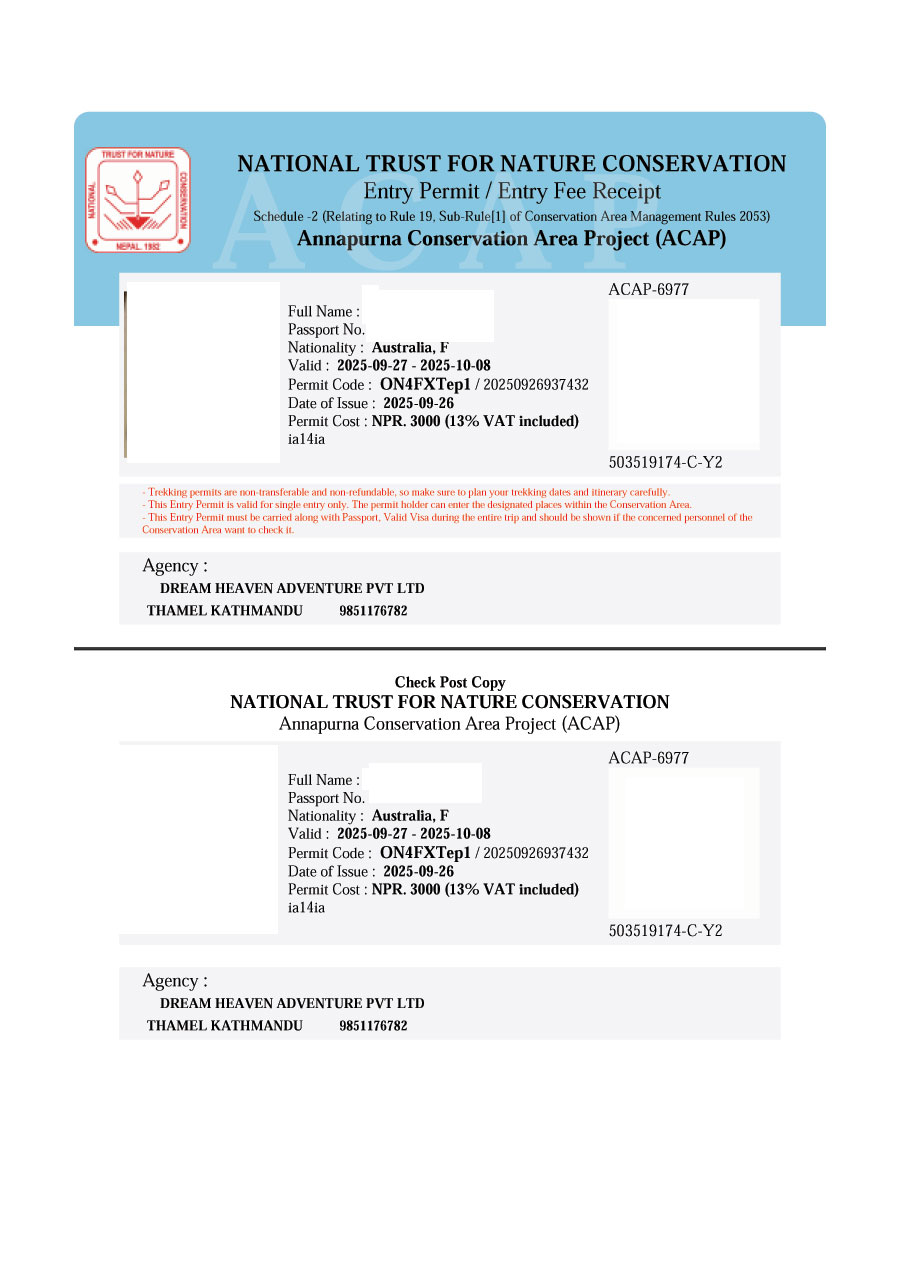
                      The main permit required for this trek is the Annapurna Conservation Area Permit (ACAP). This permit grants access to the Annapurna Conservation Area and contributes directly to environmental conservation, trail maintenance, and support for local communities. Since the entire Annapurna Circuit lies within this protected region, ACAP is mandatory for all trekkers.

                      Annapurna Conservation Area Permit (ACAP) for Annapurna Circuit Trek

                      We arrange all required permits in advance on your behalf, so there is no need for you to visit permit offices or deal with paperwork. Everything is prepared before the trek begins, allowing you to start the journey with peace of mind.

                      During the trek, permit checks at official control points are handled directly by the guide. This allows the daily walk to continue smoothly while you focus on trekking, enjoying the landscape, and adjusting comfortably to altitude.

                      Permit regulations in the Annapurna region are straightforward, and with proper handling, the process remains simple and well organized from start to finish.

                      Accommodation on the Annapurna Circuit Route

                      Accommodation on the Annapurna Circuit route is provided in local teahouses, which are simple mountain lodges run by local families. These teahouses are the backbone of trekking in the Annapurna region and offer a warm, welcoming place to rest after a long day on the trail. While facilities are basic, they are well adapted to the environment and the needs of trekkers.

                      In the lower and mid-altitude villages such as Jagat, Dharapani, Chame, and Pisang, teahouses usually offer private twin rooms, shared bathrooms, and common dining areas. Some lodges in these areas may have attached bathrooms, hot showers, and charging facilities. Rooms are simple, typically furnished with two beds, a mattress, pillow, and blanket.

                      As the trek moves higher beyond Manang, accommodation becomes more basic. In places like Yak Kharka and Thorong Phedi, rooms are simpler, bathrooms are shared, and hot showers may be limited or unavailable. Heating is generally only available in the dining area, where trekkers gather in the evening to eat, warm up, and socialize. Nights at higher altitude are cold, and a good sleeping bag is strongly recommended.

                      Teahouse availability becomes more limited near Thorong La Pass, especially during busy seasons such as October and April. Rooms may be more compact, and occasionally trekkers may need to share space depending on group size and lodge availability. This is a normal part of high-altitude trekking and adds to the authentic mountain experience.

                      Throughout the trek, accommodation is chosen based on location, cleanliness, and comfort relative to altitude, ensuring safe rest and proper recovery each night. While teahouses do not offer luxury, they provide a genuine insight into mountain life and create a strong connection between trekkers and local communities.

                      Meals & Drinking Water During the Annapurna Circuit Trek

                      Meals on the Annapurna Circuit Trek are served at the same teahouses where you stay overnight. Food is freshly prepared, warm, and designed to support long walking days at altitude. While menus are simple, they are surprisingly varied and provide enough energy for trekking when chosen wisely.

                      Breakfast options usually include porridge, Tibetan bread, chapati, eggs, pancakes, toast, and tea or coffee. Lunch and dinner menus are similar along the trail and commonly feature dal bhat (rice, lentils, vegetables), noodles, pasta, fried rice, soups, potatoes, momos, and seasonal vegetables. Dal bhat is especially popular among trekkers because it is filling, nutritious, and often comes with free refills in many teahouses.

                      As altitude increases, digestion slows and appetite may reduce. For this reason, guides often recommend simple, carbohydrate-rich meals and avoiding heavy or oily food at higher elevations. Eating warm meals regularly and not skipping meals helps maintain energy levels and supports acclimatization, especially above Manang.

                      Drinking enough water is extremely important throughout the trek. Trekkers should aim to drink plenty of fluids each day to stay hydrated and reduce the risk of altitude-related issues. Bottled water is available along the route, but to reduce plastic waste and cost, most trekkers use refillable bottles with purification tablets or filters. Safe drinking water can be obtained from teahouses and designated water points along the trail.

                      Tea houses also offer a variety of hot drinks such as ginger tea, lemon tea, garlic soup, and herbal teas. These are popular in the evenings and during colder days, especially at higher altitudes, where warm liquids help with hydration and comfort.

                      Meals become slightly more limited in variety at higher villages like Yak Kharka and Thorong Phedi due to transportation challenges, but food remains sufficient and nourishing. Throughout the trek, meals are planned to support steady walking, proper recovery, and overall well-being in the mountains.

                      Weather & Temperature on the Annapurna Circuit Trekking

                      Weather on the Annapurna Circuit Trekking changes significantly as the trail climbs from lower river valleys to high alpine terrain and eventually crosses Thorong La Pass. Trekkers experience multiple climate zones during the journey, which is one of the reasons this trek feels so diverse and rewarding. Understanding these changes helps with better preparation and realistic expectations.

                      In the lower sections of the trek, such as Jagat, Dharapani, and Chame, daytime temperatures are generally mild and comfortable during spring and autumn. Days are often warm enough for light trekking clothes, while mornings and evenings can feel cool. As the trail climbs higher toward Pisang and Manang, the air becomes noticeably drier and cooler, with stronger winds common in the afternoons.

                      Beyond Manang, especially at Yak Kharka, Thorong Phedi, and Thorong La Pass, temperatures drop sharply. Even during the best trekking seasons, early mornings and nights can be very cold, often below freezing. Daytime temperatures at high altitude depend heavily on sunshine and wind conditions. Clear, sunny days can feel pleasant while cloudy or windy days can feel harsh, even in peak season.

                      Thorong La Pass is the most weather-sensitive point of the trek. Strong winds usually build up later in the morning, which is why the crossing is done very early in the day. Snowfall can occur at any time of year at this altitude, especially in winter and during shoulder seasons. Weather conditions around the pass can change quickly, and flexibility is important.

                      On the Mustang side after the pass, including Muktinath and Jomsom, the climate becomes drier and windier. Afternoon winds are common in the Kali Gandaki valley, particularly around Jomsom, which is why flights operate early in the morning. Despite lower altitude, evenings can still feel cold due to wind exposure.

                      Overall, layering is essential for this trek. Trekkers need to be prepared for warm daytime walking conditions, cold mornings and nights, and sudden weather changes at high altitude. With proper clothing, early starts, and experienced guidance, weather on the Annapurna Circuit is manageable and adds to the sense of a true Himalayan journey.

                      Culture, Villages & Local Communities on the Annapurna Circuit

                      One of the most rewarding aspects of the Annapurna Circuit Trek is the opportunity to walk through living mountain cultures that have developed over centuries along ancient trade routes. The trail passes through villages shaped by farming, herding, and cross-border trade, offering trekkers an authentic experience of Himalayan life rather than a staged cultural display.

                      In the lower sections of the trek, villages are mainly influenced by Gurung communities. Daily life here revolves around agriculture, livestock, and family-run teahouses. Stone houses, terraced fields, and warm hospitality define these settlements, and trekkers often see locals working in the fields or transporting supplies along the same paths used for generations.

                      As the trail climbs higher toward Manang and beyond, the region becomes predominantly Buddhist, strongly influenced by Tibetan culture. Prayer flags, mani walls, chortens, and monasteries are a constant presence along the trail, and villages reflect centuries-old Buddhist traditions in architecture, dress, language, and way of life. Flat-roofed stone houses and wind-shaped landscapes give this area a distinct high-Himalayan character.

                      Religion plays an important role in daily life along the Annapurna Circuit. While Hindu traditions are more common in the lower valleys, Buddhism becomes the dominant faith in the higher settlements. Trekkers pass spinning prayer wheels, sacred stones carved with mantras, and monasteries that serve as spiritual and social centers for local communities. Respectful behavior around these sites is appreciated and helps maintain positive interactions with villagers.

                      After crossing Thorong La Pass, the cultural atmosphere changes again as the route enters the Mustang region. Thakali communities are prominent here, known for their trading history and strong cultural identity. Villages such as Kagbeni preserve narrow alleyways, ancient houses, and traditions shaped by centuries of movement through the Kali Gandaki corridor.

                      Staying in local teahouses allows trekkers to connect directly with host families, share meals, and learn about mountain life through simple daily interactions. This close contact with local communities adds depth and meaning to the journey, making the Annapurna Circuit Trek as culturally enriching as it is physically

                      Internet, Charging & Communication on the Annapurna Circuit Trek

                      Internet and communication on the Annapurna Circuit Trek are available, but they are limited and inconsistent, especially as the trail gains altitude. Trekkers should be prepared for periods without reliable connectivity and view this as part of the remote mountain experience rather than a problem.

                      In lower villages such as Jagat, Dharapani, Chame, and Pisang, mobile network coverage is generally available, and some teahouses offer Wi-Fi for an additional charge. Internet speed in these areas is usually sufficient for basic messaging, emails, and occasional browsing, but not suitable for heavy data use or video calls.

                      Beyond Manang, connectivity becomes more unreliable. At higher settlements like Yak Kharka and Thorong Phedi, mobile signals are weak or unavailable, and Wi-Fi access is limited or slow when available. Weather conditions and power supply also affect connectivity, so even when Wi-Fi is advertised, it may not always work as expected.

                      Charging electronic devices is possible throughout most of the trek, but usually at an extra cost. In lower regions, charging is often available in rooms or dining areas. At higher altitudes, charging is typically done in common areas using solar power or generators, and availability may be limited. Power banks are highly recommended, especially for cameras, phones, and headlamps.

                      For safety and coordination, guides remain the main point of communication during the trek. They are familiar with areas where network coverage is available and handle local communication when needed. While staying connected is possible at times, many trekkers find the Annapurna Circuit an opportunity to disconnect from constant online access and enjoy the rhythm of life in the mountains.

                      Packing Essentials for the Annapurna Circuit Trek

                      Packing correctly for the Annapurna Circuit Trek plays a major role in comfort, safety, and overall enjoyment. As the route passes through multiple climate zones and reaches very high altitude, trekkers need to be prepared for warm days, cold nights, wind, and sudden weather changes.

                      Layered clothing works best for this trek. Lightweight trekking clothes are comfortable for walking during the day, while warmer layers become essential above Manang, especially in the mornings and evenings. A good insulated jacket and a waterproof outer layer help protect against cold temperatures and strong mountain winds.

                      Sturdy, well-broken-in trekking boots with good grip are important, as the trail includes stone paths, uneven terrain, and long descents. A warm sleeping bag is strongly recommended for higher villages where nights are cold and teahouse blankets may not be sufficient. Trekking poles, a headlamp, and proper sun protection add comfort and safety throughout the journey.

                      Packing light but smart makes the trek far more enjoyable. With the right gear, trekkers can focus on walking steadily, acclimatizing well, and enjoying the landscapes and culture of the Annapurna Circuit.

                      Packing Summary (Essential Items)

                      Clothing

                      • Lightweight trekking shirts and pants
                      • Warm mid-layer (fleece or light down)
                      • Insulated jacket for evenings and high altitude
                      • Waterproof and windproof outer layer
                      • Thermal base layers (for colder months)

                      Footwear

                      • Well-broken-in trekking boots
                      • Trekking socks (plus spare pairs)
                      • Light sandals or camp shoes

                      Sleeping & Trekking Gear

                      • Warm sleeping bag (recommended above Manang)
                      • Trekking poles
                      • Headlamp with spare batteries
                      • Small daypack and duffel bag
                      • Personal & Health Items
                      • Sunglasses, sun hat, sunscreen

                      Personal medications and basic first-aid items

                      • Toiletries and quick-dry towel
                      • Hydration & Electronics
                      • Refillable water bottles
                      • Water purification tablets or filter
                      • Power bank and charging cables

                      This list covers the essentials needed for a safe and comfortable Annapurna Circuit Trek without overpacking.

                      Travel Insurance for the Annapurna Circuit Trek

                      Travel insurance is mandatory for the Annapurna Circuit Trek and is an essential part of safe trip planning. Because the trek reaches high altitude and passes through remote mountain regions, every trekker must have insurance that covers emergency medical treatment and helicopter evacuation from high altitude.

                      In the unlikely event of altitude sickness, injury, or sudden illness, helicopter rescue may be required. Having proper insurance ensures that evacuation and medical support can be arranged quickly without financial stress or delays. For this reason, trekkers must provide a copy of valid travel insurance before starting the trek.

                      Your insurance policy should clearly cover trekking activities up to at least 5,000 meters or higher, including helicopter evacuation from the Himalayas. It is also recommended to include coverage for medical expenses, trip cancellation, and lost or delayed baggage. Travel insurance is not available to purchase in Nepal, so it must be arranged in your home country before arrival.

                      Before the trek begins, we review your insurance details to confirm that the coverage is suitable for the Annapurna Circuit. This preparation ensures that, in any unexpected situation, support can be organized smoothly and without complications.

                      Guide and Porter for the trek to Annapurna Circuit

                      A knowledgeable guide and reliable porter are key elements of a safe and enjoyable trek to Annapurna Circuit. The trail passes through changing terrain, high altitude, and remote mountain areas, and having professional local support makes the journey smoother, safer, and more meaningful.

                      Your guide is responsible for overall trip coordination. He manages daily pacing, accommodation arrangements, permit checks, and route decisions. Most importantly, the guide monitors altitude adaptation and weather conditions, helping trekkers walk at a safe and comfortable pace. Guides also share local knowledge about villages, culture, and mountain life, adding depth to the trekking experience.

                      Porters carry your main luggage during the trek, allowing you to walk with only a light daypack. This makes long walking days far more comfortable and reduces physical strain, especially at higher elevations. The recommended weight limit for duffel bags is 10-12 kg per trekker, which ensures safe and fair working conditions for porters.

                      Both guides and porters are experienced in the Annapurna region and understand the practical challenges of the trail. They play an important role not only in logistics but also in motivation, safety, and overall support. If you are satisfied with their service, tipping at the end of the trek is appreciated as a gesture of thanks, though it is not included in the package cost.

                      With an experienced guide and porter team, trekkers can focus fully on walking, acclimatizing, and enjoying the remarkable journey around the Annapurna mountains.

                      Why Trek the Annapurna Circuit with Us

                      Trekking the Annapurna Circuit is not just about following a route; it is about pacing, altitude management, local knowledge, and decision-making in the mountains. We focus on delivering a well-balanced, experience-driven trek rather than rushing the journey or adding unnecessary comforts that do not improve safety or enjoyment.

                      Our itineraries are designed from real trekking experience on the Annapurna Circuit, taking into account road conditions, weather patterns, teahouse availability, and the physical demands of high altitude. Route choices such as starting with local transport, selecting the upper trail to Manang, and planning a proper acclimatization day are based on what works best for trekkers on the ground.

                      You trek with experienced local guides who know the trail, villages, and mountain conditions intimately. They manage daily pacing, accommodation coordination, permit checks, and safety considerations, allowing you to focus fully on walking, acclimatizing, and enjoying the journey. Their understanding of altitude, weather changes, and local culture adds depth and confidence to the trek.

                      Rather than offering a fixed, rushed program, we keep the trek flexible and realistic, adjusting walking speed and daily plans when needed. This approach increases comfort, reduces unnecessary risks, and results in a more rewarding Himalayan experience.

                      Pre-Trek Meeting & Preparation in Kathmandu

                      As accommodation in Kathmandu is not included, trekkers are free to choose their own hotel based on preference and budget. Before the trek begins, we arrange a pre-trek meeting, either at your hotel or at our office in Kathmandu, to ensure everything is properly prepared.

                      During this meeting, we review the full itinerary, confirm permits, check essential gear, and discuss altitude considerations, weather expectations, and daily walking routines. This is also the time to clarify transport arrangements, luggage limits, and any personal concerns related to fitness, health, or equipment.

                      The pre-trek meeting plays an important role in preparation. It ensures that trekkers start the journey well-informed, confident, and mentally prepared for the challenges ahead. Any last-minute adjustments, questions, or special requests are addressed before departure, helping the trek begin smoothly and without uncertainty.

                      By focusing on preparation rather than formalities, we make sure that the Annapurna Circuit Trek starts with clarity and ends with confidence.

                      What to Expect Before Departure

                      Before starting the Annapurna Circuit Trek, a few important steps help ensure that the journey begins smoothly and with full confidence. As accommodation in Kathmandu is not included, trekkers are free to choose their own hotel based on comfort, location, and budget. This flexibility allows you to arrive and settle in Kathmandu in a way that suits your travel style.

                      A pre-trek meeting is arranged one day before departure, either at your hotel or at our office in Kathmandu. During this meeting, we go through the complete trekking plan, confirm transport arrangements, review permits, and answer any last-minute questions. This is also the time to discuss altitude, daily walking expectations, weather conditions, and trail realities so there are no surprises once the trek begins.

                      We check essential trekking gear to make sure everything is suitable for high altitude and changing weather. If any items are missing or need adjustment, this can be addressed in Kathmandu before departure. Luggage arrangements, porter limits, and what to carry during the day versus what goes with the porter are also explained clearly.

                      Travelers should arrive in Kathmandu at least one day before the trek start date to allow time for rest, preparation, and the pre-trek meeting. Being well-rested before departure helps with the long drive on the first day and supports better acclimatization in the days that follow.

                      By the time the trek begins, all logistics are confirmed, expectations are clear, and you start the Annapurna Circuit feeling prepared, informed, and confident. This preparation-focused approach helps turn a demanding Himalayan trek into a well-managed and rewarding experience.

                      Ready to Trek the Annapurna Circuit?

                      If you’re looking for a well-paced, experience-driven Annapurna Circuit Trek with proper acclimatization, local guidance, and thoughtful preparation, we’d be happy to assist you. Our itineraries are designed from real trekking experience, with flexible planning and on-ground support from start to finish. Get in touch with Dream Heaven Adventure to discuss your preferred dates, group size, or any questions before booking, and we’ll help you plan a smooth and rewarding Himalayan journey.

                      FAQs

                      • Q1. How many days are required for the Annapurna Circuit Trek?

                        Most standard itineraries require 12-14 days depending on the starting point and pace. This allows proper acclimatization and a safe crossing of Thorong La Pass without rushing.

                      • Trekkers need the Annapurna Conservation Area Permit (ACAP). When trekking with us, all permits are arranged in advance, and the guide manages permit checks on the trail.

                      • Yes. There is no age limit for the Annapurna Circuit Trek. We have organized this trek many times for travelers in their 60s and even early 70s. Fitness and preparation are far more important than age.

                      • Previous trekking experience is helpful but not strictly required for the Annapurna Circuit Trek. What matters most is being physically fit, comfortable with long walking days, and mentally prepared for high altitude conditions. Many first-time trekkers successfully complete the Annapurna Circuit with proper preparation, a sensible pace, and guidance from an experienced local guide. If you are active, able to walk 5-7 hours a day, and willing to train a few weeks before arrival, you can do this trek even without prior Himalayan experience.

                      • The highest point of the trek is Thorong La Pass at 5,416 meters (17,756 ft), making it one of the highest trekking passes in the world.

                      • Yes. Safe drinking water is available in all villages. Trekkers can buy bottled water or refill bottles and use purification tablets or filters, which is the most eco-friendly option.

                      • The Annapurna Circuit Trek follows ancient trade and pilgrimage routes that connected Nepal with Tibet for centuries. Before roads were built, this trail was the main corridor for traders, monks, and local communities. Today it remains one of the classic trekking routes in the Himalayas, combining natural beauty with deep cultural heritage.

                      • The trek passes through several ethnic regions. Lower areas are mainly influenced by Gurung communities, while higher villages like Manang and Pisang are predominantly Buddhist with strong Tibetan cultural influence. After Thorong La Pass, the route enters the Mustang region, home to Thakali communities known for their trading traditions.

                      • Trekkers pass through traditional stone villages with prayer flags, monasteries, mani walls, and narrow alleyways. Each village has its own character, from green farming settlements in the lower valleys to dry, wind-shaped Himalayan villages at higher altitude.

                      • Teahouses are family-run lodges that provide meals and simple accommodation. They are the heart of trekking life on the circuit. Staying in teahouses allows trekkers to interact with local people, experience mountain hospitality, and directly support the local economy.

                      • Yes, absolutely. While some sections now have road access, the trekking route still offers outstanding scenery, remote trails, and authentic village experiences. Our itinerary is designed to avoid unnecessary road walking and focus on the best trekking sections of the circuit.

                      • Complete beginners with no trekking background may find the Annapurna Circuit difficult. However, first-time trekkers who are physically fit, mentally prepared, and willing to train for a few weeks can successfully complete it with proper guidance and pacing.

                      • Yes, the Annapurna Circuit Trek is generally considered harder than Everest Base Camp. The trek is longer in distance, involves more total elevation gain, and crosses Thorong La Pass at 5,416 m, which is higher than Everest Base Camp. However, the Annapurna Circuit has better acclimatization pacing, making it manageable for fit and prepared trekkers.

                      • Trekkers need a good general fitness level. You should be comfortable walking 5-7 hours a day for multiple days on uneven mountain trails. Regular walking, hiking, or cardio training before the trek is enough for most people. No technical climbing skills are required.

                      • Yes, WiFi is available in many teahouses on the Annapurna Circuit, especially in lower villages. As altitude increases, the connection becomes slower and less reliable. Above Manang, internet access is limited and should not be fully relied upon.

                      • Hot showers are available in most lower and mid-altitude villages for an additional cost. In higher places like Yak Kharka and Thorong Phedi, hot showers may be limited or unavailable due to altitude and weather conditions.

                      • Yes, it can be cold, especially above Manang and near Thorong La Pass. Daytime temperatures can be pleasant in spring and autumn, but nights are often below freezing at higher altitudes. Warm clothing and a good sleeping bag are essential.

                      • Diamox is not mandatory, but some trekkers use it as a preventive measure against altitude sickness. The most important factors are proper acclimatization, slow pacing, hydration, and following the guide’s advice. Any medication should be discussed with a doctor before travel.

                      • The best seasons are spring (March-May) and autumn (September-November) due to stable weather and clear mountain views. October and April are the most popular months but also the busiest on the trail.

                      • Yes, the Annapurna Circuit Trek is safe when done with proper planning, acclimatization, and experienced local guidance. The route is well established with regular checkpoints, teahouses, and support along the way.

                      Client Reviews

                      • Charlotte Hannebery
                        Charlotte HanneberyAustralia |October 05, 2025
                        TripAdvisor

                        Annapurna circuit trek

                        My friend and I did the Annapurna Circuit and had a really good experience, thanks to our guide Shambhu and our porter Rabin. Both were super friendly, helpful, and made the whole journey smooth and enjoyable.
                        Shambhu was knowledgeable and always made sure we were comfortable and on track, while Rabin was kind and hardworking throughout the trek.
                        Overall, a great trip with great people. Would definitely recommend them if you're planning a trek in the area.

                      • Olivia Micari
                        Olivia MicariAustralia |October 05, 2025
                        TripAdvisor

                        Annapurna Circut Trek

                        Such a great experience had the best time with our guide Shambhu on the trek - many laughs and good times over the 2 weeks would do again

                      • Z
                        Zoe DeanUnited Kingdom |October 23, 2018
                        TripAdvisor

                        Annapurna Circuit

                        Had a brilliant time and felt incredibly well looked after by our guide Sam and our porter Robin. Sam was exceptional and helped us deal with the altitude over the Thorong La Pass.

                        Would definitely recommend going with Dream Heaven Adventure, one of the most genuine companies out there at the moment.

                        Hotels at the start and end of the trek were fantastic too.

                      • Connor Carrol
                        Connor CarrolUnited States |April 06, 2018
                        Google

                        Annapurna circuit & ABC trek

                        I trekked the Annapurna Circuit and base camp with Gopal and Dream Heaven. I had a great time, as a solo hiker, it was great to not have to worry about anything and know that someone was looking out for me. It was also very cool to have someone informing me about the mountains and culture as we went along. Would definitely trek with Dream Heaven again!!

                      • C
                        Christina AllenUnited States |September 21, 2016
                        Google

                        Annapurna Round Trek

                        We had a lovely time. Our guides and porters are so much hospitable and helpful. It was an amazing experience and would gladly suggest using the same team to my friends. We are very thankful for our guide Nima and porters Dinesh and Ram for all the help and for a very good time. You all made our visit to Nepal even more memorable. Many Thanks Again !!!

                      Suggested Itineraries

                      Ask a Question