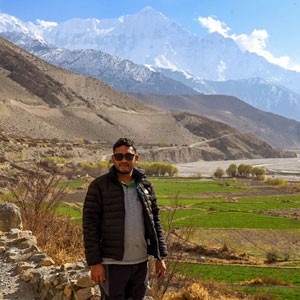
Quick Answer: When Is the Best Time for Langtang Trek?
If you can only choose one month for the Langtang Valley Trek, October is usually the strongest option. The monsoon rains have cleared the atmosphere, mountain views are often at their sharpest, temperatures remain comfortable for walking, and trail conditions are generally reliable throughout the valley.
April is another excellent choice and is often preferred by trekkers who enjoy colorful landscapes. During this period, rhododendron forests bloom across the lower sections of the trail, hillsides become greener, and the valley feels particularly vibrant as spring arrives in the Himalayas.
The best month ultimately depends on what you want from the trek. Some visitors come for the clearest mountain panoramas around Kyanjin Gompa, while others prefer quieter trails, seasonal flowers, snowy scenery, or fewer trekkers along the route. Because of these differences, there is no single answer that fits everyone.
The comparison below provides a quick overview of the best months based on different travel priorities.
| Travel Priority | Best Time |
|---|
| Best Overall Trekking Conditions | October |
| Clearest Mountain Views | October and November |
| Rhododendron Bloom | April |
| Green Landscapes | September |
| Fewer Crowds | March and December |
| Snow-Covered Scenery | December and January |
| Photography | October and November |
| Comfortable Temperatures | April and October |
| First-Time Trekkers | April, October, and November |
For most travelers planning their first Langtang Valley Trek, April, October, and November provide the most balanced combination of weather, visibility, trail conditions, and overall trekking experience.
Why Choosing the Right Season Matters
The Langtang Valley Trek can be enjoyed in different seasons, but the experience on the trail is rarely the same from one month to another. Weather patterns, mountain visibility, trail conditions, temperatures, and visitor numbers all change throughout the year, influencing what you see and how the trek feels.
A clear morning in October can reveal nearly every major peak surrounding Kyanjin Gompa, while April brings blooming rhododendron forests and fresh spring colors to the lower valleys. During quieter months, it is common to walk for long stretches without meeting many other trekkers, whereas the peak autumn season creates a much livelier atmosphere in villages and teahouses along the route.
The best season is not necessarily the same for everyone. A photographer may choose the clearest post-monsoon skies, while another trekker may prefer spring landscapes or the quieter pace of the off-season. Understanding these seasonal differences makes it easier to choose the time of year that best matches your expectations and helps you get the most from your Langtang trekking experience.
Langtang Trek Seasons at a Glance
The Langtang Valley Trek changes noticeably throughout the year. The mountains remain the same, but the forests, trail conditions, visibility, temperatures, and overall atmosphere can feel surprisingly different from one season to another. Before looking at each season in detail, here is a quick overview of what you can expect.
Spring (March to May)
Spring is known for blooming rhododendron forests, fresh mountain landscapes, and comfortable trekking temperatures. As snow gradually retreats from higher elevations, the valley becomes increasingly colorful, making this one of the most scenic times to walk the Langtang trail.
Summer / Monsoon (June to August)
Monsoon brings regular rainfall, greener hillsides, and powerful waterfalls throughout the region. Mountain views can be less predictable, but the trail is quieter and the valley takes on a completely different character compared to the peak trekking seasons.
Autumn (September to November)
Autumn is the season most trekkers wait for. Clear skies, stable weather, and outstanding mountain visibility make it the most dependable time for trekking in Langtang. This is also the busiest period along the route.
Winter (December to February)
Winter offers peaceful trails, crisp mountain views, and occasional snowfall around higher settlements. Temperatures are colder, especially during mornings and evenings, but many trekkers appreciate the quieter atmosphere and clear conditions that often accompany the season.
Each season offers a different side of the Langtang Valley. The following sections explore the advantages, challenges, weather conditions, and trekking experience of each season in greater detail.
Trek to Langtang Valley in Spring (March to May)
By late March, the change in season is already visible along the Langtang trail. Forests above Syabrubesi become noticeably greener, rhododendrons begin blooming across the hillsides, and warmer daytime temperatures make long walking days more comfortable than during the winter months. As spring progresses, the valley becomes increasingly colorful while the higher peaks remain snow-covered, creating one of the most attractive contrasts found in the Langtang region.
A trek to Langtang Valley in spring offers a constantly changing landscape. The route passes through dense forests, traditional Tamang settlements, open yak grazing areas, and alpine terrain before reaching Kyanjin Gompa. During this season, each section of the trail feels slightly different, with new vegetation appearing at lower elevations while the upper valley still retains traces of winter.
One of the reasons experienced trekkers enjoy spring is the balance it offers. The weather is generally stable, temperatures are comfortable for walking, and mountain views are often excellent, particularly during the mornings. Unlike the peak autumn season, the trail usually feels less crowded, allowing for a quieter trekking experience while still benefiting from favorable conditions.
March is often the quietest month of the season and appeals to trekkers looking for a more peaceful atmosphere. April is widely regarded as the highlight of spring, when rhododendron forests are at their most colorful and visibility is often at its best. By May, temperatures become warmer at lower elevations, but higher sections of the valley continue to provide comfortable trekking conditions and impressive Himalayan scenery.
Spring is particularly rewarding for trekkers who appreciate landscapes as much as mountain views, which is one reason many travelers choose the 5 Days Langtang Valley Trek during April and early May.
Walking through blooming forests below while looking toward the snow-covered slopes surrounding Langtang Lirung creates a combination of scenery that is difficult to experience during other times of the year. For many visitors, this blend of comfortable weather, seasonal color, and mountain scenery makes spring one of the finest times to trek in Langtang Valley.
Why Choose Spring for the Langtang Valley Trek?
- Blooming rhododendron forests along the trail
- Comfortable daytime temperatures for trekking
- Generally stable weather conditions
- Excellent mountain views on clear days
- Fewer crowds than the busiest autumn weeks
- Outstanding opportunities for landscape photography
- Diverse scenery from forested valleys to alpine terrain
Langtang Valley Trekking in Autumn (September to November)
Autumn is the season when Langtang's mountain scenery is often at its best. After the monsoon rains wash dust and haze from the atmosphere, visibility improves dramatically across the valley. On clear mornings, the peaks surrounding Kyanjin Gompa appear sharp and remarkably close, creating the kind of mountain views many trekkers imagine when planning a Himalayan trek.
The season begins in September as the monsoon gradually retreats from the region. Hillsides remain green, waterfalls continue flowing strongly, and the landscape still carries much of the freshness left behind by the summer rains. As October arrives, weather patterns usually become more stable and visibility reaches its peak, making it one of the most sought-after months for trekking in Langtang Valley.
One of the most noticeable differences between spring and autumn is the clarity of the surrounding mountains. While spring is known for blooming forests and seasonal color, autumn often delivers longer periods of uninterrupted views. From Langtang Village to Kyanjin Gompa, mountain scenery frequently remains visible throughout the day, particularly during October and early November.
Autumn is also the busiest trekking season in the region. Tea houses become more active, trails see a steady flow of trekkers, and villages feel more energetic than during the quieter winter and monsoon months. Many visitors enjoy this atmosphere, especially after spending long days walking through remote mountain landscapes.
November continues to offer excellent trekking conditions, although temperatures gradually begin to drop as winter approaches. The skies often remain clear, and the cooler air can make mountain views even more impressive, particularly during the early morning hours.
For trekkers whose main goal is to experience Langtang's mountains in their clearest form, autumn remains one of the most rewarding times of year to visit the valley.
Why Choose Autumn for the Langtang Valley Trek?
- Exceptional mountain visibility after the monsoon season
- Clear skies and stable trekking conditions
- Excellent views from Langtang Village and Kyanjin Gompa
- Comfortable temperatures for daily walking
- Vibrant trekking atmosphere in villages and tea houses
- Ideal season for mountain photography
- October and November offer some of the clearest Himalayan views of the year
Trekking to Langtang Valley in Winter (December to February)
Winter offers a very different experience from the busy trekking months of spring and autumn. As visitor numbers decrease, the Langtang Valley becomes noticeably quieter, allowing trekkers to experience the region at a slower pace. For those who enjoy peaceful trails and uncrowded tea houses, winter can be one of the most rewarding times to visit.
The change is often noticeable from the first day of the trek. Trails that are busy during autumn become much calmer, and villages along the route return to a more relaxed rhythm. Walking through the forests above Lama Hotel or approaching Langtang Village during winter often feels quieter and more remote, giving trekkers a stronger connection to the landscape and the surrounding mountains.
One of the most overlooked advantages of winter trekking in Langtang is the clarity of the mountain views. Cold air and stable weather patterns frequently create exceptionally clear conditions, especially during the mornings. From Kyanjin Gompa, snow-covered peaks stand out sharply against deep blue skies, and the surrounding mountains often appear remarkably close on clear winter days.
December is generally considered the most comfortable winter month for trekking. Temperatures are cold, particularly during mornings and evenings, but daytime conditions are often pleasant for walking. January is usually the coldest month of the year, while February gradually signals the approach of spring as temperatures begin to rise and daylight hours slowly become longer.
Trekkers planning the 7 Days Langtang Valley Trek during winter should be prepared for cold nights, frost, and occasional snowfall at higher elevations.
Proper layering, warm clothing, and suitable winter gear become more important during this season than at any other time of year. Those who come prepared are often rewarded with peaceful trails, crisp mountain scenery, and a side of Langtang that relatively few visitors experience.
Winter is particularly appealing to trekkers who value solitude, photography, and mountain views over busy trekking atmospheres. While it may not suit everyone, many experienced trekkers appreciate the calm, clarity, and sense of space that winter brings to the Langtang Valley.
Why Choose Winter for the Langtang Valley Trek?
- Peaceful trails with fewer trekkers
- Exceptionally clear mountain views on many winter mornings
- Quiet tea houses and villages
- Excellent conditions for landscape photography
- Beautiful snow-covered Himalayan scenery
- A more remote and tranquil trekking experience
- Unique perspective of Langtang beyond the peak trekking seasons
Langtang Valley Trekking During Monsoon (June to August)
The first thing most trekkers notice during the monsoon season is how green the Langtang Valley becomes. Hillsides above Syabrubesi, forests around Bamboo, and the slopes below Langtang Village take on a deeper color than at any other time of year, while waterfalls appear in places that remain dry during the winter months. The entire valley feels fresh, vibrant, and constantly changing as regular rainfall transforms the landscape.
The monsoon season generally lasts from June through August. During this period, forests become denser, vegetation grows rapidly, and rivers and streams flow at their strongest. The lower sections of the trail often feel completely different from the drier months, offering a side of Langtang that relatively few trekkers experience.
Mountain visibility can be less predictable than during autumn or winter. Clouds often build throughout the day, especially during the afternoons, and higher peaks may occasionally remain hidden behind changing weather systems. Rain can also create muddy and slippery trail conditions in some forested sections between Syabrubesi, Bamboo, and Lama Hotel, making proper footwear and rain protection especially important.
Despite these challenges, monsoon trekking has several advantages. The trail is noticeably quieter, tea houses are less crowded, and the landscape feels alive after regular rainfall. Photographers are often drawn to the dramatic cloud formations, misty forests, flowing waterfalls, and constantly changing mountain scenery that give the valley a unique character during this season.
August often marks the beginning of the transition toward autumn. While rain remains possible, clearer mornings become more frequent, and glimpses of the surrounding peaks become increasingly common. The valley gradually begins preparing for the peak trekking months that follow.
Monsoon trekking is best suited to travelers who enjoy lush landscapes, quieter trails, and a more peaceful trekking experience. While it may not provide the consistently clear mountain views associated with autumn, it offers a completely different perspective of Langtang that many trekkers find surprisingly rewarding.
Why Choose Monsoon for the Langtang Valley Trek?
- Lush green forests and vibrant mountain landscapes
- Powerful waterfalls and flowing rivers throughout the valley
- Significantly fewer trekkers on the trail
- Quiet tea houses and a more relaxed atmosphere
- Unique photography opportunities with clouds, mist, and changing weather
- A different side of Langtang rarely seen during the peak trekking seasons
April vs October: Which Month Is Better for the Langtang Valley Trek?
If trekkers ask only one question about the best time to visit Langtang, it is usually this: should I choose April or October? Both months offer excellent trekking conditions and are widely considered the strongest times of year to visit the valley. The choice often comes down to what you want to experience on the trail.
April is known for seasonal color. As spring reaches its peak, rhododendron forests bloom across the lower sections of the route, hillsides become greener, and the landscape feels more vibrant with each day of walking. Between Syabrubesi and Lama Hotel, the trail often displays its most colorful scenery of the year.
October offers a different kind of reward and is one of the most popular periods for the 6 Days Langtang Valley Trek.. After the monsoon season clears, visibility often reaches its highest level of the year. Mountain views from Langtang Village, Mundu, and Kyanjin Gompa are frequently sharper and more consistent than during any other month, making October a favorite among photographers and mountain enthusiasts.
The atmosphere on the trail also differs slightly. April is busy but generally feels more relaxed, while October is traditionally the peak trekking month in Nepal. Tea houses are livelier, trails see more trekkers, and the valley carries a stronger trekking-season atmosphere.
Accommodation availability and seasonal demand can sometimes influence the overall Langtang Trek cost, particularly during the busy autumn months.
For trekkers who value flowering forests, fresh spring landscapes, and moderate crowd levels, April is often the preferred choice. For those whose main goal is mountain visibility and classic Himalayan trekking conditions, October usually has a slight advantage.
The reality is that neither month is a wrong choice. Both represent the very best of the Langtang Valley Trek and consistently provide some of the most rewarding trekking conditions found anywhere in the Nepal Himalayas.
| Feature | April | October |
|---|
| Mountain Visibility | Excellent | Outstanding |
| Rhododendron Blooms | Peak Season | Minimal |
| Trail Crowds | Moderate | High |
| Landscape Color | Spring Bloom | Post-Monsoon Fresh |
| Photography | Excellent | Outstanding |
| Weather Stability | Very Good | Excellent |
| Overall Best For | Nature Lovers | Mountain View Seekers |
If your priority is colorful landscapes and blooming forests, choose April. If your priority is the clearest mountain views of the year, choose October.
Best Time for Langtang Trek Based on Your Travel Style
The best time for the Langtang Valley Trek depends largely on the type of experience you are looking for. After guiding trekkers in different seasons, it becomes clear that no single month suits everyone. Some visitors come for mountain views, some for landscapes, and others simply for the quieter atmosphere found outside the busiest trekking periods.
If You Are Trekking Langtang for the First Time
April, October, and November are usually the most comfortable months for first-time trekkers. Weather conditions are generally favorable, temperatures are suitable for long walking days, and trail conditions are often straightforward. These months offer a balanced introduction to the Langtang region without many of the challenges that can accompany winter snow or monsoon rain.
If Mountain Views Are Your Priority
October and November are usually the strongest choices. After the monsoon season clears, visibility often improves dramatically across the valley. Views from Langtang Village and Kyanjin Gompa can remain clear for long periods, making these months particularly attractive to trekkers whose main goal is Himalayan scenery.
If You Enjoy Forests and Natural Landscapes
April is often the standout month. Rhododendron forests bloom along parts of the route, hillsides become greener, and the valley displays more seasonal color than at most other times of the year. Trekkers who enjoy the journey as much as the mountain views are often drawn to spring.
If You Prefer Quieter Trails
March, December, and parts of the monsoon season usually attract fewer trekkers than the peak months. Tea houses are often less busy, and the trail feels more relaxed. Trekkers who value space and a slower pace frequently enjoy these periods.
If Photography Is Your Main Goal
Both April and October offer excellent opportunities, but for different reasons. April is known for colorful landscapes and seasonal change, while October is favored for sharp mountain views and exceptional visibility. Many photographers consider these two months the strongest choices of the year.
If You Enjoy Peace and Solitude
Winter is often the best option. It is common to walk through long sections of the trail with relatively few other trekkers around, particularly between Lama Hotel and Langtang Village. For some visitors, this quieter atmosphere becomes one of the most memorable parts of the trek.
Ultimately, the best time for the Langtang Valley Trek is the season that matches your expectations. Whether you prioritize mountain views, spring landscapes, photography, or peaceful trails, Langtang offers a different experience in every season.
Our Recommendation: When Should You Trek Langtang Valley?
If someone asks us to recommend just one month for the Langtang Valley Trek, the answer is usually October. The combination of clear mountain views, stable weather, comfortable temperatures, and reliable trail conditions makes it one of the most consistent months of the year for trekking in the region.
However, October is not automatically the best choice for everyone. Trekkers who enjoy seasonal color and changing landscapes often prefer April, when rhododendron forests bloom along parts of the trail and the valley feels particularly vibrant after winter. The experience is very different from autumn but equally rewarding in its own way.
For travelers who prefer quieter trails, March and December can also be excellent options. These months typically attract fewer trekkers, allowing for a more peaceful experience in the tea houses and villages along the route. Many experienced trekkers appreciate this slower pace and the extra sense of space it provides.
If we had to recommend only two months for most visitors, they would be April and October. Both consistently deliver excellent trekking conditions while showcasing different sides of the Langtang Valley. April is best for seasonal color and spring landscapes, while October is usually the strongest choice for mountain visibility and overall trail conditions.
In the end, the best time to trek Langtang Valley depends on what you want to experience. Choosing a season that matches your interests will usually have a greater impact on your trek than simply following the most popular month on the calendar.
Frequently Asked Questions About the Best Time for Langtang Valley Trek
Is October the best month for the Langtang Valley Trek?
For many trekkers, yes. October usually offers the best combination of clear mountain views, stable weather, comfortable temperatures, and reliable trail conditions. It is often considered the strongest overall month for trekking in Langtang Valley.
Is April or October better for the Langtang Valley Trek?
Neither month is objectively better, but they offer different experiences. April is known for blooming rhododendron forests and colorful spring landscapes, while October is favored for exceptionally clear mountain views and more consistent visibility.
Can beginners trek Langtang Valley in spring?
Yes. Spring is one of the best seasons for first-time trekkers. Comfortable temperatures, generally stable weather, and favorable trail conditions make it a popular choice for beginners.
Is the Langtang Valley Trek possible during winter?
Yes, the trek remains possible during winter. Temperatures are colder, especially at higher elevations, but trekkers who come prepared are often rewarded with quieter trails, fewer crowds, and excellent mountain views.
Can I trek Langtang Valley during the monsoon season?
Yes, although conditions are different from the peak trekking seasons. Expect greener landscapes, occasional rainfall, and fewer trekkers on the trail. Mountain views can be less predictable, particularly during the afternoons.
Which season has the clearest mountain views in Langtang?
Autumn, especially October and early November, usually provides the clearest mountain views. The post-monsoon atmosphere often creates exceptional visibility throughout the valley.
When do rhododendrons bloom in Langtang Valley?
Rhododendrons typically bloom between late March and early May, with April often providing the most colorful displays along the lower and middle sections of the trail.
What is the quietest time to trek Langtang Valley?
Winter and parts of the monsoon season are generally the quietest periods. Trekkers looking for a more peaceful experience often choose these months to avoid the busier spring and autumn seasons.
Which month is best for photography on the Langtang Trek?
April and October are usually the strongest months for photography. April offers colorful forests and spring landscapes, while October is known for clear skies, sharp mountain views, and excellent visibility.
How cold does Langtang Valley get in winter?
Temperatures vary depending on elevation, but mornings and nights can fall below freezing, especially around Langtang Village and Kyanjin Gompa. Proper winter clothing and layering are essential for comfort during this season.
What Is the Worst Time to Trek Langtang Valley?
There is no completely unsuitable season for Langtang, but July is generally the most challenging month due to frequent rainfall, muddy trails, and reduced mountain visibility. However, trekkers who enjoy quieter trails and lush green landscapes may still find the monsoon season rewarding.