What “Quiet” Really Means on the Manaslu Circuit Trek
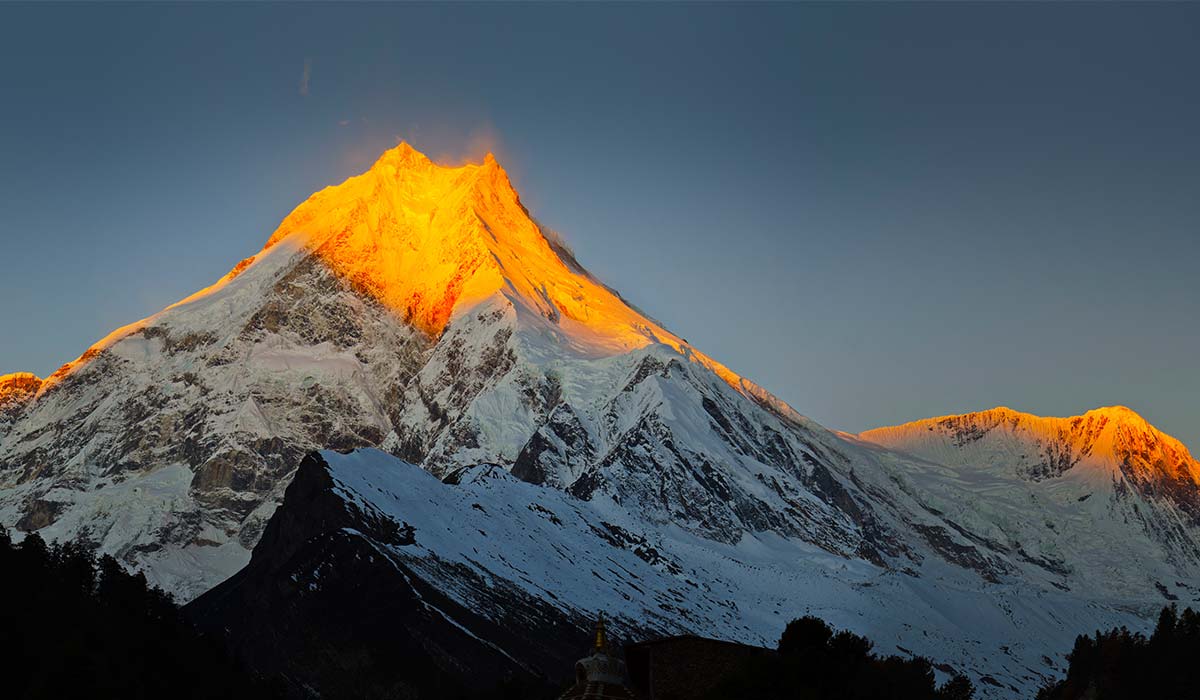
On the Manaslu Circuit Trek, quiet does not mean walking alone all day without seeing anyone. Instead, it means a steady, unhurried journey through remote landscapes where trekking traffic remains naturally spread out. Most days involve long walking stretches with minimal encounters, small villages with limited lodges, and evenings that feel calm rather than busy or social.
For much of the route, there is no road access and no large trekking hubs. Tea houses are family-run, facilities are simple, and daily life follows a slower rhythm. This creates a sense of space and silence that is increasingly rare on Nepal’s more developed trekking routes. Even when other groups are on the trail, they are usually separated by walking pace, acclimatization schedules, and limited accommodation capacity.
In the higher sections of the Manaslu Circuit, the feeling of isolation becomes stronger. Places such as Larkya Phedi (Dharamshala) have very limited tea houses, which naturally restrict the number of trekkers staying overnight. During peak months, sharing rooms here is common, not because the trail is crowded, but because infrastructure at this altitude is intentionally minimal. This limitation helps maintain the remote character of the trek rather than turning it into a busy transit point.
October also coincides with the Manaslu climbing season. During this time, trekkers may notice expedition activity and tented camps when visiting Manaslu Base Camp or nearby areas. While this adds visible activity to the region, it does not significantly affect trekking routes or day-to-day walking conditions. Expedition teams operate separately, and the overall trekking experience remains calm and well spaced.
In simple terms, quiet on the Manaslu Circuit Trek means fewer distractions, limited development, controlled access, and a strong sense of remoteness that stays with trekkers from the lower valleys all the way to the high mountain sections.
How Crowded Is the Manaslu Circuit Trek in 2026 Compared to Other Routes
In 2026, trail pressure across Nepal’s major trekking corridors varies widely, and the differences are easy to notice once you are on foot. The Manaslu Circuit continues to operate under a very different dynamic than Nepal’s most famous trekking routes, largely due to access rules, terrain, and infrastructure limits.
On routes such as the Everest Base Camp Trek, daily movement is dense throughout the main seasons. Large trekking groups depart villages at similar times, lodge capacity is stretched every night, and walking often feels synchronized with dozens of others heading in the same direction. Even outside peak weeks, traffic remains steady because flights, facilities, and commercial demand are constant.
The Annapurna Circuit Trek shows a different pattern. While scenic and diverse, it carries a high volume of trekkers due to easier logistics, road access in several sections, and flexible entry and exit points. This leads to a continuous flow of hikers, jeep-supported travelers, and local movement sharing the same trail corridors.
Manaslu functions differently. Entry numbers remain controlled through restricted-area regulations, and the absence of roads across most of the trail naturally limits traffic on the Manaslu Circuit trekking. Groups are smaller, departure times vary, and overnight stops are dictated by limited lodge availability rather than convenience. As a result, even during busy months, trekkers tend to spread out rather than cluster together.
Seasonal spikes do occur. April and October see higher numbers, including both international visitors and Nepali trekking groups. During these periods, villages such as Samagaun and high camps near the pass feel more active. However, this increase is temporary and localized. Outside those windows, daily encounters drop significantly, and movement along the trail feels measured rather than congested.
In practical terms, Manaslu in 2026 does not offer isolation comparable to remote exploratory routes, but it remains far less pressured than Nepal’s flagship treks. The difference is not just in numbers, but in how those numbers move. Where other routes feel continuous and crowded, Manaslu feels paced, regulated, and deliberately limited.
Which Parts of the Manaslu Circuit Feel the Most Quiet
One of the defining characteristics of Manaslu Circuit trekking in 2026 is how consistent the sense of calm feels along most of the route. Rather than experiencing sharp changes between busy and empty sections, trekkers usually find a steady, evenly paced journey from the lower valleys through to the high mountain areas. This balance is one of the main reasons many travelers choose the trek to Manaslu Circuit over more commercial trekking routes.
The lower and middle sections pass through narrow valleys, forests, and small villages where accommodation is limited and evenly spaced. Because there are no large lodge clusters, trekking groups naturally spread out. Even when multiple groups are on the trail at the same time, differences in walking speed, acclimatization plans, and fixed overnight stopping points prevent crowding. As a result, much of the Manaslu Circuit Trek feels quiet throughout the day rather than only in specific locations.
At higher elevations, the environment itself regulates movement. Around areas such as Samagaun, Samdo, and the approach to Larkya La Pass, tea houses remain few and basic. This does not make these sections busy, but instead limits how many trekkers can move through at once. The trail maintains a steady rhythm rather than becoming congested, even during the main trekking seasons.
October also coincides with the Manaslu climbing season. During this period, trekkers may notice expedition activity near access points to Manaslu Base Camp. However, most expedition teams operate independently from trekking groups and commonly return by helicopter after completing their climbs. Because of this, their presence has little impact on daily trekking traffic or lodge availability along the circuit.
Overall, there is no single section of the Manaslu Circuit Trek in 2026 that feels significantly busier than others. The quiet character of the route is shaped by limited tea house capacity, controlled access, and the absence of road connectivity, all of which apply across nearly the entire circuit. For trekkers planning the Manaslu Circuit Trek in 2026, this consistency in crowd levels remains one of the route’s biggest advantages.
Best Months for a Quiet Manaslu Circuit Trek Experience
Choosing the right timing plays a major role in how peaceful the journey feels. While the route is regulated throughout the year, certain months offer a noticeably calmer atmosphere for those who value space, slow walking days, and relaxed tea house stays during Manaslu Circuit trekking in 2026.
March is one of the best choices for trekkers seeking a quieter trail. Early spring brings stable conditions with fewer organized groups on the route. Villages feel unhurried, accommodation is easier to manage, and daily walking is rarely interrupted by other trekkers. This month is especially appealing for travelers who prefer a gentle start to the trekking season.
May, particularly the first half, also offers a peaceful experience. While conditions remain suitable for high-altitude travel, the number of trekkers drops compared to peak spring weeks. Trails feel open, and the overall rhythm of the trek remains calm, making it a strong option for those looking to avoid busier periods.
November is another excellent time for a quieter experience. As the main autumn season winds down, trekking traffic decreases, yet conditions remain favorable for crossing the high pass. Tea houses become less active in the evenings, and the sense of remoteness becomes more pronounced as fewer groups remain on the route.
December can also be considered by well-prepared trekkers who prioritize solitude above comfort. Temperatures are colder, especially at higher elevations, but the trail is at its quietest. For experienced hikers comfortable with winter conditions, December offers an exceptionally calm version of the Manaslu Circuit Trek, with very limited trail traffic.
For travelers whose main goal is to avoid crowds, April and October are generally not recommended. These months attract the highest number of trekkers due to favorable weather and holiday travel patterns. While the Manaslu Circuit remains more controlled than routes like Everest Base Camp or Annapurna Circuit, these peak periods naturally bring more activity, particularly around popular villages and high-altitude stopping points.
In summary, trekkers looking for a quieter Manaslu experience should focus on shoulder and late-season months. Thanks to restricted access and limited infrastructure, the trail never reaches the intensity of Nepal’s busiest routes, but careful timing can make a meaningful difference in how peaceful the journey feels.
Accommodation Reality on the Manaslu Circuit Trekking Trail
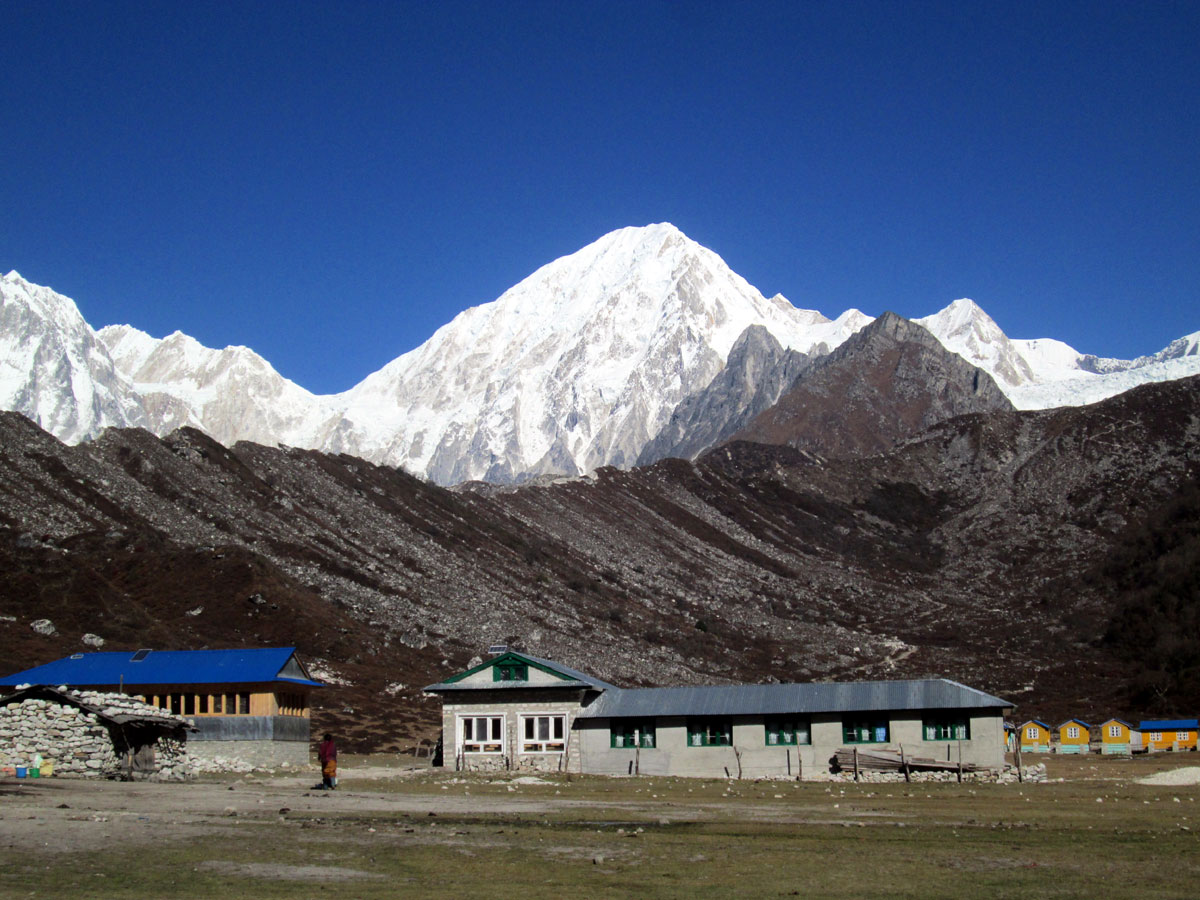
Accommodationalong the Manaslu Circuit trekking trail is simple, functional, and closely connected to local life. Most places offer basic tea houses that are family run, providing a warm and personal atmosphere rather than luxury facilities. These lodges are designed to support trekkers in a remote mountain environment, focusing on comfort and practicality rather than modern hotel standards.
In the lower and middle sections of the route, tea houses usually provide private twin-sharing rooms with basic beds, mattresses, pillows, and blankets. Rooms are clean and well maintained, but furnishings are simple. In many villages, trekkers can enjoy hot showers, either powered by gas or solar systems, though availability may depend on weather and altitude. WiFi and charging facilities are often available for a small extra cost, especially in larger villages, but connections can be slow and unreliable at higher elevations.
As the trail gains altitude, facilities become more limited. Tea houses remain welcoming and supportive, but comfort is more basic. Heating is generally provided in the dining area through a stove, while bedrooms are unheated. Luxury features such as electric bed warmers, central heating, or high-end bathrooms are not available on this route. This is part of the authentic high-mountain trekking experience and reflects the remote nature of the region.
In high-altitude areas such as Larkya Phedi (Dharamshala), accommodation is very limited, and sharing rooms is sometimes necessary during busy periods. These tea houses are basic but functional, offering shelter, meals, and a resting place before crossing the high pass. While simple, they are managed with care and hospitality by local families.
Overall, accommodation on the Manaslu Circuit Trekking Trail is comfortable enough for a rewarding journey, provided trekkers come with realistic expectations. Those looking for quiet nights, local hospitality, and a genuine mountain experience will find the tea houses more than sufficient, even without luxury amenities.
Why the Manaslu Circuit Trek Still Feels Less Commercial
The Manaslu Circuit Trek continues to feel less commercial because access and development have been intentionally kept limited. Entry requires special permits, trekking must be done with a licensed guide, and a minimum of two trekkers is required. These conditions naturally reduce casual visitors and large tour groups. In addition, there are no flight connections to the trailhead, and the journey involves long overland drives, which filters out travelers who prioritize speed and comfort.
Facilities along the route remain simple and locally managed. Tea houses are family run, services are basic, and there is no luxury infrastructure. Trekkers do not come here for hotel-style comfort but for a genuine countryside and mountain experience. The trail passes through remote villages and protected landscapes, offering a strong connection to local culture and daily life rather than a commercial trekking corridor. These factors together help preserve the quiet, traditional character of the route.
Will the Manaslu Circuit Trek Stay Quiet in the Future?
Interest in this route is expected to increase as trekkers look for alternatives to Nepal’s busiest trails. However, strict access rules, limited construction, and challenging terrain will continue to regulate visitor numbers. While peak periods may gradually feel more active, the overall atmosphere is likely to remain calm and far from mass tourism.
Final Answer: Is the Manaslu Circuit Trek Still Quiet in 2026?
Yes, the Manaslu Circuit Trek is still quiet for most of the year in 2026. While April and October bring more trekkers due to favorable conditions and growing popularity, visitor numbers remain naturally controlled by restricted access, limited accommodation, and mandatory guided trekking. Outside these peak periods, the trail offers calm walking days, peaceful villages, and a strong sense of remoteness. For trekkers seeking an authentic Himalayan journey rather than a busy trekking corridor, the trek to Manaslu Circuit continues to be one of Nepal’s most tranquil long-distance treks.