
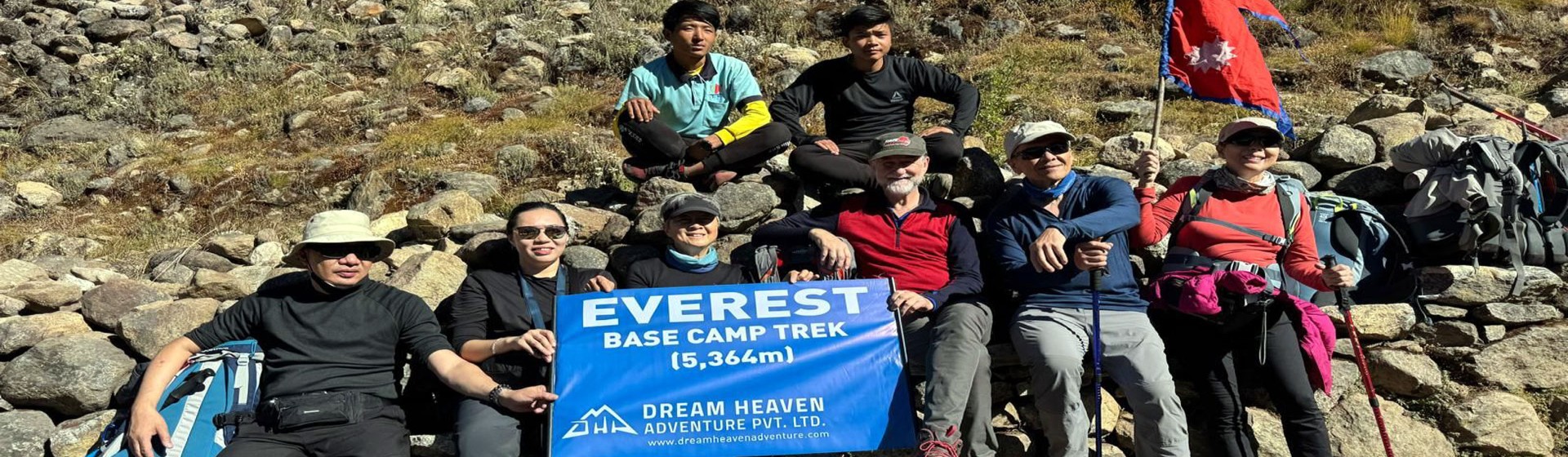
Finding a trekking guide or porter in Nepal is easy. Finding the right one is often what makes the difference between a trek that simply follows the itinerary and a trek that runs smoothly from start to finish.
Over the years, we have worked with trekkers on routes ranging from the Everest Base Camp Trek and Annapurna Circuit to more remote regions such as Manaslu, Tsum Valley, and Kanchenjunga. While every trek is different, one thing remains the same: having an experienced local team on the trail helps solve small problems before they become bigger ones.
At Dream Heaven Adventure, we have been organizing treks across Nepal since 2013 and providing licensed trekking guides, experienced porters, and porter-guides for both private and group departures. Some trekkers prefer a guide to manage navigation, permits, accommodation, and daily planning, while others simply want a porter so they can walk more comfortably and enjoy the experience.
Whether you are planning a short trek in the Annapurna region or a longer journey into Nepal's more remote mountain areas, we can help arrange the right support for your route, trekking style, and experience level.
Since 2013, Dream Heaven Adventure has provided licensed guides and experienced porters for trekkers across Nepal's most popular and remote trekking regions.
Guide and Porter Hiring Cost in Nepal
The cost of hiring a trekking guide or porter in Nepal depends on the type of support you need and the trekking region you plan to visit.
Our current hiring rates are:
Licensed Trekking Guide: USD 35 per day
Porter: USD 25 per day
Porter Guide: USD 30 per day
These rates generally include the guide or porter's salary, meals, accommodation during the trek, and insurance.
For most popular trekking routes such as Everest Base Camp, Annapurna Circuit, Langtang Valley, and Mardi Himal, trekkers can choose between hiring a guide, a porter, or both. In restricted regions such as the Manaslu Circuit Trek and Tsum Valley Trek, a licensed guide is required under current trekking regulations.
If you are unsure which option is best for your trek, our team can recommend the most suitable arrangement based on your route, group size, and trekking experience.
Why Hire a Trekking Guide in Nepal?
Many trekkers arrive in Nepal wondering whether they really need a guide. The answer often depends on the route, trekking experience, and what kind of journey they want to have.
Over the years, we have seen that most trekkers initially think of a guide as someone who simply leads the way. In reality, the role is much broader than that.
A guide helps manage accommodation, transportation, permits, daily planning, and trail logistics while also keeping track of weather conditions and how trekkers are adapting to altitude. On routes such as Everest Base Camp, Annapurna Circuit, and Langtang Valley, this can make the journey more comfortable and less stressful. In remote regions such as Manaslu, Tsum Valley, and Kanchenjunga, local knowledge often becomes even more valuable when conditions change or unexpected situations arise.
Many trekkers also enjoy learning about local culture, mountain communities, monasteries, and daily life along the trail. Spending days in the mountains with an experienced local guide often provides a different perspective than trekking independently.
For some people, hiring a guide is about safety and convenience. For others, it is simply about getting more from the experience while spending less time worrying about the details of the trek.
Why Hire a Porter in Nepal?
Over the years, we have noticed that many trekkers arrive in Nepal planning to carry everything themselves. Some continue with that plan throughout the trek, while others decide to hire a porter after realizing how different walking at altitude feels compared to hiking at home.
A backpack that feels comfortable during a day hike can become much more noticeable after several consecutive days on the trail, particularly on routes where daily walking hours gradually increase and the elevation continues to rise.
For this reason, many trekkers choose to hire a porter even when they are physically capable of carrying their own gear. Carrying less weight often allows trekkers to walk at a more comfortable pace, conserve energy, and focus more on the experience itself rather than the weight on their back.
In Nepal, one porter normally carries luggage for two trekkers with a combined maximum weight of approximately 20 to 25 kilograms. Trekkers typically keep water, snacks, cameras, and essential layers in a daypack while the remainder of their equipment is carried between overnight stops.
Whether you are trekking to Everest Base Camp, crossing Larkya La on the Manaslu Circuit Trek, or exploring the Annapurna and Langtang regions, hiring a porter is often one of the simplest ways to make a multi-day trek more comfortable.
Trekking Regions Where We Provide Guides and Porters
Over the years, our team has supported trekkers across many of Nepal's major trekking regions, from the busy trails of Everest and Annapurna to more remote areas such as Manaslu, Tsum Valley, and Kanchenjunga.
Everest Region Trek
The Everest region remains one of the most popular areas for guide and porter services. We regularly arrange support for trekkers heading to Everest Base Camp, Gokyo Lakes, and other routes within the Khumbu region. Depending on the itinerary, our team can assist with guiding, porter services, and trek logistics from arrival in Kathmandu through the completion of the trek.
Annapurna Region Trek
The Annapurna region attracts trekkers with a wide range of routes and trekking styles. Over the years, we have provided guides and porters for the Annapurna Circuit, Annapurna Base Camp, Mardi Himal, Ghorepani Poon Hill, and other trekking programs throughout the region.
Manaslu and Tsum Valley trek
Manaslu and Tsum Valley are among the regions where local experience often becomes most valuable. As a restricted area, Manaslu requires a licensed guide, and many trekkers rely on local support for permits, logistics, and route planning. Our team regularly operates both the Manaslu Circuit Trek and Tsum Valley Trek throughout the main trekking seasons.
Langtang Region Trek
Located close to Kathmandu, the Langtang region is a popular choice for trekkers looking for a shorter Himalayan adventure. We provide guides and porters for Langtang Valley, Gosaikunda, Helambu, and combination itineraries within the region.
Kanchenjunga and Other Remote Trekking Regions
For longer and more remote treks such as Kanchenjunga, Makalu, Upper Mustang, Nar Phu Valley, Dhaulagiri, and Rolwaling, experienced local support can help simplify the planning process and day-to-day logistics. Our team can arrange guides and porters for both private and customized trekking itineraries across these regions.
Experienced Local Trekking Team
Behind every successful trek is a team that understands far more than the route itself.
A trekking guide's responsibilities extend well beyond navigation. Throughout a trek, guides coordinate accommodation, manage daily logistics, monitor trail and weather conditions, assist with permits, and help trekkers adapt to the challenges that can arise during a multi-day journey in the Himalayas.
Since 2013, our team has organized and supported treks across Nepal's major trekking regions, including Everest, Annapurna, Manaslu, Langtang, Kanchenjunga, Upper Mustang, Nar Phu Valley, Makalu, and other Himalayan destinations. During this time, we have worked with solo trekkers, couples, families, private groups, and organized departures with a wide range of trekking goals and experience levels.
Many of the routes we operate pass through remote mountain areas where trail conditions, weather patterns, transportation schedules, and local circumstances can change from season to season. Practical experience gained from regularly working in these regions allows our team to respond to these situations and help keep treks running smoothly.
Our guides, porter-guides, and porters are familiar with the day-to-day realities of trekking in Nepal, from busy routes such as Everest Base Camp and Annapurna Circuit to more remote journeys in Manaslu, Tsum Valley, and Kanchenjunga. This local knowledge helps trekkers spend less time worrying about logistics and more time enjoying the experience itself.
For us, guiding is not simply about reaching a destination. It is about providing reliable local support throughout the journey, helping trekkers travel with confidence while experiencing some of Nepal's most remarkable mountain landscapes.
How the Guide and Porter Hiring Process Works
Every trek is slightly different, but the process of arranging a guide or porter is usually straightforward.
The first step is simply sharing your trekking plans with us. This may include your preferred trekking route, travel dates, group size, and any specific requirements you have for the trip. If you are still deciding between routes, we can help recommend options based on your available time, trekking experience, and interests.
Once the itinerary is confirmed, we can recommend whether a licensed guide, porter, or porter-guide would be the most suitable choice for your trek. Some routes, such as the Manaslu Circuit Trek and Tsum Valley Trek, require a licensed guide under current trekking regulations, while other regions offer more flexibility depending on the traveler's preferences.
Before the trek begins, we assist with the practical arrangements related to the journey. Depending on the route, this may include permit preparation, transportation planning, equipment recommendations, and answering any final questions before arrival in Nepal.
When you arrive, you will have the opportunity to meet your guide or trekking team before departure. This allows time to review the itinerary, discuss expectations, and ensure that everything is ready before heading into the mountains.
From that point onward, our focus is on helping the trek run as smoothly as possible so that you can spend more time enjoying the experience and less time worrying about logistics.
What Is Included When Hiring a Guide or Porter?
When hiring a guide or porter in Nepal, the daily rate is designed to cover the costs associated with the trekking staff throughout the journey.
For guides and porters arranged through Dream Heaven Adventure, the hiring rate generally includes:
Daily salary
Accommodation during the trek
Meals during the trek
Trekking staff insurance
Government taxes and service charges
In addition to these costs, guides assist with many of the day-to-day responsibilities that help a trek run smoothly. Depending on the route, this may include coordinating accommodation, assisting with permits, helping manage daily logistics, monitoring trail conditions, and providing local support throughout the trek.
For trekkers hiring a porter, the service includes carrying the agreed luggage weight between overnight stops while allowing trekkers to carry only their personal daypack and essential items needed during the day.
What Is Not Included?
Personal travel insurance, trekking equipment rental, accommodation and meals in Kathmandu, personal expenses, tips, and any services not specifically included in the agreed trekking arrangements are not covered by the daily hiring rate.
If you have questions about a particular route, we are happy to explain exactly what is included before confirming your booking.
FAQs
1. Can I Hire Only a Trekking Guide in Nepal?
Yes. Many trekkers hire only a licensed trekking guide without booking a full trekking package. A guide can assist with navigation, daily logistics, accommodation arrangements, permits, and local support throughout the trek. This option is popular among independent trekkers who prefer flexibility while still benefiting from local knowledge and assistance on the trail.
2. Can I Hire Only a Porter in Nepal?
Yes. If you are comfortable trekking independently but would like help carrying your gear, it is possible to hire only a porter. Most porters carry luggage for two trekkers with a combined weight of approximately 20 to 25 kilograms while trekkers carry their own daypack.
3. What Is the Difference Between a Guide, Porter, and Porter-Guide?
A trekking guide is responsible for leading the trek, managing logistics, assisting with permits, and providing local support throughout the journey. A porter carries luggage between overnight stops. A porter-guide combines elements of both roles and is often used on less technical trekking routes where full guiding services may not be necessary.
4. How Much Does It Cost to Hire a Guide in Nepal?
Guide hiring costs vary depending on the route and season. In most cases, a licensed trekking guide costs around USD 30 per day. This generally includes salary, accommodation, meals during the trek, insurance, and related staff expenses.
5. How Much Does It Cost to Hire a Porter in Nepal?
A porter typically costs around USD 25 per day. This generally includes salary, meals, accommodation during the trek, and insurance while working on the trail.
6. Can I Meet My Guide Before the Trek Begins?
Yes. Whenever possible, we arrange for trekkers to meet their guide before departure. This provides an opportunity to review the itinerary, discuss expectations, and ask any final questions before the trek starts.
7. Do I Need a Guide for the Manaslu Circuit Trek?
Yes. Under current trekking regulations, the Manaslu Circuit Trek is a restricted-area trek that requires a licensed guide. Independent trekking without a licensed guide is not permitted in the restricted section of the route.
8. Do I Need a Guide for Everest Base Camp Trek?
A guide is not mandatory for Everest Base Camp, but many trekkers choose to hire one for assistance with logistics, local knowledge, route guidance, and support at higher elevations. For first-time visitors to Nepal, a guide can make the experience considerably easier.
9. How Much Weight Can a Porter Carry?
Most porters carry a maximum combined load of approximately 20 to 25 kilograms for two trekkers. Keeping luggage within this limit helps ensure a fair and manageable workload throughout the trek.
10. Are Female Trekking Guides Available?
Yes. Female trekking guides are available for many trekking routes in Nepal, although advance notice is recommended, especially during the busy spring and autumn trekking seasons.
11. Can a Guide Help Arrange Permits?
Yes. Guides regularly assist with trekking permits and related paperwork. For restricted regions such as Manaslu and Tsum Valley, permit arrangements are typically completed before the trek begins.
12. What Happens If the Weather Changes During the Trek?
Mountain weather can change quickly, particularly at higher elevations. Experienced guides monitor conditions and can help adjust plans when necessary. This may include modifying daily schedules, changing departure times, or making route-related decisions based on current conditions.
13. Is Travel Insurance Required?
We strongly recommend travel insurance that covers trekking activities, emergency medical treatment, and helicopter evacuation where appropriate. This is particularly important for high-altitude trekking routes.
14. How Much Should I Tip a Guide or Porter?
Tipping is always voluntary. Many trekkers choose to tip based on the quality of service received, the duration of the trek, and their overall experience.
15. Which Treks Are Most Popular for Hiring a Guide or Porter?
The most common routes include Everest Base Camp, Annapurna Circuit, Annapurna Base Camp, Langtang Valley, Mardi Himal, Manaslu Circuit, Tsum Valley, Upper Mustang, and Kanchenjunga Base Camp.
Planning a Trek in Nepal?
Whether you are looking to hire a licensed trekking guide, an experienced porter, or a porter-guide, our team is happy to help you find the most suitable option for your trekking route and travel plans.
Over the years, we have assisted trekkers across Nepal's major trekking regions, including Everest, Annapurna, Manaslu, Langtang, Kanchenjunga, Upper Mustang, Nar Phu Valley, and other Himalayan destinations. Whether you are planning a short trek or a longer high-altitude journey, we can help arrange the local support needed for a smooth and enjoyable experience.
If you have questions about guide availability, porter services, trekking permits, route planning, or current trekking conditions, feel free to contact our team. We are always happy to provide information and help you prepare for your trek in Nepal.