Restricted Area Trek
Restricted area treks in Nepal take travelers into some of the country’s most remote and culturally preserved Himalayan regions. These trekking areas are controlled through a special permit system because of their remote mountain location, border sensitivity, traditional communities, and limited infrastructure.
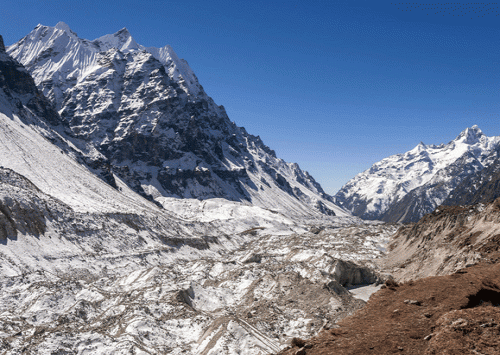
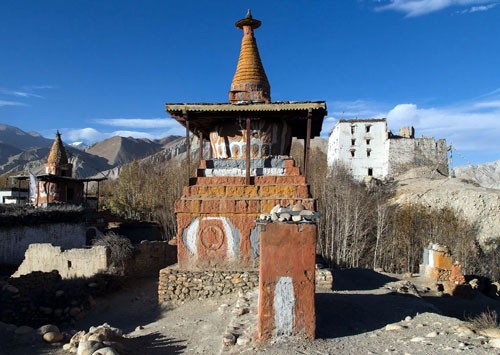
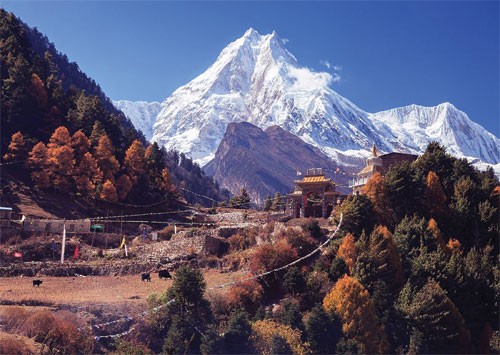
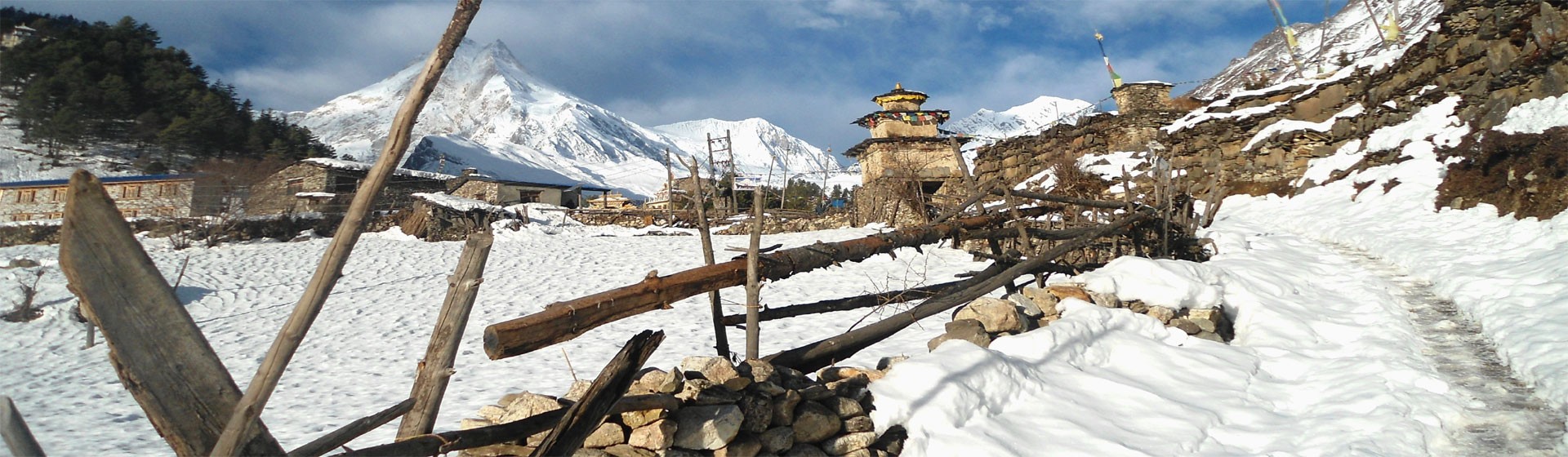
Unlike the more commercial trekking routes in Nepal, restricted area trekking trails often pass through isolated valleys, ancient monasteries, traditional Tibetan-influenced villages, narrow mountain paths, and high Himalayan passes where local mountain culture still remains deeply connected to daily life.
Most restricted area treks require trekkers to travel through a registered Nepal trekking company with a licensed guide. Special permits issued by the Nepal government are mandatory for these regions, and permit procedures are usually arranged in advance before starting the trek.
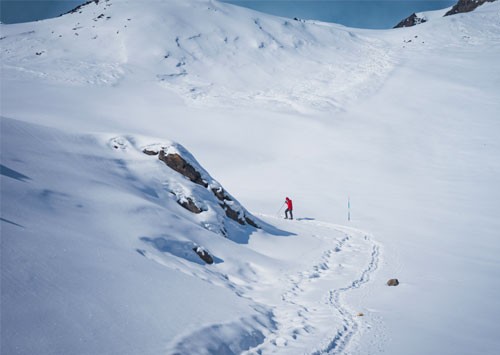
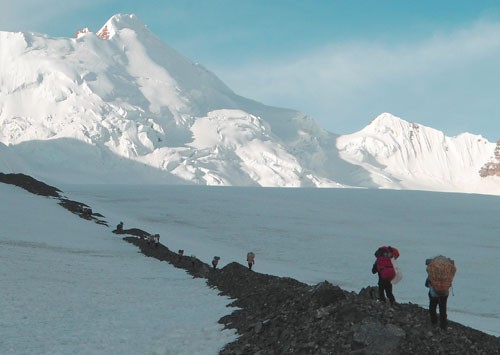
Many of these areas feel significantly quieter and less crowded compared to Nepal’s main trekking routes. As the trail gradually moves higher into the mountains, the surroundings often become more remote, with fewer settlements, basic teahouses, limited road access, and long stretches of untouched Himalayan landscape.
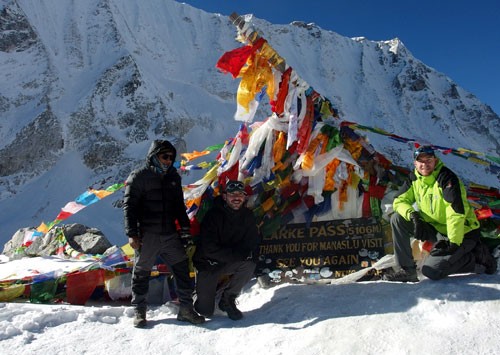
Some of the most popular restricted area treks in Nepal include the Manaslu Circuit Trek, Upper Mustang Trek, Nar Phu Valley Trek, and Tsum Valley Trek.
For the Manaslu region, solo independent trekking without a licensed guide is not permitted under the current restricted area trekking regulations. In most cases, permits are processed through a registered trekking agency under a minimum two-person permit arrangement.
Restricted area trekking in Nepal is ideal for trekkers looking for quieter trails, authentic mountain culture, dramatic Himalayan scenery, and a more remote trekking experience away from the busier trekking routes of Nepal.