Bhutan Tour 7 Days

Trip Fact:
  • Duration 7 Days
  • Difficulty Level Easy
  • DestinationBhutan
  • Accommodation3-star hotels (upgrade available)
  • MealsBreakfast, Lunch, Dinner included
  • Trip Start/EndParo
  • Group SizePrivate or small group
  • Best SeasonSpring (March-May) and Autumn (September-November)

Bhutan Tour 7 Days Overview 

The Bhutan Tour 7 Days is one of the most complete and immersive ways to experience Bhutan. Designed for travelers who want more than just a quick visit, this itinerary allows you to explore deeper landscapes, traditional valleys, and the real rhythm of Bhutanese life without feeling rushed. It is ideal for those who want a longer stay in Bhutan with a balanced pace, suitable for first-time visitors, couples, families, and travelers seeking a meaningful cultural journey.

Covering key destinations like Paro, Thimphu, Punakha, and the peaceful Phobjikha Valley, this journey combines Bhutan’s most famous highlights with quieter, less explored regions. This creates a travel experience that feels both complete and authentic.

Unlike shorter tours, the 7-day itinerary gives you time to slow down and truly connect with Bhutan. You walk through traditional villages, visit active monasteries, and observe daily life shaped by Buddhist traditions. Bhutan is known for its philosophy of Gross National Happiness, and this journey allows you to experience that through its people, culture, and environment.

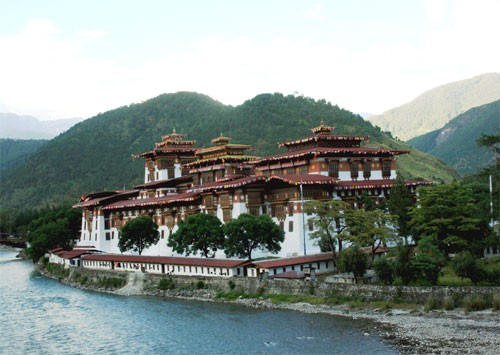
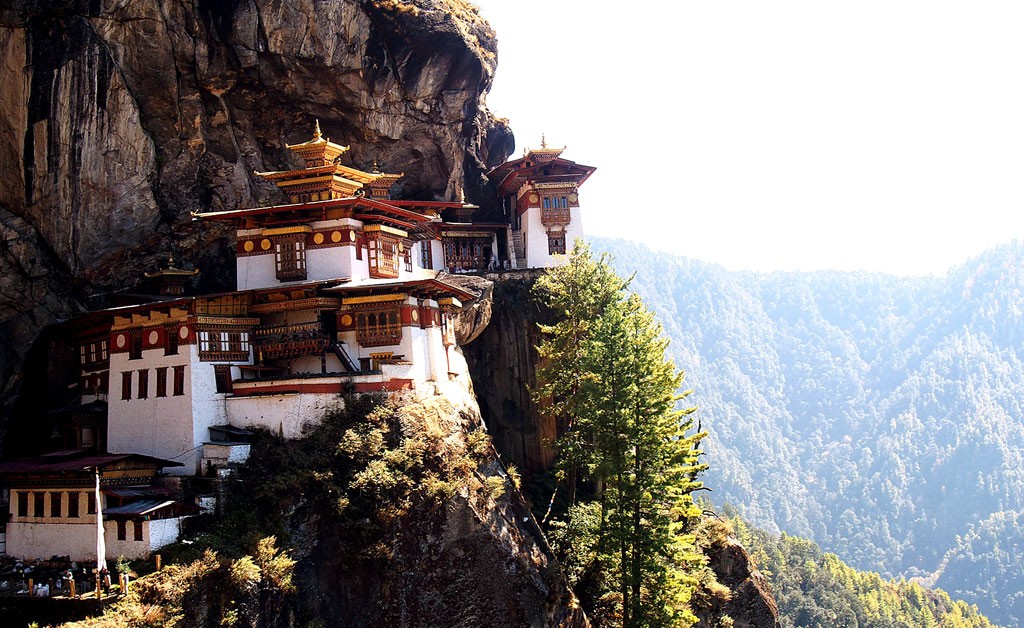
The highlight of the journey includes the visit to Tiger's Nest Monastery, dramatically located on a cliff and deeply connected to Bhutan’s spiritual history. In Punakha, you explore the beautiful Punakha Dzong, a masterpiece of Bhutanese architecture and former seat of government. The journey also takes you to Phobjikha Valley, a wide glacial valley known for its untouched beauty and peaceful atmosphere.

From real travel experience, what makes this itinerary special is its flow. The distances are manageable, the altitude remains comfortable, and the pace allows enough time to enjoy each place properly. It is neither too short nor too long, making it one of the best choices for travelers who want a deeper and more relaxed Bhutan experience.

For 2026 travelers, this itinerary stands out as one of the most recommended options because it combines cultural depth, scenic beauty, and comfort in a well-balanced journey.

Why Choose the Bhutan Tour 7 Days?

The Bhutan Tour 7 Days is designed for travelers who want more than just a quick visit. It is for those who want to understand Bhutan, experience its culture, and enjoy the journey at a natural and comfortable pace. This itinerary follows a proven route while offering deeper exploration through time, balance, and carefully selected destinations.

Experience Bhutan Without Rushing

Unlike shorter tours, this itinerary gives you enough time to explore each place properly. You are not just visiting landmarks but spending time to feel the environment, observe local life, and enjoy the peaceful atmosphere.

Visit Both Famous and Hidden Places

You will experience Bhutan’s iconic highlights like Tiger's Nest Monastery and Punakha Dzong, while also exploring quieter regions like Phobjikha Valley. This creates a more complete and less crowded experience.

A Well-Balanced Travel Route

The journey through Paro, Thimphu, Punakha, and Phobjikha is carefully planned based on real travel experience. The driving time is manageable, the altitude remains comfortable, and the flow of the trip feels natural.

Deeper Cultural and Spiritual Connection

Bhutan is known for its strong traditions and spiritual lifestyle. With more time, you can observe daily rituals, visit active monasteries, and understand the meaning behind Bhutanese culture rather than just seeing it.

Comfortable for a Wide Range of Travelers

This tour is suitable for first-time visitors, couples, families, and senior travelers. The pace is relaxed, and activities like the Tiger’s Nest hike can be done at your own speed, making the experience flexible and enjoyable.

Scenic Journey Through Diverse Landscapes

From mountain passes and forests to rivers and wide valleys, every day offers a different landscape. The journey itself becomes part of the experience, not just the destination.

The Bhutan Tour 7 Days is designed to offer a balanced and immersive travel experience. With a well-paced itinerary, diverse landscapes, and meaningful cultural encounters, it allows you to explore Bhutan in a natural and comfortable way.

By choosing this journey, you are not just booking a trip, but experiencing Bhutan at a deeper level through its people, traditions, and environment. It offers the right combination of culture, nature, and comfort, making it one of the most rewarding ways to explore the country.

You are not just visiting Bhutan, you are experiencing it.

Who Is the Bhutan Tour 7 Days Best For?

The Bhutan Tour 7 Days is designed for travelers who want a complete and comfortable experience of Bhutan. It is not just for one type of traveler, but suits a wide range of people because of its balanced pace, manageable travel distance, and mix of culture, nature, and light activity.

First-Time Visitors to Bhutan

This itinerary is ideal for those visiting Bhutan for the first time. It covers all major regions including Paro, Thimphu, Punakha, and Phobjikha Valley, giving a complete introduction to Bhutan’s culture, history, and landscapes without missing important highlights.

Travelers Looking for a Deeper Experience

This tour is perfect for travelers who do not want a rushed itinerary. With seven days, you have time to explore beyond the surface, understand local traditions, and experience Bhutan in a more meaningful and relaxed way.

Families with Children

The Bhutan Tour 7 Days is suitable for families because the pace is comfortable and the travel distances are manageable. Children can enjoy nature, open valleys, and cultural experiences, while parents can travel without stress or tight schedules.

Senior Travelers

This itinerary is also well suited for senior travelers. The altitude remains moderate, the drives are not too long, and most sightseeing does not require intense physical effort. The only active part is the hike to Tiger's Nest Monastery, which can be done slowly or skipped if needed.

Couples and Leisure Travelers

For couples, this journey offers a peaceful and scenic environment. Places like Punakha and Phobjikha provide quiet, beautiful settings that are ideal for relaxation and shared experiences.

Cultural and Spiritual Travelers

Bhutan is deeply rooted in Buddhist traditions, and this tour is ideal for those interested in monasteries, rituals, and spiritual life. Visiting sacred sites and observing daily practices gives a deeper understanding of Bhutanese culture.

Photography and Nature Lovers

From wide valleys to mountain passes and traditional villages, this itinerary offers excellent opportunities for photography. The variety of landscapes makes each day visually different and engaging.

Travelers Seeking Comfort and Balance

This tour is best for those who want a balance between exploration and comfort. It is neither too short nor too long, making it one of the most practical itineraries for travelers who want to experience Bhutan properly without feeling tired.

The Bhutan Tour 7 Days is suitable for a wide range of travelers because of its flexible pace, comfortable structure, and diverse experiences. Whether you are traveling alone, with family, or as a couple, this journey adapts well to different interests and travel styles.
Itinerary

As your flight descends into Paro, the first thing you notice is how close the mountains feel. The landing itself gives a real sense of Bhutan’s geography, narrow valleys surrounded by forested hills and traditional houses.

The drive to Thimphu follows a river valley where you pass small settlements, prayer flags, and quiet countryside. Unlike busy cities, Thimphu feels calm and organized, where people move slowly and daily life follows a steady rhythm.

In the evening, you can observe locals walking around Memorial Chorten, spinning prayer wheels and engaging in quiet spiritual practice. This gives your first real connection with Bhutanese culture.

    Today is about understanding how Bhutan lives, not just what it shows. In Thimphu, you see a mix of tradition and modern life. People still wear traditional dress, and government buildings maintain old architectural styles.

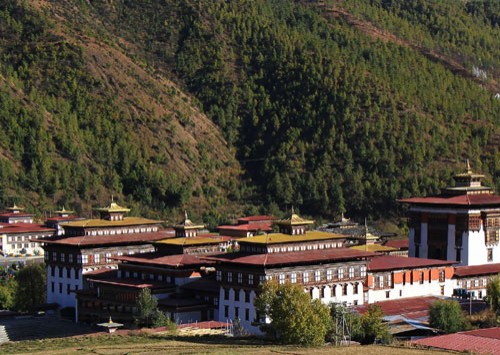
    At Tashichho Dzong, you experience the administrative and religious center of the country. Inside the city, markets and craft centers show how textiles, woodwork, and paintings are still made using traditional techniques.

    This day gives a deeper understanding of Bhutan’s identity, where culture is part of daily life rather than preserved only for tourism.

      The drive from Thimphu to Punakha is where you begin to see Bhutan’s landscape change. As you climb toward Dochula Pass, the air becomes cooler and the forest denser.

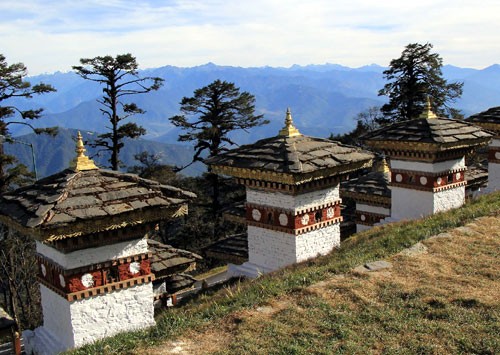
      At the top, the 108 chortens stand in quiet formation, often surrounded by clouds or clear Himalayan views depending on the weather. As you descend, the environment shifts into a warmer valley with open fields and riverbanks.

      In Punakha, the wide valley and flowing rivers create a peaceful setting. The dzong here feels alive, with monks, local visitors, and ceremonies continuing as part of everyday life.

        As you leave Punakha and head toward Phobjikha Valley, the road becomes quieter and more remote. This valley feels completely different from other places in Bhutan.

        Phobjikha is wide, open, and peaceful, with very little development. The air feels still, and the landscape stretches far compared to the narrow valleys seen earlier.

        At Gangtey Monastery, you look over the entire valley. If traveling in winter, you may see black-necked cranes, which migrate here and are deeply respected by local communities.

          The return journey to Paro gives you a different perspective of the same route. Landscapes change depending on light and weather, and you begin to notice details you may have missed earlier.

          Back in Paro, the environment feels familiar but still peaceful. This is a good time to relax, walk around, and observe local life at a slower pace.

            The hike to Tiger's Nest Monastery is both physical and emotional. The trail moves through forest paths, and as you gain height, the monastery slowly appears across the cliff.

            The final viewpoint gives a clear view of the monastery hanging on the rock face. This place is not only visually impressive but also spiritually significant, connected to Bhutan’s religious history.

            The experience here is quiet and powerful, making it one of the most memorable moments of the entire journey.

              Your journey ends with a morning departure from Paro. As you leave, the views of mountains and valleys give a final impression of Bhutan’s landscape.

              From real experience, what stays with travelers is not just the places visited, but the feeling of calm, simplicity, and connection experienced throughout the journey.

                Cost Details

                Includes

                • Airport pick-up and drop-off at Paro International Airport
                • All private transportation throughout Bhutan
                • Accommodation in comfortable 3-star hotels (upgrade available)
                • All meals during the tour (breakfast, lunch, dinner)
                • Licensed English-speaking Bhutanese guide
                • All monument entrance fees and sightseeing as per itinerary
                • Bhutan visa arrangement and processing
                • Government taxes and service charges
                • Drinking water during travel

                Excludes

                • International flights to/from Bhutan
                • Travel insurance (recommended)
                • Personal expenses (drinks, laundry, shopping, tips)
                • Optional activities not mentioned
                • Single room supplement (if required)

                Good to Know

                Travel Time and Distance for Bhutan Tour 7 Days

                Travel in Bhutan is influenced more by terrain than distance. Roads pass through mountains, valleys, and forested hills, so travel time depends on curves, elevation changes, and road conditions rather than kilometers alone.

                The drive from Paro to Thimphu takes around 1 to 1.5 hours and follows a well-maintained river valley road.

                From Thimphu to Punakha, the journey takes about 3 hours. This route crosses Dochula Pass at approximately 3,100 meters, where the road includes gradual climbs and descents.

                The drive from Punakha to Phobjikha Valley takes around 3 to 4 hours. This section includes narrower mountain roads and less developed areas compared to the main highway.

                The return journey from Phobjikha to Paro takes approximately 5 to 6 hours, following a combination of mountain roads and valley routes.

                Accommodation and Food Experience in Bhutan Tour 7 Days

                Accommodation during the Bhutan Tour 7 Days is comfortable, clean, and designed to reflect the country’s traditional style. Hotels are generally in the 3-star category, with options to upgrade depending on preference. Rooms are well maintained, with attached bathrooms, heating where required, and simple but cozy interiors inspired by Bhutanese architecture.

                In cities like Thimphu and Paro, hotels offer modern comfort while maintaining traditional design elements such as wooden carvings and painted walls. In Punakha and Phobjikha Valley, accommodations are more peaceful and closer to nature, often surrounded by open landscapes and mountain views.

                Food in Bhutan is simple, fresh, and locally prepared. Meals are usually served in hotels and include a mix of Bhutanese, Indian, and continental options. The most famous local dish is ema datshi, made with chili and cheese, which reflects Bhutan’s love for bold flavors.

                Rice is a staple in Bhutanese meals, often served with vegetables, lentils, and meat dishes. The food is generally less oily and prepared using local ingredients, giving it a natural and authentic taste.

                From real travel experience, the accommodation and food in Bhutan are not about luxury in the usual sense, but about comfort, cleanliness, and authenticity. The experience feels warm and personal, often reflecting the hospitality and lifestyle of the local people.

                Best Time for Bhutan Tour 7 Days 

                The best time to do the Bhutan Tour 7 Days is during spring (March to May) and autumn (September to November), when weather conditions are stable, skies are clear, and visibility is at its best across Bhutan. These seasons offer the most comfortable travel experience, especially for scenic drives, cultural visits, and the hike to Tiger’s Nest Monastery.

                Spring brings fresh greenery and blooming rhododendrons across valleys like Paro and Punakha, making the landscape colorful and vibrant. The weather is mild, ideal for outdoor exploration and photography.

                Autumn is considered the best overall season, with very clear skies after the monsoon. This is also the time of major festivals in Thimphu and other regions, adding a strong cultural experience to your journey.

                Winter (December to February) offers fewer crowds and clear mountain views, especially in lower regions like Punakha and Phobjikha, though mornings and evenings can be cold.

                Monsoon (June to August) is less recommended due to rain and limited visibility, although the landscape becomes lush and green.

                From real travel experience, spring and autumn provide the best balance of weather, scenery, and cultural experience for this itinerary.

                Challenges and Travel Tips

                Traveling in Bhutan is comfortable, but understanding a few practical aspects helps improve your experience. Most travel is by road, and mountain routes include curves and elevation changes, so travel time may feel longer than expected.

                The hike to Tiger's Nest Monastery is the most active part of the tour. It requires moderate effort, but can be completed comfortably with a steady pace and breaks.

                Weather conditions may change during the day, especially in mountain areas. Carrying light layers and comfortable walking shoes is recommended.

                From real experience, travelers who keep a relaxed pace and follow their guide’s advice enjoy the journey more. Bhutan is best experienced slowly, with time to absorb its culture and surroundings.

                Why Bhutan is Unique

                Bhutan is not just another travel destination in the Himalayas. What makes Bhutan truly unique is the way it has chosen to grow as a country. Instead of focusing only on economic development, Bhutan follows the philosophy of Gross National Happiness, which places culture, environment, and wellbeing at the center of life. This approach shapes everything a traveler experiences, from the pace of daily life to the preservation of traditions.

                One of the most noticeable differences is how strongly Bhutan protects its cultural identity. In places like Thimphu, modern life exists, but it does not replace tradition. Buildings follow traditional design, people wear national dress, and religious practices continue as part of everyday life. This creates a rare sense of continuity that is difficult to find in other destinations.

                Spirituality in Bhutan is not something separate from daily life. Monasteries are active, prayer flags are placed with meaning, and rituals are part of the local routine. Visiting sites like Tiger's Nest Monastery is not only about the view, but about understanding a living spiritual tradition that still guides people’s lives.

                Bhutan is also one of the few countries in the world that maintains a strong commitment to environmental conservation. Large areas of the country remain forested, rivers are clean, and development is carefully controlled. As you travel through regions like Phobjikha Valley, the landscape feels untouched and natural, offering a sense of calm that is increasingly rare.

                Another unique aspect is the overall travel experience. Bhutan limits tourism in a way that avoids overcrowding. This means you do not experience busy tourist centers, but instead a peaceful environment where you can explore comfortably and connect more deeply with the surroundings.

                From real travel experience, what stays with most visitors is not just the places they visit, but the feeling of Bhutan itself. The quiet atmosphere, respect for nature, and strong cultural values create a journey that feels meaningful rather than rushed.

                Bhutan stands apart because it offers something beyond sightseeing. It offers a different perspective on life, where simplicity, balance, and tradition are still valued. This is what makes Bhutan not just unique, but truly unforgettable.

                Photography and Best Viewpoints in Bhutan Tour 7 Days

                The Bhutan Tour 7 Days offers some of the most rewarding photography opportunities in the Himalayas. What makes photography in Bhutan unique is the combination of natural landscapes, traditional architecture, and spiritual atmosphere. Light, weather, and timing play an important role, and each location offers a different visual experience.

                One of the most iconic viewpoints is Tiger's Nest Monastery. The best time to capture this monastery is during early morning or late afternoon, when the light hits the cliff face and creates strong contrast against the surrounding forest. The main viewpoint along the trail provides the most balanced and dramatic angle.

                At Dochula Pass, panoramic views of the Himalayas open up on clear days. The 108 chortens create a strong foreground, especially in soft morning light. This is one of the best locations for wide-angle landscape photography.

                Punakha Dzong is best photographed from the riverside or nearby bridges. During sunrise and sunset, the reflection of the dzong in the water adds depth and symmetry, making it one of the most photogenic landmarks in Bhutan.

                In Phobjikha Valley, the landscape is wide and open, offering completely different photography compared to the narrow valleys of Paro and Thimphu. Morning mist, soft light, and seasonal wildlife like black-necked cranes create unique compositions.

                From real experience, the best photography in Bhutan comes from patience and timing rather than rushing. Early mornings and late afternoons offer the most natural light, while mid-day light can be strong and flat in mountain areas.

                Visa and Travel Requirements for Bhutan Tour

                Traveling to Bhutan is well organized, but entry requirements depend on your nationality. Most international travelers need a visa before arrival, which is arranged in advance through a licensed tour operator or the official system once your trip is confirmed. The process is straightforward and usually requires a passport copy with at least six months validity, a passport-size photo, and your travel details. The visa is approved before your arrival, allowing a smooth and hassle-free entry into Bhutan.

                In addition to the visa, Bhutan follows a regulated tourism system where certain government fees and permits are required as part of travel. These are typically included in your tour package, so you do not need to manage them separately, making the overall process simple and well coordinated.

                The rules are different for Indian nationals, who do not need a visa but must obtain a travel permit. Indian citizens can travel using a valid passport or voter ID and may arrange their permit in advance or on arrival. Travelers from Bangladesh and the Maldives also require entry permission, and the process is generally simpler compared to other international travelers, depending on travel arrangements.

                Bhutan allows some level of independent travel, but for tours like the Bhutan Tour 7 Days, most travelers prefer a guided package as it includes visa processing, permits, transport, accommodation, and a licensed guide. This ensures a smooth and comfortable journey, especially for first-time visitors.

                All travelers should carry a passport valid for at least six months and keep a copy during the trip. Travel insurance is not mandatory but strongly recommended. Most visitors enter Bhutan by air through Paro International Airport, while land entry is also possible from India through border points such as Phuentsholing.

                From real travel experience, Bhutan’s travel system may feel different at first, but it is designed to keep tourism organized and sustainable. Once your trip is confirmed, all arrangements are handled in advance, allowing you to enjoy the journey without stress or confusion.

                FAQs

                • Q1. Do I need a visa to travel to Bhutan?

                  Yes, most international travelers need a visa, which is arranged in advance through a tour operator or official system. Indian nationals require a permit instead, while travelers from Bangladesh and the Maldives need entry permission. The process is simple once your trip is confirmed.

                • Yes, 7 days is one of the most recommended durations. It allows you to visit key regions like Paro, Thimphu, Punakha, and Phobjikha Valley with a balanced pace.

                • Yes, this tour is suitable for beginners. It mainly includes sightseeing and short walks. The only active part is the hike to Tiger's Nest Monastery, which can be done slowly or skipped if needed.

                • The hike takes around 4 to 5 hours round trip. The trail is uphill but well maintained, and there are resting points along the way, making it manageable for most travelers.

                • The tour remains at a comfortable altitude, with the highest point around 3,100 meters at Dochula Pass. Most travelers do not experience altitude issues.


                • Yes, roads are safe and maintained, but they include mountain curves and elevation changes. Travel is slower than in flat regions, but drivers are experienced in these routes.

                • Yes, the itinerary can be customized based on your travel dates, hotel preference, and pace. Additional nights or upgrades can be arranged if needed.

                • No, Bhutan limits tourism, so you will not experience large crowds. Most places feel peaceful and less commercial compared to other destinations.

                • Meals include a mix of Bhutanese, Indian, and continental options. Food is simple, fresh, and locally prepared, with rice, vegetables, and traditional dishes commonly served.

                • Travel insurance is not mandatory but strongly recommended. It helps cover unexpected situations such as delays or medical needs.

                • This tour is ideal for first-time visitors, families, couples, and senior travelers who want a comfortable and well-paced journey in Bhutan.

                Suggested Itineraries

                Ask a Question