What Has Changed on the Annapurna Circuit Trek?
Over the past decade, the Annapurna Circuit Trek has gone through noticeable changes, especially in the lower sections of the route. The most discussed change among trekkers today is the expansion of road access, which has reached deeper into the circuit than before. This has altered how the trek is experienced, but it has not removed the core beauty or value of the journey.
The biggest change is that several traditional trekking sections between Besisahar and Manang are now connected by rough roads. Jeeps and local transport operate on these routes, which means trekkers no longer need to walk the entire lower valley unless they choose to. As a result, many modern itineraries begin further ahead, often from places like Chame, to focus more on the most scenic and high-altitude parts of the trek.
However, this does not mean the trekking experience has disappeared. Instead, it has shifted. Trekkers today have more flexibility than before. You can still walk quieter trails, follow alternative routes away from the road, or use transportation strategically to save time and energy for the more rewarding sections of the circuit.
Another important change is the evolution of trekking styles. In the past, most trekkers followed the full classic route step by step. In 2026, itineraries are more customized. Many trekkers combine walking with short drives, add side trips like Tilicho Lake, or choose higher scenic trails such as Upper Pisang and Ngawal to avoid road sections and enjoy better views.
Infrastructure has also improved significantly. Lodges, tea houses, bakeries, and communication facilities have become more developed, especially around Manang and popular stops along the trail. This makes the trek more comfortable and accessible without losing its high-altitude adventure feel.
At the same time, the upper part of the Annapurna Circuit remains largely unchanged. Once you move beyond Manang, the environment quickly returns to a more traditional Himalayan trekking experience. The landscape becomes more rugged and open, villages become more spaced out, and the sense of being in a high mountain region becomes much stronger. The crossing of Thorong La Pass continues to be one of the most challenging and rewarding moments of the trek, just as it has always been.
In reality, the Annapurna Circuit Trek has not been reduced by these changes; it has adapted. The experience today is slightly different, but for many trekkers, it offers more options, better comfort, and the ability to design a trek that suits their time, fitness, and expectations.
Does the Road Ruin the Annapurna Circuit Trek Experience?
This is one of the most common questions trekkers ask today, and the answer is not as simple as yes or no. The presence of road access has changed certain parts of the Annapurna Circuit, but it has not taken away the overall trekking experience. What matters most is where you trek and how you plan your route.
The road mainly affects the lower sections of the circuit, particularly between Besisahar and parts of the Marsyangdi Valley. In these areas, sections of the trail now follow or cross jeep tracks, and in some places trekkers may share the path with vehicles. For those expecting a completely untouched wilderness from the very beginning, this can feel different from the traditional image of the trek.
However, the character of the trek changes significantly as you gain altitude. Beyond the lower valley, the environment becomes quieter, more open, and much more focused on the natural Himalayan landscape. From around Manang onward, the sense of being in a high mountain region returns strongly. The terrain becomes more dramatic, the air thinner, and the views far more expansive. The experience here feels very much like a classic Himalayan trek.
Another important point is that trekkers today are not limited to walking along the road. There are several well-known alternative trails that move away from vehicle tracks and offer a far more scenic and peaceful experience. Routes such as the Upper Pisang trail, the Ngawal high route, and side hikes around Manang allow trekkers to stay on quieter paths while enjoying wider mountain views. Many experienced trekkers now consider these alternative routes to be some of the best sections of the entire circuit.
In practical terms, the road has also created flexibility. Some trekkers choose to use short jeep rides to skip less interesting sections and focus their time on the most rewarding parts of the trek. This approach allows them to conserve energy for higher altitude days, including the crossing of Thorong La Pass, which remains the true highlight of the journey.
It is also worth understanding that the Annapurna Circuit has never been only about remote trails. Its appeal has always come from the combination of landscape diversity, cultural experience, and the gradual transition from green valleys to high alpine terrain. These elements are still very much present in 2026.
For many trekkers, the experience today is not ruined but reshaped. Those who expect a fully remote expedition from start to finish may feel the difference. But those who plan their route carefully, use alternative trails, and focus on the upper sections of the circuit often find the trek just as rewarding, and in some ways even more flexible than before.
In the end, the road does not define the Annapurna Circuit. The mountains, the changing landscapes, the culture, and the journey across Thorong La still define the experience.
Best Alternative Routes to Avoid the Road on Annapurna Circuit Trek
One of the biggest advantages of trekking the Annapurna Circuit in 2026 is that you are no longer limited to a single fixed route. While some lower sections now follow jeep roads, experienced trekkers rarely stick to those paths. Instead, they choose alternative trails that not only avoid the road but often offer better views, quieter surroundings, and a more authentic trekking experience.
The most popular and highly recommended alternative begins from Upper Pisang. Instead of following the lower trail along the road, trekkers take the higher route through Ghyaru and Ngawal. This path requires a bit more effort at the beginning, but the reward is immediate. From these elevated villages, trekkers are surrounded by wide panoramic views of Annapurna II, Annapurna III, Gangapurna, and Tilicho Peak, creating one of the most scenic stretches of the entire circuit. Many experienced trekkers consider this high route far more enjoyable than the traditional lower path.
Another excellent way to enhance the trekking experience is by including the Tilicho Lake side trip. From Manang, the trail diverts toward Khangsar and continues to Tilicho Base Camp before reaching the lake itself. Sitting at around 4,919 meters, Tilicho Lake is one of the highest glacial lakes in the world and is widely regarded as one of the most dramatic landscapes in the Annapurna region. This detour usually adds a few extra days, but for many trekkers, it becomes one of the most memorable highlights of the entire journey.
There are also multiple route variations between villages that allow trekkers to avoid road sections almost completely. From Upper Pisang to Manang, for example, trekkers can choose between a lower, easier road-connected trail or a higher, more scenic trail through traditional villages and forested paths. The higher route is slightly more demanding but offers a far richer trekking experience with better views and less disturbance.
Another approach that many trekkers follow in 2026 is to start the trek further ahead, often from Dharapani or Chame instead of Besisahar. This helps skip the sections most affected by road construction and allows trekkers to focus on the most rewarding parts of the circuit, including Manang, Thorong La Pass, and the Kali Gandaki valley.
What makes the Annapurna Circuit unique today is not a single fixed trail, but the flexibility to design your own route. Trekkers can combine high trails, side trips, and selective transportation to create a journey that feels natural, scenic, and immersive. In many ways, this flexibility has improved the trekking experience rather than reduced it.
For those who take the time to choose the right path, the Annapurna Circuit in 2026 still offers quiet trails, dramatic mountain views, and the feeling of walking through one of the most diverse Himalayan landscapes in Nepal.
What Makes Annapurna Circuit Trek Still Special in 2026?
Even with the changes in the lower sections, the Annapurna Circuit Trek continues to stand out as one of the most complete trekking journeys in the Himalayas. What makes it truly special is not just a single highlight, but the way the entire experience unfolds gradually over days, changing in landscape, culture, and altitude in a way very few treks in the world can offer.
One of the most remarkable aspects of the Annapurna Circuit is its incredible landscape diversity. The trek begins in lower river valleys with green hills, waterfalls, and terraced farmland, then slowly transitions into pine forests, alpine terrain, and finally the dry, high-altitude landscapes around Manang and Mustang. This continuous change keeps the journey engaging every day, and many trekkers feel as if they are walking through multiple regions within a single trek.
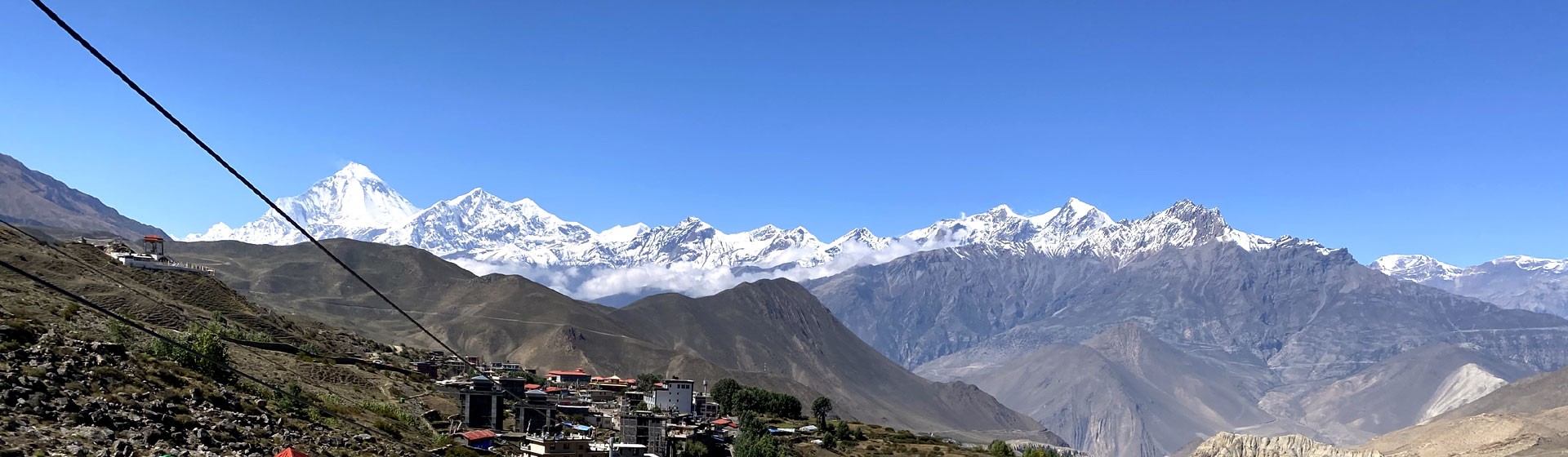
The Manang valley remains one of the most memorable parts of the circuit. After days of gradual ascent, arriving in Manang feels like stepping into a different world. The valley opens wide, surrounded by massive Himalayan peaks, with Annapurna II, Annapurna III, Gangapurna, and Tilicho Peak dominating the skyline. Acclimatization days here are not just for rest, but for exploration. Short hikes above the village reveal breathtaking viewpoints where the scale of the mountains becomes fully visible, something many trekkers describe as one of the defining moments of the trek.
Another element that keeps the Annapurna Circuit special is the cultural transition along the route. The lower regions reflect Gurung and Magar communities with their agricultural lifestyle and traditional villages, while the upper sections shift into Tibetan-influenced culture. This gradual cultural change adds depth to the trekking experience, allowing trekkers to see how people adapt to different altitudes and environments while maintaining strong traditions.
The crossing of Thorong La Pass (5,416 m) continues to be one of the most powerful experiences in Himalayan trekking. The early morning climb, the silence of the high altitude, and the moment of reaching the top surrounded by snow-covered peaks create a sense of achievement that is difficult to describe. For many trekkers, this single day becomes the emotional highlight of the entire journey.
Another reason the trek still feels special is the balance between comfort and adventure. Unlike more remote regions, the Annapurna Circuit offers well-established tea houses, warm meals, and reliable logistics, while still providing a true high-altitude trekking experience. This combination makes the trek accessible without losing its sense of adventure.
Perhaps most importantly, the Annapurna Circuit still delivers a complete Himalayan journey. It is not just about reaching a destination, but about the process of walking through changing environments, meeting different communities, and gradually adapting to the mountains. Even in 2026, this sense of progression remains one of the strongest reasons why trekkers continue to choose this route.
For those who approach it with the right expectations and a well-planned itinerary, the Annapurna Circuit Trek still offers something that few other treks can match a journey that feels varied, immersive, and deeply rewarding from start to finish.
Who Should Still Do the Annapurna Circuit Trek in 2026?
The Annapurna Circuit Trek is still an excellent choice in 2026, but it is best suited for trekkers who understand what kind of experience the route offers today. It is no longer the same uninterrupted trail described in older trekking books, yet it remains one of Nepal’s most rewarding journeys for the right kind of traveler. In practice, the trekkers who enjoy it most are those who value variety, flexibility, and the full experience of moving through changing Himalayan landscapes rather than expecting a completely isolated wilderness trek from start to finish.
This trek is especially well suited for trekkers who want a classic high-altitude Himalayan experience without giving up all comfort. The Annapurna Circuit still offers big mountain scenery, a major high pass crossing, traditional villages, and a strong sense of progression as the environment changes day by day. At the same time, the route has enough tea houses, food options, and logistical support to make it less intimidating than some more remote regions. For many people, this balance is one of its biggest strengths.
It is also a very good choice for trekkers who enjoy long, varied journeys rather than a trek built around a single destination. Some routes are mainly about reaching one famous viewpoint or base camp. The Annapurna Circuit feels different. Its appeal comes from the full journey itself: lower valleys, changing vegetation, evolving culture, acclimatization in Manang, the build-up toward Thorong La, and the dramatic descent toward Muktinath and the Kali Gandaki valley. Trekkers who like a sense of movement and transformation across the landscape often find this route deeply satisfying.
Another group who often enjoy this trek includes photographers and visual travelers. Few treks in Nepal offer such a wide range of scenery within one route. The contrast between green lower valleys, high alpine terrain, dry trans-Himalayan landscapes, and massive mountain walls gives the circuit strong visual variety. Trekkers who enjoy sunrise views, village photography, changing weather, and long scenic walking days often come away with a very rich experience.
The Annapurna Circuit is also ideal for trekkers who want route flexibility. In 2026, this has become even more important. Because there are road-connected sections, high trail alternatives, side trips, and different start and end points, the trek can be shaped in many ways. This suits travelers with limited time, different fitness levels, or specific interests. Some may want to include Tilicho Lake, others may prefer a shorter itinerary focused on Manang and Thorong La, while others may want to combine drives and walking to avoid less rewarding stretches. Trekkers who appreciate this flexibility often find the circuit more practical than many other long treks in Nepal.
It is particularly rewarding for first-time trekkers in Nepal who are reasonably fit and well prepared. While the altitude should never be underestimated, the route allows for steady acclimatization and has enough infrastructure to support careful trekking. For someone wanting their first major Himalayan pass crossing, Annapurna can still be one of the best introductions, provided the itinerary is sensible and not rushed.
The trek also suits travelers who are interested in both nature and culture. Some trekkers care mainly about mountains, while others are drawn to village life, monasteries, farming landscapes, and local traditions. The Annapurna Circuit gives both. Along the route, trekkers witness not only changing terrain but also changing ways of life, from lower hill communities to the Tibetan-influenced culture of the upper valleys. For readers looking for a trek with more than just scenery, this remains one of the strongest reasons to choose Annapurna.
In practical terms, the trekkers who usually get the most from the Annapurna Circuit in 2026 are those who come with realistic expectations. They understand that some lower sections are no longer as remote as before, but they also recognize that the upper valley, acclimatization hikes, pass crossing, and overall journey still deliver an outstanding trekking experience. When planned well, the route still offers a rich, balanced, and memorable Himalayan adventure.
For travelers who want a diverse, flexible, and rewarding trek with strong mountain scenery, cultural variety, and a classic pass crossing, the Annapurna Circuit still deserves a place among the best trekking experiences in Nepal.
Who Might Not Enjoy the Annapurna Circuit Trek in 2026?
Although the Annapurna Circuit Trek is still one of Nepal’s great trekking journeys, it is not the perfect choice for every traveler. This is important to say honestly, because one of the biggest mistakes trekkers make is choosing a route based only on reputation without thinking carefully about the kind of experience they actually want. In 2026, the Annapurna Circuit remains highly rewarding, but it suits some trekking styles much better than others.
Trekkers who want a fully remote and uninterrupted wilderness experience from beginning to end may not find the Annapurna Circuit ideal. Some lower sections are now affected by road access, transportation, and more developed settlements. Even if the best parts of the trek remain beautiful and rewarding, the journey does not always feel isolated in the same way as more restricted or less developed trekking regions. Travelers whose top priority is complete remoteness often feel more satisfied on routes where the sense of separation begins earlier and remains more consistent throughout the trek.
It may also be less suitable for trekkers who dislike mixed trail conditions. On this circuit, the walking experience can vary significantly from one section to another. Some days feel very traditional and scenic, while others may include stretches affected by jeep tracks, road crossings, or busier village areas. Trekkers who expect every day to feel equally untouched may find this contrast frustrating, especially if they are comparing the trek to older descriptions written many years ago.
Another group that may not enjoy the Annapurna Circuit as much are travelers who prefer short, simple, destination-focused treks. The circuit is at its best when it is understood as a journey, not just a goal. It requires several days of steady walking, proper acclimatization, and a willingness to experience gradual changes in landscape and culture. Travelers who want a very short holiday hike or who lose interest in longer trekking routines may not fully appreciate what this route offers.
The trek can also be a poor match for those who are not prepared for high altitude and changing mountain conditions. While the route is supported by good infrastructure, it still crosses Thorong La Pass at significant elevation. That means early starts, cold mornings, physical effort, and the need to respect acclimatization. Travelers who are underprepared, rushed, or drawn mainly by the name of the trek without understanding the physical demands may struggle more than expected.
It may also not be the best choice for people who want a luxury trekking style throughout the entire route. While the Annapurna Circuit offers better facilities than many remote treks, it is still, at its core, a tea house trek in the Himalayas. Comfort improves in some villages, but accommodation remains simple in many areas, especially as altitude increases. Trekkers who expect consistently high-end lodge standards every night may feel the route is more basic than they had imagined.
Another type of traveler who may not enjoy this trek fully is someone who becomes discouraged by popular trails and shared trekking spaces. Even though the route can be customized and quieter sections still exist, Annapurna remains one of Nepal’s best-known trekking regions. During peak seasons, villages, dining halls, and popular stops can feel active and busy. For many trekkers this creates a lively atmosphere, but for others it reduces the sense of solitude they are hoping to find in the mountains.
The Annapurna Circuit may also be less appealing to trekkers who want a route with one single dramatic payoff very early in the trip. This trek builds slowly. Its strength lies in progression, adaptation, and variety. The experience becomes richer as the days pass, especially once trekkers move deeper into the upper valley and closer to the pass. Those who need immediate intensity from the first day sometimes connect better with shorter treks that deliver a quicker visual reward.
In practical terms, the people least likely to enjoy the Annapurna Circuit in 2026 are those who expect an old-style, fully untouched trail exactly as it was decades ago, or those who want either extreme remoteness or extreme comfort without compromise. The trek is best appreciated by travelers who accept it for what it is today: a classic Himalayan journey that has changed over time but still offers outstanding rewards when approached with realistic expectations.
For the wrong traveler, the Annapurna Circuit can feel uneven. For the right traveler, it still feels rich, varied, and unforgettable.
How to Plan the Annapurna Circuit Trek Smartly in 2026
The Annapurna Circuit Trek is still highly rewarding in 2026, but it is no longer a trek that should be planned in the same way it was described many years ago. The route now rewards thoughtful planning more than blind tradition. Trekkers who get the best experience are usually the ones who understand where to walk, where to take a vehicle if needed, where to spend extra time, and how to protect the quality of the journey instead of simply following an old fixed itinerary.
One of the smartest planning decisions is choosing the right starting point. In the past, many trekkers began lower down and walked the full approach. Today, that is not always the best use of time unless someone specifically wants a longer valley approach. Many trekkers now begin from Dharapani, Chame, or nearby sections so they can focus on the stronger part of the trek rather than spending too much time in the lower road-affected stretches. This does not make the trek less meaningful. In many cases, it makes the experience more efficient and more enjoyable, especially for travelers with limited days in Nepal.
Another important planning decision is how many days to allow for acclimatization. A rushed itinerary is one of the most common reasons trekkers struggle physically on the Annapurna Circuit. Even though the route is well established, altitude should never be underestimated. A proper acclimatization stop in Manang remains one of the most valuable parts of the entire plan. It gives the body time to adjust, but it also improves the overall trekking experience because Manang is not just a place to rest. It is a place to explore side hikes, gain better mountain views, and prepare properly for the higher section ahead.
In 2026, route design matters as much as fitness. Trekkers who simply follow the easiest lower line may end up spending more time near vehicle tracks and missing some of the most scenic trail options. Those who choose higher routes where appropriate often enjoy a much stronger trekking experience. This is why planning should not be based only on the shortest route between villages. It should also consider trail quality, scenery, walking atmosphere, and how each day fits into the larger rhythm of the journey.
Transportation planning also deserves careful thought. Many trekkers make the mistake of seeing jeeps only as a negative change. In reality, strategic use of transport can improve the overall trek when used carefully. A short drive can help skip a less rewarding section, protect valuable time, or make the itinerary more realistic without reducing the quality of the main mountain experience. The key is balance. Too much driving turns the trek into a rushed transfer. Thoughtful use of transport helps preserve the best walking sections.
Seasonal planning is another area where experienced trekkers make better decisions. A route that feels wonderful in one season may feel very different in another. Visibility, trail conditions, crowd levels, and temperature all shape the experience. Strong planning means matching the itinerary to the season, not just the calendar. For example, a trekker going in a colder period may need more attention to pass-day timing, while someone trekking during busier months may need to think more carefully about lodge flow and daily stage planning.
Another smart planning choice is deciding whether to keep the circuit straightforward or to include side trips. The Annapurna Circuit can be planned as a more direct classic pass-crossing trek, or it can be expanded with extra hiking days that deepen the experience. This depends on the traveler. Some people benefit from a cleaner and more focused itinerary. Others gain much more from adding side hikes and scenic detours. The important thing is not to overload the trek just because more options exist. Good planning is not about adding everything. It is about choosing what improves the journey most.
The finish of the trek also deserves attention. Many trekkers focus heavily on the approach and the pass, but the exit plan matters too. How and where the trek ends can affect both the final trekking experience and the overall logistics afterward. A well-planned ending can save energy, reduce unnecessary travel stress, and leave the final memory of the trek feeling satisfying rather than rushed.
Perhaps the most practical advice of all is this: the Annapurna Circuit in 2026 should be planned as a modern trek, not as an outdated legend. It is still a classic, but it works best when approached with current understanding. Trekkers who plan it wisely still get an outstanding Himalayan journey. Those who plan it based only on old assumptions often miss the strongest version of what the route can offer today.
The Annapurna Circuit remains worth doing, but in 2026 the best experience comes not from copying the old route exactly, but from understanding how to shape the trek intelligently around today’s trail reality.
Real Experience: What Trekkers Say About the Annapurna Circuit Trek Today
One of the clearest ways to judge whether the Annapurna Circuit Trek is still worth it in 2026 is to look at how modern trekkers describe the experience after actually walking the route. A consistent pattern appears in recent trek reports and updated operator guides: most trekkers do not say the circuit has lost its value completely. Instead, they describe a trek that has changed, especially in the lower sections, but still delivers a rewarding Himalayan journey when planned with current trail conditions in mind. Recent 2026 write-ups repeatedly frame the Annapurna Circuit as a route that is still worth doing, but no longer in exactly the same way older guidebooks described it.
What many trekkers appreciate most today is that the best parts of the circuit still feel genuinely powerful. Updated 2026 Annapurna Circuit Trek itinerary options continue to focus on sections around Manang, acclimatization hikes above the valley, the approach to Thorong La, and the descent toward Muktinath and Jomsom. That tells us something important: even though some approach sections have become more road-linked, the parts modern trekkers most remember and recommend are still the high mountain stretches where the circuit’s identity remains strongest.
At the same time, recent experience-based articles are more honest than older promotional writing. Trekkers now commonly mention that the lower route is no longer best understood as a fully untouched wilderness trail. Some say this is disappointing if they arrive expecting the version described in much older trekking stories. But many also say that once expectations are adjusted, the trek becomes easier to appreciate for what it is now: a route with strong variety, flexible entry and exit options, and enough alternative walking sections to preserve the quality of the journey. That balance of honesty and continued enthusiasm is one of the strongest signs that the Annapurna Circuit still holds real value in 2026.
Another theme that appears often in recent trek feedback is that smart route choices make a huge difference. Modern itineraries increasingly recommend higher trails, shorter road-affected transfers, or scenic variations rather than simply following the lowest and most direct line. This reflects a practical reality on the ground: trekkers who shape the route carefully often come away much happier than those who expect the trek to work best without any adaptation. In other words, current trekkers are not just reviewing the Annapurna Circuit itself; they are reviewing how well the trek was planned.
Many trekkers also continue to praise the overall completeness of the route. Recent guides still highlight the same reasons people have long loved the circuit: major altitude gain, deep landscape transition, a meaningful acclimatization phase, village-to-village progression, and the emotional reward of crossing Thorong La. Even where opinions differ about the lower sections, there is still broad agreement that the upper valley and pass-crossing section remain among Nepal’s great trekking experiences.
Perhaps the most accurate summary of current trekker opinion is this: the Annapurna Circuit no longer wins people over because it is unchanged. It wins them over because it still offers a rich, varied, and memorable trek despite the changes. Trekkers who want an exact recreation of the old classic sometimes leave with mixed feelings. Trekkers who come prepared for the modern version usually still describe it as one of Nepal’s most satisfying long treks. That is probably the most realistic real-world verdict in 2026.
Annapurna Circuit vs Other Treks (2026)
Choosing the Annapurna Circuit Trek often becomes easier when it is compared with other popular trekking routes in Nepal. In 2026, two of the most common comparisons are with the Manaslu Circuit Trek and the Everest Base Camp Trek. Each route offers a very different experience, and understanding these differences helps trekkers choose the one that best matches their expectations, trekking style, and overall goals.
When compared with the Manaslu Circuit Trek, the Annapurna Circuit feels more accessible and flexible. The Manaslu region remains more remote, with stricter permit requirements and fewer trekkers on the trail. This creates a quieter and more traditional trekking environment, which many experienced trekkers prefer. The Annapurna Circuit, on the other hand, offers a more developed trekking experience with better lodge availability, easier logistics, and multiple route options. Trekkers who want a balance between adventure and comfort often find Annapurna more suitable, while those seeking deeper remoteness may lean toward Manaslu.
In terms of scenery, both Annapurna and Manaslu offer outstanding Himalayan views, but the experience feels different. The Manaslu Circuit is known for its strong sense of isolation and dramatic mountain presence throughout the trek. The Annapurna Circuit, however, stands out for its variety. It offers continuous changes in landscape, from green valleys to high alpine terrain and dry trans-Himalayan regions. Many trekkers appreciate this diversity, especially those who enjoy seeing different environments within a single journey.
When compared with the Everest Base Camp Trek, the Annapurna Circuit offers a completely different trekking style. Everest Base Camp is more destination-focused, with the main goal being to reach the base of the world’s highest mountain. The trail is more direct, and the experience is centered around iconic viewpoints such as Namche Bazaar, Tengboche, and the Everest region itself. In contrast, the Annapurna Circuit is a journey-based trek, where the experience builds gradually over many days through changing landscapes and cultures.
Another important difference is crowd levels. The Everest Base Camp Trek is one of the busiest trekking routes in Nepal, especially during peak seasons. The Annapurna Circuit can also be active, but due to its longer route and multiple trail options, it often feels more spread out. Trekkers who prefer a slightly quieter experience without going fully remote often find Annapurna a better middle ground.
In terms of difficulty, all three treks require good physical fitness and proper acclimatization. The Annapurna Circuit involves crossing Thorong La Pass at 5,416 meters, while the Manaslu Circuit crosses Larkya La Pass at 5,160 meters. The Everest Base Camp Trek does not cross a major pass but reaches high altitude gradually, which can still be physically demanding. The choice is less about which trek is harder and more about the type of challenge a trekker prefers.
From a planning perspective, the Annapurna Circuit is often the most flexible. Trekkers can adjust the itinerary, include side trips, shorten or extend the route, and combine walking with transport where needed. This flexibility makes it suitable for a wide range of trekkers, from those with limited time to those looking for a longer, more immersive experience.
In 2026, the Annapurna Circuit sits in a unique position among Nepal’s major treks. It is less remote than Manaslu, less crowded than Everest Base Camp in many sections, and more varied in landscape than both. For trekkers who want a balanced Himalayan experience with diversity, flexibility, and a strong sense of journey, the Annapurna Circuit continues to be one of the most compelling choices.
Final Verdict: Is the Annapurna Circuit Trek Still Worth It in 2026?
Yes, the Annapurna Circuit Trek is still worth it in 2026, but its value today comes from understanding how the experience has evolved. The lower sections have changed due to road development, yet the most important parts of the trek, including Manang, the high alpine landscapes, and the crossing of Thorong La Pass, remain as powerful and rewarding as ever.
The key difference is not what the trek offers, but how it should be approached. Trekkers who follow outdated expectations may focus on what has changed. Those who plan their route carefully, use alternative trails, and focus on the upper sections often discover that the Annapurna Circuit still delivers one of the most complete trekking experiences in Nepal.
It remains a trek defined by diversity, progression, and balance. From green valleys to high mountain deserts, from traditional villages to high-altitude passes, the journey still offers a level of variety that few other treks can match.
In 2026, the Annapurna Circuit is no longer just a classic trek. It is a flexible and adaptable Himalayan journey. For trekkers who approach it with realistic expectations and thoughtful planning, it continues to be one of the most rewarding and memorable treks in Nepal.