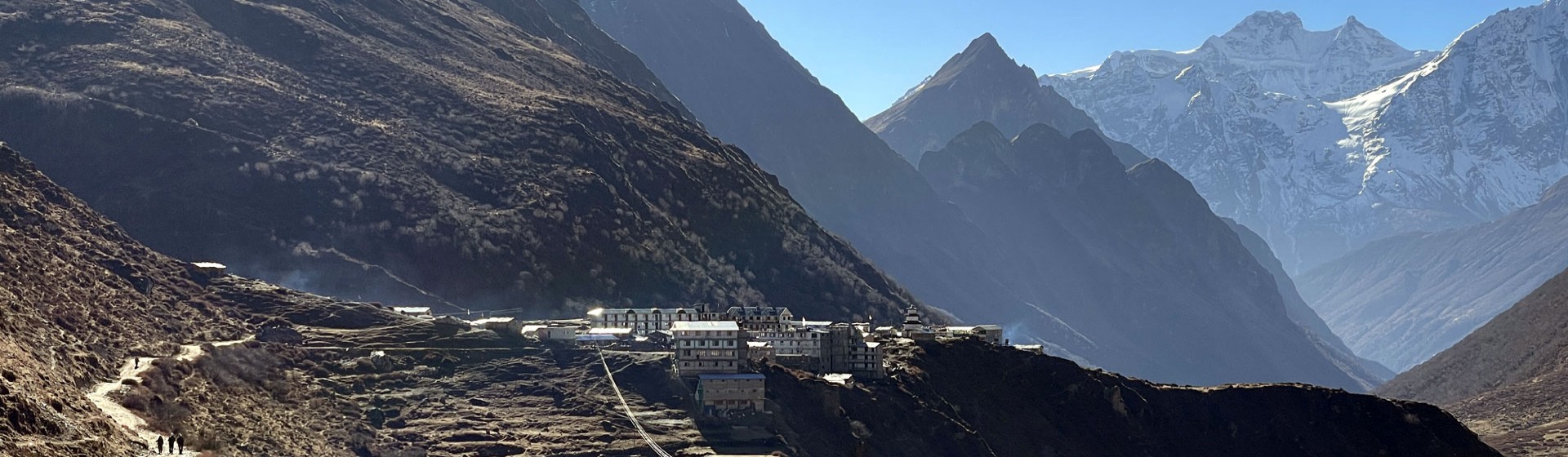
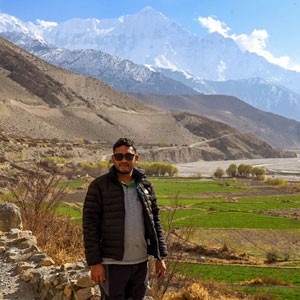
Quick Answer: Is Tsum Valley Worth It?
Yes, Tsum Valley is worth adding to the Manaslu Circuit Trek if you want a quieter, more cultural, and more remote trekking experience in Nepal.
It is especially worth it if you enjoy:
- old Buddhist monasteries
- peaceful villages
- fewer trekkers
- simple mountain lodges
- traditional Tibetan-influenced culture
- slower walking days
- hidden valley landscapes
- a deeper experience before crossing Larkya La Pass
But Tsum Valley may not be the best choice if you only want a short trek, luxury comfort, fast movement, or a simple high-pass adventure. In that case, the classic Manaslu Circuit Trek is already a complete and beautiful journey.
The best way to understand it is this:
- Manaslu Circuit Trek is stronger for mountain adventure.
- Tsum Valley is stronger for culture, silence, and hidden village life.
- Together, they create one of Nepal’s most complete remote trekking experiences.
From a local operator’s point of view, Tsum Valley is not something we suggest to every traveler. We recommend it only when the trekker has enough days, good patience for basic facilities, and real interest in local life. The valley is beautiful, but it is not polished. That raw feeling is exactly what makes it special.
What Makes Tsum Valley Feel Different from the Main Trail
The feeling of the journey changes slowly after Jagat.
Until this point, the trail follows the Budhi Gandaki River through suspension bridges, waterfalls, stone staircases, and narrow valley paths. The route already feels remote, but there is still movement on the trail. Trekkers, mule caravans, and guides often pass each other during the day.
Everything becomes quieter once the path turns toward Tsum Valley.
The number of trekkers drops quickly. Some days, you may walk for hours without seeing another group. Instead of busy tea houses and crowded viewpoints, the trail feels connected to small villages, monastery life, and the slow daily rhythm of the mountains.
Old mani walls appear beside the trail. Prayer flags hang above stone houses. Elderly villagers sit outside in the afternoon sun spinning prayer wheels while yaks and mules move carefully along the narrow paths.
The landscape changes as well.
The lower river valley often feels steep, humid, and enclosed. Higher inside Tsum, the surroundings become wider and calmer. The trail passes pine forests, open hillsides, scattered villages, and long stretches where the only sounds are wind, river water, and distant animal bells.
Morning feels especially different here.
Before sunlight reaches the valley floor, smoke slowly rises from lodge kitchens while frost still covers parts of the trail during colder months. Dogs bark near the fields, lodge owners prepare fires inside the dining room, and the sound of spinning prayer wheels carries quietly through the villages.
Even popular overnight stops still feel peaceful compared to many famous trekking areas in Nepal.
The tea houses are usually simpler too.
Electricity is limited in some villages. Wi-Fi may disappear for days. Bedrooms are basic, especially at higher elevations, and cold evenings are part of the experience. Trekking boots often dry beside the dining room stove while guides discuss weather and trail conditions with local lodge owners over tea.
But for many trekkers, these small moments become the most memorable part of the journey.
Evenings feel slow and natural. People gather around the kitchen fire, eat simple meals, and rest early before the next walking day. Outside, the valley becomes dark very quickly, with only a few solar lights visible beneath the mountain sky.
That quiet atmosphere is difficult to explain until you experience it yourself.
This is why many trekkers who first plan the main route later decide to spend extra days inside the valley. The region still preserves a slower Himalayan rhythm that has gradually disappeared from many busier trekking routes.
Who Should Add Tsum Valley to Their Trek?
Not every trekker needs to add Tsum Valley.
For some people, the main route already feels long enough, especially once the altitude increases near Samagaun, Samdo, and Larkya La Pass. But for trekkers who enjoy quieter places, slower travel, and cultural experiences as much as mountain scenery, the extra days inside the valley can completely change the journey.
Tsum Valley is best for trekkers who do not want to rush through the Himalayas.
The walking days here are not only about reaching the next village. Many people remember the smaller moments more clearly than the big viewpoints. Sitting in a lodge kitchen during a cold evening, hearing monks chanting from a nearby monastery, or watching clouds move slowly above stone villages often becomes a bigger memory than the photographs themselves.
Trekkers who enjoy local culture usually connect deeply with this part of the route.
The villages feel older and quieter than many other trekking areas in Nepal. Farming life still shapes the daily routine. In some places, people continue traditional practices that have existed here for generations. Monasteries remain important community spaces rather than tourist stops.
This part of the trek is also ideal for people searching for a less crowded experience.
On busy trekking routes, it is common to see long lines of trekkers entering villages at the same time every afternoon. Inside Tsum Valley, the walking feels more independent. Some mornings begin with completely empty trails, where the only movement comes from mule caravans or local villagers carrying supplies between settlements.
But the valley is not for everyone.
Facilities are more basic than many trekkers expect. Electricity can be unreliable. Charging devices may cost extra or not work properly during bad weather. Menu choices become smaller at higher villages, and internet connection often disappears for several days.
The walking can also feel mentally longer because the landscape is quieter and the days move more slowly.
Trekkers who mainly want dramatic mountain views, faster progress, or shorter itineraries sometimes prefer staying on the main route only. Others choose a shorter valley itinerary instead of combining the entire circuit.
The best trekkers for this region are usually those who enjoy:
- quieter trails
- basic mountain lodges
- local village life
- slower trekking pace
- cultural experiences
- remote landscapes
- long days without crowds
For many experienced trekkers, this becomes the part of the journey that feels most authentic. Not because it is luxurious or easy, but because daily life in the valley still feels closely connected to the mountains themselves.
Real Trail Experience Inside Tsum Valley
The experience inside Tsum Valley feels very different from the higher sections of the Manaslu Circuit.
On many trekking routes in Nepal, the focus slowly becomes reaching the next viewpoint, the next famous village, or the next mountain panorama. Inside Tsum Valley, the journey feels less rushed. The trail naturally slows people down.
The walking days often begin quietly.
Early in the morning, lodge kitchens slowly come alive as guides and porters drink tea beside the stove before starting the day. Outside, the air feels cold and still, especially during spring and autumn. In some villages, frost remains on the fields long after sunrise while smoke rises from stone houses below the hillsides.
The trail itself constantly changes.
Some sections pass through pine forest and narrow paths above the river. Other parts open into wide valley landscapes with scattered villages, chortens, prayer walls, and small monasteries built into the hills. In several places, the route feels surprisingly empty for such a culturally rich trekking area.
This is one reason why many trekkers now search for quieter alternatives to Everest and Annapurna trekking routes.
The villages inside the valley feel lived-in rather than built around tourism.
Children walk between houses carrying school bags while older villagers work in potato fields or sit together outside in the afternoon sun. Yaks and mule caravans still move supplies between settlements, and in some villages the sound of spinning prayer wheels becomes part of the background atmosphere throughout the day.
The monastery experience also feels more natural here.
Places like Mu Gompa and Rachen Gompa are not crowded sightseeing stops. They still function as important spiritual centers for local communities. Trekkers often arrive quietly, remove their boots outside, and spend time observing daily monastery life rather than simply taking photographs.
The tea houses remain simple compared to more commercial trekking regions.
Rooms are basic, electricity is limited in some villages, and Wi-Fi may disappear completely for several days. During colder nights, many trekkers gather around the dining room stove while wet socks, gloves, and boots dry slowly beside the fire. Guides often discuss weather conditions, landslide sections, or trail updates with local lodge owners over tea late into the evening.
These small moments create the real feeling of trekking here.
For trekkers with limited time, a Short Tsum Valley Trek still gives a strong sense of this atmosphere without crossing the higher mountain pass. But combining the valley with the full circuit creates a more complete experience, where the quiet cultural side of the region gradually transitions into the high alpine landscapes near Samagaun, Dharmasala, and Larkya La Pass.
That contrast is what makes the journey memorable.
The valley does not try to entertain trekkers every hour. Instead, the experience builds slowly through silence, simple village life, long walking days, and the feeling of moving deeper into a remote Himalayan region that still follows its own rhythm.
Is Adding the Valley Physically Harder?
For most trekkers, the harder part is not the terrain itself. It is the extra time, longer rhythm of the journey, and the gradual buildup of walking days before reaching higher altitude.
The trails inside the valley are usually lower than the high pass section later in the journey, so altitude sickness is not normally the biggest challenge during the first days. The walking is more about steady movement through forests, stone staircases, river crossings, and long village-to-village sections.
Some days feel surprisingly long even without extreme elevation gain.
This happens because the trail often moves in and out of side valleys, crosses suspension bridges, and climbs gradually above the river before descending again. During warmer months, lower sections can also feel humid and tiring during the afternoon.
Trekkers who only do the main circuit usually reach the higher mountain areas faster. Adding the valley changes the pacing completely. The journey becomes longer and slower before reaching Samagaun and the upper alpine section near Dharmasala and Larkya La Pass.
For some people, this actually helps.
The slower progression gives the body more time to adjust before higher altitude. Many experienced guides quietly prefer this pacing because trekkers often arrive in the upper region better acclimatized compared to shorter and faster itineraries.
But the extra days also require patience.
After a week on the trail, simple things begin to feel more noticeable. Cold mornings, basic bedrooms, repeated meals, damp clothing during poor weather, and limited charging facilities can slowly become more tiring than the walking itself.
This is something many first-time trekkers underestimate.
The route does not feel technically difficult most of the time, but it does require consistency. Some sections are narrow and uneven, especially after rain or small landslides. Mule caravans occasionally block the trail, forcing trekkers to wait carefully on cliffside paths while animals pass.
The higher mountain section later in the journey still becomes the main physical challenge.
After leaving Samdo and Dharmasala, the landscape changes dramatically. Trees disappear, the air becomes thinner, and mornings start very early before crossing Larkya La Pass. By this point, trekkers who added the valley often feel more mentally adjusted to the slower mountain rhythm.
That transition is one reason many experienced trekkers consider this combined route more rewarding than doing only the shorter circuit.
For trekkers with limited time or less interest in longer remote journeys, a shorter valley itinerary can still give a strong cultural experience without committing to the full crossing of the high pass.
What Evenings Feel Like During the Manaslu and Tsum Valley Trek
Evenings on the Manaslu Tsum Valley Trek feel very different from evenings on Nepal’s busier trekking routes.
Once the walking stops for the day, the villages slowly become quiet. There are no crowds moving through the streets, no busy cafés, and very little outside noise after dark. In many places, the only sounds come from the kitchen fire, distant mule bells, dogs barking near the fields, or wind moving through the valley.
Most trekkers reach the tea house by mid-afternoon.
Boots are left near the entrance covered in dust or mud depending on the season, while backpacks lean against wooden dining room walls. During colder months, gloves, socks, and damp trekking clothes usually hang beside the stove as everyone tries to dry their gear before the next morning.
This part of the trail still feels closely connected to local mountain life.
Lodge owners prepare meals slowly from small family kitchens while guides discuss weather conditions, trail updates, and the next day’s walking hours over tea. In some villages, electricity becomes weak later in the evening once everyone starts charging phones and camera batteries at the same time.
The food remains simple throughout the route.
Dal bhat, noodles, potatoes, soup, fried rice, garlic dishes, and hot tea become part of the daily rhythm of trekking here. After several days, many trekkers stop looking at the menu completely and begin ordering the same meals automatically every evening.
That routine becomes surprisingly comforting during long days on the trail.
Higher villages feel colder and quieter after sunset, especially during spring and autumn trekking seasons. Once the sun disappears behind the mountains, temperatures drop quickly. Some mornings begin with partially frozen water bottles or frost near the tea house windows.
The tea house experience during the Manaslu Circuit and Tsum Valley Trek is usually more basic than many first-time trekkers expect.
Bedrooms are simple, bathrooms can be shared, and hot showers are not always available in remote villages. Wi-Fi often disappears for days at a time. But these small discomforts are also part of what makes the journey feel genuine rather than commercial.
Outside, the valleys become completely dark except for a few small solar lights near lodge entrances. On clear nights, the sky often feels brighter than the villages themselves because there is almost no artificial light anywhere along the route.
For many trekkers, these evenings become one of the strongest memories of the entire journey.
Not because they are luxurious or dramatic, but because the atmosphere still feels natural, quiet, and deeply connected to the slower rhythm of life in the Himalayas.
How Many Extra Days Does Tsum Valley Add?
Adding Tsum Valley usually adds several extra walking days to the main route, depending on how deep you want to go inside the valley and whether you continue toward Mu Gompa or keep the journey shorter.
This is one of the first questions serious trekkers ask before choosing between the classic circuit, the combined route, or a Short Tsum Valley Trek.
The main difference is not only the number of days. It is the rhythm of the journey.
Once the trail turns toward the valley, the pace naturally slows down. The route leaves behind the more direct trekking flow and moves deeper into quieter villages, monastery areas, and wider valley landscapes. You do not simply add distance. You add a completely different atmosphere to the journey.
For trekkers with enough time, these extra days often become the most memorable part of the experience.
The trail spends more time inside traditional villages, quieter forests, and open valley sections before reconnecting with the higher mountain route near Samagaun. Instead of pushing quickly toward the pass, the journey gradually settles into a slower mountain rhythm.
For trekkers with limited time, however, the extra days can feel difficult to manage.
This is why some travelers choose a shorter valley itinerary instead of combining it with the full crossing. A Tsum Valley Trek can still provide a strong cultural and village experience without continuing all the way toward the higher alpine section.
But for trekkers who want both culture and mountain scenery together, the combined route feels far more complete.
The valley gives the quieter cultural side of the region, while the upper trail later brings bigger mountain landscapes, colder terrain, and the dramatic crossing beyond Dharmasala and Larkya La Pass.
From a practical point of view, adding the valley only makes sense if you have enough days, enough patience for basic facilities, and genuine interest in remote Himalayan village life.
Rushing through Tsum Valley removes much of its value.
The most memorable parts are rarely single viewpoints. They are usually smaller moments that build slowly over time: walking beside long mani walls, arriving in stone villages late in the afternoon, hearing distant monastery prayers in the morning, or sitting around the dining room stove after a long day on the trail.
In villages like Chhokang Paro or Nile, many trekkers end up spending longer evenings inside the tea house than they originally planned because the atmosphere feels unusually calm after long walking days.
That slower feeling is exactly why the extra days matter.
They are not simply additional trekking days on a map. They are what make the journey feel deeper, quieter, and completely different from rushing through the main trail alone.
Is Tsum Valley Better Than the Main Manaslu Circuit?
Tsum Valley is not really “better” than the main Manaslu Circuit. It gives a different kind of experience.
The main route is stronger for big mountain scenery, higher-altitude landscapes, and the powerful feeling of crossing Larkya La Pass. As the trail moves higher toward Samagaun, Samdo, and Dharmasala, the air becomes thinner, the villages feel more exposed, and the focus slowly shifts toward weather, altitude, and the pass day.
Tsum Valley feels quieter and more cultural.
Here, the journey moves through old villages, monastery areas, mani walls, farming land, and open valley sections where daily life still feels stronger than tourism. The trail does not push you quickly toward one famous viewpoint. It asks you to notice smaller things: smoke rising from stone houses, prayer flags moving above fields, mules resting near village walls, and lodge owners preparing tea before the evening cold arrives.
This is why many trekkers searching for quiet treks in Nepal, less crowded Himalayan trekking routes, remote Buddhist villages in Nepal, or cultural trekking experiences near Manaslu become interested in adding the valley.
The main circuit feels more adventurous. Tsum Valley feels more personal.
On the main route, many days are shaped by altitude, distance, and the approach to the high pass. Inside the valley, walking hours feel slower. The trail passes through forests, prayer walls, village lanes, and wide hillsides where there is often no rush, no crowd, and sometimes no other trekking group for hours.
Neither route is right for everyone.
Trekkers who want a shorter journey, dramatic mountain views, and the classic high-pass experience usually prefer the main Manaslu Circuit. Trekkers who enjoy slower travel, local culture, monastery life, and quieter trails often connect more deeply with Tsum Valley.
From our field experience, people who enter the valley only for photos may not fully understand its value. The beauty here is not loud. It builds slowly through small moments, simple tea houses, village sounds, and the feeling of being far away from busier trekking routes.
For many travelers, the combined journey gives the best balance.
Tsum Valley brings silence, culture, and old village life. The main route later brings bigger mountain landscapes, colder alpine terrain, and the dramatic crossing of Larkya La Pass. Together, they create a deeper and more complete Himalayan journey than either route alone.
What the Trail Between Lokpa and Chumling Really Feels Like
The trail begins to feel noticeably quieter after Lokpa.
This is the point where many trekkers first realize that the atmosphere inside Tsum Valley is very different from the main Manaslu route. The path narrows, villages become smaller, and the movement of trekkers drops sharply compared to the lower sections near Jagat.
The walking between Lokpa and Chumling is not the hardest part of the region, but it often feels more remote than people expect.
Some sections pass through dense forest with steep hillsides above the trail, while others open suddenly into long valley views with waterfalls and scattered stone houses visible across the cliffs. During warmer afternoons, the lower parts can feel humid, especially before entering higher and more open sections of the valley.
The suspension bridges in this area often feel longer and quieter than those on busier trekking routes.
Instead of groups of trekkers crossing one after another, there are moments when the only sounds come from river water below the bridge or mule bells echoing through the valley. During spring mornings, the forest sections sometimes remain cool and damp for hours before sunlight reaches the trail properly.
The climb toward Chumling feels gradual but steady.
Trekkers usually arrive tired rather than exhausted. The fatigue comes less from altitude and more from the rhythm of the trail itself: repeated climbs, narrow paths, and the constant movement in and out of side valleys.
As Chumling finally appears above the hillside, the atmosphere changes again.
The village feels calm compared to many better-known trekking stops in Nepal. Stone houses sit beneath forested slopes while prayer flags stretch across the upper part of the settlement. In the late afternoon, the sound of the river below becomes softer as village life slowly takes over the evening atmosphere.
For many trekkers, Chumling becomes the first place where the valley truly begins to feel separate from the outside world.
The tea houses here are still simple, but the pace of life feels slower. Guides often sit outside speaking with local villagers while trekkers rest near the dining room stove waiting for dinner. Wi-Fi may work weakly or disappear completely depending on weather and electricity conditions.
This section of trail is one reason why trekkers searching for:
- remote trekking routes in Nepal
- quiet tea house treks
- cultural Himalayan trekking experiences
- less crowded alternatives to Everest Base Camp
- authentic village trekking in Nepal
often become interested in the valley side of the region rather than only the higher pass route.
The beauty of this part of the trek is not dramatic in one single moment.
It builds gradually through silence, forest trails, river sounds, and the feeling of walking deeper into a part of the Himalayas where daily life still moves at its own pace.
The Morning Walk Above Chhokang Paro
Mornings above Chhokang Paro often feel completely different from the lower sections of the trek.
The air becomes colder and drier, the valley opens wider, and the walking rhythm changes again as the trail slowly gains elevation toward the upper villages. During clear weather, sunlight reaches the high ridges long before it reaches the valley floor, leaving parts of the trail in shadow for several hours after sunrise.
Most trekking days here begin quietly.
Guides and porters usually wake before dawn while lodge kitchens slowly prepare tea and breakfast near the stove. Outside, frost sometimes covers stone walls, wooden benches, and parts of the trail during spring and autumn mornings. In colder seasons, many trekkers step outside wearing down jackets before the sun fully reaches the village.
The trail above Chhokang Paro feels more open than the forested sections lower in the valley.
The path passes scattered chortens, dry hillsides, grazing animals, and long mani walls with mountain views slowly appearing between the ridges. Compared to busier trekking regions in Nepal, the silence often feels unusually deep here.
Some mornings, trekkers walk for long stretches hearing only footsteps, distant river sounds, or mule bells somewhere higher on the trail.
This part of the valley also begins to feel more connected to Tibetan Buddhist culture.
Prayer flags hang across ridges above the villages, monastery walls appear beside the trail, and local people often greet passing trekkers quietly while continuing their morning work. In several villages, older residents still spin handheld prayer wheels while walking slowly between fields and houses.
The walking itself is usually steady rather than extreme.
Altitude begins becoming more noticeable, but the trail is less about difficult climbing and more about long gradual movement through open landscapes. Many trekkers describe this section as mentally calming because the pace of the valley naturally slows everything down.
The tea houses in upper villages feel even simpler than lower sections of the route.
Electricity may only work for limited hours, charging devices can become unreliable during bad weather, and cold water is common during early mornings. But these small realities often make the villages feel more genuine rather than commercialized for tourism.
For trekkers searching for:
- quiet Himalayan trekking routes
- remote village trekking in Nepal
- Buddhist culture trekking experience
- authentic tea house trekking
- less crowded alternatives to Everest Base Camp
the upper valley often becomes one of the most memorable sections of the entire journey.
The beauty here does not arrive all at once.
It builds slowly through cold mornings, long quiet trails, prayer flags moving in the wind, and the feeling of walking deeper into a Himalayan valley that still follows its own rhythm far from Nepal’s busier trekking regions.
Why Some Trekkers Prefer the Manaslu Circuit and Tsum Valley Over Everest Base Camp
Everest Base Camp is one of the world’s most famous trekking journeys, and for many people it remains a lifelong dream. The route offers iconic mountain views, legendary Sherpa villages, historic monasteries, and the experience of walking toward the base of the highest mountain on Earth.
But not every trekker comes to Nepal looking for the busiest or most famous trail.
Some travelers want quieter walking days, smaller villages, fewer crowds, and a trekking experience that still feels closely connected to local mountain life. This is one reason why many experienced trekkers eventually become interested in the Manaslu Circuit and Tsum Valley region.
The difference becomes noticeable very quickly on the trail.
During peak trekking seasons, the Everest route can feel busy, especially around Lukla, Namche Bazaar, Tengboche, and the higher villages near Base Camp. Tea houses are larger, bakeries and cafés are common, and helicopter traffic is now part of daily life in the Khumbu region.
The Manaslu and Tsum Valley trails feel very different.
Villages are quieter. Tea houses are smaller and more basic. Some days pass without seeing many other trekking groups at all. In several villages, the loudest sounds in the evening are often kitchen fires, mule bells, barking dogs, or prayer chants carrying softly from nearby monasteries.
This is why trekkers searching for:
- less crowded treks in Nepal
- quiet alternatives to Everest Base Camp
- remote Himalayan village trekking
- authentic Buddhist culture trekking
- tea house treks away from mass tourism
often begin looking toward the Manaslu region instead.
The atmosphere feels slower and less commercialized.
On the Everest trail, many trekkers naturally focus on reaching Base Camp or Kala Patthar. In Tsum Valley and along the quieter sections of the Manaslu Circuit, the journey often feels less focused on one famous destination and more connected to the experience of walking itself.
The memories usually come from smaller moments.
Watching morning light slowly reach the upper valley. Sitting beside the dining room stove while damp gloves dry after a cold day. Hearing prayer wheels turning near village walls. Crossing quiet suspension bridges without crowds waiting behind you. Arriving in stone villages where daily life still feels more important than tourism.
For many trekkers, that atmosphere feels more personal.
This does not mean the Manaslu region is “better” than Everest. The experiences are simply different. Everest offers bigger trekking infrastructure, more facilities, and the excitement of visiting one of the most iconic mountain regions in the world.
The Manaslu Circuit and Tsum Valley offer something quieter.
The trails still feel remote in many sections. Village life moves slowly. Monasteries remain active community spaces rather than crowded viewpoints. Even the tea house experience feels simpler and more traditional compared to many popular trekking routes in Nepal.
From a local guide’s perspective, trekkers who enjoy observing small details usually connect very deeply with this region.
It is not only about mountain panoramas. It is about the rhythm of the trail itself: long walking days through quiet valleys, smoke rising from lodge kitchens early in the morning, old villagers spinning prayer wheels beside mani walls, and evenings that become completely dark once the solar lights switch off.
A Short Tsum Valley Trek can already give a strong feeling of this quieter side of the Himalayas. A full Manaslu Circuit Trek with Tsum Valley creates an even deeper experience by combining peaceful cultural valleys with the dramatic alpine crossing later near Larkya La Pass.
For trekkers who want famous viewpoints and classic Himalayan atmosphere, Everest Base Camp remains unforgettable.
But for those searching for silence, slower trekking days, remote village life, and a route that still feels less touched by modern tourism, the Manaslu and Tsum Valley region often leaves a deeper impression long after the journey ends.
What Trekkers Often Underestimate Before Coming Here
Many trekkers prepare carefully for altitude, cold weather, and long walking days before coming to the Manaslu and Tsum Valley region.
But after guiding this route over many seasons, we often notice that the biggest surprises are usually not the mountains themselves.
It is the rhythm of daily life on the trail.
The journey feels slower and more remote than many people expect, especially after leaving the lower villages behind. In several sections, there are no cafés, no large bakeries, no gear shops, and very little distraction outside the simple routine of walking, eating, resting, and waking early again the next morning.
For some trekkers, that becomes the best part of the experience.
For others, it takes time to adjust.
One thing many people underestimate is how quiet the trail can feel.
On some mornings, especially inside Tsum Valley, trekkers may walk for long stretches hearing only river water, mule bells, wind through the trees, or their own footsteps on stone paths. During cloudy weather, entire valleys can feel silent for hours at a time.
That silence feels peaceful for many people, but mentally it can also feel very different from busier trekking regions.
The tea houses are another surprise for first-time trekkers.
Most lodges are family-run and comfortable in a simple mountain way, but facilities become more basic as the route moves deeper into remote villages. Bedrooms are usually small, walls are thin, and bathrooms in higher areas can feel very cold during early mornings. Hot showers are not always reliable, and charging devices sometimes depends on weather, solar power, or limited electricity.
After several days, even small things begin to matter more.
Damp socks that do not fully dry overnight. Cold water in the morning. Repeated meals from limited menus. Long stair sections after lunch. Waiting beside narrow trails while mule caravans pass carefully along cliffside paths.
These are not usually major problems, but they become part of the real trekking experience here.
The weather is also more unpredictable than many trekkers imagine.
Clear mornings can slowly turn cloudy by afternoon, especially during spring and monsoon transition periods. In higher sections near Dharmasala or Larkya La Pass, temperatures can change quickly once the wind arrives. Some mornings begin bright and calm, while the same trail later feels cold, exposed, and completely different only a few hours later.
Another thing trekkers underestimate is how much the journey gradually changes mentally.
The first days often feel exciting and energetic. But after a week on the trail, the experience becomes quieter and more internal. Many trekkers stop checking phones completely once Wi-Fi disappears for several days.
Walking pace slows naturally. Evenings become simpler. People begin paying attention to smaller details around them.
That shift is one reason many experienced trekkers later describe this region differently from more commercial trekking routes.
The journey does not constantly try to impress you every hour.
Instead, the experience builds slowly through village life, changing landscapes, monastery culture, long walking days, cold mornings, and the feeling of moving farther away from the noise of everyday life.
For trekkers who understand and appreciate that rhythm, the Manaslu and Tsum Valley region often becomes one of the most memorable trekking experiences in Nepal.
Why the Manaslu and Tsum Valley Region Still Feels Less Commercialized
One reason many trekkers connect deeply with the Manaslu and Tsum Valley region is because parts of the trail still feel shaped more by mountain life than by tourism itself.
The difference becomes noticeable after only a few days of walking.
In many famous trekking regions of Nepal, villages have gradually expanded around trekking traffic over the years. Larger lodges, cafés, bakeries, gear shops, and busy seasonal crowds are now common in several popular areas during autumn and spring.
The atmosphere here feels quieter.
Once the trail moves deeper into the valley and higher toward the remote villages, daily life still revolves around farming, livestock, monasteries, seasonal weather, and local community routines more than tourism schedules.
That changes the feeling of the journey completely.
Trekkers are not constantly surrounded by crowds, shop signs, or large groups arriving together every afternoon. Some days pass with very little movement on the trail except mule caravans carrying supplies, villagers working in the fields, or children walking slowly home before sunset.
Even the tea houses feel different from busier trekking regions.
Most lodges remain small family-run homes rather than large trekking hotels. Dining rooms still feel closely connected to village life, where lodge owners prepare meals beside the stove while family members sort vegetables, carry firewood, or move quietly between kitchen and guest rooms throughout the evening.
In several villages, electricity still depends heavily on solar power, internet connection disappears regularly, and supplies arrive slowly by mule or porter rather than vehicle access.
That slower system shapes the entire trekking experience.
Menus become smaller in remote villages. Charging devices may only work for limited hours during cloudy weather. Some mornings begin with frozen water pipes, damp boots beside the stove, and frost still covering shaded parts of the trail long after sunrise reaches the upper ridges.
For many trekkers, these details become part of what makes the region memorable.
The route still feels influenced by weather, distance, altitude, and local mountain rhythms rather than by convenience or modern infrastructure. In upper sections of the valley, there are still long stretches where phone signal, traffic noise, and outside distractions disappear almost completely for days at a time.
This is one reason trekkers searching for:
- less crowded treks in Nepal
- remote tea house trekking routes
- authentic Himalayan village life
- quiet alternatives to Everest Base Camp
- cultural trekking experiences in Nepal
often become strongly interested in the Manaslu and Tsum Valley region.
The experience here feels quieter not because the mountains are smaller, but because life itself moves more slowly.
Morning begins with smoke rising above stone houses, prayer flags moving in the wind, and villagers already working outside before most trekkers leave the dining room for breakfast. Evenings end early once the stove cools down and the valleys become completely dark beneath the mountain sky.
That slower rhythm is becoming increasingly rare on major Himalayan trekking routes, which is exactly why this region continues leaving such a deep impression on many trekkers long after the journey ends.
The Slow Change Between the Lower Valley and the High Mountains
One of the most interesting parts of this journey is how gradually the landscape changes over time.
During the first days, the trail feels green, humid, and enclosed by steep valley walls. The route follows river sections, dense forest, waterfalls, suspension bridges, and long staircases that climb in and out of small villages beside the Budhi Gandaki.
The air feels heavier in the lower valley.
During warmer months, trekkers often finish the day with dusty boots, damp shirts, and tired legs from repeated stone steps. In some places, afternoon heat builds quickly once the sun reaches the narrower sections of trail below the cliffs.
But the landscape never changes suddenly.
That is what makes the region feel different from many shorter trekking routes in Nepal.
As the days pass, forests slowly begin thinning. Valleys open wider. The air becomes cooler and drier, especially during mornings and evenings. Villages start feeling more exposed to wind and weather as the trail gradually climbs higher into the mountains.
This transition happens slowly enough that many trekkers barely notice it at first.
One morning, the trail still feels green and enclosed beside the river. A few days later, trekkers wake above the tree line surrounded by colder hillsides, dry alpine terrain, and distant snow peaks appearing beyond the ridges.
The walking rhythm changes as well.
Lower sections often feel physically tiring because of humidity, stair climbing, and uneven paths. Higher sections feel slower for a different reason. The altitude naturally reduces pace, conversations become quieter during long climbs, and trekkers begin focusing more on breathing steadily rather than walking quickly.
This gradual transition is one reason many experienced trekkers connect so deeply with the region.
The environment keeps changing little by little each day. Rivers become glacial streams, forests become alpine slopes, warm evenings become freezing mornings, and farming villages slowly give way to isolated high mountain settlements.
The emotional feeling of the trek changes together with the landscape.
Lower villages often feel active and busy with farming life, animals, and movement along the trail. Higher sections feel quieter and more exposed, especially after Samdo and Dharmasala where the terrain becomes wider, colder, and more heavily shaped by weather conditions.
Some mornings above the tree line feel almost silent except for wind moving across the valley or distant mule bells somewhere higher on the trail.
After colder nights in the upper villages, water buckets outside tea houses sometimes remain frozen until sunlight finally reaches the settlement later in the morning.
That slow environmental transition is one of the reasons the journey feels so immersive.
Instead of immediately arriving in dramatic alpine scenery, trekkers experience the mountains changing step by step over many days of walking. By the time the higher landscapes near Larkya La Pass finally appear, the body and mind already feel connected to the slower rhythm of the trail itself.
Why the Silence Feels Different Here
Many trekkers notice the silence long before they fully understand it.
At first, the trail simply feels quieter than expected. There are fewer trekking groups, fewer villages, and long stretches where the only sounds come from rivers, wind, birds, or distant mule bells somewhere higher on the trail.
But after several days, the silence begins to feel different in a deeper way.
In busier trekking regions, there is usually constant movement around the trail. People arrive and leave tea houses throughout the day, conversations continue late into the evening, and helicopter noise or busy village traffic often becomes part of the background atmosphere during peak seasons.
The Manaslu and Tsum Valley region feels slower.
Some mornings begin with almost no sound at all except kitchen activity inside the lodge and the soft crackling of the stove while breakfast is prepared before sunrise. During colder months, trekkers sometimes step outside into frozen air where even footsteps on the trail feel unusually loud in the stillness of the valley.
Higher in the region, the silence becomes even more noticeable.
Above the forest line, the landscape opens wider and the sound of rivers begins fading farther below the trail. Wind replaces water as the dominant sound in many sections. On cloudy afternoons near Samdo or
Dharmasala, entire hillsides can feel completely empty for hours at a time.
For many trekkers, this becomes one of the most memorable parts of the journey.
The silence here does not feel empty. It feels connected to the pace of life in the mountains themselves. Villages remain small, evenings end early, and many people naturally begin slowing their own rhythm after spending several days on the trail.
This is one reason trekkers searching for:
- quiet trekking routes in Nepal
- peaceful Himalayan trekking experiences
- remote tea house trekking
- less crowded alternatives to Everest Base Camp
- slow travel experiences in Nepal
often feel strongly drawn toward the region.
The silence also changes the way people experience the landscape.
Without constant distraction, trekkers begin noticing smaller details more clearly: prayer flags moving in the wind, ravens circling above cliffs, smoke rising slowly from lodge kitchens, or sunlight gradually reaching only one side of the valley during early mornings.
Even conversations between trekkers often become quieter after several days.
The trail naturally creates more space for observation than entertainment. Some evenings pass with people simply sitting beside the stove drinking tea while listening to weather outside the lodge walls.
That atmosphere is becoming increasingly rare on major trekking routes.
For many experienced trekkers, the silence of the Manaslu and Tsum Valley region becomes more memorable than any single viewpoint because it changes how the entire journey feels from one day to the next.
Why Many Trekkers Remember the Small Moments More Than the Big Viewpoints
Most trekkers come to the Himalayas expecting to remember the mountains most clearly.
And of course, the big landscapes near Larkya La Pass, the high valleys above Samdo, and the distant snow peaks around the region leave a strong impression. But after guiding this route for many years, we often notice that people talk just as much about the smaller moments once the trek is over.
A cup of tea during a cold morning while sunlight slowly reaches the opposite side of the valley. Sitting silently beside other trekkers after a long walking day while damp gloves dry near the stove. Hearing prayer chants from a monastery carried softly by the wind before sunrise.
These moments stay in memory because they feel unexpected.
The Manaslu and Tsum Valley region does not constantly demand attention from trekkers every hour. Large sections of the journey feel calm, slow, and quiet compared to busier trekking routes in Nepal. That slower rhythm naturally gives people more time to notice small details around them.
Sometimes it is the sound of mule bells disappearing into fog above the trail.
Sometimes it is watching smoke rise slowly from stone houses while the valley remains cold and shadowed early in the morning. In higher villages, trekkers often remember the feeling of stepping outside at night and seeing almost no artificial light anywhere beyond the tea house windows.
The smaller experiences gradually become part of the journey itself.
Crossing suspension bridges without crowds waiting behind you. Sharing garlic soup with strangers who slowly become friends after several days on the trail. Watching local villagers continue daily routines while trekkers pass quietly through settlements that still feel closely connected to mountain life.
This is one reason many experienced trekkers later describe the region differently from more commercial trekking areas.
The journey here is not built around entertainment, attractions, or constant activity. It feels more connected to movement, weather, silence, village rhythm, and long gradual days of walking through changing landscapes.
For trekkers searching for:
- authentic trekking experiences in Nepal
- quiet Himalayan trails
- cultural tea house trekking
- remote village trekking routes
- less commercialized trekking regions
these smaller moments often become the reason the journey feels meaningful long after returning home.
Even difficult parts later become important memories.
Cold mornings. Basic tea houses. Long climbs before reaching the next village. Waiting for mule caravans on narrow sections of trail. Watching weather slowly move across the upper valley late in the afternoon.
At the time, these moments can feel ordinary or tiring.
But after the trek ends, they are often the memories people return to most.
That is part of what makes the Manaslu and Tsum Valley region feel different. The experience does not depend on one single viewpoint or destination. It builds gradually through many small moments that quietly stay with trekkers long after the mountains disappear behind them.
What Local Guides Notice That First-Time Trekkers Often Miss
After many seasons on this route, local guides usually stop focusing only on the big mountain views.
The mountains are always there.
What changes from trek to trek are the smaller details around the trail, the weather, the villages, and the way people slowly react to the journey after several days in the region.
One thing guides notice very quickly is how the walking pace changes as trekkers move deeper into the valley.
During the first days, most people walk fast, talk often, and stop mainly for photos. But after nearly a week on the trail, the rhythm becomes slower without anyone discussing it directly. Conversations become quieter during long climbs, tea breaks become longer, and many trekkers begin paying more attention to the landscape around them rather than only the destination ahead.
The weather also changes in ways first-time trekkers rarely expect.
In the upper villages, experienced guides often wake early to check wind conditions before sunrise because strong afternoon weather can completely change the feeling of the trail later in the day. Some mornings begin perfectly clear, but by midday clouds slowly move across the valley walls and the temperature drops quickly once sunlight disappears behind the ridges.
Guides also notice how differently villages feel depending on the season.
During colder autumn mornings, smoke from lodge kitchens often stays low across the valley for hours before sunlight fully reaches the settlement. In spring, melting snow higher on the hillsides changes the sound of rivers below the trail, especially during warmer afternoons.
Small details along the route become familiar over time.
The sound of mule caravans approaching narrow sections before they appear around the corner. Prayer flags becoming faded after winter winds near the higher villages. Frost remaining longest beside stone walls that never fully receive early morning sunlight.
Even dining rooms feel different depending on weather and altitude.
On cold evenings higher in the region, trekkers naturally sit closer together around the stove while guides quietly discuss the next day’s trail conditions with lodge owners. After heavy snowfall, the atmosphere inside tea houses changes completely. People speak more softly, boots dry slowly near the fire, and everyone watches weather conditions more carefully before the next morning begins.
Many first-time trekkers focus mostly on reaching the next village, the next viewpoint, or the high pass itself.
Guides often notice something else.
The trekkers who enjoy this region most deeply are usually the ones who slowly begin matching the rhythm of the trail. They stop rushing through villages, spend longer sitting outside tea houses, notice changing weather patterns, and become comfortable with quieter days in the mountains.
That shift usually happens naturally after enough time on the trail.
The Manaslu and Tsum Valley region changes slowly, and experienced guides often see the same thing happen to trekkers themselves. The pace becomes calmer, the mountains feel larger, and smaller moments begin leaving stronger memories than the original expectations people carried into the trek.
That is often when the journey starts feeling less like a trekking itinerary and more like real time spent in the Himalayas.
Final Thoughts
The Manaslu and Tsum Valley region is not the kind of trek that tries to impress people immediately.
The experience builds slowly.
At the beginning, many trekkers focus mostly on the big goals ahead: reaching the high villages, crossing Larkya La Pass, seeing the mountain views, or completing the full route. But after enough days on the trail, the journey usually becomes less about reaching one destination and more about adjusting to the rhythm of the mountains themselves.
That slower rhythm is what many people remember most after returning home.
Cold mornings inside quiet villages. Smoke rising from lodge kitchens before sunrise. Long afternoons walking through forests and open valleys without crowds. Prayer flags moving above stone walls while mule caravans disappear slowly into the distance.
These moments are not dramatic in the way famous viewpoints are dramatic.
But they stay in memory differently.
For trekkers searching for a quieter and more personal Himalayan experience, the Manaslu and Tsum Valley region still offers something that is becoming harder to find on many major trekking routes: space, silence, village life, and the feeling of moving gradually deeper into the mountains rather than simply traveling between tourist stops.
The route is not luxurious. The tea houses can feel basic. Weather changes quickly, trails can feel long, and some sections remain physically demanding. But for many trekkers, those realities become part of what makes the experience feel genuine rather than overly commercialized.
A Short Tsum Valley Trek can already give a strong feeling of the region’s quieter atmosphere. A full Manaslu Circuit Trek with Tsum Valley creates a much deeper journey, combining remote cultural valleys with dramatic high mountain terrain and one of Nepal’s most memorable Himalayan pass crossings.
After many days on the trail, most trekkers stop remembering only the distance walked or the altitude gained.
They remember the feeling of the region itself.
And for many people, that feeling stays long after the mountains disappear behind them.
For trekkers planning the region for the first time, understanding the best season, trail conditions, and overall pace of the journey can make a major difference in the experience