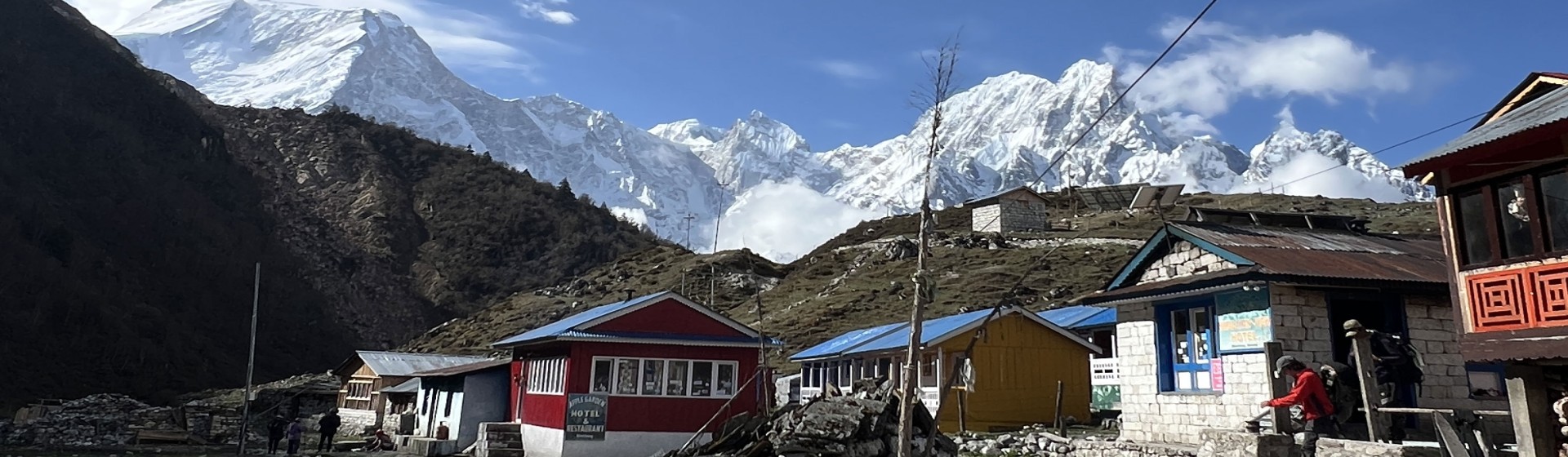
What is a Tea House on the Manaslu Circuit Trek?
A tea house on the Manaslu Circuit Trek is a small mountain lodge run by local families along the trekking trail. These tea houses are where trekkers eat, sleep, rest, warm up, charge phones, and spend the night before continuing to the next village.
Compared to Everest or Annapurna, the tea houses on the Manaslu route still feel more traditional and less commercial. Many villages are remote, and supplies are often carried by mule, porter, or jeep depending on the season and road condition. As the trail climbs higher, the facilities slowly become more basic.
Trekkers planning the full journey often also check the detailed Manaslu Circuit Trek itinerary to better understand daily walking distances, village stops, and overnight tea house locations.
Most rooms are simple twin-sharing rooms with two beds, blankets, pillows, and sometimes a small wooden table. The walls are usually thin plywood, so it is common to hear other trekkers packing bags early in the morning or guides waking groups before breakfast. In lower villages like Machha Khola, Jagat, and Namrung, the tea houses feel more comfortable and slightly warmer. Higher up, especially above Samagaun and Samdo, the nights become much colder and the rooms feel much more basic.
By evening, almost everyone gathers in the dining room because it is the warmest place in the lodge. Trekkers sit around the stove drinking tea, eating dal bhat, charging phones, drying socks or boots, and talking quietly about the trail ahead. In colder villages, many people stay in the dining hall until bedtime because the bedrooms lose heat very quickly after sunset.
Food on the Manaslu Circuit Trek is simple but filling. Most tea houses serve dal bhat, noodles, fried rice, soup, potatoes, Tibetan bread, pancakes, eggs, tea, coffee, and garlic soup. Food prices slowly increase at higher altitude because every supply must be transported into remote mountain villages.
Toilets are mostly shared. Some lower villages now have western-style toilets and hot showers, but facilities become more limited higher up the trail. Charging, WiFi, and hot showers are available in many tea houses, though they usually cost extra and may not always work properly during bad weather or busy trekking periods.
One of the biggest changes happens at Dharamsala, the final stop before crossing Larkya La Pass. Accommodation there is very basic. During October and November, rooms can fill quickly, and some trekkers may need to share rooms before the pass crossing. Water can freeze during colder months, electricity is limited, and most trekkers go to bed early because the climb toward Larkya La usually starts before sunrise.
The tea houses on the Manaslu Circuit are not luxury accommodation, and most trekkers do not expect them to be. The experience is part of what makes the route feel more remote and real compared to busier trekking regions in Nepal. For many people, the simple dining rooms, cold mountain mornings, yak bells outside the lodge, and conversations around the stove become some of the most memorable parts of the entire trek.
What Staying in a Tea House on the Manaslu Circuit Trek is Really Like
The tea house experience on the Manaslu Circuit Trek changes slowly as the trail climbs deeper into the mountains. In the beginning, the villages feel lower, greener, and more comfortable. The rooms are slightly warmer, the menus are bigger, and things feel easier. But after a few days, especially beyond Namrung and Samagaun, the atmosphere starts to feel quieter and more remote.
Most trekking days finish in the late afternoon. After hours of walking through stone steps, suspension bridges, riverside trails, forests, and mountain villages, trekkers usually head directly into the dining room. This is normally the warmest place inside the tea house. Jackets, gloves, wet socks, and trekking boots dry near the stove while guides arrange rooms and kitchen staff prepare dinner.
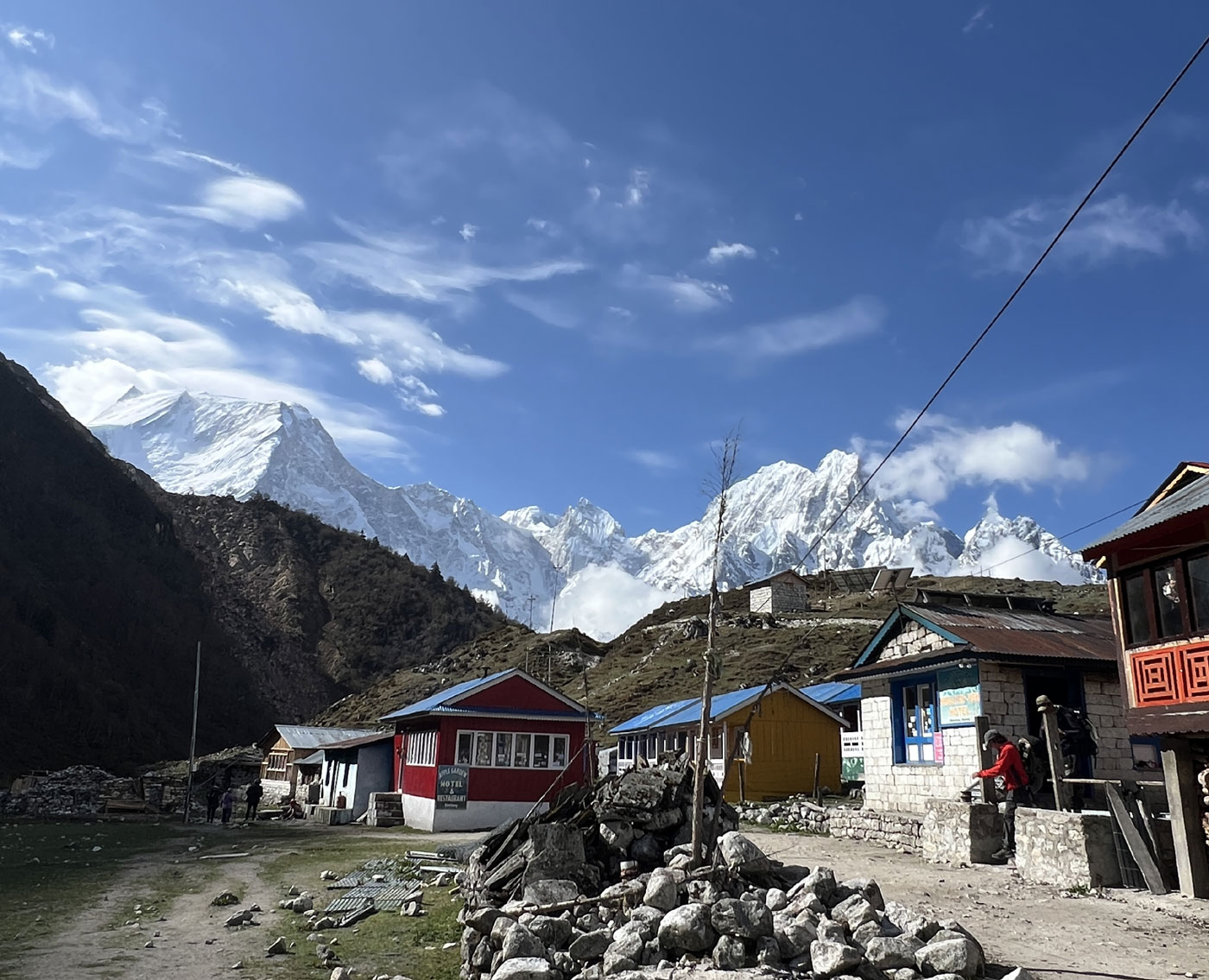
In many villages, electricity is limited, so charging phones often happens around the dining area. During busy trekking months like October and November, the dining room can become crowded quickly after sunset. Trekkers from different countries sit together drinking tea, checking maps, warming hands near the fire, or quietly talking about the next day’s trail.
The bedrooms themselves are usually very simple. Most rooms have two narrow beds, blankets, pillows, and thin plywood walls. At higher altitude, especially in Samdo and Dharamsala, the cold enters the room quickly once the dining room stove goes out for the night. During colder months, many trekkers sleep wearing thermal layers, hats, or even down jackets inside the blanket.
Mornings on the Manaslu Circuit often start early. Before sunrise, it is common to hear backpacks opening, boots moving across wooden floors, and guides knocking softly on doors before breakfast. On the day of crossing Larkya La Pass, many groups wake up around 3 or 4 AM to begin walking before strong afternoon wind and changing weather conditions arrive near the pass.
One thing many trekkers remember about the Manaslu tea houses is not luxury or comfort, but the atmosphere. The route still feels less commercial than Everest or Annapurna. Some villages remain very quiet, especially outside the main trekking season. In smaller settlements, yaks and mule caravans still pass directly beside the tea houses, and local families continue living in the same buildings where trekkers spend the night.
Trekkers looking for an even quieter cultural experience in the region also often explore the Tsum Valley and Manaslu Circuit Trek, where traditional Tibetan-influenced villages feel even more remote.
The higher you go on the Manaslu Circuit Trek, the simpler everything becomes. WiFi gets weaker, hot showers become less common, and the cold becomes stronger. But for many trekkers, this is also where the experience starts to feel more real. The tea houses are basic, but they are part of what makes the Manaslu Circuit feel different from many other trekking routes in Nepal.
Small Tip from the Trail
A warm sleeping bag, power bank, and a few extra layers make a big difference on the Manaslu Circuit Trek, especially above Samagaun. In higher villages, electricity may not always work properly, rooms lose heat quickly after sunset, and mornings before the pass crossing can feel extremely cold. Many experienced trekkers also keep their phone batteries and water bottles inside the sleeping bag at night to stop them from freezing in colder months.
Tea House Accommodation Village by Village on the Manaslu Circuit Trek
The tea house experience on the Manaslu Circuit Trek does not stay the same from start to finish. It changes with the height, road access, season, and the size of the village. Lower places feel warmer and easier. Middle villages like Namrung, Lho, and Samagaun usually feel better for rest. After Samdo, the lodges become colder, smaller, and more limited.
Some lodges on the Manaslu route have improved in recent years, especially in villages where trekking groups stop regularly. Still, this is not like the Everest trail. You should expect simple rooms, shared toilets, warm dining rooms, local food, extra cost for charging or WiFi, and colder nights as you move closer to Larkya La Pass.
Machha Khola Tea Houses
Machha Khola is usually the first night on the trail after the long drive from Kathmandu. Most trekkers arrive here tired, dusty, and ready for a proper meal. The tea houses are simple, but the lower altitude makes the night feel easier than the upper villages.
Rooms are usually twin-sharing with wooden beds, blankets, and shared toilets. Some lodges have hot showers and charging. Because Machha Khola is beside the Budhi Gandaki River, the air feels warmer and slightly humid compared to the high valley. In peak season, the village can become busy because many groups start their trek from here.
Jagat Tea Houses
Jagat feels more settled than Machha Khola. Stone houses, narrow lanes, check-post movement, and the sound of the river below give the village a real mountain entry feeling. This is where many trekkers start to feel they are properly inside the Manaslu route.
Tea houses here are still simple, but generally well managed. Rooms are usually cleaner than the very lower stops, and dining rooms feel calmer in the evening. Shared toilets are normal. Hot showers may be available, but not always guaranteed.
Deng Tea Houses
Deng is smaller and quieter. The village sits in a narrow valley section, so the evening feels more enclosed and peaceful. After a long walking day through forest, stone steps, and bridge crossings, most trekkers do not look for comfort here. They just want food, tea, and sleep.
Tea houses in Deng are modest. Rooms are small, walls are thin, and facilities are limited. Charging may be available, but electricity can be weak or irregular. Deng is not a place for luxury, but it has the quiet trail feeling many trekkers like about Manaslu.
Namrung Tea Houses
Namrung is where the accommodation starts to feel better again. The village is cleaner, more open, and the mountain culture becomes stronger. You begin to notice more Tibetan-style houses, prayer flags, and colder air in the morning.
Some tea houses in Namrung have better dining rooms, warmer interiors, and more organized service. In clear weather, the mountain views around this area are very rewarding. After the rougher lower trail, many trekkers feel Namrung is one of the first places where they can rest properly.
Lho Tea Houses
Lho is one of the most beautiful overnight stops on the Manaslu Circuit Trek. The village has monasteries, prayer flags, stone houses, and strong views toward Mount Manaslu when the sky is clear.
Tea houses here are not fancy, but the setting makes the stay special. Early morning is the best time. Many trekkers step outside before breakfast to see the mountain light changing above the village. Nights can already feel cold here, especially in autumn and early spring.
Samagaun Tea Houses
Samagaun is one of the best places for tea house accommodation on the Manaslu Circuit Trek. It is a large village and the main acclimatization stop before going higher toward Samdo and Larkya La Pass.
Because most trekkers spend two nights here, lodges are more prepared for groups. Some tea houses offer better rooms, bigger dining spaces, hot showers, charging, WiFi, bakery items, and coffee. It is also the place where trekkers usually wash clothes, charge devices, rest legs, and prepare for the colder section ahead.
From Samagaun, many trekkers hike to Birendra Lake or toward Manaslu Base Camp during the acclimatization day. After that hike, coming back to the same tea house for hot tea and dinner feels very good.
Samdo Tea Houses
Samdo feels very different from Samagaun. The village is smaller, windier, and more open. The land looks drier, and the Tibetan border side feels closer. From here, the trek starts feeling serious because the high pass is getting near.
The atmosphere around Samdo village feels much drier, windier, and more isolated compared to the lower sections of the Manaslu region.
Tea houses in Samdo are basic, but they are important for acclimatization and rest. Rooms are colder, toilets are simpler, and WiFi or charging may not work smoothly. Many trekkers sleep with extra layers here because the night temperature drops quickly after sunset.
Dharamsala Tea Houses
Dharamsala, also called Larkya Phedi, is the most basic overnight stop on the Manaslu Circuit Trek. It is not really a village like Samagaun or Namrung. It is more like a high-altitude shelter area before crossing Larkya La Pass.
Rooms are limited, dining space gets crowded, and the facilities are very simple. In October and November, this place can fill fast because almost every group must stop here before the pass. Some trekkers may have to share rooms, and during very busy times, the sleeping arrangement can feel tight.
This is the night when most people do not care much about comfort. They eat early, prepare headlamps, fill water bottles, pack gloves and down jackets, then try to sleep.
.jpg)
The next morning usually starts around 3 or 4 AM for the Larkya La crossing.
Bimthang Tea Houses
Bimthang feels like relief after the pass. After the long climb to Larkya La and the steep descent on the other side, arriving in Bimthang feels softer, greener, and more open.
The tea houses here feel more comfortable simply because the hardest part is finished. The dining room feels warmer, food tastes better after the pass day, and most trekkers finally relax properly. Many people remember Bimthang as one of the best nights on the trek, not because of luxury, but because the body and mind both feel lighter after crossing Larkya La.
Food Available in Tea Houses on the Manaslu Circuit Trek
Food on the Manaslu Circuit Trek is simple, warm, and made for walking days. You will not find fancy restaurant meals on this route, but most tea houses cook enough food to keep trekkers moving from one village to the next.
In the lower villages, the menu feels bigger. You may see more choices like fried rice, noodles, momos, pasta, eggs, pancakes, Tibetan bread, porridge, potatoes, soup, tea, coffee, and sometimes bakery items in better stops. As you climb higher toward Samdo and Dharamsala, the menu becomes shorter. This is normal because every bag of rice, gas cylinder, vegetable, and drink has to reach the village by road, mule, porter, or local transport.
Dal bhat is the main food on the Manaslu Circuit Trek. Most trekkers eat it many times because it is hot, filling, and good for long trekking days. A normal dal bhat plate comes with rice, lentil soup, vegetable curry, pickle, and sometimes potato or seasonal greens. In many tea houses, rice and dal refills are given, which is one reason guides and porters also prefer this meal.
Breakfast is usually simple. Most trekkers eat porridge, Tibetan bread, chapati, pancakes, eggs, toast, or potatoes with tea or coffee before starting the day. In colder places like Samdo and Dharamsala, a hot breakfast feels important because the morning starts cold, and the body needs energy before walking.
Lunch is often taken at a small tea house along the trail. On some days, your guide may suggest ordering quickly because the kitchen is small and many groups arrive around the same time. Fried noodles, vegetable soup, potato dishes, dal bhat, or fried rice are common lunch choices.
Dinner is the main meal of the day. By evening, trekkers usually sit near the stove, order tea first, then dinner. In higher villages, people eat early because the rooms become cold after sunset. Before crossing Larkya La Pass, most groups finish dinner early, prepare their bags, and go to bed as soon as possible.
Garlic soup is also common at higher altitude. Many trekkers order it in Samagaun, Samdo, or Dharamsala because it is warm and light before sleeping. It should not be treated as medicine for altitude sickness, but it is a popular mountain food and feels good in cold weather.
Food prices increase as the trail goes higher. This is one thing trekkers should understand before starting the route. A meal that feels normal in Machha Khola or Jagat will usually cost more near Samdo or Dharamsala. The reason is simple: carrying food into high mountain villages is difficult and expensive.
The cost of carrying food, fuel, and basic supplies into remote mountain villages is also one reason why the overall Manaslu Circuit Trek cost becomes higher at upper altitude stops.
The food on the Manaslu Circuit is not luxury food, but after walking six or seven hours, even a hot plate of dal bhat, soup, or fried rice feels very satisfying. Many trekkers remember the meal not because it was special, but because it came at the right time: after cold wind, tired legs, and a long day on the trail.
What Facilities are Available in Manaslu Circuit Trek Tea Houses?
Facilities on the Manaslu Circuit Trek are improving slowly, but this is still one of the more remote tea house treks in Nepal. The lower villages now have better services than before, especially in places with seasonal road access, but once the trail climbs higher toward Samdo and Dharamsala, the facilities become much more limited.
Most tea houses provide the basic things trekkers need after a long day on the trail: a bed, warm food, a dining room, and somewhere to rest. But hot showers, charging, WiFi, and toilet conditions change from village to village and become less reliable at higher altitude.
Toilets in Manaslu Tea Houses
Most tea houses on the Manaslu Circuit use shared toilets. In lower villages like Machha Khola, Jagat, and Namrung, some lodges now have western-style toilets, while others still use squat-style systems. Higher on the trail, the toilets become simpler and colder, especially in smaller villages.
In places like Samdo and Dharamsala, toilet areas are often outside the main building. During colder months, the ground can freeze overnight, and water pipes sometimes stop working properly in the morning. Carrying toilet paper, hand sanitizer, and a small headlamp makes a big difference, especially for nighttime use.
Cleanliness depends more on the individual tea house and the trekking season than the village itself. During October and November, busy lodges become harder to maintain because large groups arrive every evening.
Hot Showers on the Trek
Hot showers are available in many tea houses, but the experience changes a lot as the trail climbs higher. In lower villages, tea houses often provide gas showers or bucket showers with hot water. Some feel surprisingly good after a humid and dusty walking day beside the Budhi Gandaki River.
Above Samagaun, fewer people care much about showering anymore. The temperature drops quickly after sunset, and many trekkers decide staying warm is more important than taking a shower. In Samdo and Dharamsala, some people simply wash lightly with warm water before sleeping.
Hot showers almost always cost extra on the Manaslu Circuit Trek. Prices become higher near the pass because heating water in remote mountain villages is difficult and fuel transport is expensive.
Charging Facilities
Phone and camera charging are available in most villages, but charging is rarely free at higher altitude. In lower tea houses, charging sometimes happens inside the room. Higher on the route, people usually charge devices in the dining room near the stove or around a shared charging corner.
In busy season, the charging area often becomes crowded during the evening. Power sockets fill quickly, especially in Samdo and Dharamsala where electricity supply is more limited. Some people wait a long time just to charge one phone or camera battery before the pass crossing.
A power bank is one of the most useful things to carry on the Manaslu Circuit Trek, especially for people using phones for maps, photos, or videos during the trek.
WiFi and Mobile Network
WiFi is available in some tea houses on the Manaslu Circuit Trek, especially in larger villages like Namrung and Samagaun. Still, the connection is usually slow and depends heavily on weather, power supply, and how many people are connected at the same time.
Above Samdo, many trekkers stop expecting proper internet completely. Some tea houses may still offer limited connection, but the signal often disappears for long periods.
Mobile network works in some lower and middle sections of the trail depending on the provider, but the signal becomes weak or disappears completely in higher areas. After a few days, many people naturally stop checking phones often because the mountains, weather, and daily walking rhythm become more important than internet access.
Electricity in Manaslu Tea Houses
Most tea houses now have electricity from small hydropower systems or solar energy, but power cuts are still common on the Manaslu Circuit Trek. Bad weather, frozen pipes, damaged lines, or overloaded systems can affect electricity at any time.
Lights inside the rooms are usually dim and simple compared to city hotels. In higher villages, some tea houses reduce electricity use during the night to save power for the next morning.
The Manaslu Circuit is still a real mountain trekking route where comfort becomes simpler as the trail climbs higher. Most people quickly adjust to this rhythm after a few days. Warm tea, a charged phone, and a place near the stove start feeling more valuable than fast WiFi or long hot showers.
Are Tea Houses Heated on the Manaslu Circuit Trek?
Tea houses on the Manaslu Circuit Trek are not heated like city hotels. This is something trekkers should know before coming. In most villages, the only warm place in the lodge is the dining room, and even that is usually heated only for some hours in the evening.
In the lower villages like Machha Khola, Jagat, and Deng, the cold is not a big problem for most trekkers. The rooms are simple, but the night temperature still feels manageable with lodge blankets and normal trekking clothes. After Namrung, Lho, Samagaun, and Samdo, the cold becomes more serious, especially in autumn, early spring, and winter months.
The temperature and overall tea house experience can feel very different depending on the season, which is why many trekkers also research the best time for the Manaslu Circuit Trek before planning the journey.
Most tea houses use a stove in the dining room. Depending on the village, it may be wood, yak dung, or another local fuel. After dinner, everyone usually stays near the stove. People drink tea, dry socks, warm gloves, charge phones, and talk quietly about the next day’s walk. This is the normal evening rhythm on the Manaslu trail.
Bedrooms are usually not heated. Once you leave the dining room, the difference is clear. The room feels cold very quickly, especially in higher places where the walls are thin and the windows do not hold much heat. In Samdo and Dharamsala, many trekkers sleep with thermal layers, wool hat, thick socks, and sometimes a down jacket inside the sleeping bag.
Dharamsala is the coldest tea house stop for most people because it sits before Larkya La Pass and the night is short. Groups usually wake up around 3 or 4 AM for the pass crossing. At that time, the dining room may not feel properly warm yet, water bottles can be very cold, and boots feel stiff when you put them on.
Blankets are normally provided in tea houses, but do not depend only on lodge blankets for this trek. A warm sleeping bag is strongly recommended, especially above Samagaun. In colder months, it is also smart to keep your water bottle, phone, camera battery, and socks inside or near your sleeping bag at night.
Heating depends on fuel, weather, and the tea house itself. Some dining rooms feel warm and comfortable. Some only feel warm if you sit close to the stove. In busy season, the stove area fills quickly because everyone wants the same warm space.
This cold is part of the real Manaslu tea house experience. You get warm in the dining room, sleep in a cold room, wake before sunrise, and start walking again with frozen fingers and hot tea in your stomach. It is simple, but it is also one of the reasons the Manaslu Circuit still feels like a real mountain trek.
Important Tips for Staying in Tea Houses on the Manaslu Circuit Trek
Tea houses on the Manaslu Circuit Trek are simple, and small preparation makes a big difference. You do not need luxury items, but you should carry things that help with cold rooms, limited electricity, shared toilets, and early starts.
Carry Your Own Sleeping Bag
Tea houses provide blankets, but do not depend only on them above Samagaun. A warm sleeping bag is one of the most important items for this trek, especially in Samdo, Dharamsala, and before crossing Larkya La Pass.
Keep a Power Bank Fully Charged
Charging is available in many villages, but not always when you need it. In busy months, sockets fill quickly in the dining room. Keep a power bank ready before going higher than Samagaun.
Pack Toilet Paper and Hand Sanitizer
Do not expect toilet paper in every lodge. Toilets are shared in most places, and some are outside the main building. A small roll of toilet paper, hand sanitizer, and a headlamp are very useful at night.
Use Wet Wipes Instead of Showering Every Day
Hot showers are not always practical higher on the trail. After Samagaun, many trekkers wash lightly and use wet wipes because the air is cold and bathrooms are basic.
Keep Batteries Warm at Night
Phone and camera batteries drain faster in cold rooms. Keep them inside your sleeping bag or close to your body at night, especially in Samdo and Dharamsala.
Carry Enough Cash
Extra services like hot showers, WiFi, charging, boiled water, and snacks usually cost extra. Card payment is not reliable on the trail, so carry enough Nepali rupees from Kathmandu.
Order Simple Food in Busy Lodges
During peak season, kitchens can get busy after sunset. Simple meals like dal bhat, soup, noodles, potatoes, or fried rice are usually faster and easier for the kitchen to prepare.
Prepare Your Bag Before Sleeping at Dharamsala
Before Larkya La Pass, prepare your gloves, headlamp, water, snacks, down jacket, and walking clothes before going to bed. The morning starts very early, and the room will be cold and dark.
Stay Flexible with Room Conditions
Sometimes you may get a better room. Sometimes you may get a very small room with thin walls. In busy months, sharing can happen in higher places. This is normal on the Manaslu Circuit, especially near the pass.
Respect Local Tea House Life
Tea houses are also family homes in many villages. Use water carefully, avoid wasting food, keep noise low at night, and be patient when the kitchen is busy. The trail feels better when trekkers respect the people who live there.
Frequently Asked Questions About Manaslu Circuit Trek Tea Houses
What are tea houses like on the Manaslu Circuit Trek?
Tea houses on the Manaslu Circuit Trek are simple mountain lodges run by local families. Most have small twin-sharing rooms, shared toilets, and a common dining room where trekkers eat and stay warm in the evening.
The lower villages feel more comfortable, but higher places like Samdo and Dharamsala become colder and much more basic.
Are tea houses available throughout the Manaslu Circuit Trek?
Yes. Tea houses are available throughout the main trekking route from Machha Khola to the Annapurna side after crossing Larkya La Pass.
Some villages have many lodge options, while smaller places higher on the trail may only have a few tea houses available, especially during colder months.
Do tea houses have attached bathrooms?
Most tea houses use shared bathrooms. Attached bathrooms are not common on the Manaslu Circuit Trek, especially at higher altitude.
Some better lodges in villages like Namrung or Samagaun may offer a few attached rooms, but trekkers should not expect hotel-style facilities on this route.
Are tea houses heated?
Bedrooms are usually not heated. The warm place is normally the dining room where people gather around the stove after dinner.
Once the stove goes out, the rooms become cold quickly, especially above Samagaun. In Samdo and Dharamsala, many trekkers sleep wearing thermal layers, hats, or down jackets during colder months.
Is WiFi available in Manaslu tea houses?
Some tea houses now provide WiFi, especially in larger villages like Namrung and Samagaun, but the connection is often slow and unreliable.
Above Samdo, many people stop expecting proper internet completely because the signal depends heavily on weather and electricity.
Can I charge my phone and camera during the trek?
Yes, charging is available in many villages, but charging usually costs extra at higher altitude.
In busy season, charging areas around the dining room can become crowded in the evening, especially before the Larkya La Pass crossing.
Are hot showers available on the Manaslu Circuit Trek?
Hot showers are available in many lower and middle villages, usually through gas showers or bucket hot water systems.
Higher on the trail, especially near Samdo and Dharamsala, fewer trekkers shower because the weather becomes much colder and facilities are more limited.
What food do tea houses serve?
Most tea houses serve dal bhat, noodles, fried rice, soup, potatoes, pancakes, Tibetan bread, eggs, tea, coffee, and simple pasta dishes.
The menu becomes smaller higher on the trail because every food supply must be carried into remote mountain villages.
Which village has the best tea house experience?
Many trekkers feel Samagaun has some of the best tea houses on the Manaslu Circuit Trek because the village is larger and trekkers spend an acclimatization day there.
Namrung and Lho are also popular overnight stops because of the atmosphere and mountain surroundings.
How basic is Dharamsala accommodation?
Dharamsala is the most basic overnight stop on the Manaslu Circuit Trek. Rooms are limited, dining space becomes crowded, and the cold feels much stronger there compared to lower villages.
Most trekkers stay only one short night before crossing Larkya La Pass early the next morning.
Do I need to book tea houses in advance?
Most trekkers do not book tea houses individually like hotels in cities. Guides usually arrange accommodation along the route.
During October and November, villages near the pass can become busy, so organized trekking groups often have an easier time finding rooms.
Is drinking water available in tea houses?
Yes. Tea houses usually provide boiled water, bottled water, or filtered water depending on the village.
Many trekkers carry reusable bottles and purification tablets to reduce plastic waste and avoid buying too many bottles during the trek.
Are tea houses crowded during peak season?
Yes, especially during October and November. Popular overnight stops like Samagaun, Samdo, and Dharamsala can become busy when many trekking groups arrive on the same day.
In peak season, the dining room often fills quickly after sunset, and higher villages may have limited room availability.