Best Time for Langtang Valley Trek at a Glance
The most reliable time to trek in Langtang Valley is during spring (March to May) and autumn (October to November). During these months, the weather is generally more stable, the skies are clearer, and the trail conditions are more comfortable for walking.However, in real trekking conditions, the “best time” depends on what you want to experience on the trail, not just the season.
- For the clearest mountain views: October and November are the most consistent. From our experience, early mornings during these months often offer very sharp views of Langtang Lirung before clouds start building later in the day.
- For nature and forest experience: April is one of the most enjoyable times, when the lower trails are full of blooming rhododendron and fresh greenery, especially between Lama Hotel and Ghodatabela.
- For fewer crowds and a quieter trail: December and February can be a good option. The skies can still be clear, but temperatures drop significantly in the mornings and nights, especially around Kyanjin Gompa.
- For a balance of weather and fewer trekkers: March and late November are often overlooked, but they can offer a good mix of stable conditions and quieter lodges.
One important thing many trekkers do not realize is how much the day changes in the mountains. In Langtang, even during the best seasons, mornings are usually clear and calm, while clouds often build up after midday. Starting your walk early in the morning makes a big difference in both visibility and overall comfort.
If your priority is clear views, stable weather, and a smooth trekking experience, spring and autumn remain the safest choices. But with proper preparation and flexibility, Langtang can be enjoyed in other seasons as well, each offering a different and more personal experience.
If you are still exploring options, you can also compare Langtang with other popular trekking in Nepal to find the best fit for your travel style.
How to Choose the Right Time for Your Langtang Trek
There is no single “perfect” time for the Langtang Valley Trek. In real conditions, organizing treks in this region, the same trail can feel completely different depending on when you go.
Many trekkers focus only on the season, but in reality, your experience depends more on visibility, trail conditions, temperature, and how the day changes as you walk.
Here is a practical way to choose the right time:
If your priority is clear mountain views:
October and November are the most reliable. Early mornings are usually calm and bright, with very sharp views of Langtang Lirung. From what we see on the trail, clouds often start building after midday, so starting early makes a big difference.
If you want the most natural and colorful experience:
April stands out. The forest section between Lama Hotel and Ghodatabela becomes vibrant with rhododendron and fresh greenery, and the walking conditions are generally comfortable throughout the day.
If you prefer a quiet and less crowded trail:
December and February offer a very different experience. The trail is peaceful, lodges are less busy, and the surroundings feel more raw. However, temperatures drop significantly, especially in the morning and at night around Kyanjin Gompa.
If you want a balance between weather and fewer trekkers:
March and late November are often overlooked. In many cases, these periods provide stable conditions with less crowd compared to peak weeks, while still offering good visibility.
If your dates are fixed and you need flexibility:
Langtang is one of the more flexible trekking regions in Nepal. Even outside peak seasons, the trek can be done with proper preparation, as long as you are ready for changing weather and basic trail conditions.
One important point many first-time trekkers do not expect is how quickly the conditions change during the day. Mornings are usually clear and comfortable for walking, while afternoons can bring clouds or slight temperature changes. Planning your daily walk around this pattern improves both your experience and safety.
Choosing the right time is not about finding the “best month.” It is about matching the season with your expectations. Once you understand this, Langtang becomes a much more enjoyable and realistic trekking experience.
To understand this better, let’s look at each season on the trail.
Spring (March to May): A Balanced and Enjoyable Season
Spring is one of the most popular choices when planning the best time for the Langtang Valley Trek. It offers a good balance of weather, trail conditions, and overall trekking experience.
From our experience, this season feels very comfortable on the trail. As you walk from Syabrubesi through Lama Hotel and towards Ghodatabela, the forest becomes fresh and colorful. Rhododendron flowers start to bloom, and the surroundings feel lively, especially in the lower and mid sections of the trek.
Weather during spring is generally stable. Mornings are usually clear, and this is the best time to enjoy mountain views, including Langtang Lirung as you move higher. In many cases, clouds begin to form later in the afternoon, so starting your walk early helps you get better views and a more comfortable trekking day.
Temperatures are moderate compared to winter. Daytime is pleasant for walking, while mornings and evenings are cool, especially near Langtang Village and Kyanjin Gompa. It is not too cold, but warm layers are still needed at higher altitude.
Trail conditions are also good during this season. The paths are mostly dry, and there is usually very little snow on the main route. This makes walking easier and more consistent compared to winter or monsoon months.
Spring does attract trekkers, but it is still manageable. Lodges are open and active, and the overall experience feels balanced without being too crowded.
If you are looking for a season that is comfortable, scenic, and reliable, spring is a very good time to trek in Langtang. This season is also ideal for shorter options like our 5 Days Langtang Valley Trek.
Autumn (September to November): Clear Views and Most Reliable Season
Autumn is often considered the best time for the Langtang Valley Trek, especially for trekkers who want clear mountain views and stable weather conditions.
From our experience organizing treks during this season, the biggest advantage of autumn is visibility. After the monsoon rains, the air becomes clean and fresh, which makes the mountain views much sharper. Early mornings are usually very clear, and this is when you get the best views of Langtang Lirung and surrounding peaks as you move higher towards Kyanjin Gompa.
Weather during autumn is generally stable, with dry trails and comfortable walking conditions. Days are pleasant for trekking, while mornings and evenings are cooler, especially at higher altitude. Compared to spring, there is less haze in the sky, which is why many trekkers prefer autumn for photography and long-distance mountain views.
One important thing to understand is that autumn is also the busiest season for Langtang Valley trekking. During peak weeks in October, the trail can feel more active, and teahouses may be fuller, especially around Langtang Village and Kyanjin Gompa. However, the route is still less crowded compared to Everest or Annapurna regions, and the overall experience remains enjoyable.
Like other seasons in the Himalaya, daily weather patterns still apply. Mornings are usually the clearest and most stable, while clouds may slowly build in the afternoon. Starting early each day helps you enjoy better views and a more comfortable walk.
September and November are slightly quieter compared to October. Early September can still have some leftover moisture from the monsoon, while late November becomes cooler but often remains clear and stable.
Because of its balance of clear skies, stable weather, and reliable trail conditions, autumn remains one of the most recommended seasons when deciding the best season for Langtang Valley Trek.
Winter (December to February): Quiet Trails and Clear but Cold Conditions
Winter is not the most popular choice when planning the best time for the Langtang Valley Trek, but on the trail, it offers a very different and rewarding experience for those who are prepared.
The biggest difference you feel in winter is the silence on the trail. Compared to autumn or spring, there are far fewer trekkers, and the route from Syabrubesi to Kyanjin Gompa feels much more peaceful. Lodges are open along the main trail, but they are quieter, and the overall atmosphere is more relaxed.
One of the advantages of winter is visibility. On clear days, the mountain views can be very sharp, especially in the morning. The air is dry, and when the weather is stable, views of Langtang Lirung and surrounding peaks can be very impressive.
However, temperature is the main challenge. Mornings and nights become very cold, particularly above Langtang Village. Around Kyanjin Gompa, it is common to experience freezing conditions, especially before sunrise and after sunset. Water can freeze overnight, and early mornings can feel quite harsh until the sun rises.
Walking during the day is usually manageable, as long as you start after sunrise and move at a steady pace. Trails are generally clear on the main route, but there can be snow in some sections, especially after fresh snowfall. In most cases, the standard Langtang trail remains passable, but conditions can change depending on weather.
Another important point is comfort in teahouses. During winter, dining areas are warm with stoves in the evening, but rooms are not heated. Having proper warm clothing and a good sleeping bag makes a big difference in overall comfort.
Because of the cold and changing conditions, winter is better suited for trekkers who are comfortable with basic conditions and flexible planning. It is not the easiest season, but it offers a quieter and more raw Himalayan experience compared to peak months.
If you are looking for fewer crowds, clear mountain views, and a peaceful trail, winter can still be a good option when considering the best season for Langtang Valley Trek, as long as you are well prepared.
Monsoon (June to August): Green Landscapes but Unpredictable Conditions
Monsoon is usually not considered the best time for the Langtang Valley Trek, but from our experience, it is still possible for travelers who understand the conditions and plan carefully.
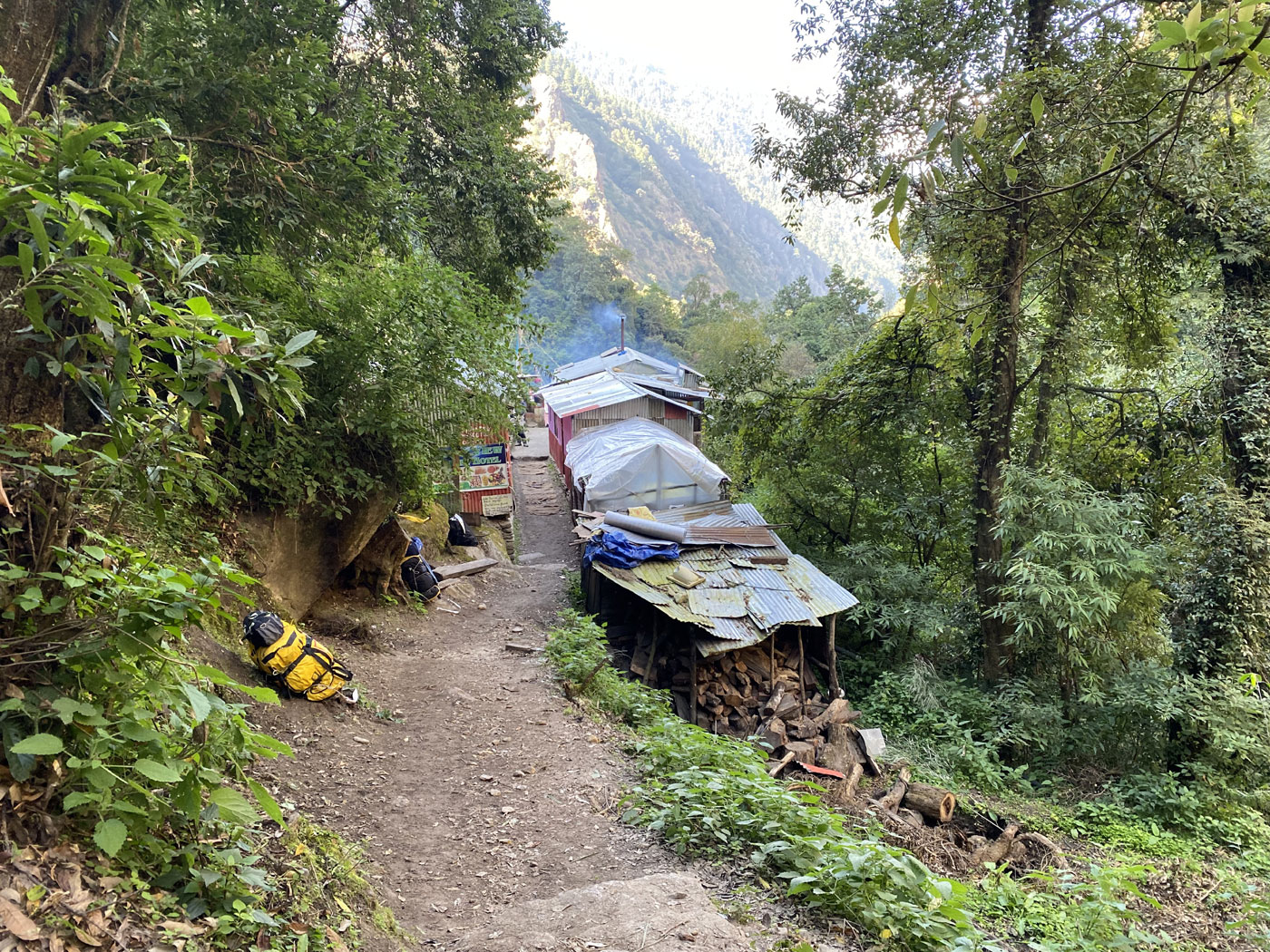
The biggest change during this season is in the lower part of the trail. From Syabrubesi up to Lama Hotel, the route passes through dense forest and follows the river closely. During monsoon, this section becomes wet, with muddy paths, slippery stones, and frequent light rain. Walking here requires more attention compared to other seasons.
As you move higher towards Langtang Village and Kyanjin Gompa, the rainfall usually becomes lighter. However, cloud cover remains the main challenge. Mountain views are often blocked, especially during the day, and clear views are less predictable compared to spring or autumn.
At the same time, the landscape feels very fresh and green. Forest sections are at their most vibrant, and the sound of rivers and waterfalls becomes stronger due to increased water flow. The trail feels alive, but also more challenging underfoot.
Another factor to consider is trail stability. In some areas, especially along steep sections or near riverbanks, there can be a higher chance of small landslides or loose terrain after heavy rain. These are not constant, but they require awareness and flexible planning.
Teahouses remain open along the main Langtang route, but the number of trekkers is much lower during this season. This means quieter lodges and more availability, but also fewer people on the trail if you are trekking independently.
Monsoon trekking in Langtang is best suited for experienced or flexible travelers who do not mind occasional rain and limited mountain views. It is not ideal if your main goal is clear scenery, but it can still offer a unique experience with fewer crowds and a more natural environment.
If you are considering trekking during this period, it is important to be prepared for wet conditions and changing weather. While it is not the most recommended season, Langtang can still be trekked in monsoon with the right expectations and proper planning.
If you want a more detailed breakdown, here is how each month feels in Langtang.
Langtang Valley Trek Month-by-Month: What to Expect
Instead of choosing only by season, it is often more practical to look at each month and understand how the conditions change. From our experience, even small shifts between months can affect visibility, trail comfort, and overall trekking experience.
Here is a simple and realistic breakdown:
- January: Coldest period of the year. Clear mornings are possible, but freezing temperatures are common, especially above Langtang Village. Best for those comfortable with winter conditions.
- February: Slightly more stable than January with similar cold conditions. Good chance of clear views, and the trail remains quiet.
- March: Start of spring. Temperatures begin to improve, and trail conditions become more comfortable. A good balance between weather and fewer trekkers.
- April: One of the best months for Langtang Valley trekking. Forests are in bloom, weather is stable, and visibility is generally good. Ideal for most trekkers.
- May: Warmer days and greener landscapes. Visibility is still good in the mornings, but clouds may build earlier compared to April.
- June: Beginning of monsoon. Rain starts in the lower sections, making trails wet and more challenging. Views become less consistent.
- July: Peak monsoon conditions. Frequent rain, cloudy skies, and slippery trails. Not ideal for mountain views, but the landscape is very green.
- August: Similar to July, but with slightly improving conditions towards the end of the month. Still unpredictable weather.
- September: Transition period. Early September can still be affected by rain, but conditions improve as the month progresses.
- October: One of the most reliable months. Clear skies, stable weather, and excellent visibility. A top choice for most trekkers.
- November: Clear and dry with good mountain views. Temperatures begin to drop, but conditions remain stable.
- December: Start of winter. Cold mornings and nights, but generally clear skies. A quieter time to trek with fewer people.
Choosing the right month depends on your priorities. If you want the best overall conditions, April and October are the most balanced. If you prefer fewer crowds, winter months can offer a quieter experience. Understanding these monthly changes helps you plan more realistically and avoid surprises on the trail.
Along with seasons, understanding weather patterns is equally important.
Weather and Temperature in Langtang Valley: What You Should Really Expect
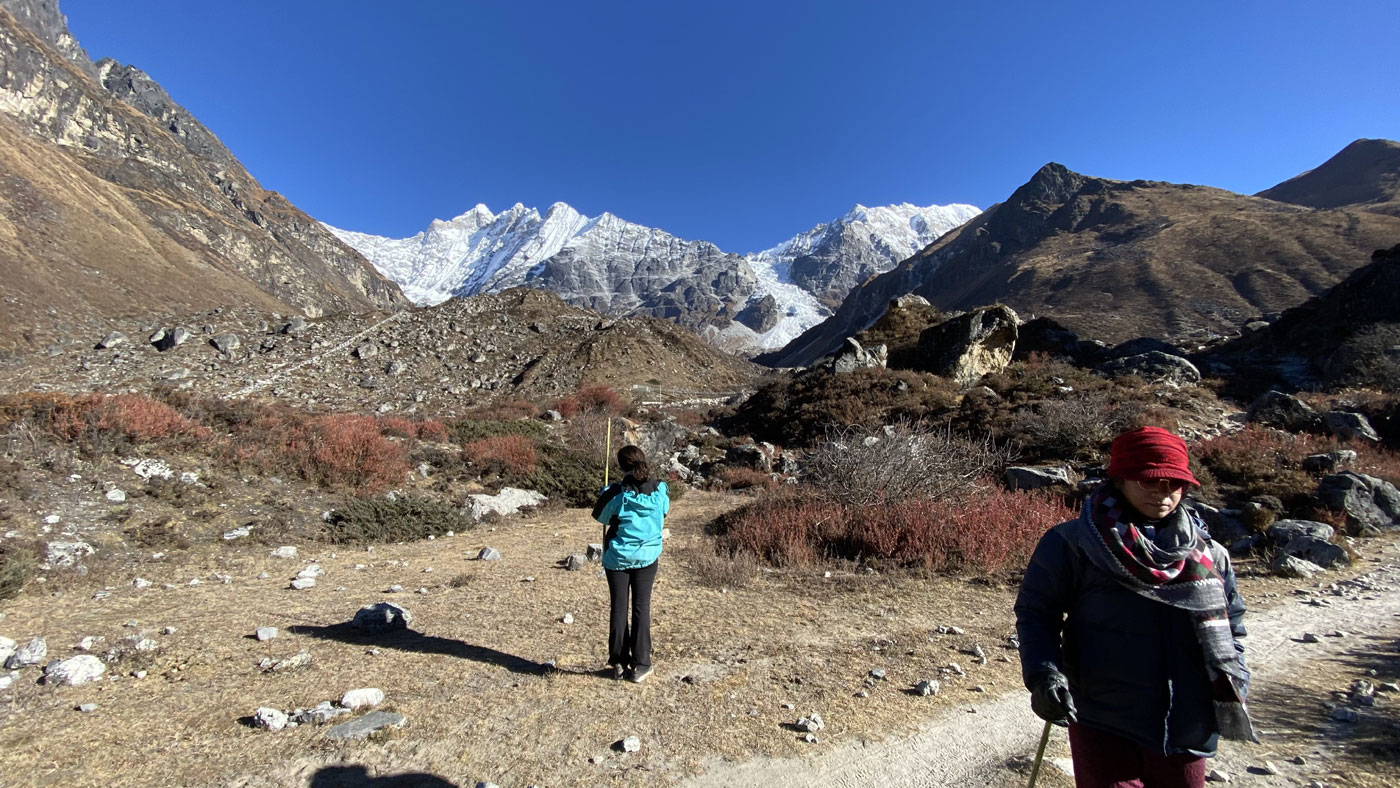
Weather in Langtang is not only about seasons. It is more about how conditions change during the day and as you gain altitude. From our experience on the trail, understanding these Langtang Valley weather patterns helps more than just knowing monthly averages.
The first thing to expect is a clear difference between morning and afternoon conditions. In most months, mornings are calmer, cooler, and often clearer. As the day progresses, clouds tend to build, especially in open valley sections and higher elevations. This is why starting early is important for both visibility and a more comfortable walk.
Temperature also changes quickly with altitude. The trek starts from Syabrubesi at a lower elevation where the weather feels mild. As you move towards Langtang Village and Kyanjin Gompa, the air becomes thinner, drier, and noticeably colder. Even on a sunny day, the temperature drops once the sun goes down. This is a key part of understanding Langtang Valley temperature conditions.
During the day, walking conditions are usually comfortable in most seasons, especially in direct sunlight. However, shaded areas, wind, and early morning hours can feel much colder than expected. In higher places like
Kyanjin Gompa, it is common to feel cold in the morning until sunlight reaches the valley.
Another important factor is wind exposure. As you move above the tree line, especially beyond Ghodatabela, the trail becomes more open. Wind can make the temperature feel colder than it actually is, particularly in the afternoon or on cloudy days.
Teahouse conditions also affect how you feel the weather. Dining areas are usually warm in the evening, but rooms are not heated. Nights feel colder than daytime temperatures, so proper layering and a good sleeping bag are important for comfort.
One thing many trekkers underestimate is how quickly conditions can change. A clear morning can turn cloudy within a few hours, and temperatures drop quickly after sunset. Because of this, flexible planning and simple preparation are more useful than relying only on forecasts.
Understanding these real conditions helps you prepare better for the Langtang Valley Trek, no matter which season you choose. Instead of focusing only on numbers, knowing how the weather behaves on the trail gives you a more practical and realistic expectation.
Best Time for Langtang Valley Trek Based on Your Travel Style
The best time for the Langtang Valley Trek can be different for each traveler. In most cases, choosing the right season becomes much easier when you match it with your travel style and expectations.
Here is a simple guide to help you decide:
For first-time trekkers:
Spring (March to May) and autumn (October to November) are the most suitable. These months offer stable weather, clearer views, and comfortable walking conditions, which make the overall experience smoother and less stressful.
For photographers and mountain view seekers:
Autumn, especially October and November, is the best choice. The air is usually clean after the monsoon, and early mornings often provide the clearest and sharpest views of the mountains.
For those looking for a more comfortable trekking experience with premium lodges and services, the Everest Base Camp Luxury Trek is another excellent option to consider.
For travelers who prefer fewer crowds:
Winter months like December and February are a good option. The trail is quieter, and the overall experience feels more peaceful. However, it is important to be prepared for cold temperatures, especially at higher altitude.
For nature lovers and those who enjoy greenery and flowers:
Spring, particularly April, is ideal. The forest sections are full of blooming rhododendron, and the trail feels more lively and colorful.
For budget travelers or flexible planners:
Shoulder months like March and late November can offer a good balance. These periods usually have fewer trekkers compared to peak weeks, and prices for accommodation may be slightly more flexible.
For experienced trekkers looking for a different experience:
Winter and even early monsoon can be considered. These seasons require more flexibility and preparation, but they offer a quieter trail and a more raw Himalayan environment.
One important thing to remember is that Langtang is a relatively flexible trekking region compared to others in Nepal. Even outside the main seasons, the trek can still be done with proper planning and realistic expectations.
If you are also comparing quieter trekking options in Nepal, you can explore the Manaslu Circuit Trekking, which offers a more remote and less crowded experience compared to Langtang.
Choosing the best time is not only about weather. It is about selecting the experience that matches your comfort level, interest, and trekking style.
When Langtang Valley Trek Is Not Ideal
While Langtang can be trekked in different seasons, there are certain periods when conditions are less favorable. From our experience, understanding these times helps you avoid unnecessary difficulty and plan your trek more realistically.
The least ideal time is during the peak monsoon period from late June to August. During these weeks, the lower part of the trail, especially between Syabrubesi and Lama Hotel, becomes wet and slippery. Continuous rain can make walking more tiring, and cloud cover often blocks mountain views for most of the day. In some sections, there is also a higher chance of loose terrain or small landslides after heavy rainfall.
Another challenging period can be mid-winter, especially January and early February. While the skies can still be clear, temperatures drop significantly, particularly in higher areas like Langtang Village and Kyanjin Gompa. Early mornings and nights can feel very cold, and basic teahouse rooms are not heated. These conditions are manageable for prepared trekkers, but they can be uncomfortable for beginners.
Short transition periods between seasons can also feel unpredictable. For example, early June may bring the first signs of rain, while early September can still have leftover cloud cover from the monsoon. During these times, weather patterns are less stable, and visibility may not be consistent.
It is important to understand that “not ideal” does not mean impossible. The Langtang Valley Trek remains accessible in most months, but the overall experience can vary. If your main goal is clear mountain views, dry trails, and comfortable conditions, avoiding peak monsoon and the coldest winter weeks is a better choice.
Choosing the right time helps you avoid unnecessary challenges and enjoy the trek in a safer and more comfortable way. Planning with realistic expectations is always more valuable than simply choosing a fixed date.
Frequently Asked Questions About the Best Time for Langtang Valley Trek
What is the best time for the Langtang Valley Trek?
The best time is spring (March to May) and autumn (October to November). These months usually offer stable weather, clearer mountain views, and comfortable trekking conditions.
Which month is best for Langtang Valley Trek?
April and October are considered the most balanced months. April offers blooming forests and pleasant weather, while October provides very clear skies and excellent mountain views.
Can I do the Langtang Valley Trek in winter?
Yes, it is possible. Winter offers quiet trails and clear views, but temperatures are very cold, especially in the morning and at night. Proper warm clothing is essential.
Is monsoon a good time for Langtang trekking?
Monsoon is not the most recommended time. Trails can be wet and slippery, and mountain views are often blocked by clouds. However, the landscape is very green and there are fewer trekkers.
Is Langtang crowded in peak season?
Langtang is less crowded compared to Everest and Annapurna. However, during October, the trail and teahouses can feel more active, especially around Langtang Village and Kyanjin Gompa.
When is the best time for clear mountain views in Langtang?
October and November usually offer the clearest views. Early mornings are the best time of day before clouds begin to build.
Is spring better than autumn for Langtang Trek?
Both seasons are good. Spring is better for greenery and flowers, while autumn is better for clear skies and mountain views. The choice depends on your preference.
What is the weather like in Langtang during trekking seasons?
Weather is generally stable in spring and autumn. Mornings are usually clear, while clouds may develop later in the day. Temperatures become colder as you gain altitude.
Is Langtang Valley Trek suitable for beginners in all seasons?
Spring and autumn are best for beginners. Winter and monsoon require more preparation and flexibility due to cold or wet conditions.
How important is starting early during the trek?
Starting early is very important. In most cases, mornings are clearer and more stable, while afternoons often bring clouds or changing weather conditions.