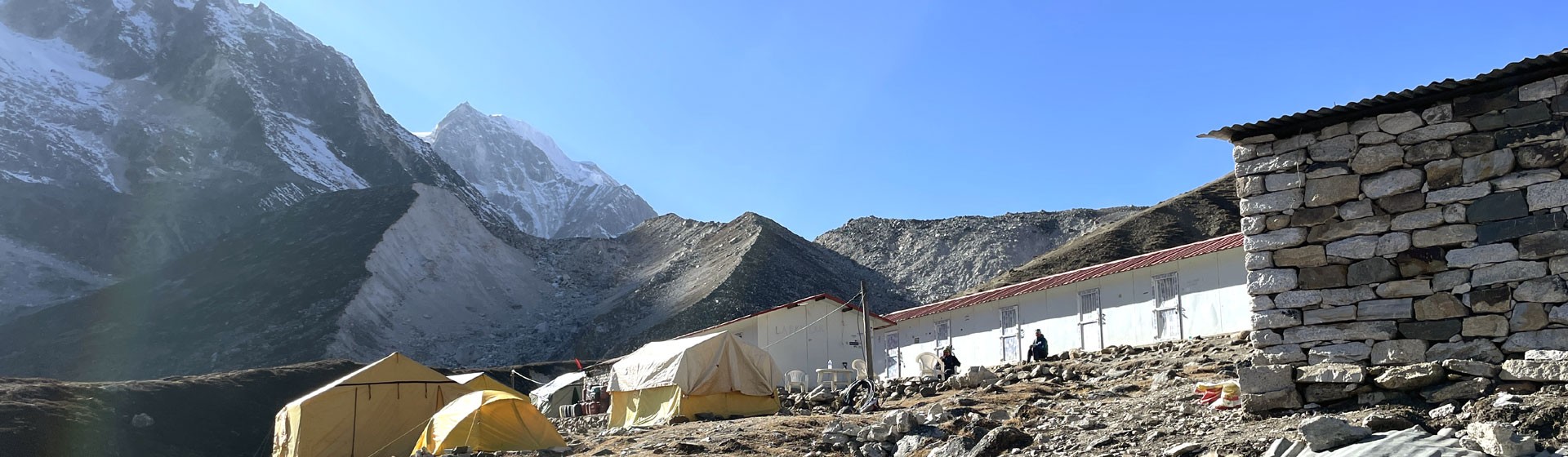
What Does “Off-the-Beaten Trek” Really Mean in Nepal?
In Nepal, an off-the-beaten trek does not simply mean a trail that is physically remote. It usually refers to a route that receives fewer trekkers, has less commercial development, offers stronger contact with local culture, and still feels immersive and quiet over multiple days of walking. These treks are often found outside Nepal’s busiest trekking corridors, or they are protected by geography, permit rules, or more demanding logistics that naturally limit visitor numbers. Nepal Tourism Board itself groups Manaslu among its off-the-beaten-path trekking destinations, which supports how the route is now understood in the trekking market.
For many travelers in 2026, “off the beaten” also means a trek that feels less shaped by mass tourism. On Nepal’s most famous routes, trekkers can still have wonderful experiences, but they often share the trail with larger numbers of people, busier lodges, and more built-up trekking infrastructure. An off-the-beaten route usually offers a different rhythm. Villages feel quieter, trails feel less crowded, and the journey often demands more intention, more preparation, and a greater appreciation for the mountain environment itself. This is one of the main reasons trekkers increasingly compare Manaslu with Everest and Annapurna when searching for a less commercial experience.
In Nepal, these quieter routes are often protected in one of two ways. Some are naturally less visited because they are harder to access. Others, like Manaslu, are protected through restricted-area regulations. Nepal’s immigration rules state that restricted areas require a special trekking permit and must be organized through an authorized agency, which directly reduces unplanned and mass trekking traffic. That system does more than control entry. It also helps preserve the route’s cultural and environmental character, which is one of the core reasons Manaslu still feels genuinely off the beaten path.
Another important part of the phrase is the kind of experience trekkers are actually looking for. Most travelers using this search term are not asking for isolation for its own sake. They want quieter trails, meaningful mountain scenery, traditional settlements, and a sense that the trek still belongs first to the landscape and the communities who live there. In that sense, “off-the-beaten” in Nepal is really about atmosphere. It means the trek feels more preserved, less rushed, and more connected to the mountains than to the trekking industry around it. That is exactly why the term fits the Manaslu Circuit so well.
Where is the Manaslu Circuit Trek Located?
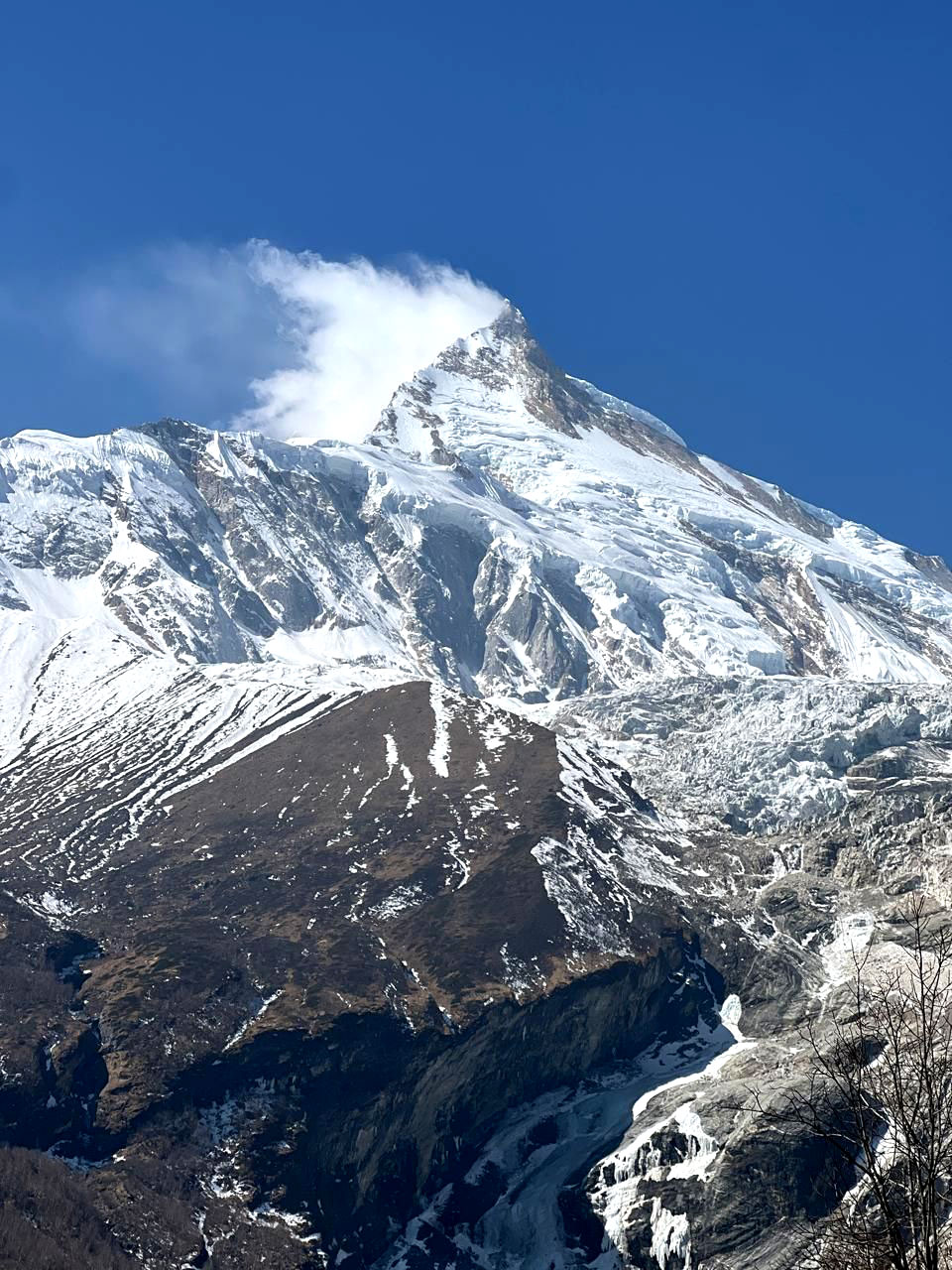
The Manaslu Circuit Trek is located in northern Nepal in the Manaslu region, mainly within Gorkha District, close to the border with Tibet. Mount Manaslu itself rises on the border of Gorkha and Manang districts and stands 8,163 meters high as the world’s eighth-highest mountain. The trekking region lies inside the Manaslu Conservation Area, a protected Himalayan landscape managed for both conservation and community-based tourism.
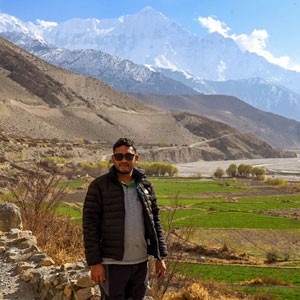
Geographically, the trek sits east of the Annapurna region and west of the Ganesh Himal range. Nepal Tourism Board notes that Manaslu lies about 64 kilometers east of Annapurna, while the broader conservation area stretches from subtropical foothills to arid trans-Himalayan high pastures near Tibet. This wide ecological range is one of the reasons the trek feels so varied, moving from lower river valleys and forested hills to high alpine terrain and exposed mountain passes.
In practical trekking terms, the Manaslu Circuit usually begins after the drive from Kathmandu into the lower Budhi Gandaki valley and then follows the route north through villages such as Machha Khola, Jagat, Deng, Namrung, Lho, Samagaun, and Samdo before crossing Larkya La Pass and descending toward the Annapurna side. The route passes through the Nubri side of the Manaslu region, while the wider conservation area also includes the Tsum valley to the east. NTNC’s official project profile describes the area as being made up of two major mountain valleys, Tsum in the east and Nubri in the west, which helps explain why the region feels both culturally rich and geographically complex.
Another important part of its location is its legal status. The core Manaslu trekking corridor falls within a restricted area under Nepal’s trekking permit system, particularly in Chumnubri Rural Municipality. This is one of the main reasons the trek remains quieter and less commercialized than Nepal’s busiest routes. The location is remote, but it is not inaccessible. It remains reachable by road from Kathmandu while still preserving the feeling of entering a more protected and less crowded Himalayan region
Why Manaslu Circuit Trek Feels Truly Remote
The Manaslu Circuit Trek feels truly remote because remoteness here is not just about distance from Kathmandu. It comes from the overall character of the journey: fewer trekkers on the trail, longer stretches between major settlements, stricter permit rules, and a landscape that still feels more protected than commercial. Nepal’s official trekking permit framework classifies the Manaslu region as a restricted area, which means trekkers must arrange the route through a licensed agency and obtain special permits. That legal structure naturally limits traffic and is one of the biggest reasons the trail retains a quieter atmosphere than Nepal’s more open trekking regions.
The route also feels remote because the walking experience is immersive from the very beginning. Instead of entering a trekking zone that is already heavily built around tourism, trekkers move gradually through the Budhi Gandaki valley, where the trail follows deep gorges, steep hillsides, suspension bridges, and traditional villages that still feel closely tied to daily mountain life. Official descriptions of the Manaslu Conservation Area emphasize its wide ecological range and culturally rich settlements, but on the trail what stands out most is the sense that the mountains still shape the journey more than the trekking industry does.
Another reason Manaslu feels more remote is that its villages are not arranged around mass trekking flow in the same way as Nepal’s busiest routes. Places such as Namrung, Lho, Samagaun, and Samdo are established trekking stops, but they still feel like mountain communities first and trekking villages second. This creates a different atmosphere on the trail. Even when teahouses are busy in peak season, the route generally feels calmer, less crowded, and less commercial than Everest Base Camp or the Annapurna Circuit, which is exactly how recent trek operators and destination guides continue to position Manaslu in 2025-2026.
The high mountain geography adds to this feeling. As trekkers move beyond the lower river valley and gain altitude, the surroundings open into glacial landscapes, windswept pasturelands, and wide Himalayan views below Manaslu and around Larkya La. These sections are not just scenic; they create a real sense of exposure and distance from urban life. The trail feels slower, quieter, and more serious, which is often exactly what travelers mean when they search for an off-the-beaten trek in Nepal.
What makes Manaslu special is that this remoteness is still combined with the structure of a teahouse trek. You are not isolated in an expedition sense, but the journey still feels preserved, intentional, and far less commercialized than Nepal’s biggest trekking corridors. That balance is one of the strongest reasons many trekkers now describe the Manaslu Circuit as Nepal’s best truly remote trek that is still practical to do.
Fewer Crowds Compared to Everest and Annapurna
One of the biggest reasons trekkers choose the Manaslu Circuit is the simple fact that it still feels noticeably quieter than Nepal’s most famous routes. In 2026, Everest Base Camp and the Annapurna Circuit remain the better-known names for first-time trekkers, while Manaslu continues to attract travelers who specifically want fewer people on the trail and a more peaceful mountain atmosphere. Recent trek comparisons and destination guides consistently describe Manaslu as less crowded than both Annapurna and Everest.
This lower crowd level is not accidental. The Manaslu region is protected by restricted-area rules, which means access is more controlled than on open trekking routes. Special permits, agency organization, and guide requirements all reduce the volume of casual trekking traffic. That has a direct effect on the trail experience. Even during the main trekking seasons, the route usually feels calmer, with fewer large groups, less lodge congestion, and more uninterrupted walking time compared with the busiest sections of Everest or Annapurna.
In practical terms, this changes the feeling of the trek every day. On busier routes, trekkers often encounter packed teahouses, crowded dining rooms, and a constant flow of people moving in the same direction. On Manaslu, the rhythm is usually slower and quieter. You may still meet other trekkers, especially in peak months, but the route generally offers more solitude, more space, and a stronger sense of being in the mountains rather than in a trekking corridor. That is exactly why recent 2026 writing on the region still presents Manaslu as one of Nepal’s best choices for travelers trying to avoid the crowds of Annapurna and Everest.
This also affects the overall quality of the experience. Fewer crowds mean better trail atmosphere, quieter viewpoints, and more meaningful interaction with local communities. Instead of competing for space on a famous route, trekkers often feel that Manaslu gives them room to absorb the landscape and culture at a more natural pace. For many travelers, that difference alone is enough to make Manaslu feel more special than the more popular alternatives.
If you are comparing routes, also check our Manaslu Circuit vs Annapurna Circuit Trek guide to understand key differences.
Raw Himalayan Landscapes and Untouched Trails
One of the strongest reasons the Manaslu Circuit Trek stands out as Nepal’s best off-the-beaten route is the feeling of walking through raw Himalayan scenery that still looks and feels largely untouched. The trail does not depend on a single famous viewpoint. Instead, the landscape changes steadily over many days, creating the sense of a complete mountain journey rather than a trek built around one destination.
The route begins in the deep Budhi Gandaki valley, where trekkers follow dramatic river gorges, cross long suspension bridges, and move through steep hillsides covered with forest and terraced farmland. As the trek gains altitude, the environment changes from warm lower valleys into a much harsher high mountain world. Recent Manaslu trek descriptions continue to highlight this progression as one of the route’s defining strengths, from subtropical lower sections to dry alpine terrain around the upper villages and the approach to Larkya La.
What makes Manaslu especially powerful visually is that the scenery never feels overly shaped by mass tourism. The trail still passes through mountain villages, glacial valleys, yak pastures, and exposed high ridges in a way that feels natural and immersive. Trek operators and current 2026 guides repeatedly describe the region as wild, quiet, and less commercialized than Everest or Annapurna, which matches why many trekkers now choose Manaslu specifically for its preserved landscape character.
The upper section of the trek is where this feeling becomes strongest. Around Lho, Samagaun, Samdo, and the approach to Larkya La, the trail opens into wide Himalayan scenery with glacier-fed valleys, huge mountain walls, and windswept terrain that feels much more exposed and elemental than Nepal’s busier trekking corridors. This is also where Mount Manaslu and surrounding peaks begin to dominate the experience, creating the kind of dramatic mountain atmosphere many travelers hope for when searching for a truly off-the-beaten trek.
Another reason these trails feel untouched is that the restricted-area rules and lower trekking volume help protect the route from the kind of rapid overdevelopment seen in more commercial regions. That does not mean the trail is inaccessible. It means the walking experience still belongs primarily to the mountains themselves. For trekkers who want quiet trails, changing scenery, and a stronger sense of wilderness, this raw landscape is one of the clearest reasons why Manaslu feels different
Authentic Culture and Traditional Mountain Life
One of the biggest reasons the Manaslu Circuit Trek feels different from Nepal’s more popular routes is the strength of its living mountain culture. This is not a trek where culture is limited to a few monuments or viewpoints. Along the Manaslu trail, traditional life is still part of the daily experience, especially in the upper villages of the Nubri region, where Tibetan Buddhist influence remains deeply rooted. Official NTNC descriptions of the wider Manaslu Conservation Area identify Nubri and Tsum as distinct mountain valleys with strong cultural value, and that cultural depth is one of the defining features of the region.
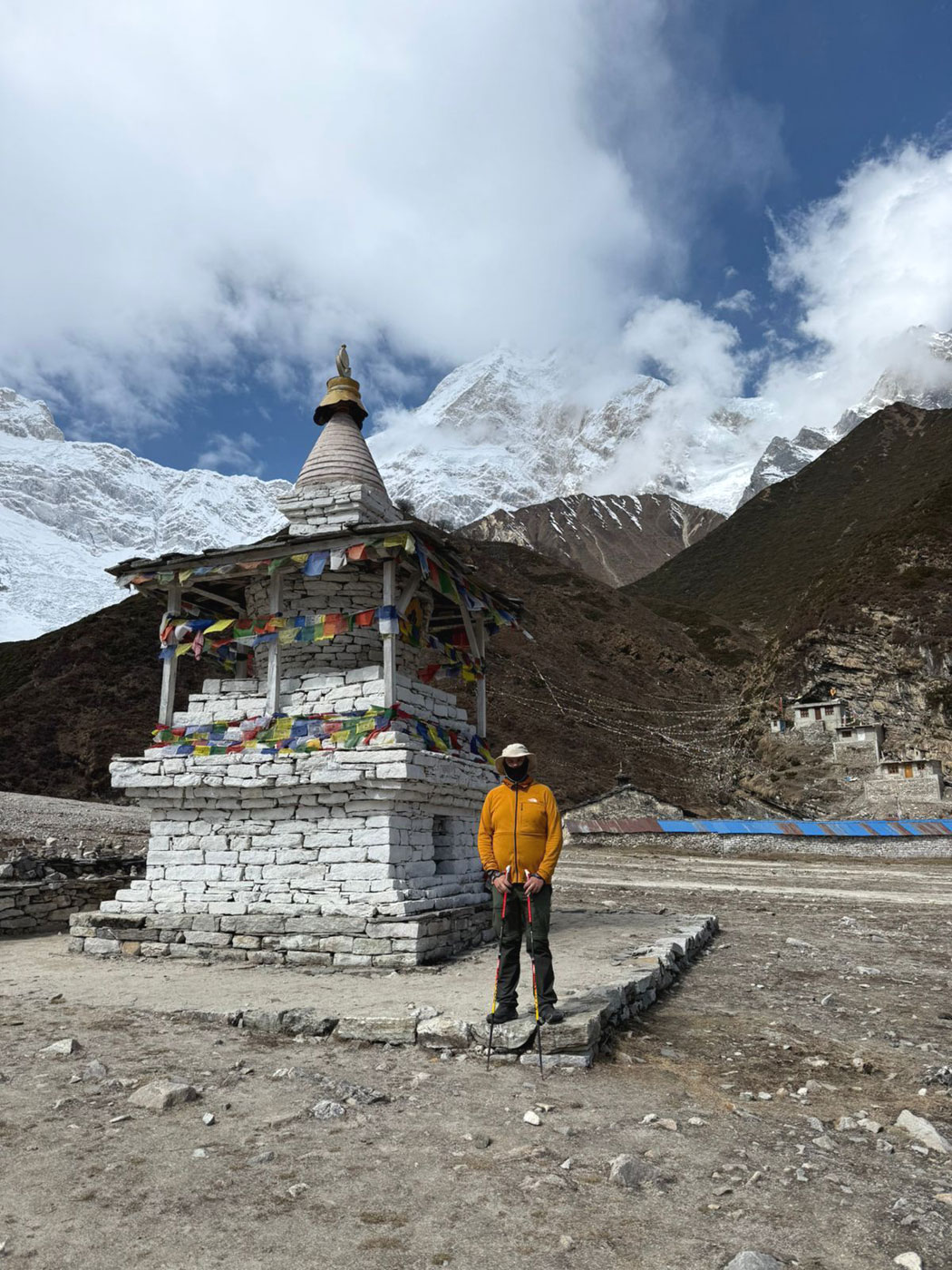
As trekkers move higher toward villages such as Lho, Samagaun, and Samdo, the atmosphere changes noticeably. Stone houses, mani walls, chortens, spinning prayer wheels, and long lines of prayer flags become part of the landscape, not as decoration for visitors, but as part of everyday life. Recent Manaslu trek descriptions continue to highlight these villages as places where Tibetan Buddhist customs remain visible in architecture, daily rituals, and the rhythm of village life.
What makes this cultural experience especially powerful is that it still feels natural and unforced. The trail passes through communities where farming, yak herding, trade, and religion remain closely connected. Trekkers often see barley fields, stone-walled pasturelands, women working in the fields, local families carrying firewood, and monks moving between monasteries and villages. This creates the kind of genuine cultural immersion many travelers hope to find when they search for an off-the-beaten trek in Nepal.
Religion also shapes the tone of the trek. The mountains are not viewed only as scenery, but as part of a sacred landscape. That is why monasteries, prayer walls, and ritual spaces matter so much on the route. Villages in the upper Manaslu region are often described by current trek operators as places where trekkers can still feel the presence of traditional Buddhist life in a meaningful way, especially compared with more commercial trekking regions.
Another reason this section of the Himalayas feels so culturally rich is that the restricted-area system has helped protect more than just the trail. By limiting mass trekking traffic, it has also helped preserve a quieter relationship between visitors and local communities. This is one of the main reasons many trekkers describe Manaslu not only as scenic, but as one of the most culturally rewarding mountain journeys in Nepal.
Larkya La Pass: A True High-Altitude Experience
Larkya La Pass is the defining moment of the Manaslu Circuit Trek and one of the clearest reasons this route feels like a true off-the-beaten Himalayan journey. At about 5,160 meters, it is the highest point of the circuit and one of Nepal’s major trekking passes. Nepal Tourism Board and multiple current Manaslu route guides continue to identify Larkya La as the key high-altitude crossing of the trek, linking the upper Manaslu side with the descent toward Bimthang and the Annapurna region.
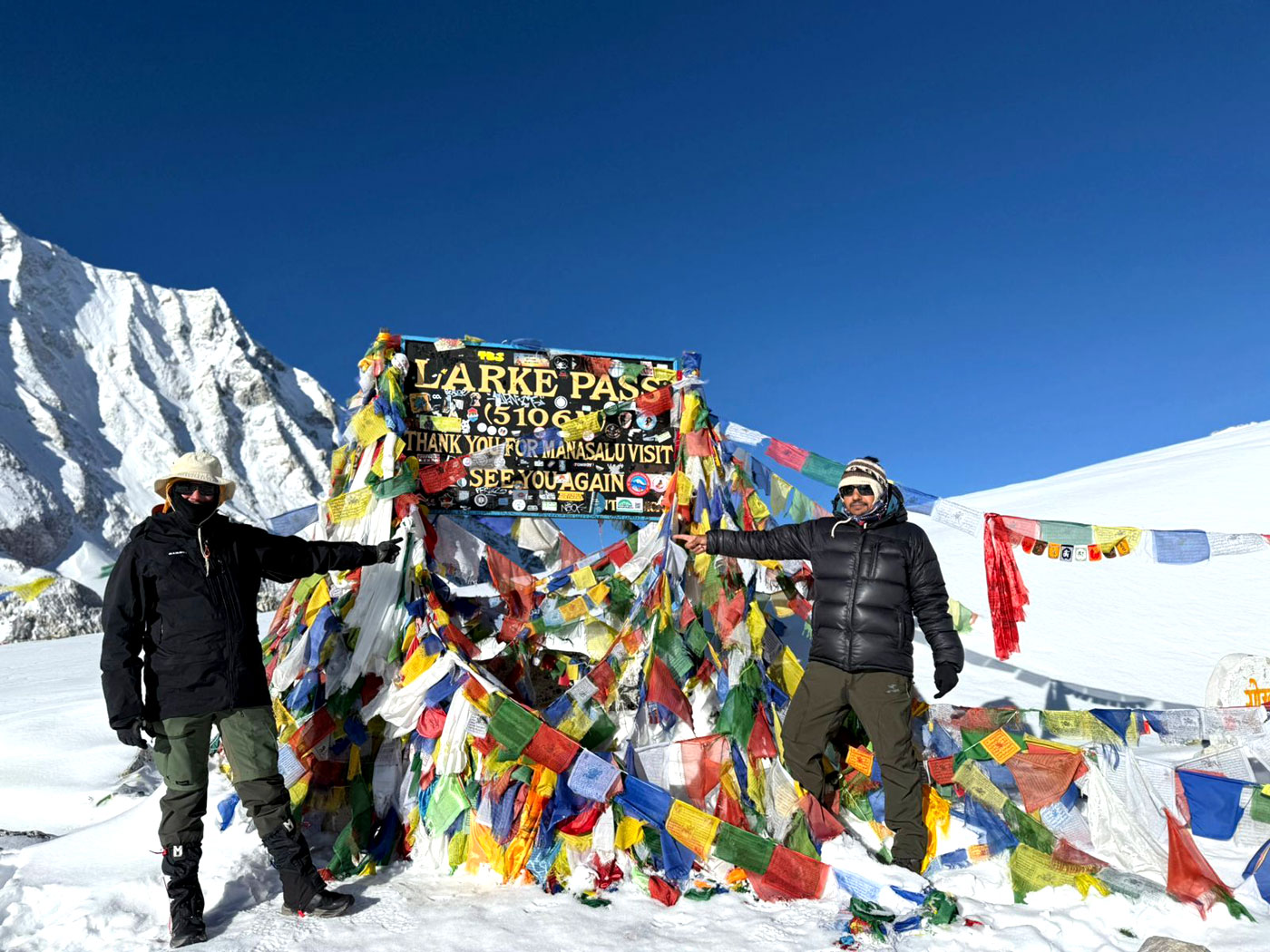
What makes Larkya La special is not only the altitude, but the full experience of reaching it. The pass is usually crossed after gradual acclimatization through the upper Nubri valley, followed by the long approach from Dharmashala. By the time trekkers reach this section, the landscape has already changed into a harsher, more exposed mountain environment of glacial terrain, wind, moraine, and wide Himalayan views. Recent 2025-2026 Manaslu guides repeatedly describe the pass day as the toughest and most rewarding part of the circuit, which matches how experienced trekkers usually remember it.
The crossing feels like a true high-altitude mountain day because everything becomes more demanding at once. The air is thinner, the pace slows naturally, and the early morning cold can be intense. This is not a technical climbing route, but it requires stamina, patience, and proper acclimatization. That combination is exactly why Larkya La gives trekkers such a strong sense of achievement. It is one of those passes where the physical effort, the silence of the high mountains, and the scale of the surroundings all come together in a way that feels bigger than an ordinary trekking day.
The reward at the top is one of the great panoramic experiences in Nepal trekking. Current guides describe views from Larkya La toward major Himalayan peaks such as Himlung Himal, Cheo Himal, Annapurna II, and nearby snowbound ridges, with the descent opening toward the greener meadows of Bimthang far below. That dramatic shift, from stark high pass to descending alpine landscape, is one of the reasons many trekkers describe Larkya La as the emotional high point of the entire Manaslu Circuit.
If Everest has Kala Patthar and Annapurna has Thorong La, Manaslu has Larkya La. It is the moment where the trek proves exactly why it belongs among Nepal’s finest long-distance routes, and why travelers looking for a quieter but still serious Himalayan challenge are increasingly drawn to Manaslu in 2026
Restricted Area Advantage: Why It Protects the Experience
One of the biggest reasons the Manaslu Circuit Trek still feels genuinely off the beaten path is that the region is protected by restricted-area rules. In Nepal, the Manaslu trekking corridor requires a Restricted Area Permit, along with conservation-area permits, and the permit process must be handled through a registered trekking agency. Nepal’s immigration system also requires organized trekking in these restricted zones rather than fully independent entry. These regulations are not just paperwork. They directly shape the quality of the trekking experience on the ground.
The main advantage of this system is that it naturally limits mass trekking traffic. On open trekking routes, visitor numbers can rise quickly because access is simpler and trip planning is easier. On Manaslu, the extra permit requirements, guide structure, and controlled access create a smaller trekking flow. That lower volume helps preserve quieter trails, reduces lodge congestion, and keeps the route from feeling overly commercialized. This is one of the clearest reasons why Manaslu still feels more peaceful than Everest or Annapurna, even during the main trekking seasons.
The restricted-area framework also helps protect the cultural character of the region. Villages such as Lho, Samagaun, and Samdo are not only trekking stops; they are living communities with strong Tibetan Buddhist traditions and long-established mountain lifestyles. When a route grows too quickly without control, local character can easily become diluted by tourism pressure. Manaslu’s permit system has helped slow that process, allowing trekkers to experience a region that still feels rooted in local life rather than shaped mainly around visitors.
There is also an environmental advantage. The Manaslu region lies within the Manaslu Conservation Area, which Nepal Tourism Board and NTNC describe as an ecologically important Himalayan landscape with major variation in altitude, terrain, and habitat. Controlled trekking access helps reduce pressure on fragile mountain environments and supports a more sustainable balance between tourism, conservation, and local livelihoods. For trekkers, this means the landscape itself still feels more natural, less crowded, and more protected than on Nepal’s busiest routes.
In practical terms, the restricted status makes Manaslu feel more intentional from the beginning. Trekkers who come here are usually choosing the region specifically for its quieter atmosphere, preserved culture, and serious mountain character. That creates a different kind of trekking environment. The trail feels less casual, less rushed, and more immersive, which is exactly why the restricted-area system is not a disadvantage for Manaslu, but one of its greatest strengths.
Manaslu Circuit vs Popular Treks: Quick Comparison
The best way to understand why Manaslu stands out is to compare it with Nepal’s two most famous trekking routes: Everest Base Camp trek and the Annapurna Circuit. All three are major Himalayan treks, but they offer very different experiences in terms of crowd levels, route atmosphere, logistics, and overall trekking character.
Compared with the Annapurna Circuit trek, Manaslu feels quieter, more controlled, and more remote. Annapurna remains one of Nepal’s classic long-distance treks, but road access and higher visitor numbers have changed the atmosphere in several lower sections. Manaslu, by contrast, still follows a more protected trekking model through restricted-area regulations and lower overall traffic. Recent comparison guides continue to describe Manaslu as the stronger choice for trekkers looking for less commercialization and a more preserved mountain experience, while Annapurna remains attractive for its flexibility and easier logistics.
Compared with Everest Base Camp, the difference is even clearer. Everest is more iconic as a destination trek, with the global appeal of reaching the base of the world’s highest mountain. That fame brings major advantages, such as strong lodge infrastructure and instant name recognition, but it also brings heavier trail traffic, busier villages, and a much more commercial trekking atmosphere in peak season. Manaslu offers a different kind of reward. Instead of a route centered around one famous endpoint, it delivers a more continuous journey with fewer people, stronger cultural immersion, and a greater sense of wilderness over many days of walking.
In terms of culture, Manaslu is often considered richer in preserved Tibetan Buddhist mountain life than the busier mainstream trails. Everest has Sherpa culture and Annapurna has wide regional diversity, but Manaslu’s restricted setting helps local villages feel more intact and less shaped by mass trekking. This gives the route a more immersive cultural atmosphere, especially in upper villages such as Lho, Samagaun, and Samdo.
In terms of challenge, all three treks are serious Himalayan journeys, but the feeling is different. Everest Base Camp is more destination-driven, Annapurna is broader and more flexible, and Manaslu feels more like a protected wilderness circuit with a major high-pass crossing at Larkya La. That combination of remoteness, scenery, and cultural depth is exactly why many experienced trekkers now see Manaslu as the strongest alternative to Nepal’s biggest routes.
For trekkers who want fewer crowds than Everest, a more preserved trail atmosphere than Annapurna, and a trek that still feels authentic and serious, the Manaslu Circuit offers one of the best-balanced mountain experiences in Nepal today.
Is Manaslu Circuit Trek Right for You?
The Manaslu Circuit Trek is right for you if you are looking for a quieter Himalayan journey with fewer crowds, stronger cultural immersion, and a more remote trail atmosphere than Nepal’s busiest trekking routes. It is especially well suited to trekkers who value the experience of the journey itself, not just reaching a famous destination. In 2026, Manaslu continues to appeal to travelers who want a serious mountain trek that still feels preserved, peaceful, and less commercialized.
This trek is a strong choice for people who enjoy long walking days, traditional teahouse trekking, and gradual high-altitude progression. Current 2026 guides consistently describe Manaslu as a moderate-to-challenging trek, usually taking around 14 to 18 days and crossing Larkya La at about 5,160 meters. That means it is better suited to trekkers who are physically prepared, comfortable walking for multiple days in a row, and open to a more demanding mountain environment than easier or shorter Nepal treks.
It is also ideal for travelers who care about authenticity. Because Manaslu is a restricted-area trek with controlled access, the route still offers a stronger sense of local culture and a quieter trail rhythm. Trekkers who want to walk through Tibetan-influenced mountain villages, experience less crowded lodges, and spend more time in landscapes that feel raw and protected often find Manaslu much more satisfying than Nepal’s more commercial routes.
At the same time, Manaslu may not be the best fit for everyone. If you want easier logistics, a more flexible independent trekking style, or the comfort of highly developed trekking infrastructure, Everest Base Camp or Annapurna may feel more convenient. Manaslu requires a licensed guide, special permits, and organized planning through a registered agency because solo independent trekking is not allowed in the restricted section. That makes the route more structured from the start, which many trekkers appreciate, but it also means it suits travelers who are comfortable with a more regulated trekking setup.
In simple terms, the Manaslu Circuit is right for you if you want a trek that feels quieter, wilder, and more immersive than Nepal’s mainstream routes, and if you are prepared for a genuine high-altitude journey rather than a casual mountain holiday. For trekkers who want that balance of remoteness, culture, scenery, and challenge, it remains one of Nepal’s best trekking choices in 2026.
For better preparation, read our detailed Manaslu Circuit Trek difficulty guide before planning your trip.
Best Time to Experience the Manaslu Circuit
The best time to experience the Manaslu Circuit Trek is during spring (March to May) and autumn (September to November). These two seasons consistently offer the most reliable combination of stable weather, clearer mountain views, safer trail conditions, and better chances of crossing Larkya La Pass comfortably. Recent 2026 trekking guides continue to agree on this seasonal pattern, with autumn often described as the most stable overall and spring as the most scenic for flowers and fresh mountain landscapes.
Autumn is widely regarded as the best overall season for the Manaslu Circuit. After the monsoon, the air is cleaner, visibility improves, and the mountain views around Manaslu, Himalchuli, and Larkya La are usually at their sharpest. October is especially popular because the weather is generally dry and stable, which makes high-pass crossing conditions more predictable. The trade-off is that lodges in villages such as Lho and Samagaun can be busier than in other months, so planning ahead matters more in peak autumn.
Spring is the other prime season and is often chosen by trekkers who want slightly warmer daytime temperatures and more color on the trail. Forest sections come alive with rhododendron bloom, and the lower and middle sections of the trek feel greener and more vibrant than in autumn. Conditions are still generally good for Larkya La, though late spring can bring more afternoon cloud and occasional pre-monsoon instability than the clearest autumn weeks. Even so, spring remains one of the safest and most rewarding times to trek Manaslu.
Winter (December to February) is possible, but it is better suited to experienced trekkers who are comfortable with colder conditions and more uncertainty. High villages and the pass area can become extremely cold, and fresh snow may make Larkya La more difficult or temporarily inaccessible. Winter’s advantage is quiet trails and a more peaceful mountain atmosphere, but it requires more flexibility, warmer gear, and stronger tolerance for severe high-altitude conditions.
Monsoon (June to August) is the least recommended season for most trekkers. Rain affects the lower valleys, trails can become muddy, and cloud cover often reduces mountain visibility. Access roads are also more vulnerable to disruption during heavy rain. While some experienced trekkers still travel in this period, it is not the ideal time for a classic Manaslu Circuit experience, especially if the goal is clear views and smoother logistics.
In practical terms, the strongest months are usually October and April, with late March to May and September to November offering the best overall window. For trekkers who want the clearest conditions and safest high-pass timing, autumn generally has the edge. For those who prefer warmer trekking days and spring scenery, April is especially attractive. That is why, even in 2026, these two seasons remain the best time to experience the Manaslu Circuit at its full potential.
Real Experience: What Trekkers Love About Manaslu
One of the clearest reasons the Manaslu Circuit Trek continues to grow in appeal is that trekkers who actually walk the route often describe the same core experience: it feels quieter, more immersive, and more authentic than Nepal’s busier trekking corridors. Recent trek reports and updated operator guides for 2026 repeatedly present Manaslu as a route chosen not only for scenery, but for the quality of the overall journey, especially the combination of fewer crowds, traditional villages, and a stronger sense of remoteness.
What many trekkers seem to love most is the trail atmosphere itself. On Manaslu, the days often feel less rushed and less shaped by mass tourism. Instead of moving through a heavily trafficked trekking corridor, walkers spend long sections crossing suspension bridges, following the Budhi Gandaki valley, climbing into Tibetan-influenced villages, and gradually entering a harsher high mountain landscape around Samagaun,Samdo, and Larkya La. This slower, more protected rhythm is one of the most common themes in current Manaslu writing, especially in articles that compare it with Annapurna and Everest.
Another part of the experience that stands out in recent descriptions is the feeling of cultural connection. Trekkers regularly highlight villages such as Lho, Samagaun, and Samdo not as simple overnight stops, but as places where local life, Buddhist traditions, and mountain culture still feel present in a natural way. That living cultural atmosphere is often mentioned as one of the route’s biggest strengths, particularly by travelers who want more than scenery alone from a trek in Nepal.
The landscape progression is another feature trekkers consistently remember. Current trek guides emphasize how the route changes from lower river valleys and forested hills to glacial terrain, open alpine valleys, and the stark high mountain environment of Larkya La. This gradual change gives the trek a feeling of depth and progression that many travelers find more satisfying than routes focused mainly on one destination. In practical terms, it means the experience keeps building rather than peaking too early.
Trekkers also tend to describe Larkya La as the emotional high point of the journey. The pass is consistently presented in current 2025–2026 route material as the hardest and most rewarding day on the circuit, where the altitude, cold, and scale of the mountains combine into a true Himalayan high-pass experience. That sense of earning the crossing, rather than simply arriving at a famous stop, is a big part of what makes Manaslu so memorable for people who finish the trek.
Perhaps the most accurate summary of why trekkers love Manaslu is this: the route still feels like a real mountain journey. It offers teahouse support and organized access, but it has not lost the quieter, more preserved atmosphere that many travelers now struggle to find on more commercial routes. That is exactly why, in 2026, Manaslu continues to be one of the most loved treks among people searching for a more meaningful off-the-beaten-path experience in Nepal.
Conclusion: Why Manaslu is Nepal’s Best Off-the-Beaten Trek
In 2026, the Manaslu Circuit Trek stands out as Nepal’s best off-the-beaten trek because it still offers the rare combination many trekkers now struggle to find on more famous routes: fewer crowds, protected trail access, raw Himalayan scenery, strong cultural depth, and a serious but rewarding high-altitude challenge. Nepal Tourism Board continues to position Manaslu among Nepal’s off-the-beaten-path trekking destinations, and the route’s restricted-area framework remains one of the main reasons it has preserved that character.
What makes Manaslu especially convincing is that its appeal is not based on one single feature. It is not only about Mount Manaslu, and it is not only about Larkya La Pass. The strength of the trek comes from the full journey: the deep Budhi Gandaki valley, the transition into Tibetan-influenced mountain villages, the quieter rhythm of the trail, the open high-altitude landscapes around Samagaun and Samdo, and the dramatic crossing of Larkya La at about 5,160 meters. Current trekking guides and comparisons in 2025-2026 continue to describe Manaslu as a quieter, less commercialized alternative to both Annapurna and Everest, which is exactly why its reputation keeps growing among serious trekkers.
It is also one of the few major teahouse treks in Nepal that still feels protected rather than overexposed. The permit rules may make planning slightly more structured, but they also help preserve what travelers are actually coming for: quieter trails, more meaningful cultural contact, and a landscape that still feels shaped more by mountains and local communities than by mass tourism. For trekkers who want a route that feels immersive, authentic, and genuinely Himalayan, that advantage matters far more than convenience.
That does not mean Manaslu is the right trek for everyone. Travelers who want easier logistics, more flexible independent travel, or the comfort of busier mainstream routes may still prefer Annapurna or Everest. But for those specifically searching for the best off-the-beaten-path trekking experience in Nepal, Manaslu offers perhaps the strongest balance in the country today: remote but still doable, challenging but still supported, culturally rich but not over-commercialized, and scenic in a way that feels earned day by day.
The most honest conclusion is this: Manaslu is Nepal’s best off-the-beaten trek not because it is unknown, but because it is still protected from becoming ordinary. In a trekking landscape where many famous routes have become busier and more developed, the Manaslu Circuit still gives trekkers the feeling of stepping into a mountain journey that remains wild, preserved, and deeply memorable. That is exactly what makes it such a strong choice in 2026.
Explore our complete Manaslu Circuit Trek package with updated 2026 itinerary, permits, and guide support.