Why November is Considered the Best Month for Manaslu Circuit Trek
For many experienced trekkers and local guides, November stands out as the most complete and reliable time to explore the Manaslu Circuit Trek. It is not just about good weather. It is about how every part of the trekking experience comes together smoothly during this month.
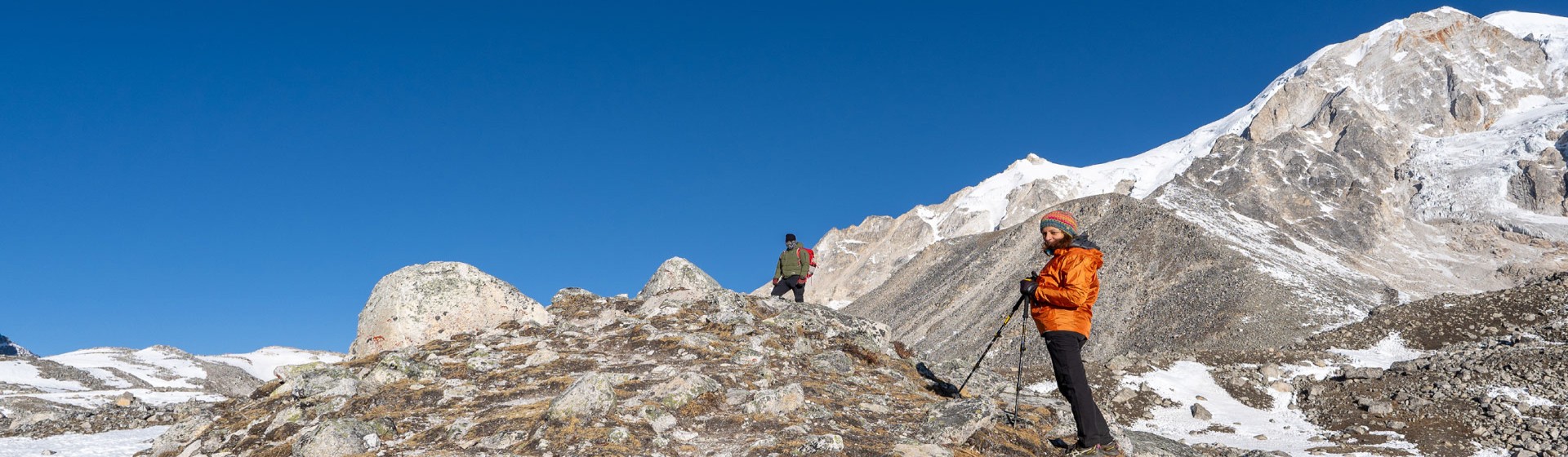
The biggest advantage of November is clarity. After the monsoon season, dust and humidity are gone from the atmosphere. The sky becomes deep blue, and the mountains appear sharp and close. Peaks that are often hidden in other months remain visible for longer hours of the day. Early mornings are especially rewarding, with uninterrupted views across the entire valley.
Another key reason is weather stability. By November, the unpredictable transition period of early autumn has passed. Days are generally dry and consistent, which allows trekkers to follow the itinerary without frequent weather disruptions. This becomes very important in high sections, especially near Larkya La Pass, where stable weather plays a major role in both safety and comfort.
Trail conditions are also at their best during this time. The paths have fully dried after the monsoon, making walking easier and more secure. Landslide risks reduce, river crossings become more manageable, and the overall trail feels more defined and stable underfoot. This improves both pace and confidence, especially for trekkers who prefer a smoother journey.
November also offers a balanced trekking environment. While it is part of the peak season, the Manaslu region does not feel overly crowded. You will meet other trekkers along the route, but the experience remains peaceful and authentic. Unlike more commercial trekking areas, the trail here still allows space to walk quietly and connect with the surroundings.
Temperature is another factor that works in favor of November. Daytime conditions are comfortable for trekking, particularly in lower and mid-altitude sections. As you move higher, the air becomes colder, but this also helps maintain clear skies and better visibility. The cold is noticeable, especially at night, but it is manageable with proper gear and preparation.
From a practical point of view, November is also when everything is fully operational. Teahouses are open, food options are consistent, and trekking logistics run smoothly. There are fewer disruptions compared to off-season months, which makes planning and execution easier for both trekkers and operators.
In simple terms, November brings together clear views, stable weather, safe trail conditions, and a peaceful trekking atmosphere. This combination is what makes it one of the most preferred and trusted months to complete the Manaslu Circuit Trek.
Weather and Temperature in November
Weather in November along the Manaslu Circuit Trek is one of the most stable you will experience throughout the year. This is late autumn in Nepal, when the monsoon has fully cleared and winter has not yet become harsh. As a result, conditions feel balanced, predictable, and highly favorable for trekking.
At lower elevations such as Machha Khola, Jagat, and Deng, daytime temperatures are usually comfortable, often ranging between 15°C to 22°C. Walking during the day feels pleasant, with mild warmth under the sun and cool shade inside forest sections. Early mornings and evenings are cooler but still manageable without heavy layers.
As you move higher towards Namrung, Lho, and Samagaun, the temperature gradually drops. Daytime temperatures here typically range between 10°C to 15°C, making it ideal for trekking without excessive heat or sweating. Nights, however, become noticeably colder, often dropping close to freezing, especially in villages above 3,000 meters.
In higher sections like Samdo and Dharamsala, and especially near Larkya La Pass, conditions feel more alpine. Daytime temperatures can range from 5°C to 10°C under direct sunlight, but early mornings, nights, and windy conditions can push temperatures well below freezing. It is common to experience temperatures between -5°C to -10°C during the night at higher altitudes.
One of the defining features of November weather is the clear sky pattern. Mornings are almost always bright and cloud-free, offering excellent mountain views. As the day progresses, there may be light cloud formation in some areas, but it rarely affects visibility significantly. Unlike other seasons, prolonged cloudy days are uncommon.
Wind conditions are generally moderate, but they can become stronger in exposed areas, particularly when crossing Larkya La Pass. This is why early morning starts are important, as winds tend to increase later in the day.
Rainfall in November is almost non-existent, which is a major advantage. Trails remain dry, and there is very little risk of weather-related delays. Snowfall is also limited, especially in early and mid-November, although light snow can occasionally occur at higher elevations toward the end of the month.
In practical terms, November offers a combination of comfortable daytime trekking temperatures, cold but manageable nights, and highly reliable weather patterns. With proper layering and preparation, the conditions are ideal for completing the Manaslu Circuit Trek with both comfort and confidence.
Trail Conditions in November
Trail conditions in November on the Manaslu Circuit Trek are among the most reliable and comfortable of the entire year. This is the period when the effects of the monsoon have settled, leaving behind clean, well-defined paths without the challenges of mud, slippery sections, or continuous rain.
In the lower sections such as Machha Khola to Jagat, the trail follows riverbanks, stone steps, and forest paths. By November, these routes are dry and firm underfoot. The rivers are still flowing strong from the monsoon season, but crossings are stable, and suspension bridges are in good condition. Walking here feels smooth, with very little technical difficulty.
As you move deeper into the valley towards Deng, Namrung, and Lho, the trail becomes more scenic and structured. Forest sections are fresh and green, but without the dampness of the rainy season. There is less risk of leeches, less mud, and fewer disruptions caused by landslides compared to monsoon months. The path is easier to follow, which helps maintain a steady walking pace.
In higher regions like Samagaun and Samdo, the landscape opens into wide alpine terrain. Trails here are mostly dry, with occasional loose stones and gradual ascents. The ground feels stable, and visibility is excellent, allowing trekkers to clearly see the path ahead. This reduces both physical and mental strain during long walking days.
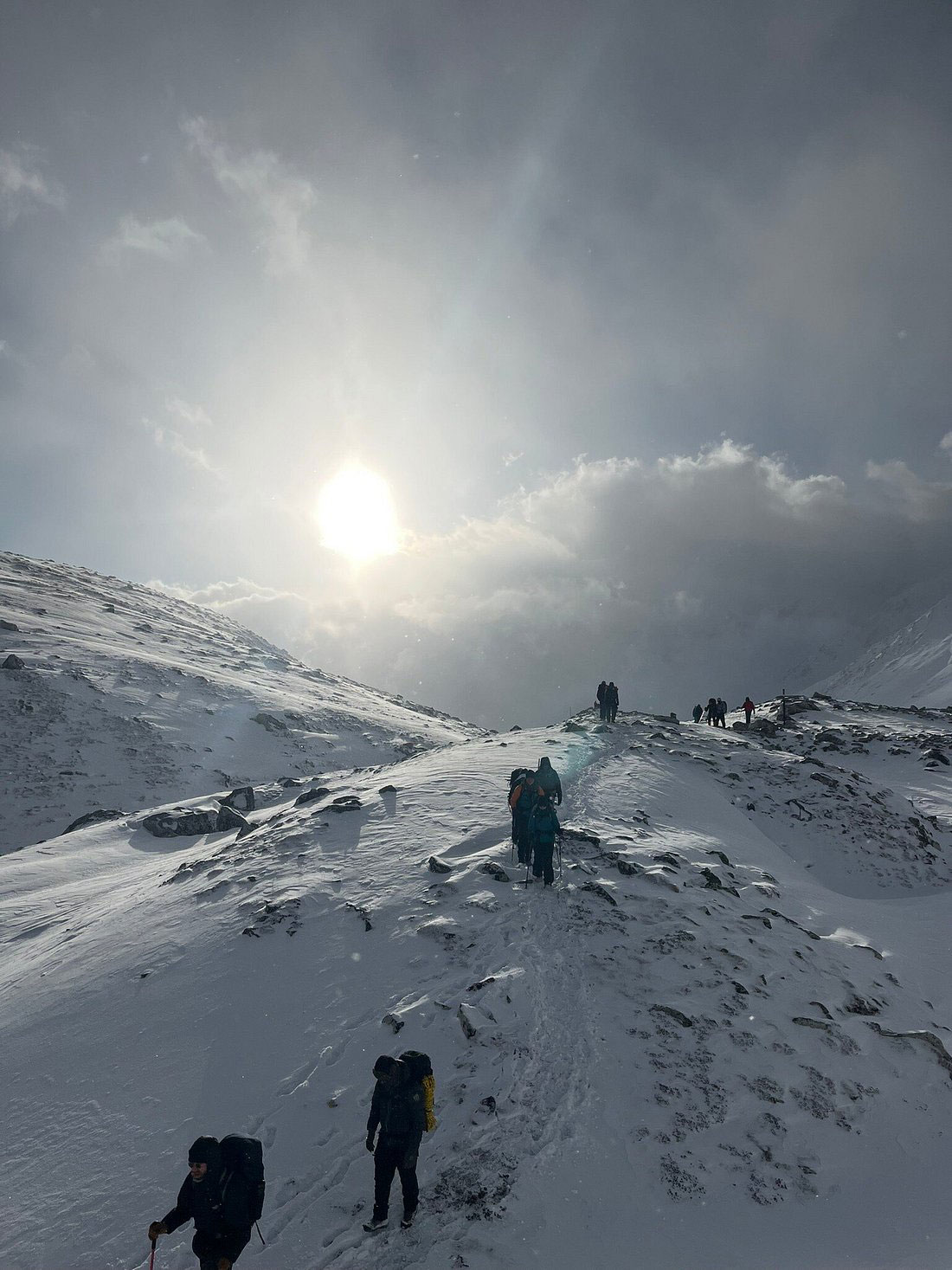
The most important section is the approach to Larkya La Pass. In November, the trail leading up to the pass is usually clear, with only occasional patches of ice or light snow, especially in shaded areas or early mornings. Heavy snow is uncommon in early to mid-November, which makes the crossing more accessible compared to winter months.
However, conditions can still change at higher altitude. Early starts are important because the trail is more stable and less windy in the morning. As the day progresses, wind can increase, and colder temperatures can make exposed sections feel more challenging.
Overall, the trail in November offers a strong combination of dry paths, stable footing, and clear visibility, which makes trekking safer and more enjoyable. Compared to wetter or colder seasons, the ground reality in November allows trekkers to focus more on the experience and less on the difficulty of the terrain.
How Crowded is Manaslu Circuit Trek in November?
The Manaslu Circuit Trek in November sits in Nepal’s peak trekking season, yet the experience on the trail feels very different from the busy routes most people imagine. Because Manaslu is a restricted and less commercial region, the number of trekkers remains naturally limited. Even in November, the trail never feels congested, and you still get a strong sense of space, silence, and connection with the mountains.
In the lower sections from Machha Khola to Jagat, the trail feels open and relaxed. You may come across a few groups starting their journey, but there is no sense of rush or crowd pressure. Walkers spread out naturally, and the rhythm of the trek stays calm and personal. This makes the early part of the journey feel smooth and enjoyable, even during the busy season.
As you move higher towards Namrung, Lho, and Samagaun, the trail becomes slightly more active. These are key stopping points for acclimatization, so you will meet more trekkers in teahouses during the evening. However, this creates a positive atmosphere rather than congestion. There is a sense of shared journey, where trekkers exchange stories and experiences, while still enjoying quiet and independent walking during the day.
Teahouses in November are fully open and operating at their best. In popular villages like Samagaun and Samdo, rooms can fill up earlier in the day, especially during peak weeks. With proper planning and guidance, accommodation is usually well managed. Even when teahouses are busy, the environment remains simple and authentic, without the commercial feeling seen in more crowded trekking regions.
The only place where you may notice a higher number of trekkers is near Larkya La Pass. Since most groups aim to cross the pass early in the morning for better weather and safety, there can be a temporary gathering of trekkers. Still, the long ascent naturally spreads everyone out, and the vast open landscape keeps the experience peaceful rather than crowded.
Compared to popular routes like the Everest Base Camp Trek or the Annapurna Circuit Trek, Manaslu in November feels significantly quieter and more natural. You get the benefit of a well-established trekking season, with open lodges and good support, but without losing the remote Himalayan character.
In simple terms, November offers a rare balance. The trail feels active but not crowded, social but still peaceful. This balance is one of the main reasons why many trekkers consider November the perfect time to experience the Manaslu Circuit.
Visibility and Mountain Views in November
One of the strongest reasons trekkers choose November for the Manaslu Circuit Trek is the exceptional clarity of mountain views. This is the time when the atmosphere is at its cleanest after the monsoon season, allowing the Himalayan peaks to appear sharp, bright, and incredibly close throughout the journey.
In November, mornings begin with clear, open skies. As the first light reaches the mountains, peaks like Mount Manaslu glow with soft golden color. From villages such as Lho and Samagaun, the mountain feels almost within reach, with every ridge, glacier line, and snow detail clearly visible. The air is still, the sky deep blue, and visibility stretches far across the valley without interruption.
In places like Lho, it is common to see the first sunlight touch Mount Manaslu while the valley below is still in shadow. This creates a quiet and powerful contrast that many trekkers remember as one of the most special moments of the entire journey.
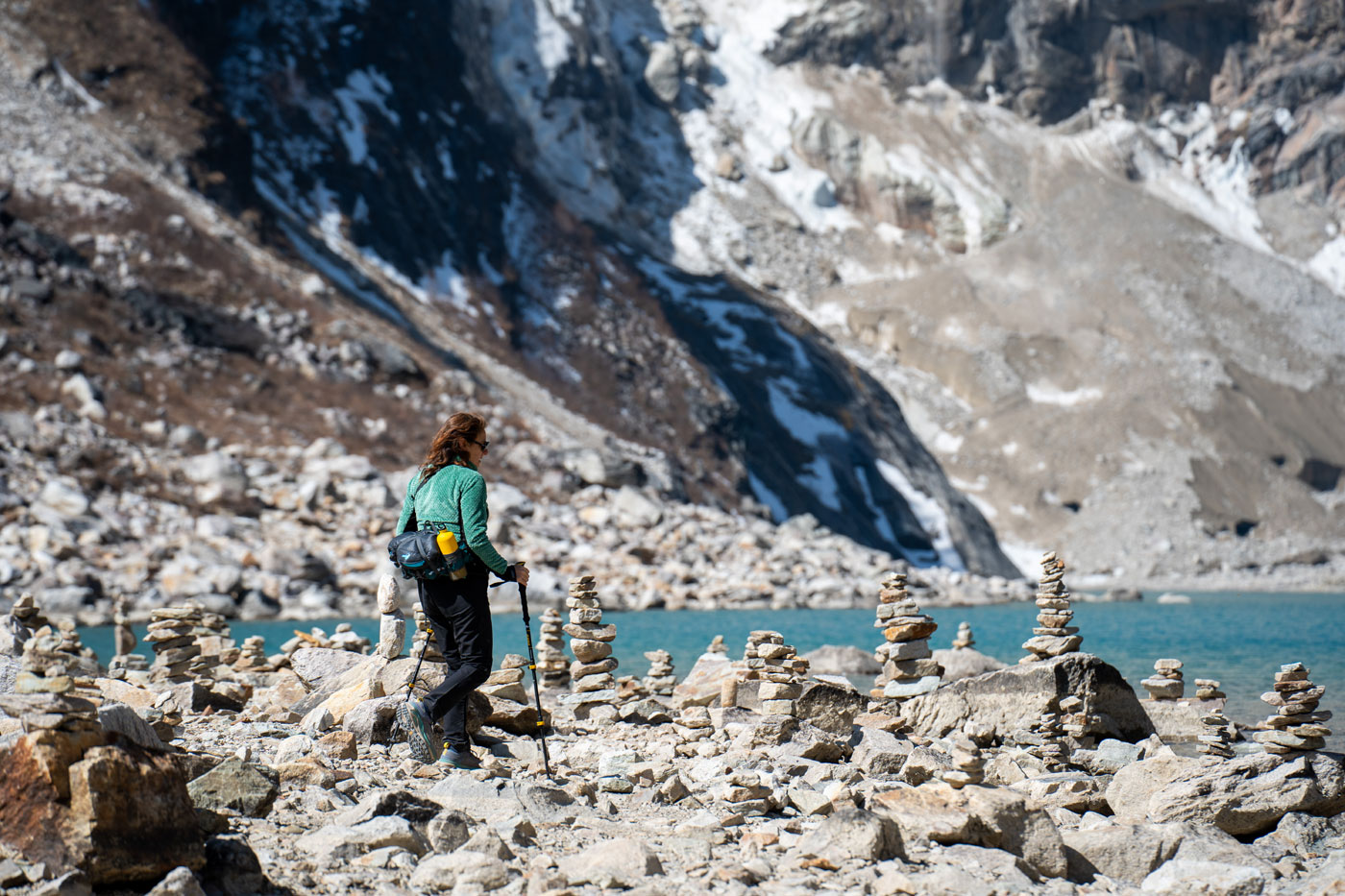
Around Samagaun, one of the most striking natural features is Birendra Lake. In November, the lake often appears deep blue and incredibly clear, reflecting the surrounding peaks under stable sky conditions. The calm surface, combined with the sharp mountain backdrop, creates a quiet and memorable scene that adds a different perspective to the overall mountain experience.
Unlike other seasons, this clarity is not limited to early hours. The sky often remains stable for most of the day, allowing trekkers to enjoy continuous views while walking. There is no need to rush for early glimpses before clouds build. Instead, the mountains remain visible as you move along the trail, whether crossing suspension bridges, walking through forest sections, or entering the open alpine landscape.
As the trek gains altitude towards Samdo and the approach to Larkya La Pass, the scenery becomes wider and more dramatic. Multiple peaks, glaciers, and long ridgelines appear together, creating a strong sense of scale. The dry air and low humidity enhance depth, making even distant mountains appear clear and well defined.
Another defining feature of November is the quality of light. Bright sunlight creates a strong contrast between snow-covered peaks and darker valley terrain, making the landscape more vivid and visually striking. Early mornings offer soft, calm lighting, while late afternoons bring a warmer tone that changes the mood of the same mountains.
What truly sets November apart is consistency. Clear mountain views are not occasional highlights. They become part of the daily experience. Day after day, the mountains remain visible, allowing trekkers to stay fully connected with the landscape without interruption.
In practical terms, November offers some of the most reliable and uninterrupted mountain views on the Manaslu Circuit. The combination of clean air, stable weather, and extended visibility makes every stage of the trek visually rewarding, from the lower valleys to the high mountain pass.
Is November Too Cold for Manaslu Circuit Trek?
A common concern among trekkers planning the Manaslu Circuit Trek is whether November becomes too cold for a comfortable journey. In practical terms, November is cold at higher altitudes, but it is not too cold for trekking when properly prepared.
At lower elevations such as Machha Khola, Jagat, and Deng, temperatures remain quite comfortable during the day. Walking conditions feel pleasant under the sun, and a light layer is usually enough. Evenings and early mornings are cooler, but still manageable without extreme cold.
As you move higher towards Namrung, Lho, and Samagaun, the temperature gradually drops. Days are still enjoyable for trekking, especially with clear skies and sunlight, but mornings and nights become noticeably colder. It is common to feel frost in the early hours, and water can freeze overnight in higher villages.
In places like Samdo, mornings often begin with frozen ground and a thin layer of frost around the teahouse. The air feels sharp and cold at first, but once the sun rises, the temperature quickly becomes more comfortable for walking, and the day opens up with clear mountain views.
The real cold begins as you approach Samdo, Dharamsala, and especially near Larkya La Pass. Here, temperatures can fall well below freezing, particularly at night and during early morning starts. Wind can also add to the cold, making exposed sections feel more challenging.
However, what makes November manageable is the balance between cold and comfort. While nights are cold, daytime trekking conditions remain stable and clear. The sun provides warmth during walking hours, which helps maintain overall comfort throughout the day.
Another important point is that November cold is dry cold, not damp or penetrating like in monsoon or deep winter conditions. This makes it easier to manage with proper layering, gloves, and a good sleeping bag. A good quality sleeping bag and proper layering system make a clear difference in comfort during colder nights at higher altitude.
From real trekking experience, most trekkers find November conditions comfortable as long as they are prepared with the right gear. The cold is noticeable, especially at higher elevations, but it does not become a limiting factor for completing the trek.
In reality, the slightly colder temperatures are also part of what makes November special. They help maintain clear skies, reduce cloud formation, and create the crisp mountain atmosphere that defines the Himalayan experience.
Overall, November is not too cold for the Manaslu Circuit Trek. With proper preparation, it offers a comfortable and highly rewarding trekking environment, combining fresh air, clear views, and stable conditions.
Crossing Larkya La Pass in November
Crossing Larkya La Pass at 5,160 meters is the most challenging and rewarding part of the Manaslu Circuit Trek, and in November, this section becomes both more accessible and more predictable compared to colder winter months.
In November, the approach to the pass from Dharamsala (Larkya Phedi) is usually clear and well-defined. The trail is mostly dry, with occasional patches of ice or light snow, especially in shaded sections. Heavy snowfall is uncommon in early to mid-November, which makes the crossing more manageable and less technically demanding.
The day of crossing typically starts very early, often before sunrise. This is not just routine, but an important safety practice. Mornings in November are generally calm, with minimal wind and stable conditions. As the day progresses, wind can increase, especially in exposed sections near the top, making the crossing more physically demanding.
During the ascent, the trail gradually climbs over open terrain with wide mountain views. The air feels thin, and the pace naturally slows down. The cold is noticeable in the early hours, especially before the sun reaches the higher slopes. Hands and face can feel cold, but once sunlight touches the trail, the temperature becomes more manageable.
A common real experience is stepping onto frozen ground early in the morning, where the trail feels firm and slightly icy underfoot. As the sun rises, the surface softens slightly, making walking easier and more comfortable. These small changes in trail condition are part of the natural rhythm of crossing the pass in November.
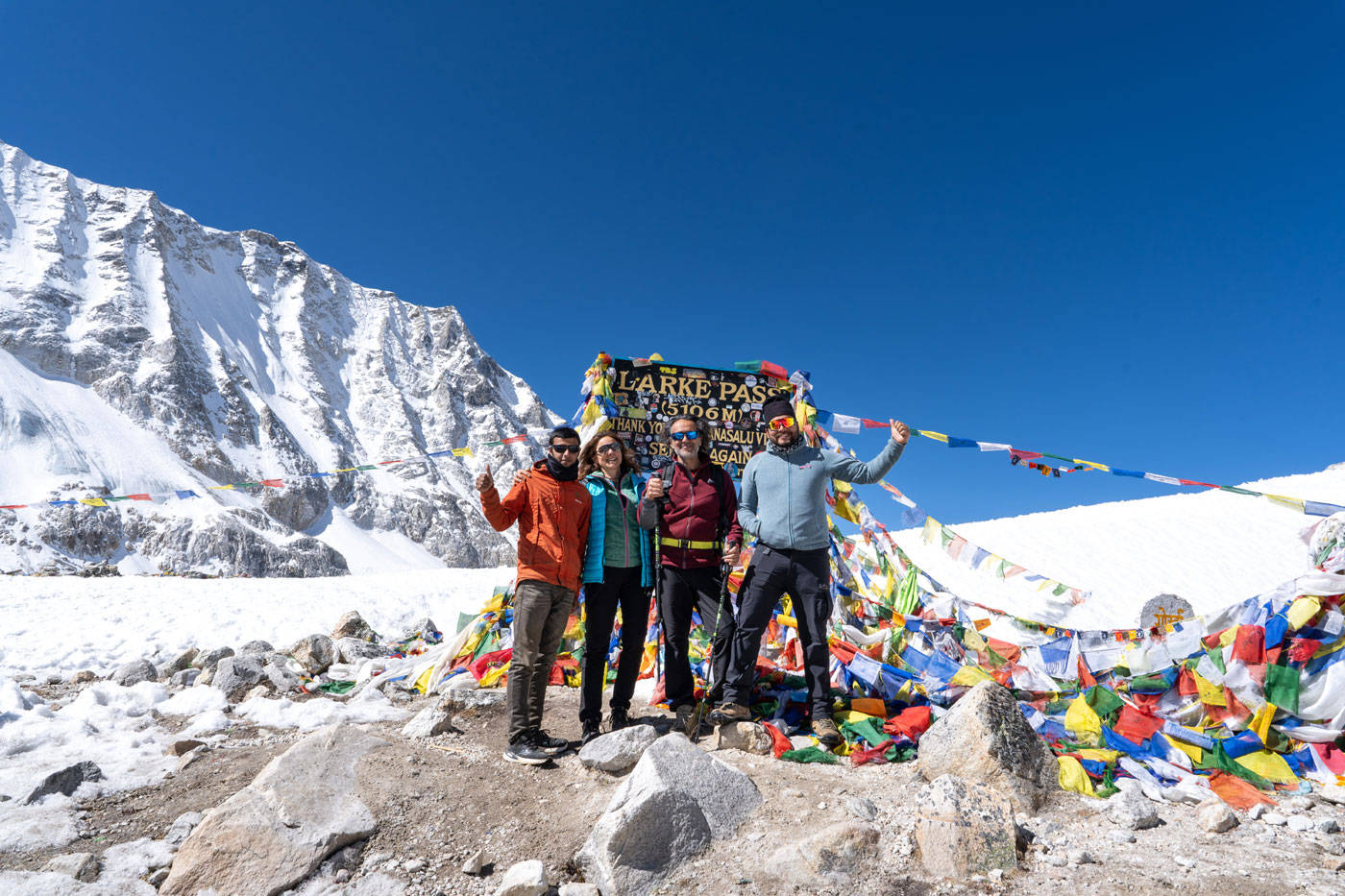
Reaching the top of Larkya La Pass in November often feels quiet and powerful. With clear skies and minimal cloud cover, the surrounding peaks appear wide and open, and standing at 5,160 meters brings a deep sense of achievement after days of gradual ascent. The prayer flags at the summit move gently in the wind, and many trekkers take a moment here to pause, look around, and fully absorb the scale of the Himalaya.
The descent towards Bimthang is longer and can feel tiring, but the trail remains stable. Snow patches may appear in some sections, but they are usually manageable without technical equipment. Careful footing is important, especially in the first part of the descent.
In practical terms, November offers one of the best windows to cross Larkya La Pass. The balance of clear weather, limited snow, and stable trail conditions makes the experience safer and more enjoyable compared to late winter or early spring.
With a proper early start, steady pace, and basic preparation for cold conditions, crossing Larkya La in November becomes a challenging but highly achievable highlight of the Manaslu Circuit Trek.
Manaslu Trek Difficulty Level in November
The Manaslu Trek is generally considered a moderate to challenging trek, and in November, the overall difficulty feels more balanced and manageable compared to many other months of the year.
In practical terms, November does not reduce the physical effort required, but it removes many of the external challenges that trekkers face in other seasons. The daily walking duration remains similar, usually around 6 to 8 hours, with longer days during key sections like the crossing of Larkya La Pass. The altitude gain, terrain variation, and endurance required stay consistent regardless of the season.
What makes November feel easier is the stability of conditions. Trails are dry and firm, which improves footing and reduces the risk of slipping. In contrast, monsoon months bring mud, leeches, and unstable paths, while winter introduces heavy snow and extreme cold, both of which significantly increase the level of difficulty.
Weather predictability is another important advantage. Clear skies and stable conditions allow trekkers to follow the itinerary smoothly without frequent delays. This reduces both physical and mental stress, especially in higher sections where weather plays a direct role in safety and pacing.
Compared to spring, which is also a popular trekking season, November often offers clearer skies and better visibility. However, temperatures are colder, particularly in the mornings and at night. This requires proper preparation, but does not significantly increase the overall difficulty of the trek.
Altitude remains the main challenge in any season. As you move above Samagaun and towards higher sections, your body naturally slows down due to reduced oxygen levels. Proper acclimatization, steady pacing, and awareness of your physical condition remain essential.
On longer days, especially during the ascent towards Larkya La Pass, many trekkers begin to feel the combined effect of altitude and distance more clearly. The pace becomes slower, breathing feels heavier, and short breaks become more frequent. This is a normal and expected part of trekking at high elevation, not a sign of weakness.
A common real experience in November is feeling physically comfortable while walking under the sun during the day, but noticing the cold more during early starts and evenings. This contrast is manageable with proper layering and does not add significant difficulty to the overall journey.
In comparison, November offers a more balanced trekking experience. It is easier than winter due to less snow and milder conditions, easier than monsoon due to dry and stable trails, and similar to spring in physical effort, but with clearer visibility and colder nights.
Overall, November provides one of the most favorable conditions to complete the Manaslu Circuit Trek. The physical challenge remains real, but the stable weather, clear trails, and predictable conditions make the experience smoother, safer, and more achievable for trekkers.
Understanding the real difficulty of Manaslu Circuit Trek helps you prepare better for high-altitude sections.
Accommodation and Food Availability in November
Accommodation and food along the Manaslu Circuit Trek in November are at their most reliable and well-prepared stage of the trekking season. This is one of the busiest months in the region, which means teahouses are fully open, properly stocked, and ready to host trekkers throughout the route.
In lower and mid-altitude villages such as Jagat, Deng, Namrung, and Lho, teahouses offer simple twin-sharing rooms with basic but clean facilities. Dining areas are warm and inviting, often centered around a communal stove where trekkers gather in the evening. The environment feels active and welcoming, while still maintaining the authentic character of the region.
As you move higher towards Samagaun and Samdo, accommodation becomes more basic due to the remote location. Rooms are simpler and facilities are limited, but teahouses are experienced in managing trekkers during the peak season. With proper planning and timely arrival, accommodation is generally well organized even during busy periods.
Food availability in November is consistent and dependable. Most teahouses offer a variety of meals including dal bhat, noodles, soups, fried rice, pasta, and simple breakfast options such as porridge, eggs, and bread. Meals are prepared fresh and designed to provide enough energy for long trekking days at higher altitude.
After a full day on the trail, sitting inside a warm dining room with a hot meal becomes one of the most satisfying parts of the experience. As temperatures drop outside, the simple routine of eating, resting, and sharing the space with other trekkers creates a strong sense of comfort and connection.
At higher elevations, especially near Dharamsala before crossing Larkya La Pass, both accommodation and food options become more limited. The focus here is on providing essential meals and basic shelter before the pass crossing. Expectations should remain practical, but this section is well understood as part of the overall high-altitude experience.
Charging and internet services are available in many teahouses along the route, but they become limited and less reliable as you gain altitude. It is useful to plan accordingly, especially in higher villages.
In practical terms, November offers one of the most dependable conditions for accommodation and food on the Manaslu Circuit. With teahouses fully operational, stable food supply, and a balanced level of comfort, trekkers can focus on the journey itself without major logistical concerns.
Pros and Cons of Trekking Manaslu Circuit in November
The Manaslu Circuit Trek in November offers one of the most balanced trekking experiences in the Himalaya, combining clear mountain views, stable weather, and reliable trail conditions. For many trekkers, this month provides an ideal window where most elements of the journey come together smoothly.
One of the biggest advantages of November is the consistency of mountain visibility. The air is clean after the monsoon, and the sky remains clear for longer periods throughout the day. This allows trekkers to enjoy uninterrupted views without feeling the need to rush early in the morning before clouds appear.
Weather stability is another major benefit. Rainfall is almost absent, and daily conditions remain predictable, which helps maintain a steady trekking pace. This becomes especially important in higher sections near Larkya La Pass, where stable weather directly improves both safety and overall experience.
Trail conditions also work strongly in favor of November. The paths are dry and firm, making walking more comfortable and reducing the risk of slips or delays. Compared to monsoon months with muddy trails or winter periods with heavy snow, November offers a smoother and more controlled trekking environment.
At the same time, the Manaslu region maintains its quieter character even during this popular season. While there is a steady flow of trekkers, the trail never feels crowded. This creates a natural balance where you can enjoy both peaceful walking and occasional social interaction in teahouses.
However, there are a few practical considerations to keep in mind. Temperatures begin to drop, especially at higher elevations. Early mornings and nights can feel quite cold, particularly in villages like Samdo and near the pass. With proper layering and a good sleeping bag, this remains manageable for most trekkers.
Another factor is that November is a busy trekking month, which means accommodation in key villages can fill up faster. With good planning and early arrival, this is generally well handled, but it requires some awareness during peak periods.
Daylight hours also become slightly shorter compared to earlier months, making it important to start trekking earlier in the day. This helps maintain a comfortable pace and avoids walking in colder late afternoon conditions.
In practical terms, the advantages of trekking Manaslu in November clearly outweigh the limitations. The combination of clear views, stable weather, and dependable trail conditions creates a highly favorable environment for trekking.
For most trekkers, the colder temperatures and seasonal activity are minor trade-offs compared to the overall quality of the experience. November remains one of the most reliable and rewarding times to complete the Manaslu Circuit Trek.
Who Should Trek Manaslu Circuit in November?
The Manaslu Circuit Trek in November is best suited for travelers who are looking for a well-balanced Himalayan experience with clear weather, stable conditions, and a quieter trekking environment.
This trek is ideal for active travelers who enjoy walking for multiple days across varied terrain. With daily trekking hours typically ranging between 6 to 8 hours and gradual altitude gain, November provides supportive conditions that make the journey feel steady and manageable without added difficulty from weather or trail disruptions.
It is also an excellent choice for photographers and nature lovers. November offers some of the clearest skies of the year, allowing uninterrupted mountain views throughout the day. The combination of sharp visibility, clean air, and strong natural light creates ideal conditions for capturing the landscape at its best.
For trekkers who prefer a less crowded experience, the Manaslu region in November offers a clear advantage. Even during the main trekking season, the trail remains peaceful compared to more popular routes, allowing space to walk at your own pace and enjoy the surroundings without pressure.
This trek is suitable for first-time high-altitude trekkers who are physically prepared and follow a well-planned itinerary. The stable weather conditions help reduce external challenges, allowing beginners to focus more on pacing and acclimatization.
At the same time, it remains highly rewarding for experienced trekkers seeking a more remote and authentic route. The combination of traditional villages, changing landscapes, and the high pass crossing creates a complete and engaging trekking experience.
November conditions also work well for small groups, couples, and solo travelers with a guide who prefer flexibility and a more personal trekking pace. The overall environment supports both independent-style trekking within a guided structure and shared moments in teahouses along the way.
Many trekkers who choose November often find the conditions more predictable and comfortable, which makes the journey easier to manage both physically and mentally throughout the trek.
In practical terms, this trek is best for those who are comfortable with basic mountain accommodation, prepared for colder temperatures at higher altitude, and interested in a complete trekking experience rather than a luxury-focused trip.
Overall, the Manaslu Circuit Trek in November is ideal for travelers who value clear mountain views, stable trekking conditions, authentic cultural experience, and a balanced level of challenge in the Himalaya.
Tips for Trekking Manaslu Circuit in November
Trekking the Manaslu Circuit Trek in November is generally smooth and rewarding, but a few practical tips can make a noticeable difference in comfort, safety, and overall experience. These are based on real trekking conditions during this season.
Starting your day early is one of the most important habits to follow. Mornings in November are usually clear and calm, especially in higher sections. Beginning your walk early not only gives you better mountain views but also helps you avoid stronger winds later in the day, particularly when approaching Larkya La Pass.
Layering your clothing properly is essential. Temperatures can change quickly from cold mornings to warm daytime conditions. Wearing multiple light layers allows you to adjust easily while walking, instead of feeling too cold or overheated. Keeping gloves, a warm hat, and a down jacket accessible during early hours is helpful.
Maintaining a steady and comfortable pace is more important than walking fast. As you gain altitude, your body naturally slows down. Taking small, regular breaks and walking consistently helps with acclimatization and reduces fatigue over longer days.
Staying hydrated is often overlooked in colder conditions. In November, the cool weather can reduce the feeling of thirst, but your body still needs regular fluid intake. Drinking enough water throughout the day supports energy levels and helps prevent altitude-related discomfort.
Planning your daily stops with some flexibility is also useful. While November offers stable conditions, small adjustments in timing can improve your experience, especially in busy villages where accommodation fills up earlier.
Keeping essential items easily accessible during the day can make trekking more comfortable. Items like sunglasses, sunscreen, snacks, and a water bottle are frequently needed and should not be packed deep inside your bag.
Being prepared for colder nights is important, especially in higher villages. A good sleeping bag and proper layering ensure better rest, which directly affects your energy for the following day.
Another helpful tip is to stay mentally relaxed and flexible. Even with good planning, small changes in pace or schedule can happen in the mountains. Accepting these as part of the journey helps maintain a positive experience throughout the trek.
In practical terms, trekking Manaslu in November becomes much easier when you focus on simple habits such as starting early, pacing well, staying warm, and keeping your routine consistent. These small details often make the biggest difference in how comfortable and enjoyable the trek feels.
Tips for Trekking Manaslu Circuit in November
Trekking the Manaslu Circuit Trek in November is generally smooth and well-supported by stable conditions, but small practical decisions during the trek can make a significant difference in overall comfort and experience.
Starting early each day is one of the most effective habits. November mornings are typically calm, clear, and less windy, especially at higher elevations. Walking during these hours not only provides the best mountain views but also helps avoid stronger winds that often develop later in the day, particularly near exposed areas such as Larkya La Pass.
Managing your pace is equally important. At higher altitude, the body naturally slows down, and maintaining a steady rhythm becomes more effective than trying to walk fast. Short, regular breaks help conserve energy and support proper acclimatization without unnecessary fatigue.
Clothing management plays a key role in November. Conditions can shift from cold mornings to warm sunlight within a few hours. Using a layered system allows you to adjust easily while walking, keeping your body temperature balanced throughout the day. Keeping essential warm items like gloves and a jacket easily accessible helps during early starts.
Hydration remains important even in cooler weather. The dry air at altitude can lead to dehydration without strong thirst signals. Drinking water regularly throughout the day supports energy levels and helps the body adapt more efficiently to altitude.
Planning your daily movement with some flexibility is also useful. While November offers stable weather, arriving slightly earlier in key villages helps secure better accommodation during busier periods and allows more time to rest and recover.
Keeping frequently used items within easy reach improves comfort during the day. Sunglasses, sunscreen, snacks, and water should be accessible without needing to stop and unpack your bag.
Preparing properly for colder evenings improves overall recovery. Nights become noticeably colder at higher elevations, and staying warm helps ensure better rest, which directly affects your performance the following day.
Another important aspect is maintaining a relaxed and adaptable mindset. Even in a stable season like November, small changes in pace or timing can occur. Accepting these as part of the journey helps keep the experience positive and enjoyable.
Many trekkers find that November feels more manageable than expected, not because the trek is easier, but because the conditions support a steady and predictable routine throughout the journey.
In practical terms, focusing on simple habits such as starting early, pacing consistently, staying warm, and remaining flexible allows trekkers to fully enjoy the Manaslu Circuit under some of the best seasonal conditions.
Common Mistakes to Avoid on the Manaslu Circuit Trek in November
Trekking the Manaslu Circuit Trek in November offers stable and rewarding conditions, but small mistakes can still affect comfort, safety, and overall experience. Being aware of these common issues helps trekkers avoid unnecessary difficulty and enjoy the journey more smoothly.
One of the most common mistakes is starting the day too late. November days are shorter, and conditions are usually best in the morning. Late starts can lead to walking in colder temperatures or facing stronger winds, especially near exposed areas like Larkya La Pass. Beginning early allows a more relaxed pace and better use of daylight.
Another frequent mistake is underestimating the cold at higher altitude. While daytime trekking can feel comfortable, mornings and nights become significantly colder, especially in villages like Samdo. Not having proper layers or a warm sleeping setup can affect rest and overall energy levels.
Some trekkers also make the mistake of walking too fast in the early days. The trail may feel easy at lower elevations, but gaining altitude too quickly can make the later part of the trek more challenging. A steady and consistent pace is more effective than trying to cover distance quickly.
Ignoring hydration is another common issue. In cooler weather, the feeling of thirst decreases, but the body still needs regular water intake. Not drinking enough can lead to fatigue and make altitude adjustment more difficult.
Another practical mistake is arriving late at teahouses during busy days. November is an active trekking month, and reaching your destination earlier in the afternoon gives you better room options and more time to rest.
Some trekkers tend to pack items deep inside their bags that are needed frequently during the day. Keeping essentials like sunglasses, sunscreen, snacks, and water easily accessible avoids unnecessary stops and improves overall comfort while walking.
A less obvious but important mistake is not adjusting clothing during the day. Wearing too many layers while walking can lead to sweating, which later causes discomfort when temperatures drop. Managing layers properly helps maintain a balanced body temperature.
Another point to consider is not preparing mentally for changing conditions. Even in a stable month like November, small variations in pace, weather, or timing can occur. Staying flexible and calm helps maintain a positive trekking experience.
Many trekkers later realize that the journey feels much smoother when they focus on simple habits rather than overthinking the route or conditions.
In practical terms, avoiding these common mistakes allows you to experience the Manaslu Circuit in November in a more comfortable, safe, and enjoyable way. Small adjustments in daily routine often make the biggest difference on the trail.
FAQs About Manaslu Circuit Trek in November
Is November a safe time to do the Manaslu Circuit Trek?
Yes, November is considered one of the safest months for the Manaslu Circuit Trek. Weather patterns are stable, rainfall is minimal, and trail conditions are generally reliable. With proper acclimatization and preparation, the trek can be completed safely under normal conditions.
Is it possible to see snow on the Manaslu Circuit in November?
Light snow is possible at higher elevations, especially near Larkya La Pass, particularly in late November. However, heavy snowfall is uncommon in early to mid-November, and most of the trail remains accessible.
Do I need a guide for Manaslu Circuit Trek in November?
Yes, a licensed guide is required for the Manaslu Circuit Trek as it is a restricted area. Independent trekking is not permitted. A guide also helps manage permits, accommodation, and navigation throughout the route.
How many days are ideal for the Manaslu Circuit Trek in November?
Most trekkers complete the Manaslu Circuit in 12 to 14 days. This duration allows proper acclimatization, comfortable pacing, and a safe crossing of the high pass without rushing.
Are teahouses open and available in November?
Yes, teahouses are fully operational in November. This is one of the busiest trekking months, so accommodation and food are consistently available throughout the route, although early arrival is recommended in popular villages.
Can beginners do the Manaslu Circuit Trek in November?
Yes, beginners with good physical fitness and proper preparation can complete the trek in November. Stable weather conditions make it easier to manage compared to more challenging seasons, but proper acclimatization and pacing are still essential.
How cold does it get during the Manaslu Circuit Trek in November?
Temperatures vary by altitude. Lower areas remain comfortable, while higher sections can drop below freezing, especially at night. Cold conditions are manageable with proper clothing and equipment.
Is altitude sickness a concern in November?
Yes, altitude sickness is a possibility regardless of the season. November’s stable weather helps with steady acclimatization, but trekkers should follow a gradual ascent and stay aware of symptoms.
What permits are required for the Manaslu Circuit Trek?
Trekkers need a restricted area permit along with conservation permits for the Manaslu and Annapurna regions. These are arranged through a registered trekking company and guide.
Is November better than October for Manaslu Circuit Trek?
Both months are excellent, but November often offers slightly clearer skies and better visibility, while October may have slightly warmer temperatures. November is often preferred for its consistency and clarity.