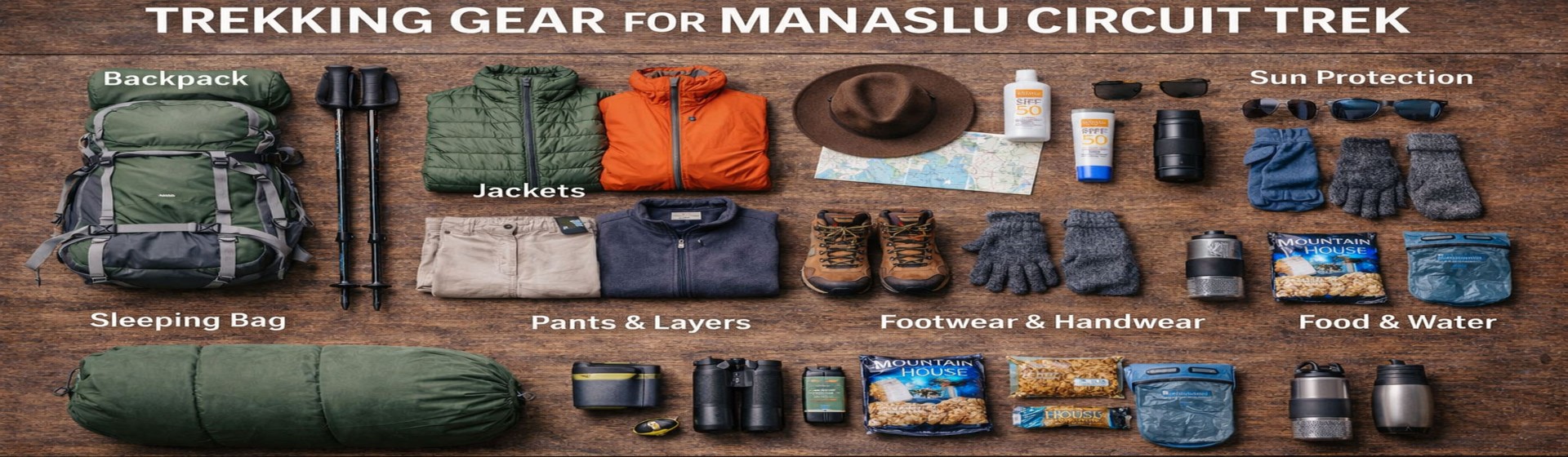
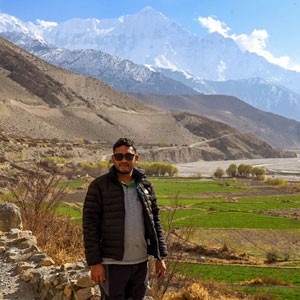
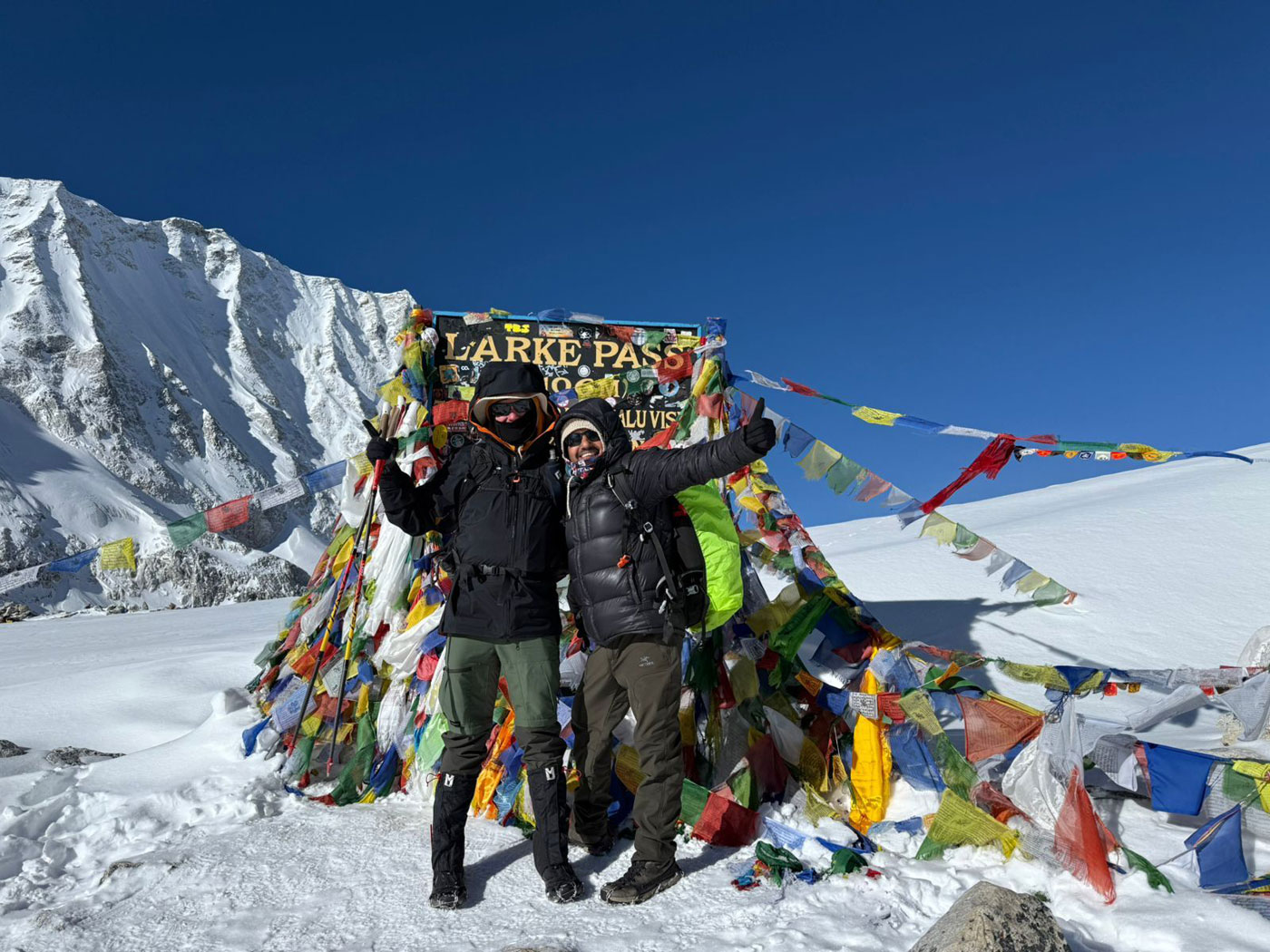
Packing for the Manaslu Circuit Trek is very different from packing for a normal hiking trip. This trek takes you through remote Himalayan valleys, traditional mountain villages, and high altitude terrain where weather conditions can change quickly. From warm river valleys to freezing temperatures near Larkya La Pass, your gear needs to handle everything.
One of the biggest mistakes trekkers make is either packing too much or missing essential items. Because the Manaslu region is less commercialized than Everest and Annapurna, you cannot rely on buying gear along the trail. Proper preparation before starting the trek is important.
Before packing, it is helpful to review the Manaslu Circuit Trek itinerary to understand the route, altitude, and daily conditions.
In this guide, you will find a complete Manaslu Circuit Trek packing list for 2026/2027 based on real trekking experience. It is designed to help you pack light, stay comfortable, and be fully prepared for the conditions you will face during the trek.
Quick Packing Overview
The Manaslu Circuit Trek does not require luxury gear, but it does require smart packing. The route passes through warm lower valleys, cold upper villages, and exposed high-altitude terrain, so your gear needs to work across very different conditions.
For most trekkers, the ideal setup is a small daypack for daily items and a duffel bag carried by a porter. Your daypack should include water, snacks, a warm layer, sunscreen, and personal essentials, while your duffel should stay around 10 to 12 kg for comfort.
A good packing plan should focus on five key needs: layered clothing, weather protection, reliable footwear, sleeping comfort, and basic health items. The goal is not to pack more, but to pack smarter.
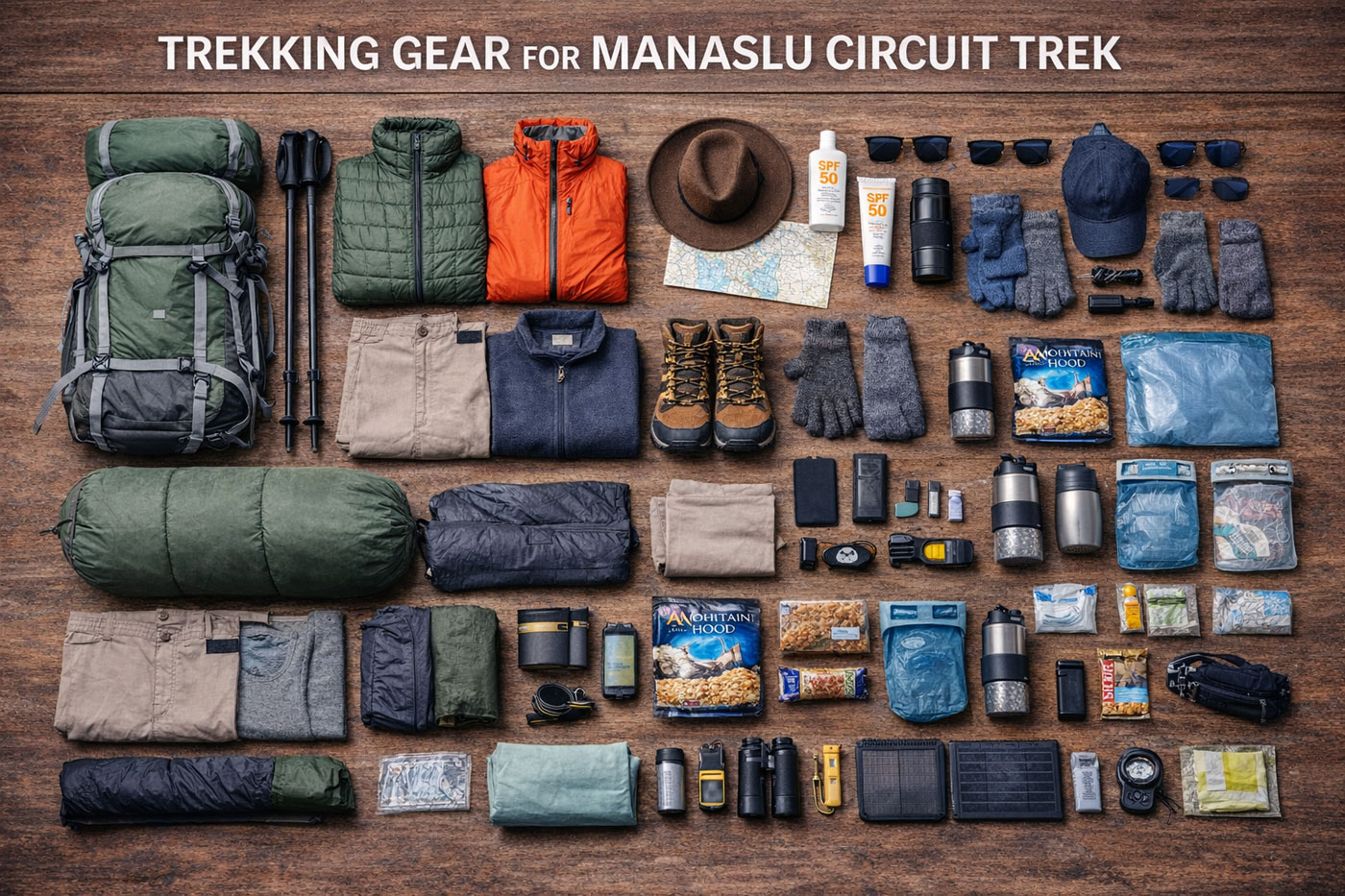
Quick Packing Facts
- Trek duration: 12 to 15 days
- Maximum altitude: 5,160 meters (Larkya La Pass)
- Temperature: mild in lower areas, below freezing at higher altitude
- Layering is more effective than heavy clothing
- Sleeping bag recommended for higher villages
- Well broken-in trekking boots are essential
- Keep your main bag light and your daypack practical
Essential Packing List for Manaslu Circuit Trek
Packing for the Manaslu Circuit Trek is all about balance. You need to be prepared for cold temperatures, changing weather, and remote conditions, but at the same time, your bag should stay light enough to carry comfortably throughout the trek.
The best approach is to follow a simple layered system and carry only what you will actually use. Below is a complete and practical packing list based on real trekking conditions on the Manaslu Circuit.
Clothing (Layering System)
Layering is the most important part of your packing. Temperatures can change quickly depending on altitude and time of day.
- Thermal base layer (top and bottom)
- Trekking t-shirts (2 to 3 pieces)
- Long sleeve shirt (sun protection)
- Fleece or mid-layer jacket
- Down jacket (essential for cold evenings and mornings)
- Waterproof and windproof jacket
- Waterproof pants
A good down jacket makes a big difference above Samdo and Dharmasala, where temperatures can drop below freezing.
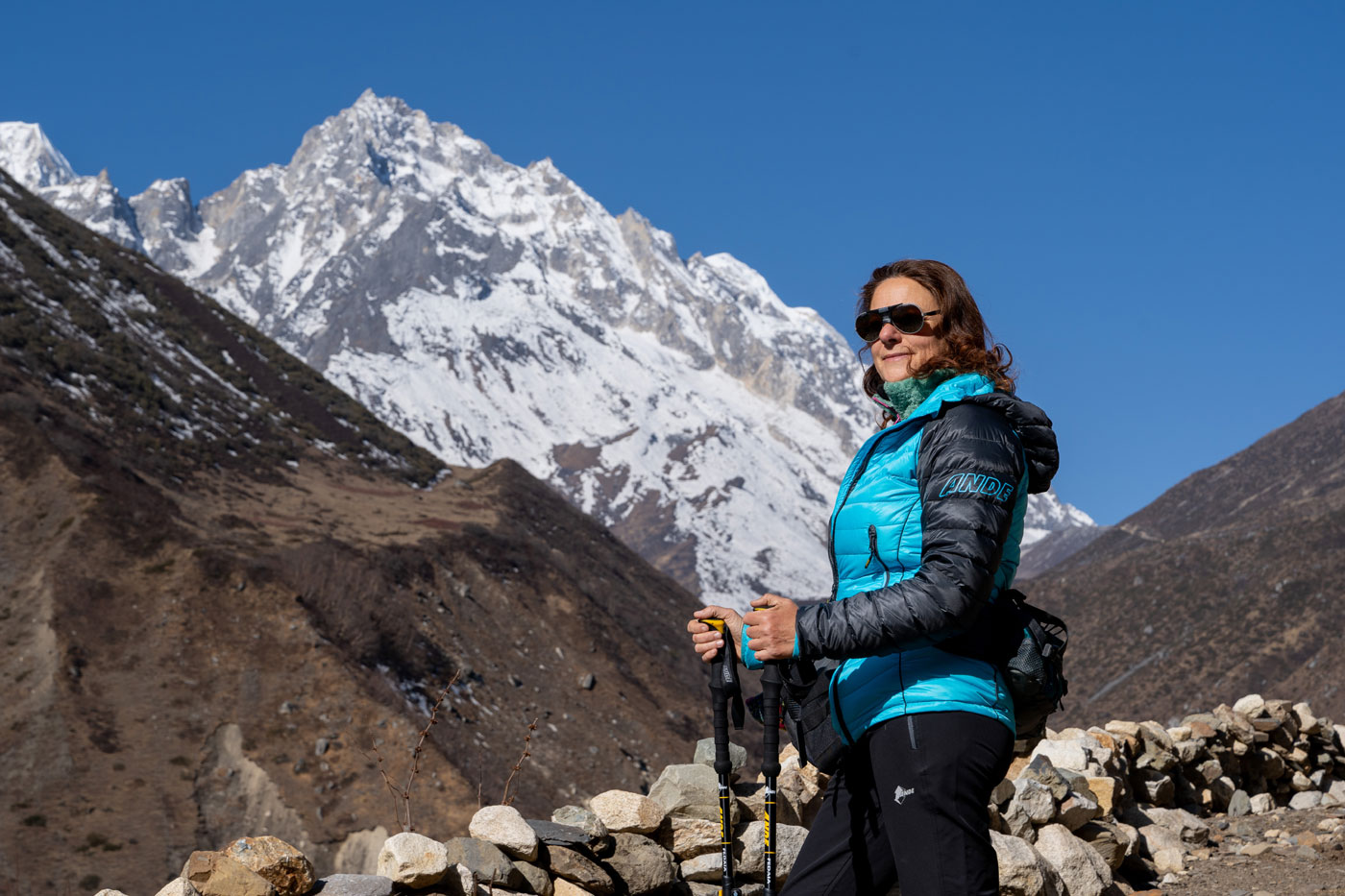
Trekking Wear
- Trekking pants (2 pairs recommended)
- Comfortable shorts (optional for lower sections)
- Underwear (quick-dry preferred)
- Trekking socks (3 to 4 pairs)
- Warm socks for higher altitude
Avoid cotton clothing. Quick-dry materials are much more comfortable during long trekking days.
Footwear
- Trekking boots (well broken-in, not new)
- Camp shoes or sandals
Bags
- Duffel bag (for porter, around 10-12 kg)
- Daypack (20-30 liters)
Keep your daypack light but include essentials like water, snacks, warm layer, and sunscreen.
Sleeping Gear
- Sleeping bag (-10°C to -15°C recommended)
Teahouses provide blankets, but they may not be enough in higher villages like Samdo and Dharmasala.
Accessories
- Warm gloves
- Beanie / wool hat
- Sun hat or cap
- Sunglasses (UV protection)
Sun exposure is strong at high altitude, even when it feels cold.
Water & Hydration
- Refillable water bottles
- Water purification tablets or filter
Avoid buying too many plastic bottles. Boiled or purified water is widely used.
Essentials
- Headlamp with extra batteries
- Power bank
- Charging cables
Charging is limited and often paid in higher villages.
Personal Items
- Toiletries
- Wet wipes
- Sunscreen
- Lip balm
- Hand sanitizer
First Aid
- Basic medicines (pain relief, cold, stomach issues)
- Personal medications
- Diamox (optional, for altitude)
Always consult a doctor before using altitude medication.
If you are planning your trek, you can explore our Manaslu Circuit Trek package with full support, permits, and experienced guides.
What You Should NOT Pack for Manaslu Circuit Trek
One of the most common mistakes on the Manaslu Circuit Trek is overpacking. Many trekkers arrive with heavy bags full of items they never use, which makes the trek more tiring than it needs to be.
Because the trail involves long walking days, steep sections, and high altitude, every extra kilogram matters. Packing smart is not just about comfort, it directly affects your energy, pace, and overall trekking experience.
Below are the most common items that trekkers bring but rarely need on the Manaslu Circuit.
Too Many Clothes
Bringing extra outfits is one of the biggest mistakes. You do not need a new set of clothes every day.
- Avoid packing too many t-shirts or pants
- Focus on layering instead of quantity
Most trekkers rotate 2 to 3 sets of clothes for the entire trek.
Heavy Jackets or Bulky Items
A single good down jacket and a waterproof layer are enough. Carrying multiple heavy jackets only adds unnecessary weight.
Choose lightweight, packable gear that keeps you warm without taking too much space.
Unnecessary Electronics
Items like laptops, large cameras, or multiple gadgets are rarely useful on the trail.
- Avoid carrying heavy electronics
- Limit to essentials like phone, camera, and power bank
Charging is limited and expensive at higher altitudes.
Too Many Toiletries
You only need basic hygiene items. Large bottles and unnecessary products increase weight.
Carry small travel-size items instead of full-size products.
Books or Heavy Extras
Many trekkers bring books, extra gear, or “just in case” items that they never use.
Even 1-2 extra kilograms can feel heavy after several hours of walking at altitude.
New or Unused Gear
Avoid bringing brand new boots or gear that you have never tested before.
Always use well broken-in trekking boots to avoid blisters and discomfort.
Smart Packing Advice
The best packing strategy for Manaslu is simple:
pack light, pack smart, and focus only on essentials.
Trekkers who carry lighter bags usually walk more comfortably, enjoy the journey more, and adapt better to altitude. On a remote trek like Manaslu, efficiency matters more than carrying extra options.
Porter and Bag Weight Guide for Manaslu Circuit Trek
Understanding how much weight to carry is an important part of preparing for the Manaslu Circuit Trek. Many trekkers underestimate this, but carrying the right amount of weight can make a big difference in how comfortable and enjoyable the trek feels each day.
On the Manaslu Circuit, most trekkers travel with a porter, which allows them to walk with a light daypack while the main luggage is carried separately. This is especially helpful at higher altitude, where even small weight differences can feel much heavier.
How Much Weight Can You Carry?
- Recommended duffel bag weight: 10 to 12 kg per person
- One porter usually carries: 20 to 25 kg (shared between two trekkers)
- Daypack weight: 5 to 7 kg maximum
Even your daypack should stay as light as possible. At altitude, carrying extra weight can slow your pace and increase fatigue.
What Goes in Your Duffel Bag?
Your main duffel bag should include items you do not need during the day:
- Extra clothing
- Sleeping bag
- Spare shoes or sandals
- Toiletries
- Backup gear
This bag is carried by the porter and is usually available at your lodge in the evening.
What Goes in Your Daypack?
Your daypack should carry only the essentials you need while walking:
- Water bottles
- Snacks
- Down jacket or warm layer
- Rain jacket
- Sunscreen and sunglasses
- Personal items (phone, camera, documents)
Always keep important items like passport, money, and electronics in your daypack.
Why Packing Light Matters on Manaslu
The Manaslu Circuit Trek involves long walking days, narrow trails, and high altitude sections where oxygen levels are lower. Carrying too much weight can make the trek feel significantly harder than it actually is.
Trekkers who pack light and organize their bags properly usually walk more comfortably, maintain better energy levels, and enjoy the experience much more. This becomes especially important during higher sections such as Samdo, Dharmasala, and the Larkya La Pass crossing.
Responsible Trekking
Using a porter is not only about comfort, it is also about supporting local livelihoods. At the same time, it is important to respect safe weight limits.
Keeping your duffel bag within the recommended weight ensures fair working conditions for porters and a better trekking experience for everyone.
A well-packed bag can make the difference between a tiring trek and a truly enjoyable Himalayan journey.
Packing Tips by Season for Manaslu Circuit Trek
Packing for the Manaslu Circuit Trek depends a lot on the season you choose. While the basic gear remains the same, small adjustments in clothing and equipment can make a big difference in comfort and safety.
Because this trek crosses multiple climate zones, from lower valleys to high altitude passes, understanding seasonal conditions helps you pack smarter rather than heavier.
Understanding the trail difficulty can also help you pack correctly, so you may want to read our Manaslu Circuit Trek difficulty guide.
Spring (March to May)
Spring is one of the best seasons for the Manaslu Circuit Trek. Days are generally mild, and the trail is comfortable for walking. Rhododendron forests bloom in the lower sections, and visibility is usually good.
- Pack light layers for daytime
- Carry a warm jacket for mornings and evenings
- Sunglasses and sun protection are important
Afternoon temperatures can feel warm in lower sections, so breathable clothing works best.
Autumn (September to November)
Autumn is the most popular trekking season with clear skies and stable weather. Temperatures are comfortable during the day but colder at higher altitudes.
- Layered clothing is essential
- Warm gloves and hat become more important
- Down jacket needed above Manang and Samdo
Nights can be cold even in peak season, especially near Dharmasala.
Winter (December to February)
Winter offers quieter trails but colder conditions. Snow can affect higher sections, including Larkya La Pass.
- Carry heavier insulation layers
- Good quality gloves and thermal wear are necessary
- Sleeping bag should be rated for colder temperatures
Early mornings are very cold, but daytime can still be clear and beautiful.
Monsoon (June to August)
Monsoon brings rain in lower sections and muddy trails. However, upper Manaslu areas receive less rain compared to other regions.
- Waterproof jacket and rain protection are essential
- Quick-dry clothing is important
- Extra socks recommended
Trails can be slippery below Jagat, so good footwear is critical.
Smart Seasonal Packing Advice
No matter the season, the key is not to pack more, but to pack right.
Trekkers who adjust their gear slightly based on season usually feel more comfortable and avoid carrying unnecessary weight. On the Manaslu Circuit, smart packing is always more important than heavy packing.
Quick Tip:
Pack light, use layering, and avoid unnecessary items. Most trekkers enjoy the Manaslu Circuit more when their bag is lighter and better organized.
Real Packing Tips from Experience
After organizing and guiding treks on the Manaslu Circuit, one thing becomes very clear: the trekkers who enjoy the journey the most are not the ones who carry more gear, but the ones who pack smarter.
The trail itself teaches you what really matters. Cold mornings, long walking days, and simple teahouse conditions quickly show which items are essential and which ones stay unused at the bottom of your bag.
Pack Light, Walk Better
The biggest advantage you can give yourself on this trek is a lighter bag.
Even small extra weight becomes noticeable after several hours of walking, especially at higher altitude where energy levels drop faster. Trekkers who pack only what they need usually walk more comfortably and keep a steady pace throughout the trek.
If you are unsure about an item, you probably do not need it.
Keep Daily Essentials in Your Daypack
Your daypack is your most important bag during the trek.
Items like water, snacks, a warm layer, rain jacket, sunscreen, and personal essentials should always be easily accessible. Weather can change quickly, so having the right items ready during the day makes a big difference.
Always keep your down jacket or warm layer in your daypack, even if the morning feels warm.
Do Not Rely on Buying Gear on the Trail
Unlike Everest and parts of Annapurna, the Manaslu region has very limited shopping options. Once you start the trek, it is difficult to find quality gear.
Buy or rent everything you need in Kathmandu before starting the trek.
Layering is More Important Than Heavy Clothing
Many trekkers think they need very thick clothing, but layering works much better.
A combination of base layer, mid layer, and outer layer allows you to adjust easily throughout the day as temperature changes.
You will often remove and add layers several times in a single day.
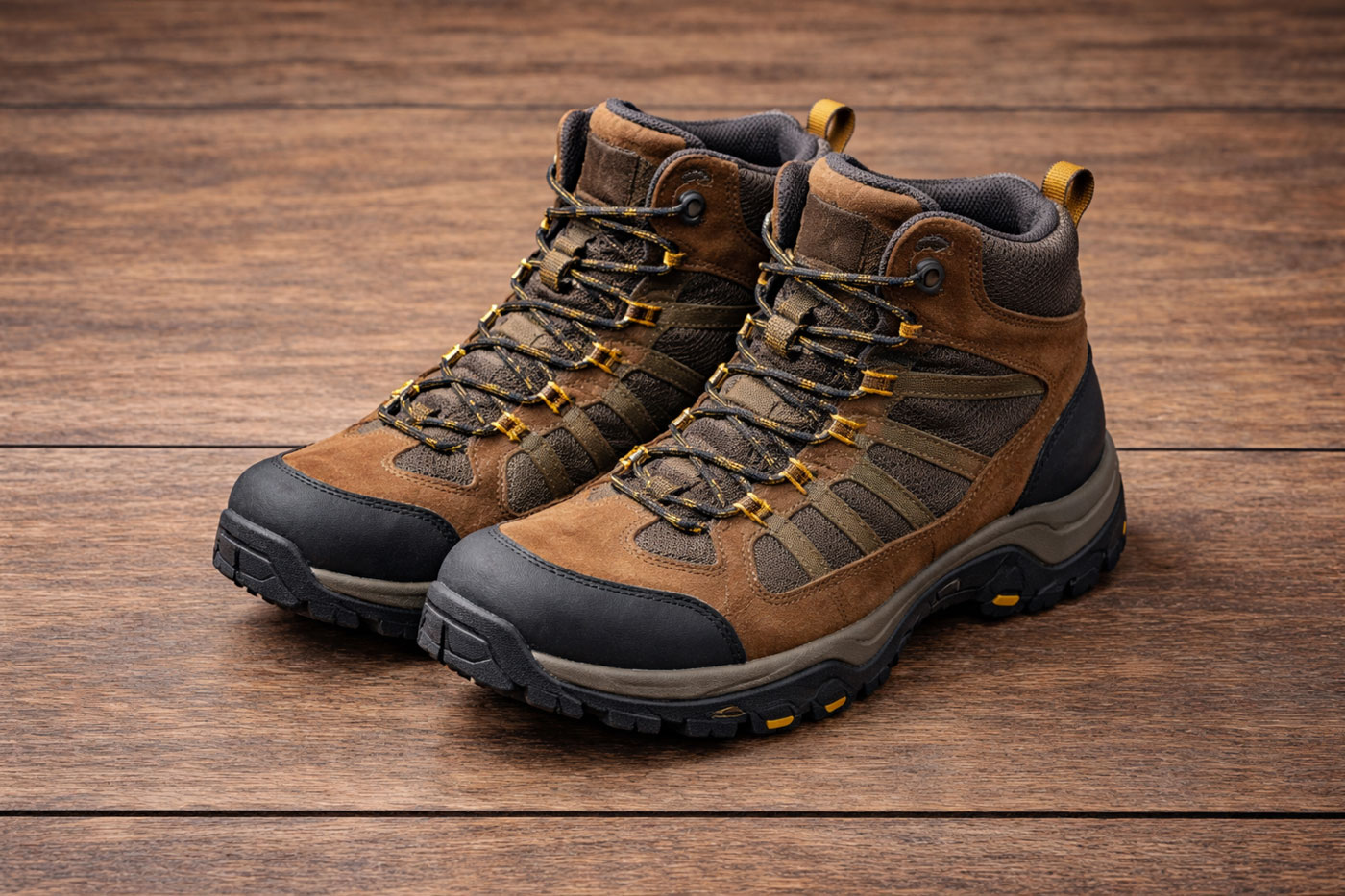
Take Care of Your Feet
Foot comfort is one of the most important parts of trekking.
Blisters and foot pain can affect your entire experience, especially on longer days. Good boots, proper socks, and keeping your feet dry are essential.
Carry an extra pair of socks in your daypack for quick changes.
Keep Important Items With You
Always carry your important items in your daypack.
- Passport
- Cash
- Phone and camera
- Personal medicines
Never put valuables in your duffel bag carried by the porter.
Simple Habits Make a Big Difference
Small habits can improve your trekking experience more than extra gear.
- Stay hydrated
- Keep your bag organized
- Pack the same way every day
- Prepare your gear the night before
Good organization saves time and energy every day.
Final Advice from the Trail
The Manaslu Circuit Trek is not about carrying everything you might need. It is about carrying what actually helps you walk comfortably, stay warm, and enjoy the journey.
Trekkers who focus on simplicity, smart packing, and practical gear choices usually have the best experience on the trail.
Renting vs Buying Gear for Manaslu Circuit Trek
One of the most common questions trekkers have before arriving in Nepal is whether they should bring all their gear from home or rent it in Kathmandu. The good news is that both options work, but the best choice depends on your travel style and budget.
In Kathmandu, especially in Thamel, there are many trekking shops where you can rent or buy gear at reasonable prices. Items like sleeping bags, down jackets, trekking poles, and duffel bags are widely available and are commonly used by trekkers heading to Manaslu.
When Renting is a Good Option
Renting gear is ideal if you do not want to carry bulky items during your international travel.
- Down jacket
- Sleeping bag
- Trekking poles
- Duffel bag
Renting these items in Kathmandu saves luggage space and reduces travel hassle.
When You Should Bring Your Own Gear
Some items are better to bring from home, especially those related to comfort and fit.
- Trekking boots
- Personal clothing
- Daypack
- Basic accessories
Well-fitted boots are very important. Do not rely on renting footwear.
Cost and Quality
Rental gear in Kathmandu is generally affordable and suitable for trekking conditions.
Always check the condition of rented gear before taking it. Make sure zippers, insulation, and fit are good.
Final Advice
A mix of both is usually the best approach. Bring personal items and rent heavier gear in Kathmandu to keep your packing simple and efficient.
Final Packing Checklist
Here is a simple checklist to help you review everything before your trek:
Clothing
- Base layers (top and bottom)
- Trekking shirts
- Fleece or mid-layer
- Down jacket
- Waterproof jacket and pants
Lower Body
- Trekking pants
- Warm socks
- Underwear
Footwear
- Trekking boots
- Camp shoes
Bags
Essentials
- Headlamp
- Power bank
- Sunglasses
- Gloves and hat
Water & Health
- Water bottles
- Water purification
- Basic medicines
Personal Items
- Toiletries
- Sunscreen
- Lip balm
What We Have Noticed From Our Recent Manaslu Treks
After organizing many Manaslu Circuit Treks over the years, one thing we continue to notice is that trekkers rarely face problems because they forgot one major item. More often, they bring too many clothes or unnecessary gear that stays in their duffel bag for the entire trek.
Those who enjoy the journey most usually pack lighter, rely on a practical layering system, and keep essentials such as a down jacket, waterproof shell, gloves, water, snacks, and personal medication in their daypack. This becomes especially valuable on longer trekking days and during the early morning crossing of Larkya La Pass, when temperatures are at their coldest. In our experience, packing smart is almost always more important than packing more.
Ready for Your Manaslu Circuit Trek?
Preparing well makes a big difference in how comfortable and enjoyable your trek will be. If you need help with gear, permits, or planning your itinerary, we are here to support you.
Explore our
Manaslu Circuit Trekking packages with experienced guides, proper acclimatization plans, and full support from Kathmandu to the mountains.
Frequently Asked Questions Manaslu Circuit Trek Packing List
Do I need a sleeping bag for Manaslu Circuit Trek?
Yes, a sleeping bag is strongly recommended. While teahouses provide blankets, they may not be warm enough at higher altitudes like Samdo and Dharmasala, where temperatures can drop below freezing.
Can I rent trekking gear in Kathmandu?
Yes, you can easily rent gear in Kathmandu, especially in Thamel. Items like down jackets, sleeping bags, and trekking poles are widely available at reasonable prices.
How much weight should I carry on the Manaslu Circuit Trek?
Your main duffel bag should be around 10 to 12 kg, while your daypack should stay as light as possible, usually under 5 to 7 kg.
Do I need special equipment like crampons?
Crampons are usually not required. In some cases, microspikes can be helpful if there is snow near Larkya La Pass, but most trekkers complete the trek without them.
Can I buy trekking gear on the Manaslu route?
No, gear shops are very limited on the Manaslu Circuit. It is best to buy or rent everything you need in Kathmandu before starting the trek.
What type of shoes are best for Manaslu Circuit Trek?
Good quality trekking boots that are already broken in are essential. Avoid new shoes to prevent blisters.
Is it okay to pack light for this trek?
Yes, packing light is recommended. Trekkers who carry less weight usually walk more comfortably and enjoy the trek more.