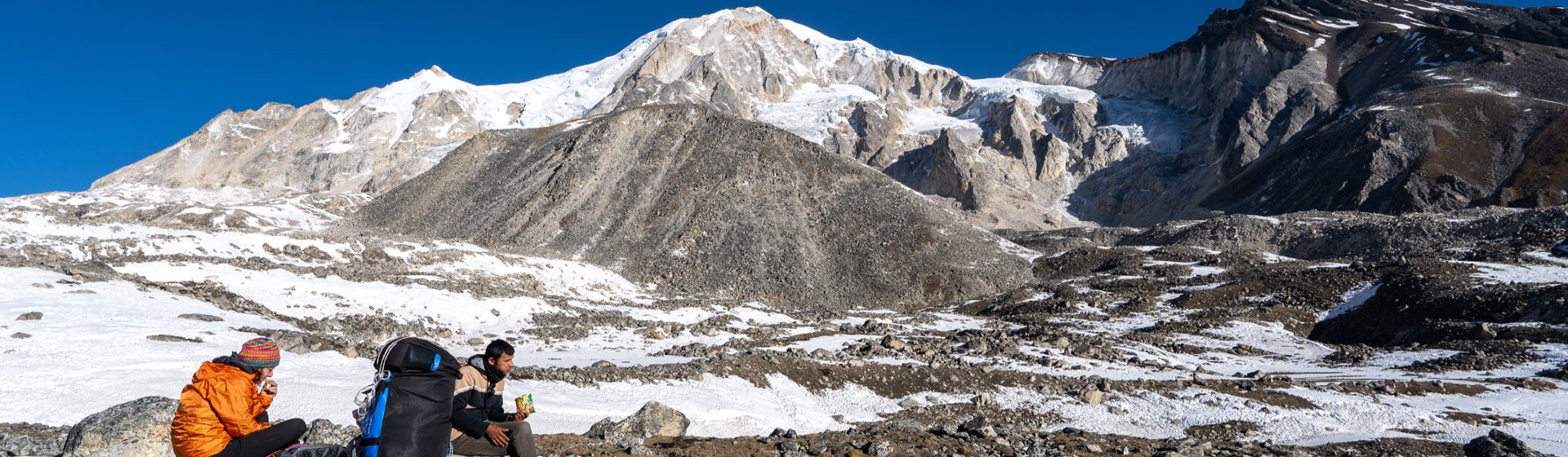
Is September a Good Time for Manaslu Circuit Trek?
Yes, September can be a very good time to trek the Manaslu Circuit, but it depends on what kind of experience you are looking for.
Based on our experience organizing treks in this region, September is best suited for trekkers who are comfortable with some variation in weather and prefer a quieter trail over peak-season conditions.
In the early part of the month, the lower sections may still feel slightly influenced by the monsoon. Trails can be damp, and cloud cover may affect visibility at times. However, this also brings a different atmosphere. The landscape feels fresh, rivers are stronger, and the surroundings are more vibrant compared to the dry autumn months.
As the month moves into mid and late September, conditions improve noticeably. Rainfall decreases, skies begin to clear more often, and mountain views become more consistent. Mornings are usually the best time for visibility, while afternoons may still see some cloud development.
One of the biggest advantages of trekking in September is the quieter environment. Compared to October and November, the trail feels more open and relaxed. Teahouses are available without crowd pressure, and the overall pace of the trek becomes more flexible.
September is less about perfect conditions and more about adaptability. Some days offer clear skies and wide mountain views, while others remain partly covered. This variation is part of the experience and often makes the journey feel more natural and less predictable.
For trekkers who prioritize stable weather and guaranteed views, October and November remain more reliable. However, for those who value fewer crowds, fresh landscapes, and a more personal trekking experience, September can be an excellent choice.
September works best for trekkers who are flexible, comfortable with changing weather, and looking for a quieter alternative to peak season.
Weather Conditions in September on Manaslu Circuit Trek
Weather on the Manaslu Circuit Trek in September reflects a transition from the monsoon season to early autumn. Conditions are not fully stable at the beginning of the month, but they improve steadily as September progresses.
In early September, the lower sections of the trail still carry some moisture from recent rainfall. Forest areas can feel humid, and short rain showers or cloud cover are still possible, especially in the afternoon. However, rain rarely lasts all day, and mornings are often clearer, making them the best time to walk.
After rainfall, the air feels cooler and cleaner, and the sound of rivers and waterfalls becomes more noticeable along the trail. This adds a fresh and active feel, especially in the lower valleys.
As the trek gains altitude toward areas like Deng, Namrung, and Samagaun, the weather begins to feel more open and less humid. Even in early September, these higher sections can offer clearer skies in the morning, with clouds gradually building later in the day.
By mid to late September, conditions improve significantly. Rainfall decreases, skies open more frequently, and visibility becomes more reliable. Days feel more stable, and mountain views appear more consistently, especially during the morning hours.
A common daily pattern is clear or lightly clouded mornings, followed by increasing cloud cover in the afternoon. This naturally encourages early starts and a steady walking pace.
Temperatures during September remain comfortable for trekking. Lower elevations can feel warm during the day, while higher areas are cooler but not as cold as late autumn. Evenings begin to feel chilly at altitude, so layering is important.
From a practical perspective, September weather is defined by gradual improvement rather than consistency. Each day can feel slightly different, especially in the early part of the month, but conditions become more stable as the trek progresses.
Weather improves noticeably from early to late September, with mid and late month offering the most stable trekking conditions.
For trekkers who are prepared for some variation and plan their days well, September offers a balanced mix of fresh landscapes, manageable temperatures, and improving visibility.
Trail Conditions After Monsoon on Manaslu Circuit Trek
Trail conditions on the Manaslu Circuit in September are shaped by the recent monsoon. The route remains fully walkable, but the feel of the trail can vary from slightly damp in the early part of the month to more stable and dry as conditions improve.
In the lower sections, especially between Machha Khola, Jagat, and Deng, the trail passes through forested areas and narrow valleys. During early September, these sections can still hold moisture from recent rainfall. The ground may feel soft underfoot, and certain patches can be slightly muddy, particularly in shaded areas.
At times, the trail may appear dry but become slippery in short sections, especially after light rain. Trekking poles are very helpful here, allowing you to maintain balance and keep a steady walking rhythm.
Lower sections are usually the most affected, while higher alpine areas improve faster.
As you move higher toward Namrung and Samagaun, the terrain becomes more open. These sections dry faster due to better airflow and less vegetation, and the trail generally feels more stable compared to the lower valleys.
River crossings and suspension bridges remain an important part of the journey. In September, rivers are still relatively strong after the monsoon, which adds energy to the landscape. Bridges are well maintained, but crossings can feel more dramatic due to the louder water flow below.
In some areas, particularly along steeper or narrow sections, you may notice minor signs of recent landslides or trail adjustments. These are usually managed locally, and the route remains passable with careful walking and a steady pace.
By mid to late September, trail conditions improve noticeably. As rainfall decreases, the ground becomes firmer, muddy patches reduce, and overall walking becomes smoother.
One of the unique aspects of trekking during this time is the atmosphere after rain. The air feels cooler, the forest smells fresher, and the sound of flowing water becomes more pronounced along the route.
From a practical perspective, September requires slightly more attention to footing compared to peak autumn months. However, it does not significantly increase the overall difficulty of the trek when approached with proper gear and awareness.
As the month progresses, the trail becomes more stable and comfortable, making the experience increasingly enjoyable.
Mountain Views and Visibility in September on Manaslu Circuit Trek
Mountain views on the Manaslu Circuit in September are shaped by the transition from monsoon to autumn. Instead of fully stable conditions, this period offers a mix of clear windows and shifting cloud patterns, creating a more dynamic visual experience.
In the early part of the month, visibility can be limited at times, especially in the lower valleys where clouds tend to build during the day. Mornings often begin with clearer skies, offering the best opportunity to see surrounding peaks before clouds gradually move in.
It is common to see clear mountain views early in the day, followed by partial cloud cover in the afternoon. This daily rhythm makes early starts especially rewarding.
As the trail gains elevation toward areas like Samagaun and Samdo, the landscape opens up significantly. Even when clouds are present, breaks in the sky often reveal dramatic glimpses of surrounding peaks, which can feel more memorable than constant clear views.
By mid to late September, visibility improves noticeably. Skies open more frequently, and mountain outlines become sharper and more defined. On clear days, peaks like Mount Manaslu stand out with striking clarity, revealing ridgelines, glaciers, and fine snow details.
Another unique aspect of September is the quality of light. After rainfall, the air often feels cleaner, which increases contrast between the mountains and the sky. Clouds move more actively across the peaks, creating views that change throughout the day.
In higher sections, especially near Larkya La Pass, visibility depends strongly on timing. Clear mornings usually provide the best chance for wide and uninterrupted views, while later in the day, cloud movement can affect how much of the landscape remains visible.
From a trekking perspective, September views are less about constant clarity and more about timing and variation. The experience feels more alive, with changing conditions that make each clear moment stand out.
Visibility improves as the month progresses, with mid and late September offering more consistent mountain views.
For trekkers who start early and stay flexible, September can still provide beautiful and rewarding mountain scenery throughout the journey.
Crossing Larkya La Pass in September
Crossing Larkya La Pass at 5,160 meters is the most demanding and memorable part of the Manaslu Circuit Trek. In September, the experience feels slightly more dynamic, with changing weather and shifting visibility throughout the day.
The day usually begins early, often before sunrise, with a steady climb from Dharamsala (Larkya Phedi). The air is cold and still, and the trail gradually opens as you gain elevation. In these early hours, the surroundings feel quiet and remote, with a steady rhythm of walking setting the pace for the climb.
In early September, conditions at higher altitude can still reflect recent weather patterns. The trail may feel slightly damp in places, and clouds can move in and out during the ascent. Snow is usually limited, but small patches can appear depending on recent conditions.
As you approach the higher sections of the pass, the terrain becomes more exposed. On clearer mornings, wide glacial valleys and surrounding peaks begin to appear as the light improves. In September, these views often come and go, with clouds drifting across the landscape rather than staying fully clear.
By mid to late September, crossing conditions become more stable. The trail is generally firm, and visibility improves, especially during the morning hours. Wind is usually manageable, although it can feel cold until the sun reaches the higher ridge.
Reaching the top often comes with a mix of clear views and moving clouds, creating a constantly changing scene. Instead of a fully open panorama, the landscape shifts moment by moment, which many trekkers find more memorable.
The descent toward Bimthang is more straightforward. As you lose altitude, the trail becomes easier to follow, and conditions improve quickly. The environment also begins to change, moving from high alpine terrain into greener surroundings.
From a practical point of view, crossing Larkya La in September depends more on timing than technical difficulty. Starting early, maintaining a steady pace, and staying aware of weather changes are the key factors for a smooth and comfortable crossing.
The pass day is long and physically demanding, but does not require technical climbing.
Conditions become more stable as the month progresses, with mid and late September offering a more reliable pass crossing.
For trekkers who are flexible and prepared for some variation, September offers a quieter and more natural experience at one of the highest points of the trek.
You can read more about the Larkya La Pass crossing and what to expect on summit day.
Difficulty Level of Manaslu Circuit Trek in September
The Manaslu Circuit Trek is generally considered a moderate to challenging trek, and in September, the difficulty is influenced more by trail conditions and weather variation than by altitude alone. The route itself remains the same, but how it feels on the ground can be slightly different compared to peak autumn months.
In the early part of September, the lower sections between Machha Khola, Jagat, and Deng may feel more demanding due to residual moisture from the monsoon. Trails can be slightly damp or uneven in places, which requires more attention to footing. This does not make the trek significantly harder, but it can slow your pace and add to overall fatigue over longer walking days.
As the trek progresses toward higher elevations like Namrung, Samagaun, and Samdo, conditions become more stable. The trail feels drier and more consistent, and the focus shifts from managing terrain to maintaining a steady pace at altitude.
Another key factor is daily timing. Mornings are usually more stable, while afternoons may bring cloud cover or light weather changes. Trekkers who start early often find the days easier and more comfortable.
Crossing Larkya La Pass remains the most physically demanding part of the trek. The challenge comes from altitude, distance, and timing rather than technical difficulty. The ascent is long, and the day requires steady pacing and good energy management.
The pass day is physically demanding, but it does not require any technical climbing skills.
Temperatures in September are generally more comfortable compared to colder months, which helps maintain energy levels. However, changing weather can still affect how the body feels, especially at higher altitudes.
September does not increase the technical difficulty of the Manaslu Circuit. Instead, it adds a layer of variability that requires awareness, flexibility, and steady pacing.
Trekkers with basic fitness and some hiking experience will find the route manageable. Those who are comfortable adapting to changing trail conditions often find September just as achievable as peak season.
The difficulty comes from the combination of altitude, long walking days, and changing trail conditions rather than any technical challenges.
With proper acclimatization and a steady pace, most trekkers complete it successfully.
For a deeper understanding, you can explore the full Manaslu Circuit Trek difficulty guide.
Crowd Level and Trekking Atmosphere in September on Manaslu Circuit Trek
The trekking atmosphere on the Manaslu Circuit in September feels noticeably quieter compared to the busy autumn months. This period comes just before peak season, which means the trail remains peaceful while still fully operational.
In the early part of September, the number of trekkers on the route is quite low. It is common to walk for long stretches without seeing many other groups, especially in the lower sections. Teahouses are open, but the environment feels calm and unhurried, with more freedom in choosing where to stay.
Evenings often feel more relaxed. Dining areas are quieter, conversations are fewer, and the overall pace of the trek slows down naturally. In some villages, you may find yourself sitting outside with very little noise around, watching clouds move across the valley.
As the month moves into mid and late September, the number of trekkers gradually increases. You begin to meet more groups along the route, especially in popular stops like Samagaun and Namrung, but the trail still does not feel crowded.
One of the biggest differences is the flexibility it offers. Without peak-season pressure, there is less need to rush for rooms or adjust your pace around other groups. The trek feels more personal, allowing you to walk at your own rhythm.
The atmosphere also feels more connected to the surroundings. With fewer trekkers on the trail, the natural sounds of rivers, wind, and village life become more noticeable. This creates a quieter and more immersive experience.
Compared to October, when the trail becomes more active, September offers a balance between accessibility and solitude. You still have full access to teahouses and services, but without the intensity of peak-season crowds.
Compared to other routes like Everest Base Camp, Manaslu remains less crowded throughout most of the year.
For trekkers who prefer space, flexibility, and a calmer environment, September offers one of the most peaceful trekking experiences on the Manaslu Circuit.
The trail feels quieter, more personal, and less rushed, which many trekkers consider one of the biggest advantages of trekking during this time.
It is a good choice for those who enjoy a quieter and less commercial trekking environment.
Pros and Cons of Trekking Manaslu Circuit in September
Trekking the Manaslu Circuit in September offers a mix of advantages and challenges. As a transition period between monsoon and autumn, conditions improve gradually rather than remaining fully stable.
Advantages of Trekking in September
Quieter trails
One of the biggest advantages is the reduced number of trekkers. Compared to October and November, the trail feels more open and relaxed, allowing for a more personal experience.
Fresh and vibrant landscapes
After the monsoon, the region is at its greenest. Hillsides are lush, rivers flow strongly, and waterfalls remain active, creating a more dynamic and visually rich environment.
Improving weather conditions
While early September can feel unsettled, conditions improve steadily as the month progresses. Mid to late September often brings clearer skies and better visibility.
More flexibility on the trail
With fewer trekkers, there is less pressure on accommodation. You can walk at your own pace and have more choice in where to stay.
Challenges of Trekking in September
Variable weather
Early in the month, cloud cover and occasional rain can affect visibility. Conditions are not as stable as peak autumn months.
Damp or muddy trail sections
Lower parts of the trail may still feel soft or slightly muddy after recent rainfall, especially in shaded forest areas.
Less consistent mountain views
Clear views are not guaranteed throughout the day. Mornings are usually better, while afternoons may bring cloud buildup.
Need for flexibility
Small adjustments in daily timing, such as starting early or adapting to weather changes, can make a big difference in the overall experience.
September offers a quieter and more natural trekking experience, but it works best for those who are comfortable with some variation in conditions.
For many trekkers, the quieter trail and fresh landscapes outweigh the minor weather variation.
If you are also considering a longer route, you can explore the Tsum Valley and Manaslu Circuit trek.
Who Should Trek Manaslu Circuit in September?
The Manaslu Circuit in September is not ideal for everyone, but for the right type of traveler, it can be one of the most rewarding times to trek in this region.
Trekkers Who Prefer Quiet Trails
September is a great choice for those who want to avoid peak-season crowds. The trail feels more open, and it is possible to walk for long stretches without meeting many other groups.
This creates a more peaceful and personal trekking experience, especially compared to busier months like October.
Nature and Landscape-Focused Travelers
If you enjoy green landscapes and fresh mountain scenery, September offers something unique. The region still carries the effect of the monsoon, with lush hillsides, strong rivers, and active waterfalls.
The environment feels more vibrant, especially in the lower and mid-altitude sections
Flexible and Experience-Oriented Trekkers
September suits those who are comfortable adapting to daily changes in weather and trail conditions. It is less about perfect skies every day and more about experiencing the mountains as they transition between seasons.
Trekkers who are flexible with timing, such as starting early or adjusting pace, usually enjoy this period more.
Trekkers with Some Hiking Experience
While the Manaslu Circuit is achievable for many, September conditions require a bit more awareness than peak autumn months. Having some previous trekking or hiking experience helps in managing footing, pacing, and daily adjustments.
Beginners can still complete the trek with proper preparation, but prior experience makes the journey more comfortable.
Travelers Seeking a Less Commercial Experience
September offers a more natural and less crowded version of the Manaslu trek. Teahouses are open, but without the pressure of peak-season demand.
This allows for quieter evenings, more relaxed interactions, and a deeper connection with the surroundings.
Who Might Prefer Another Season?
Trekkers who are looking for fully stable weather, guaranteed clear mountain views, and a more predictable daily routine may find October and November more suitable.
Those with tight schedules or limited flexibility may also prefer a more stable period to avoid weather-related adjustments.
Tips for Trekking Manaslu Circuit in September
Trekking the Manaslu Circuit in September can be highly rewarding, but it requires a slightly different approach compared to peak autumn months. A few practical adjustments can make the experience smoother and more enjoyable.
Start Early Each Day
Mornings in September usually offer the most stable weather and clearer visibility. Starting early allows you to walk during the best conditions and reach your destination before afternoon clouds or light rain develop.
Many trekkers aim to finish their walk by early afternoon, which helps avoid changing weather later in the day.
Pack for Changing Conditions
September weather can shift during the day, so flexible layering is important. Light clothing works well while walking, but mornings and evenings can feel cooler, especially at higher altitudes.
A waterproof jacket, backpack cover, and quick-drying clothes are useful for short rain showers. Trekking poles are also helpful for balance on damp or uneven sections.
Keep Your Itinerary Flexible
Conditions are not always consistent, especially in early September. Allowing some flexibility in your schedule, such as adding a buffer day, can help you adjust to weather changes without feeling rushed.
Pay Attention to Footing in Lower Sections
In the early part of the trek, especially between Machha Khola and Deng, the trail may still feel slightly soft or uneven. Walking at a steady pace and staying aware of footing helps maintain balance and reduce fatigue over long days.
Use Clear Morning Windows
Visibility is often best in the morning. Planning your walking hours around this pattern increases your chances of enjoying clear mountain views.
Even short early walks can offer some of the best scenery of the day.
Stay Prepared for Weather Changes
September is a transition period, so conditions can vary from day to day. Being mentally prepared for this helps maintain a positive experience throughout the trek.
Trekkers who stay flexible usually enjoy the journey more than those expecting fully stable conditions.
Maintain a Steady Pace at Altitude
Even though trail conditions play a role, altitude remains an important factor. Walking at a steady pace, staying hydrated, and allowing time for acclimatization helps keep your energy levels consistent.
The key is to move steadily rather than quickly.
Common Mistakes to Avoid When Trekking Manaslu Circuit in September
Trekking the Manaslu Circuit in September can be a rewarding experience, but a few common mistakes can affect comfort and overall enjoyment. Being aware of these helps you plan better and avoid unnecessary challenges on the trail.
Expecting Fully Stable Weather
One of the most common mistakes is expecting September to feel like peak autumn months. While conditions improve as the month progresses, early September can still bring cloud cover and occasional rain.
A more realistic approach is to expect variation and plan your days accordingly.
Starting Late in the Day
Mornings usually offer the best visibility and more stable weather. Starting late increases the chance of walking in cloud cover or light rain, which can reduce both comfort and views.
Early starts make a noticeable difference throughout the trek.
Underestimating Trail Conditions
Even though the route is fully accessible, some lower sections may still feel damp or slightly muddy after rainfall. Ignoring this can slow your pace and increase fatigue over long walking days.
Proper footwear and steady pacing help manage these sections easily.
Packing Without Rain Protection
Another common mistake is preparing only for dry conditions. September still requires basic rain protection.
A lightweight waterproof jacket, backpack cover, and quick-drying clothing can make a big difference during short weather changes.
Following a Rigid Schedule
September conditions are not always consistent. Sticking to a strict itinerary without flexibility can create unnecessary pressure if weather conditions change.
Allowing small adjustments in timing or including a buffer day helps keep the trek more relaxed.
Ignoring Early Signs of Fatigue at Altitude
Some trekkers focus only on reaching the destination without paying attention to how their body feels. Even though temperatures are relatively comfortable, altitude still plays a major role.
Maintaining a steady pace and taking regular breaks helps avoid unnecessary strain.
Permits and Regulations for Manaslu Circuit Trek in September
The Manaslu Circuit Trek is a restricted trekking area, which means specific permits and regulations are required for all trekkers, including in September. These rules are strictly enforced along the route.
Required Permits
To complete the Manaslu Circuit, you need the following permits:
- Manaslu Restricted Area Permit (RAP)
- Manaslu Conservation Area Permit (MCAP)
- Annapurna Conservation Area Permit (ACAP)
- Local rural municipality entry fee (Chumnubri area)
The Restricted Area Permit is the most important, as it allows entry into the controlled section of the trail between Jagat and Dharapani.
Guide Requirement
A licensed guide is mandatory for the Manaslu Circuit. Independent trekking without a guide is not allowed in this region.
In most cases, a minimum of two trekkers is required for the Restricted Area Permit. However, if you are traveling solo, a registered agency can arrange permits by combining your application with other trekkers.
Permit Process
Permits are issued in Kathmandu through authorized trekking agencies. To process permits, you will need:
- A valid passport copy
- Nepal visa details
- Passport-size photos
- A confirmed trekking itinerary
The process is usually straightforward when handled by an experienced agency and is typically completed shortly before departure.
Local Rural Municipality Fee
In addition to national permits, trekkers are required to pay a small local entry fee in the Chumnubri rural municipality area. This is usually around NPR 1,000 per person and is collected to support local community development and trail maintenance.
Conclusion: Should You Trek Manaslu Circuit in September?
Trekking the Manaslu Circuit in September offers a different experience compared to the peak autumn season. Instead of fully stable conditions and busy trails, the journey feels quieter, fresher, and more connected to the natural rhythm of the mountains.
Throughout the trek, conditions gradually improve as the month progresses. Lower sections remain green and vibrant after the monsoon, while higher areas begin to offer clearer skies and better mountain views, especially from mid to late September.
The experience is not defined by perfect weather every day. Some mornings begin clear before clouds build later in the afternoon, while other days remain calm and misty. For many trekkers, this changing atmosphere is part of what makes September feel more natural and memorable.
Compared to October and November, the trail feels less crowded and more relaxed. Teahouses operate normally, but without the pressure of peak-season traffic, allowing for a quieter and more personal trekking experience.
September works best for trekkers who are flexible, comfortable with some variation in conditions, and interested in experiencing Manaslu beyond the busy trekking season.
With proper preparation, realistic expectations, and a steady pace, September can be one of the most rewarding times to experience the Manaslu Circuit Trek.
FAQs About Manaslu Circuit Trek in September
Is September a good time for Manaslu Circuit Trek?
Yes, September is a good time, especially for those who prefer fewer crowds. Conditions improve as the month progresses, with better weather in mid to late September.
How is the weather in September?
Weather is transitional. Early September may still have clouds or light rain, while mid to late September becomes clearer and more stable.
Are mountain views clear in September?
Views are best in the morning. Early September may have more clouds, but visibility improves later in the month.
Is it safe to cross Larkya La Pass in September?
Yes, it is generally safe with proper timing. Early starts and stable morning weather are important for a smooth crossing.
Is the Manaslu Circuit crowded in September?
No, it is much quieter compared to October and November, making the experience more peaceful.
How difficult is the trek in September?
The trek remains moderate to challenging. Difficulty comes from altitude and long walking days, with slightly variable trail conditions early in the month.
Do I need a guide for Manaslu Circuit Trek?
Yes, a licensed guide is required as the region is a restricted area.
What is the main advantage of trekking in September?
The biggest advantage is fewer crowds combined with fresh landscapes and improving weather conditions.