Quick Comparison: Manaslu vs Everest vs Annapurna
If you want the fastest way to understand which trek fits you best, the clearest difference is this: Manaslu is best for trekkers seeking quiet trails, stronger cultural immersion, and a more remote atmosphere; Everest Base Camp is best for iconic mountain identity and bucket-list appeal; Annapurna Circuit is best for variety, route flexibility, and a broader all-round trekking experience. Recent 2026 trek comparisons continue to present the three routes in exactly this way, with Manaslu framed as the authentic alternative, Everest as the classic prestige trek, and Annapurna as the most diverse long-distance journey.
| Trek | Best for | Trail atmosphere | Culture | Crowd level | Main challenge |
|---|
| Manaslu Circuit | Remote, quieter Himalayan experience | Restricted, less commercialized, more immersive | Strong Tibetan-influenced mountain culture | Lowest of the three | Larkya La Pass and longer remote sections |
| Everest Base Camp | Iconic destination and world-famous mountain setting | Busy, highly recognized, strong trekking infrastructure | Sherpa Buddhist culture | Highest in peak season | Altitude and EBC route pacing |
| Annapurna Circuit | Variety, flexibility, and changing landscapes | More open, mixed trail atmosphere, broader access | Gurung, Manangi, Thakali, and Tibetan influence | Medium to high depending on section | Long journey with Thorong La Pass |
Manaslu usually attracts trekkers who care more about atmosphere than fame. It offers fewer crowds than the other two and feels more preserved because of its restricted-area permit system and lower trekking volume. Everest Base Camp is the most globally recognized route, which gives it unmatched prestige but also heavier trail traffic and a more commercial trekking environment. Annapurna Circuit sits between the two, offering outstanding variety and easier logistics, but with a more mixed trail atmosphere because of road access in some lower sections.
In practical terms, there is no universal winner. The “best” trek depends on what kind of Himalayan experience you want. If you want the most famous name, Everest leads. If you want the greatest route diversity, Annapurna leads. If you want the quietest and most off-the-beaten long trek with strong cultural depth, Manaslu leads. That is exactly why this comparison matters so much for trekkers planning Nepal in 2026.
Overview of Each Trek
Manaslu Circuit Trek
The Manaslu Circuit Trek is a long, restricted-area Himalayan journey that circles Mount Manaslu, the world’s eighth-highest mountain. Nepal Tourism Board describes the route as a pristine circuit on an ancient trail with authentic culture and hospitality, while the Manaslu trekking corridor is still protected by special permit rules that help keep the trail quieter and less commercialized. That is why Manaslu is often chosen by trekkers who want a more immersive and less crowded experience than Nepal’s busier routes.
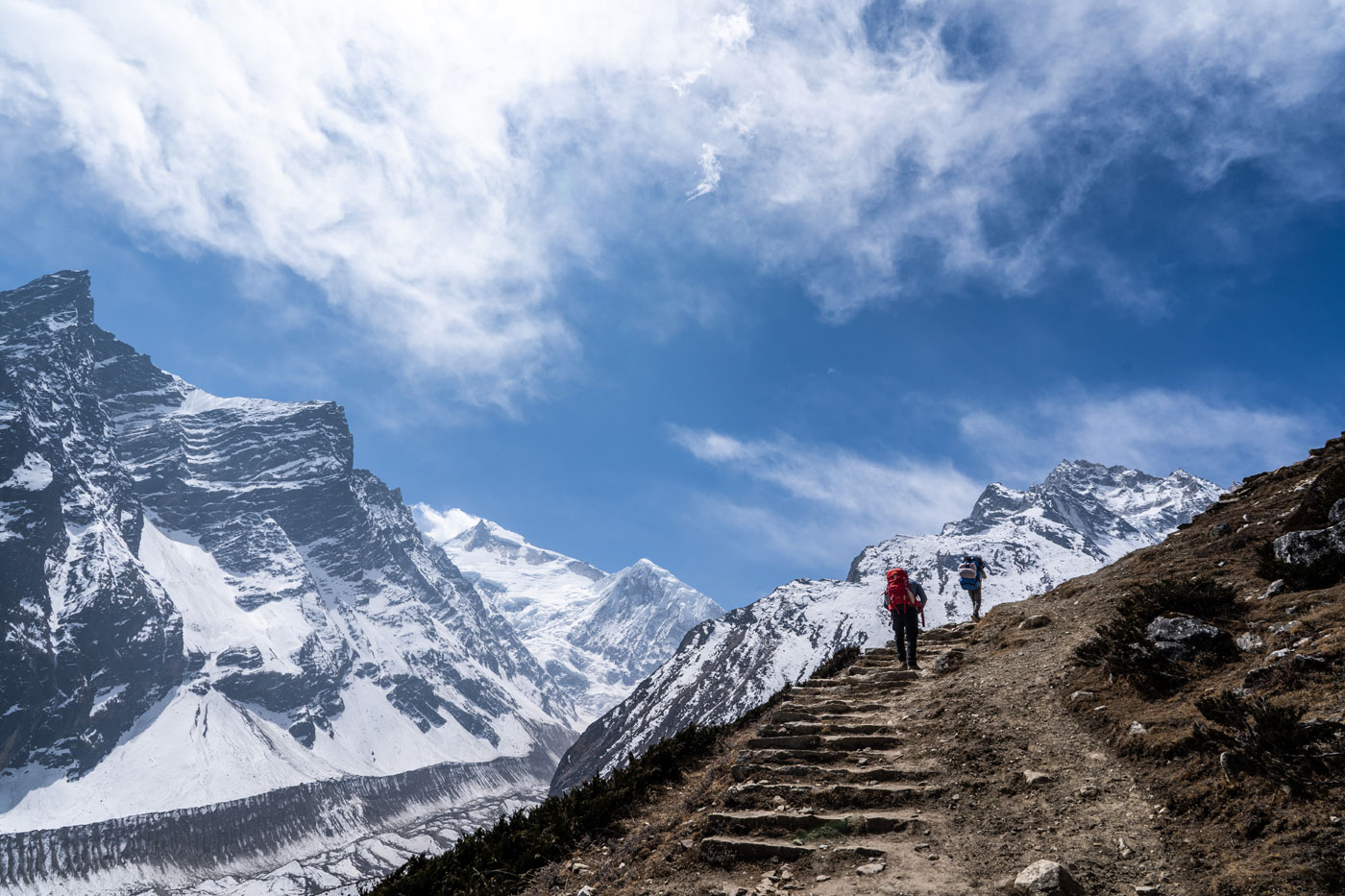
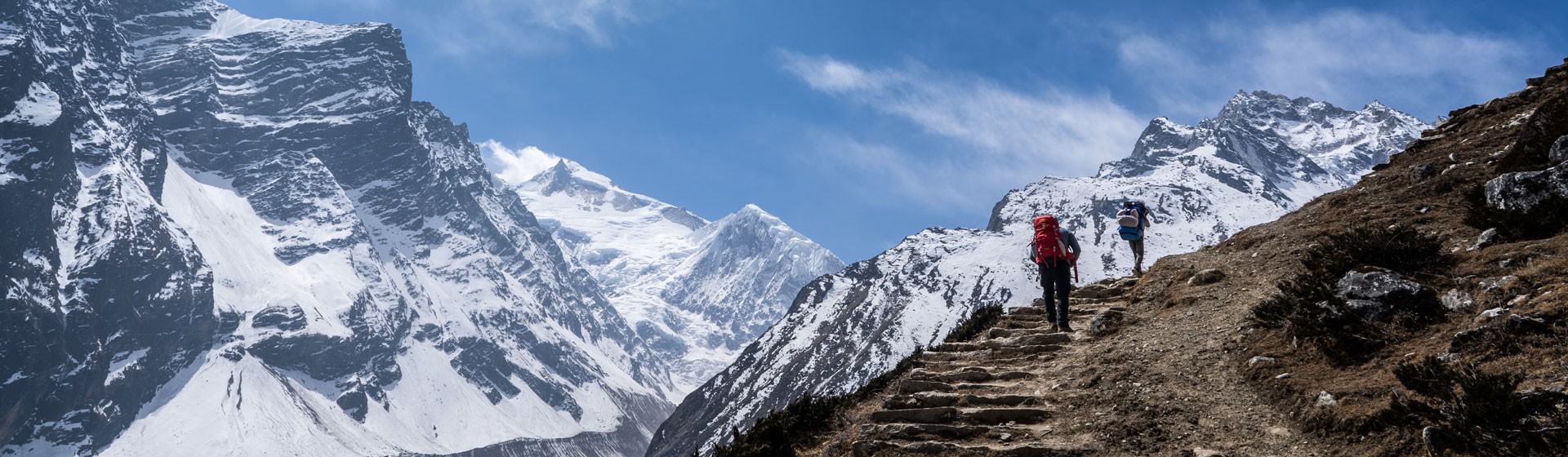
In real trekking terms, Manaslu feels like a journey that builds slowly. The route follows the Budhi Gandaki valley through suspension bridges, narrow gorges, and traditional villages before opening into high alpine terrain around Samagaun, Samdo, and the approach to Larkya La. What many trekkers love most is that the atmosphere still feels protected. The trail is serious, scenic, and culturally rich without feeling overdeveloped.
For a complete route breakdown, check our Manaslu Circuit Trek guide including itinerary, permits, and preparation tips.
Everest Base Camp Trek
Everest Base Camp is Nepal’s most iconic trekking route and remains one of the most visited trekking regions in the Himalaya. Nepal Tourism Board describes it as a classic two-week trek starting from Lukla and notes that it is one of the most visited mountain areas in the country. For many trekkers, Everest is not only a route but a dream destination because it leads toward the base of the world’s highest peak.
The Everest experience is highly destination-driven. The route builds around famous names such as Lukla, Namche Bazaar, Tengboche, Everest Base Camp, and Kala Patthar. It offers strong infrastructure, legendary mountain identity, and the emotional pull of trekking beneath Everest itself. The trade-off is that it is usually much busier than Manaslu, especially in the main seasons, and the trail atmosphere can feel more commercial because of its global popularity.
Annapurna Circuit Trek
The Annapurna Circuit is one of Nepal’s classic long-distance treks and is still known for its remarkable variety. Nepal Tourism Board describes the Annapurna region as the country’s most diverse and popular trekking area, and specifically highlights the Annapurna Circuit as a full multi-week route stretching into the historic Mustang region. This is the trek people often choose when they want one journey to include many different environments rather than one single famous destination.
What makes Annapurna stand out is the range of landscapes and cultures it crosses. Trekkers move from greener lower valleys into high alpine terrain and then into drier trans-Himalayan scenery, while also passing through Gurung, Manangi, and Thakali cultural zones. It remains one of Nepal’s best all-round treks for travelers who want flexibility and diversity, but compared with Manaslu it generally feels more open, busier, and less protected from tourism pressure
To explore route options, visit our Annapurna Circuit Trek itinerary with detailed walking days and altitude information.
Landscape and Scenery Comparison
When trekkers compare Manaslu, Everest, and Annapurna, scenery is often the deciding factor. All three treks deliver world-class Himalayan views, but the feeling of the landscape is very different on each route. That difference matters because some trekkers want iconic mountain prestige, some want variety, and others want raw, quieter terrain that feels less shaped by tourism.
Manaslu is the most rugged and preserved of the three. The trail builds slowly through the Budhi Gandaki valley, crossing deep river gorges, forests, suspension bridges, and remote mountain villages before opening into wide glacial landscapes near Samagaun, Samdo, and Larkya La. The scenery feels raw and immersive rather than staged around one famous viewpoint. Recent trekking comparisons continue to describe Manaslu as the strongest choice for trekkers who want remote Himalayan atmosphere and less commercialized mountain landscapes.
Everest Base Camp offers the most iconic mountain identity. The route moves through the Khumbu valley toward the base of the world’s highest peak, and the scenery is built around the emotional power of Everest itself. Trekking here is less about constant landscape change and more about moving deeper into a famous mountain world of high peaks, glaciers, and legendary viewpoints such as Kala Patthar. For many trekkers, Everest wins on prestige and bucket-list appeal, even if the route feels busier and more developed than Manaslu.
Annapurna is the most diverse. Nepal Tourism Board describes the Annapurna region as highly varied, stretching from forested middle mountains to high Himalaya and even trans-Himalayan desert plateau. That means Annapurna often feels like several treks in one, with green valleys, waterfalls, alpine slopes, dry Mustang-like landscapes, and broad mountain panoramas all appearing along the same journey. This is why Annapurna is often the strongest choice for trekkers who want the greatest landscape variety rather than the quietest trail or the most iconic single mountain destination.
In real trekking terms, the choice comes down to what kind of scenery stays with you most. If you want wild and less-touched mountain terrain, Manaslu stands out. If you want the emotional pull of Everest and its famous high-altitude setting, Everest leads. If you want the biggest range of changing landscapes across one long trek, Annapurna is hard to beat. None of them is weak on scenery, but each delivers beauty in a very different way
Culture and Village Experience
For many trekkers, the biggest difference between Manaslu, Everest, and Annapurna is not only the scenery, but the feeling of life along the trail. All three routes are culturally rich, but they offer very different village atmospheres and very different relationships between local communities and trekking tourism.
Manaslu is often the strongest choice for trekkers who want a quieter and more preserved cultural experience. The upper route passes through Tibetan-influenced villages such as Lho, Samagaun, and Samdo, where prayer walls, monasteries, spinning prayer wheels, and stone-built settlements remain part of everyday life. Because the region is restricted and receives fewer trekkers than Everest or Annapurna, village life often feels less shaped by mass tourism and more rooted in local rhythm. Recent 2026 trek writing continues to highlight Manaslu’s “real Tibetan feel” and stronger cultural immersion as one of the route’s main advantages.
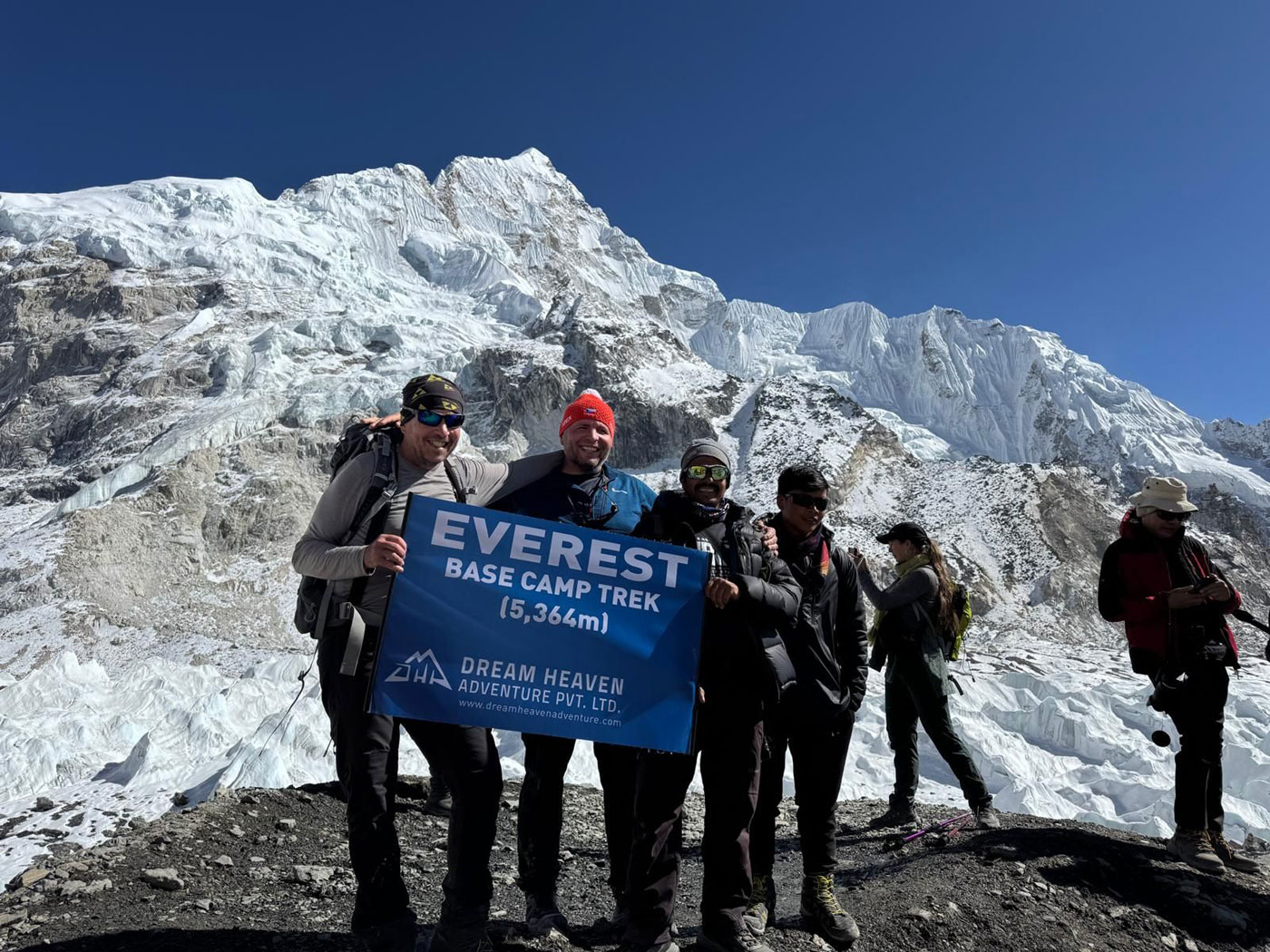
Everest Base Camp offers one of Nepal’s most famous mountain cultures, centered on the Sherpa communities of the Khumbu. Nepal Tourism Board describes the Everest route as passing through legendary Sherpa villages and ancient monasteries, with Namche Bazaar and Tengboche standing out as major cultural landmarks. The cultural experience is powerful, but because the route is one of the most visited in Nepal, the village atmosphere can feel busier and more commercial, especially in major trekking seasons. That said, for trekkers who dream of the Sherpa heartland and the spiritual world of the Khumbu, Everest remains unmatched in identity and prestige.
Annapurna offers the broadest cultural range of the three. The circuit passes through villages shaped by Gurung, Manangi, and Thakali traditions, with local lifestyles changing as the trail moves from greener valleys into drier high mountain and trans-Himalayan regions. Nepal Tourism Board describes the Annapurna region as an area of contrasts, and that applies culturally as well as geographically. The result is a trek with strong variety, but compared with Manaslu it often feels less intimate because tourism and road access have had a bigger influence on some parts of the route.
In real trekking terms, the choice depends on what kind of cultural experience you want. If you want the quietest and most immersive village atmosphere, Manaslu usually stands out. If you want the most iconic mountain culture, Everest leads through the Sherpa world of the Khumbu. If you want the broadest mix of ethnic communities and regional contrasts, Annapurna offers the greatest variety. All three are culturally rewarding, but Manaslu often feels the most preserved.
Difficulty and Physical Challenge Comparison
All three treks are serious Himalayan journeys, but the type of challenge is different on each route. For most trekkers, “hardest” does not simply mean highest altitude. It usually means the overall combination of walking days, trail conditions, acclimatization pressure, weather exposure, and how demanding the route feels day after day.
Manaslu is often considered the most demanding overall of the three because it combines high altitude with remoteness and longer, less forgiving trail sections. The route crosses Larkya La Pass at about 5,160 meters, but the challenge is not only the pass itself. It is the full rhythm of the trek: longer stretches between major settlements, simpler lodge infrastructure, more rugged trail conditions, and a more protected mountain environment that feels quieter but also less cushioned by tourism. Current 2025–2026 trek comparisons regularly describe Manaslu as tougher than Annapurna and more logistically demanding than Everest Base Camp, especially for trekkers who are not used to remote long-distance trails.
Everest Base Camp is physically demanding in a different way. The route does not cross a major pass on the standard itinerary, but it involves sustained altitude exposure in the Khumbu and strong cumulative fatigue from repeated ascents and descents. The psychological challenge can also feel high because trekkers are moving toward one famous goal, and the altitude around Lobuche, Gorak Shep, and Kala Patthar can feel very heavy even on shorter distances. Many trekkers describe Everest as less remote than Manaslu but harder in terms of how the altitude sits on the body during the final stages.
Annapurna Circuit is usually seen as the most balanced of the three. It is still a challenging trek, especially because it crosses Thorong La Pass at 5,416 meters, but the route generally offers more flexibility, more developed trekking infrastructure, and easier logistics than Manaslu. In practical terms, Annapurna often feels more manageable because trekkers can adapt the route more easily and because the trail system is more open and established. That does not make it easy, but it often makes it more forgiving for fit first-time Himalayan trekkers.
From a real trekking perspective, the best way to understand the difference is this:
- Manaslu feels like the hardest overall because of remoteness, trail seriousness, and less commercial support.
- Everest feels hardest for altitude fatigue and the emotional push toward a famous endpoint.
- Annapurna feels hardest on pass day, but often easiest to manage across the full journey because of flexibility and infrastructure.
For most trekkers in 2026, the “best” challenge depends on what kind of effort they want. If you want the most remote and serious long-trek feel, Manaslu stands out. If you want the most iconic altitude journey, Everest leads. If you want a high-altitude trek that is still demanding but more adaptable, Annapurna is often the smartest choice.
Before deciding, read our Manaslu Circuit Trek difficulty guide for real experience, altitude tips, and preparation advice.
Crowds, Trail Atmosphere, and Overall Experience
For many trekkers in 2026, this is the section that matters most. Scenery, culture, and difficulty are important, but the overall feeling of the trail often decides which trek people remember most positively. The difference between Manaslu, Everest, and Annapurna is not only what you see, but how the journey feels day after day.
Manaslu offers the quietest and most immersive trail atmosphere of the three. Because the region is protected by restricted-area rules and receives fewer trekkers overall, the route usually feels calmer, less commercialized, and more intentional. Recent comparisons still describe Manaslu as the trek for travelers who want fewer crowds, quieter lodges, and a stronger sense of being in a preserved mountain region rather than on a heavily trafficked trekking corridor. This affects everything: the pace of the days, the feeling of the villages, and even the way the landscapes are experienced.
On Everest Base Camp, the atmosphere is very different. The route has unmatched global prestige, but that popularity brings busy trails, crowded villages in peak months, and a more commercial trekking environment. That does not make Everest less special. For many people, the shared energy of the Khumbu, the famous names on the trail, and the emotional pull of reaching Everest Base Camp are exactly what make it exciting. But compared with Manaslu, Everest generally feels less quiet and less private. It is the trek for travelers who want to be part of a famous Himalayan story, even if that means sharing the trail with many others.
Annapurna Circuit sits somewhere in the middle. It is usually less concentrated than Everest because the route spreads trekkers across a longer circuit with multiple stages, but it is still much more open and developed than Manaslu. Recent 2025–2026 commentary continues to note that Annapurna can feel mixed: some sections are scenic and spacious, while others feel more active because of road access, broader route options, and higher tourism flow. The result is a trek that often feels socially lively and flexible, but not as quiet or protected as Manaslu.
From a real trekking perspective, the atmosphere shapes the whole memory of the route. On Manaslu, many trekkers love the feeling that the trail still belongs mainly to the mountains and local communities. On Everest, the experience is more about sharing a world-famous journey with trekkers from around the globe. On Annapurna, the feeling is broader and more varied, with changing trail character depending on which section you are in. None of these is automatically better, but they appeal to very different types of travelers.
If your priority is the quietest and most preserved overall experience, Manaslu usually wins. If you want the most iconic and socially energetic route, Everest leads. If you want a long, varied trek with a mix of classic trail atmosphere and broader access, Annapurna remains a strong middle ground. That is why this comparison matters so much for travelers trying to choose the right trek, not just the most famous one
Cost and Logistics Comparison
For many trekkers, the real difference between Manaslu, Everest, and Annapurna becomes clearest when it comes to cost and logistics. All three are outstanding Himalayan treks, but they are not equally easy or equally affordable to organize. In 2026, Manaslu is usually the most regulated, Everest Base Camp is often the most flight-dependent, and Annapurna Circuit remains the most flexible overall.
Manaslu Circuit usually requires the most structured planning. Because it is a restricted-area trek, trekkers need special permits and must go through a registered agency, which adds both cost and organization from the start. Recent 2026 cost guides put typical Manaslu packages anywhere from about USD 900 to USD 1,200 on the lower end, while other operators place more standard 14 to 18 day packages in the USD 1,200 to USD 2,800 range depending on group size, transport, guide level, and inclusions. Permit costs alone are a meaningful part of the budget, and transport choices such as local bus versus private jeep also affect the final price.
Everest Base Camp often feels the most expensive logistically because Lukla flights shape the route. Recent 2026 Everest cost breakdowns estimate standard guided packages around USD 1,400 to USD 2,500, with premium versions going higher and helicopter returns pushing the budget further still. Even when the walking route itself is straightforward to understand, the flight element makes Everest more sensitive to weather, timing, and transport disruption than the other two treks. That means Everest is not only a trekking decision but also a flight-planning decision, especially in peak seasons.
Annapurna Circuit is usually the easiest to adapt around different budgets. Recent 2026 sources describe Annapurna as the most flexible in practical terms, with relatively straightforward permit structure and broader transport options between Kathmandu, the trailhead, and the Pokhara side. Cost guides from 2026 commonly estimate food at about USD 20 to 30 per day, accommodation at roughly USD 5 to 12, and guide costs around USD 25 to 35 per day, which helps explain why Annapurna is often seen as the most budget-manageable of the three big Himalayan treks.
From a real traveler perspective, the best way to understand the difference is simple. Manaslu asks for more commitment upfront because of permits and regulated access. Everest asks for more transport tolerance because flights to and from Lukla are central to the experience. Annapurna gives the most room to adjust the trip according to budget, itinerary length, and comfort level. That is why Annapurna often feels easiest to organize, Everest feels most iconic but most flight-dependent, and Manaslu feels most serious and most intentionally planned.
Which Trek is Best for You?
The best trek for you depends less on which route is most famous and more on what kind of mountain experience you actually want. In 2026, Manaslu, Everest Base Camp, and Annapurna Circuit are all outstanding Himalayan treks, but they suit very different travelers. Recent comparison guides still draw the same broad conclusion: Manaslu is best for quieter and more remote trekking, Everest is best for iconic mountain prestige, and Annapurna is best for variety and flexibility.
Choose Manaslu if you want the quietest and most immersive overall experience. This trek suits travelers who care about trail atmosphere, cultural depth, and the feeling of being in a more protected Himalayan region. It is especially good for trekkers who do not mind more structured logistics and who value fewer crowds more than convenience. If you want a trek that feels serious, preserved, and less commercial than Nepal’s mainstream routes, Manaslu is often the strongest choice.
Choose Everest Base Camp if your priority is iconic identity and the emotional appeal of trekking beneath the world’s highest mountain. Everest suits travelers who are drawn to famous landmarks, Sherpa culture, and the idea of following one of the world’s classic mountain journeys. It is ideal for people who want the prestige and symbolism of Everest, even if that means busier trails, higher lodge traffic, and flight-dependent logistics.
Choose Annapurna Circuit if you want the broadest all-round experience. Annapurna works especially well for trekkers who want changing scenery, more route flexibility, and a trek that can be adapted to different trip lengths and budgets. It is often the most balanced option for travelers who want a major Himalayan journey without the tighter permit structure of Manaslu or the flight dependence of Everest. In practical terms, it suits people who like variety and adaptable planning.
If you want the most honest short answer, it is this:
- Manaslu is best for trekkers seeking authenticity, quieter trails, and a more off-the-beaten-path mountain atmosphere.
- Everest is best for trekkers who want the most iconic destination and world-famous Himalayan identity.
- Annapurna is best for trekkers who want the greatest mix of landscapes, cultures, and route options.
For many experienced trekkers in 2026, the question is no longer which trek is objectively best, but which trek feels most right for their travel style. If you want fewer crowds and a stronger sense of wilderness, Manaslu often wins. If you want the name that has inspired trekkers for decades, Everest wins. If you want the most versatile long-distance trek in Nepal, Annapurna remains one of the smartest choices.
Which Trek Should You Choose?
Choosing between these three treks is not about which one is better overall, but which one fits your travel style, expectations, and comfort level.
If you prefer quieter trails and a more immersive experience, Manaslu usually feels more rewarding. The journey is less crowded, more structured, and closer to traditional Himalayan life. It suits trekkers who enjoy meaningful walking days rather than busy trekking routes.
If your goal is to experience the most famous trekking route in the world, Everest Base Camp is the natural choice. The route is well established, culturally rich in the Sherpa region, and emotionally powerful because of its connection to Mount Everest. It is ideal for those who want a classic, recognizable Himalayan journey.
You can also read our detailed Everest Base Camp Trek guide to understand route, cost, and trekking experience.
If you want a complete trekking experience with changing scenery, flexible routes, and a balance between comfort and adventure, Annapurna Circuit is often the best fit. It works well for trekkers who want diversity and adaptability rather than a single focused destination.
In practice, the best trek is the one that matches how you want to experience the Himalayas, not just the one with the biggest name.
Best Trek for Beginners
For beginners, the Annapurna Circuit Trek is generally the most suitable choice among the three.
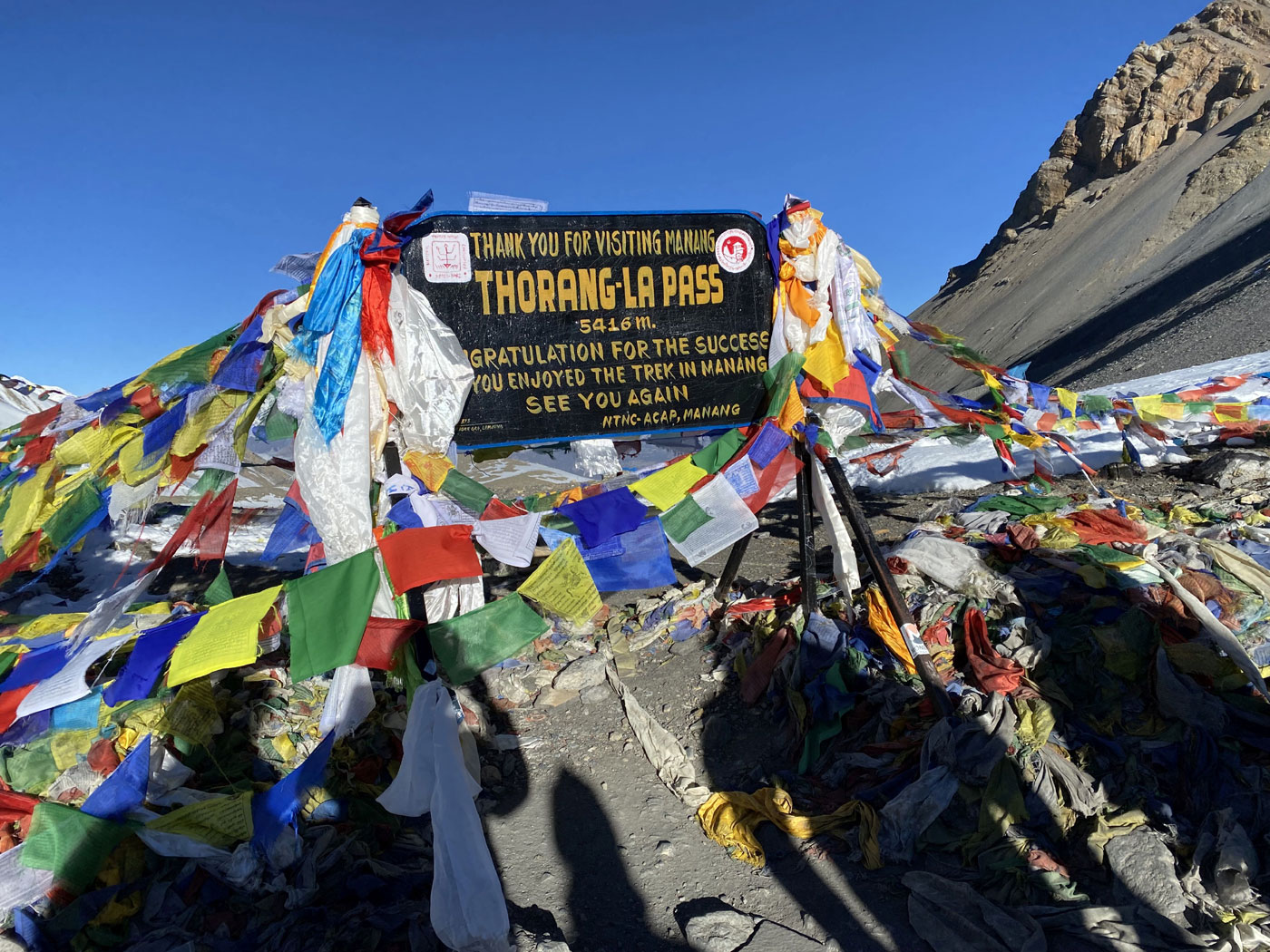
The main reason is flexibility. Annapurna allows trekkers to adjust the route, shorten or extend the itinerary, and use transportation where needed. The trail is well established, teahouse infrastructure is reliable, and the overall logistics are easier to manage compared to Manaslu and Everest.
Everest Base Camp is also possible for beginners with good fitness, but altitude can feel more demanding, especially in the final days near Gorak Shep and Kala Patthar. The route is straightforward, but the high elevation requires careful pacing.
Manaslu is usually not the first choice for beginners. While it is not technically difficult, the restricted permit system, longer remote sections, and more serious trekking environment make it better suited for trekkers who already have some hiking experience.
In simple terms, beginners who want a safer and more adaptable first Himalayan trek often feel most comfortable on Annapurna.
Best Trek for Experience Seekers
For experienced trekkers, the Manaslu Circuit Trek is often the most rewarding choice.
The trek offers a stronger sense of remoteness, longer uninterrupted walking sections, and a more preserved trail atmosphere compared to Everest and Annapurna. Because the region is restricted, the route feels less commercialized, and the overall journey feels more intentional and immersive.
Experienced trekkers often appreciate the full progression of Manaslu: from deep river valleys to high alpine terrain, followed by the crossing of Larkya La Pass. The combination of cultural depth, quieter trails, and serious mountain environment creates a more complete trekking experience.
Everest remains attractive for experienced trekkers who want to experience the world’s most famous mountain region, while Annapurna continues to offer excellent variety. However, for those specifically looking for a trek that still feels raw, less crowded, and closer to traditional Himalayan trekking, Manaslu stands out in 2026.
Final Verdict: Which Trek is Best in 2026?
There is no single trek that is best for everyone, but in 2026 the differences between Manaslu, Everest, and Annapurna are clearer than ever.
Everest Base Camp remains the most iconic trek in Nepal, offering global recognition and the unique experience of walking beneath the world’s highest mountain. Annapurna Circuit continues to be the most diverse, with a wide range of landscapes, cultures, and flexible route options that make it suitable for many types of trekkers.
However, for travelers looking for a quieter, more immersive, and less commercialized Himalayan experience, the Manaslu Circuit Trek stands out the most in 2026. With fewer crowds, stronger cultural authenticity, and a more preserved trail atmosphere, it offers a kind of trekking experience that has become increasingly rare on more popular routes.
In simple terms, Everest is the most famous, Annapurna is the most varied, and Manaslu is the most authentic.
For many modern trekkers, that authenticity is exactly what makes Manaslu one of the best trekking choices in Nepal today.