Quick Answer: Is the Langtang Trek Beginner Friendly?
Yes. The Langtang Trek is one of the best Himalayan treks in Nepal for beginners.
Many people who walk this trail each year are completing their first multi-day trek in the mountains. They may have hiking experience, regular fitness routines, or simply enjoy walking, but they often arrive without any previous trekking experience in Nepal.
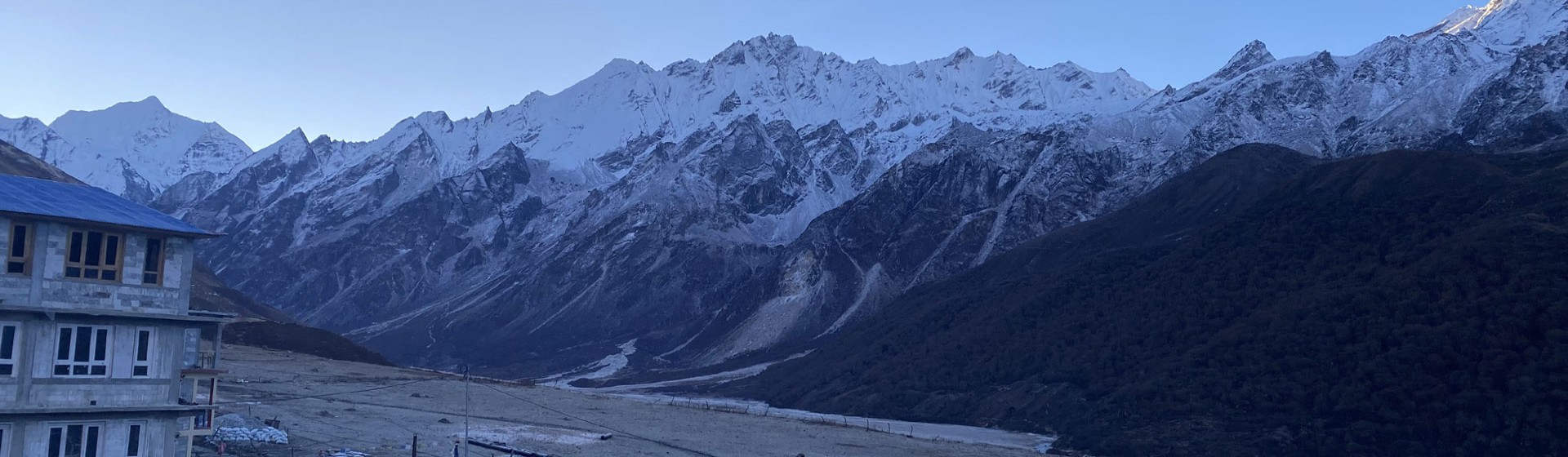
The trail itself is not technically difficult. There are no ropes, climbing sections, or exposed mountain paths that require specialized skills. Most days involve steady walking through forests, villages, river valleys, and mountain landscapes while gradually gaining altitude as you move toward Kyanjin Gompa.
The challenge comes from the combination of daily walking and elevation rather than the terrain itself. Walking for several consecutive days and adjusting to thinner air above Langtang Village can feel more demanding than many beginners expect. However, trekkers who walk at a comfortable pace, stay hydrated, and allow enough time for acclimatization generally adapt well to the route.
Langtang Trek Difficulty at a Glance
Difficulty Level: Moderate
Beginner Friendly: Yes
Technical Climbing Required: No
Highest Overnight Stop: Kyanjin Gompa (3,870 m)
Highest Optional Day Hike: Kyanjin Ri (4,773 m) or Tserko Ri (4,984 m)
Typical Walking Time: 5-7 hours per day
Main Challenge: Altitude and consecutive days of trekking
Best Seasons for Beginners: Spring and Autumn
For most healthy people with a reasonable level of fitness, the Langtang Valley Trek is challenging enough to feel like a genuine Himalayan adventure while remaining achievable as a first trekking experience.
Why Many First-Time Trekkers Choose Langtang Valley Trekking
When beginners contact us about trekking in Nepal, many are looking for the same thing. They want to experience the Himalayas, walk through mountain villages, see snow-covered peaks, and challenge themselves physically, but they are not necessarily looking for the longest or most demanding trek in the country.
This is one of the reasons Langtang Valley trekking appeals to so many first-time trekkers. The route delivers a genuine Himalayan trekking experience without requiring weeks in the mountains or previous trekking experience at high altitude.
The trek begins in Syabrubesi and gradually follows the Langtang Khola deeper into the valley. Each day introduces something different. Forest trails lead to riverside settlements, traditional Tamang communities appear along the route, and the landscape slowly opens as you approach Langtang Village and Kyanjin Gompa. For beginners, this steady progression often feels less intimidating than jumping immediately into higher and more demanding mountain environments.
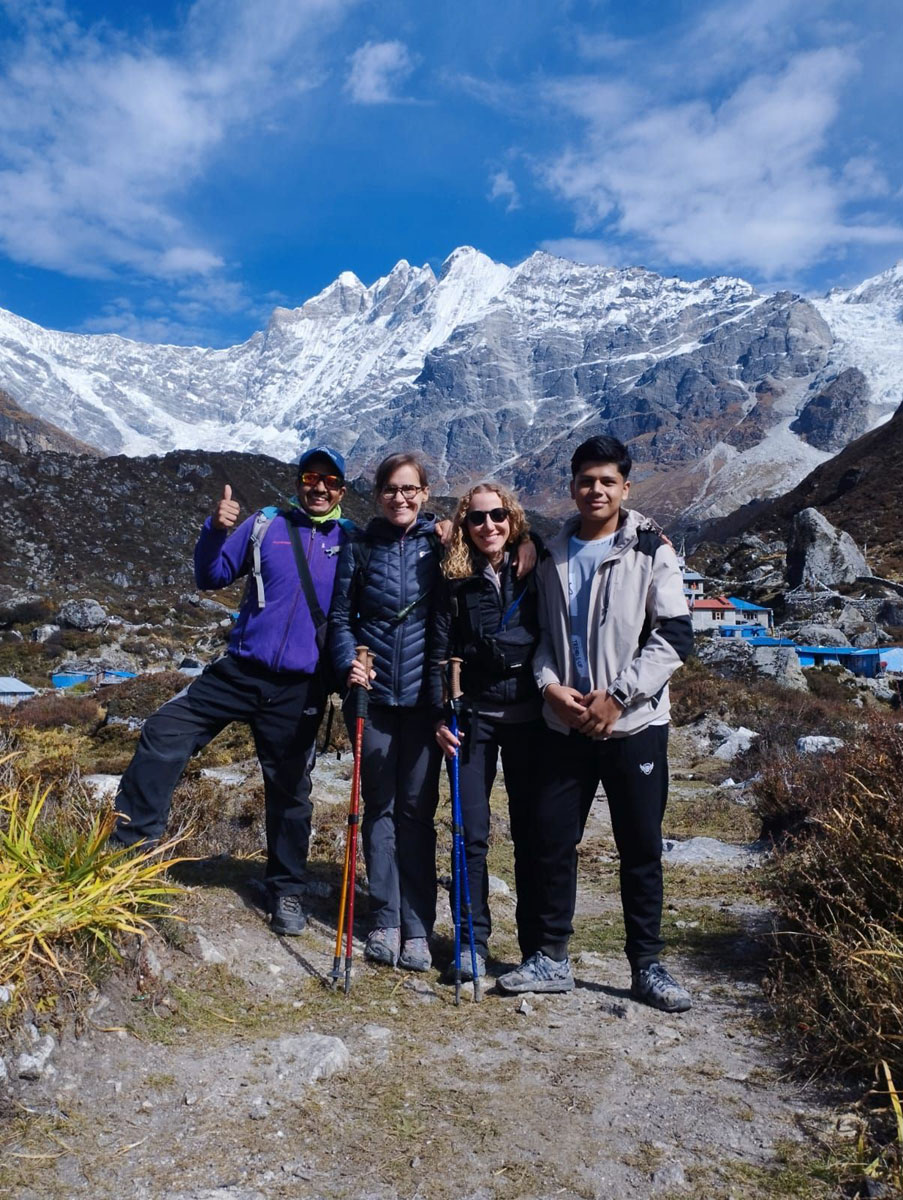
Another reason many first-time trekkers choose Langtang is the simplicity of the trek itself. Tea houses are available throughout the route, daily logistics are straightforward, and the trail is well established. Trekkers can focus on walking and enjoying the experience rather than worrying about technical terrain or complicated expedition planning.
The rewards also arrive surprisingly quickly. Within only a few days of leaving Syabrubesi, the valley begins to reveal dramatic mountain scenery that many trekkers associate with much longer Himalayan journeys. Watching the landscape change from forested hillsides to the open surroundings of Kyanjin Gompa is often one of the highlights for first-time visitors.
For beginners who want a realistic challenge, comfortable trekking infrastructure, and a genuine introduction to the Nepal Himalayas, Langtang offers a balance that is difficult to match. It is demanding enough to feel like an achievement, yet accessible enough that many first-time trekkers leave the valley wondering why they ever doubted themselves in the first place.
Why Beginners Often Choose Langtang Valley Trek
- No technical climbing or mountaineering experience required
- Well-established trekking route
- Tea houses available throughout the trek
- Manageable duration for first-time trekkers
- Diverse landscapes from forest to alpine terrain
- Excellent introduction to Himalayan trekking
- Strong balance between challenge and reward
What Makes a Trek to Langtang Valley Challenging for Beginners?
Many beginners are surprised to discover that the Langtang Valley Trek is not difficult because of dangerous trails or technical climbing. In fact, most of the route follows well-established mountain paths used daily by trekkers, guides, porters, and local residents. The real challenge comes from how several smaller factors combine over the course of the trek.
Most first-time trekkers leave Syabrubesi feeling strong and confident. The trail is enjoyable, the scenery changes quickly, and the daily walking hours feel manageable. The difference usually becomes noticeable after a few days, as altitude increases and the physical effort begins to accumulate. What feels easy on the first day can feel very different by the time you reach Langtang Village or Kyanjin Gompa.
Altitude Is Usually the Biggest Challenge
For most beginners, altitude is the factor that has the greatest impact on the trekking experience. As the trail climbs higher into the valley, the air gradually becomes thinner. Many trekkers first notice this above Langtang Village, where uphill sections often feel slower and more demanding than similar terrain at lower elevations.
One of the advantages of Langtang is that the route gains altitude gradually. This gives the body time to adjust, provided trekkers avoid rushing and maintain a steady pace. In many cases, patience is more important than fitness when it comes to adapting successfully to higher elevations.
Walking Day After Day
Most healthy people can complete a long walk on a single day. The challenge on the Langtang Trek is repeating that effort over several consecutive days while steadily gaining elevation. Fatigue often builds gradually rather than appearing all at once.
Many beginners notice this as they move beyond Lama Hotel and deeper into the valley. Legs may feel heavier in the mornings, climbs can seem longer than expected, and recovery becomes increasingly important. This is a normal part of multi-day trekking and something most trekkers adapt to as the journey progresses.
Long Climbs and Descents
The Langtang route includes frequent uphill and downhill sections, particularly between Bamboo, Lama Hotel, and Langtang Village. These climbs are not technically difficult, but they can require steady effort over extended periods.
Beginners often expect the ascent to be the hardest part of the trek. In reality, some find the return journey equally demanding as long descents place additional pressure on knees, ankles, and leg muscles.
Mountain Weather and Changing Conditions
Weather is another challenge that beginners sometimes underestimate. Conditions can change noticeably throughout the day, especially at higher elevations. A warm morning may become windy by afternoon, while temperatures around Kyanjin Gompa often feel much colder after sunset than many trekkers expect.
Proper layering and preparation make a significant difference. Trekkers who are equipped for changing mountain conditions generally enjoy the experience far more than those who rely on a single set of clothing for the entire day.
The encouraging part is that none of these challenges are unusually extreme. The Langtang Valley Trek is designed more as a test of consistency than raw physical strength. Beginners who walk at a sensible pace, prepare reasonably well, and respect the effects of altitude usually discover that the trek is much more achievable than they first imagined.
How Fit Do You Need to Be for Langtang Valley Trekking?
Many beginners assume they need exceptional fitness to complete the Langtang Valley Trek because it takes place in the Himalayas. In reality, most first-time trekkers who complete the route successfully are not endurance athletes or experienced hikers. They are ordinary travelers who arrive reasonably active and willing to walk consistently for several days.
The Langtang Trek does not require extreme physical strength, but it does reward stamina. Most trekking days involve between 5 and 7 hours of walking, often on uneven mountain trails with regular uphill and downhill sections. The challenge is less about one difficult day and more about repeating the effort day after day while gradually gaining altitude.
One thing many guides notice is that the strongest trekkers are not always the fastest. Beginners who walk steadily, take regular breaks, stay hydrated, and conserve energy often perform better than those who try to push hard during the early stages of the trek. A comfortable pace is usually one of the most important factors for a successful experience in Langtang.
A simple way to judge your readiness is to think about how you feel after a long day of walking. If you can comfortably spend several hours on your feet, handle moderate uphill sections, and recover well by the next day, you already have a solid foundation for Langtang Valley trekking.
If you have a few weeks before the trek, regular walking, hiking, stair climbing, cycling, or other cardiovascular activities can help improve endurance and confidence. Small improvements in fitness often make a noticeable difference once you are on the trail.
Are You Fit Enough for the Langtang Trek?
You are likely ready if you:
- Enjoy regular walking or outdoor activities
- Can comfortably walk for several hours in a day
- Manage moderate uphill climbs without difficulty
- Recover reasonably well after physical activity
You should consider additional preparation if you:
- Have a mostly sedentary lifestyle
- Rarely exercise or walk long distances
- Struggle with prolonged uphill walking
- Tire quickly during moderate physical activity
The encouraging reality is that the Langtang Valley Trek is often more achievable than beginners expect. With reasonable preparation, a steady pace, and realistic expectations, many first-time trekkers discover that the trek is far less intimidating than it seemed before they arrived in Nepal.
Do You Need Previous Trekking Experience?
No, previous trekking experience is not required for the Langtang Valley Trek.
In fact, many people who trek to Langtang Valley each year are experiencing their first multi-day trek in the Himalayas. One of the most common concerns guides hear before the trek begins is, "I've never done anything like this before. Will I be able to complete it?" In most cases, the answer is yes.
The Langtang Trek is often recommended to beginners because the route provides a gradual introduction to mountain trekking. The trail is well established, tea houses are available throughout the journey, and daily walking distances are generally manageable for people with reasonable fitness. Trekkers do not need climbing skills, mountaineering experience, or specialized technical knowledge to follow the route successfully.
What many first-time trekkers discover is that the daily routine becomes easier than expected. After a few days on the trail, walking, resting, eating, and adjusting to mountain life often starts to feel surprisingly natural. Confidence tends to grow with each day as the trek progresses deeper into the valley.
Previous hiking experience can certainly be helpful. People who regularly walk long distances, spend time on trails, or participate in outdoor activities often adapt more quickly to the demands of multi-day trekking. However, experience should be viewed as an advantage rather than a requirement.
Guides frequently notice that attitude has a greater impact than experience. Beginners who listen carefully, walk at a comfortable pace, stay hydrated, and remain patient with altitude often perform just as well as trekkers who have completed other hikes elsewhere.
For many visitors, the Langtang Valley Trek becomes their first trekking experience in Nepal. It is challenging enough to feel like a genuine accomplishment while remaining accessible to people who are new to Himalayan trekking.
What Matters More Than Previous Trekking Experience?
- Reasonable fitness
- A steady walking pace
- Proper hydration
- Good preparation before the trek
- Willingness to follow guide recommendations
- Patience while adjusting to altitude
For most beginners, preparation, pacing, and attitude play a far bigger role in trek success than previous trekking experience itself.
Common Mistakes First-Time Langtang Trekkers Make
Most beginners who struggle on the Langtang Valley Trek do not struggle because the trail is beyond their ability. More often, small decisions made during the first few days gradually affect energy levels, comfort, and overall enjoyment of the trek.
After guiding many first-time trekkers in Langtang, certain patterns appear again and again. The good news is that these mistakes are usually easy to avoid once you understand how the trail works.
Walking Too Fast Too Early
Many beginners leave Syabrubesi feeling strong and full of energy. The temptation is to walk quickly, especially during the lower sections of the trail where altitude is not yet a major factor.
However, Langtang is a trek that rewards consistency rather than speed. Trekkers who start slowly often feel stronger later in the journey, while those who rush during the first few days sometimes struggle as altitude and accumulated fatigue begin to take effect.
Trying to Match Someone Else's Pace
Every trekker adjusts to altitude differently. One of the most common mistakes beginners make is trying to keep pace with stronger or faster members of the group.
Experienced guides usually encourage trekkers to focus on their own rhythm rather than comparing themselves with others. A comfortable pace is almost always the best pace in the mountains.
Underestimating Altitude
Many first-time trekkers focus on distance and daily walking hours but pay less attention to elevation gain. As the trail climbs beyond Langtang Village toward Kyanjin Gompa, thinner air can make even moderate uphill sections feel more demanding.
Respecting altitude, staying hydrated, and allowing the body time to adjust are often more important than physical strength alone.
Carrying More Than You Need
Heavy backpacks rarely seem like a problem on the first day. After several days of walking, however, every unnecessary item becomes more noticeable.
Many experienced trekkers finish the trek realizing they carried far more equipment than they actually used.
Drinking Too Little Water
Cool mountain temperatures can make people feel less thirsty than usual, but hydration remains important throughout the trek. Many beginners unintentionally drink less water than they should, particularly at higher elevations where hydration plays a role in overall comfort and altitude adaptation.
Focusing Only on the Destination
Some trekkers become so focused on reaching Langtang Village or Kyanjin Gompa that they overlook much of what makes the trek special. Forest trails, rivers, suspension bridges, mountain settlements, and changing landscapes are all part of the experience.
The trekkers who enjoy Langtang the most are often those who appreciate the journey itself rather than treating each day as a race to the next stop.
The encouraging part is that these mistakes are entirely avoidable. Walking at a steady pace, listening to your guide, staying hydrated, and respecting the effects of altitude are usually enough to make the Langtang Valley Trek a comfortable and rewarding experience for most beginners.
Tips for Your First Trek to Langtang Valley
After guiding many first-time trekkers in Langtang, one lesson appears repeatedly: the people who enjoy the trek the most are rarely the strongest or fastest walkers. More often, they are the trekkers who pace themselves well, stay flexible, and focus on the overall experience rather than simply reaching the next destination.
Walk at a Pace You Can Maintain All Day
Many beginners start the trek with more energy than they need. The goal is not to walk as fast as possible but to find a comfortable rhythm that feels sustainable from morning until afternoon. A steady pace often makes the trek feel easier and leaves more energy to enjoy the scenery along the way.
Let the Trek Build Naturally
One of the advantages of the Langtang Valley Trek is that the landscape changes gradually. Forests give way to open valleys, villages become smaller, and the mountains seem to grow larger with each day. Trekkers who allow themselves to settle into this progression often enjoy the experience more than those who focus only on reaching Kyanjin Gompa.
Take Care of Yourself Before You Feel Tired
Experienced trekkers rarely wait until they are exhausted to drink water, eat a snack, or take a short break. Small habits throughout the day often make a bigger difference than trying to recover after energy levels have already dropped.
Pack Light and Keep Things Simple
Many first-time trekkers arrive with equipment they never use. A lighter backpack usually makes walking more comfortable and reduces unnecessary fatigue, particularly during longer uphill sections. When in doubt, simplicity is often the better choice.
Expect Some Difficult Moments
Even strong trekkers occasionally have days when the trail feels longer than expected or altitude makes walking feel slower. This is completely normal. A challenging hour on the trail does not mean the trek is going badly. Most beginners discover that patience and consistency solve far more problems than determination alone.
Enjoy More Than the Final Destination
Langtang Village, Kyanjin Gompa, and the surrounding mountain viewpoints are obvious highlights, but many trekkers remember smaller moments just as clearly. Conversations in tea houses, views from suspension bridges, early morning walks through the forest, and daily life in the valley often become some of the most memorable parts of the journey.
For most beginners, the secret to enjoying a trek to Langtang Valley is surprisingly simple. Walk steadily, stay patient, prepare reasonably well, and allow yourself to experience the trail rather than rushing through it. The mountains will still be there when you arrive.
Best Season for Beginner Trekkers in Langtang
If this is your first trek in Nepal, spring and autumn are usually the easiest seasons to recommend.
These months offer the most comfortable combination of weather, trail conditions, mountain views, and overall trekking experience. For beginners, this means fewer weather-related challenges and a better opportunity to focus on enjoying the trek itself.
Many guides consider October and November the most straightforward months for first-time trekkers. Trails are generally dry, temperatures are comfortable for walking, and mountain visibility is often excellent throughout the valley. Beginners can concentrate on adapting to daily trekking rather than dealing with difficult weather conditions.
Spring, particularly April and early May, is another excellent choice. The forests below Langtang Village become greener, rhododendrons bloom along sections of the trail, and daytime temperatures are usually pleasant for walking. Many first-time trekkers enjoy the combination of colorful landscapes and comfortable trekking conditions found during this season.
Winter and monsoon trekking are certainly possible, but they often require greater flexibility. Snowfall, colder temperatures, heavy rain, muddy trails, or reduced mountain visibility can create additional challenges that some beginners may find less enjoyable during their first Himalayan trek.
For most first-time trekkers, the decision is quite simple. If your schedule allows, choose either spring or autumn. These seasons provide the smoothest introduction to Langtang Valley trekking and give beginners the best chance to experience the region under favorable conditions.
If you would like a detailed seasonal breakdown, see our guide to the Best Time for Langtang Valley Trek.
Recommended Seasons for Beginners
Best Overall: October and November
Best for Spring Scenery: April and Early May
Good for Experienced Trekkers Seeking Fewer Crowds: Winter
Most Challenging for Beginners: Monsoon Season
Which Langtang Trek Itinerary Is Best for Beginners?
One of the most common assumptions beginners make is that the shortest itinerary will automatically be the easiest. In reality, the opposite is often true. Shorter itineraries usually require longer walking days and a faster pace, while slightly longer itineraries give trekkers more time to enjoy the trail and adapt to the rhythm of mountain trekking.
For first-time trekkers, choosing the right itinerary can have a significant impact on the overall experience.
5 Days Langtang Valley Trek
The 5 Days Langtang Valley Trek is designed for travelers with limited time. Because the itinerary is more condensed, daily walking distances are generally longer and the pace is more demanding.
Strong beginners who are active and comfortable with long days of walking can certainly enjoy this option. However, many first-time Himalayan trekkers find that the schedule leaves less room for flexibility and recovery compared to longer itineraries.
6 Days Langtang Valley Trek
The 6 Days Langtang Valley Trek is often the option many beginners naturally gravitate toward. It provides enough time to enjoy the major highlights of the valley without feeling rushed, while still fitting comfortably into a shorter travel schedule.
For active first-time trekkers, this itinerary usually offers a good balance between challenge, comfort, and available vacation time.
7 Days Langtang Valley Trek
If a beginner asks for the itinerary we most often recommend, the answer is usually the 7 Days Langtang Valley Trek.
The additional time allows for a more relaxed pace, greater flexibility on the trail, and more opportunities to enjoy places such as Langtang Village and Kyanjin Gompa without feeling pressured to move quickly each day. Many first-time trekkers find that this slower rhythm makes the overall experience more enjoyable.
Our Recommendation for First-Time Trekkers
For most beginners, the 7-day itinerary provides the most comfortable introduction to Langtang Valley trekking. The pace feels more forgiving, daily walking is easier to manage, and there is less pressure to rush through the experience.
The 6-day itinerary remains an excellent alternative for active travelers with limited time, while the 5-day trek is generally best suited to beginners who are confident in their fitness and comfortable with longer walking days.
| Itinerary | Beginner Friendly | Pace |
|---|
| 5 Days Langtang Valley Trek | Good | Fast |
| 6 Days Langtang Valley Trek | Very Good | Moderate |
| 7 Days Langtang Valley Trek | Excellent | Relaxed |
For many first-time trekkers, having an extra day often improves the experience far more than expected. The mountains are not going anywhere, and a comfortable pace usually allows beginners to enjoy Langtang far more than a rushed schedule.
Our Honest Opinion: Is Langtang Valley Trekking Right for Beginners?
If a beginner asked us to recommend a first Himalayan trek in Nepal, Langtang would be one of the first routes we would suggest.
Not because it is the easiest trek in Nepal, but because it offers a balance that many first-time trekkers are looking for. The route is challenging enough to feel like a genuine mountain adventure, yet accessible enough that most healthy and reasonably active people can complete it with proper preparation.
One of the reasons Langtang works so well for beginners is that the experience develops naturally. The trek does not begin in extreme high-altitude terrain or demand technical skills from the first day. Instead, the trail gradually leads trekkers deeper into the valley, allowing confidence to build alongside the changing landscape.
Many first-time trekkers arrive worried about altitude, fitness, or whether they will be able to keep up with the demands of the trail. By the time they reach Langtang Village or Kyanjin Gompa, those concerns are often replaced by a sense of accomplishment and confidence. This transformation is one of the reasons the trek leaves such a strong impression on many beginners.
The journey also delivers many of the experiences people hope for when they dream about trekking in Nepal. Forest trails, suspension bridges, mountain villages, tea house culture, and close-up Himalayan scenery all become part of daily life on the route. For beginners, it offers a meaningful introduction to trekking without requiring previous mountain experience.
Of course, Langtang is not the right choice for everyone. Travelers who dislike walking for multiple days or prefer comfort-focused travel experiences may enjoy other styles of adventure more. However, for people who are curious about trekking, willing to prepare, and excited by the idea of exploring the mountains on foot, Langtang is often an excellent place to start.
Our honest view is simple: if you have never trekked in Nepal before and want a route that combines achievable challenge, beautiful scenery, and a genuine Himalayan experience, Langtang Valley trekking is one of the best choices available.
Frequently Asked Questions
Can a beginner do the Langtang Valley Trek?
Yes. Many people complete the Langtang Valley Trek as their first multi-day trek in the Himalayas. With reasonable fitness, proper preparation, and a sensible pace, most beginners can successfully complete the route.
Is the Langtang Trek difficult for beginners?
The Langtang Trek is generally considered moderately challenging rather than difficult. The main challenges come from altitude, daily walking hours, and consecutive days of trekking rather than technical terrain or climbing.
Do I need previous trekking experience for Langtang Valley trekking?
No. Previous trekking experience is helpful but not required. Many first-time trekkers successfully complete the trek each year without any prior Himalayan trekking experience.
How fit do I need to be for the Langtang Trek?
You do not need exceptional fitness, but you should be comfortable walking for several hours a day on uneven mountain trails. Regular walking, hiking, cycling, or other cardiovascular activities can help prepare for the trek.
For a complete overview of the route and daily trekking schedule, see our Langtang Valley Trek guide.
How many hours do beginners walk each day on the Langtang Trek?
Most beginners walk between 5 and 7 hours per day on the Langtang Valley Trek, depending on the itinerary, weather, trail conditions, and individual pace. Some days are shorter, while others involve longer uphill sections. Walking steadily and taking regular breaks is usually more important than walking quickly.
Is Langtang easier than Everest Base Camp Trek?
For many beginners, Langtang is often considered slightly easier than the Everest Base Camp Trek. The route is shorter, reaches a lower sleeping altitude, and usually requires fewer trekking days while still providing an excellent Himalayan trekking experience.
What is the best season for beginners to trek Langtang Valley?
Spring (March to May) and autumn (September to November) are generally the best seasons for beginners. These months usually provide comfortable temperatures, favorable trail conditions, and excellent mountain views.
Which Langtang itinerary is best for beginners?
For most first-time trekkers, a 7-day Langtang Valley Trek itinerary is often the most comfortable option because it allows a more relaxed pace, greater flexibility, and additional time to enjoy the experience.
Is altitude sickness common on the Langtang Trek?
Most trekkers do not experience serious altitude problems, but mild symptoms can occur as elevation increases. Walking slowly, staying hydrated, and following a sensible itinerary help reduce the risk.
Can older trekkers do the Langtang Valley Trek?
Yes. Many older trekkers successfully complete the route each year. Fitness, preparation, and trekking pace are generally more important than age alone.
Is Langtang a good first trek in Nepal?
Yes. Many trekkers choose Langtang as their first Himalayan trek because it combines manageable difficulty, tea house accommodation, mountain scenery, and a relatively accessible route. It provides a genuine trekking experience without requiring technical skills or previous Himalayan trekking experience.
Is Langtang Valley Trekking worth it for first-time trekkers?
For many beginners, Langtang offers an ideal introduction to trekking in Nepal. The combination of mountain scenery, local culture, traditional tea houses, and moderate difficulty creates an experience that is both achievable and highly rewarding for first-time trekkers.