What Makes Packing for Everest Base Camp Different?
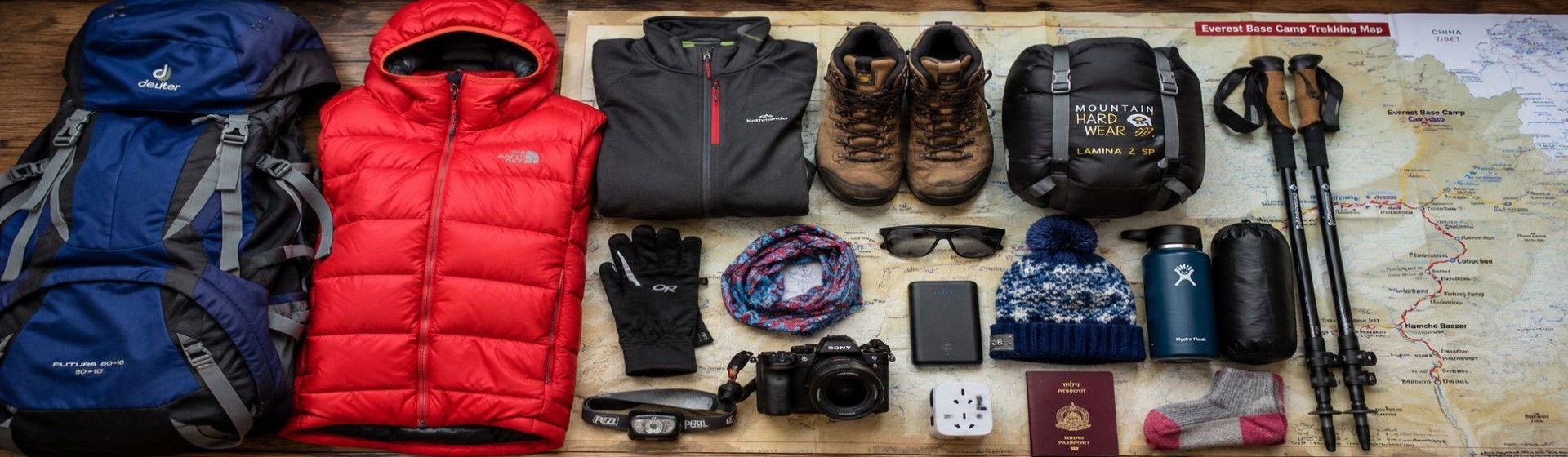
Many trekking packing lists look similar on paper, but the Everest Base Camp Trek has several characteristics that influence what trekkers actually need to carry. Understanding these factors before packing can help you avoid unnecessary weight and focus on the items that are most useful on the trail.
Unlike camping expeditions, the Everest Base Camp Trek is completed using local tea houses for accommodation and meals. Because food and lodging are available throughout the route, trekkers do not need to carry tents, cooking equipment, fuel, or large amounts of food. This allows most people to keep their overall packing weight relatively manageable.
Another important difference is the Lukla flight. Most trekkers begin the journey with a domestic flight to Lukla, where baggage allowances are more limited than international flights. Packing efficiently before arriving in Nepal makes it easier to stay within airline limits and reduces the need for last-minute repacking at the airport.
The Everest region also experiences noticeable temperature differences between daytime and nighttime. Sunny afternoons can feel comfortable during the main trekking seasons, while early mornings, evenings, and higher elevations above Dingboche often require significantly warmer layers. For this reason, experienced trekkers usually rely on a practical layering system rather than carrying heavy clothing for every possible weather condition.
Strong mountain sunlight is another factor that many first-time trekkers underestimate. The combination of altitude, clear skies, and occasional snow reflection can make sun protection just as important as cold-weather protection. Sunglasses, sunscreen, lip balm, and a sun hat are items that many trekkers end up using every day.
Most Everest Base Camp trekkers also use a porter, allowing them to walk with only a lightweight daypack containing water, snacks, extra layers, and personal essentials. This often makes the trekking experience more comfortable than carrying a large backpack throughout the journey.
One thing we regularly notice during Everest Base Camp departures is that trekkers often arrive with far more clothing than they actually use. During the pre-trek briefing in Kathmandu, many travelers are surprised to learn that tea houses provide basic accommodation, meals are available throughout the route, and laundry facilities can be found in some lower villages. As a result, many choose to leave extra items at their hotel before flying to Lukla.
Over the course of the trek, many travelers discover that the items they use most often are surprisingly simple: a warm down jacket during cold mornings, sunglasses on exposed sections of the trail, a power bank for charging devices, and comfortable trekking boots that have already been broken in before arriving in Nepal. These practical items usually contribute far more to comfort on the trail than carrying extra clothing or non-essential gear.
In our experience, trekkers who pack light, follow a simple layering system, and focus on practical essentials usually enjoy the Everest Base Camp Trek far more than those carrying overloaded bags. The goal is not to bring everything you own, but to bring the items that will genuinely improve your comfort and safety on the trail.
Quick Everest Base Camp Packing Checklist
During our Everest Base Camp departures, we often see trekkers arrive with long packing lists and far more gear than they actually use on the trail. While every traveler has different preferences, most people rely on a relatively small number of essential items throughout the trek.
The Everest Base Camp packing list below focuses on the gear that is commonly used during a typical trek and provides a practical starting point before reviewing the more detailed recommendations later in this guide.
Clothing for the Everest Base Camp Trek
- Moisture-wicking trekking shirts
- Thermal base layers
- Fleece or insulated mid-layer
- Down jacket
- Waterproof and windproof shell jacket
- Trekking pants
- Thermal leggings
- Underwear
- Warm hat or beanie
- Sun hat or cap
- Lightweight gloves
- Insulated gloves
- Buff or neck gaiter
- Trekking socks
Footwear for Everest Base Camp
- Broken-in trekking boots
- Comfortable camp shoes or sandals
- Extra trekking socks
Daypack Items Used Most Often on the Everest Trail
- Daypack (20-35 liters)
- Reusable water bottles or hydration system
- Water purification tablets or filter
- Sunglasses with UV protection
- Sunscreen
- Lip balm
- Snacks
- Personal medication
- Headlamp
- Power bank
- Charging cables
- Passport copy
- Cash for personal expenses
Items Commonly Packed in a Porter Duffel Bag
- Spare clothing
- Sleeping bag
- Sleeping bag liner (optional)
- Toiletries
- Extra batteries
- Electronics not needed during the day
- Laundry bag
Cold Weather Essentials for Dingboche, Lobuche, and Gorakshep
- Down jacket
- Thermal layers
- Warm gloves
- Warm hat
- Neck gaiter or buff
- Sleeping bag suitable for cold temperatures
Personal Care and Hygiene Items
- Toothbrush and toothpaste
- Hand sanitizer
- Wet wipes
- Small towel
- Moisturizer
- Nail clippers
- Basic first-aid supplies
Trekking Equipment
- Trekking poles
- Dry bags or waterproof stuff sacks
- Rain cover for backpack
- Gaiters (seasonal)
- Microspikes (seasonal)
Electronics and Photography Gear
- Mobile phone
- Camera
- Extra memory cards
- Spare batteries
- Universal travel adapter
- Power bank
Documents and Cash for the Everest Region
- Passport
- Nepal visa copy
- Travel insurance details
- Emergency contact information
- Flight tickets and travel documents
- Cash for personal expenses along the trail
Optional Items Many Trekkers Bring
- Lightweight book or e-reader
- Travel pillow
- Playing cards
- Notebook and pen
- Small trekking umbrella
While this checklist covers the items most commonly used during the Everest Base Camp Trek, not everything listed is essential for every traveler.
In the following sections, we explain what belongs in your daypack, what can stay in your porter bag, what equipment can be rented in Kathmandu, and which items are often packed but rarely used on the trail.
The Small Items Trekkers Most Often Forget Before Everest Base Camp
After preparing trekkers for the Everest Base Camp Trek over many years, we have noticed that most people rarely forget the big items such as a down jacket, trekking boots, or a sleeping bag. Instead, it is usually the smaller essentials that are overlooked but become surprisingly useful once the trek begins.
Some of the items trekkers most often wish they had packed include lip balm, blister tape, a spare charging cable, a power bank, reusable zip bags, electrolyte powder, and an extra pair of warm trekking socks. These items take up very little space but are used regularly throughout the trek, especially after Namche Bazaar as the weather becomes colder and facilities become more limited.
Most of these items can still be purchased in Kathmandu before flying to Lukla, but they are often more expensive or harder to find once you are on the trail. Before leaving Kathmandu, we always recommend taking a final ten-minute look through your bag to check these smaller essentials. In our experience, they often make a bigger difference to day-to-day comfort than carrying extra clothing or additional equipment.
What to Carry in Your Daypack During the Everest Base Camp Trek
One of the most common questions we receive before the Everest Base Camp Trek is whether trekkers need to carry all of their gear each day. In most cases, the answer is no. Trekkers who use a porter typically carry only a small daypack while walking, with the main duffel bag transported separately between overnight stops.
Because you will have access to your duffel bag each evening, the goal is not to carry everything you own during the day. Instead, your daypack should contain the items you are most likely to need while walking between tea houses.
Throughout the Everest Base Camp Trek, water is usually the item trekkers access most frequently from their daypack. Many people begin the day with full bottles and refill them at tea houses along the route using purification tablets or other treatment methods. Staying properly hydrated becomes increasingly important as the trek gains altitude.
A warm layer should always be easily accessible, even on sunny days. Weather conditions in the Everest region can change quickly, and temperatures often feel noticeably cooler when passing through shaded valleys, exposed ridges, or higher elevations above Dingboche and Lobuche. Most trekkers keep a down jacket or an additional insulating layer near the top of their daypack for quick access.
Sun protection is another item that sees daily use throughout the trek. Sunglasses, sunscreen, lip balm, and a sun hat are often used more frequently than many first-time trekkers expect. The combination of altitude and strong mountain sunlight can make sun exposure surprisingly intense, particularly on clear days.
Most trekkers also carry a few personal essentials such as snacks, a headlamp, personal medication, a phone, charging cables, and a power bank. These items take up very little space but can make a significant difference in day-to-day comfort on the trail.
During our Everest Base Camp departures, we often notice that trekkers who organize their daypacks carefully tend to enjoy the trek more than those carrying unnecessary weight. A lighter daypack generally means greater comfort during long walking days, especially on sections between Namche Bazaar, Dingboche, Lobuche, and Gorakshep where altitude begins to play a larger role in overall energy levels.
One pattern we frequently see during Everest Base Camp treks is that daypacks become lighter as the journey progresses. Many trekkers begin the trek carrying extra clothing, accessories, and backup items, only to realize after a few days that they rarely use them while walking. By the time they reach Namche Bazaar or Dingboche, most travelers have developed a simple routine and carry only the items they need regularly throughout the day.
Recommended Daypack Items
- Water bottles or hydration system
- Water purification tablets or filter
- Down jacket or warm insulating layer
- Waterproof shell jacket
- Sunglasses
- Sunscreen
- Lip balm
- Snacks
- Personal medication
- Headlamp
- Mobile phone
- Power bank
- Charging cables
- Passport copy
- Cash for personal expenses
- Lightweight gloves
- Buff or neck gaiter
For most trekkers, a comfortable daypack between 20 and 35 liters is usually sufficient for carrying daily essentials during the Everest Base Camp Trek.
What Goes Into Your Porter Bag During the Everest Base Camp Trek
While your daypack carries the items you need during the day, the porter bag is where most of your clothing, sleeping gear, and spare personal items will be stored throughout the Everest Base Camp Trek. Because you will receive your duffel bag at each overnight stop, there is no need to carry these items while walking between villages.
Many first-time trekkers assume they need constant access to everything they pack. In reality, most people develop a simple routine after the first few days on the trail. Items needed during the day stay in the daypack, while everything else remains in the porter bag until reaching the next tea house.
Most of the clothing packed in a porter bag is used during the evenings and early mornings rather than while trekking. After arriving at a tea house, trekkers often change into warmer layers, dry clothing, or more comfortable items before dinner. This is particularly common in higher villages such as Dingboche, Lobuche, and Gorakshep, where temperatures can drop significantly after sunset.
Sleeping gear is another important part of the porter bag. Although tea houses provide beds and blankets, many trekkers bring a sleeping bag for additional warmth and comfort, especially during spring and autumn when overnight temperatures at higher elevations frequently fall below freezing.
Personal items that are not required during the day are also usually stored in the duffel bag. Spare clothing, toiletries, backup electronics, extra batteries, and other non-essential items can remain packed until the evening. This helps keep the daypack lighter and more comfortable during long walking days.
One thing we regularly observe during Everest Base Camp departures is that trekkers often pack far more spare clothing than they actually use. After reaching Namche Bazaar, many travelers realize they repeatedly wear the same trekking layers during the day and only rotate a small number of evening clothes throughout the trek. A lighter and more organized porter bag is often more practical than carrying unnecessary extras.
Another common mistake is packing important items too deeply inside the duffel bag. Weather conditions in the Everest region can change quickly, and it is helpful to keep frequently used items organized in separate packing cubes or waterproof stuff sacks. This makes it easier to find gear after arriving at a tea house, especially during colder evenings.
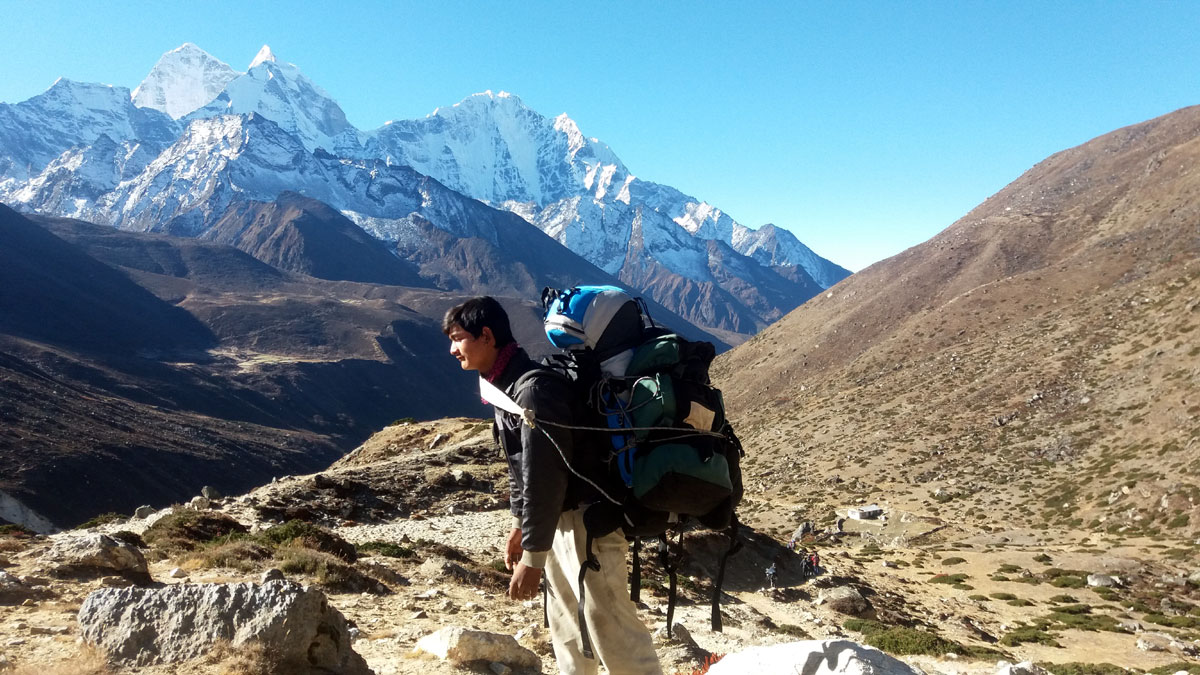
Items Commonly Packed in a Porter Bag
- Spare trekking clothing
- Thermal base layers
- Down jacket
- Spare socks and underwear
- Sleeping bag
- Sleeping bag liner (optional)
- Camp shoes or sandals
- Toiletries
- Small towel
- Backup batteries
- Camera equipment not needed during the day
- Laundry bag
- Personal items for evenings at tea houses
For most Everest Base Camp trekkers, keeping the porter bag organized, lightweight, and limited to essential items generally creates a more comfortable trekking experience than carrying a large amount of extra gear that may never be used on the trail.
Clothing Packing List for the Everest Base Camp Trek
When trekkers ask what clothing they should bring for the Everest Base Camp Trek, many expect a long list of specialized gear. In reality, most experienced trekkers rely on a simple layering system that can be adjusted throughout the day as temperatures, weather conditions, and altitude change.
One of the reasons layering works so well in the Everest region is that conditions can vary considerably between villages and even within the same day. A morning departure from Dingboche or Lobuche may require several warm layers, while a sunny afternoon lower on the trail can feel much more comfortable. Instead of carrying heavy clothing for every possible situation, most trekkers stay comfortable by adding or removing layers as needed.
Base Layers
Base layers sit closest to the skin and help manage moisture during long walking days. Comfortable thermal tops and bottoms are particularly useful during colder mornings and evenings at higher elevations.
Recommended items:
- 2-3 moisture-wicking trekking shirts
- 1-2 thermal base layer tops
- 1 thermal base layer bottom
- Comfortable underwear
Mid Layers
Mid layers provide additional warmth and are commonly worn during cooler sections of the trail or while relaxing at tea houses after trekking.
Recommended items:
- Fleece jacket or pullover
- Lightweight insulated jacket or warm mid-layer
- Insulation Layers
A quality down jacket is one of the most valuable clothing items for the Everest Base Camp Trek. While it may not be worn continuously during the day, it often becomes essential during cold mornings, evenings, meal breaks, and overnight stays in higher villages.
Recommended items:
- Warm down jacket suitable for high-altitude trekking
- Waterproof and Windproof Layers
Weather conditions in the Everest region can change quickly, particularly during the shoulder seasons. A waterproof outer layer helps protect against wind, light snow, and occasional rain.
Recommended items:
- Waterproof shell jacket
- Waterproof trekking pants
- Lower Body Clothing
Most trekkers spend the majority of the trek wearing the same comfortable trekking pants. Additional layers are usually added only when temperatures become significantly colder.
Recommended items:
- 2 pairs of trekking pants
- Thermal leggings or long underwear
- Lightweight shorts (optional during warmer months)
- Hats, Gloves, and Neck Protection
These smaller items often receive less attention during trip preparation, but many trekkers use them daily once higher elevations are reached.
Recommended items:
- Warm hat or beanie
- Sun hat or cap
- Lightweight gloves
- Insulated gloves
- Buff or neck gaiter
One thing we regularly notice during Everest Base Camp treks is that clothing is the category most people overpack. Many travelers arrive with numerous spare shirts, multiple jackets, and extra layers they never use. After a few days on the trail, most trekkers settle into a simple routine, wearing the same trekking clothes during the day and changing into warmer layers at tea houses in the evening.
Another common observation is that a good down jacket often provides more value than carrying several additional layers. From Namche Bazaar onward, particularly around Dingboche, Lobuche, and Gorakshep, reliable insulation becomes increasingly important as temperatures drop and evenings become noticeably colder.
Quick Clothing Checklist
- Moisture-wicking trekking shirts
- Thermal base layers
- Fleece or warm mid-layer
- Down jacket
- Waterproof shell jacket
- Waterproof pants
- Trekking pants
- Thermal leggings
- Underwear
- Trekking socks
- Warm hat
- Sun hat
- Lightweight gloves
- Insulated gloves
- Buff or neck gaiter
For most Everest Base Camp trekkers, the goal is not to carry more clothing but to carry the right clothing. A practical layering system is usually more effective, more comfortable, and far easier to manage than bringing a large amount of extra gear that may never leave the duffel bag.
Footwear for the Everest Base Camp Trek
If there is one item that can significantly influence your comfort on the Everest Base Camp Trek, it is your footwear. While trekkers often spend considerable time choosing jackets, sleeping bags, and other equipment, experienced guides know that comfortable feet usually contribute more to an enjoyable trek than any other piece of gear.
The Everest Base Camp route does not require technical mountaineering boots, but it does involve many consecutive days of walking on uneven trails, stone steps, rocky sections, and occasional snow depending on the season. Choosing appropriate footwear before arriving in Nepal can help prevent unnecessary discomfort during the trek.
Trekking Boots
A good pair of trekking boots should provide comfort, support, and protection without feeling excessively heavy. The most important factor is not the brand or price of the boots but whether they fit properly and have already been broken in before the trek begins.
One of the most common mistakes we see during Everest Base Camp departures is trekkers arriving with brand-new boots. Even high-quality footwear can cause discomfort if it has not been tested on longer walks before the trip. Most blister problems occur during the first few trekking days rather than at higher elevations.
Trekkers concerned about the physical challenge of the route may also find our Everest Base Camp Trek Difficulty Guide helpful when preparing for the journey.
Recommended features:
- Comfortable fit
- Good ankle support
- Durable sole with reliable grip
- Water-resistant or waterproof construction
- Already broken in before the trek
Trekking Socks
Good socks are often overlooked during trip preparation, yet they play an important role in overall foot comfort. Quality trekking socks help reduce friction, manage moisture, and provide additional cushioning during long walking days.
Many experienced trekkers prefer several pairs of wool or synthetic trekking socks rather than carrying a large number of standard cotton socks.
Recommended items:
- 3-5 pairs of trekking socks
- 1-2 pairs of warmer socks for evenings and colder nights
Camp Shoes
After spending several hours on the trail, many trekkers appreciate having lightweight camp shoes or sandals available at tea houses. These are useful for relaxing in the evenings, moving around lodges, and giving trekking boots time to dry and air out.
Camp shoes are not essential while walking but are often among the items trekkers are happiest to have once they reach their overnight stop.
Recommended items:
- Lightweight sandals
- Lightweight camp shoes
Common Footwear Mistakes
During Everest Base Camp treks, we regularly notice that footwear problems are usually caused by preparation rather than the trail itself.
Some of the most common mistakes include:
- Wearing brand-new boots for the trek
- Bringing boots that are too small or too large
- Using cotton socks that retain moisture
- Forgetting spare trekking socks
- Choosing style or appearance over comfort
In our experience, trekkers with comfortable, well-tested footwear often have a much easier time on the trail than those carrying expensive gear but struggling with foot pain or blisters.
Another observation we frequently make is that comfortable boots become increasingly important as the trek progresses beyond Namche Bazaar. Sections between Dingboche, Lobuche, Gorakshep, and Everest Base Camp involve longer periods of walking on rocky terrain where proper support and comfort can make a noticeable difference.
Quick Footwear Checklist
- Broken-in trekking boots
- 3-5 pairs of trekking socks
- Warm socks for evenings
- Lightweight camp shoes or sandals
- Blister treatment supplies
For most Everest Base Camp trekkers, comfortable and well-tested footwear is far more important than owning the most expensive boots available. A reliable pair of trekking boots, quality socks, and simple camp shoes are usually all that is needed to stay comfortable throughout the journey from Lukla to Everest Base Camp.
Sleeping Gear and Cold Weather Essentials for the Everest Base Camp Trek
Many first-time trekkers focus heavily on daytime clothing when preparing for the Everest Base Camp Trek, but it is often the evenings and overnight temperatures that surprise people the most. As the trek gains altitude, particularly above Dingboche, temperatures drop noticeably after sunset, and staying warm during the night becomes an important part of overall comfort and recovery.
Tea houses along the Everest Base Camp route provide beds, mattresses, and blankets, but the level of warmth can vary depending on the location, season, and weather conditions. Lower villages are generally more comfortable, while higher settlements such as Lobuche and Gorakshep can become considerably colder during the night. For this reason, many trekkers choose to bring a sleeping bag even though accommodation is provided throughout the trek.
Sleeping Bags
A good sleeping bag is one of the most useful items for Everest Base Camp, particularly during the spring and autumn trekking seasons. While tea house blankets provide additional warmth, many trekkers appreciate having their own sleeping bag for both comfort and insulation at higher elevations.
One thing we frequently hear from trekkers after reaching Lobuche or Gorakshep is that they are glad they brought a sleeping bag, even if they questioned whether it was necessary before the trek began.
Recommended items:
- Four-season sleeping bag suitable for high-altitude trekking
- Sleeping bag rated for sub-zero temperatures
- Compression sack for easier packing
- Sleeping Bag Liners
A sleeping bag liner is optional, but some trekkers find it useful for additional warmth and comfort. It can also help keep the inside of the sleeping bag cleaner during longer treks.
Recommended items:
- Lightweight sleeping bag liner
Nighttime Clothing
Most trekkers change into dry and warmer clothing after arriving at a tea house. Comfortable nighttime layers can make evenings more enjoyable, especially after long days of walking.
Recommended items:
- Thermal base layers
- Warm trekking socks
- Fleece jacket or warm mid-layer
- Comfortable clothing for sleeping
One pattern we regularly observe is that trekkers often use their down jacket more during evenings and mornings than while actually walking. After dinner, many tea house dining rooms cool down quickly, and a warm insulated jacket often becomes one of the most appreciated items in a trekker’s bag.
Cold Weather Accessories
Small accessories can make a significant difference once the trek reaches higher elevations. Items that may seem unnecessary in Kathmandu often become daily essentials around Dingboche, Lobuche, and Gorakshep.
Recommended items:
- Warm hat or beanie
- Insulated gloves
- Buff or neck gaiter
- Hand warmers (optional)
Another common observation from our Everest Base Camp departures is that trekkers who stay warm during the evenings generally sleep better and recover more comfortably for the following day's walk. Good sleep becomes increasingly valuable as the trek progresses toward Everest Base Camp and Kala Patthar.
Quick Sleeping Gear Checklist
- Four-season sleeping bag
- Sleeping bag liner (optional)
- Thermal base layers
- Warm socks
- Fleece or warm mid-layer
- Down jacket
- Warm hat
- Insulated gloves
- Buff or neck gaiter
The coldest part of the Everest Base Camp Trek is usually not while walking during the day but during the evenings and overnight stays at higher elevations. A warm sleeping bag, dry nighttime clothing, and a few simple cold-weather accessories often contribute more to comfort on the trek than carrying additional clothing that may never be used.
What You Can Rent in Kathmandu for the Everest Base Camp Trek
A common misconception among first-time Everest Base Camp trekkers is that every piece of trekking equipment must be purchased before arriving in Nepal. In reality, Kathmandu is one of the easiest places in the Himalayas to rent trekking gear, and many travelers complete the trek without buying expensive equipment specifically for this trip.
During our Everest Base Camp pre-trek briefings, gear questions are often among the first topics discussed. Many trekkers arrive concerned that they may be missing important equipment, only to discover that they already have most of what they need. In many cases, only a sleeping bag, down jacket, trekking poles, or a few cold-weather accessories need to be rented before the trek begins.
For travelers visiting Nepal from warmer countries or those planning a one-time trek, renting equipment can be a practical solution. It reduces luggage weight during international travel and avoids the cost of purchasing gear that may only be used for a single adventure.
Sleeping Bags
Sleeping bags are among the most frequently rented items for the Everest Base Camp Trek. Although tea houses provide beds and blankets, many trekkers prefer the additional warmth and comfort of a personal sleeping bag, especially at higher overnight stops such as Lobuche and Gorakshep.
Common rental item:
- Four-season sleeping bag suitable for high-altitude trekking
Down Jackets
A warm down jacket becomes increasingly important as the trek progresses beyond Namche Bazaar. Even trekkers who feel comfortable during the daytime often appreciate having a quality insulated jacket during early mornings, evenings, meal breaks, and overnight stays at higher elevations.
Common rental item:
- High-altitude down jacket
Trekking Poles
Trekking poles are useful on both ascents and descents and are especially appreciated during longer downhill sections later in the trek. Many trekkers who have never used poles before quickly become accustomed to them after the first few days on the trail.
Common rental item:
- Adjustable trekking poles
Duffel Bags
Trekkers using a porter typically carry their main gear in a duffel bag rather than a large backpack. Many trekking companies, including ours, provide or help arrange duffel bags for clients before departure.
Common rental item:
Seasonal Equipment
Trail conditions vary throughout the year, and some trekkers choose to rent additional equipment depending on the season.
Common rental items:
- Microspikes (when conditions require them)
- Gaiters
- Additional insulated layers
One thing we regularly notice is that trekkers often arrive more concerned about missing equipment than they need to be. After reviewing their gear during the briefing, most discover that the essentials are surprisingly simple: comfortable boots, practical clothing, a warm sleeping bag, and a reliable down jacket. Everything else tends to play a much smaller role in overall comfort on the trail.
Items We Recommend Bringing From Home
Although many items can be rented in Kathmandu, there are several things we generally recommend bringing yourself:
- Broken-in trekking boots
- Personal medication
- Prescription glasses or contact lenses
- Comfortable trekking clothing
- Personal electronics
- Travel documents
For most Everest Base Camp trekkers, renting a few key items in Kathmandu is often easier and more economical than purchasing a complete set of trekking equipment before the trip. The goal is not to own every piece of gear, but to have the equipment that will genuinely improve your comfort and experience on the trail.
Common Packing Mistakes on the Everest Base Camp Trek
After guiding Everest Base Camp trekkers through different seasons, we have found that most packing problems are not caused by forgetting essential gear. More often, they result from carrying too much, bringing items that are rarely used, or misunderstanding what conditions on the trail are actually like.
Many of the mistakes below are common among first-time trekkers and are easy to avoid with a little preparation. Understanding them before arriving in Nepal can help make the trek more comfortable and enjoyable.
Packing Too Many Clothes
This is probably the most common packing mistake we see.
Many trekkers arrive with numerous spare shirts, extra jackets, and more clothing than they will realistically use during the trek. After a few days on the trail, most people settle into a simple routine and repeatedly wear the same trekking layers while keeping a separate set of clothes for evenings at tea houses.
One thing we regularly notice is that trekkers often use far fewer clothes than they originally expected. A practical layering system is usually far more effective than carrying large amounts of spare clothing.
Wearing Brand-New Trekking Boots
New boots may look appealing before a trek, but they are often responsible for some of the most uncomfortable moments on the trail.
Even high-quality footwear should be properly broken in before arriving in Nepal. Most blister issues occur during the first few trekking days between Lukla, Phakding, and Namche Bazaar rather than at higher elevations.
Comfort and fit are usually far more important than brand names or expensive features.
Underestimating Mountain Sun Exposure
Many trekkers prepare carefully for cold weather but pay less attention to sun protection.
The combination of altitude, clear skies, and reflective surfaces can create surprisingly strong UV exposure throughout the Everest region. Sunglasses, sunscreen, lip balm, and a sun hat often become daily essentials even when temperatures are cold.
Some trekkers are surprised to discover they use sun protection more frequently than certain cold-weather gear.
Carrying Too Much Weight in the Daypack
Trekkers often begin the journey with a daypack full of extra clothing, backup items, and equipment they believe they may need.
By the time they reach Namche Bazaar or Dingboche, many realize that most of those items remain untouched. A lighter daypack generally leads to a more comfortable experience, especially on longer walking days at higher elevations.
The goal is not to carry everything you own but to carry the items you are most likely to use before reaching the next tea house.
Forgetting a Power Bank
Charging facilities are available throughout much of the Everest Base Camp route, but access becomes more limited and often more expensive at higher elevations.
A reliable power bank is one of the items trekkers appreciate most once they reach villages such as Lobuche and Gorakshep. Phones, cameras, and other electronic devices tend to consume battery power more quickly in colder conditions.
Bringing Large or Unnecessary Luggage
Another mistake we occasionally encounter is travelers arriving with large suitcases filled with items that never leave their bags.
Most Everest Base Camp trekkers ultimately use a relatively small selection of clothing and equipment throughout the journey. Packing efficiently makes travel easier, helps manage Lukla flight baggage limits, and reduces unnecessary weight.
Focusing on Gear Instead of Comfort
Many first-time trekkers spend considerable time researching equipment but overlook the importance of comfort.
In our experience, comfortable boots, practical clothing, a warm sleeping bag, and a well-organized daypack usually contribute far more to a successful Everest Base Camp Trek than expensive gear packed with features that may never be used.
One of the most consistent observations from our Everest Base Camp departures is that trekkers who pack simply often enjoy the trek the most. They spend less time managing equipment, carry less unnecessary weight, and can focus more on the experience of walking through the Khumbu region rather than worrying about what is inside their bags.
The best Everest Base Camp packing list is rarely the longest one. More often, it is the one that includes the right essentials while leaving behind the items that are unlikely to be used on the trail.
Everest Base Camp Trek Packing List by Season
One of the most common questions trekkers ask before joining the Everest Base Camp Trek is whether they need a completely different packing list for each season. In most cases, the answer is no. The core equipment remains largely the same throughout the year, but certain clothing layers and cold-weather items become more important depending on the season and expected temperatures.
During our Everest Base Camp departures, we often find that trekkers overestimate how much their packing list needs to change between seasons. The biggest differences usually involve insulation, sleeping comfort, and preparation for colder mornings and evenings rather than entirely different gear.
Spring (March to May)
Spring is one of the most popular times to trek to Everest Base Camp. The weather is generally stable, temperatures gradually become warmer, and the surrounding hills below Namche Bazaar often display colorful rhododendron blooms.
Daytime trekking conditions are usually comfortable, particularly at lower elevations. However, mornings and evenings remain cold, especially above Dingboche. A good layering system continues to be important throughout the season.
For spring departures, we generally recommend:
- Thermal base layers
- Fleece or warm mid-layer
- Down jacket
- Waterproof shell jacket
- Warm hat and gloves
- Four-season sleeping bag
One thing we frequently observe during spring is that trekkers often remove layers while walking during sunny afternoons but quickly put them back on during breaks or after arriving at tea houses.
Autumn (September to November)
Autumn is traditionally considered the busiest trekking season in the Everest region. Following the summer monsoon, mountain views are often exceptionally clear, trail conditions are generally good, and temperatures remain suitable for trekking.
Many trekkers consider autumn the most comfortable season overall, although temperatures at higher elevations still drop below freezing during the night.
For autumn departures, we generally recommend:
- Moisture-wicking trekking clothing
- Thermal base layers
- Warm fleece layer
- Down jacket
- Waterproof shell jacket
- Warm gloves and hat
- Four-season sleeping bag
One pattern we regularly notice during autumn is that trekkers often focus on daytime weather forecasts while underestimating how cold evenings can feel in villages such as Lobuche and Gorakshep.
Winter (December to February)
Winter offers quieter trails, fewer trekkers, and some of the clearest mountain views of the year. However, it is also the coldest season for trekking to Everest Base Camp.
Travelers considering a winter departure may also find our detailed guide to the best time for the Everest Base Camp Trek useful for comparing seasonal conditions.
Daytime trekking is still possible on many winter days, but overnight temperatures can drop significantly at higher elevations. Additional insulation becomes much more important, particularly during mornings, evenings, and overnight stays.
For winter departures, we generally recommend:
- Warm thermal base layers
- Heavier fleece or insulated mid-layer
- Quality down jacket
- Waterproof outer shell
- Insulated gloves
- Warm hat
- Neck gaiter or buff
- Warm sleeping bag suitable for colder temperatures
During winter treks, many travelers discover that their down jacket becomes one of the most frequently used items in their bag, particularly when spending time in tea houses during the evenings.
Do You Need Completely Different Gear for Each Season?
In our experience, most trekkers do not need an entirely different packing list for different Everest Base Camp seasons. The foundation remains very similar throughout the year: good trekking boots, practical clothing, a reliable layering system, a warm sleeping bag, and essential trekking equipment.
The biggest adjustments usually involve adding or removing insulation layers rather than replacing major pieces of gear. Many first-time trekkers are surprised to learn that the same core packing list works successfully for both spring and autumn, with only minor modifications.
The most important factor is not the season itself but understanding how temperatures change as the trek progresses from Lukla to Namche Bazaar, Dingboche, Lobuche, Gorakshep, and ultimately Everest Base Camp. Trekkers who focus on flexible layering rather than excessive packing generally find it much easier to stay comfortable throughout the journey.
For most Everest Base Camp trekkers, packing for changing mountain conditions is far more important than packing for a specific calendar month.
What You Do Not Need to Pack for the Everest Base Camp Trek
One of the most useful things we discuss during Everest Base Camp pre-trek briefings is not what trekkers should bring, but what they can confidently leave behind. After guiding trekkers through the Everest region for many years, we have found that overpacking is far more common than underpacking.
Many first-time trekkers worry about forgetting something important and respond by bringing extra clothing, additional equipment, and numerous "just in case" items. By the time they reach Namche Bazaar or Dingboche, many realize that a significant portion of their gear has remained untouched since leaving Kathmandu.
The Everest Base Camp Trek certainly requires good preparation, but it does not require carrying everything you own. In most cases, a lighter and more practical packing approach leads to a more comfortable trekking experience.
Too Many Clothes
This is by far the most common packing mistake we see.
Many trekkers arrive with enough clothing for a different outfit every day of the trek. In reality, most people wear the same trekking layers repeatedly while walking and keep a small set of comfortable clothing for evenings at tea houses.
One thing we regularly observe is that trekkers often use fewer than half the clothes they originally packed.
Large Suitcases
Large suitcases can quickly become inconvenient during a trekking trip.
Most Everest Base Camp trekkers only need a daypack and a duffel bag for the trail. Large hard-shell suitcases are usually left in Kathmandu while trekkers are in the mountains.
A simple and organized packing system is generally much easier to manage than transporting unnecessary luggage.
Excess Electronics
Phones, cameras, and power banks are useful on the trek, but many travelers bring far more electronics than they actually use.
Multiple tablets, laptops, large camera kits, and numerous accessories often add significant weight without providing much practical benefit on the trail.
Many trekkers discover that a phone, camera, charging cable, and power bank are sufficient for most situations.
Large Toiletry Kits
Another common mistake is bringing full-size toiletries intended for long-term travel.
Small travel-sized items are usually more practical and significantly reduce weight and bulk inside the porter bag.
Expensive Gear Purchased Specifically for the Trek
We occasionally meet trekkers who have purchased large amounts of expensive equipment shortly before arriving in Nepal.
In many cases, comfort and familiarity are more important than owning the newest or most expensive gear. Well-tested boots, practical clothing, and a reliable layering system are generally far more valuable than equipment chosen purely because it is marketed for high-altitude trekking.
Too Many "Just in Case" Items
Perhaps the most common category of unnecessary gear includes items packed for situations that are unlikely to occur.
Extra jackets, duplicate equipment, backup accessories, and numerous spare items often remain unused throughout the trek.
During Everest Base Camp departures, we frequently see trekkers remove a surprising amount of gear from their bags after the briefing once they better understand the route, tea house facilities, weather conditions, and daily routine.
Books, Heavy Entertainment Items, and Non-Essential Accessories
Many trekkers start the journey with ambitious plans to read several books, carry multiple gadgets, or bring numerous accessories for downtime.
After long days of walking, most people spend their evenings eating, resting, talking with fellow trekkers, preparing for the next day, or simply enjoying the mountain atmosphere.
As a result, many entertainment items remain untouched for most of the trek.
The Goal Is Not to Pack More
One lesson we repeatedly see trekkers learn during the Everest Base Camp Trek is that comfort rarely comes from carrying more equipment. Instead, it usually comes from carrying the right equipment.
Comfortable boots, practical clothing, a warm sleeping bag, sun protection, and a well-organized daypack contribute far more to the experience than carrying large amounts of extra gear.
The trekkers who seem happiest on the trail are often not those with the biggest bags, but those who pack simply, stay organized, and focus on the essentials. For most people, removing unnecessary items before leaving Kathmandu is one of the easiest ways to make the Everest Base Camp Trek more comfortable from the very first day.
Packing Advice From Our Everest Base Camp Guides
After guiding Everest Base Camp trekkers through different seasons and trail conditions, one lesson consistently stands out: successful packing is rarely about bringing more equipment. More often, it is about bringing the right equipment and knowing how to use it effectively.
Many trekkers spend weeks researching gear before arriving in Nepal. While preparation is important, we have found that comfort, practicality, and simplicity usually have a greater impact on the overall trekking experience than owning the newest or most expensive equipment.
One of the most common observations from our Everest Base Camp departures is that trekkers gradually use fewer items as the journey progresses. By the time they reach Namche Bazaar, Dingboche, or Lobuche, most people have settled into a simple routine. They wear familiar trekking layers during the day, change into warmer clothing at tea houses in the evening, and rely on a relatively small number of essential items throughout the trek.
The trekkers who appear most comfortable on the trail are rarely the ones carrying the largest amount of gear. Instead, they tend to be the people who have packed efficiently, organized their equipment well, and chosen items they have already used before arriving in Nepal.
Another lesson many trekkers learn during the Everest Base Camp Trek is that mountain comfort often comes from small things rather than major pieces of equipment. A pair of well-broken-in boots, a warm down jacket during a cold evening, a dry pair of socks after a long day of walking, or a reliable power bank can contribute more to daily comfort than carrying numerous extra items that never leave the duffel bag.
We also encourage trekkers to think about their daypack carefully. Every item carried from Lukla to Everest Base Camp must be carried again the following day. A lighter and more organized daypack generally feels increasingly valuable as the trek progresses through higher villages such as Dingboche, Lobuche, and Gorakshep.
When it comes to clothing, flexibility is often more important than quantity. Mountain weather can change throughout the day, and a practical layering system usually works better than carrying multiple heavy jackets or excessive spare clothing. Most experienced trekkers focus on adapting layers rather than constantly changing outfits.
Another important piece of advice is not to become overly concerned about having perfect gear. Every trekking season, we meet travelers who worry they are missing some special piece of equipment. In reality, the essentials are relatively simple. Comfortable footwear, suitable clothing layers, a warm sleeping bag, sun protection, and a positive attitude usually matter far more than specialized gear.
Perhaps the most valuable advice we can offer is to focus on the experience rather than the equipment. The Everest Base Camp Trek is ultimately about walking through the Khumbu region, spending time in mountain villages, meeting local people, and gradually making your way toward one of the most iconic trekking destinations in the world. Good preparation helps, but it should support the experience rather than become the focus of it.
Families and older trekkers often discover that proper pacing, realistic expectations, and efficient packing contribute far more to a successful trek than carrying additional gear. If you are planning the journey with children or looking for age-specific advice, our Everest Base Camp Trek for Seniors and Kids guide provides additional preparation tips and recommendations.
The trekkers who enjoy the journey most are often those who pack simply, stay flexible, and trust the process. A practical packing list can make the trek more comfortable, but the memories usually come from the trail itself, the mountain views, the tea houses, and the people you meet along the way.
If there is one final piece of advice we would give before flying to Lukla, it is this: pack for comfort, not for every possible scenario. The items you use every day will matter far more than the items you carry "just in case." In our experience, that approach consistently leads to a more enjoyable Everest Base Camp Trek.
The Final Packing Advice We Give Before Every Everest Base Camp Trek
Before every Everest Base Camp Trek, we hold a pre-trek briefing in Kathmandu where we review each trekker's equipment and answer any last-minute questions. Although every group is different, we find ourselves giving much of the same advice before every departure.
The first recommendation is almost always to remove a few items rather than add more. Many trekkers arrive with extra clothing, duplicate toiletries, additional electronics, and other "just in case" items that rarely leave their duffel bag once the trek begins. After discussing the route, tea house facilities, daily walking routine, and weather conditions, most people realize they need less gear than they originally thought.
We also remind trekkers that comfort comes from using equipment they already know and trust. A pair of well-broken-in trekking boots, a warm down jacket, a reliable sleeping bag, and a practical layering system will contribute far more to the journey than carrying expensive gear that has never been tested before arriving in Nepal.
Another piece of advice we always share is to organize your daypack before leaving Kathmandu. Keep the items you use regularly, such as water, snacks, sunscreen, lip balm, gloves, a waterproof jacket, and a power bank, where they can be reached easily during the day. A well-organized daypack saves time, reduces frustration, and makes long walking days much more comfortable.
Perhaps the most important lesson we have learned over the years is that the Everest Base Camp Trek rewards simple preparation rather than excessive packing. Trekkers who carry practical gear, keep their bags organized, and focus on the essentials usually enjoy the journey far more than those who bring equipment for every possible situation.
If your bag feels sensible and comfortable before you board the flight to Lukla, you have probably packed exactly what you need.
Frequently Asked Questions About the Everest Base Camp Trek Packing List
Do I Need a Sleeping Bag for the Everest Base Camp Trek?
A sleeping bag is highly recommended for most Everest Base Camp trekkers. Tea houses provide beds and blankets, but temperatures become significantly colder at higher elevations such as Lobuche and Gorakshep. Many trekkers find that a warm sleeping bag improves comfort and sleep quality throughout the trek, especially during spring, autumn, and winter departures.
Can I Rent Trekking Gear in Kathmandu?
Yes. Kathmandu has numerous trekking gear rental shops, and many trekkers rent equipment before starting the Everest Base Camp Trek. Common rental items include sleeping bags, down jackets, trekking poles, duffel bags, and seasonal equipment such as microspikes. Renting gear can be a practical option for travelers who do not regularly trek in cold mountain environments.
How Much Weight Can a Porter Carry on the Everest Base Camp Trek?
Most trekking companies follow a shared porter system where one porter carries equipment for two trekkers. As a general guideline, trekkers should plan to keep their main duffel bag within the recommended weight limit provided by their operator. Packing efficiently not only helps porters but also makes organizing gear throughout the trek much easier.
What Size Daypack Is Best for Everest Base Camp?
For most trekkers, a daypack between 20 and 35 liters is sufficient. This provides enough space for water, snacks, extra layers, sun protection, personal medication, a power bank, and other daily essentials without becoming unnecessarily heavy.
How Cold Does Everest Base Camp Get?
Daytime temperatures vary depending on the season and weather conditions. However, mornings, evenings, and overnight stays become progressively colder as the trek gains elevation. Higher villages such as Dingboche, Lobuche, and Gorakshep often experience temperatures below freezing during the night, particularly in spring, autumn, and winter.
Do I Need Trekking Poles for Everest Base Camp?
Trekking poles are not mandatory, but many trekkers find them extremely helpful. They can improve balance, reduce strain on the knees during descents, and provide additional stability on uneven terrain. Even trekkers who have never used poles before often appreciate them after a few days on the trail.
Can Beginners Complete the Everest Base Camp Trek?
Yes. Many first-time Himalayan trekkers successfully complete the Everest Base Camp Trek each year. Good preparation, a reasonable fitness level, proper acclimatization, and a sensible pace are usually more important than previous high-altitude trekking experience.
Trekkers with limited vacation time who are looking for a shorter Everest experience may also consider our Everest Base Camp Short Trek itinerary, which combines the highlights of the Everest region with a shorter overall schedule.
Should I Buy All My Gear Before Arriving in Nepal?
Not necessarily. Many essential items can be rented or purchased in Kathmandu before the trek begins. We generally recommend bringing personal items such as broken-in trekking boots, comfortable clothing, medication, and electronics from home while renting specialized cold-weather equipment if needed.
How Many Sets of Clothes Do I Really Need?
Most trekkers use fewer clothes than they expect. A practical layering system, several trekking shirts, thermal layers, trekking socks, and a small set of evening clothes are usually sufficient. One of the most common packing mistakes is bringing significantly more clothing than will actually be used during the trek.
Are Waterproof Jackets and Pants Necessary?
A waterproof jacket is strongly recommended throughout the year. Weather conditions in the Everest region can change quickly, and a shell layer also provides valuable protection from wind at higher elevations. Waterproof pants are useful during wetter periods and can provide additional protection during cold or windy conditions.
What Is the Most Important Item to Pack for Everest Base Camp?
There is no single item that guarantees a successful trek, but experienced guides often point to a few essentials: comfortable broken-in trekking boots, a warm down jacket, a suitable sleeping bag, sun protection, and a well-organized daypack. These are the items trekkers consistently use throughout the journey.
What Is the Most Common Packing Mistake on the Everest Base Camp Trek?
Overpacking is by far the most common mistake. Many trekkers arrive with extra clothing, duplicate gear, and numerous "just in case" items that remain unused throughout the trek. In our experience, trekkers who pack simply and focus on practical essentials usually have a more comfortable experience than those carrying excessive gear.