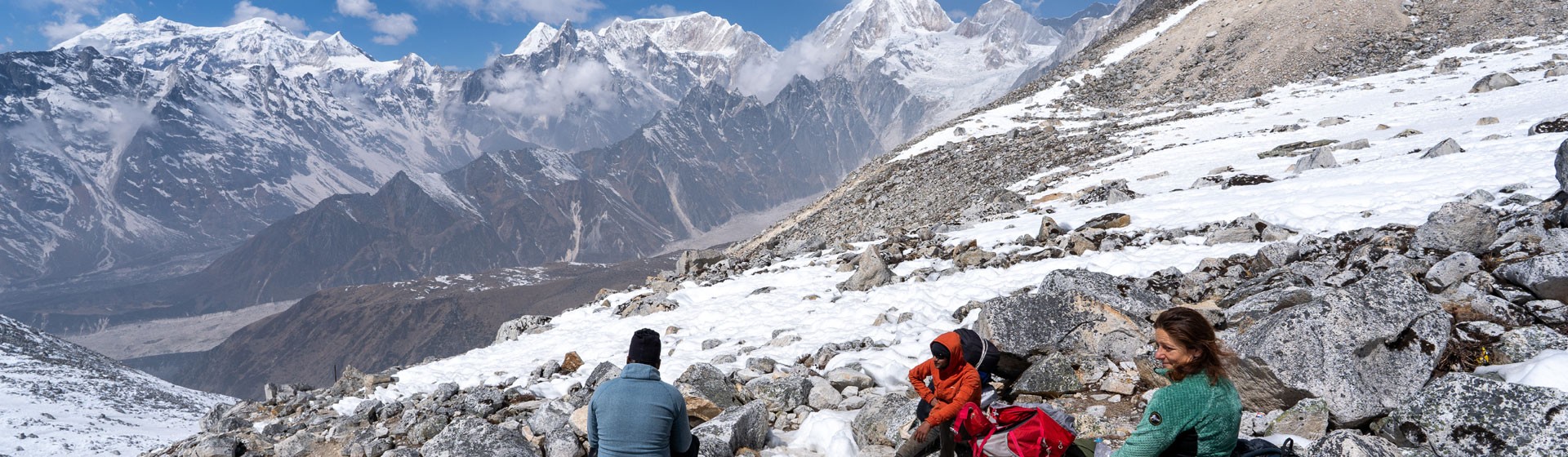
Is a Guide Mandatory for the Manaslu Circuit Trek?
Yes. Every international trekker on the Manaslu Circuit must be accompanied by a licensed trekking guide. The trail passes through Nepal's restricted Manaslu Conservation Area, and the required permits can only be arranged through a registered local trekking company with an assigned licensed guide.
Before joining a Manaslu trek, many of our guests ask whether the guide is simply there to meet the permit requirement. It is a fair question, especially from trekkers who have completed independent hikes in other countries or have previously trekked in Nepal. What we have consistently noticed, however, is that opinions often change within the first few days on the trail.
The Manaslu Circuit is not simply about following a path from one village to the next. Each day involves practical decisions that are shaped by current conditions. During busy trekking seasons, tea houses may fill earlier than expected. Weather around Larkya La Pass can influence departure times, and trail conditions occasionally change after heavy rain or snowfall. An experienced local guide follows these conditions closely, adjusts the day's plan when necessary, manages permits at every checkpoint, monitors acclimatization, and helps ensure the journey continues safely and comfortably.
Just as importantly, a local guide helps you understand the places you walk through. The Manaslu region is home to centuries-old Buddhist villages, monasteries, and communities whose traditions remain deeply connected to the Himalayas. Walking with someone who knows the local culture, speaks the language, and has long-standing relationships with people along the route adds a depth to the journey that guidebooks and GPS tracks simply cannot provide.
By the time trekkers return to Kathmandu, many tell us they no longer think of the guide as someone required by the regulations. Instead, they remember the guide as the person who helped them acclimatize safely, solved unexpected challenges before they became problems, introduced them to local life, and allowed them to focus on enjoying one of Nepal's most rewarding trekking experiences.
Learn more about the latest Manaslu Circuit Trek permit requirements and the current regulations for trekking in the restricted Manaslu region.
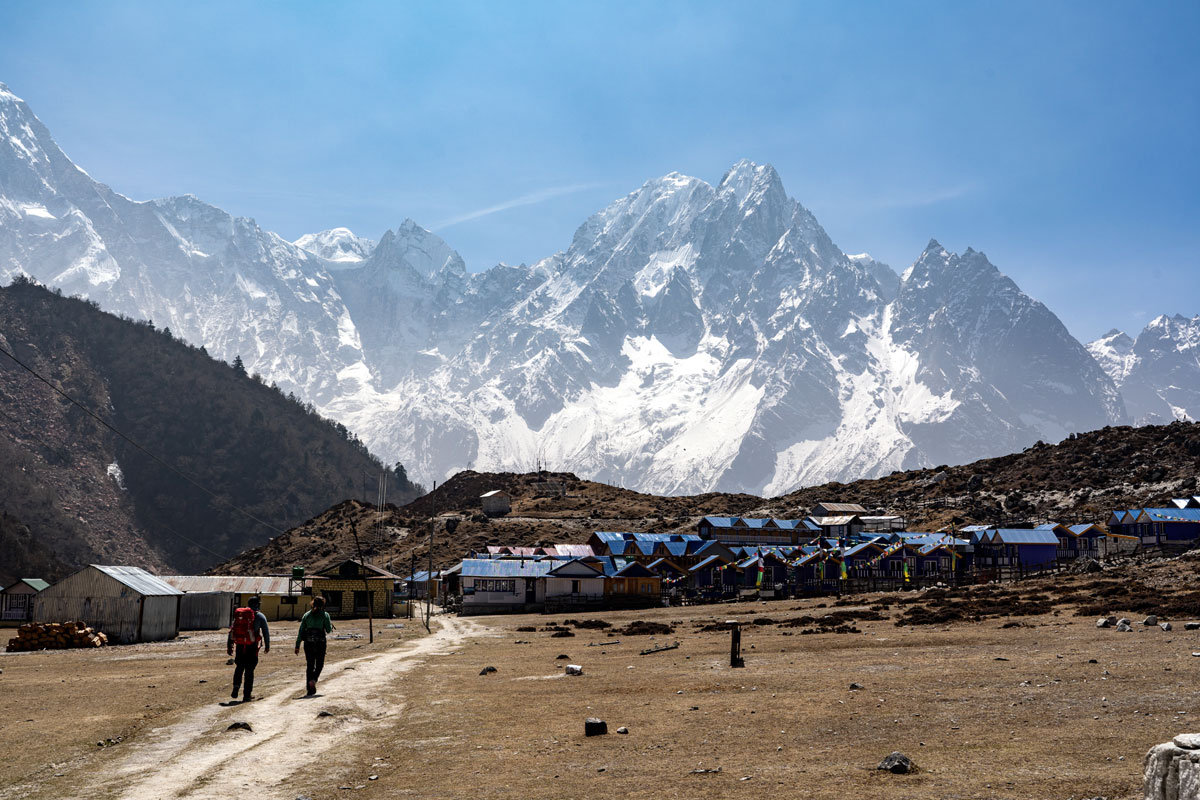
What Does a Manaslu Trek Guide Actually Do?
Many people imagine that a trekking guide simply walks at the front of the group and shows the direction. On the Manaslu Circuit Trek, the reality is very different. From the moment the trek begins, your guide is constantly making decisions that help the journey run safely, smoothly, and according to the conditions in the mountains that day.
Before leaving Kathmandu, your guide confirms that every required permit has been issued correctly, checks the latest trail and weather updates, coordinates transportation to Machha Khola, and reviews the itinerary with the trekking team. Once on the trail, they manage permit checkpoints, arrange tea house accommodation, communicate with lodge owners, coordinate with porters, and make sure each day finishes at a pace that supports proper acclimatization rather than simply covering distance.
One responsibility that is often overlooked is observing the group. Experienced Manaslu guides do not wait until someone says they feel unwell. They notice small changes throughout the day, such as a slower walking pace, unusual tiredness, loss of appetite, or reduced conversation. These early observations often help guides decide when to slow the pace, take a longer break, encourage extra hydration, or recommend additional monitoring before minor problems become more serious.
The approach to Larkya La Pass is another example of why local experience matters. Departure times are not chosen from a fixed schedule. They depend on recent weather, trail conditions, and how the group has acclimatized during the previous days. An experienced guide continuously assesses these factors and adjusts the plan when necessary, always prioritizing safety over speed.
Daily logistics are equally important. During the busy spring and autumn trekking seasons, tea houses in some villages can fill quickly, while weather or local conditions may occasionally require small adjustments to the itinerary. Because local guides stay in regular contact with lodge owners, fellow guides, and communities along the route, they often receive up-to-date information that helps avoid unnecessary delays and keeps the trek running smoothly.
Beyond safety and logistics, a local guide helps you experience the Manaslu region in a way that is difficult to achieve independently. They explain the history of ancient monasteries, introduce the traditions of Nubri and Tsum-influenced mountain communities, point out places that many trekkers would otherwise walk past, and share local knowledge that has been passed down through generations. These conversations often become some of the most memorable moments of the entire trek.
By the end of the Manaslu Circuit, many trekkers tell us that the guide was far more than someone who led the route. They became a local companion, a problem solver, a cultural interpreter, and a trusted source of advice throughout one of Nepal's most remote and rewarding Himalayan adventures.
Manaslu Trek Guide Cost
After confirming that a licensed guide is required for the Manaslu Circuit Trek, the next question most trekkers ask is how much it costs to hire one. The answer depends on the type of support you need, the length of your itinerary, and whether you choose to hire only a guide or both a guide and a porter.
For the Manaslu Circuit Trek, a licensed trekking guide typically costs USD 35 per day. This normally includes the guide's daily salary, meals, accommodation throughout the trek, government insurance, and all work-related expenses while they are accompanying you on the trail. When booking through a registered local trekking company, your permits, transportation, accommodation, and other trekking services may either be included in a complete package or arranged separately, depending on your travel plans.
Gradually, we have noticed that experienced trekkers rarely choose a guide based on price alone. The difference between a professional local guide and the cheapest available option is often seen on the trail rather than before the trek begins. Managing permit procedures, choosing the right pace for acclimatization, adjusting plans when weather changes around Larkya La Pass, coordinating accommodation during busy trekking seasons, and responding calmly to unexpected situations all come from practical experience that develops over many seasons in the mountains.
If you plan to carry only a small daypack, hiring a porter alongside your guide is usually the most comfortable option. The porter carries your main duffel bag while your guide focuses on your safety, daily planning, and the overall progress of the trek. Many trekkers find that walking with a lighter backpack allows them to enjoy the long climbs, mountain scenery, and the crossing of Larkya La Pass far more comfortably.
| Service | Typical Cost |
|---|
| Licensed Manaslu Trek Guide | USD 35 per day |
| Porter | USD 30 per day |
| Guide + Porter | USD 65 per day |
Our guide and porter costs include salary, meals, accommodation during the trek, government insurance, and all required expenses while they are on duty, so you can clearly understand what is covered before your adventure begins.
For a complete breakdown of permits, transportation, accommodation, and overall trekking expenses, see our detailed Manaslu Circuit Trek Cost guide.
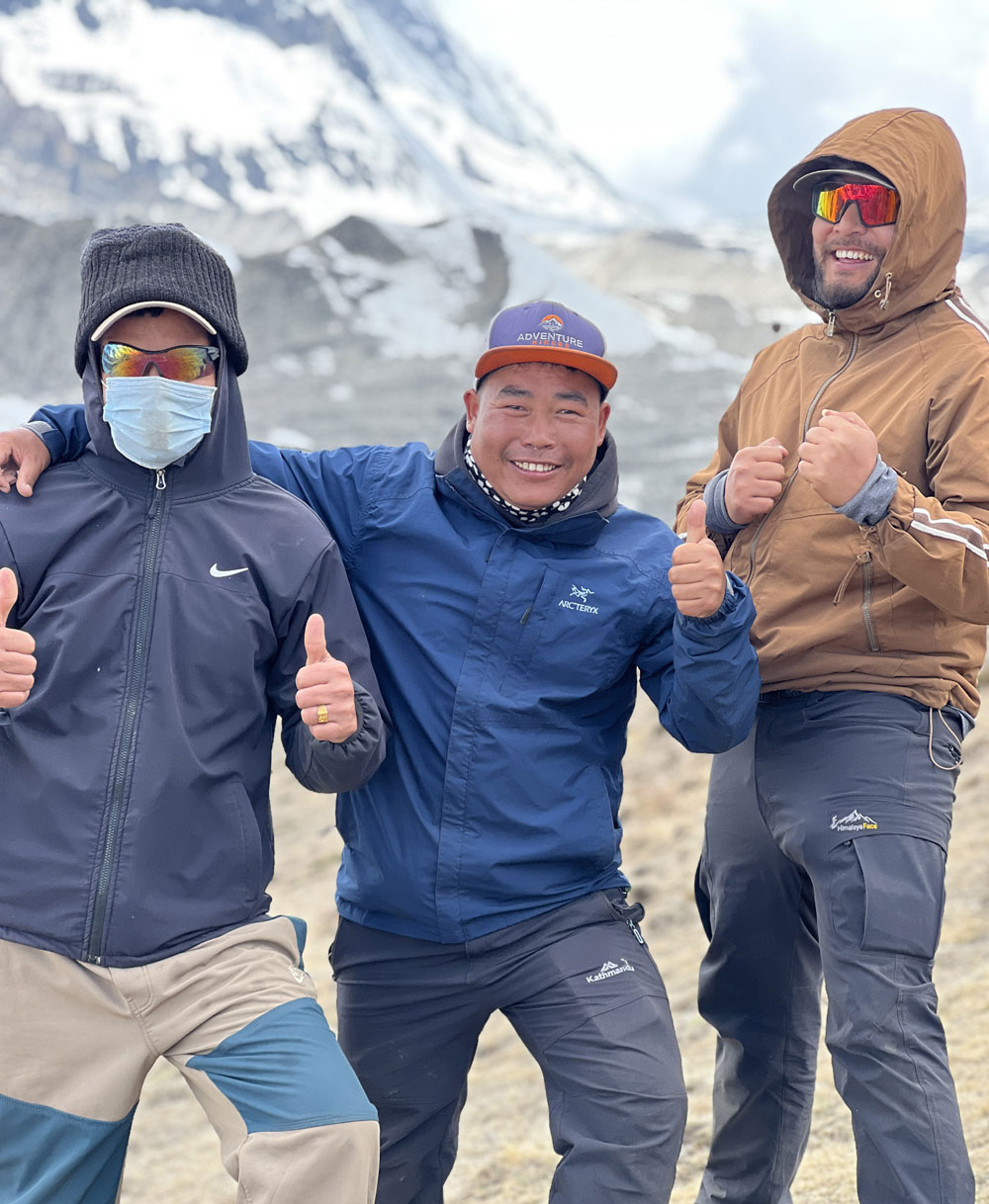
Guide Only or Guide and Porter: Which Should You Choose?
After discussing guide costs, the next question we are usually asked is whether hiring a porter is really worth it. Our answer is always the same: it depends less on your fitness and more on the kind of trekking experience you want to have. We have guided experienced mountaineers who happily carried all of their own equipment, and we have also guided very fit trekkers who chose to hire a porter simply because they wanted to enjoy the journey with a lighter backpack.
If you prefer to carry your own gear, hiring only a licensed guide is a perfectly good option. Your guide will take care of the permits, manage the daily itinerary, arrange accommodation, monitor your acclimatization, and make practical decisions throughout the trek while you carry your own backpack. Many trekkers who travel with lightweight equipment are comfortable choosing this option.
One thing we have noticed over many Manaslu trekking seasons is that very few people regret hiring a porter. The opposite is much more common. Carrying a full trekking backpack often feels manageable during the first few days, but after several days above 3,500 metres, especially between Samagaun, Samdo, Dharamsala, and the crossing of Larkya La Pass, even experienced hikers begin to appreciate every kilogram they do not have to carry.
A porter normally carries your main duffel bag while you walk with a light daypack containing water, warm layers, personal medication, snacks, and valuables. Walking with less weight allows many trekkers to maintain a more comfortable pace, conserve energy for the higher sections of the trail, and spend more time enjoying the mountains instead of concentrating on a heavy backpack.
For two trekkers travelling together, we generally recommend sharing one porter whenever practical. This is the standard approach on the Manaslu Circuit and helps keep costs reasonable while maintaining a responsible carrying load. It also allows both trekkers to enjoy the support of a porter without adding unnecessary expense.
In the end, there is no right or wrong choice. If you enjoy carrying your own equipment, a guide may be all you need. If you would rather finish each day with more energy to explore the villages, take side walks around Samagaun, or simply enjoy the experience without the weight of a large backpack, adding a porter is an investment that many trekkers tell us they were glad they made.
How We Choose the Right Guide for Your Manaslu Circuit Trek
A successful trek depends on more than simply having an experienced guide. The guide also needs to be the right match for the people they are leading. Every trekker has a different walking pace, different expectations, and different reasons for coming to the Himalayas, so we never assign guides based only on who is available.
Before your trek is confirmed, we take time to understand your previous trekking experience, fitness level, preferred walking pace, and what you hope to enjoy most during the journey. Some trekkers like to start walking early and maintain a steady pace throughout the day. Others prefer to spend more time taking photographs, visiting monasteries, talking with local people, or simply enjoying the mountain scenery. We believe your guide should naturally fit your travel style, not the other way around.
We have also found that personality can be just as important as experience. Some travellers enjoy learning about local culture and talking throughout the day, while others prefer quiet walks through the mountains with only occasional conversation. Matching the guide to the group's travel style often creates a more relaxed atmosphere from the very beginning and helps the trek find its own natural rhythm.
We also consider the type of trek you are joining. A private couple, a family, solo trekkers joining a fixed departure, or a group of friends may all benefit from different guiding approaches. Some of our guides regularly lead first-time Himalayan trekkers, while others have extensive experience on longer itineraries that combine the Manaslu Circuit with the Tsum Valley or Annapurna Circuit. Choosing the guide whose experience best matches your itinerary helps create a smoother journey for everyone.
Before your arrival in Kathmandu, your guide reviews the itinerary, permit arrangements, transportation, accommodation plan, and any information that will help them prepare for your trek. If you have dietary requirements, previous altitude concerns, or particular interests such as photography or local culture, we discuss these with your guide in advance so they can be ready before the first day on the trail.
When trekkers and guides are well matched from the beginning, the difference is often noticeable within the first few days. Communication becomes easier, the walking pace feels more comfortable, daily decisions happen naturally, and both the guide and trekkers can focus on what matters most, enjoying one of Nepal's most spectacular Himalayan journeys together.
What Happens if You Experience Altitude Sickness on the Manaslu Circuit?
Altitude sickness is something every trekker should understand before starting the Manaslu Circuit Trek. It does not only affect beginners, and it cannot be predicted by age, fitness, or previous hiking experience alone. We have guided strong athletes who needed an extra day to acclimatize and first-time trekkers who completed the trek without any difficulty. Every person responds to altitude differently, which is why experienced guides pay close attention throughout the journey instead of making assumptions.
The earliest signs are often small, but they can make the biggest difference. A trekker may walk a little more slowly than usual, become unusually quiet, lose their appetite at lunch, or stop drinking enough water without even noticing it themselves. Experienced guides watch for these changes throughout the day because they often appear before someone says, "I don't feel quite right."
When early symptoms appear, there is no single response that fits every situation. Your guide first considers how you have been feeling over the previous days, your current altitude, the distance to the next village, and how your symptoms are changing. Sometimes the safest decision is simply to slow the pace, take a longer break, drink more fluids, and continue monitoring your condition. On other occasions, changing the day's plan or spending more time at the same altitude is the better choice.
If your guide believes that continuing higher could place your health at risk, the decision becomes straightforward. You descend. Reaching Larkya La Pass is never more important than returning home safely. Every experienced mountain guide understands that the mountain will always be there, while your health must always come first.
Throughout the trek, our guides carry a basic first aid kit, have practical training in recognising and responding to altitude-related illness, and stay in contact with our operations team whenever communication is available. If additional medical assistance or an evacuation becomes necessary, they begin coordinating the appropriate response without unnecessary delay. Fortunately, situations requiring emergency evacuation are uncommon, and most trekkers with mild symptoms recover well after following proper acclimatization practices and their guide's advice.
The most helpful thing you can do is also the simplest. Tell your guide as soon as something feels different, even if it seems minor. A mild headache, unusual tiredness, dizziness, difficulty sleeping, or a loss of appetite may not seem important at first, but sharing these changes early gives your guide more options and helps prevent small problems from developing into serious ones. Good teamwork between trekkers and guides is one of the most effective ways to enjoy a safe and successful Manaslu Circuit Trek.
If you're concerned about altitude, you may also find our complete guide to Manaslu Circuit Trek Difficulty helpful before planning your trek.
What to Expect from Your Manaslu Trekking Guide Each Day
Every day on the Manaslu Circuit follows its own rhythm, and your guide plays an important role long before the day's walk begins. While most trekkers are enjoying breakfast or preparing their backpacks, your guide is already checking the day's route, discussing the latest trail conditions with local people when necessary, and making sure everyone is ready for the altitude and distance ahead.
Once the trek begins, your guide sets a comfortable pace that suits the group rather than the fastest walker. The goal is not to reach the next village as quickly as possible, but to maintain a steady rhythm that supports safe acclimatization and allows everyone to enjoy the journey. Along the way, your guide points out mountain peaks, explains the history of monasteries and villages, shares local customs, and answers the many questions that naturally come up during the trek.
Throughout the day, experienced guides quietly observe far more than most trekkers realise. They notice changes in walking pace, energy levels, appetite, hydration, and how each person is adapting to the increasing altitude. These small observations help guides make sensible decisions before minor concerns become bigger problems. Most of this happens naturally, and many trekkers only appreciate it after the trek is over.
Lunch and rest stops are also part of your guide's daily routine. They help recommend suitable meals, allow enough time for proper rest, and keep the day's schedule flexible when weather, trail conditions, or the group's pace require adjustments. In the mountains, following the conditions is often more important than following the clock.
After reaching the next village, your guide confirms accommodation, checks that everyone is settling in comfortably, discusses the following day's plan, and shares practical advice about hydration, meals, and the next stage of the trek. During the busy spring and autumn seasons, they also coordinate with tea house owners to help ensure the journey continues as smoothly as possible.
One of the most common comments we hear after the Manaslu Circuit is how much happens behind the scenes each day. A good trekking guide is not simply leading the route. They are constantly making small decisions, solving unexpected challenges, and helping the group move safely through one of Nepal's most remote Himalayan regions. Those quiet responsibilities often become one of the reasons the trek feels relaxed, well organised, and memorable from beginning to end.
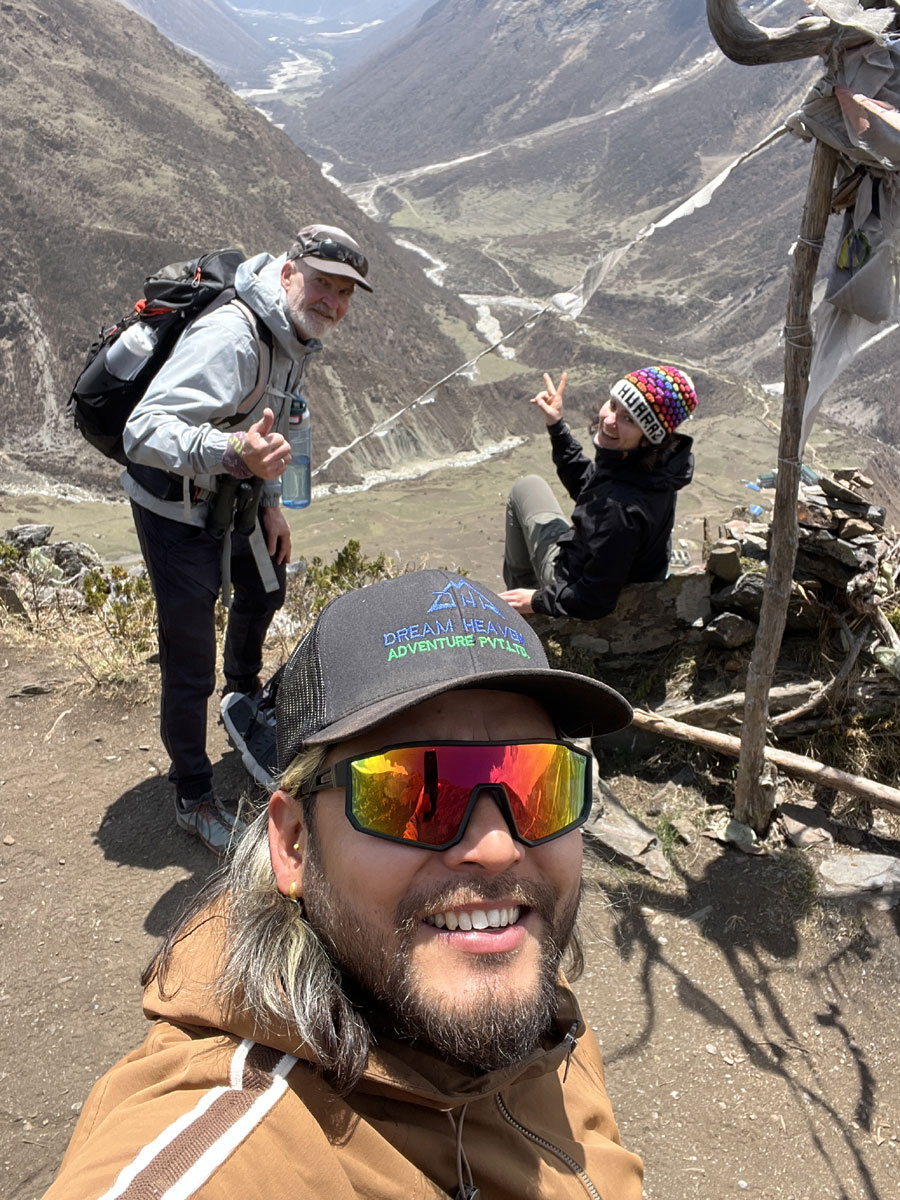
Can You Meet or Speak with Your Manaslu Trekking Guide Before the Trek?
Yes. Whenever possible, we are happy to introduce you to your Manaslu trekking guide before your trek begins. We understand that you will be spending nearly two weeks together in the mountains, so getting to know your guide before departure helps build confidence and creates a comfortable relationship from the very beginning.
If you arrive in Kathmandu a day or two before your departure, you will normally meet your guide during the pre-trek briefing. This is an opportunity to review the itinerary together, discuss the latest trail and weather conditions, check your trekking equipment, and ask any questions before leaving for the Manaslu region. Many trekkers also enjoy hearing recent updates from the trail and receiving practical advice from someone who has guided the route many times.
For trekkers who confirm their trip well in advance, we are often able to introduce their guide before they arrive in Nepal. While guide assignments may occasionally change because of previous departures or operational requirements, we always try to keep these changes to a minimum and inform you as early as possible if an adjustment becomes necessary.
Before your trek starts, your guide has already reviewed your itinerary, permit arrangements, transportation, accommodation plan, and the information you have shared with us. If you have previous high-altitude trekking experience, dietary requirements, medical considerations, photography interests, or simply prefer a slower walking pace, we discuss these details with your guide in advance so they can prepare for your journey before the first day on the trail.
From our experience, the best treks often begin before the first step is taken. Meeting your guide, discussing the journey together, and starting with clear expectations helps both trekkers and guides understand each other from the outset. By the time you leave Kathmandu for Machha Khola, you are already travelling with someone who understands your plans, your trekking style, and your expectations, making the journey feel more comfortable from the very beginning.
Frequently Asked Questions About Manaslu Circuit Trek Guide Hire
Is hiring a guide mandatory for the Manaslu Circuit Trek?
Yes. All international trekkers must be accompanied by a licensed trekking guide on the Manaslu Circuit Trek because the route passes through a restricted area of Nepal. Your permits are arranged through a registered local trekking company, and your guide accompanies you throughout the trek. Besides meeting the government requirement, an experienced guide helps with permits, accommodation, acclimatization, local communication, and daily decisions that contribute to a safer and more enjoyable journey.
Can I trek the Manaslu Circuit without a guide?
No. Independent trekking is not permitted on the Manaslu Circuit for international visitors. A licensed guide is required to obtain the necessary permits and accompany you throughout the trek. This regulation also helps improve safety and supports responsible tourism in one of Nepal's most remote trekking regions.
How much does it cost to hire a guide for the Manaslu Circuit Trek?
A licensed Manaslu trekking guide typically costs around USD 35 per day. This generally includes the guide's salary, meals, accommodation during the trek, and insurance. If you book a complete trekking package, transportation, permits, accommodation, and other services may also be included depending on the itinerary.
What is included in the cost of hiring a Manaslu trekking guide?
Our guide cost includes the guide's professional service throughout the trek, salary, meals, accommodation, government insurance, and all work-related expenses while accompanying you in the mountains. We believe in transparent pricing so you know exactly what is included before your trek begins.
Should I hire only a guide or a guide and porter for the Manaslu Circuit Trek?
If you enjoy carrying your own backpack, hiring only a guide is a good option. If you would rather walk with a light daypack and conserve energy for the higher sections of the trail, adding a porter is highly recommended. Many experienced trekkers choose both a guide and porter for a more comfortable trekking experience.
How much weight can a porter carry on the Manaslu Circuit Trek?
A porter normally carries up to 20-22 kg, which is usually shared between two trekkers. We encourage responsible load limits to ensure the wellbeing of our porters while providing comfortable support for our guests.
Are your Manaslu trekking guides licensed, insured, and experienced?
Yes. All of our trekking guides are government-licensed, fully insured, and highly experienced, including those leading the Manaslu Circuit. Our Manaslu guides have extensive knowledge of the route, local culture, tea houses, permit procedures, and altitude management, helping trekkers travel safely and confidently throughout the journey.
Do your Manaslu trekking guides speak fluent English?
Yes. Our guides communicate confidently in English and are happy to answer questions about the trail, local culture, history, mountains, wildlife, and daily trekking plans. Clear communication becomes especially valuable when discussing acclimatization, itinerary adjustments, or any concerns during the trek.
Can I request a private guide for the Manaslu Circuit Trek?
Absolutely. We offer both private and group departures. A private guide provides greater flexibility, allowing you to adjust your daily pace, itinerary, and schedule according to your preferences while enjoying more personal support throughout the trek. If you're considering joining other trekkers, you can also read more about our Manaslu Circuit group trek options to compare the benefits of each travel style.
Can I hire a female guide for the Manaslu Circuit Trek?
Yes. Female trekking guides can often be arranged with advance notice, subject to availability. If this is your preference, simply let us know when booking, and we will do our best to accommodate your request.
Will my guide help if I develop altitude sickness during the trek?
Yes. Your guide continuously monitors your wellbeing throughout the trek and watches for early signs of altitude-related illness. If necessary, they will adjust the pace, recommend additional acclimatization, or advise descending to a lower altitude. Your health and safety always take priority over reaching the destination.
Can my guide arrange tea house accommodation throughout the trek?
Yes. Your guide arranges accommodation each day, communicates with tea house owners, and manages the daily logistics throughout the trek. During the busy spring and autumn seasons, this local coordination often helps the journey run more smoothly.
Can the itinerary be adjusted during the Manaslu Circuit Trek if needed?
Yes, when conditions allow. Weather, trail conditions, acclimatization, or unexpected circumstances sometimes require small itinerary adjustments. Your guide will recommend the safest and most practical option while keeping your overall trekking experience in mind.
Can I combine the Manaslu Circuit Trek with the Tsum Valley Trek?
Yes. Many trekkers combine these two routes for a longer and more culturally immersive Himalayan adventure. Adding the Tsum Valley provides extra time to explore remote Tibetan Buddhist villages, monasteries, and one of Nepal's most peaceful trekking regions.
Can I combine the Manaslu Circuit Trek with the Annapurna Circuit Trek?
Yes. Since the Manaslu Circuit finishes near Dharapani, it connects naturally with the Annapurna Circuit Trek. This combination creates one of Nepal's finest long-distance trekking experiences.
How far in advance should I book my Manaslu trekking guide?
For spring (March to May) and autumn (September to November), we recommend booking at least one to three months in advance. Early booking provides better guide availability and allows enough time to prepare permits and trekking arrangements.
When will I meet or speak with my Manaslu trekking guide?
If you arrive in Kathmandu before the trek, you will normally meet your guide during the pre-trek briefing. For many bookings made in advance, we can also introduce your guide before your arrival whenever operational schedules allow.
What happens if my assigned guide becomes unavailable before the trek?
In the unlikely event that your assigned guide becomes unavailable due to illness or another genuine reason, we will provide another licensed Manaslu guide with comparable experience. Your itinerary, permits, and trekking arrangements will continue without disruption.
Why should I hire a local Manaslu trekking guide instead of choosing the cheapest option?
Experience, safety, communication, and local knowledge make a significant difference on a remote trek like Manaslu. An experienced local guide understands seasonal trail conditions, acclimatization, village logistics, and the practical decisions that help your trek run smoothly from beginning to end.
How do experienced guides decide when it is safe to cross Larkya La Pass?
Experienced guides consider recent weather, trail conditions, snow coverage, the group's acclimatization, and current local information before crossing Larkya La Pass. Safety always comes before following a fixed schedule.
What are the most common mistakes trekkers make on the Manaslu Circuit Trek?
The most common mistakes include walking too fast during the first few days, carrying unnecessary weight, drinking too little water, and not mentioning early altitude symptoms. Listening to your guide and maintaining a steady pace helps avoid many of these problems.
Can my guide help arrange transportation to Machha Khola and back to Kathmandu?
Yes. We can arrange all required transportation, including private or local bus / shered jeep services between Kathmandu and Machha Khola, as well as your return journey from Dharapani or Besisahar after completing the trek.
What should I discuss with my guide before the trek begins?
We recommend discussing your trekking experience, fitness level, medical conditions, dietary requirements, photography interests, preferred walking pace, and any questions about the itinerary. This helps your guide prepare for your trek and better understand your expectations.
Can beginners hire a guide for the Manaslu Circuit Trek?
Yes. Many first-time Himalayan trekkers successfully complete the Manaslu Circuit with proper preparation, a sensible itinerary, and the support of an experienced guide. Good fitness, gradual acclimatization, and following your guide's advice are more important than previous high-altitude trekking experience. If you're new to trekking, read our detailed guide on Can Beginners Do the Manaslu Circuit Trek? to learn what to expect, how to prepare, and whether the trek is right for you.
Why do many trekkers say their guide became one of the most memorable parts of the Manaslu Circuit Trek?
By the end of the trek, many guests tell us their guide was much more than someone who led the route. They became a trusted companion, shared local stories and traditions, helped solve unexpected challenges, and made the journey through the Manaslu region more meaningful. Those personal connections are often remembered just as vividly as the mountains themselves.
Our Final Advice Before You Hire a Manaslu Trekking Guide
If there is one piece of advice we would share after many years of operating Manaslu Circuit Treks, it is this: do not choose your trekking guide based only on price. The guide walking beside you for nearly two weeks will have a greater influence on your journey than many people realise before arriving in Nepal.
A good guide does much more than lead the trail. They help you find a comfortable walking rhythm, monitor your acclimatization, make sensible decisions when mountain conditions change, communicate with local communities, and quietly solve small challenges before they become bigger problems. Much of this work happens behind the scenes, which is why many trekkers only realise its value after the trek has finished.
We have found that the most memorable Manaslu journeys are not always the fastest ones. They are the treks where people feel safe, walk at a comfortable pace, learn about the mountain culture, and return home with stories that go far beyond reaching Larkya La Pass. That is the experience every guide in our team works hard to create.
Whether this is your first trek in Nepal or another Himalayan adventure, take time to choose a guide you trust, ask questions before booking, and select a local team that is honest, experienced, and committed to your safety from the first day of planning until you return to Kathmandu.
Planning Your Manaslu Circuit Trek?
If you are thinking about hiring a guide for the Manaslu Circuit Trek, we would be happy to help you plan the journey. Tell us your preferred travel dates, group size, trekking experience, and any special requirements, and we will recommend the most suitable guide and itinerary for your adventure.
From permit preparation and transportation to tea house arrangements, porter support, and pre-trek advice, our local team will help you prepare with clear information and honest recommendations. If you have any questions before booking, simply get in touch. We are always happy to share our experience and help you plan a safe, enjoyable, and unforgettable journey through the Manaslu region.
If you are still deciding whether the Manaslu Circuit is the right trek for you, explore our complete Manaslu itinerary, departure dates, and practical trekking information before booking.