Where Is Dharapani Village?
Dharapani Village sits at an altitude of 1,860 meters (6,102 feet) in Lamjung District, within Nepal's Annapurna Conservation Area. For trekkers, however, its importance is defined less by its location on a map than by its place on the trail. This is where the Manaslu Circuit Trek joins the Annapurna Circuit Trek, making Dharapani one of the best-known trekking villages in the Nepal Himalayas.
Many trekkers also continue beyond Dharapani on the Annapurna Circuit Trek, creating one of Nepal's longest and most rewarding trekking adventures.
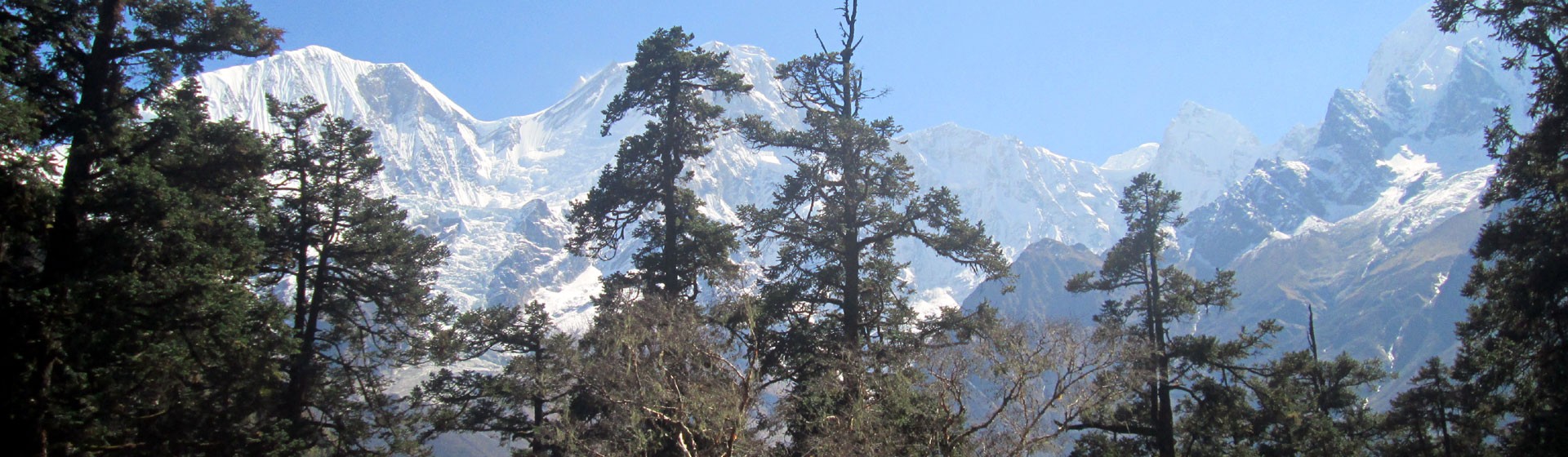
The village is built above the Marsyangdi River, surrounded by lush hillsides, waterfalls, and mixed forests that feel noticeably greener than the high alpine landscapes around Bimthang and Larkya La Pass. After several days in the remote upper Manaslu Valley, many trekkers immediately notice the change in scenery, the easier road access, and the livelier atmosphere.
For those completing the Manaslu Circuit, Dharapani is reached after descending through Bimthang, Tilje, and Thonje, marking the final major village before driving toward Besisahar, Pokhara, or Kathmandu. Trekkers following the Annapurna Circuit continue north from here through Bagarchhap, Danaque, Chame, and Manang on their way to Thorong La Pass.
Dharapani Village at a Glance
District: Lamjung
Province: Gandaki Province
Conservation Area: Annapurna Conservation Area (ACAP)
Altitude: 1,860 m (6,102 ft)
River: Marsyangdi River
Road Access: Shared jeep, private jeep, local bus, and private vehicle
Approximate GPS Coordinates: 28.532° N, 84.358° E
Why Dharapani Is Important for Trekkers
Every trekking village has its own role, but Dharapani is one that almost every guide and trek leader remembers well. It is the point where two of Nepal's greatest Himalayan journeys come together, connecting the Manaslu Circuit Trek with the Annapurna Circuit Trek.
For trekkers completing the Manaslu Circuit, arriving in Dharapani often feels like reaching an important milestone. By this stage, Larkya La Pass is behind them, the remote upper valley has gradually given way to greener forests, and the long descent through Bimthang, Tilje, and Thonje is complete. The village marks the end of the Manaslu trekking route before many continue by road to Besisahar, Pokhara, or Kathmandu.
For those trekking the Annapurna Circuit, Dharapani is one of the first major villages on the journey toward Chame, Manang, and Thorong La Pass. It is a natural place to rest, reorganize equipment, and prepare for the higher elevations that lie ahead.
Dharapani is also an important service and supply centre for the region. Trekkers can find comfortable tea houses, local restaurants, small shops, mobile network coverage, Wi-Fi, and transportation services. Guides often use this stop to confirm road conditions, arrange onward vehicles, and make final preparations for clients finishing one trek or continuing to another.
One thing we have noticed over countless arrivals in Dharapani is that the village feels different from anywhere else on the trail. After days of walking through quiet mountain settlements, the sound of vehicles, the larger number of trekkers, and the wider choice of tea houses remind many people that their journey is changing. For some, it is the satisfying conclusion of the Manaslu Circuit. For others, it is the beginning of the next adventure on the Annapurna Circuit.
How Trekkers Reach Dharapani from the Manaslu Circuit
Reaching Dharapani is the final stage of the Manaslu Circuit Trek. Although the biggest challenge of the journey is already behind you after crossing Larkya La Pass (5,160 m), the trail to Dharapani is far from just a walk to the finish. The scenery changes dramatically over these final two days, making this section memorable in its own way.
Most trekkers leave Dharamsala before sunrise to cross Larkya La Pass, then descend to Bimthang, a journey that usually takes 8 to 10 hours. By the time they arrive, the sense of achievement is unmistakable. After days of thinking about the pass, many finally begin to relax and enjoy the knowledge that the highest point of the trek is behind them.
If you are preparing for this section of the journey, our guide to Larkya La Pass explains what to expect, trail conditions, and practical tips for a safe crossing.
The following morning, the trail descends from Bimthang through rhododendron and pine forests, crossing wooden bridges and small streams before reaching the traditional village of Tilje. This section usually takes 5 to 7 hours. With every hour of descent, the air becomes warmer, the forests grow denser, and the rugged alpine landscape gradually gives way to greener hillsides and cultivated farmland.
From Tilje, it takes around 2 to 3 hours to reach Thonje, followed by another 30 to 45 minutes to Dharapani. Along the way, the trail crosses the Marsyangdi River and officially joins the Annapurna Circuit Trek, where trekkers from both routes continue on the same path.
One thing we regularly notice is how different trekkers feel by the time they arrive in Dharapani. The pressure of crossing Larkya La has disappeared, conversations become more relaxed, and many spend the evening sharing stories from the trail while looking back on everything they have experienced since leaving Machha Khola. For some, Dharapani marks the successful completion of the Manaslu Circuit Trek. For others, it is the beginning of the next adventure toward Chame, Manang, and Thorong La Pass.
How Dharapani Fits into the Annapurna Circuit Trek
Dharapani is one of the few villages in Nepal where trekkers following different Himalayan journeys naturally meet. During the trekking seasons, it is common to see people preparing to begin the Annapurna Circuit while others arrive after completing the Manaslu Circuit. Although they share the same village, their journeys are at very different stages.
For trekkers starting the Annapurna Circuit Trek, Dharapani is where the mountain trail truly begins. After driving from Besisahar, the route leaves the road behind and gradually climbs through Bagarchhap, Danaque, Chame, and Manang before reaching Thorong La Pass (5,416 m). The landscape changes steadily from subtropical forests to alpine valleys and eventually the high Himalayan environment.
Trekkers arriving from the Manaslu Circuit Trek experience Dharapani in a completely different way. By the time they reach the village, they have already crossed Larkya La Pass, spent days in remote mountain settlements, and descended through Bimthang, Tilje, and Thonje. Many celebrate the successful completion of the Manaslu Circuit before travelling to Besisahar, Pokhara, or Kathmandu, while others continue north to complete the Annapurna Circuit as part of a longer Himalayan adventure.
One thing we often notice is that Dharapani has a different atmosphere from most trekking villages. Around the tea houses, conversations come from both directions of the trail. Some trekkers ask about the climb to Manang, while others share stories of crossing Larkya La only a day or two earlier. That meeting of experiences is part of what makes Dharapani such a memorable stop in the Nepal Himalayas.
What We Have Noticed After Trekkers Reach Dharapani
After guiding groups through the Manaslu region over many trekking seasons, one thing has remained remarkably consistent. Dharapani is where the mood of the trek changes more than anywhere else on the route.
Until Larkya La Pass is behind them, many trekkers are focused on the climb ahead. Conversations often revolve around the weather, snow conditions, altitude, and the early morning start. By the time everyone reaches Dharapani, those conversations have disappeared. Instead, people begin talking about their favourite village, the sunrise from Dharamsala, the descent to Bimthang, or the moment they stood on top of Larkya La looking across the Himalayas.
We also notice that nobody seems to be in a hurry once they arrive. After several days of following the rhythm of the trail, many simply enjoy sitting together over a long dinner, ordering an extra cup of tea or coffee, and looking back through the photos they have taken since leaving Machha Khola. It is often the most relaxed evening of the entire trek.
The change in the surroundings is just as noticeable. The silence of the high mountains gives way to the sound of the Marsyangdi River, forests replace alpine slopes, and the arrival of a proper road is a clear reminder that the journey is entering its final stage. Even after visiting Dharapani many times, we still enjoy watching trekkers notice how quickly the landscape transforms over the last two days.
Perhaps the most memorable part is not the village itself but the feeling it creates. Tired legs remain, but the uncertainty has gone. There is a quiet sense of achievement around the tea houses as trekkers realise they have completed one of Nepal's most rewarding high-altitude journeys. Before leaving the next morning, many are already asking about their next trek, whether it is the Annapurna Circuit, Everest Base Camp, or a return to Nepal in another season.
That is why Dharapani stays in people's memories. Not because it is the highest village, the biggest village, or the most famous village, but because it is where the experience of the Manaslu Circuit Trek finally has time to settle in.
Accommodation in Dharapani
As one of the main villages on both the Manaslu Circuit Trek and the Annapurna Circuit Trek, Dharapani has a wider choice of tea houses than many of the smaller settlements along the trail. Most trekkers spend one night here before travelling to Besisahar or continuing toward Chame, making the village well prepared for both short stays and longer trekking itineraries.
If this is your first trek in Nepal, our complete Manaslu Circuit Trek Packing List includes the equipment we recommend bringing for tea house trekking.
Most tea houses offer clean twin-sharing rooms with comfortable beds, blankets, and shared bathroom facilities. A number of lodges also have private rooms, although these can fill quickly during the busy spring and autumn trekking seasons. The accommodation remains simple, but after several days in the mountains, most trekkers find it comfortable and more than adequate for a good night's rest.
Hot showers, Wi-Fi, mobile network coverage, and charging facilities are available in most lodges, usually for a small additional charge. Electricity is generally reliable, making Dharapani a convenient place to recharge electronic devices before leaving the mountains or continuing farther along the Annapurna Circuit.
The dining rooms are often the liveliest part of the tea house. In the evenings, it is common to see trekkers who have just crossed Larkya La Pass sharing the room with others preparing for Manang and Thorong La Pass. The conversations, route advice, and stories exchanged over dinner create an atmosphere that is quite different from the quieter villages higher in the Manaslu Valley.
Food choices are also more varied than at higher elevations. Alongside traditional dal bhat, most tea houses serve momos, noodles, fried rice, pasta, pizza, soups, eggs, pancakes, tea, coffee, and a selection of simple desserts. After many days of trekking, it is often one of the first places where people feel they have plenty of choice again.
One thing we regularly notice is that trekkers rarely remember Dharapani because of luxury or modern facilities. They remember it because it is the first evening when there is no pressure to think about altitude, an early start for a high pass, or another long climb the next morning. That relaxed atmosphere is what makes staying in Dharapani so enjoyable.
Food Available in Dharapani
Dharapani has one of the widest food selections on the Manaslu Circuit Trek because it serves trekkers from both the Manaslu and Annapurna regions. After several days in smaller mountain villages, many people are pleasantly surprised by the variety available in the local tea houses.
Dal bhat remains the meal most guides recommend. Freshly prepared each day and usually served with free rice and lentil soup refills, it provides the energy many trekkers still need, especially if they are continuing toward the Annapurna Circuit Trek.
Alongside dal bhat, most tea houses prepare momos, noodles, fried rice, pasta, pizza, soups, pancakes, eggs, chapati, porridge, and simple vegetarian and non-vegetarian dishes. Freshly brewed coffee, Nepali milk tea, ginger tea, lemon tea, and hot chocolate are widely available, making Dharapani a popular place to slow down and enjoy an unhurried evening.
Several lodges and small bakeries also serve homemade cakes, apple pie, cinnamon rolls, fresh bread, and other baked treats that many trekkers look forward to after spending more than a week on the trail. Depending on the season, locally available fruits such as apples, oranges, and bananas can also be found in village shops and tea houses.
One thing we regularly notice is that dinner in Dharapani feels different from anywhere else on the Manaslu route. There is no need to think about crossing another high pass before sunrise, so people often stay in the dining room long after the meal is finished, sharing stories, enjoying another cup of coffee, and looking back through the photos they have taken since leaving Machha Khola. That relaxed atmosphere is just as memorable as the food itself.
Transportation from Dharapani
After completing the Manaslu Circuit Trek, most trekkers leave Dharapani by road. As the village is connected to the road network, it serves as the main departure point for returning to Besisahar, Pokhara, or Kathmandu, while some trekkers continue north along the Annapurna Circuit Trek.
If you are still planning your adventure, our detailed guide to Manaslu Circuit Trek transportation explains how to reach the trailhead and return from Dharapani.
The most popular option is a shared jeep to Besisahar. During the main trekking seasons, shared jeeps run regularly when enough passengers are available. From Besisahar, trekkers can easily transfer to tourist buses, local buses, or private vehicles for the onward journey to Pokhara or Kathmandu.
Many trekking groups choose a private jeep, particularly families, friends, or anyone who prefers a more comfortable journey after several days on the trail. A private jeep offers greater flexibility, more luggage space, and the convenience of travelling directly to Pokhara or Kathmandu without changing vehicles in Besisahar.
Local buses are also available and provide the lowest-cost option. They are mainly used by local residents and independent travellers, although they are slower than jeeps because they make frequent stops along the route.
The road between Dharapani and Besisahar follows the Marsyangdi River through narrow mountain valleys. While significant improvements have been made in recent years, some sections remain rough and unpaved, especially closer to Dharapani. During the monsoon season, heavy rainfall can occasionally cause temporary delays, whereas spring and autumn usually provide the most reliable road conditions.
One thing we regularly notice is that the drive from Dharapani feels very different from the walk that came before it. After days of moving at the pace of the trail, watching villages pass by through the jeep window reminds many trekkers how much ground they covered on foot. By the time they reach Besisahar, the mountains already feel much farther away, and the experience of the Manaslu Circuit begins to shift from an active journey to a lasting memory.
Altitude and Weather in Dharapani
At 1,860 meters (6,102 feet), Dharapani sits at a much lower elevation than the high villages of the Manaslu Circuit Trek. After descending from Larkya La Pass (5,160 m) through Bimthang, many trekkers immediately notice the change. The air feels richer, the forests become greener, and daytime temperatures are noticeably warmer than they were only a day or two earlier.
Although Dharapani enjoys a milder climate than the upper Himalayas, the weather still changes with the seasons and can influence both trekking conditions and road travel.
Spring (March to May)
Spring is one of the best times to visit Dharapani. Daytime temperatures usually range between 15°C and 22°C, while nights average 5°C to 10°C. Rhododendron forests bloom across the surrounding hillsides, mountain views are often clear, and comfortable daytime temperatures make walking particularly enjoyable.
Monsoon (June to August)
During the monsoon, daytime temperatures generally range from 18°C to 25°C, with nights between 12°C and 16°C. Regular rainfall keeps the forests green and rivers full, although muddy trails and occasional road delays between Dharapani and Besisahar can occur after prolonged heavy rain.
Autumn (September to November)
Autumn is the busiest trekking season in both the Manaslu and Annapurna regions. Daytime temperatures usually range between 14°C and 21°C, while nights remain pleasantly cool at 4°C to 9°C. Dry weather, stable conditions, and excellent visibility make this the most reliable season for trekking.
Winter (December to February)
Winter days are generally clear and crisp, with daytime temperatures between 8°C and 15°C and nighttime temperatures often falling to 0°C to 4°C. Snow is uncommon in Dharapani itself, but the surrounding high passes, including Larkya La Pass and Thorong La Pass, frequently receive snowfall during this season.
One thing we often notice is how quickly trekkers settle into the lower elevation after arriving in Dharapani. It is common to see people who wore down jackets while crossing Larkya La enjoying an afternoon coffee outside the tea house in much lighter clothing. That simple change reminds many trekkers just how much the landscape, climate, and atmosphere have transformed since leaving the high mountains behind.
Things to See Around Dharapani
Dharapani is not a village of famous monuments or crowded viewpoints. Its appeal comes from the small details that many trekkers only notice after putting down their backpacks and spending a little time exploring on foot.
A walk through the older part of the village reveals traditional stone houses, carved wooden balconies, narrow lanes, prayer wheels, and colourful prayer flags that reflect the Buddhist culture of the region. Many of these buildings have stood for generations and continue to be part of everyday village life rather than tourist attractions.
Just below the village, the Marsyangdi River flows through a steep mountain valley. The suspension bridges crossing the river offer beautiful views of the surrounding forests and are a favourite place for photographs, especially during the soft light of the early morning or late afternoon.
Several small Buddhist temples, chortens, and mani walls can also be found around Dharapani. They remain active places of worship, and trekkers are welcome to visit respectfully while observing local customs.
The forests surrounding the village are filled with rhododendron, pine, and oak trees, creating pleasant walking trails throughout the year. During spring, colourful rhododendron flowers brighten the hillsides, while autumn often brings crisp mountain air and exceptionally clear views.
One thing we often recommend is leaving an hour free to simply walk around Dharapani before dinner or early the following morning. Without trying to find a particular attraction, trekkers often discover the village's quiet corners, friendly local people, mountain scenery, and slower pace of life. Those simple moments are usually remembered long after the trek itself has finished.
Best Time to Visit Dharapani
Most people visit Dharapani while trekking the Manaslu Circuit Trek or the Annapurna Circuit Trek, so the best time to be here usually follows the best trekking seasons in the Nepal Himalayas. Although the village can be visited throughout the year, each season offers a slightly different experience on the trail.
Spring (March to May)
Spring is one of the finest seasons to pass through Dharapani. Pleasant daytime temperatures, blooming rhododendron forests, and generally clear mornings make this a favourite time for many trekkers. The warmer weather at this elevation also feels especially comfortable after descending from the higher villages around Larkya La Pass.
Autumn (September to November)
Autumn is the busiest and most reliable trekking season. Dry weather, stable conditions, excellent mountain visibility, and dependable road access make it the preferred choice for most trekkers. If you are planning either the Manaslu Circuit or Annapurna Circuit, this is generally the season we recommend most often.
Winter (December to February)
Winter offers a quieter experience with fewer trekkers on the trail. While mornings and evenings are noticeably colder, Dharapani remains much milder than the higher parts of either trekking route. Snow is unusual in the village itself, although the surrounding high mountains are often beautifully snow covered.
Monsoon (June to August)
The monsoon transforms the hills around Dharapani into lush green forests, and the surrounding landscape becomes especially vibrant. Afternoon rain is common, and occasional road delays between Dharapani and Besisahar are possible after heavy rainfall. Trekkers who do not mind wet conditions are often rewarded with quieter trails and fewer visitors.
Over the years, we have found that no single season suits everyone. Trekkers looking for the most stable weather and clear mountain views usually choose spring or autumn, while those who enjoy quieter trails often prefer winter. Even during the monsoon, Dharapani continues to welcome trekkers every year, proving that each season offers its own character and experience.
You can also explore our detailed guide to the Best Time for the Manaslu Circuit Trek to compare seasonal weather, trail conditions, and mountain views.
How Long Should You Stay in Dharapani?
For most trekkers completing the Manaslu Circuit Trek, there is usually no need to spend the night in Dharapani. After arriving from Tilje and Thonje, many take some time to enjoy lunch, explore the village, or relax with a cup of coffee before continuing by shared jeep or private jeep to Besisahar.
If transportation is available and road conditions are good, continuing on the same day is the option most trekkers choose. Dharapani is well connected by road, making it a convenient place to end the trekking portion of the journey without adding an extra overnight stay.
That said, staying one night can still be a good choice for trekkers who prefer a slower pace, arrive later in the afternoon, or plan to continue along the Annapurna Circuit Trek toward Chame the following day. The village has comfortable tea houses, good food, and a relaxed atmosphere, making it an enjoyable place to rest if your itinerary allows.
From what we have seen over many trekking seasons, most people are happy spending an hour or two in Dharapani rather than an extra night. By the time they arrive, the satisfaction of completing the Manaslu Circuit is already there, and many are ready to begin the journey back to Besisahar while the memories of the trail are still fresh.
Is Dharapani Worth Visiting by Itself?
If someone asked us whether they should travel to Nepal just to visit Dharapani, our honest answer would be probably not.
Dharapani is not famous because of a single viewpoint, monastery, or attraction. Its importance comes from its place on the trail. It is the village where the Manaslu Circuit Trek meets the Annapurna Circuit Trek, and that is what makes it memorable for so many trekkers.
For people walking either of these trekking routes, we always recommend taking a little time to enjoy Dharapani. Walk through the old village, have lunch or a cup of coffee, explore the area around the Marsyangdi River, and enjoy the relaxed atmosphere before continuing your journey. Those simple moments often become part of the overall trekking experience.
On the other hand, we would not recommend planning a separate trip to Dharapani as a standalone destination. Nepal has many places that are better suited for short holidays or sightseeing, while Dharapani is best appreciated as part of the journey through the Himalayas.
That is one of the reasons we like Dharapani so much. It never tries to be the highlight of the trek. Instead, it quietly becomes one of the places people remember because of everything they experienced before reaching it.
Frequently Asked Questions
What is the altitude of Dharapani?
Dharapani is located at an altitude of 1,860 meters (6,102 feet) above sea level. After descending from Larkya La Pass (5,160 m), many trekkers immediately notice the warmer temperatures and more comfortable climate.
Is Dharapani part of Manang?
No. Dharapani is located in Lamjung District within the Annapurna Conservation Area (ACAP). It is the gateway to the Manang region, but the village itself is not part of Manang District.
Can you drive to Dharapani?
Yes. Dharapani is connected by road and can be reached by shared jeep, private jeep, or local bus from Besisahar. Many trekkers also travel directly from Dharapani to Pokhara or Kathmandu after completing the Manaslu Circuit Trek.
Are there ATMs in Dharapani?
No. There are no reliable ATMs in Dharapani. We recommend withdrawing enough cash in Kathmandu or Besisahar before starting your trek, as digital payment options are still limited.
Is there a mobile network and Wi-Fi in Dharapani?
Yes. Most tea houses offer Wi-Fi for a small fee, and both NTC and Ncell mobile networks generally work in the village, although signal strength may vary depending on the weather and your location.
Can you buy trekking gear in Dharapani?
Only basic supplies such as snacks, toiletries, batteries, and a few trekking essentials are available. If you need trekking boots, warm clothing, sleeping bags, trekking poles, or other major equipment, it is best to purchase or rent them in Kathmandu before beginning the trek.
Is Dharapani after Bimthang?
Yes. Trekkers completing the Manaslu Circuit Trek normally descend from Bimthang through Tilje and Thonje before reaching Dharapani, where the Manaslu route joins the Annapurna Circuit.
Can you start the Annapurna Circuit Trek from Dharapani?
Yes. Many trekkers begin the Annapurna Circuit Trek from Dharapani after driving from Besisahar. From here, the trail continues through Bagarchhap, Chame, Manang, and eventually crosses Thorong La Pass.
Are trekking permits checked in Dharapani?
Yes. Permit checks are carried out at the ACAP checkpoint in Dharapani. Always carry your passport and trekking permits, as they may be inspected before you continue along the trail.
How far is Dharapani from Besisahar?
Dharapani is approximately 45-50 kilometers from Besisahar by road. Depending on road conditions and the type of vehicle, the journey usually takes 3 to 5 hours.
Is one night in Dharapani necessary?
Not for most trekkers. If transportation is available and road conditions are good, many people spend some time exploring Dharapani, enjoy lunch or a cup of coffee, and then continue by shared or private jeep to Besisahar. Staying overnight is a good option if you arrive late in the afternoon or plan to continue the Annapurna Circuit Trek the following day.
Final Thoughts
Dharapani may not be the highest village on the trail or the most famous destination in the Nepal Himalayas, but it remains one of the most important. As the point where the Manaslu Circuit Trek meets the Annapurna Circuit Trek, it marks the end of one remarkable journey and, for some trekkers, the beginning of another.
Over many trekking seasons, we have found that people rarely remember Dharapani because of a single attraction. Instead, they remember the feeling of arriving there after crossing Larkya La Pass, sharing one final meal with new friends, and looking back on everything they experienced between Machha Khola and the high mountains of Manaslu. Those moments often become just as memorable as the famous viewpoints along the route.
If you are planning to trek through Dharapani, explore our complete Manaslu Circuit Trek itinerary to see how this village fits into the journey. If you are thinking about continuing beyond Dharapani, our Annapurna Circuit Trek guide explains what to expect as the trail climbs toward Chame, Manang, and Thorong La Pass.
Whether you spend an hour here before driving to Besisahar or continue north into the Annapurna region, Dharapani is a place that quietly connects two of Nepal's greatest trekking adventures.