When Is the Best Time to Trek the Manaslu Circuit?
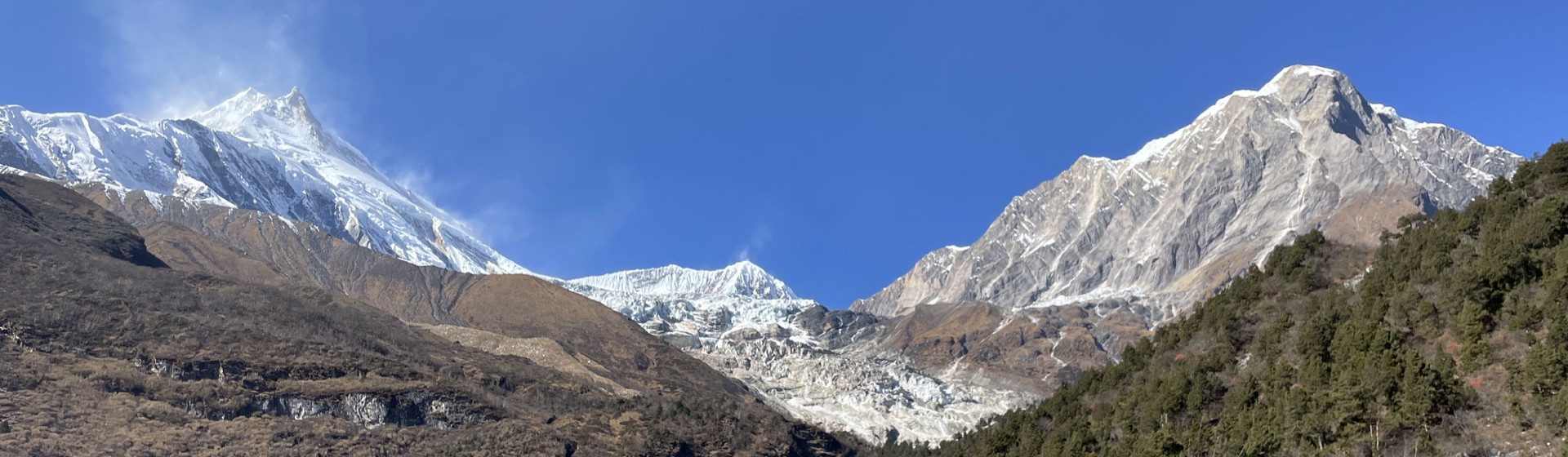
If we had to recommend just one period for the Manaslu Circuit Trek, it would be spring (March to May) and autumn (late September to November). These months usually provide the most dependable conditions for trekking, with better mountain visibility, comfortable daytime temperatures, and a more consistent chance of crossing Larkya La Pass (5,160 m) in favourable weather.
Even so, there is no single "perfect" month for everyone. The Manaslu Circuit changes noticeably throughout the year, and the best season depends on the kind of experience you want. Some trekkers come for crystal-clear Himalayan panoramas, others enjoy the colourful forests of spring, while many prefer quieter trails and a slower pace after the main trekking season.
One thing that surprises many first-time visitors is how quickly conditions change as the trail gains altitude. A warm afternoon in Machha Khola says very little about what the evening will feel like in Sama Gaun, and a calm morning can become windy around Dharmasala or Larkya La Pass later in the day. For this reason, our guides normally leave the higher villages early, when the weather is often calmer, visibility is at its best, and walking conditions are generally more comfortable.
From the departures we operate each year, October, November, April, and early May consistently offer the most balanced combination of weather, mountain views, and trail conditions for most trekkers. These months are popular for good reason, but they are not the only rewarding time to visit. Late November and December often bring quieter villages, peaceful trails, and exceptionally crisp mountain views, while spring rewards trekkers with greener hillsides, blooming rhododendrons at lower elevations, and snow-covered peaks that remain spectacular throughout the journey.
Rather than choosing a date simply because it is considered the "best season," we always encourage trekkers to match the season with the experience they hope to have. The month-by-month guide below explains what you can realistically expect throughout the year, including temperatures, trail conditions, snowfall, mountain visibility, and the advantages and challenges of each month, helping you choose the right time to begin your Manaslu adventure with confidence.
If you are still planning your route, you can also explore our detailed Manaslu Circuit Trek itinerary.
How Weather Changes Along the Manaslu Circuit
The weather on the Manaslu Circuit changes gradually with every day you spend on the trail. Many trekkers are surprised by how quickly conditions shift after leaving the lower valleys. A comfortable morning in Machha Khola does not mean the evenings will feel the same a few days later, and by the time you reach Sama Gaun, carrying a warm down jacket becomes part of your daily routine, even during the main trekking seasons.
The lower section of the trek, including Machha Khola, Jagat, and Deng, is generally warmer and more humid because of the lower altitude and deep river valleys. As the trail climbs through Namrung and Lho, the air becomes noticeably cooler, mornings are fresher, and the first uninterrupted views of the high Himalayas begin to appear. Many trekkers also notice that the sunshine feels pleasantly warm while walking, but temperatures drop quickly once the sun disappears behind the surrounding mountains in the late afternoon.
From Sama Gaun onwards, the weather becomes a much bigger part of each trekking day. Villages such as Samdo and Dharmasala are more exposed to wind, nights are considerably colder, and small changes in temperature can make the higher elevations feel very different from the villages below. Around Larkya La Pass (5,160 m), overnight snowfall, wind, or cloud can change trail conditions from one morning to the next, particularly during the colder months.
This is why our guides always pay close attention to local conditions instead of relying only on a weather forecast. Before crossing Larkya La Pass, we normally leave Dharmasala early, when the weather is often calmer, visibility is usually at its clearest, and the snow remains firmer underfoot if there has been recent snowfall. While mountain weather can never be guaranteed, an early start gives trekkers the best opportunity to cross the pass in comfortable and stable conditions.
Understanding how the weather changes along the route makes it much easier to prepare for the trek. Instead of packing for a single forecast, it is far more useful to expect a steady transition from warm river valleys to the cold alpine environment of the high Himalayas. The month-by-month guide below explains how these conditions typically vary throughout the year, helping you choose the season that best matches your trekking plans.
Manaslu Circuit Trek Weather at a Glance
Weather on the Manaslu Circuit changes not only from season to season but also as the trail climbs from the lower Budhi Gandaki Valley to Larkya La Pass (5,160 m). The comparison below provides a quick overview of the conditions trekkers can generally expect throughout the year. While every season has its own character, mountain weather always remains unpredictable, so daily conditions may vary.
| Season | Months | Typical Weather | Mountain Views | Trail Conditions | Crowd Level | Best For |
|---|
| Spring | March - May | Mild days, cool mornings and nights | Excellent | Mostly dry, with occasional snow near Larkya La early in the season | Moderate | Rhododendron blooms, comfortable temperatures, first-time trekkers and photographers |
| Summer / Monsoon | June - August | Warm with frequent rain | Fair to Limited | Wet, muddy and slippery at lower elevations, with occasional landslides on access roads | Very Low | Lush green landscapes, quiet trails and experienced trekkers |
| Autumn | Late September - November | Stable weather with comfortable temperatures | Outstanding | Dry and generally the most reliable trekking conditions | High | Crystal-clear mountain views, consistent weather and classic Manaslu trekking conditions |
| Winter | December - February | Cold, especially above Sama Gaun | Excellent on clear days | Snow is common around Larkya La Pass and higher elevations | Low | Peaceful trails, snowy scenery and trekkers comfortable with colder conditions |
The table provides a general overview, but conditions can vary from one month to another, especially at higher elevations. The detailed seasonal and month-by-month sections below explain what the weather usually feels like on the trail, how it affects daily trekking, and what you can realistically expect before planning your Manaslu Circuit Trek.
Spring (March to May)
Spring is the season when the Manaslu Circuit gradually changes from a quiet winter trail into one of Nepal's most enjoyable trekking routes. The transformation is easy to notice as you walk. The lower Budhi Gandaki Valley becomes greener week by week, rhododendron forests begin to bloom on the hillsides, and the high peaks remain covered with fresh snow, creating some of the most striking scenery of the year.
March still feels like the end of winter in the higher villages. Early mornings in Lho, Sama Gaun, and Samdo are cold, and patches of snow often remain around Dharmasala and the approach to Larkya La Pass (5,160 m). Lower on the trail, however, walking is usually comfortable once the morning sun reaches the valley, so trekkers often experience several different weather conditions within a single day.
By April, the route settles into one of its most reliable trekking periods. The days become longer, mountain views are often exceptionally clear during the morning, and the contrast between green hillsides and snow-covered Himalayan peaks makes this one of the most photogenic months on the circuit. Many trekkers are surprised by how quickly the landscape changes as they gain altitude, from the warmer forests around Jagat and Namrung to the open alpine scenery beyond Sama Gaun.
May continues to offer rewarding trekking conditions, although afternoons are generally warmer and cloud can build earlier than in March or April. For this reason, our guides normally begin walking soon after breakfast, allowing trekkers to enjoy the clearest mountain views and reach the next village before the warmest part of the day. Higher elevations remain cool, especially after sunset, while lower sections of the trail can already feel noticeably warmer than earlier in the season.
For trekkers looking for a balance of stable weather, colourful landscapes, excellent mountain scenery, and comfortable trekking temperatures, spring remains one of the finest times to experience the Manaslu Circuit. It is particularly well suited to photographers, nature lovers, and anyone hoping to see the Himalayas at a time when the trail feels vibrant without reaching the busiest weeks of the autumn season.
Spring is one of the most popular seasons for our 12 Days Manaslu Circuit Trek departures.
Summer / Monsoon (June to August):
The Manaslu Circuit feels completely different during the monsoon. The dusty trails of spring disappear beneath fresh greenery, the Budhi Gandaki River becomes louder and faster, and waterfalls begin flowing from cliffs that remain dry for much of the year. For trekkers who have only seen autumn photographs of Manaslu, the landscape during June, July, and August often comes as a surprise. Everything looks greener, the forests feel alive, and the villages become noticeably quieter as visitor numbers drop.
The biggest changes are usually experienced during the first few trekking days. Between Machha Khola, Jagat, and Deng, rain can make sections of the trail muddy, stone steps become slippery, and leeches are common in damp forests after prolonged rainfall. Road access to the trailhead may also be delayed if landslides occur after several days of heavy rain, so allowing a little flexibility in your travel schedule is always a sensible idea during the monsoon months.
As the trail climbs through Namrung, Lho, Sama Gaun, and Samdo, the weather often begins to feel different. These higher villages receive less rainfall than the lower Budhi Gandaki Valley because they lie closer to the Himalayan rain-shadow. Cloud still rolls across the mountains, particularly during the afternoon, but clear mornings are not unusual. After a night of rain, the air often feels exceptionally fresh, and when the clouds lift, the surrounding peaks can appear remarkably bright against the freshly washed landscape.
Daily trekking routines also change during this season. Rather than waiting for warmer temperatures, our guides usually prefer to leave soon after breakfast while trails are quieter and morning conditions are often more settled. If rain develops later in the day, most groups have already covered the longer sections of the route and reached the next tea house before the heaviest showers arrive. This simple adjustment makes the day more comfortable without changing the overall itinerary.
Although the monsoon is not considered the classic season for the Manaslu Circuit, it offers a rewarding experience for trekkers who value solitude over busy trails. It is particularly appealing for repeat visitors to Nepal, photographers looking for dramatic landscapes, and experienced hikers who enjoy seeing the Himalayas in a season that many travellers never experience. With realistic expectations, flexible planning, and an experienced local guide, the Manaslu Circuit during the monsoon reveals a quieter and remarkably beautiful side of the region that is often overlooked.
Autumn (Late September to November)
For many trekkers, autumn is the season that showcases the Manaslu Circuit at its very best. As the summer monsoon gradually disappears, the forests remain beautifully green, the mountain air becomes noticeably clearer, and each day usually brings broader views of the surrounding Himalayas. The combination of stable weather, comfortable daytime temperatures, and dependable trail conditions is the reason most trekkers choose this season and why we schedule the majority of our Manaslu departures during autumn.
The seasonal change becomes more obvious with each day of the trek. Around Machha Khola, Jagat, and Deng, the Budhi Gandaki River still runs strongly after the monsoon, waterfalls continue flowing beside the trail, and the surrounding hillsides remain fresh and vibrant. As the route climbs through Namrung, Lho, and Sama Gaun, the valleys gradually open, revealing uninterrupted views of Mount Manaslu, Himalchuli, Ngadi Chuli, and the snow-covered Himalayan peaks that dominate the upper valley.
October is generally the most reliable month for the Manaslu Circuit and is the period we recommend most often to first-time trekkers. Stable weather, comfortable temperatures, and consistently clear mountain mornings create excellent trekking conditions throughout the route. It is also the busiest month of the year, so tea houses and trails are naturally livelier than during other seasons, particularly around Sama Gaun, Samdo, and Larkya La Pass. Even so, compared with the Everest and Annapurna regions, the Manaslu Circuit still feels remarkably uncrowded. It is common to spend long stretches of the day walking through quiet valleys with little more than the sound of the river, distant yak bells, and your own footsteps on the trail.
By November, the atmosphere changes again. Visitor numbers gradually decrease, mornings become colder, and frost is common around Sama Gaun, Samdo, and Dharmasala. Water left outside overnight may freeze, while the dry mountain air often delivers some of the clearest Himalayan views of the entire year. Around the higher trail, the first light snowfall of the season may appear towards the end of the month, and carrying microspikes is highly recommended for departures in late November if conditions require.
For trekkers looking for the most dependable combination of weather, scenery, and trail conditions, autumn remains the finest season to experience the Manaslu Circuit. Whether you prefer the lively atmosphere of October or the quieter, crystal-clear mornings of November, this season consistently delivers the classic Himalayan experience that has made the Manaslu Circuit one of Nepal's greatest treks.
If you prefer a slightly slower pace during this outstanding season, our 15 Days Manaslu Circuit Trek includes extra acclimatization and time to enjoy the villages.
Winter (December to February)
Winter transforms the Manaslu Circuit into one of Nepal's quietest high-altitude trekking routes. After the autumn season ends, the trail becomes noticeably more peaceful, tea houses welcome only a handful of trekking groups each evening, and the mountains settle into a slower rhythm. For trekkers who value solitude over busy trails, winter reveals a completely different side of the Manaslu region.
The journey usually begins under clear skies around Machha Khola, Jagat, and Deng, where daytime walking often remains surprisingly comfortable despite the cool mornings. As the trail climbs through Namrung, Lho, Sama Gaun, and Samdo, winter gradually becomes part of everyday life. Frost covers the ground before sunrise, water left outside overnight often freezes, and the first sunlight reaches the mountain peaks long before it reaches the villages below. It is common to begin the day wearing several warm layers, then gradually remove a jacket once the trail finally warms beneath the morning sun.
Above Sama Gaun, winter conditions become much more noticeable. Snow frequently covers sections of the trail towards Samdo, Dharmasala, and Larkya La Pass (5,160 m), especially from December onwards. Walking across snow and frozen ground becomes a normal part of the trek, while icy sections are common during the morning. Microspikes are highly recommended throughout the winter season, providing better grip and confidence on snow-covered or icy trails, particularly on the approach to Larkya La Pass.
The higher part of the trek deserves the greatest respect during winter. Fresh snowfall, strong winds, and freezing temperatures can change conditions around Larkya La Pass from one day to the next. Rather than relying only on weather forecasts, our guides speak with local tea house owners, check recent trail reports from trekking crews, and assess conditions each morning before deciding the safest departure time. When conditions are favourable, we usually leave before first light, when snow is firmer underfoot and there is enough time to complete the crossing before afternoon weather has a chance to change.
Cold mornings are one of winter's greatest rewards. After a clear night, Mount Manaslu, Himalchuli, and the surrounding peaks often appear exceptionally sharp beneath deep blue skies, while frost still covers the villages below. The combination of crystal-clear mountain views, peaceful trails, and the quiet atmosphere of the season creates a Himalayan experience that feels very different from the busier months of autumn.
Winter is not the easiest season to trek the Manaslu Circuit, but for well-prepared trekkers it can be one of the most memorable. With proper winter clothing, microspikes, flexible planning, and an experienced local guide, December, January, and February offer spectacular mountain scenery, genuine Himalayan solitude, and a side of the Manaslu Circuit that relatively few visitors ever have the opportunity to experience.
Our detailed Manaslu Circuit Trek Packing List explains exactly what we recommend for winter departures.
Manaslu Circuit Trek in January
January offers one of the quietest and most rewarding experiences on the Manaslu Circuit. After the busy autumn season, the trail settles into a much slower rhythm. Tea houses are peaceful, long sections of the route can pass without meeting another trekking group, and the mountains often feel even more remote. For trekkers who enjoy solitude and don't mind cold weather, January reveals a side of the Manaslu region that few visitors experience.
The change becomes more noticeable with each day of the trek. Around Machha Khola, Jagat, and Deng, daytime walking is often more comfortable than many people expect when the sun reaches the valley. As the route climbs through Namrung, Lho, Sama Gaun, and Samdo, winter gradually takes over. Frost commonly covers the ground before sunrise, water left outside overnight may freeze, and the first hour of walking is usually the coldest part of the day. Once the morning sun reaches the trail, temperatures become much more pleasant for trekking, although evenings cool rapidly after sunset.
Beyond Sama Gaun, the landscape begins to look and feel very different. Snow is common along the trail towards Samdo, Dharmasala, and Larkya La Pass (5,160 m), and after fresh snowfall, sections of the route may remain completely snow-covered until they receive enough sunlight. Walking across snow becomes part of the daily experience, while icy patches often develop in shaded areas during the morning. For winter departures, we strongly recommend carrying microspikes, as they provide much better grip and confidence when crossing frozen or snow-covered sections near the pass.
The section between Dharmasala and Larkya La Pass (5,160 m) deserves the greatest respect during January. A light snowfall during the night can completely change the appearance of the trail by the following morning. Snow, wind, and freezing temperatures are all part of winter in the high Himalayas, which is why experienced local guides never rely only on a weather forecast. Before crossing the pass, we confirm recent trail conditions with local tea houses and other trekking crews, then decide the most suitable departure time for the group. On favourable days, we normally leave before sunrise so the snow is firmer underfoot and there is plenty of time to cross the pass before afternoon weather has an opportunity to change.
One of January's greatest rewards is the quality of the mountain scenery. After a cold, clear night, the surrounding peaks often appear exceptionally sharp, and the first sunlight slowly reaching Mount Manaslu, Himalchuli, and the upper valley creates some of the most memorable moments of the trek. These peaceful winter mornings are very different from the busy atmosphere of autumn and are one of the reasons many experienced trekkers return to Nepal during the colder months.
January is not the easiest month to trek the Manaslu Circuit, nor is it the right choice for everyone. Temperatures at the higher elevations often remain well below freezing, and snow around Larkya La Pass should always be expected. However, trekkers who arrive with proper winter clothing, microspikes, realistic expectations, and an experienced local guide are rewarded with outstanding mountain views, peaceful trails, and a genuine Himalayan winter experience that very few people ever have the opportunity to enjoy.
Manaslu Circuit Trek in February
By February, the Manaslu Circuit begins to show the first signs of change after the coldest part of winter. The mornings are still crisp, frost remains common around the higher villages, and snow may still cover sections near Larkya La Pass (5,160 m). At the same time, the days become slightly longer, the afternoon sun feels noticeably warmer, and walking is often more comfortable than it was only a few weeks earlier.
The difference is easiest to notice as the trek gains altitude. Lower villages such as Machha Khola and Jagat often enjoy pleasant daytime temperatures under clear skies, while higher settlements including Lho, Sama Gaun, and Samdo continue to experience freezing nights. It is quite common to begin the day wearing several warm layers, then gradually pack them away once the sun reaches the valley. As evening approaches, the temperature drops quickly again, making warm dining rooms and a hot meal especially welcome after a full day on the trail.
Above Sama Gaun, the route still feels unmistakably wintry. Snow often remains along the trail towards Samdo, Dharmasala, and Larkya La Pass, although conditions generally begin improving compared with January. Some sections stay frozen until late morning, while others soften slightly once they receive direct sunlight. Walking across snow is still a normal part of the journey, and microspikes are highly recommended, particularly after fresh snowfall or during early morning crossings of the pass. Our guides assess the latest trail conditions each day and advise when additional traction is necessary, helping the group cross the higher sections with greater confidence and safety.
February is also a month when local trail knowledge becomes particularly valuable. Conditions around Dharmasala and Larkya La Pass depend far more on recent snowfall than on the date on the calendar. A week of stable weather can leave the route in excellent condition, while a single overnight storm may completely change the following day's crossing. Before heading towards the pass, our guides confirm the latest trail conditions with local tea houses and other trekking crews, then adjust departure times if necessary. This daily assessment is a normal part of operating winter treks in the Manaslu region.
One of February's greatest rewards is the quality of the mountain scenery. Cold, dry air often produces remarkably clear visibility, and the snow-covered peaks around Mount Manaslu, Himalchuli, and the upper Nubri Valley stand out sharply against deep blue skies. With relatively few trekkers on the route, there are long stretches where the only sounds are the Budhi Gandaki River in the distance, the occasional yak bell, and footsteps on the trail.
February is an excellent choice for trekkers who enjoy peaceful mountain journeys but prefer slightly milder conditions than the middle of winter. With proper cold-weather clothing, microspikes, a flexible itinerary, and an experienced local guide, it offers a rewarding combination of quiet trails, outstanding mountain views, and the first subtle signs that spring is beginning to approach the high Himalayas.
Manaslu Circuit Trek in March
March is the month when the Manaslu Circuit begins to change almost every week. Winter has not completely disappeared from the higher Himalayas, yet the first signs of spring are already visible in the lower valleys. It is this contrast that makes March such an interesting time to trek. Within a few days of walking, trekkers experience warm afternoon sunshine beside the Budhi Gandaki River, frosty mornings around Sama Gaun, and snow-covered landscapes on the approach to Larkya La Pass (5,160 m).
The lower part of the route, including Machha Khola, Jagat, and Deng, usually feels comfortable for walking during the day. As the trail climbs towards Namrung and Lho, the forests gradually become greener, the first rhododendrons begin to appear, and snow-covered peaks dominate the skyline. By the time trekkers reach Sama Gaun, winter still makes its presence felt after sunset, when temperatures drop quickly and warm clothing becomes essential outside the tea houses.
March is also one of the months when flexibility remains important in the higher elevations. Although many days are clear and stable, overnight snowfall is still possible around Dharmasala and Larkya La Pass, particularly during the first half of the month. Rather than depending only on weather forecasts, our guides check recent trail conditions with local lodge owners and trekking crews before every pass crossing. Small decisions, such as adjusting the departure time by an hour or choosing an earlier breakfast, often make the crossing more comfortable when conditions change overnight.
One of the most enjoyable parts of trekking in March is watching the landscape change as you gain altitude. Lower hillsides slowly return to spring while the high mountains remain firmly in winter. It is not unusual to photograph blooming rhododendrons one day and walk across fresh snow a few days later. This contrast gives the Manaslu Circuit a character that is difficult to experience during any other month of the year.
Longer daylight is another welcome change after winter. There is more time to enjoy the villages, stop for photographs, and walk at a relaxed pace without feeling that darkness is approaching too quickly. By the end of March, the trail has usually settled into the rhythm of the spring trekking season, while still preserving the brilliant white mountain scenery left behind by winter. For trekkers hoping to experience both seasons in a single journey, March offers one of the most distinctive times to explore the Manaslu Circuit.
Manaslu Circuit Trek in April
April is the month when the Manaslu Circuit feels fully alive. The trail has settled into spring, the forests are at their most colourful, and the mountains still hold the fresh snow left behind by winter. It is one of the few times of the year when a single day's walk can take you from blooming rhododendron hillsides to high alpine landscapes framed by brilliant white Himalayan peaks. That contrast is what many trekkers remember most about April.
From the first days of the trek, the signs of spring are easy to recognise. Around Machha Khola, Jagat, and Deng, the Budhi Gandaki Valley becomes greener with every passing week. Rhododendrons bloom across many of the surrounding hills, birds are active in the forests during the morning, and clear rivers carry fresh snowmelt from the mountains above. As the trail climbs towards Namrung and Lho, the scenery changes steadily. Forests gradually give way to wider valleys, the air becomes cooler, and the first close views of Mount Manaslu begin to dominate the journey.
Higher on the route, spring arrives more slowly. Around Sama Gaun, mornings often begin with frost outside the tea houses, and the valley usually remains cool until the first sunlight reaches the village. It is common to start the day wearing a down jacket, then comfortably continue in lighter clothing once the trail is warmed by the morning sun. Beyond Dharmasala, small patches of old snow often remain in shaded sections of the trail, particularly after late winter snowfall, even though lower elevations have already settled into spring.
April is generally known for reliable trekking conditions, but experienced guides never assume every day will be the same. Before crossing Larkya La Pass (5,160 m), we check recent snowfall, speak with local lodge owners, and confirm current trail conditions with other trekking teams already on the route. If conditions are favourable, we normally leave before sunrise. Early mornings are often calmer, mountain visibility is usually at its best, and any remaining snow is generally firmer underfoot before the stronger daytime sun begins to soften the surface.
One of the details many guests mention after returning home is how quickly the landscape changes as they gain altitude. A morning may begin among flowering forests, continue through traditional stone villages where prayer flags move gently in the mountain breeze, and finish beneath towering snow-covered ridges that seem close enough to touch. That constant change is difficult to appreciate from photographs alone and is one of the reasons April leaves such a lasting impression on so many trekkers.
For travellers looking for a balance of dependable trail conditions, colourful spring landscapes, and classic Himalayan mountain scenery, April consistently delivers one of the most rewarding experiences on the Manaslu Circuit. It is a month that combines the energy of spring with the dramatic mountain character that makes this trek one of Nepal's finest high-altitude journeys.
Manaslu Circuit Trek in May
May has a different feel from the earlier spring months. By now, winter has almost completely retreated from the lower valleys, daytime temperatures are warmer, and snowmelt feeds the rivers and streams that follow the trail towards the higher Himalayas. The mountains remain spectacular, but the rhythm of each trekking day begins to change as the season slowly moves towards the summer monsoon.
One of the first things many trekkers notice is how quickly the temperature rises after sunrise. Early mornings are still comfortable for walking, especially as the trail climbs above the Budhi Gandaki Valley, but the afternoon sun is noticeably stronger than it was in March or April. Because of this, our guides usually leave the tea house soon after breakfast. The air is often cooler, mountain views are generally at their clearest, and the longer uphill sections feel far more comfortable before the warmest part of the day arrives.
May also brings subtle changes to the landscape. Snow continues to melt from the surrounding slopes, streams become more active, and the forests remain rich with late spring growth. Around Lho and Sama Gaun, the contrast between green valleys below and the snow-covered walls of Mount Manaslu creates some of the most impressive scenery of the season. Higher up, towards Dharmasala and Larkya La Pass (5,160 m), small patches of old snow may still remain in sheltered places, particularly after a late spring snowfall.
Afternoon weather deserves a little more attention in May than earlier in the season. It is common for clear mornings to gradually give way to increasing cloud over the higher ridges as temperatures rise. This does not mean every afternoon brings poor weather, but it is one of the reasons experienced local guides plan longer walking days around the morning rather than relying on conditions later in the day. Small decisions like this often make the trek more enjoyable and allow more time to appreciate the mountains before visibility begins to change.
Although May receives fewer trekkers than the peak weeks of autumn, the route remains lively without ever feeling crowded. Tea houses have settled into the spring season, the villages maintain a relaxed atmosphere, and the trail still offers long, peaceful stretches where the sound of flowing water, distant yak bells, and the wind moving through the valley become part of the experience.
For trekkers who enjoy warmer days, vibrant spring landscapes, and clear mountain mornings, May is one of the most rewarding times to walk the Manaslu Circuit. It combines the colour and energy of spring with the quiet confidence of a trail that is preparing for the next seasonal change, offering a memorable Himalayan journey before the arrival of the summer rains.
Manaslu Circuit Trek in June
June is the month when the Manaslu Circuit begins to change its character. The trail no longer follows the settled rhythm of spring, and each week can feel different from the last. Early June often brings several clear trekking days with excellent mountain views, while later in the month afternoon showers become more frequent as the summer monsoon gradually reaches the lower Budhi Gandaki Valley. For guides, June is less about following the calendar and more about reading the conditions each day.
The first changes are usually noticed below Namrung. Around Machha Khola, Jagat, and Deng, the forests become deeper green after the first regular rain, small waterfalls begin flowing across rock faces that were dry only weeks before, and the Budhi Gandaki River carries noticeably more water from both rainfall and melting snow higher in the mountains. Rain rarely falls all day, but it is common for the weather to change several times between breakfast and the afternoon.
One of the practical differences during June is how the trekking day is planned. Rather than waiting for warmer temperatures, our guides normally leave the tea house soon after breakfast because mornings are often the most settled part of the day. It is not unusual to walk beneath blue skies during the first few hours, stop for lunch as cloud begins gathering over the surrounding ridges, and reach the next village just before a short afternoon shower arrives. Keeping a waterproof jacket where it can be reached quickly, instead of packing it deep inside the backpack, becomes a simple habit that makes the day much more comfortable.
As the route climbs towards Lho, Sama Gaun, and Samdo, many trekkers are surprised that the weather often feels different from the lower valley. These villages sit closer to the Himalayan rain shadow, so prolonged heavy rain is generally less common than around Machha Khola or Jagat. Cloud may still hide the higher peaks from time to time, but mornings after overnight rain often bring remarkably fresh mountain views, with the surrounding landscape appearing brighter and cleaner than at any other time of the year.
June is not the busiest month on the Manaslu Circuit, and that is exactly why some experienced trekkers choose it. Tea houses are quieter, trails feel more peaceful, and the landscape has a freshness that disappears once the monsoon is fully established. For travellers who understand that mountain weather changes quickly and who value a quieter Himalayan experience over guaranteed blue skies every day, June offers a side of the Manaslu Circuit that many visitors never have the opportunity to see.
Manaslu Circuit Trek in July
July is the month when the Manaslu Circuit feels most different from the classic trekking seasons. The mountains have not changed, but the trail has. Forests are deep green, the Budhi Gandaki River is louder than at any other time of the year, and fresh waterfalls appear beside sections of the path that remain completely dry during autumn. For trekkers who only know Manaslu through October photographs, July often feels like discovering an entirely different landscape.
The rhythm of a trekking day also changes. It is not unusual to leave Machha Khola beneath dry skies, walk through light rain before lunch, and arrive at the next village with sunshine returning again. Because of this, experienced trekkers rarely pack waterproof clothing at the bottom of their backpack during July. A rain jacket is usually kept within easy reach because weather can change several times during a single day's walk.
The lower trail between Machha Khola, Jagat, and Deng receives the greatest influence from the monsoon. Stone steps become slippery after rain, forest paths remain damp for much of the day, and leeches are common in humid vegetation. Good trekking boots with reliable grip become far more important than simply keeping your feet dry. Careful footing often saves more energy than trying to walk quickly through wet sections of trail.
As the route climbs towards Namrung, Lho, Sama Gaun, and Samdo, many trekkers are surprised that conditions often become noticeably different. These villages lie closer to the Himalayan rain shadow, so prolonged heavy rainfall is generally less common than in the lower valley. Morning mountain views are still possible, particularly after overnight rain has cleared the air, although cloud usually develops more quickly than during spring or autumn. Rather than expecting uninterrupted blue skies, July rewards patience. Some of the clearest views of Mount Manaslu appear unexpectedly after rain has washed the atmosphere clean.
Guiding during July is less about following a fixed timetable and more about responding to the mountains. Before leaving each morning, we speak with local tea house owners, check how much rain fell overnight, and compare recent trail conditions with other trekking crews coming from higher villages. Those conversations often provide more useful information than a regional weather forecast because conditions can vary considerably from one valley to the next.
July is not the month for trekkers looking for guaranteed sunshine every day. It is, however, an excellent choice for travellers who enjoy quieter trails, vibrant Himalayan landscapes, and a journey that feels more connected to the natural rhythm of the mountains than the busy peak trekking seasons. With realistic expectations, appropriate equipment, and an experienced local guide, July offers a side of the Manaslu Circuit that relatively few visitors ever experience, yet many remember long after the trek has ended.
Manaslu Circuit Trek in July
July is when the Manaslu Circuit shows a side of the Himalayas that relatively few trekkers experience. The mountains remain just as dramatic, but the landscape feels completely different. The Budhi Gandaki River runs fast and powerful, hillsides become intensely green, fresh waterfalls appear beside the trail, and the forests feel cooler after regular rain. It is a season that rewards patience rather than perfect weather.
A typical July trekking day rarely stays the same from morning to evening. It is common to leave Machha Khola under dry skies, walk through a brief shower before lunch, and enjoy sunshine again later in the afternoon. Because of this changing pattern, experienced trekkers usually keep their waterproof jacket where it can be reached within seconds rather than packing it deep inside the backpack. On the Manaslu Circuit, being prepared for changing weather is far more important than trying to predict every shower.
The lower section of the route between Machha Khola, Jagat, and Deng feels the monsoon most strongly. Stone steps become slippery after rain, forest paths remain damp, and leeches are common in shaded vegetation after several wet days. Good footing becomes more important than speed, and trekking poles often make the day's walk noticeably easier on steep descents.
As the trail climbs towards Namrung, Lho, Sama Gaun, and Samdo, many trekkers are surprised by how much the weather changes. These higher villages sit closer to the Himalayan rain shadow, so prolonged heavy rain is generally less common than in the lower Budhi Gandaki Valley. Early mornings after overnight rain often produce remarkably clear mountain views before cloud gradually gathers around the higher ridges later in the day. Those short windows of clear weather frequently become some of the most memorable moments of a July trek.
Guiding during July is about reading local conditions rather than following a fixed routine. Before leaving each morning, we speak with tea house owners about overnight rainfall, compare trail conditions with trekking crews arriving from higher villages, and adjust the day's pace if necessary. Small decisions, such as leaving thirty minutes earlier or waiting briefly for a passing shower to move through the valley, often make the trek more comfortable than following a rigid timetable.
July is not the ideal month for travellers looking for uninterrupted blue skies every day. It is, however, an excellent choice for those who enjoy quieter trails, vibrant Himalayan landscapes, and seeing the Manaslu region at its most alive. With realistic expectations, suitable equipment, and an experienced local guide, July offers an authentic mountain experience that is very different from the busy trekking seasons and remembered for reasons that go far beyond the weather alone.
Manaslu Circuit Trek in August
By August, the summer monsoon has fully shaped the Manaslu landscape. The hills are covered in deep green vegetation, rivers and streams flow at their strongest, and waterfalls tumble from cliffs that remain dry for much of the year. The scenery feels vibrant and full of life, creating a completely different atmosphere from the clear, dry months of autumn. Although August is not the traditional trekking season, it offers a unique perspective of the Manaslu Circuit that many visitors never experience.
One of the first things trekkers notice is how quickly the landscape changes after rain. Forests around Machha Khola, Jagat, and Deng appear brighter, terraced fields become intensely green, and the sound of the Budhi Gandaki River is never far away. Rain rarely falls continuously throughout the day. More often, the weather shifts between sunshine, passing showers, and low cloud, making flexibility far more valuable than expecting perfect conditions from morning to evening.
As the trail climbs towards Namrung, Lho, Sama Gaun, and Samdo, rainfall generally becomes lighter than in the lower valley because these villages lie closer to the Himalayan rain shadow. It is not unusual to wake after overnight rain and find the surrounding mountains briefly clear before clouds gradually gather again later in the day. Those early morning hours often provide the best opportunity for photography and longer stretches of comfortable walking.
August is also a month when small decisions make a noticeable difference. Waterproof clothing is usually kept close at hand rather than packed away, boots are allowed to dry beside the dining room stove each evening whenever possible, and trekking poles become especially helpful on wet stone steps and muddy sections of trail. These simple routines quickly become part of everyday life on the trek and help make long walking days more comfortable.
From a guiding perspective, August is less about following a fixed schedule and more about responding to local conditions. Before leaving each morning, we check overnight rainfall, ask lodge owners about the condition of the trail ahead, and compare information with trekking crews coming from higher villages. Local knowledge is often more useful than a regional forecast because weather can vary significantly between the lower Budhi Gandaki Valley and the upper Manaslu region on the same day.
August is best suited to trekkers who enjoy peaceful trails, dramatic green Himalayan landscapes, and understand that mountain weather is part of the adventure rather than something that can be completely controlled. With realistic expectations, suitable equipment, and an experienced local guide, it offers a rewarding journey through one of the quietest and most colourful periods of the Manaslu Circuit.
Manaslu Circuit Trek in September
September is the month we watch most closely when planning our autumn Manaslu departures. The calendar alone never tells the full story. Some years, the monsoon begins to fade during the second week of the month, while in other years afternoon rain continues for a little longer. That is why we always pay more attention to recent trail conditions than to the date itself. For trekkers, the difference between starting in early September and the final week of the month can be surprisingly significant.
The first few days of the trek usually show this change most clearly. Around Machha Khola, Jagat, and Deng, the hillsides remain brilliantly green after months of rain, rice terraces are still full, waterfalls continue flowing beside the trail, and the Budhi Gandaki River carries far more water than it will later in autumn. Walking through these lower valleys in September feels completely different from October. The landscape is richer, the forests are fresher, and every overnight shower seems to bring another shade of green to the mountainsides.
As the trail climbs towards Namrung, Lho, Sama Gaun, and Samdo, the weather often begins to settle. One of the most rewarding moments during September is waking after a night of rain to find the surrounding peaks suddenly clear. The mountains often appear exceptionally sharp because the rain has washed dust and moisture from the atmosphere. Those bright Himalayan mornings are usually the first sign that autumn is beginning to establish itself across the upper valley.
From our experience leading September groups, flexibility is far more valuable than following a fixed schedule. Before confirming the crossing of Larkya La Pass (5,160 m), we always speak with tea house owners, check recent conditions reported by trekking crews arriving from the opposite direction, and assess how much rain has fallen during the previous few days. Local information is often more useful than a regional weather forecast because conditions around the pass can be very different from those lower in the valley.
By the final week of September, the Manaslu Circuit often begins to settle into the pattern that continues through October. Trails gradually dry, mountain views become increasingly reliable, and long periods of stable weather become more common. This is why most of our guaranteed autumn departures begin from the second half of September rather than the beginning of the month. Waiting a little longer often provides a much better balance between fresh post-monsoon landscapes and the clear Himalayan conditions that trekkers hope to experience.
September is not simply the beginning of autumn. It is the month when the Manaslu Circuit changes almost day by day. For trekkers who appreciate vibrant landscapes, quieter trails, and the excitement of watching the Himalayas emerge after the monsoon, it offers one of the most fascinating times of the year to experience this remarkable route.
Manaslu Circuit Trek in October
October is when the Manaslu Circuit settles into the pattern that many experienced guides look forward to each year. The summer monsoon has usually passed, the trails have begun to dry, and clear Himalayan mornings become far more consistent than in September. While mountain weather can never be guaranteed, October has earned its reputation by offering one of the most reliable combinations of stable conditions, comfortable trekking temperatures, and outstanding mountain scenery.
The change is noticeable from the first days of the trek. Around Machha Khola, Jagat, and Deng, the forests still hold the deep green colour left by the monsoon, waterfalls continue flowing beside the trail, and the Budhi Gandaki River remains powerful with fresh snowmelt and recent rainfall. The landscape feels fresh rather than dusty, while the trail itself is usually much easier to walk as muddy sections gradually dry.
As the route climbs through Namrung, Lho, Sama Gaun, and Samdo, October reveals the conditions that have made the Manaslu Circuit famous. Mornings are often calm, the mountain air is crisp, and the first sunlight slowly reaches the snow-covered slopes while the villages below remain in shadow. It is common to leave the tea house wearing a warm jacket, then pack it away an hour later as the valley warms under the morning sun. These early hours usually provide the clearest views of Mount Manaslu, Himalchuli, Ngadi Chuli, and the surrounding Himalayan peaks before cloud occasionally begins to build later in the afternoon.
Although October is considered the most dependable trekking month, experienced guides never take mountain conditions for granted. Before crossing Larkya La Pass (5,160 m), we always confirm recent trail conditions with local tea house owners and trekking crews arriving from the opposite direction. Fresh snowfall, overnight wind, or changing conditions at high altitude can influence the following day's plan, even when the weather appears stable lower in the valley. This daily assessment is a normal part of operating treks safely on the Manaslu Circuit.
October also brings a special atmosphere to the villages. Tea houses become lively as trekkers, guides, and porters gather around the dining room stove each evening, sharing stories from the day's walk and exchanging trail information for the following morning. Despite being the busiest trekking month, the Manaslu Circuit still feels remarkably peaceful compared with many other Himalayan routes. It is common to spend hours on the trail hearing little more than the Budhi Gandaki River, distant yak bells, and the wind moving through the valley.
For many trekkers, October represents the Manaslu Circuit at its finest. The valleys still carry the freshness of the monsoon, mountain views become increasingly dependable, and each day follows the steady rhythm that experienced local guides hope for every autumn. It is this balance of scenery, weather, trail conditions, and authentic Himalayan village life that continues to make October the most popular month to experience one of Nepal's greatest trekking adventures.
Manaslu Circuit Trek in November
November is when the Manaslu Circuit begins to settle into a quieter rhythm without losing the reliable weather that makes autumn so popular. The busiest weeks of October have passed, mornings become noticeably colder, and the mountain air turns exceptionally clear. For many local guides, November offers one of the best balances of stable trail conditions, outstanding visibility, and a more peaceful atmosphere across the entire route.
The change is easy to notice from the first days of the trek. Around Machha Khola, Jagat, and Deng, daytime walking remains comfortable beneath clear skies, while the coolness of early morning becomes much more noticeable than it was only a few weeks earlier. As the trail climbs through Namrung, Lho, Sama Gaun, and Samdo, the first signs of winter begin to appear. Frost often covers the ground before sunrise, water left outside overnight may freeze, and the first sunlight takes time to reach the valley floor. Many trekkers leave the tea house wearing a down jacket, warm hat, and gloves, then gradually remove layers as the morning sun finally reaches the trail.
One of the reasons many experienced trekkers return in November is the exceptional mountain visibility. After a cold, clear night, the air is often remarkably clean, allowing Mount Manaslu, Himalchuli, Ngadi Chuli, and the surrounding peaks to stand out with incredible clarity. The first light reaches the snow-covered summits well before it reaches the villages below, creating a beautiful contrast between glowing mountain peaks and valleys that are still resting beneath a layer of frost. It is one of the most memorable moments of the entire trek.
Higher on the trail, November reminds everyone that winter is approaching. Around Dharmasala and Larkya La Pass (5,160 m), overnight snowfall becomes more common during the second half of the month, and temperatures can remain below freezing throughout the morning. Snow and ice may begin to appear on the approach to the pass, so carrying microspikes is highly recommended, particularly towards the end of November. Before every pass crossing, we speak with local tea house owners and trekking crews who crossed the previous day to understand the latest trail conditions. Local information is often far more valuable than relying only on a regional weather forecast.
Evenings develop their own atmosphere during November. As soon as the sun disappears behind the surrounding mountains, temperatures fall quickly and trekkers naturally gather around the dining room stove. Guides exchange trail updates, porters share news from villages further ahead, and tomorrow's plan is discussed over a hot meal while boots and gloves slowly dry beside the fire. These quiet moments often become some of the most memorable parts of the journey.
November is one of our favourite months to guide the Manaslu Circuit and one of the periods we confidently recommend to trekkers seeking the best overall experience. The trails remain in excellent condition, mountain views are often at their clearest, and the cooler temperatures make long days of walking comfortable. Although mornings and evenings are colder than in October, the stable weather, peaceful atmosphere, and spectacular Himalayan scenery more than compensate. For trekkers looking for dependable conditions, fewer crowds, and an authentic mountain experience, November is undoubtedly one of the finest months of the year to trek the Manaslu Circuit.
Manaslu Circuit Trek in December
December is when the Manaslu Circuit becomes noticeably quieter again. By this time, most autumn trekking groups have finished their journeys, and the trail settles into a slower pace. For those of us who guide the route every year, December is the month when the mountains begin setting the rhythm instead of the trekking season. Every morning starts with the same question: what happened higher up overnight?
The lower valley still welcomes trekkers with comfortable walking days. Around Machha Khola, Jagat, and Deng, clear skies are common, the air feels fresh from the moment the sun rises, and the trail is usually dry underfoot. As the route climbs through Namrung, Lho, Sama Gaun, and Samdo, the season changes almost village by village. Frost remains on the ground well after sunrise, water left outside may freeze overnight, and many mornings begin with the sound of people breaking a thin layer of ice from water buckets before breakfast.
One of the details first-time trekkers often notice is how slowly the valleys warm. The highest ridges catch the first sunlight long before it reaches the villages below, so breakfast is often enjoyed while the surrounding fields are still white with frost. It is common to leave the tea house wearing a down jacket, warm hat, and gloves, then gradually remove a layer during the first long climb as the morning sun finally reaches the trail. By late afternoon, temperatures drop quickly again, reminding everyone that winter is steadily taking hold across the high Himalayas.
December is also the month when local knowledge becomes especially important around Larkya La Pass (5,160 m). Before leaving Dharmasala, we do not rely only on a regional weather forecast. We speak with tea house owners, check whether fresh snow has fallen overnight, and ask trekking crews who crossed the pass the previous day about the latest trail conditions. Snow and ice are much more common during December, and microspikes are highly recommended for crossing Larkya La Pass. In some seasons, they provide extra confidence on frozen or icy sections of the trail, especially during the morning when the surface is still firm. Your guide will always assess the latest conditions and advise whether microspikes should be used before leaving Dharmasala.
Life in the tea houses also changes during December. With fewer trekking groups on the route, evenings become quieter and more personal. Guides, porters, lodge owners, and trekkers gather around the dining room stove, sharing tea, discussing the day's walk, and exchanging the latest trail information before planning the following morning. Outside, the villages become almost silent beneath brilliantly clear Himalayan skies filled with stars, creating an atmosphere that many trekkers remember as one of the highlights of a winter journey.
December is not simply a colder version of November. It is the beginning of the Himalayan winter, when clear mountain mornings, peaceful trails, and crisp alpine air create a completely different experience from the busy autumn season. With warm winter clothing, microspikes for Larkya La Pass, flexible planning, and an experienced local guide, December offers one of the most authentic and rewarding times to experience the Manaslu Circuit.
How Weather Affects the Manaslu Circuit Trek
Weather on the Manaslu Circuit influences far more than the temperature shown in a forecast. It shapes the condition of the trail, daily walking hours, road access, mountain visibility, the crossing of Larkya La Pass (5,160 m), and even the equipment you carry. Every trekking season follows the same route, but the experience feels completely different depending on the conditions. Understanding these seasonal changes helps trekkers prepare more realistically and allows guides to make better decisions throughout the journey.
The biggest difference is usually felt on the trail itself. During spring and autumn, most sections remain dry and comfortable, making it easier to maintain a steady walking pace. During the monsoon, the lower Budhi Gandaki Valley changes quickly. Stone staircases become slippery, forest paths remain damp, and small streams often flow across the trail after heavy rain. In winter, conditions above Sama Gaun become completely different. Snow and ice are common on the approach to Samdo, Dharmasala, and Larkya La Pass, where walking across frozen ground becomes part of the experience. During this period, microspikes are highly recommended because they provide much better grip and confidence on icy sections of the trail.
Weather also influences how each trekking day is planned. Experienced guides rarely rely only on a weather forecast before leaving a village. Instead, they consider overnight temperatures, recent snowfall, wind conditions, and the latest information from tea house owners and trekking teams already on the route. These local updates become especially important around Larkya La Pass, where conditions can change overnight. A light snowfall may have very little impact after a calm night, while strong wind can create much more challenging conditions even beneath clear skies.
The timing of each day is closely connected to the weather. During spring and autumn, early departures usually provide the clearest mountain views and the most comfortable walking temperatures. During the monsoon, leaving early often helps avoid heavier afternoon showers that sometimes develop in the lower valleys. In winter, an early start is equally important for crossing Larkya La Pass, when the snow is generally firmer underfoot and there is plenty of time to complete the crossing before conditions begin changing later in the day.
Weather also affects what you should pack. A lightweight rain jacket may be enough for the lower sections of a spring trek, while reliable waterproof clothing becomes essential during the monsoon. By late November and throughout winter, warm insulated layers, quality gloves, sunglasses, and microspikes become just as important as a good pair of trekking boots. Carrying the right equipment allows trekkers to stay comfortable and confident as conditions change throughout the trek.
Transportation is another part of the journey influenced by the season. Heavy monsoon rain can occasionally slow the road journey between Kathmandu and Machha Khola, while winter snowfall may affect the higher section of the route if conditions become severe. For this reason, we always recommend keeping a little flexibility in your overall travel schedule rather than planning every connection too tightly.
Perhaps the greatest influence of weather is the atmosphere it creates. Spring brings blooming rhododendron forests and comfortable temperatures. Autumn offers crisp mornings and remarkably clear Himalayan views. The monsoon transforms the valleys into lush green landscapes filled with waterfalls, while winter blankets the upper trail with snow and rewards prepared trekkers with some of the clearest mountain scenery of the entire year. The route itself never changes, but every season creates a completely different trekking experience.
On the Manaslu Circuit, the most memorable journeys rarely happen because the weather is perfect every day. They happen because trekkers arrive well prepared, remain flexible, and allow experienced local guides to adapt each day's plan to the mountains. Understanding how weather affects the trail not only makes the trek safer but also helps you appreciate why every season on the Manaslu Circuit has its own unique character.
How Local Guides Read the Weather on the Manaslu Circuit
Every morning on the Manaslu Circuit starts long before the first footsteps on the trail. Before breakfast is served, guides are already asking a simple question: what happened higher on the mountain overnight? Mountain forecasts provide a useful overview, but they never tell the complete story. On the Manaslu Circuit, yesterday's conditions around Larkya La Pass (5,160 m) often provide more valuable information than tomorrow's forecast.
The first conversation of the morning usually takes place inside the tea house. Lodge owners, guides, porters, and trekking crews who arrived the previous afternoon exchange updates about the trail. Was there fresh snowfall during the night? Did strong wind affect the pass? Were icy sections forming above Dharmasala? Did trekkers need microspikes? These local observations come from people who have just been on the trail, making them one of the most reliable sources of information before the day's walk begins.
One of the things that surprises many first-time trekkers is how quickly conditions can change with altitude. A calm, sunny morning in Sama Gaun does not always mean the same weather will be waiting near Samdo or Larkya La Pass. It is entirely possible to leave the village beneath clear blue skies and later find fresh snow, stronger winds, or frozen sections of trail higher up. Because of this, experienced guides continue assessing conditions throughout the day rather than assuming the weather will remain the same.
Weather also determines how the day is planned. During autumn, we usually leave early because mountain views are often at their clearest during the morning, before cloud begins to build over the higher ridges. During the monsoon, an early departure often helps the group complete the lower sections before heavier afternoon showers arrive. In winter, leaving before sunrise is often the safest approach for crossing Larkya La Pass, when the snow is firmer underfoot and there is more daylight available to complete the crossing comfortably.
Equipment decisions are made in exactly the same way. We never recommend microspikes, extra layers, or waterproof clothing simply because of the month on the calendar. Instead, we base those recommendations on the latest trail conditions. A fresh snowfall in late November may make microspikes a sensible choice, while several days of clear, dry weather can leave the same section of trail much easier to walk. Matching equipment to actual conditions, rather than assumptions, helps trekkers stay comfortable and confident throughout the journey.
Perhaps the most important lesson the Manaslu Circuit teaches is that flexibility is part of every successful trek. The strongest itineraries are not those that follow a fixed timetable but those that adapt to the mountains. Listening to local knowledge, respecting changing weather, and making small adjustments along the way have always been part of guiding on the Manaslu Circuit. That approach not only improves safety but also allows trekkers to enjoy each season for its own unique character and experience the Himalayas as they truly are.
How Weather Changes with Altitude on the Manaslu Circuit
One of the biggest surprises for first-time trekkers is how dramatically the weather changes as the Manaslu Circuit gains altitude. The journey begins beside the warm Budhi Gandaki River at around Machha Khola and gradually climbs to Larkya La Pass (5,160 m), one of Nepal's highest trekking passes. Although the route follows a single trail, the weather rarely feels the same from one village to the next. Each day's walk brings a noticeable change in temperature, landscape, and mountain conditions.
The lower section between Machha Khola, Jagat, and Deng is usually the warmest part of the trek. Dense forests, flowing rivers, and lower elevations create a mild climate where lightweight trekking clothes are often comfortable during the day. During the monsoon, humidity is much higher and afternoon rain is common, while spring and autumn usually offer pleasant walking temperatures beneath clear skies.
The change becomes much more noticeable after Namrung. As the trail climbs towards Lho, the air feels cooler and drier, mornings become fresher, and the surrounding mountains begin to dominate the skyline. Many trekkers naturally stop removing layers quite as quickly because the warmth of the lower valleys is gradually left behind. By this stage, the weather already feels very different from where the trek began only a few days earlier.
Many trekkers first notice the biggest difference after reaching Sama Gaun. Sitting outside the tea house in the afternoon sunshine can feel surprisingly warm, yet as soon as the sun disappears behind the surrounding ridges, the temperature drops rapidly and everyone reaches for a down jacket. From Samdo onwards, wind becomes more noticeable, frost is common during late autumn and winter, and water left outside overnight may freeze before breakfast. These daily changes are a normal part of trekking in the high Himalayas.
The greatest contrast comes on the walk from Dharmasala to Larkya La Pass. Most groups leave before sunrise with headlamps lighting the trail, while the ground is often frozen beneath their boots during the colder months. As the altitude increases, the air becomes noticeably colder, winds are often stronger, and weather conditions can change much more quickly than they do in the lower valleys. During late November and throughout winter, snow and ice frequently remain on sections of the trail, making microspikes highly recommended for additional grip and confidence whenever conditions require.
One thing we always explain before the trek begins is that clothing should be adjusted according to altitude, not simply the season. It is completely normal to leave a tea house wearing several warm layers, remove a jacket once the morning sun reaches the trail, and then put those same layers back on again during the afternoon or immediately after arriving at the next village. Dressing in layers is far more effective than relying on one heavy jacket throughout the journey.
Understanding how weather changes with altitude helps trekkers prepare for the Manaslu Circuit much more effectively than looking only at average monthly temperatures. The route is not cold from beginning to end, nor is every day the same. Each stage has its own climate, and adapting to those gradual changes is one of the reasons the Manaslu Circuit feels so rewarding, from the green river valleys below to the windswept slopes of Larkya La Pass.
Manaslu Circuit Trek Temperature and Weather by Altitude
One of the most common questions we hear before every departure is, "How cold does the Manaslu Circuit actually get?" The answer depends much more on altitude than on the season itself. The trek begins in the warm Budhi Gandaki River valley and gradually climbs to Larkya La Pass (5,160 m), passing through several distinct climate zones along the way. Understanding how the weather changes with altitude helps trekkers pack more effectively, dress comfortably, and know what to expect each day on the trail.
Machha Khola to Jagat (930 m - 1,410 m)
The first days of the trek are usually warm and comfortable. The lower valley has a subtropical climate with dense forests, flowing rivers, and relatively mild temperatures. During spring and autumn, daytime temperatures often range between 18°C and 28°C, making lightweight trekking clothing comfortable for most of the day. During the monsoon, humidity increases and afternoon rain showers become more common, while winter mornings remain cool but generally pleasant once the sun reaches the valley.
Deng to Namrung (1,804 m - 2,630 m)
As the trail climbs higher, the air becomes noticeably cooler and drier. The forests remain dense, but mornings begin feeling much fresher than they did lower down. Many trekkers naturally start the day wearing a fleece or lightweight insulated jacket before removing a layer once the morning sun reaches the trail. This is often the stage where people first realise how quickly temperatures change with altitude.
Lho to Sama Gaun (3,180 m - 3,530 m)
Beyond Lho, the weather begins to feel distinctly Himalayan. The forests gradually give way to open valleys and high mountain scenery. During sunny afternoons, walking can still feel pleasantly warm, but temperatures drop quickly as soon as the sun disappears behind the surrounding ridges. From late autumn onwards, frost is common before sunrise, and during winter, water left outside overnight often freezes. A warm down jacket becomes essential for mornings, evenings, and time spent around the tea house.
Samdo to Dharmasala (3,875 m - 4,460 m)
The higher you climb, the more exposed the trail becomes. Wind plays a much greater role than it did in the lower valleys, and nights are frequently below freezing during spring and autumn. Winter temperatures often fall well below -10°C. Walking in direct sunshine can still feel comfortable, but once you stop for a break or enter a shaded section of the trail, the cold becomes much more noticeable. Layering clothing properly becomes increasingly important at this altitude.
Larkya La Pass (5,160 m)
Larkya La Pass is the coldest and most exposed point of the Manaslu Circuit. Early morning temperatures usually remain below freezing throughout the main trekking seasons, while winter conditions are considerably colder. Strong winds often make it feel much colder than the thermometer suggests. This is why guides normally begin the pass crossing before sunrise, when snow is firmer underfoot and there is enough time to complete the crossing before afternoon weather becomes less predictable. During late November and throughout winter, microspikes are highly recommended whenever snow or ice is present.
Why Temperature Feels Different in the Himalayas
One thing many first-time trekkers quickly notice is that mountain temperatures do not always feel the way they look on a weather forecast. Bright sunshine at high altitude can make a cool afternoon surprisingly comfortable, while strong wind, shaded valleys, and early morning starts often feel much colder than the actual temperature. It is completely normal to leave the tea house wearing a down jacket, warm hat, and gloves, remove a layer once the trail warms in the sunshine, and then put everything back on again as soon as the sun drops behind the mountains.
Rather than focusing only on average temperatures, it is better to prepare for changing conditions throughout the day. Dressing in layers, carrying appropriate cold-weather clothing, and following your guide's advice will keep you comfortable from the warm river valleys around Machha Khola to the snow-covered slopes of Larkya La Pass. That gradual transition through different climate zones is one of the reasons the Manaslu Circuit is such a unique and rewarding Himalayan trek.
What to Pack for Different Weather Conditions on the Manaslu Circuit
Packing for the Manaslu Circuit is not simply about preparing for cold temperatures. During a single trek, you may walk through warm river valleys, cool forests, alpine meadows, and snowy mountain passes. Weather can change quickly with altitude, so carrying clothing that can be added or removed throughout the day is far more practical than relying on one heavy jacket.
A simple layering system works best in every season. A moisture-wicking base layer helps keep you dry while walking, an insulating fleece or lightweight down jacket provides warmth during breaks and cold mornings, and a waterproof outer shell protects against wind, rain, and snow. Rather than carrying bulky clothing, most experienced trekkers prefer several lighter layers that can be adjusted as conditions change.
Footwear becomes increasingly important as the trail climbs higher. Waterproof trekking boots with good ankle support are recommended throughout the year because the route includes rocky paths, stone staircases, stream crossings, and uneven mountain terrain. During late November and the winter months, microspikes are highly recommended for crossing Larkya La Pass (5,160 m) if snow or ice is present. Trekking poles are equally valuable, helping reduce pressure on the knees during long descents while providing extra stability on slippery or snow-covered sections.
Weather also influences the smaller items you carry. Sunglasses with UV protection are essential because sunlight reflected from snow at higher elevations can be surprisingly intense. A warm hat, insulated gloves, and a neck buff become increasingly important from late autumn onwards, while a lightweight rain jacket and backpack rain cover are particularly useful during the monsoon season. Sunscreen and lip balm should be carried in every season, as strong ultraviolet radiation is common at high altitude even on cool or cloudy days.
One question we are often asked is whether trekkers need to carry all of their equipment every day. If you are trekking with a porter, your main duffel bag is carried between tea houses, while you only need a comfortable daypack for water, snacks, extra clothing, a rain jacket, camera, and other personal items. This makes it much easier to adapt to changing weather without carrying unnecessary weight.
Packing for the Manaslu Circuit is not about bringing the most equipment. It is about bringing the right equipment for the season you are trekking. A well-planned clothing system, reliable trekking boots, and weather-appropriate gear will keep you far more comfortable than carrying extra items you never use. If you are unsure what to pack for your chosen departure month, we always recommend checking the latest trail conditions before travelling, as mountain weather can change from season to season.
Frequently Asked Questions
What is the best month to trek the Manaslu Circuit?
October is generally considered the best month for the Manaslu Circuit because it offers the most stable weather, excellent mountain visibility, comfortable daytime temperatures, and reliable trail conditions. November is equally rewarding for trekkers who prefer quieter trails, colder mornings, and exceptionally clear Himalayan views.
What is the best season for the Manaslu Circuit Trek?
Spring (March to May) and autumn (late September to November) are the two best trekking seasons. Spring is known for blooming rhododendron forests and comfortable temperatures, while autumn offers the clearest mountain views, stable weather, and the most dependable trail conditions.
What is the weather like on the Manaslu Circuit Trek?
The weather changes significantly as the trek gains altitude. Lower villages such as Machha Khola are generally warm, while higher villages including Sama Gaun, Samdo, and Larkya La Pass experience much colder temperatures, especially during mornings, evenings, and throughout winter. Every stage of the trek has its own climate.
How cold does the Manaslu Circuit get?
The coldest conditions are experienced around Dharmasala and Larkya La Pass (5,160 m). During the main trekking seasons, early mornings are usually below freezing, while winter temperatures can drop well below -10°C at higher elevations. Strong mountain winds often make it feel even colder than the actual air temperature.
What is the temperature at Larkya La Pass?
Temperatures at Larkya La Pass are usually below freezing during the morning throughout the main trekking seasons. In winter, they can fall well below -10°C, especially when combined with strong winds. Most groups cross the pass early in the morning when snow is firmer and weather conditions are generally more stable.
Does it snow on the Manaslu Circuit?
Yes. Snow is common around Larkya La Pass during winter and can also occur in late November, early March, or after unexpected weather systems. Lower sections of the trek rarely receive snowfall, while higher elevations above Sama Gaun are much more likely to experience snow.
Do I need microspikes for the Manaslu Circuit?
Microspikes are generally unnecessary during most spring and early autumn departures when trail conditions are dry. However, they are highly recommended from late November through winter and whenever recent snowfall or icy conditions are reported around Larkya La Pass.
Is October or November better for the Manaslu Circuit?
Both months are excellent. October usually offers the most stable weather and is the busiest trekking month of the year. November is quieter, with fewer trekkers, colder mornings, and exceptionally clear mountain views. Many experienced trekkers choose November for its peaceful atmosphere.
Can I trek the Manaslu Circuit during the monsoon?
Yes, but conditions are more challenging. Expect muddy trails, frequent rain in the lower valleys, leeches in forested sections, and less predictable mountain views. Trekkers choosing the monsoon should be prepared for changing weather and possible road delays.
Do tea houses remain open during winter?
Most tea houses along the main Manaslu Circuit remain open throughout the main trekking seasons, including winter. However, fewer trekkers travel during this period, and some smaller lodges may close temporarily depending on weather conditions and visitor numbers.
Can bad weather close Larkya La Pass?
Yes. Heavy snowfall or severe winter storms can occasionally make Larkya La Pass unsafe to cross for a short period. Experienced local guides monitor trail conditions daily, speak with tea house owners and trekking crews, and adjust the itinerary if necessary to ensure a safe crossing.
How accurate are weather forecasts on the Manaslu Circuit?
Weather forecasts provide a useful overview but should never be treated as exact predictions in the high Himalayas. Conditions can change quickly with altitude, particularly around Larkya La Pass. Local trail reports and the experience of guides already on the route are often the most reliable sources of information.
What time of day offers the best mountain views?
Morning is usually the best time for mountain views. The air is often clearer, temperatures are cooler, and clouds are less likely to have developed over the higher peaks. This is one of the reasons most trekking days begin shortly after breakfast, with the Larkya La Pass crossing often starting before sunrise.
Is the Manaslu Circuit suitable for beginners in every season?
Yes, but choosing the right season is important. Spring and autumn provide the most comfortable conditions for first-time high-altitude trekkers. Winter requires warmer clothing, greater preparation, and flexibility due to colder temperatures and possible snow around Larkya La Pass.
How many extra days should I allow for weather delays?
Although the Manaslu Circuit is generally reliable during spring and autumn, it is wise to keep one or two flexible days in your Nepal itinerary. Unexpected road delays during the monsoon or snowfall near Larkya La Pass can occasionally affect travel plans, and a small time buffer helps avoid unnecessary stress.
Final Thoughts on Manaslu Circuit Trek Weather
After spending time on the Manaslu Circuit, most trekkers realise that the weather becomes part of the adventure rather than something to worry about. Every stage of the journey brings different conditions, from the warm valleys of the Budhi Gandaki River to the cold, windswept slopes of Larkya La Pass (5,160 m). Learning to adapt to those changes is simply part of trekking in the Himalayas.
One thing we have seen on countless departures is that there is no single "perfect" month for everyone. Some trekkers come for the crystal-clear mountain views of October, others enjoy the quieter trails of November, while many return in spring for blooming forests and comfortable temperatures. Even winter has its own rewards for those who arrive prepared for colder conditions and occasional snow around the higher sections of the trail.
Mountain weather will always be beyond anyone's control, but good preparation is not. Choosing the right season, packing suitable clothing, allowing enough time for acclimatization, and remaining flexible when conditions change will do far more for your experience than chasing a perfect weather forecast.
If you are planning the Manaslu Circuit Trek, think about the experience you want rather than searching for a perfect month. With realistic expectations, the right equipment, and an experienced local guide, every season offers something memorable. The mountains change throughout the year, and that is exactly what keeps the Manaslu Circuit one of Nepal's most rewarding trekking adventures.