Why Indian Travellers Choose the Everest Base Camp Trek
For Indian travellers, the appeal of the Everest Base Camp Trek goes beyond the chance to stand beneath the world's highest mountain. Nepal is relatively easy to reach from India, the trekking route has a well-established network of local guides and tea houses, and many practical aspects of travelling here feel more familiar than they might in other international mountain destinations.
Travelling to Nepal from India Is Relatively Straightforward
Indian citizens do not require a tourist visa to visit Nepal, and Kathmandu has direct air connections with several major Indian cities. Overland entry through the India–Nepal border is also possible for travellers who prefer to continue to Kathmandu by road. We cover the current entry documents and travel arrangements in detail later in this guide.
Once in Kathmandu, trekkers can use the time before departure to prepare for the mountains. Before our Everest departures, we check equipment, review the itinerary, discuss altitude and weather, explain baggage arrangements and Lukla flights, and answer any final questions before the group leaves for the Khumbu region.
Food and Communication Are Often Easier Than Expected
Food is one of the main concerns we hear from Indian guests before their trek, particularly from vegetarian and Jain travellers. Tea houses along the Everest route serve a variety of simple cooked meals, and vegetarian options are widely available. More specific dietary requirements need clearer communication and become more important as food choices narrow at higher elevations, which is why we discuss them with our guests before departure.
Communication is also generally straightforward. English is commonly used throughout Nepal's trekking industry, while Hindi is understood by many people working in tourism in Kathmandu and by many guides, porters, and lodge staff in the Everest region. This can make everyday communication easier for Indian travellers who are visiting Nepal for the first time.
There Are Options for Different Travel Styles
Indian trekkers arrive with very different expectations. Some travel alone and prefer to join a group Everest Base Camp trek, while couples, families, and groups of friends may prefer a private departure with their own guide and itinerary. Having both options allows travellers to choose the experience that better suits their preferred pace, budget, and level of flexibility.
The Experience Goes Far Beyond Everest Base Camp
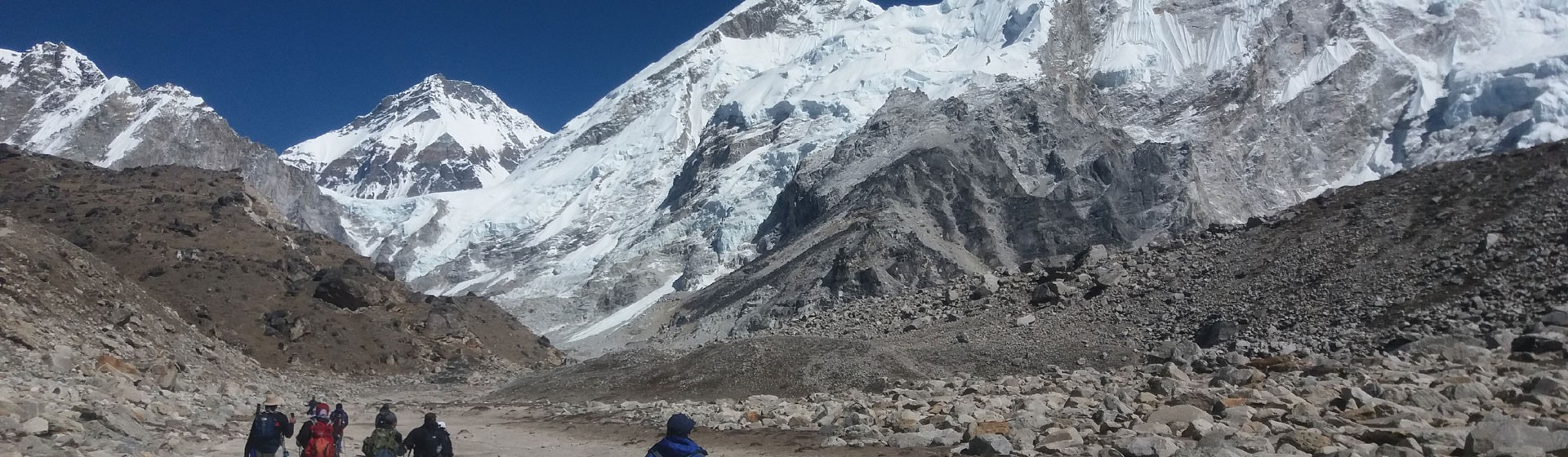
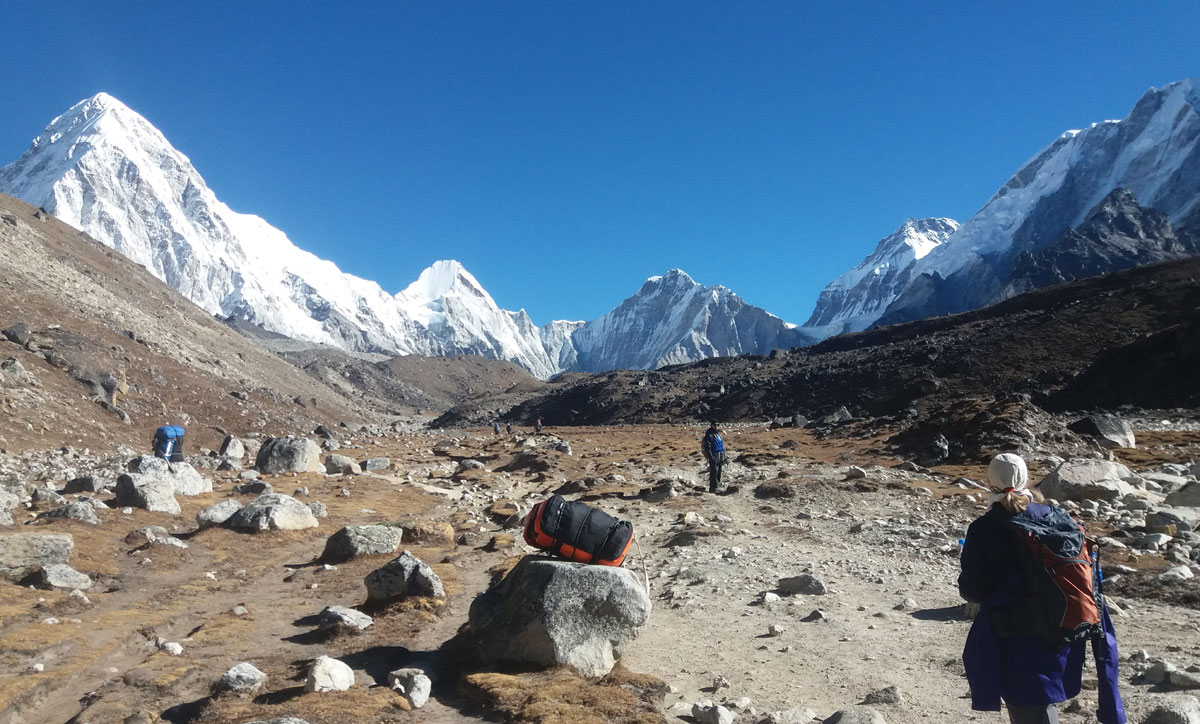
One thing our guests often discover is that reaching Everest Base Camp is only one part of the journey. The trek gradually changes from the green valleys and suspension bridges below Namche Bazaar to monasteries and Sherpa settlements, open alpine terrain above Dingboche, and the glacial landscape approaching Gorak Shep and Everest Base Camp.
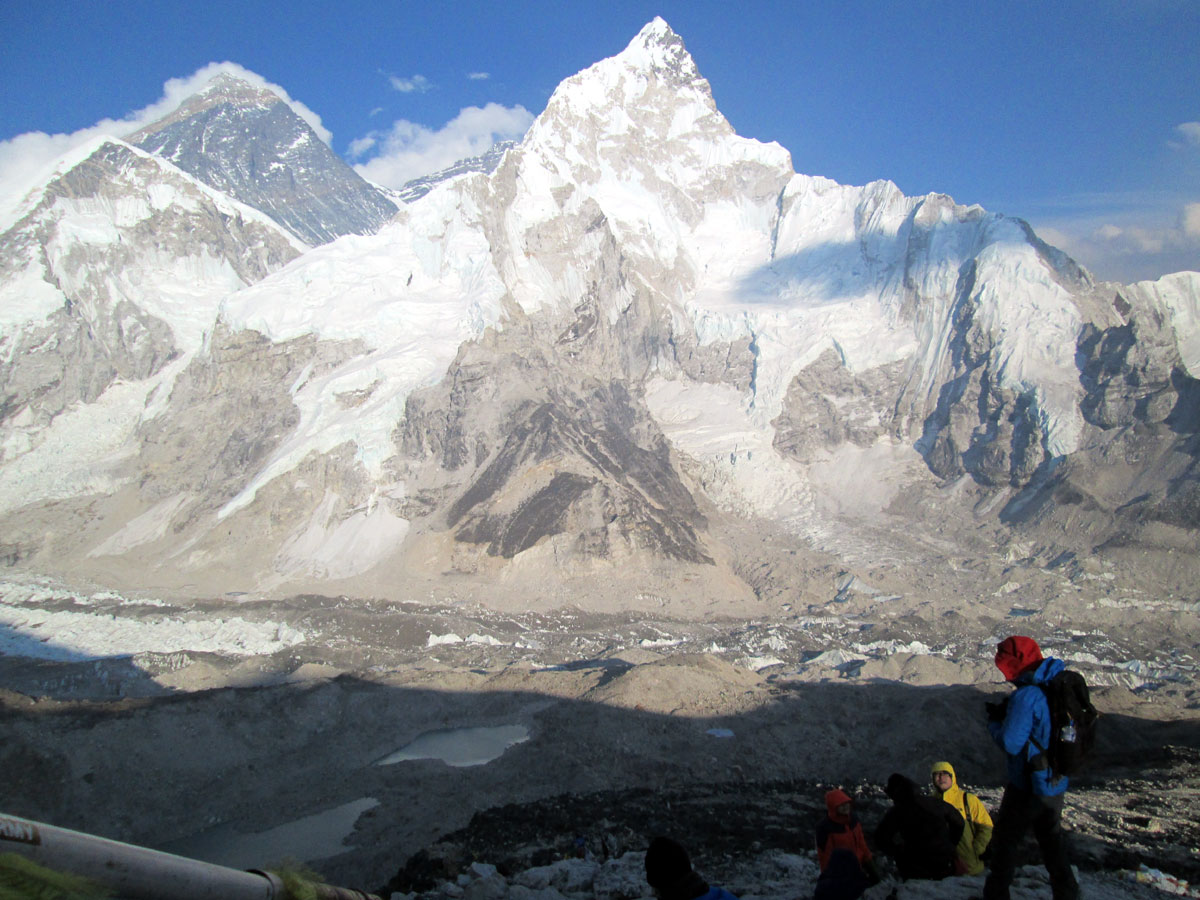
Many of our Indian guests later tell us that although standing at Everest Base Camp was a special achievement, it was the gradual transformation of the landscape, the warm hospitality in the tea houses, and the experience of walking through the Khumbu region day by day that became the most memorable part of the journey.
More Than Reaching Everest Base Camp
For Indian travellers, the Everest Base Camp Trek is much more than checking a famous destination off a bucket list. It is an opportunity to experience Sherpa culture, stay in family-run mountain lodges, visit centuries-old monasteries, and walk through one of the world's most remarkable alpine landscapes. Combined with Nepal's close proximity to India, simple travel arrangements, familiar hospitality, and well-established trekking network, it is easy to understand why Everest Base Camp continues to inspire thousands of Indian trekkers every year.
If you are still deciding whether this journey is right for you, you can also explore our Everest Base Camp Trek itinerary, which explains the complete day-by-day route from Lukla to Everest Base Camp.
Can Indians Trek to Everest Base Camp?
Yes. Indian citizens can trek to Everest Base Camp, and every trekking season we welcome guests from India who successfully complete the journey. The classic Everest Base Camp Trek is a high-altitude trek rather than a technical climb, so previous mountaineering experience is not required. The route follows established mountain trails through the Khumbu region, with the main challenge coming from several consecutive days of walking and the gradual increase in altitude.
We have guided Indian travellers with very different levels of trekking experience. Some arrive after completing Himalayan treks in India, while others are attempting their first multi-day trek. In our experience, previous trekking experience can help, but it is not what determines whether someone is suited to Everest Base Camp. Reasonable fitness, adequate preparation, a well-paced itinerary, proper acclimatisation, and a willingness to slow down as the altitude increases are much more important.
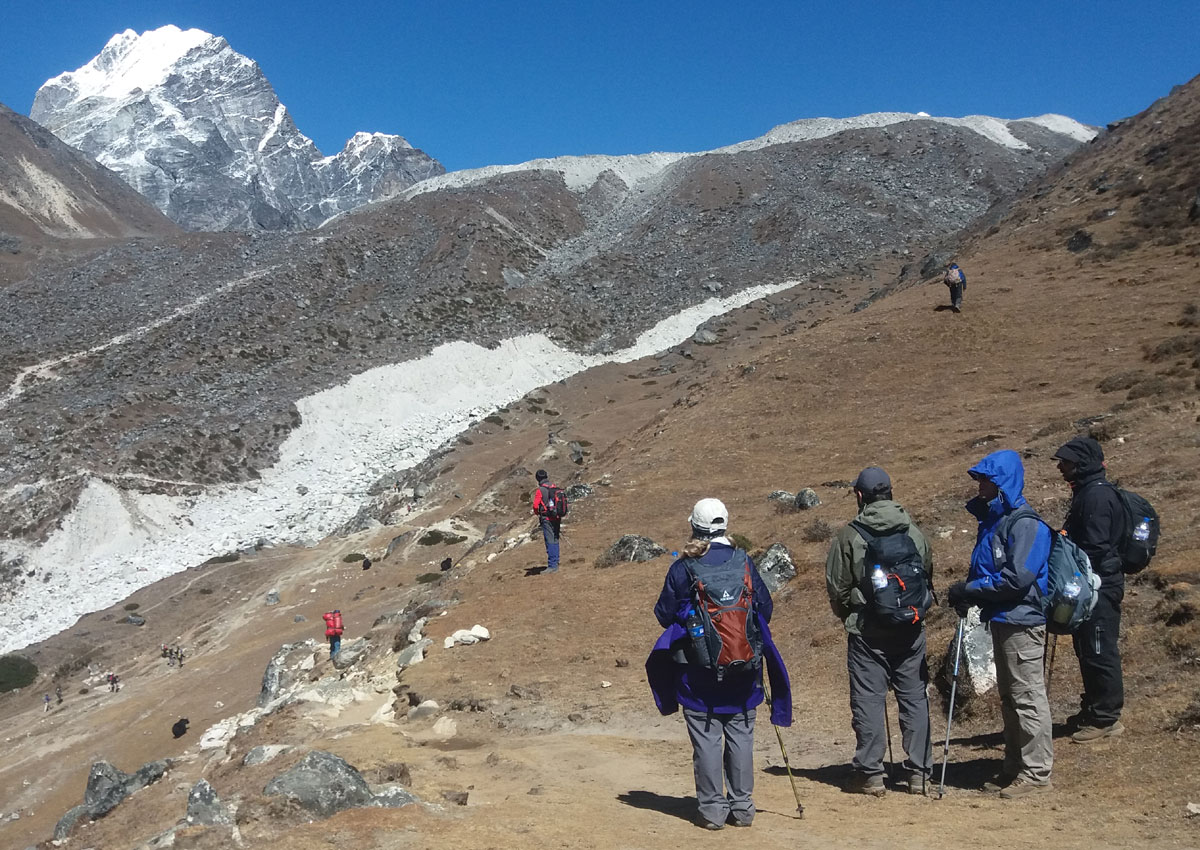
The first sustained climb into Namche Bazaar often gives first-time trekkers a clearer idea of the physical effort involved. Higher on the route, particularly beyond Dingboche, even relatively gradual sections can feel harder because of the thinner air. Our guides therefore focus less on walking speed and more on maintaining a steady pace, staying hydrated, eating properly, resting well, and allowing the body time to acclimatise.
Indian trekkers can choose between group and private departures depending on how they prefer to travel. Group treks can suit solo travellers and those who enjoy trekking with others, while private departures provide greater flexibility for couples, families, friends, and trekkers who prefer their own pace.
For most healthy travellers, Everest Base Camp is an achievable goal with realistic preparation and an itinerary that allows enough time for acclimatisation. You do not need to be a mountaineer, but you should arrive prepared for long walking days, basic mountain conditions, changing weather, and the effects of trekking above 5,000 metres.
Do Indians Need a Visa for Nepal?
No. Indian citizens do not need a tourist visa to enter Nepal. This makes planning an Everest Base Camp Trek considerably simpler, but travellers must still carry the correct identification when travelling between India and Nepal.
Most Indian trekkers travelling with us arrive by air in Kathmandu before continuing to the Everest region. For air travel between India and Nepal, Indian citizens should carry a valid Indian passport or an original Voter ID card issued by the Election Commission of India. Travel-document requirements for children differ, so families should confirm the latest official requirements before departure.
Indian travellers can also enter Nepal through official land border crossings before continuing to Kathmandu. For an Everest Base Camp Trek, however, arriving in Kathmandu with enough time before the Lukla flight is useful for the trek briefing, equipment check, permit preparation, and any last-minute arrangements.
Entry and airline requirements can change, so we recommend checking the latest guidance from the relevant immigration authorities and your airline before leaving India, even if you have travelled to Nepal previously.
What Documents Should Indian Citizens Carry for the Everest Base Camp Trek?
For most Indian trekkers, carrying a valid Indian passport is the simplest option when travelling to Nepal. An original Voter ID card issued by the Election Commission of India is also accepted for travel between India and Nepal under current requirements. Whichever document you use, carry the original and check that it is in good condition before travelling.
Indian Passport
A valid Indian passport is the document we generally recommend for Everest Base Camp travellers because it provides straightforward identification throughout the journey. Keep it secure during the trek and make sure the personal details used for your flights, permits, insurance, and trek booking are consistent.
Original Voter ID Card
Indian citizens may also travel between India and Nepal using an original Voter ID card issued by the Election Commission of India. If you plan to travel without a passport, confirm the latest requirements with your airline before departure and carry the original card rather than relying on a photocopy or digital image.
Can I Travel to Nepal with an Aadhaar Card?
No. Aadhaar and PAN cards are not accepted as valid travel documents for travel between India and Nepal. Do not rely on Aadhaar as your identification for an international flight to Kathmandu. Other everyday identification documents should also not be assumed to replace the required travel document.
Documents for Children Travelling to Nepal
Requirements for Indian children can differ from those for adults. Nepal's immigration guidance provides separate document provisions for minors travelling with their parents, so families should verify the latest requirements for each child before booking or departing rather than assuming an adult's document rules apply.
Keep Copies of Important Trek Documents
Before travelling to Lukla, keep a digital copy of your main identification and one separate printed copy where practical. We also recommend keeping your travel insurance details, domestic flight information, emergency contacts, and trek booking information easily accessible. Copies do not replace the original travel document, but they can be useful if paperwork is lost or information needs to be checked during the journey.
Once your entry documents are in order, the remaining paperwork for the Everest Base Camp Trek is relatively straightforward. When travelling with our team, we check the information required for your trekking permits and domestic travel arrangements before departure so you can concentrate on preparing for the trek itself.
How to Trek to Everest Base Camp from India
Travelling from India to Everest Base Camp is relatively straightforward. For the classic trekking route, the journey normally follows three stages: travel from India to Kathmandu, fly from Kathmandu or Ramechhap to Lukla, and then begin the trek through the Khumbu region towards Everest Base Camp.
Step 1: Travel from India to Kathmandu
The first step is reaching Kathmandu, where most Everest Base Camp trips are organised before departure to the mountains. Direct flights operate from several Indian cities, while travellers from other parts of India can reach Kathmandu with a connecting flight. Overland travel into Nepal is also possible, although flying is usually the most practical option for trekkers with limited holiday time.
We recommend arriving in Kathmandu at least one day before your scheduled departure to the Everest region. During our pre-trek briefing, we check equipment, review the itinerary, confirm the necessary arrangements, discuss altitude and weather, and explain the Lukla flight procedure. Trying to arrive internationally and connect to Lukla on the same day leaves little room for delays, baggage problems, or schedule changes.
Step 2: Fly from Kathmandu or Ramechhap to Lukla
Lukla is the usual starting point for the classic Everest Base Camp Trek. Depending on the season and current flight operations, Lukla flights may depart directly from Kathmandu or from Manthali Airport in Ramechhap. During busy trekking periods, travellers should be prepared for the possibility of travelling from Kathmandu to Ramechhap before taking the mountain flight to Lukla.
Lukla flights are weather-dependent, so delays and schedule changes can occur even when the rest of your journey has been carefully planned. We recommend keeping at least one or two contingency days in your Nepal itinerary, particularly before an international flight home to India or an onward destination.
Step 3: Trek from Lukla to Everest Base Camp
After landing in Lukla at approximately 2,860 metres, the trekking portion of the journey begins. The classic route gradually gains altitude through the Khumbu region, with acclimatisation days built into a well-paced itinerary before reaching Everest Base Camp.
Our first trekking day normally finishes in Phakding rather than pushing farther up the trail. This gives trekkers time to settle into the walking routine after the mountain flight and prepares them for the more demanding climb towards Namche Bazaar the following day. From there, the journey continues progressively higher towards Everest Base Camp, with the pace becoming increasingly important as altitude increases.
Can You Reach Everest Base Camp Without Flying to Lukla?
Yes, but it requires considerably more time. Travellers who want to avoid the Lukla flight can approach the Everest region overland and begin trekking from a lower trailhead. These alternatives add extra road travel and trekking days compared with the standard Lukla route, so they are generally better suited to travellers with a longer Nepal itinerary.
For most Indian travellers with limited holiday time, flying to Lukla remains the most practical way to begin the classic Everest Base Camp Trek. If you are arranging international flights from India, allow enough time in Kathmandu before the trek and keep some flexibility at the end of your itinerary for possible mountain-weather delays.
Everest Base Camp Trek Cost for Indians
One of the most common questions we receive from Indian travellers is, “How much does the Everest Base Camp Trek cost?” The answer depends on more than the advertised trek price. Your overall budget can include international travel from India, Lukla flights, permits, accommodation in Kathmandu, guide and porter services, meals, personal expenses on the trail, and the type of trek you choose.
Our standard Everest Base Camp Trek for Indian travellers starts from around USD 1,450 per person, depending on the departure, group size, and services included. Private departures, customised itineraries, upgraded accommodation, or additional days in the Everest region can increase the total cost.
When comparing Everest Base Camp Trek prices, look carefully at what each package actually includes. Two trips following the same route can have very different prices if one includes Lukla flights, permits, guide and porter services, Kathmandu accommodation, airport transfers, and meals while another charges for some of these separately. Comparing the complete inclusions is more useful than comparing the headline price alone.
What Is Usually Included in the Trek Cost?
Depending on the package you choose, an organised Everest Base Camp Trek may include:
- Airport transfers in Kathmandu
- Hotel accommodation before and after the trek
- Domestic flights between Kathmandu or Manthali and Lukla
- Sagarmatha National Park entry permit
- Khumbu Pasang Lhamu Rural Municipality entry permit
- Experienced Everest trekking guide
- Porter service where included in the package
- Tea house accommodation during the trek
- Meals as specified in the itinerary
- Government taxes and applicable service charges
Inclusions vary between trekking packages, so check the detailed inclusions and exclusions before booking rather than assuming every Everest Base Camp Trek covers the same services.
How Much Extra Money Should You Carry on the Everest Base Camp Trek?
Even when most trekking services are included, you should carry additional money for personal expenses. Depending on what is included in your package and what you use along the trail, these can include extra drinks and snacks, charging electronic devices, Wi-Fi, hot showers, drinking water, souvenirs, and tips for your trekking crew.
Cash becomes particularly important once you enter the mountains. Banking and payment options are limited compared with Kathmandu, especially higher on the route, and digital or card payments should not be relied upon everywhere. We recommend carrying enough Nepali Rupees for your expected personal expenses before leaving for Lukla, with some additional cash for unexpected needs.
Does a Group or Private Everest Base Camp Trek Cost More?
Group departures are generally more economical because some operating costs can be shared between trekkers. They are often a practical choice for solo travellers who want to join a scheduled departure while keeping the overall cost lower.
Private treks usually cost more per person, particularly for one or two travellers, but provide greater flexibility with departure dates, pace, and trip arrangements. The exact difference depends on group size, services, itinerary, and accommodation choices, so the cheapest option should not automatically be assumed to offer the best overall value.
What Should You Compare Besides the Trek Price?
After many Everest trekking seasons, one lesson has remained consistent: the lowest advertised price rarely tells the whole story. Two Everest Base Camp packages can appear similar at first but provide very different levels of service once you look closely at what is included and how the trek is organised.
When comparing Everest Base Camp Trek prices, look beyond the headline cost. Check who will lead the trek, whether the itinerary allows enough time for acclimatisation, whether Lukla flights, permits, accommodation, meals, guide and porter services are included, and how the operator handles flight delays or unexpected changes in the mountains.
These details can have a greater impact on the journey than a small difference in the initial booking price. A well-paced itinerary, experienced local guides, clearly stated inclusions, reliable logistics, and support before and during the trek are more useful measures of value than choosing a package simply because it has the lowest advertised price.
Before comparing prices, you can review our complete Everest Base Camp Trek package to see the current cost, detailed inclusions and exclusions, departure dates, and day-by-day itinerary.
Best Time to Trek Everest Base Camp for Indian Travellers
For most Indian travellers, the best time to trek to Everest Base Camp is spring (March to May) or autumn (late September to November). These periods generally offer the most favourable combination of trekking conditions, mountain visibility, and daytime temperatures. However, there is no single perfect month, and Himalayan weather can change quickly at any time of year.
After operating Everest Base Camp treks across different seasons, we have found that the right time depends on what matters most to each traveller. Some prefer relatively warmer conditions, others prioritise clear mountain views, while some need to plan around work, school holidays, or fixed travel dates in India.
Spring (March to May)
Spring is one of the main Everest Base Camp trekking seasons and a period we frequently recommend to first-time Indian trekkers. As winter conditions gradually ease, daytime temperatures become more comfortable at lower and middle elevations, while flowering rhododendrons add colour to sections of the trail.
Our guides generally prefer early starts because mornings often provide better opportunities for mountain views before cloud develops later in the day. Spring also coincides with the main Mount Everest climbing season, so trekkers reaching Base Camp may see expedition camps and climbing teams preparing for summit attempts.
Autumn (Late September to November)
Autumn is another excellent period for Everest Base Camp. After the summer monsoon, the region often experiences good mountain visibility and relatively dry trail conditions, making October and November particularly popular trekking months.
The main trails and tea houses can be busier during this period, while temperatures become progressively colder towards November, particularly at night and at higher elevations. For travellers who do not mind meeting more trekking groups along the route, autumn offers a strong balance of visibility and trekking conditions.
Winter (December to February)
Winter offers a quieter Everest experience but requires greater preparation for cold conditions. Temperatures fall considerably at higher elevations, especially overnight, and snowfall can occasionally affect sections of the route.
Clear winter days can provide excellent mountain visibility, and there are generally fewer trekkers on the trail. Winter can suit travellers who are comfortable with low temperatures, but it would not normally be our first recommendation for an Indian traveller attempting a high-altitude trek for the first time.
Monsoon (June to Mid-September)
The summer monsoon brings more rain, cloud, and humidity to lower sections of the Everest region. Trails can become wet or muddy, mountain views are less consistent, and cloud can increase the possibility of disruptions to Lukla flights.
Trekking remains possible during this period, but conditions are generally less predictable than during the main spring and autumn seasons. For most first-time Indian trekkers whose dates are flexible, we normally recommend spring or autumn instead.
Which Season Is Best for Indian Trekkers?
For most Indian travellers, our first choices are March to May or late September to November. Spring is particularly attractive for relatively warmer conditions, flowering vegetation, and the Everest expedition-season atmosphere, while autumn is popular for generally good mountain visibility and established post-monsoon trail conditions.
If your travel dates are flexible, choose the season according to the experience you want rather than searching for a single perfect month. Even during the main trekking seasons, higher elevations can be very cold and mountain weather can change quickly, so appropriate clothing, a well-paced itinerary, and some flexibility for Lukla flights remain important.
For a complete month-by-month comparison from January to December, including weather, temperatures, crowds, mountain visibility, and seasonal trail conditions, read our best time for trekking to Everest Base Camp guide.
How Difficult Is the Everest Base Camp Trek for Indian Travellers?
The Everest Base Camp Trek is a challenging high-altitude trek, but it does not require technical climbing or mountaineering experience. For most Indian travellers, the difficulty comes from walking for several hours on consecutive days, gaining altitude gradually, dealing with uneven mountain terrain, and continuing to trek as the air becomes thinner above 4,000 metres.
Fitness helps, but altitude is what makes Everest Base Camp different from many lower-elevation Himalayan treks. A strong walker can still struggle if they ascend too quickly, while a moderately fit trekker who follows a well-paced itinerary and acclimatises properly may cope much better. This is why our guides focus on steady progress rather than walking speed.
Where Does the Everest Base Camp Trek Start to Feel Difficult?
The climb from the Dudh Koshi valley towards Namche Bazaar is often the first section that surprises first-time trekkers. After crossing several suspension bridges, the trail begins a sustained uphill climb through the forest. It is not technically difficult, but it can feel demanding because trekkers are still adjusting to several hours of mountain walking while gaining elevation.
After the acclimatisation period in Namche, the physical challenge changes gradually. Higher on the route, particularly beyond Dingboche, the thinner air becomes increasingly noticeable. Walking speeds usually slow, uphill sections require more effort, and recovery can take longer even when the trail itself is not especially steep.
Terrain also varies throughout the trek. Expect stone steps, suspension bridges, gradual climbs, steeper ascents and descents, rocky sections, and uneven glacial terrain near Gorak Shep and Everest Base Camp. None of this normally requires technical climbing equipment, but good trekking footwear, balance, and preparation for long walking days are important.
How Difficult Is the Final Walk to Everest Base Camp?
The walk from Gorak Shep to Everest Base Camp is demanding mainly because of the altitude and terrain rather than steep climbing. The route crosses rocky and uneven glacial moraine beside the Khumbu Glacier, and at more than 5,000 metres even relatively gentle sections can feel tiring.
Our guides do not rush this part of the trek. Trekkers are encouraged to maintain a comfortable pace, take appropriate breaks, and communicate immediately if they develop unusual symptoms or begin feeling unwell. Reaching Base Camp is important, but responding properly to altitude and individual conditions takes priority over reaching a particular point on schedule.
What Makes the Everest Base Camp Trek More Manageable?
From our experience, one of the biggest mistakes is treating Everest Base Camp as a test of walking speed. The trekkers who manage the journey well are often those who maintain a consistent pace and allow their bodies enough time to adjust as they gain altitude.
During the trek, our guides regularly encourage trekkers to:
- Walk at a steady, sustainable pace rather than trying to keep up with faster trekkers.
- Drink regularly throughout the day.
- Eat enough even when appetite decreases at higher elevations.
- Use acclimatisation days rather than trying to shorten the itinerary.
- Rest properly between trekking days.
- Tell the guide promptly about headaches, nausea, unusual fatigue, dizziness, or other symptoms rather than hiding them.
These habits do not eliminate the effects of altitude, but they support a more sensible approach to trekking at high elevation.
Is Everest Base Camp Suitable for First-Time Trekkers from India?
It can be. Previous Himalayan trekking experience is useful but not essential for every traveller. We regularly guide Indian guests attempting their first major high-altitude trek, but Everest Base Camp should not be treated as an easy beginner trek simply because technical climbing is not required.
A first-time trekker should be comfortable walking for several hours on consecutive days and prepare physically before travelling. More importantly, they need realistic expectations about basic mountain accommodation, cold conditions, changing weather, long walking days, and the effects of reaching elevations above 5,000 metres.
If you are reasonably fit, prepare consistently before departure, follow an itinerary with appropriate acclimatisation, and listen to your guide and your body, Everest Base Camp can be a realistic goal for a first-time high-altitude trekker. Your individual response to altitude cannot be predicted in advance, however, so reaching Base Camp should never take priority over your health.
Because altitude is a major part of the difficulty, we recommend reading our detailed guide to altitude sickness on the Everest Base Camp Trek before departure. It explains acclimatisation, symptoms to watch for, and why altitude should be taken seriously even by physically fit trekkers.
How Fit Do You Need to Be for the Everest Base Camp Trek?
You do not need to be an athlete to trek to Everest Base Camp, but you should arrive with enough endurance to walk for several hours on consecutive days. For Indian travellers preparing for their first major Himalayan trek, the most useful fitness goal is not speed or extreme strength. It is being comfortable with repeated uphill and downhill walking while carrying a light daypack and recovering well enough to walk again the following morning.
From our experience guiding trekkers with different fitness backgrounds, regular preparation matters more than trying to become exceptionally fit in the weeks before departure. Strong legs help on climbs and descents, but cardiovascular endurance, balance, and the ability to maintain a steady walking pace are equally important.
Endurance Is More Important Than Speed
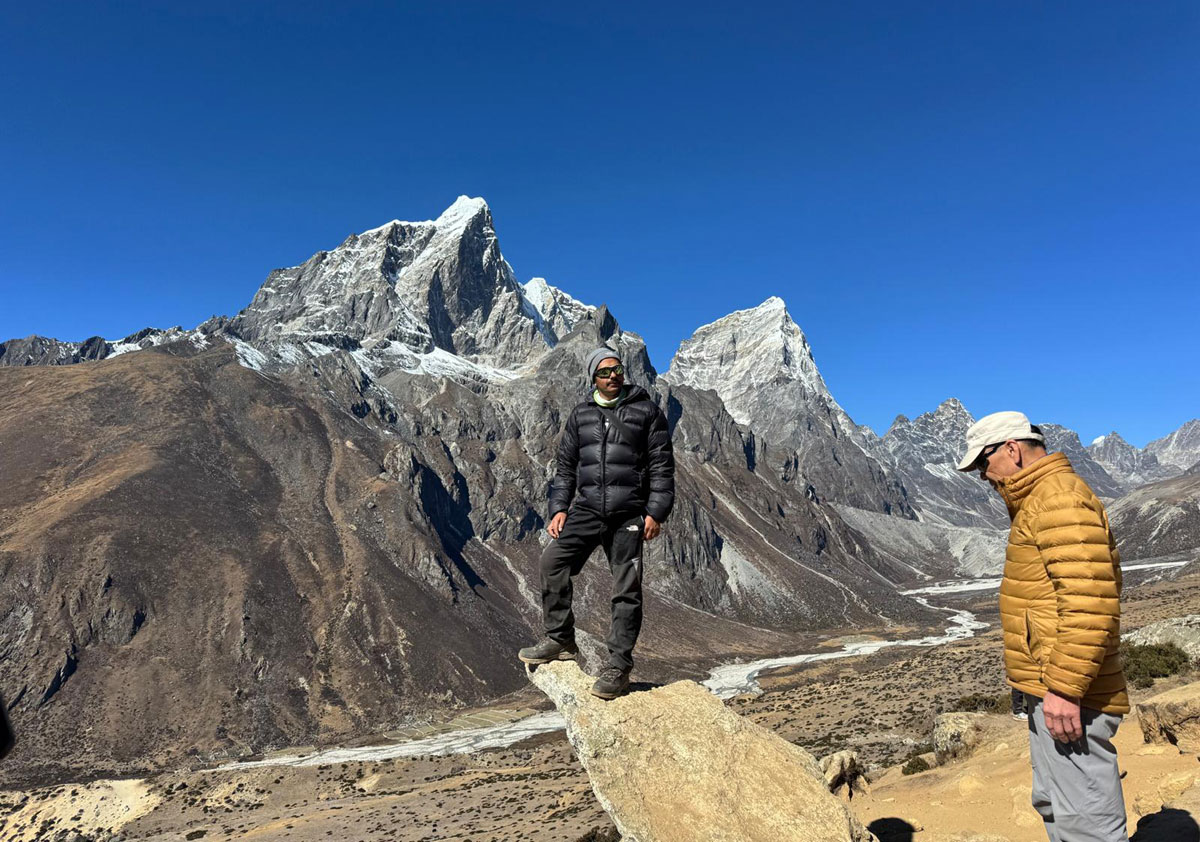
Most days on the Everest Base Camp Trek involve several hours of walking over varied mountain terrain. Depending on the day's route, you may encounter sustained climbs, stone steps, suspension bridges, rocky paths, and long descents. The standard route does not require technical climbing, but completing this type of walking repeatedly is what makes basic endurance important.
A useful training target is being able to complete a long hill walk without exhausting yourself and still feel capable of exercising again the following day. Training on consecutive days occasionally can therefore be more relevant than measuring how quickly you can complete a single hike.
How Should You Train for Everest Base Camp?
For many trekkers, beginning focused preparation around six to eight weeks before departure is a practical starting point. If you currently exercise very little, beginning earlier and increasing your workload gradually is more sensible than trying to compress your preparation into the final few weeks.
We generally recommend combining:
- Regular walking, gradually increasing the duration of longer walks.
- Hill walking or stair climbing to prepare for sustained ascents and descents.
- Cardiovascular exercise such as brisk walking, cycling, jogging, or swimming.
- Basic leg and core exercises to improve strength and stability.
- Occasional longer walks carrying the daypack you expect to use on the trek.
- Some back-to-back walking days so your body becomes accustomed to repeated effort.
You do not need a specialised mountaineering training programme. Consistency is more useful than a few extremely hard sessions, and your training load should increase gradually rather than suddenly just before travelling to Nepal.
How Can You Tell If You Are Fit Enough?
There is no single fitness test that guarantees someone is ready for Everest Base Camp, but you should ideally be comfortable walking for several hours over hilly terrain without becoming completely exhausted.
Before departure, a useful practical benchmark is being able to complete a reasonably long hill walk carrying a light daypack, recover normally afterwards, and remain comfortable walking again the following day. If several hours of continuous walking currently feels extremely difficult, allow more time for preparation before attempting the trek.
Can Beginners Get Fit Enough for Everest Base Camp?
Yes. Previous multi-day trekking experience is useful, but it is not essential for every Everest Base Camp trekker. First-time trekkers can prepare effectively by building walking endurance gradually and becoming familiar with hills, stairs, uneven ground, and carrying a daypack before arriving in Nepal.
If possible, complete one or two longer day hikes before your trip. This is useful not only for fitness but also for testing your trekking boots, socks, backpack, clothing layers, and hydration routine before you depend on them in the Everest region.
Does Age Determine Whether You Are Fit Enough?
Age alone does not provide a reliable measure of trekking fitness. People of the same age can have very different levels of endurance, strength, mobility, medical history, and previous experience. We therefore prefer to look at an individual's current activity level and preparation rather than assuming someone is suitable or unsuitable simply because of their age.
Anyone who has concerns about whether their health is suitable for prolonged exercise at high altitude should discuss the planned trek with an appropriately qualified healthcare professional before travelling.
Fitness and Acclimatisation Are Not the Same Thing
Good fitness helps you cope with long walking days, climbs, descents, and repeated physical effort, but it does not protect you from altitude sickness. A very fit trekker can still develop altitude problems, which is why physical preparation and acclimatisation should be treated as two separate parts of preparing for Everest Base Camp.
Your goal before arriving in Nepal should therefore be straightforward: build enough endurance and strength to handle the walking comfortably, rather than trying to train your way around the effects of altitude. Once on the trek, a sensible ascent profile and appropriate response to altitude symptoms remain essential regardless of how fit you are.
Food and Accommodation on the Everest Base Camp Trek for Indian Travellers
Indian travellers sometimes ask us whether the Everest Base Camp Trek involves camping or carrying food for the journey. On the classic route, trekkers normally stay in local tea houses, where accommodation and freshly prepared meals are available at each overnight stop. You do not need to sleep in tents or carry nearly two weeks of food with you.
The standard of facilities changes as you gain altitude. Lukla, Phakding, and particularly Namche Bazaar generally offer a wider choice of accommodation and services, while tea houses become simpler towards Dingboche, Lobuche, and Gorak Shep. Food follows a similar pattern: there is usually plenty to eat throughout the trek, but menus and access to fresh ingredients become more limited at higher elevations.
What Are Everest Base Camp Tea Houses Like?
Tea houses are small mountain lodges that provide rooms, meals, and a communal dining area for trekkers. They become part of the daily rhythm of the Everest Base Camp Trek: breakfast before leaving in the morning, a room to rest in after reaching the next village, and a warm dining hall where trekkers, guides, and lodge owners gather in the evening.
Facilities vary considerably between villages. Namche Bazaar has some of the best-developed accommodation on the route, with certain lodges offering attached bathrooms and additional comforts. Higher up, particularly around Lobuche and Gorak Shep, accommodation is much more basic and should be approached with realistic expectations.
One thing many of our guests remember is the atmosphere in the dining room. Bedrooms are primarily places to sleep, while evenings are usually spent around the communal dining area having dinner, preparing for the following day, talking with other trekkers, or listening to the guide's briefing.
What Are the Rooms and Bathrooms Like?
Most standard tea house rooms are simple twin rooms with two single beds, mattresses, pillows, blankets, and enough space for your trekking bags. Rooms at lower elevations can be more comfortable, while those at higher villages are generally smaller and more basic.
Bedrooms are normally not heated. Instead, the communal dining room is usually the warmest part of the lodge during the evening. Tea houses provide blankets, but we still recommend carrying an appropriate sleeping bag because nights can become very cold at higher elevations.
Bathroom facilities also become simpler as you climb. Attached bathrooms may be available in some lower-elevation lodges, while shared toilets are much more common higher on the route. By the time you reach Lobuche and Gorak Shep, you should expect basic facilities rather than hotel-style accommodation.
What Food Is Available on the Everest Base Camp Trek?
Tea houses prepare meals throughout the trek, and the choice is usually broader than first-time visitors expect. Common dishes include dal bhat, rice, vegetable curry, chapati, noodles, fried rice, pasta, potatoes, soups, momos, eggs, porridge, pancakes, Tibetan bread, and a variety of hot drinks.
Breakfast commonly includes porridge, eggs, toast, Tibetan bread, pancakes, potatoes, or chapati. Lunch is normally taken at a tea house along the trail, while dinner is served at the lodge where you stay overnight.
Dal bhat is particularly practical on a multi-day trek because it combines rice, lentils, vegetables, and curry in a filling hot meal. Many guides and trekkers choose it regularly, especially after longer walking days.
Is Vegetarian Food Available on the Everest Base Camp Trek?
Yes. Vegetarian food is widely available along the Everest Base Camp route, and Indian vegetarian travellers generally have several options at each overnight stop. Dal bhat, vegetable curry, rice, chapati, potatoes, noodles, soups, momos, pasta, porridge, and other meat-free dishes are commonly found on tea house menus.
The variety becomes smaller at higher elevations, so it is better to expect simple meals rather than the same choice you would find in Kathmandu or Namche Bazaar. If you have specific dietary requirements, tell your trekking company before departure so your guide is aware of them from the beginning of the trek.
Can Jain Food Be Arranged on the Everest Base Camp Trek?
Jain meals require more planning than standard vegetarian meals because tea house kitchens do not normally operate separate Jain kitchens. If you avoid onion, garlic, root vegetables, or other specific ingredients, tell us clearly before the trek and remind your guide about your requirements along the route.
Our guide can explain your dietary requirements to tea house staff and request simpler meals using suitable ingredients where available. However, ingredient availability becomes more limited at higher elevations, and kitchens prepare meals for many guests in shared cooking areas. For this reason, we recommend discussing the exact level of dietary restriction before departure rather than assuming every dish can be prepared to the same standard as at home.
How Do Food and Facilities Change at Higher Altitude?
The change is gradual rather than sudden. Lower villages have easier access to supplies and generally offer wider menus and more facilities. As you move higher into the Khumbu, transporting food, fuel, building materials, and everyday supplies becomes increasingly difficult.
Above Dingboche, fresh produce and menu choices generally become more limited, while rooms and bathrooms become simpler. Supplies reaching villages such as Lobuche and Gorak Shep have to travel a long way through the mountains, often carried by porters or pack animals. This is one reason prices increase and choices decrease with altitude.
We encourage trekkers to focus on meals that are freshly prepared, familiar to their stomach, and easy to eat at altitude rather than expecting the same variety at every village. Appetite can decrease at higher elevations, so eating regularly remains important even when you do not feel as hungry as you did lower on the trail.
Are Hot Showers, Wi-Fi and Charging Available?
Yes, these services are available at many tea houses, but they should be considered additional facilities rather than guaranteed hotel services. Hot showers are easier to find at lower elevations and usually cost extra. At higher villages, hot water becomes more limited and some trekkers choose to wait until they descend before taking another shower.
Wi-Fi or internet access is available in parts of the Everest region, although speed and reliability vary by location and weather. Charging phones, cameras, and power banks is also generally possible, but tea houses commonly charge an additional fee, particularly at higher elevations.
We recommend carrying a power bank and not depending entirely on Wi-Fi or charging access during the trek. The higher you travel, the more useful it becomes to treat electricity and connectivity as limited mountain services rather than something that will always work on demand.
What Should Indian Trekkers Expect Overall?
For most Indian travellers, food and accommodation on the Everest Base Camp Trek are simpler than at home but more comfortable and varied than they initially expect. You will have a bed each night, cooked meals throughout the journey, vegetarian choices, and access to basic facilities along the route.
The biggest adjustment is understanding that comfort decreases gradually as altitude increases. By the time you reach the highest villages, a warm dining room, a simple freshly prepared meal, a dry bed, and a hot drink after a long walking day often matter far more than having a large menu or hotel-style room.
For a much more detailed look at rooms, meals, bathrooms, charging, Wi-Fi, showers, and how facilities differ between villages, read our complete guide to Everest Base Camp tea houses.
Everest Base Camp Trek Packing List for Indian Travellers
For the Everest Base Camp Trek, Indian travellers need clothing and equipment suitable for changing temperatures, long walking days, cold nights, and conditions above 5,000 metres. You do not need technical mountaineering equipment for the standard route, but you do need reliable trekking boots, an effective layering system, warm clothing, rain and wind protection, a suitable sleeping bag, and a few practical mountain essentials.
One of the most common packing mistakes we see during our pre-trek equipment checks is bringing too many clothes while overlooking a few items that actually matter. Packing light is useful, but the goal is not simply to carry less. It is to carry the right combination of clothing and equipment for conditions that can change considerably between Lukla and Everest Base Camp.
What Should You Pack for Everest Base Camp?
For most trekkers, the essential packing categories include:
- Broken-in waterproof trekking boots
- Moisture-wicking base layers
- Warm mid-layers such as fleece
- Insulated down or synthetic jacket
- Waterproof and windproof outer layer
- Trekking trousers and comfortable walking clothes
- Warm hat, sun hat, gloves, and trekking socks
- Sleeping bag suitable for cold mountain nights
- Sunglasses and sun protection
- Reusable water bottles or hydration system
- Headlamp
- Personal toiletries and essential personal items
- Power bank for phones and other small electronics
- Comfortable lightweight footwear for evenings in tea houses
The exact clothing you need depends partly on the season. A trek in colder months requires more insulation than a spring or early-autumn departure, so your packing list should always be adjusted to your travel dates rather than copied blindly from a generic checklist.
What Should Indian Trekkers Bring from Home?
We recommend bringing personal items that need to fit properly or that you already know are comfortable. Your trekking boots are the most important example. Do not arrive with brand-new boots and expect to break them in on the Everest trail. Wear them during your training walks in India so you know how they feel over several hours.
It also makes sense to bring your preferred base layers, trekking socks, personal medications and toiletries, sunglasses, and any equipment you already use regularly. Familiar equipment reduces the number of things you need to test immediately before the trek.
What Can You Buy or Rent in Kathmandu?
You do not necessarily need to purchase every piece of trekking equipment before leaving India. Thamel in Kathmandu has numerous trekking shops selling clothing, trekking poles, gloves, hats, bags, headlamps, water bottles, and other trail equipment.
Bulky items such as sleeping bags and down jackets can also be rented in Kathmandu. Renting can be practical for travellers who do not expect to use expensive cold-weather equipment regularly after the trek. During our pre-trek equipment check, we can identify obvious missing items before departure so there is still time to arrange them in Kathmandu.
What Do Indian Trekkers Commonly Overpack?
The most common unnecessary weight we see comes from duplicate clothing and items packed “just in case.” A fresh outfit for every trekking day is unnecessary. Most trekkers rotate a small number of practical layers and keep separate warm clothing for evenings in the tea houses.
Other items that are commonly overpacked include:
- Jeans and other heavy everyday clothing
- Several bulky jumpers or jackets that perform the same function
- Multiple pairs of unnecessary footwear
- Full-size bottles of toiletries
- Laptops, tablets, and excessive camera equipment
- Duplicate accessories and non-essential electronics
A useful rule during the final equipment check is to ask what purpose each item serves. Reducing unnecessary weight makes packing easier and means less equipment needs to be carried from lodge to lodge.
Do You Need Crampons or Technical Climbing Equipment?
Technical climbing equipment is not normally required for the standard Everest Base Camp Trek. The classic route is a trekking trail rather than a mountaineering route, so ropes, harnesses, ice axes, and expedition climbing equipment are not part of the normal packing list.
Trail conditions can still change with snowfall, ice, and weather, particularly in colder periods. If unusual seasonal conditions make additional traction useful, this should be assessed according to the actual trail conditions rather than carrying technical climbing equipment automatically.
What Should You Carry in Your Daypack?
Your daypack should contain the things you may need while walking rather than equipment intended only for the evening. A waterproof layer, warm layer, water, snacks, sun protection, sunglasses, camera or phone, personal essentials, and any items you need immediate access to should remain with you during the day.
Keep the daypack practical and relatively light. Carrying unnecessary weight yourself becomes increasingly noticeable during long climbs and at higher elevations.
Our Packing Advice Before Leaving Kathmandu
Do your main preparation in India, particularly breaking in your boots and testing the clothing you plan to wear, but do not worry if you are missing a few pieces of mountain equipment. Kathmandu is a practical place to make final adjustments before travelling to Lukla.
Before our Everest departures, we review trekking equipment during the pre-trek briefing. This is the best time to identify something genuinely important that is missing rather than adding equipment simply because it appeared on somebody else's packing list.
For the complete item-by-item checklist, seasonal clothing guidance, equipment recommendations, and details about what can be rented in Kathmandu, see our Everest Base Camp Trek Packing List.
Travel Insurance for the Everest Base Camp Trek for Indian Travellers
Travel insurance is an important part of preparing for the Everest Base Camp Trek. The route takes you into a remote high-altitude region where altitude illness, injury, severe weather, and disruptions to mountain flights can sometimes affect even a well-planned journey. Before departure, we ask our trekkers to have insurance appropriate for the altitude and activities included in their itinerary.
The most important point is not simply having a travel insurance policy. You need to confirm that the policy actually covers high-altitude trekking in Nepal and emergency evacuation from the Everest region. Standard travel insurance can contain altitude or activity exclusions, so the policy wording should be checked carefully before leaving India.
What Altitude Should Your Insurance Cover?
Everest Base Camp is approximately 5,364 metres above sea level, and many standard itineraries also include Kala Patthar at around 5,545 metres. Your policy should therefore cover trekking at least up to the highest elevation included in your itinerary.
Do not assume that a policy described simply as “adventure travel insurance” automatically provides sufficient altitude coverage. Check the maximum trekking altitude stated in the policy and any exclusions or conditions attached to high-altitude activities.
Should Insurance Cover Helicopter Evacuation?
Yes. We recommend insurance that includes emergency helicopter evacuation when medically necessary. Road access is not available throughout much of the Everest Base Camp route, so helicopter evacuation may be required in a serious medical or altitude-related emergency.
Check the policy conditions carefully, including the circumstances under which evacuation is covered, whether prior authorisation is required where circumstances allow, and how the insurer handles payment or reimbursement. These details vary between insurance providers and can be important if an emergency occurs.
What Else Should You Check in the Policy?
In addition to altitude and evacuation coverage, Indian travellers should check whether their chosen policy includes:
- Emergency medical treatment and hospital expenses
- High-altitude trekking up to the maximum elevation of the itinerary
- Emergency helicopter evacuation where medically necessary
- Medical repatriation where applicable
- Trip cancellation or interruption, if required
- Travel delay or missed connections, if required
- Baggage loss, theft, or delay, if required
Not every policy includes all of these benefits, and limits, exclusions, deductibles, documentation requirements, and claim procedures vary considerably. Read the actual policy wording rather than relying only on the summary shown on a comparison or sales page.
Does Travel Insurance Cover Lukla Flight Delays?
Do not assume that every travel insurance policy will compensate you for a delayed or cancelled Lukla flight. Weather and visibility can disrupt mountain flights, but whether resulting expenses are covered depends on the specific terms of your policy.
If flight disruption cover is important to you, check what circumstances qualify, what expenses are covered, whether minimum delay periods apply, and what receipts or airline documentation you would need when making a claim.
What Insurance Documents Should You Carry?
Keep your insurance information easily accessible during the trek. We recommend carrying a digital copy and, preferably, a printed copy containing:
- Your insurance certificate or policy number
- The insurer's emergency assistance contact details
- Details of your medical and evacuation coverage
- Any instructions for emergency authorisation or claims
It is also useful to leave a copy with a family member or emergency contact. If assistance is required in the mountains, having the relevant policy information readily available can save time.
Is Travel Insurance Necessary If You Are Fit and Experienced?
Yes. Fitness and trekking experience do not remove the risks associated with high-altitude travel. A physically strong trekker can still become ill, suffer an injury, encounter severe weather, or experience travel disruption.
Insurance should therefore be treated separately from physical preparation. Training helps prepare you for the demands of walking to Everest Base Camp; appropriate insurance helps protect you financially when an insured event occurs during the journey.
Our Advice Before Leaving India
Arrange your insurance before travelling to Nepal and tell the provider exactly what you plan to do rather than simply asking for general travel cover. Mention that you will be trekking in Nepal and confirm the maximum altitude of your itinerary, including Kala Patthar if it is part of your trek.
Before purchasing the policy, verify the altitude limit, emergency medical coverage, helicopter evacuation provisions, exclusions, and emergency assistance procedure directly with the insurer. If anything in the policy wording is unclear, ask the insurance provider to confirm it before departure.
Everest Base Camp Trek Permits for Indian Travellers
Indian citizens need trekking permits for the Everest Base Camp Trek even though they do not need a tourist visa to enter Nepal. There is no separate “Everest permit” specifically for Indian travellers. Indian citizens are treated as SAARC nationals for permit fees where the relevant authority provides a SAARC rate.
For the classic Everest Base Camp route, the main entry requirements include the Sagarmatha National Park Entry Permit and the local Khumbu Pasang Lhamu Rural Municipality Trek-Card or entry requirement. Trekking regulations can change, so our Kathmandu team reconfirms the requirements applicable to each departure before the trek begins.
Everest Base Camp Permit Cost for Indian Citizens
| Permit / Entry Requirement | Indian / SAARC Fee | Purpose | Where It Applies |
|---|
| Sagarmatha National Park Entry Permit | NPR 1,500 per person per entry | Entry into Sagarmatha National Park | Sagarmatha National Park / classic EBC route |
| Khumbu Pasang Lhamu Rural Municipality Trek-Card / Local Entry Requirement | NPR 2,000 | Local trekking registration / entry requirement | Khumbu Pasang Lhamu Rural Municipality |
Permit fees and trekking regulations can change. The rates above should therefore be reconfirmed before departure. When you trek with us, our team checks the current requirements applicable to your itinerary and arranges the necessary trekking documentation.
Sagarmatha National Park Entry Permit
The classic Everest Base Camp route enters Sagarmatha National Park, so trekkers need a national park entry permit. Indian citizens qualify for the SAARC rate, which is currently NPR 1,500 per person per entry.
The permit is checked when entering the national park, including around Monjo on the standard route towards Namche Bazaar. When trekking with our team, your guide keeps the necessary permit information available so the checkpoint formalities can be completed along the way.
Khumbu Pasang Lhamu Rural Municipality Trek-Card
Trekkers entering the Khumbu region must also comply with the local trekking registration or entry requirements administered by Khumbu Pasang Lhamu Rural Municipality. The municipality currently lists a NPR 2,000 fee for visitors from SAARC countries and China.
This local requirement is separate from the Sagarmatha National Park Entry Permit. Our team reconfirms the current procedure before each departure because local administrative systems and fees can be revised.
Do Indian Trekkers Need a TIMS Card for Everest Base Camp?
TIMS requirements for the Everest region have been a source of conflicting information because Nepal's national trekking regulations and the Khumbu region's local permit system have changed over time. Nepal Tourism Board's current TIMS information includes the Everest Base Camp Trek among routes covered by the revised TIMS provision.
For this reason, we do not recommend relying on older online information that simply states that TIMS is never required for Everest Base Camp. Before each departure, our Kathmandu team checks the current requirements applicable to the route and arranges the necessary trekking documentation accordingly.
Do Indian Trekkers Need to Arrange the Permits Themselves?
Not when trekking with us. We arrange the required trekking permits and documentation applicable to your itinerary and explain which travel documents we need before departure.
Make sure the personal information you provide matches the identification you will use while travelling. You should also keep your original travel identification accessible during the journey in case it is required when permits or traveller details are checked.
Where Are Everest Base Camp Permits Checked?
Permit and traveller information can be checked at designated points along the Everest Base Camp route. One of the main checks occurs around Monjo when entering Sagarmatha National Park, while local registration and permit checks can also apply elsewhere in the Khumbu region.
When travelling with a guide, these formalities normally require little involvement from the trekker because the relevant documentation has already been organised and is kept available for inspection.
Our Advice for Indian Trekkers
Do not plan your Everest Base Camp budget using permit information from an old blog, forum, or social media post. Fees and administrative requirements can change, and the Everest region has both national park and local trekking requirements.
For trekkers travelling with us, our Kathmandu team reconfirms the current Everest-region permit requirements before departure and arranges the required trekking documentation as part of the trip preparation.
Everest Base Camp Trek Route Overview for Indian Travellers
Our standard 12-day Everest Base Camp Trek follows the classic route through the Khumbu region, beginning with your arrival in Kathmandu and continuing via Lukla, Phakding, Namche Bazaar, Tengboche, Dingboche, Lobuche, Gorak Shep, Everest Base Camp, and Kala Patthar before returning to Lukla. The itinerary includes acclimatisation days in Namche Bazaar and Dingboche before reaching the highest section of the trek.
Here is a simple day-by-day overview of the route:
| Day | Route | Overnight / Main Point |
|---|
| Day 1 | Arrive in Kathmandu | Kathmandu (1,400 m) |
| Day 2 | Fly to Lukla and trek to Phakding | Phakding (2,610 m) |
| Day 3 | Trek from Phakding to Namche Bazaar | Namche Bazaar (3,440 m) |
| Day 4 | Acclimatisation day with optional hike to Everest View Hotel or Khumjung | Namche Bazaar (3,440 m) |
| Day 5 | Trek from Namche Bazaar to Tengboche | Tengboche (3,860 m) |
| Day 6 | Trek from Tengboche to Dingboche | Dingboche (4,410 m) |
| Day 7 | Acclimatisation day with optional hike above Dingboche | Dingboche (4,410 m) |
| Day 8 | Trek from Dingboche to Lobuche | Lobuche (4,910 m) |
| Day 9 | Trek to Gorak Shep, continue to Everest Base Camp, and return | Gorak Shep (5,164 m); Everest Base Camp (5,364 m) |
| Day 10 | Early hike to Kala Patthar, then descend to Pheriche | Kala Patthar (approx. 5,545 m); Pheriche (4,240 m) |
| Day 11 | Trek from Pheriche to Lukla | Lukla (2,860 m) |
| Day 12 | Fly from Lukla to Kathmandu | Kathmandu |
This table is intended as a quick route overview rather than a complete trekking itinerary. For daily walking hours, distances, elevation changes, accommodation, inclusions, current cost, and detailed day-by-day information, see our Everest Base Camp Trek itinerary.
Can Indian Travellers Return from Everest Base Camp by Helicopter?
Yes. Travellers who want to complete the trekking route to Everest Base Camp but avoid walking the full return route towards Lukla can choose an itinerary with a helicopter return. The trekking and helicopter arrangements differ from the standard itinerary, so this should normally be planned before departure rather than treated as part of the regular 12-day route.
See our Everest Base Camp Trek with Helicopter Return for the complete route and helicopter-return arrangement.
Why Local Experience Makes a Difference on the Everest Base Camp Trek
The Everest Base Camp trail is well established, but organising a successful trek involves much more than knowing the route from Lukla to Base Camp. For Indian travellers, an experienced local team can help manage the practical details that happen before and during the journey, from permits and Lukla flight arrangements to accommodation, porter coordination, changing weather, and adjustments that may be required along the way.
Much of this work happens quietly in the background. When everything runs normally, trekkers may barely notice it. The value of local experience often becomes more obvious when conditions do not go exactly according to plan.
Managing Lukla Flights and Changing Mountain Conditions
Lukla flights are an important example. Mountain weather can affect departure times, operating airports, and flight schedules, particularly during busy trekking periods. A local operations team can follow current flight arrangements, coordinate with the guide and transport team, and respond when schedules change.
The same principle applies on the trail. Weather, lodge availability, a trekker's condition, or other local circumstances can occasionally require practical adjustments. Experience does not mean controlling these factors; it means understanding the available options and making sensible decisions when circumstances change.
What Your Guide Does Behind the Scenes
A guide's work does not finish when the group reaches the tea house each afternoon. While trekkers are resting, eating, or preparing for the evening, the guide may be checking the following day's plan, communicating with lodge owners, coordinating with porters, reviewing weather conditions, and making sure the group is prepared for the next stage.
These tasks are rarely visible to trekkers, but they become particularly important during busy periods when accommodation is limited or when weather and trail conditions require additional planning.
Local Knowledge Is More Than Knowing the Trail
Knowing where the trail goes is only one part of guiding in the Everest region. Local experience also means understanding how different villages operate, where facilities become more limited, how long sections of the route typically take under different conditions, and when a planned schedule may need to be reconsidered.
A responsible guide also pays attention to the people rather than only the itinerary. Trekkers do not all walk, recover, eat, sleep, or respond to altitude in the same way. Knowing the route well helps the guide place what they observe in the context of the day's elevation, terrain, weather, and remaining journey.
Understanding Sherpa Culture Along the Route
Local guiding also adds context to places that would otherwise be easy to walk past. The Everest Base Camp route passes monasteries, mani walls, prayer wheels, chortens, traditional villages, and landscapes closely connected with Sherpa culture and Tibetan Buddhism.
A knowledgeable guide can explain local customs and appropriate behaviour around religious sites, introduce aspects of village life, and help trekkers understand why particular places are significant. This turns parts of the trek from something you simply photograph into something you understand.
Why Local Support Matters When Plans Change
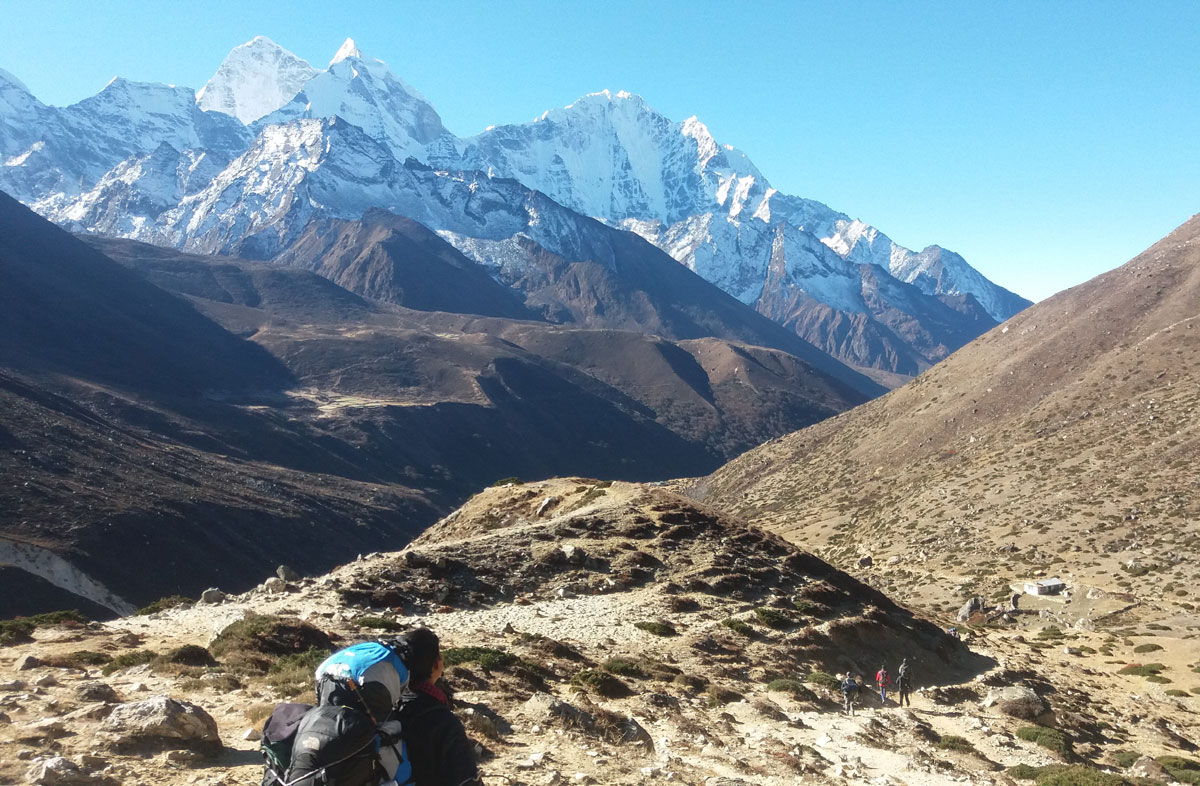
The value of an experienced trekking team is often easiest to understand when something unexpected happens. A delayed flight, changing weather, limited lodge availability, or a trekker who needs additional attention can require decisions that are difficult to plan in advance from an itinerary alone.
Good local support does not guarantee that every day will happen exactly as scheduled. Himalayan travel will always involve some uncertainty. What it can provide is a team on the ground that understands the region, communicates clearly, and can respond practically when circumstances change.
Our Approach to Operating Everest Base Camp Treks
Our role begins before you reach the trail. We coordinate the trekking arrangements in Nepal, prepare the required documentation, organise the services included in your itinerary, brief you before departure, and remain involved while your guide leads the trek in the Everest region.
For us, local experience is not about claiming that nothing will go wrong. It is about knowing the route, maintaining communication between the trekking and Kathmandu teams, preparing carefully, and dealing responsibly with the situations that naturally arise when operating trips in a remote Himalayan environment.
Frequently Asked Questions About the Everest Base Camp Trek for Indian Travellers
1. Can Indian citizens trek to Everest Base Camp with a local guide?
Yes. Indian citizens can complete the Everest Base Camp Trek with a licensed local trekking guide. Beyond navigation, a guide helps with daily planning, accommodation coordination, permit formalities, communication with tea houses, changing mountain conditions, and monitoring how trekkers are coping as the route gains altitude. Before departure, our Kathmandu team also checks the current trekking and permit requirements applicable to the Everest region.
2. How much does the Everest Base Camp Trek cost for Indian travellers?
Our standard Everest Base Camp Trek for Indian travellers starts from around USD 1,450 per person, depending on the departure, group size, itinerary, and services included. When comparing prices, check whether Lukla flights, permits, guides, porter service, accommodation, meals, Kathmandu services, and ground transfers are included rather than comparing only the advertised starting price.
3. What is the best time to trek to Everest Base Camp from India?
Spring (March to May) and autumn (late September to November) are generally the best periods for the Everest Base Camp Trek. Spring offers relatively comfortable trekking temperatures and the Everest climbing-season atmosphere, while autumn is particularly popular for clear mountain views and generally favourable trail conditions. Winter is quieter but considerably colder, while the summer monsoon brings more cloud, rain at lower elevations, and a greater possibility of flight disruption.
4. Can I use Indian Rupees on the Everest Base Camp Trek?
Do not rely on Indian Rupees for expenses along the Everest Base Camp trail. Nepalese Rupees (NPR) are the practical currency for tea houses, cafés, shops, charging, Wi-Fi, showers, drinks, and other personal expenses in the Khumbu region. We recommend exchanging enough money in Kathmandu before travelling to Lukla and carrying some smaller-denomination notes for everyday purchases.
5. How much cash should I carry on the Everest Base Camp Trek?
The amount depends on what your trekking package already includes and your personal spending habits. You may need cash for drinks, snacks, bakery stops, charging, Wi-Fi, hot showers, additional food or beverages, souvenirs, and tips. Banking and electronic-payment options become less dependable as you travel higher, so carry enough Nepalese Rupees from Kathmandu for your expected expenses plus a reasonable contingency amount.
6. Can I rent Everest Base Camp trekking gear in Kathmandu?
Yes. Thamel in Kathmandu has numerous trekking shops where equipment such as sleeping bags, down jackets, trekking poles, duffel bags, and other items can be rented or purchased. We recommend bringing properly fitted, already broken-in trekking boots from India rather than renting unfamiliar footwear immediately before the trek. During our pre-trek equipment check, we can also identify important items you may still need before travelling to Lukla.
7. What happens if my Lukla flight is delayed or cancelled?
Lukla flights can be delayed or cancelled when mountain weather or visibility does not permit safe operations. If this happens, the available response depends on the weather, airline operations, seat availability, and your schedule. Options may include waiting for a later or following-day flight or, when conditions and availability permit, considering a helicopter transfer at additional cost. We recommend keeping at least one or two contingency days in your Nepal travel schedule rather than booking a tight international connection immediately after the trek.
8. What is the baggage allowance for flights to Lukla?
Baggage limits on Lukla flights are restrictive and can depend on the airline and current operating conditions. Before each departure, we confirm the applicable allowance for the flight being used and explain how to divide your equipment between your main trekking bag and daypack. Avoid packing unnecessary items, and leave non-trekking luggage at your Kathmandu hotel where possible.
9. Can I charge my phone and camera during the Everest Base Camp Trek?
Charging is available at many tea houses along the Everest Base Camp route, although it commonly costs extra and becomes more limited at higher elevations. Facilities can also be busy during peak trekking periods. Carrying a good power bank from Kathmandu provides useful backup for your phone, camera, watch, or other small electronics.
10. Is Wi-Fi or mobile internet available on the Everest Base Camp Trek?
Internet and mobile connectivity are available in parts of the Everest region, but coverage, speed, and reliability vary considerably by location and conditions. Many tea houses offer paid internet access, while mobile networks work in some sections of the route. Do not depend on continuous connectivity, particularly at higher elevations, and let family or colleagues know that communication may occasionally be interrupted.
11. How far in advance should Indian travellers book the Everest Base Camp Trek?
For the popular spring and autumn trekking seasons, booking several weeks to a few months ahead is sensible, particularly if your travel dates are fixed. Earlier confirmation provides more time to arrange international flights from India, travel insurance, physical preparation, trekking equipment, and other trip details. Last-minute departures may still be possible, but guide, porter, flight, and accommodation availability can be more limited during busy periods.
12. Is vegetarian, vegan or Jain food available on the Everest Base Camp Trek?
Vegetarian food is widely available along the Everest Base Camp route. Vegan and Jain requirements can often be accommodated with advance planning and clear communication, although ingredient choices become more limited at higher elevations. If you have specific dietary restrictions or food allergies, tell us before departure so your guide understands the requirements and can communicate them clearly to tea house staff along the route.
13. Should I join a group or book a private Everest Base Camp Trek?
A group departure can be a good choice for solo Indian travellers who enjoy meeting other trekkers and want to share the journey with a group. A private trek provides greater flexibility with departure dates, pace, and trip arrangements and is often preferred by couples, families, and private groups. Neither option is automatically better; the right choice depends on your budget, preferred travel style, and need for flexibility.
14. Can families with children trek to Everest Base Camp?
It can be possible, but suitability should be assessed individually rather than based on age alone. The Everest Base Camp Trek involves repeated long walking days and travel above 5,000 metres, so a child's previous hiking experience, fitness, health, maturity, motivation, and ability to communicate how they feel are important considerations. Families should discuss the itinerary and high-altitude implications carefully before booking and seek appropriate medical advice where relevant.
15. What is the most important advice for Indian trekkers going to Everest Base Camp?
Do not rush the mountains. Prepare properly before leaving India, arrive in Kathmandu with enough time for final preparation, follow a sensible acclimatisation itinerary, communicate openly with your guide, and keep some flexibility in your travel schedule. Everest Base Camp is an important goal, but walking steadily and adapting to the conditions each day is far more important than trying to reach it as quickly as possible.
Final Thoughts
For Indian travellers, planning an Everest Base Camp Trek is relatively straightforward, but the journey itself deserves careful preparation. Travelling to Nepal may be convenient, yet once you leave Kathmandu for the Everest region, you are entering a remote high-altitude environment where good acclimatisation, appropriate equipment, suitable insurance, realistic expectations, and some flexibility with mountain weather all matter.
After organising Everest treks for travellers with very different levels of experience, one piece of advice remains particularly important: do not rush the mountains. A sensible itinerary gives you time not only to adjust to the altitude but also to experience the villages, landscapes, tea houses, monasteries, and local communities that make the journey to Everest Base Camp much more than a walk to one destination.
If you are travelling from India for your first high-altitude trek, prepare physically before departure, bring well-tested trekking boots, arrange appropriate travel insurance, keep some contingency time in your Nepal schedule, and communicate openly with your guide throughout the journey. Small decisions made before and during the trek can have a much greater effect on your experience than trying to complete the route as quickly as possible.
Everest Base Camp may be the goal that brings you to Nepal, but the complete journey through the Khumbu is what gives the trek its character. Arrive prepared, give yourself enough time, and experience the route one day at a time.
If you are ready to plan your journey, see our complete Everest Base Camp Trek for the current itinerary, cost, inclusions, departure information, and trip details.
If you have limited time in Nepal, you can also compare our Everest Base Camp Short Trek to understand the differences before deciding which itinerary better suits your schedule.