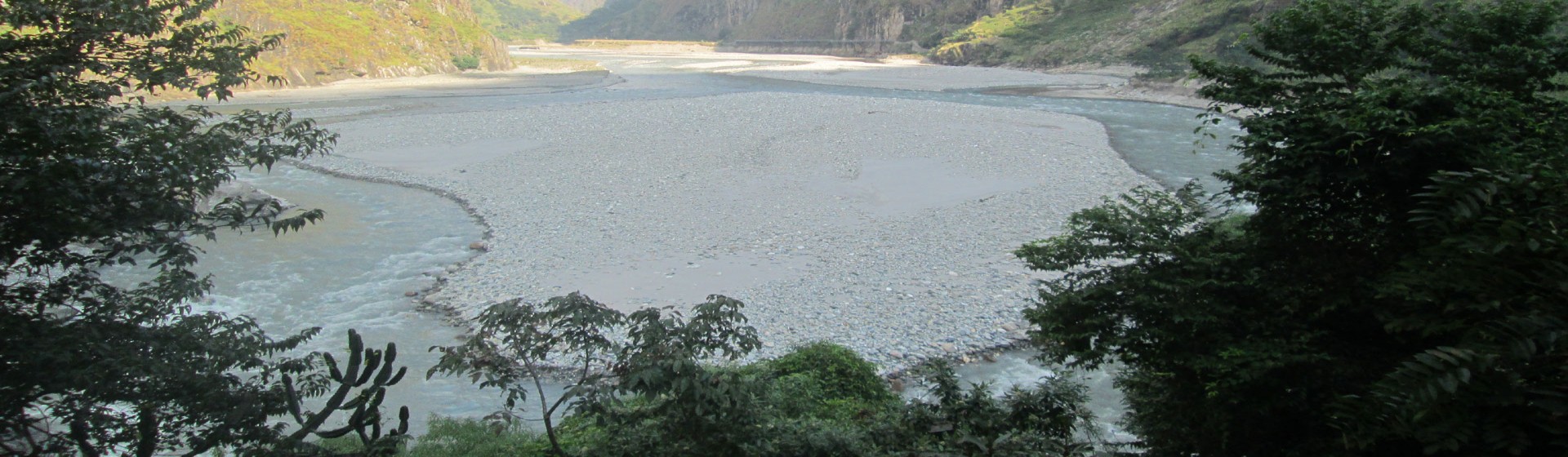
Where Is Machha Khola?
Ask a group of trekkers a week after completing the Manaslu Circuit Trek what they remember most, and very few will mention Machha Khola.
Ask the same people where the journey first started to feel real, and many will point back to that first evening beside the Budhi Gandaki.
Machha Khola sits at the beginning of the traditional Manaslu trekking route, reached after a long day of travel from Kathmandu. By the time most trekkers arrive, they have already spent hours watching the landscape gradually change from busy urban areas to steep hillsides, river valleys, and increasingly remote settlements.
What makes Machha Khola memorable is not a famous landmark or spectacular viewpoint. It is the sense of transition.
This is where the planning stage quietly ends. The permits have been arranged, the gear has been packed, and the long drive is finally behind you. For the first time, the trek feels close enough to touch.
The settlement itself remains simple and practical. Trekkers share the same space as local residents, vehicles continue to arrive from lower elevations, and the Budhi Gandaki provides a constant background soundtrack. Nothing feels staged. Nothing feels designed purely for visitors.
That authenticity is part of what makes Machha Khola important.
Long before the higher mountains appear, Machha Khola introduces trekkers to the rhythm of the region. It is the point where expectations begin to give way to experience and where the Manaslu journey quietly begins.
Why Almost Every Manaslu Trek Starts Here
For many trekkers, Machha Khola is the first place where the Manaslu Circuit Trek feels more than just a plan on paper.
By the time most trekkers step out of the vehicle in Machha Khola, they have already spent an entire day watching Nepal gradually change outside the window. The journey begins in Kathmandu and slowly leaves behind busy towns, wider roads, and familiar landscapes before entering the Budhi Gandaki Valley and the hill country that leads toward Manaslu.
Today, direct road access allows trekkers to reach Machha Khola by local bus or private jeep, making it the most practical and widely used starting point for the trek. Yet transportation alone is not what makes this place important.
It is also the starting point for many Short Manaslu Trek itineraries that focus on the most scenic sections of the route.
What makes Machha Khola work so well as a starting point is the sense of transition it provides. The long drive is complete, the logistics are behind you, and for the first time the focus shifts entirely toward the days ahead on the trail.
This gradual transition is something many trekkers appreciate more than they expect.
Rather than stepping immediately into a high mountain environment, the journey begins by following the Budhi Gandaki Valley deeper into the region. The landscapes, villages, and daily rhythm change gradually, allowing trekkers to settle naturally into the experience.
The first evening in Machha Khola often has a unique atmosphere. Guides review plans for the following day, trekkers make final adjustments to their gear, and conversations naturally turn toward the adventure ahead. Even among experienced trekkers, there is usually a quiet sense of anticipation that is difficult to ignore.
Over the years, we have found that many people remember Machha Khola not because of a famous landmark or major attraction, but because of what it represents. It is the point where preparation ends and the journey begins.
For this reason, Machha Khola has become much more than a convenient overnight stop. It remains the natural gateway to the Manaslu region and the place where most trekkers take their first steps into one of Nepal's most rewarding trekking experiences.
The village also serves as an important gateway for trekkers joining the Tsum Valley and Manaslu Circuit Trek, one of the region's most culturally rewarding routes.
What Most Trekkers Notice on Their First Evening in Machha Khola
By the time trekkers arrive in Machha Khola, it is usually late afternoon or early evening.
The long drive from Kathmandu is behind them, bags have been unloaded, and the focus shifts toward the days ahead on the trail. After organizing gear and settling into the tea house, many people find themselves doing the same thing: slowing down for the first time all day and taking in their surroundings.
One of the first things people notice is the Budhi Gandaki. The river runs close to the settlement, and its sound often becomes part of the evening atmosphere. For many trekkers, it is also the first reminder that the trek is now following the Budhi Gandaki Valley toward Samagaun.
Another common observation is how quickly Kathmandu begins to feel distant. Only that morning, many trekkers were navigating traffic, checking equipment, and making final preparations. A few hours later, they are sitting in a small riverside settlement surrounded by steep hills and unfamiliar terrain.
The first evening is often surprisingly simple. Guides review plans for the next day, trekkers check boots, adjust backpacks, charge devices, and discuss the route ahead. The conversations are rarely about work, flights, or life back home. Instead, they revolve around the trail, walking conditions, and what the coming days might bring.
What stands out most is not any single attraction. It is the feeling that the transition is complete. The journey has moved beyond preparation and entered a new rhythm, one that will shape daily life for the rest of the trek.
For many trekkers, this is the moment when the Manaslu Circuit Trek truly begins.
Why Machha Khola Is More Important Than Most Trekkers Expect
When trekkers look back on the Manaslu Circuit Trek, Machha Khola is rarely the place they talk about first.
Most conversations eventually focus on higher sections of the route, mountain views, or memorable days spent on the trail. Yet after organizing countless departures to Manaslu, we have noticed that Machha Khola plays a more important role in the overall experience than many people realize.
Part of this comes from timing.
By the time trekkers arrive, they have already completed one of the longest travel days of the trip. The road journey is finished, equipment has been checked, and the planning stage is effectively over. For the first time, attention shifts completely toward the trek itself.
We often see the same routine unfold during the evening. Trekkers ask about the next day's walking time, study maps, check trekking poles, and discuss what the trail might be like. The questions become less about logistics and more about the experience ahead.
Another thing that surprises many first-time visitors is how quickly they settle into the rhythm of the region. A few hours earlier they were travelling through busy towns and road corridors. By evening, they are sitting beside the Budhi Gandaki, listening to the river and preparing for the first day of walking.
Nothing dramatic happens in Machha Khola.
That is precisely why it matters.
The village provides a gradual introduction to the trek rather than throwing people directly into it. Looking back, many trekkers remember Machha Khola as the place where the journey stopped feeling like a plan and started feeling real.
What Has Changed in Machha Khola Over the Years
One reason Machha Khola remains interesting to us is that it has changed noticeably over the years while still retaining much of its original character.
When we first began organizing treks in the region, reaching Machha Khola was often a longer and less predictable experience than it is today. Road conditions were more challenging, travel times varied significantly, and fewer vehicles regularly made the journey all the way to the village.
Today, direct transport by local bus and private jeep has become much more common. Reaching Machha Khola is generally more straightforward, making the village an even more practical starting point for the Manaslu Circuit Trek.
We have also seen gradual improvements in facilities available to trekkers. Tea houses have become more comfortable, services are more consistent, and the village is better prepared to welcome the growing number of visitors who pass through each trekking season.
At the same time, some things have changed very little.
Despite improved access, Machha Khola still feels closely connected to the surrounding valley rather than existing solely for tourism. Local life continues alongside trekking activity, and the settlement retains the practical, working atmosphere that many trekkers appreciate when they first arrive.
Perhaps that balance is what stands out most today.
The village has adapted to the needs of modern trekkers without losing the qualities that made it an important gateway to the Manaslu region in the first place. For those of us who return regularly, it is interesting to see how Machha Khola continues to evolve while remaining recognizably the same place where so many Manaslu journeys begin.
Final Thoughts
Most trekkers spend only a single night in Machha Khola.
By the time they return home, their memories are usually filled with mountain passes, remote villages, dramatic landscapes, and the many experiences that unfold deeper in the Manaslu region. It is easy for a small riverside settlement at the beginning of the route to be overshadowed by everything that comes later.
Yet after years of organizing Manaslu treks, we have come to appreciate the role Machha Khola plays in the journey.
It is where the long road from Kathmandu finally comes to an end. It is where trekkers organize their gear one last time, discuss the days ahead, and begin settling into a different rhythm of life. Most importantly, it is where the transition from planning to experience quietly takes place.
Machha Khola may not be the most famous stop on the Manaslu Circuit Trek, but it remains one of the most important. Long before the higher mountains come into view, this small settlement marks the point where the journey starts to feel real.
Villages such as Samdo and the crossing of Larkya La Pass may receive most of the attention, but every Manaslu journey begins here.
For many trekkers, that first evening beside the Budhi Gandaki is the moment they stop thinking about the trek they have planned and begin experiencing the trek they came to Nepal to do.