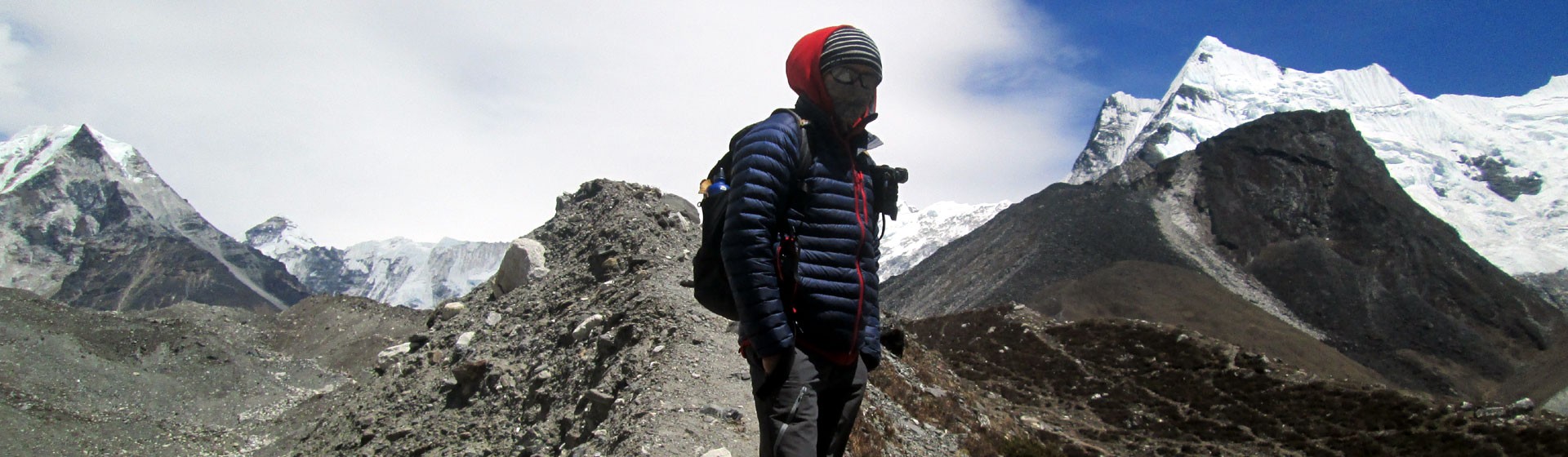
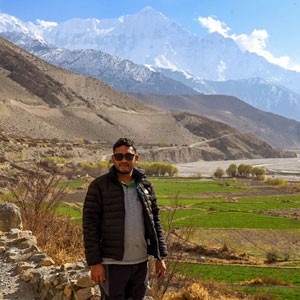
Can You Trek to Everest Base Camp in Winter?
Yes, you can trek to Everest Base Camp in winter. In fact, every year we meet trekkers in Kathmandu who are surprised to learn that people continue trekking to Everest Base Camp throughout December, January, and February.
The reason for the confusion is understandable. When most people picture winter in the Himalayas, they imagine deep snow, closed trails, and conditions that make trekking impossible.
That is not usually what winter looks like on the Everest Base Camp route. What we have found over the years is that winter changes the character of the trek more than it changes the route itself.
The villages are still there. The tea houses are still open. The suspension bridges still connect the valleys. The climb to Namche Bazaar is the same climb it has always been. Everest Base Camp remains the same destination.
What changes is the atmosphere around you. There are often fewer trekkers on the trail. Dining halls tend to be quieter. Finding accommodation is usually easier than during the busiest weeks of spring and autumn. In some villages, you may spend an evening talking with local families or other trekkers rather than competing for a seat around a crowded stove.
As you move higher above Namche Bazaar, winter becomes more noticeable. Mornings feel colder. Water left beside the bed may freeze overnight. Leaving a warm dining room before sunrise is sometimes harder than the day's walking itself. By the time trekkers reach Dingboche, Lobuche, and Gorakshep, most realize that winter is not difficult because of one single challenge but because of the accumulation of many small things throughout the day.
At the same time, many winter trekkers tell us they would choose the season again without hesitation. The quieter trails, calmer atmosphere, and sense of space along the route often leave a stronger impression than the cold itself.
One thing that does not change is the importance of acclimatization. Whether you trek in January or October, altitude remains the factor that deserves the most respect. In our experience, sensible pacing, proper acclimatization, and listening to your body continue to play a much bigger role in a successful trek than the season on the calendar.
After organizing Everest Base Camp treks throughout the year, we have found that winter is rarely the season people choose first. Yet it is often the season many winter trekkers remember most.
What Feels Different About Everest Base Camp in Winter?
Many trekkers researching the Everest Base Camp Trek in winter focus first on temperatures, snowfall, and how cold the journey might be. While these are important considerations, they are often not the things that leave the strongest impression once the trek is over.
After organizing Everest Base Camp treks throughout the year, we have found that the biggest difference is usually the overall atmosphere of the route.
During the busy spring and autumn seasons, it is normal to encounter multiple trekking groups throughout the day. Tea houses can be lively in the evenings, popular viewpoints attract a steady flow of visitors, and the trail often feels like a shared journey with trekkers from around the world.
Winter creates a different environment. The route generally feels quieter, particularly beyond Namche Bazaar. There are often longer stretches of trail without meeting large groups, and many trekkers find themselves paying more attention to the mountains, rivers, forests, and villages around them. Places such as Tengboche, Dingboche, Lobuche, and Gorakshep often feel noticeably calmer than they do during the busiest trekking months.
The rhythm of daily life on the trail also changes. Trekkers tend to leave tea houses a little later on particularly cold mornings, spend more time around the dining room stove in the evenings, and pay closer attention to weather conditions as they move higher into the Khumbu region. Small routines that may feel insignificant during warmer seasons often become a more noticeable part of the experience in winter.
Many trekkers are also surprised by the quality of the mountain views. During periods of stable winter weather, visibility is often excellent, and the surrounding peaks can appear exceptionally clear. On some days, the mountains feel closer and more prominent simply because there are fewer distractions competing for your attention.
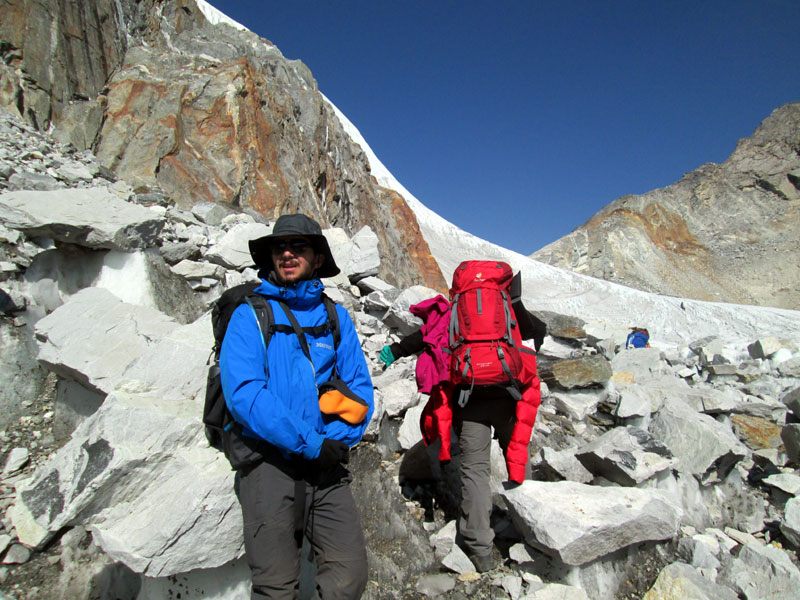
Perhaps the biggest difference is that winter often makes the Everest Base Camp Trek feel more personal. The route itself does not change, and the challenge of reaching Everest Base Camp remains the same, but the quieter trails and less crowded tea houses create an experience that many trekkers describe as very different from spring or autumn.
That does not mean winter is better than other seasons. Some trekkers prefer the warmer temperatures and social atmosphere of the peak trekking months. Others find that the quieter pace and sense of space in winter are exactly what they were looking for. In our experience, this difference in atmosphere is often what winter trekkers remember long after they return home.
If you are still deciding when to visit, our guide to the Best Time for Everest Base Camp Trek compares winter with spring, autumn, and monsoon conditions.
Why Some Trekkers Prefer the Trek to Everest Base Camp in Winter
Although spring and autumn attract the largest number of trekkers, winter has always appealed to a smaller group of travelers who are looking for a different experience in the Everest region.
One of the most common things we hear from winter trekkers is that the journey feels more personal than they expected.
During the peak trekking seasons, it is normal to share the trail with many other groups heading toward Everest Base Camp. Tea houses can be busy in the evenings, popular viewpoints often attract large numbers of trekkers, and villages along the route have a very different atmosphere. Winter tends to slow things down. The trails are generally quieter, tea houses are less crowded, and many trekkers feel they have more time and space to appreciate the journey itself.
The quieter environment is often what stands out most. Some trekkers choose winter specifically because they want to experience the Everest region without the crowds that are common during spring and autumn. Walking through forests below Namche Bazaar, crossing suspension bridges above the Dudh Koshi River, or approaching villages such as Tengboche and Dingboche often feels very different when there are fewer people on the trail.
Mountain views are another reason some trekkers prefer winter. During stable weather periods, visibility is often excellent, and many winter mornings begin with remarkably clear views of the surrounding peaks. Photographers and mountain enthusiasts frequently appreciate these conditions, particularly during the early hours of the day when the landscape feels calm and undisturbed.
Some trekkers are also attracted by the atmosphere inside the tea houses. With fewer groups arriving each evening, conversations often feel more relaxed, and there are usually more opportunities to interact with guides, lodge owners, and local families. Many trekkers tell us they learned more about life in the Khumbu region during these quieter periods than they expected before the trek.
Interestingly, the people who enjoy winter most are not always the people who enjoy cold weather the most. More often, they are trekkers who value the experience of being in the mountains without feeling rushed by crowds, schedules, or the busier rhythm of peak trekking seasons.
After organizing Everest Base Camp treks throughout the year, we have found that winter rarely becomes someone's favorite season because of the temperature. It becomes their favorite season because of the atmosphere. The quieter trails, calmer villages, and greater sense of space often leave a stronger impression than the cold itself.
What Most Trekkers Underestimate About Trekking to Everest Base Camp in Winter
When people plan a winter trek to Everest Base Camp, they usually focus on the obvious challenges. Temperatures, snowfall, and the possibility of cold weather tend to dominate most of the research before the trek begins.
What many trekkers discover once they are on the trail is that winter is rarely difficult because of one major obstacle.
Instead, the experience is often shaped by a series of smaller challenges that gradually become more noticeable as the trek progresses.
Many first-time winter trekkers expect the hardest part of the day to be the actual walking. In reality, some of the moments people remember most are much simpler. Leaving a warm dining room before sunrise, putting on cold boots in the morning, filling frozen water bottles, or stepping outside into sub-zero temperatures after a comfortable evening around the stove can sometimes feel more challenging than the first section of the day's walk.
These small experiences become more noticeable as trekkers move higher into the Khumbu region. Villages such as Dingboche, Lobuche, and Gorakshep already feel very different from the lower part of the route because of the altitude. During winter, the colder temperatures add another layer to the daily routine. Managing hydration, staying warm during rest stops, and maintaining energy levels often require more attention than many trekkers expect before arriving in Nepal.
Another thing that is frequently underestimated is how winter changes the hours outside the actual trekking day. Waiting for breakfast, charging devices, organizing equipment, washing, or simply relaxing in the evening all feel different when temperatures drop significantly after sunset. These are not major problems, but they become part of the overall experience of trekking to Everest Base Camp in winter.
Interestingly, most trekkers who complete the route in winter do not look back and describe a single difficult day as the defining challenge. More often, they talk about adapting to a different rhythm of life on the trail and becoming comfortable with conditions that feel unfamiliar during the first few days of the trek.
After organizing Everest Base Camp treks throughout the year, we have found that winter is often most enjoyable for trekkers who arrive with realistic expectations. The season is rarely about enduring extreme conditions. More often, it is about understanding and adapting to the small differences that shape each day in the mountains.
What Changes After Namche Bazaar During a Winter Trek to Everest Base Camp
Many trekkers reach Namche Bazaar feeling confident about the winter conditions.
The first few days of the trek often pass more comfortably than expected. The trails below Namche are lower in elevation, forests provide some shelter from the wind, and many first-time winter trekkers begin to wonder whether the season is as challenging as they had imagined.
What we often see, however, is that the character of the trek starts to change after Namche Bazaar.
The change is not usually dramatic. Instead, it happens gradually as the route climbs higher toward Tengboche, Dingboche, Lobuche, and eventually Gorakshep.
One of the first things trekkers notice is that mornings begin to feel different. A cold start in Namche Bazaar is one thing. A cold start in Dingboche or Lobuche can feel very different altogether. Temperatures drop further, water left overnight may freeze, and simple routines such as getting dressed in the morning or preparing for the day's walk require a little more motivation than they did lower on the trail.
The landscape also begins to change. Forests become less common, villages become further apart, and the route feels increasingly exposed to the surrounding mountain environment. On clear winter days, the views can be exceptional, but there is also less protection from wind and cold than trekkers experience below Namche.
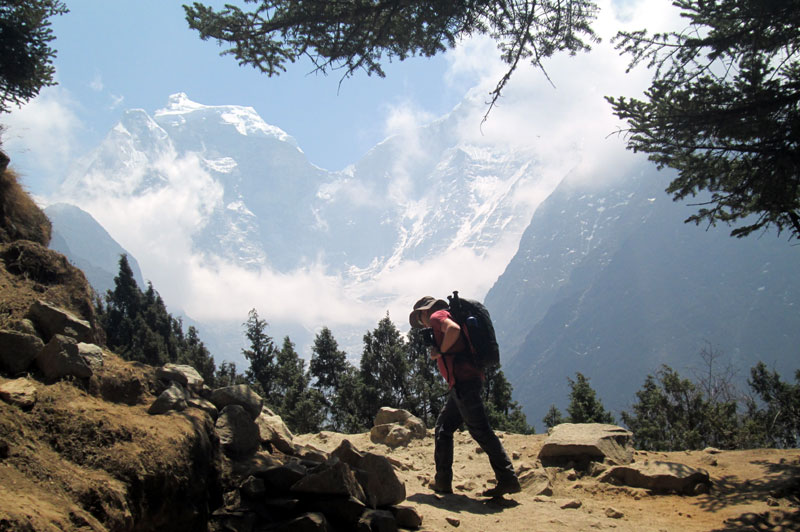
Another change that many people underestimate is how altitude and winter start to work together. Above Namche Bazaar, acclimatization becomes increasingly important. The cold may attract most of the attention during the planning stage, but once trekkers reach Dingboche and higher villages, factors such as hydration, recovery, sleep quality, and daily pacing often become much more important than they expected.
Many experienced Everest guides can often identify this transition before trekkers notice it themselves. The conversations change. People start talking less about reaching Everest Base Camp and more about how they are feeling each day. Energy management, acclimatization, and comfort gradually become part of the daily routine.
After organizing Everest Base Camp treks throughout many winter seasons, we have found that the route above Namche Bazaar is where trekkers begin to experience the true character of winter in the Everest region. It is not necessarily harder because of a single challenge. Rather, it is where the small differences that define winter trekking become increasingly noticeable with each day spent at altitude.
What Experienced Guides Often Notice During a Winter Trek to Everest Base Camp
During a winter trek to Everest Base Camp, most trekkers are naturally focused on the destination ahead. They think about reaching Namche Bazaar, crossing Tengboche, arriving in Dingboche, and eventually standing at Everest Base Camp itself.
Experienced guides are often paying attention to something different. Over the years, we have found that the first signs of how someone is adapting to the Everest trek are rarely dramatic. More often, they appear in small ways that are easy to overlook during the excitement of the journey.
A trekker who was walking comfortably between Lukla and Namche Bazaar may become noticeably quieter a few days later. Someone who stopped regularly to take photographs earlier in the trek may suddenly focus only on reaching the next village. Others may begin taking longer breaks on climbs, lose interest in meals, or spend more time resting after arriving at a tea house.
None of these things automatically indicate a problem. In fact, they are often a normal part of trekking at higher altitude. What experienced guides pay attention to is how these small changes develop from one day to the next.
During winter, these observations become even more useful. Colder temperatures, dry mountain air, and several consecutive days of trekking can affect people differently. Two trekkers of similar fitness may respond very differently once the route climbs above Dingboche toward Lobuche, Gorakshep, and Everest Base Camp.
Another thing guides often notice is that many trekkers focus heavily on the weather before the trek begins but spend far less time thinking about recovery. After years of leading Everest Base Camp treks, we have found that how a person eats, drinks, sleeps, and recovers each evening often has a greater influence on the following day than the temperature itself.
Perhaps the most important observation is that successful winter trekking is rarely about having the strongest legs in the group. More often, it is about adapting steadily to the conditions, maintaining a comfortable pace, and making sensible decisions throughout the journey.
By the time trekkers reach the higher villages of the Khumbu region, experienced guides usually have a good understanding of who is adapting comfortably and who may benefit from a slower pace, additional rest, or closer attention to hydration and recovery. These are not decisions based on a single moment. They come from observing small patterns over many days on the trail.
After organizing Everest Base Camp treks throughout many winter seasons, we have found that the most successful journeys are often shaped by these small observations rather than any one major event. While trekkers focus on the mountains ahead, experienced guides are often focused on the details that help make the journey safer, more comfortable, and ultimately more enjoyable.
Is the Everest Base Camp Trek More Difficult in Winter?
After organizing Everest Base Camp treks throughout different seasons, we would answer this question with a simple yes, but probably not for the reasons most trekkers expect.
Many people assume that winter becomes difficult because of deep snow or extreme weather. While conditions can occasionally affect the route, that is usually not what makes the biggest difference for most trekkers.
What changes most is the overall experience of spending multiple days at altitude during colder conditions. The climb to Namche Bazaar is still the same climb. Tengboche remains in the same location. Dingboche, Lobuche, Gorakshep, and Everest Base Camp are reached by the same trail that trekkers follow during spring and autumn.
What changes is how the body and mind respond to the environment. A cold morning in Kathmandu is easy to ignore. A cold morning in Lobuche before sunrise often feels very different. Getting out of a sleeping bag, putting on cold boots, preparing for the day, and starting the trek before the sun reaches the valley can require more determination than many trekkers expect before arriving in Nepal.
The higher the route climbs, the more noticeable these differences become. Above Dingboche, winter often feels less like a single challenge and more like a series of small adjustments throughout the day. Drinking enough water despite not feeling thirsty, staying warm during breaks, recovering well each evening, and maintaining energy over several consecutive days become increasingly important.
One thing we have noticed over the years is that the trekkers who perform best in winter are not always the strongest hikers. More often, they are the trekkers who adapt well to the conditions, pace themselves sensibly, and remain consistent from one day to the next.
Altitude also remains exactly the same regardless of season. The challenge of acclimatization does not disappear in winter, and in our experience it continues to play a much bigger role in the success of the trek than snow or cold temperatures alone.
For that reason, we do not usually describe winter as a completely different level of difficulty. Instead, we describe it as the same Everest Base Camp Trek experienced under different conditions. Those conditions require a little more preparation, a little more patience, and a little more awareness of how the body is responding as the journey progresses.
For many trekkers, that additional challenge is precisely what makes a winter trek to Everest Base Camp such a rewarding experience.
Accommodation and Food During a Winter EBC Trek
Many trekkers planning a winter EBC trek worry about accommodation long before they arrive in Nepal. Questions about closed tea houses, limited food options, and difficult living conditions are common during the planning stage.
In reality, accommodation is usually one of the more straightforward parts of the journey.
The main tea houses along the Everest Base Camp route continue operating throughout winter, including in villages such as Namche Bazaar, Tengboche, Dingboche, Lobuche, and Gorakshep. While some smaller lodges may close during quieter periods, trekkers following the standard route rarely experience difficulty finding accommodation.
What changes most is the atmosphere inside the tea houses.
During spring and autumn, dining halls are often busy from early evening onwards. Trekkers arrive throughout the afternoon, guides organize rooms, conversations fill the dining area, and finding a seat close to the stove can sometimes become surprisingly competitive.
Winter feels different. With fewer people on the trail, evenings are often quieter and more relaxed. Trekkers usually spend longer in the dining room, sharing stories from the trail, reading, charging devices, or simply warming up before returning to their rooms. After several days on the route, many people begin to realize that the dining hall becomes the social centre of the trek during winter.
One thing first-time winter trekkers often underestimate is how little time they spend in their bedrooms. Rooms in Everest tea houses are generally simple throughout the year, and once the sun disappears behind the mountains, most people naturally gather around the stove in the communal dining area. Some of the most memorable conversations of the trek often happen there rather than on the trail itself.
Food remains similar to other seasons. Dal Bhat, fried rice, noodles, soups, potatoes, eggs, porridge, pancakes, and a variety of simple trekking meals are available throughout the route. As trekkers move higher toward Lobuche and Gorakshep, menu choices become more limited, but this is primarily a result of altitude and transport logistics rather than winter itself.
Another advantage of winter is flexibility. During peak trekking periods, accommodation in popular villages can occasionally become crowded. Winter generally offers more room choices, a calmer pace, and less pressure when arranging overnight stops.
After leading winter departures, we have found that people rarely remember accommodation because of the room itself. More often, they remember evenings around the stove, conversations with fellow trekkers, and the unique atmosphere that develops in the tea houses during the quieter months of the year. In many ways, these moments become just as memorable as reaching Everest Base Camp itself.
Weather and Temperatures on the Everest Base Camp Trek in Winter
By the time trekkers start thinking about winter weather on the Everest Base Camp Trek, they have usually already seen photographs of snowy trails, frozen landscapes, and temperature charts showing conditions well below freezing.
What many people discover on the trail is that winter weather is often experienced very differently from how it appears on paper.
One of the most noticeable characteristics of winter in the Everest region is the contrast between the middle of the day and the beginning or end of it. During sunny conditions, trekking can feel surprisingly comfortable, particularly on sheltered sections of the route below Dingboche. Once the sun disappears behind the mountains, however, temperatures drop quickly and the character of the day changes almost immediately.
This is something many first-time winter trekkers do not fully appreciate before arriving. A clear afternoon in Namche Bazaar may feel pleasant enough to sit outside in the sun, while the same evening can require multiple layers of clothing within a short period of time.
The effect becomes more noticeable as the route climbs higher. Villages such as Dingboche, Lobuche, and Gorakshep experience much colder mornings and evenings than the lower sections of the trek. Water bottles may freeze overnight, frost often appears around tea houses before sunrise, and many trekkers become familiar with the daily routine of warming up slowly before beginning the day's walk.
One thing that surprises many people is that winter is not necessarily remembered because of constant snowfall. More often, trekkers remember the clear mornings, the crisp mountain air, and the remarkable visibility that frequently follows stable weather conditions. Some of the best mountain views of the year occur during winter, particularly after several consecutive days of clear weather.
That does not mean conditions should be underestimated. If you are comparing different trekking seasons, our detailed Best Time for Everest Base Camp Trek guide explains how winter compares with spring, autumn, and monsoon.
Rather than focusing only on temperature numbers, it is often more useful to understand how winter weather influences daily life on the trail. The season is usually defined by colder starts, colder evenings, and the need to adapt to life at altitude during the coldest months of the year.
Typical Winter Temperatures on the Everest Base Camp Trek
| Location | Average Day Temperature | Average Night Temperature |
|---|
| Lukla | 5°C to 12°C | -2°C to 3°C |
| Namche Bazaar | 2°C to 10°C | -5°C to 0°C |
| Dingboche | -2°C to 6°C | -10°C to -15°C |
| Lobuche | -5°C to 4°C | -12°C to -18°C |
| Gorakshep | -6°C to 3°C | -15°C to -20°C |
What Should You Pack for Everest Base Camp in Winter?
Most trekkers begin researching winter gear long before they arrive in Nepal. Down jackets, sleeping bags, gloves, and thermal layers quickly become part of the planning process, and it is easy to assume that winter packing is simply about bringing as many warm clothes as possible.
We have found that successful winter packing is usually less about carrying more gear and more about bringing the items that continue to make a difference after several days on the trail.
A proper layering system is often the most important part of winter trekking equipment. Conditions can change significantly between sunrise, midday, and evening, particularly as the route climbs from Namche Bazaar toward Dingboche, Lobuche, Gorakshep, and Everest Base Camp. Trekkers who can easily adjust their clothing throughout the day are usually more comfortable than those relying on one heavy layer for every situation.
A warm down jacket becomes increasingly valuable at higher elevations. Interestingly, many trekkers wear it less while walking and more while sitting in tea houses, eating dinner, preparing for the next day, or stepping outside before sunrise. By the time trekkers reach Lobuche and Gorakshep, the down jacket often becomes one of the most frequently used pieces of equipment they carry.
A quality sleeping bag is another item that people rarely regret bringing. Tea houses provide blankets, but winter temperatures at higher elevations can make a warm sleeping bag one of the most appreciated items in a trekker's backpack.
Some of the most useful winter items are also among the easiest to overlook. Warm gloves, a hat that covers the ears, good socks, lip balm, sunscreen, and a reliable water bottle may not receive as much attention during the planning stage, yet many trekkers use them every day of the journey.
One thing winter trekkers often learn quickly is that cold temperatures affect more than comfort. Batteries lose power faster, water bottles may freeze overnight, and small items that seem unimportant in Kathmandu suddenly become useful on the trail. Spare batteries, a power bank, and a headlamp are simple additions that can make daily life considerably easier at higher elevations.
Microspikes are occasionally useful during winter, particularly if recent snowfall or icy conditions are present on sections of the route above Tengboche or Dingboche. Whether they are necessary depends entirely on current trail conditions, which can vary significantly from one season to another.
After years of leading winter treks to Everest Base Camp, we have found that the gear trekkers appreciate most is rarely the gear they talk about most before departure. More often, it is the equipment that quietly makes cold mornings, long evenings, and daily life on the trail more comfortable as the trek moves deeper into the Khumbu region.
For a complete equipment checklist, you can also refer to our Everest Base Camp Trek Packing List.
Who Should Consider a Winter Everest Base Camp Trek?
After organizing Everest Base Camp treks throughout many winters, we have noticed that the people who enjoy the season most are often not the people you might expect.
They are not always the youngest trekkers, the strongest hikers, or the people with the most trekking experience.
More often, they are the people who enjoy being in the mountains without needing constant activity around them.
Winter tends to suit trekkers who appreciate the journey as much as the destination. These are the people who are happy to spend extra time in a tea house after sunset, who enjoy quiet mornings on the trail, and who do not mind trading a little comfort for a different experience in the Everest region.
Travelers with limited holiday time often choose our Everest Base Camp Short Trek, which follows the same route while reducing the overall trip length.
Many winter trekkers are surprised by how much they enjoy the slower rhythm of the season. With fewer people on the route, there is often more time to notice the small details that can easily be overlooked during busier periods. Conversations with lodge owners, time spent around the stove in the evening, and long stretches of walking through the Khumbu valley without large trekking groups often become memorable parts of the journey.
The season also appeals to people who are drawn to the mountains themselves. Winter frequently brings excellent visibility, and many trekkers appreciate the opportunity to experience places such as Namche Bazaar, Tengboche, Dingboche, Lobuche, and Gorakshep when the trail is quieter than usual.
At the same time, winter is not the ideal choice for everyone. Trekkers who dislike cold mornings, prefer the social atmosphere of peak trekking seasons, or simply want the most comfortable conditions available often find spring or autumn a better fit.
One pattern we have seen repeatedly over the years is that the trekkers who return home most enthusiastic about winter are usually the ones who chose the season for the experience rather than the convenience. They understood that the days would be colder, but they were also looking for quieter trails, fewer crowds, and a different perspective on the Everest Base Camp Trek.
For those trekkers, winter often becomes far more rewarding than they expected before they arrived in Nepal.
What Winter Trekkers Usually Say After Reaching Everest Base Camp
Over the years, we have noticed that winter trekkers often talk about the season very differently after completing the trek than they did while planning it.
Before arriving in Nepal, most questions focus on temperatures, snowfall, and how cold the journey might be. By the time trekkers return from Everest Base Camp, those topics are usually no longer at the centre of the conversation.
Instead, many talk about the atmosphere of the trek itself.
They remember walking for long stretches without seeing large trekking groups. They remember quiet mornings on the trail, peaceful evenings in the tea houses, and villages that felt calmer than they expected. Places such as Tengboche, Dingboche, Lobuche, and Gorakshep often leave a very different impression during winter simply because there are fewer people around.
Many trekkers also tell us they spent far more time simply looking around than they expected. Without the steady flow of trekking groups that is common during spring and autumn, they often found themselves stopping more frequently to watch the mountains, listen to the river below the trail, or simply take in the landscape around them. The views from Namche Bazaar, the approach to Tengboche, the wide valley above Dingboche, and the final walk toward Everest Base Camp often feel more immersive than many people imagine before the trek begins.
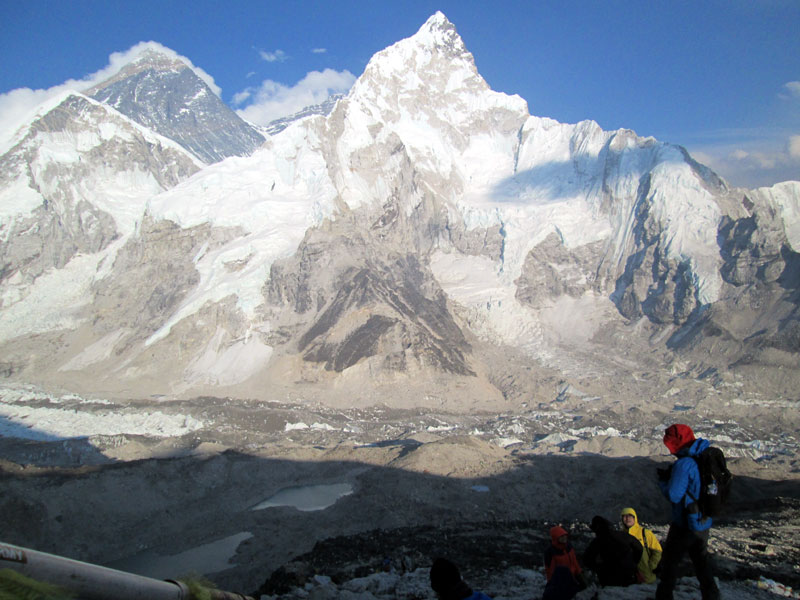
Interestingly, very few winter trekkers describe the cold as the defining part of the journey. They certainly remember frozen water bottles, cold mornings, and extra layers of clothing, but those memories are usually accompanied by stories about clear mountain views, quiet trails, and the unique rhythm of life in the Khumbu during the colder months.
One thing we hear repeatedly after winter departures is that the Everest Base Camp Trek felt more personal than people expected before they arrived in Nepal. The route was the same, the villages were the same, and Everest Base Camp was the same destination, yet the overall experience often felt noticeably different from what they had imagined while researching the trek at home.
During our winter expeditions, we have found that the people who enjoy the season most are often the ones who arrive with realistic expectations and an open mind. They understand that winter brings colder conditions, but they also discover an atmosphere that is difficult to experience during the busier trekking months.
For many trekkers, that quieter atmosphere becomes the part of the journey they remember longest after they leave the mountains.
When Would We Recommend Trekking to Everest Base Camp in Winter?
Over the years, we have found that the people who enjoy the season most are usually not the people looking for the easiest conditions. More often, they are the people looking for a different experience.
They are comfortable with the idea that mornings may be colder, that life in the tea houses revolves around the dining room stove, and that the journey requires a little more preparation than it does during spring or autumn. In return, they experience a quieter side of the Everest region that many trekkers never see.
Over the years, some of the most enthusiastic feedback we have received has come from winter trekkers. Interestingly, they rarely talk about temperatures. Instead, they talk about walking for long stretches without crowds, enjoying peaceful evenings in the tea houses, and seeing the mountains on clear winter mornings when the valleys feel calm and undisturbed.
Winter also tends to suit trekkers who enjoy the journey itself rather than focusing only on reaching Everest Base Camp. These are often the people who appreciate spending time in Namche Bazaar, watching the changing landscape between Tengboche and Dingboche, or simply enjoying the daily rhythm of life on the trail.
Some trekkers also prefer our Everest Base Camp Trek with Helicopter Return, which combines the classic trekking experience with a scenic flight back through the Khumbu region.
At the same time, we do not automatically recommend winter to everyone.
Trekkers who dislike cold mornings, prefer the social atmosphere of the busiest trekking months, or are looking for the most comfortable conditions available on the route often enjoy spring or autumn more. The Everest Base Camp Trek remains an incredible journey in any season, but the experience can feel very different depending on the time of year.
One pattern we have noticed repeatedly is that the trekkers who return home happiest from a winter Everest Base Camp Trek are usually the ones who chose the season intentionally. They understood what winter would be like before they arrived, embraced the conditions, and appreciated the quieter atmosphere that comes with traveling during the coldest months of the year.
For that reason, we do not view winter as a better season than spring or autumn. We simply see it as a different way of experiencing the Everest region. For trekkers who value quieter trails, clear mountain views, and a more personal connection with the journey, winter can be one of the most rewarding times of the year to trek to Everest Base Camp.
Travelers who prefer mountain views without several days of trekking may also be interested in our Everest Base Camp Helicopter Tour.
If you're considering trekking to Everest Base Camp this winter, we organize both private departures and small group treks with experienced local guides. You can explore our itinerary, available departure dates, and complete trip details on our Everest Base Camp Trek page.
Frequently Asked Questions About the Everest Base Camp Trek in Winter
Is December a good time for the Everest Base Camp Trek?
December is often considered one of the best winter months for the Everest Base Camp Trek. Trails are generally quieter than during the peak autumn season, mountain views are often excellent, and temperatures are usually more manageable than in late January. Many trekkers find December offers a good balance between winter conditions and comfortable trekking.
Is January too cold for trekking to Everest Base Camp?
January is typically the coldest month on the Everest Base Camp route, particularly in villages such as Lobuche and Gorakshep. However, trekkers successfully complete the journey every year. Proper clothing, a warm sleeping bag, and realistic expectations are more important than the calendar month itself.
Does it snow on the Everest Base Camp Trek in winter?
Yes, snowfall is possible throughout the winter season, particularly at higher elevations. However, many trekkers are surprised to discover that winter is often remembered more for clear mountain views and cold mornings than for heavy snowfall. Conditions vary from year to year and week to week.
Are tea houses open during a winter Everest Base Camp Trek?
Yes. The main tea houses along the standard Everest Base Camp route remain open throughout winter, including in Namche Bazaar, Tengboche, Dingboche, Lobuche, and Gorakshep. Accommodation is usually easier to find than during the busy spring and autumn seasons.
Do I need microspikes for the Everest Base Camp Trek in winter?
Not always. Whether microspikes are necessary depends on recent snowfall and trail conditions. Some winters they are rarely used, while in other years they can be helpful on icy sections of trail above Tengboche or Dingboche. Local guides normally advise trekkers based on current conditions.
Can beginners do the Everest Base Camp Trek in winter?
Yes, many first-time trekkers successfully complete the Everest Base Camp Trek during winter. In our experience, sensible pacing, proper acclimatization, and realistic expectations are usually more important than previous trekking experience.
Solo travelers looking for company on the trail can also consider joining one of our Group Join Everest Base Camp Trek departures.
What is usually the coldest part of a winter EBC trek?
For most trekkers, the coldest conditions are experienced between Lobuche, Gorakshep, and Everest Base Camp, particularly during the early morning and evening hours. Many people find that getting out of a warm sleeping bag before sunrise feels colder than the actual walking during the middle of the day.
Are Lukla flights more likely to be delayed during winter?
Weather can affect flights in any season. Winter often brings clear conditions in the Everest region, but delays and cancellations remain possible whenever visibility or flying conditions are not suitable. Building a small amount of flexibility into travel plans is always recommended.
Is a guide recommended for a winter trek to Everest Base Camp?
Although experienced trekkers can complete the route independently, many people choose to hire a guide during winter. Guides help with daily logistics, accommodation arrangements, acclimatization planning, weather-related decisions, and local support throughout the journey.
Is winter better than spring or autumn for the Everest Base Camp Trek?
There is no single best season for everyone. Spring and autumn generally offer warmer temperatures and a busier trekking atmosphere, while winter provides quieter trails, less crowded tea houses, and a different overall experience. The best season depends on what type of journey you are looking for.
What do trekkers usually remember most about a winter Everest Base Camp Trek?
Most trekkers expect to remember the cold. In reality, many talk more about the quieter trails, peaceful evenings in the tea houses, clear mountain mornings, and the feeling of experiencing the Everest region without the crowds that are common during spring and autumn. For many people, the atmosphere becomes one of the most memorable parts of the journey.
Does a winter trek to Everest Base Camp feel more remote?
Many trekkers say yes. The route remains the same, but fewer trekking groups, quieter villages, and less crowded tea houses often create a stronger sense of remoteness. This is one reason some experienced trekkers deliberately choose winter over the busier trekking seasons.
Which village feels most different during winter trekking?
Many trekkers mention Gorakshep. As the highest overnight stop on the Everest Base Camp Trek, it often provides the coldest and quietest experience of the journey. Winter evenings there feel very different from lower villages such as Namche Bazaar or Tengboche.
Are mountain views better during a winter Everest Base Camp Trek?
No season guarantees perfect visibility, but winter is well known for clear mornings and excellent long-distance mountain views during stable weather periods. Many photographers and mountain enthusiasts specifically choose winter because of the crisp conditions that often follow several days of clear weather.
Do tea house bedrooms feel much colder than in autumn?
Many trekkers notice the biggest difference after sunset rather than during the day's walk. Tea house bedrooms are generally unheated throughout the year, but winter temperatures make the contrast between the warm dining room and the bedroom much more noticeable, particularly in Lobuche and Gorakshep.
Is Everest Base Camp usually covered in snow during winter?
Conditions vary from year to year. Some winters bring fresh snow around Everest Base Camp and the higher sections of the route, while other winters remain relatively dry for extended periods. Most trekkers are surprised by how much conditions can change from one season to the next.
What time do trekkers usually start walking during a winter Everest Base Camp Trek?
Start times vary depending on weather, destination, and trail conditions. In general, guides try to balance warmer daytime temperatures with the need to arrive at the next village before temperatures begin dropping later in the afternoon. Above Dingboche, early starts are still common on longer trekking days.
Would experienced Everest guides choose winter for themselves?
Many would. Not because it is the easiest season, but because the experience is different. Experienced guides often appreciate the quieter trails, relaxed tea house atmosphere, and clear mountain views that winter frequently provides throughout the Khumbu region.