Do You Need a Guide for Everest Base Camp Trek?
One of the most common questions we receive from trekkers considering Everest Base Camp Trek guide hire is whether a guide is actually necessary for the journey. The answer depends on your trekking experience, confidence in managing logistics, and the type of experience you want to have in the Everest region.
From a navigation perspective, the route to Everest Base Camp is generally straightforward. The main trail is used daily by trekkers, guides, porters, and local residents, and most sections are relatively easy to follow. Unlike some remote trekking regions of Nepal, finding the correct path is rarely the biggest challenge on the Everest trail.
What often surprises first-time visitors is that the greater challenge is usually altitude rather than navigation. As the trek progresses beyond Namche Bazaar and higher into the Khumbu Valley, acclimatization, pacing, hydration, and daily decision-making become increasingly important. These factors often have a greater influence on the overall trekking experience than simply knowing which direction to walk.
Logistics can also play a significant role. Flights to and from Lukla are occasionally affected by weather conditions, and accommodation can become limited during the busiest trekking seasons. Guides help trekkers adapt to changing circumstances, arrange alternative solutions when needed, and make decisions based on current trail conditions and local knowledge.
Another benefit of guide hire is the insight it provides into the region itself. Experienced Everest guides do more than lead the trail. They explain local customs, introduce Sherpa culture, share stories about villages along the route, and help trekkers understand the landscape they are traveling through.
For confident and experienced hikers, independent trekking may still be an option. At the same time, many trekkers choose Everest Base Camp guide hire not because they are concerned about getting lost, but because they value experienced local support, practical assistance, and additional peace of mind throughout the trek.
What Does an Everest Base Camp Guide Actually Do?
Many trekkers researching Everest Base Camp Trek guide hire initially assume that a guide's main responsibility is showing the way. In reality, navigation is often only a small part of the job.
On a typical trekking day, an experienced Everest guide is constantly monitoring conditions, managing logistics, and making practical decisions that help keep the trek running smoothly. Much of this work happens behind the scenes, which is why many trekkers only realize its value after completing the journey.
One of the most important responsibilities is altitude management. Guides monitor how trekkers are adapting to increasing elevation, watch for early signs of Acute Mountain Sickness (AMS), and help ensure that acclimatization days and daily walking schedules are followed appropriately. In the Everest region, knowing when to slow down, rest, or adjust plans is often far more important than simply following the trail.
Guides also assist with route planning and day-to-day decision-making throughout the trek. Although the Everest Base Camp route is generally well established, weather conditions, trail maintenance, individual fitness levels, and flight disruptions can occasionally require adjustments. Experienced guides use current local information and practical trail knowledge to make informed decisions along the way.
Accommodation management is another important part of the role. During busy trekking seasons, tea houses in villages such as Namche Bazaar, Dingboche, Lobuche, and Gorakshep can fill quickly. Guides often communicate with lodge owners ahead of arrival, confirm room availability, and help ensure that trekkers have suitable accommodation at the end of each day.
Weather updates and Lukla flight operations are also closely monitored. Conditions in the mountains can change rapidly, and delays occasionally affect both arriving and departing trekkers. Experienced guides stay informed through local contacts and support teams, helping trekkers adapt when schedules need to change.
In the event of illness, injury, or altitude-related problems, guides play an important coordination role. They assess the situation, recommend appropriate action, communicate with local resources, and assist with emergency procedures when required. Their familiarity with the region often allows quicker and more informed decision-making during unexpected situations.
Communication is another part of the job that is often overlooked. Guides regularly coordinate with tea houses, porters, transportation providers, local contacts, and support staff throughout the trek. This helps ensure that daily logistics run smoothly and allows trekkers to focus on the experience rather than the practical details.
Beyond logistics and safety, guides help trekkers better understand the Everest region itself. They explain local customs, share insight into Sherpa culture, point out significant landmarks, and provide context that most trekkers would otherwise miss while walking through the Khumbu Valley.
For many trekkers, the most valuable work a guide performs is often the work they never notice. From monitoring acclimatization and arranging accommodation to managing logistics and responding to changing conditions, a good Everest guide allows trekkers to focus less on planning and problem-solving and more on enjoying the journey to Everest Base Camp.
Why Hire an Everest Base Camp Guide Instead of Trekking Alone?
Hiring an Everest Base Camp guide is about much more than finding the right trail. The route to Everest Base Camp is well established, but every trekking season presents different weather conditions, flight schedules, accommodation availability, and individual challenges that are difficult to predict without local experience. An experienced guide helps you make informed decisions throughout the journey, allowing you to focus on enjoying the trek rather than solving unexpected problems.
One of the biggest advantages is local knowledge. Our guides know the daily trail conditions, the most suitable places for rest breaks, and how to adjust the pace according to the group's fitness and altitude. Small decisions made during the day often make the difference between a comfortable trek and an unnecessarily tiring one.
Mountain weather in the Everest region can change quickly, particularly around Lukla. Flight delays and cancellations occasionally affect trekking schedules, and an experienced guide helps reorganise accommodation, transportation, and the itinerary whenever plans need to change. Having local support during these situations saves both time and unnecessary stress.
Accommodation is another practical reason many trekkers choose to hire a guide. During the busy spring and autumn seasons, popular lodges can fill early in the day. Guides communicate with local tea houses, helping secure suitable accommodation before villages become crowded.
Altitude is another area where experienced guidance becomes valuable. While no guide can prevent altitude sickness, they monitor how trekkers are adapting each day, recommend an appropriate walking pace, encourage proper hydration, and recognise early signs that may require additional rest or changes to the itinerary. These small adjustments are often more important than simply walking faster.
Our guides also assist with everyday logistics that many first-time trekkers do not anticipate, including permit procedures, meal arrangements, communication with lodge owners, and advice when weather or trail conditions change unexpectedly. Their role is not only to lead the way but to make the entire journey smoother, safer, and more enjoyable from Lukla to Everest Base Camp and back.
After guiding trekkers in the Everest region for many years, we have found that guests rarely remember their guide simply for showing the route. They remember the encouragement on difficult climbs, the local stories shared along the trail, the practical help during changing mountain conditions, and the confidence that comes from travelling with someone who knows the Khumbu well. Those are often the things that make an Everest Base Camp trek truly memorable.
| Feature | Guide Only | Guide + Porter |
|---|
| Carries your backpack | No | Yes |
| Trek with a light daypack | No | Yes |
| Best for | Experienced trekkers | Most first-time trekkers |
| Daily walking | More physically demanding | Less physically demanding |
| Overall comfort | Good | Highest |
What Most First-Time Everest Base Camp Trekkers Don't Expect
One thing we have noticed over the years is that many trekkers spend months preparing for Everest Base Camp by researching gear, training plans, accommodation, and altitude.
Yet some of the factors that have the biggest impact on the trek are often the things people think about the least before arriving in the mountains.
A common example is pace. Many trekkers arrive in Lukla feeling strong, motivated, and eager to make progress. During the first few days, particularly between Lukla and Namche Bazaar, it is easy to walk faster than necessary. Experienced guides know that the trekkers who feel strongest at lower elevations are not always the ones who feel strongest higher up the trail.
Hydration is another detail that is frequently underestimated. The cool temperatures of the Everest region often make people feel less thirsty than they actually are. However, the combination of altitude, dry air, and several consecutive days of walking can gradually affect energy levels if hydration is neglected.
Sleep is something guides pay close attention to as the trek gains elevation. Many trekkers expect altitude symptoms to appear suddenly, but small changes often happen first. Difficulty sleeping, reduced appetite, or unusual fatigue can sometimes provide early clues about how a trekker is adapting to higher altitude.
Weather is another factor that can be difficult to appreciate until you experience the region firsthand. Conditions can change quickly in the Khumbu Valley, particularly higher on the route. A clear morning in Dingboche or Lobuche can feel very different by afternoon, which is one reason experienced guides pay close attention to local conditions throughout the trek.
Fatigue is perhaps the most misunderstood part of the journey. Most trekkers focus on reaching Everest Base Camp itself, but many find the cumulative effect of multiple trekking days more challenging than any single day on the itinerary. The sections between Dingboche, Lobuche, Gorakshep, and the return journey often require more patience and energy than people expect during the planning stage.
Many of these challenges are discussed in more detail in our guide to Everest Base Camp Trek difficulty, including altitude, daily walking hours, and the physical demands of the route.
None of these are major obstacles, and most trekkers complete the journey successfully. However, they are the small details that experienced Everest guides learn to recognise after spending many seasons on the trail.
In many ways, this is one of the less visible benefits of guide hire. While trekkers are focused on the mountains ahead, experienced guides are often paying attention to the smaller changes that help keep the journey comfortable, enjoyable, and on track.
Guide vs Porter vs Porter Guide: Which Option Is Best for Everest Base Camp?
One of the most common questions we receive from trekkers researching Everest Base Camp Trek guide hire is whether they should hire a guide, a porter, or a porter guide. The right choice depends on your trekking experience, budget, and the level of support you want during the journey.
Although these roles are often grouped together, they serve different purposes on the trail.
| Service | Primary Role | Carries Luggage | Trekking & Altitude Support | Local Knowledge | Best For |
|---|
| Licensed Guide | Leads the trek and manages logistics | No | Yes | Extensive | First-time trekkers, solo travelers, couples, and anyone wanting full support |
| Porter | Carries luggage | Yes | No | Limited | Experienced trekkers who only want help carrying their gear |
| Porter Guide | Provides basic guiding while carrying a lighter load | Limited | Yes | Moderate | Budget-conscious trekkers looking for both support and luggage assistance |
Licensed Guide
A licensed Everest guide is responsible for much more than leading the route. Guides assist with acclimatization planning, altitude monitoring, tea house arrangements, weather updates, daily logistics, and communication throughout the trek. They also provide insight into local culture, villages, and life in the Khumbu region.
Many trekkers choose guide hire not because they are worried about getting lost, but because they value experienced local support when dealing with altitude, changing weather conditions, accommodation availability, and unexpected situations that can arise during a multi-day trek.
Porter
A porter is responsible for carrying luggage between villages, allowing trekkers to walk with a lighter daypack.
Many experienced hikers choose to hire a porter even when they do not hire a guide. Carrying a backpack for several hours during a day hike is very different from carrying the same weight for more than a week at increasing altitude. By reducing the physical load, porters can help trekkers conserve energy and enjoy the journey more comfortably.
Porter Guide
A porter guide combines elements of both roles. Porter guides typically carry a lighter load than a dedicated porter while also assisting with route guidance, basic logistics, and general support during the trek.
This option is often chosen by solo trekkers and budget-conscious travelers who want local assistance on the Everest Base Camp route without the additional cost of hiring both a guide and a porter.
Which Option Do Most Everest Base Camp Trekkers Choose?
Based on our experience organizing Everest Base Camp treks, most trekkers choose either a licensed guide or a guide and porter combination rather than a porter alone.
First-time visitors to Nepal often appreciate having local support for accommodation arrangements, acclimatization planning, Lukla flight changes, and communication along the trail. Meanwhile, experienced hikers frequently hire a porter to reduce the physical demands of carrying a heavy backpack at higher elevations.
For trekkers seeking the highest level of support and comfort, a guide and porter combination remains the most popular choice. This allows trekkers to walk with a light daypack while benefiting from professional guidance throughout the journey.
This option is especially popular among travelers joining our Everest Base Camp Group Join Trek, where experienced guides and porters support small trekking groups throughout the journey.
Everest Base Camp Guide Hire Cost
The cost of hiring a guide or porter for Everest Base Camp varies depending on experience, qualifications, season, and the services included.
Typical Daily Rates
| Service | Average Cost Per Day |
| Licensed Guide | USD 35-40 |
| Porter Guide | USD 30-35 |
| Porter | USD 25-30 |
In most cases, these rates include the staff member's salary, meals, accommodation during the trek, transportation required for the itinerary, and insurance coverage. However, inclusions can vary between trekking companies, so it is always advisable to confirm exactly what is covered before booking.
While it can be tempting to focus only on price, experience often becomes far more important once the trek begins. Guides who regularly work in the Everest region are typically more familiar with acclimatization schedules, tea house operations, weather-related disruptions, and the practical challenges that can arise along the route.
For most trekkers, the decision is not simply about finding the lowest daily rate. It is about choosing the level of support that best matches their experience, comfort expectations, and trekking goals.
Travelers looking for additional comfort and upgraded accommodation can also explore our Everest Base Camp Luxury Trek.
Can You Hire an Everest Trekking Guide in Kathmandu?
Yes. In fact, most trekkers who plan to hire a guide for Everest Base Camp arrange their guide in Kathmandu before flying to Lukla.
One reason is simply choice. Kathmandu is the center of Nepal's trekking industry, where most Everest guides, trekking agencies, porters, and support staff are based. This gives trekkers an opportunity to compare options, discuss expectations, and choose a guide whose experience and communication style match their needs.
Another advantage is that it is easier to verify experience before the trek begins. Trekkers can meet agency representatives in person, ask about a guide's Everest experience, confirm licensing, and understand exactly what services are included. This can be more difficult to do when trying to arrange support at the last minute.
From an operational perspective, arranging guide hire in Kathmandu also provides additional support behind the scenes. While guides manage the day-to-day trekking experience, agencies often assist with logistics before and during the trek. This can include coordinating airport transfers, arranging porter services, helping with equipment rental, monitoring Lukla flight schedules, and assisting if travel plans change unexpectedly.
Seasonal conditions can also influence trekking logistics, which is why many travelers research the best time to trek to Everest Base Camp before finalizing their plans.
Backup support is another benefit that is often overlooked. Occasionally, guides become unavailable before departure because of illness, transportation delays, family emergencies, or other unforeseen circumstances. When a trek is arranged through an agency, a replacement guide can often be organized before the journey begins, helping avoid last-minute disruption to travel plans.
Many trekkers also use their time in Kathmandu to finalize practical details before entering the mountains. Equipment checks, sleeping bag rental, porter arrangements, permit preparation, and flight coordination are usually much easier to organize in the city than after arriving in the Everest region.
Many trekkers also use this time to review their Everest Base Camp packing list and make any final gear adjustments before departure.
For these reasons, most trekkers who choose Everest Base Camp Trek guide hire prefer to arrange their guide in Kathmandu rather than waiting until they reach Lukla. The main advantage is not simply finding a guide, but having access to wider options, easier verification, logistical support, and backup assistance before the trek starts.
How to Choose the Right Guide for Everest Base Camp Trek
Choosing a guide for Everest Base Camp is not simply about finding someone who knows the route. The trail itself is generally well established, and most experienced guides can navigate it without difficulty. The bigger question is whether the guide has the experience, judgment, and local knowledge needed to support you throughout a high-altitude trek in the Everest region.
One of the first things we recommend checking is whether the guide holds a valid trekking guide license and has received professional training. While certification alone does not guarantee quality, it does show that the guide has completed the required training and meets the standards expected of professional trekking staff in Nepal.
Experience in the Everest region is equally important. A guide who regularly works on the Everest Base Camp route will usually have a better understanding of seasonal trail conditions, acclimatization schedules, tea house operations, and the practical challenges that can arise during the trek. Guides who have completed dozens of Everest treks often develop an instinct for managing situations that cannot be learned from training alone, whether it is adjusting the pace of the group, recognizing early signs of altitude-related problems, or adapting plans when mountain conditions change.
Altitude awareness is another factor that should never be overlooked. Reaching Everest Base Camp is rarely a navigation challenge, but it is a high-altitude trek that requires sensible pacing and proper acclimatization. A good guide understands when to encourage a slower pace, when additional rest may be needed, and when changing plans is the safest decision. In many cases, good judgment is more valuable than route-finding skills.
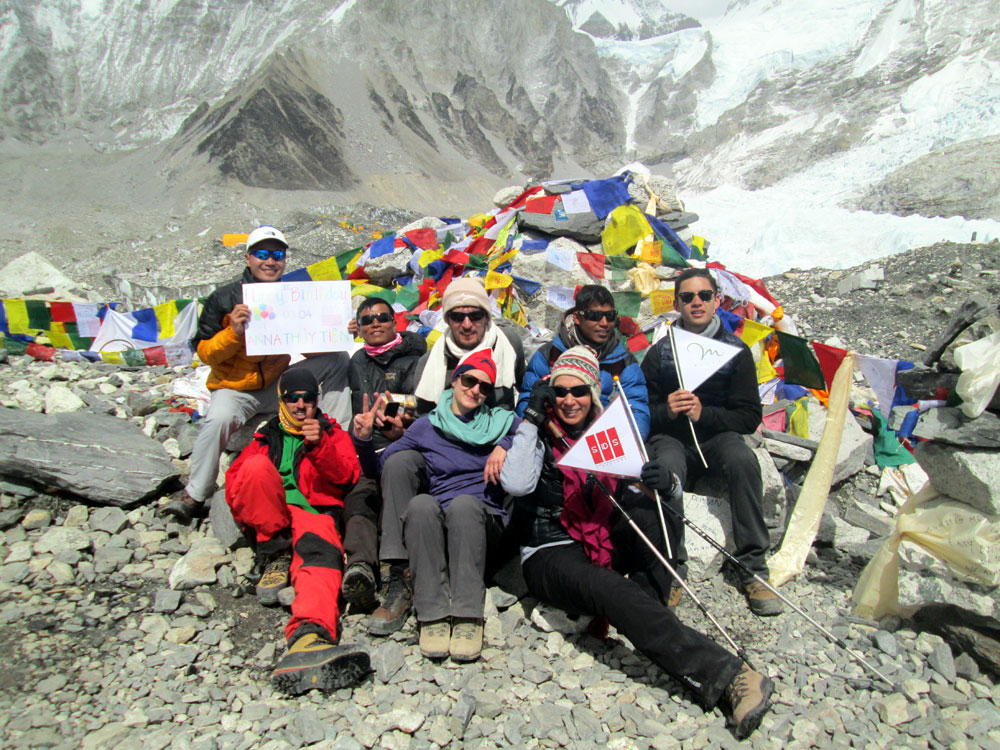
Communication skills also make a significant difference. Trekkers spend many days with their guide, often in changing weather and challenging conditions. A guide who communicates clearly, explains daily plans, answers questions patiently, and responds calmly to unexpected situations can make the experience far more comfortable and enjoyable.
First aid knowledge is another quality worth considering. Although serious incidents are uncommon, guides should understand basic first aid procedures and be able to recognize the early signs of altitude-related illness. The ability to respond appropriately when problems arise is an important part of guiding in the Himalayas.
Local knowledge is often what separates a good guide from an exceptional one. The best Everest guides know far more than the trail itself. They understand seasonal changes along the route, know which villages become busiest during peak trekking periods, recognize when conditions are different from normal, and provide context that helps trekkers better understand life in the Khumbu region. They can explain local traditions, share insight into Sherpa culture, and help trekkers connect more deeply with the places they visit.
In our experience, the best Everest Base Camp guides are not necessarily the ones who talk the most or try to impress clients. They are usually the guides who quietly monitor conditions, solve problems before they become major issues, manage logistics efficiently, and help trekkers feel confident throughout the journey.
When choosing an Everest Base Camp trekking guide, it is worth looking beyond price alone. Experience, communication, local knowledge, altitude awareness, and professional training often have a far greater influence on the overall trekking experience than the difference between the cheapest and most experienced guide available.
Common Mistakes When Hiring a Guide for Everest Base Camp Trek
Most trekkers spend weeks researching equipment, fitness preparation, accommodation, and flights before starting the Everest Base Camp Trek. Surprisingly, the process of choosing a guide often receives much less attention.
After years of organizing Everest treks and guide hire services, we have noticed that many of the problems trekkers encounter are not caused by the trail itself. They usually begin long before the trek starts, often during the booking and planning stage.
Choosing a Guide Based Only on the Lowest Price
It is natural to compare prices when planning a trek, but focusing only on the cheapest option can sometimes lead to disappointment.
The difference between a highly experienced Everest guide and a less experienced guide is often relatively small when compared to the overall cost of the trek. Yet the difference in local knowledge, communication, altitude awareness, and problem-solving ability can be significant once you are several days into the journey.
Assuming Any Trekking Guide Has Everest Experience
Not every trekking guide in Nepal regularly works in the Everest region.
Before hiring a guide, it is worth asking how often they lead Everest Base Camp treks and how familiar they are with the route. Guides who regularly work between Lukla, Namche Bazaar, Dingboche, Lobuche, and Everest Base Camp are generally better prepared for the practical challenges that can arise along the trail.
Not Checking Insurance and Licensing
Professional guides and porters should be properly insured and legally authorized to work as trekking staff.
Although this may seem like a small detail during the planning stage, it is one of the easiest ways to distinguish professional trekking operations from less reliable arrangements. Asking about licensing and insurance coverage before booking is always worthwhile.
Assuming a Low Price Includes Everything
One of the most common causes of misunderstanding is assuming that all guide hire services include the same things.
Before confirming a booking, it is important to understand exactly what is covered by the quoted price. Accommodation, meals, transportation, insurance, porter services, airport transfers, and other logistical support may vary between operators. Clarifying these details in advance helps avoid confusion later.
Waiting Until Peak Season to Arrange a Guide
Many trekkers assume they can easily find a guide immediately before starting the trek.
While this is sometimes possible, the busiest months of April, May, October, and November are also the periods when experienced Everest guides are in highest demand. Waiting until the last moment can reduce your options and make it more difficult to find a guide whose experience and communication style match your preferences.
Overlooking Communication Skills
Experience is important, but communication is equally valuable.
A guide and trekker spend many days together, often in changing weather conditions and at increasing altitude. A guide who explains plans clearly, listens carefully, answers questions patiently, and communicates confidently during unexpected situations can have a major influence on the overall trekking experience.
Our Advice
In our experience, the best hiring decisions are usually made by trekkers who ask questions, understand what is included, verify experience, and look beyond price alone. A good Everest guide does far more than lead the trail. They help manage logistics, monitor acclimatization, solve problems, and contribute to a smoother and more enjoyable journey from Lukla to Everest Base Camp.
Is Hiring a Guide Worth It for the Trek to Everest Base Camp?
Many trekkers initially view Everest Base Camp guide hire as an additional expense and spend a considerable amount of time deciding whether it is worth the cost.
Interestingly, after completing the trek, many of those same trekkers tell us that their guide became one of the most valuable parts of the entire experience.
This is rarely because of navigation. The route to Everest Base Camp is generally straightforward, and most trekkers quickly realize that following the trail is only a small part of the journey.
What they often remember instead are the countless small ways a good guide contributes throughout the trek.
Sometimes it is advice about pacing during the climb to Namche Bazaar. Sometimes it is noticing that a trekker who felt strong in Phakding is moving much more slowly above Tengboche, or recognizing when an extra rest break is more valuable than sticking rigidly to the itinerary. On other occasions, it may be helping adjust plans because of weather conditions, arranging accommodation during a busy week, or simply providing reassurance during a challenging day at altitude.
Many trekkers also find that their guide becomes an important source of local knowledge. Conversations about Sherpa culture, mountain communities, monasteries, daily life in the Khumbu region, and the changes taking place along the trail often become some of the most memorable parts of the journey.
For first-time visitors to Nepal, guide hire often provides additional confidence and practical support throughout the trek. For experienced hikers, the value is usually different. Rather than needing someone to lead the way, they appreciate having a knowledgeable local companion who understands the region, helps manage logistics, and can offer insight that would otherwise be missed.
Of course, independent trekking is still the right choice for some people. Many experienced trekkers enjoy managing every aspect of the journey themselves and value that sense of independence.
However, after years of organizing Everest Base Camp treks and guide hire services, one pattern has remained remarkably consistent. Trekkers rarely tell us they regret hiring a good guide. More often, they tell us that having experienced local support allowed them to focus less on logistics and more on the mountains, the people, and the experience itself.
Whether guide hire is worth it ultimately depends on what you want from the trek. If your goal is simply to reach Everest Base Camp, there are different ways to do it. Trekkers with limited time often choose our Everest Base Camp Short Trek, which follows a shorter itinerary while still reaching Everest Base Camp.
If your goal is to better understand the region while benefiting from local knowledge, practical support, and experienced decision-making along the way, many trekkers find that a good guide adds value long after the trek is over.
Our Recommendation
After organizing Everest Base Camp treks and guide hire services for many years, we have noticed an interesting pattern.
Before the trek, many travelers spend a lot of time deciding whether hiring a guide is worth the additional cost. Once the trek is finished, the conversation is usually very different.
Most trekkers rarely talk about the money they spent on a guide. Instead, they talk about the local knowledge they gained, the people they met along the trail, the conversations they shared, and the small challenges that became easier because someone familiar with the region was there to help.
For first-time visitors to Nepal, guide hire often provides additional confidence and support throughout the journey. For solo travelers, it can offer both practical assistance and local companionship on the trail. Even experienced hikers frequently tell us they appreciated having someone who understood the Everest region, local customs, accommodation logistics, and the realities of trekking at altitude.
At the same time, independent trekking remains the right choice for some people. Many experienced trekkers enjoy planning every detail themselves and value the freedom that comes with managing the journey independently.
For that reason, we do not believe there is a single answer that applies to everyone.
However, if someone asks us what we have learned after years of organizing Everest Base Camp treks, our answer is usually simple: trekkers rarely regret having a good guide, but many are surprised by how much value a knowledgeable local guide adds to the overall experience.
The goal is not simply to reach Everest Base Camp. The goal is to enjoy the journey, understand the region, and return home with the kind of experience you were hoping to have when you first started planning the trek.
Frequently Asked Questions
How much does it cost to hire a guide for the Everest Base Camp Trek?
The cost of Everest Base Camp guide hire typically ranges from USD 35–40 per day for a licensed guide. Rates can vary depending on experience, season, and what services are included. In most cases, guide hire costs cover salary, meals, accommodation during the trek, transportation, and insurance.
Can I hire a guide for Everest Base Camp without booking a full trekking package?
Yes. Many trekking companies offer guide hire services without requiring trekkers to book a complete Everest Base Camp package. This option is popular among travelers who prefer to arrange their own accommodation, flights, or itinerary while still benefiting from local support on the trail.
Is a porter guide enough for the Everest Base Camp Trek?
For some trekkers, yes. A porter guide can be a practical option for travelers looking for basic route guidance and luggage assistance at a lower cost. However, a dedicated licensed guide generally provides a higher level of support, particularly when it comes to altitude management, logistics, and overall trekking experience.
Can Solo Trekkers Hire a Guide for Everest Base Camp?
Yes. Many solo travelers hire a guide for Everest Base Camp to benefit from local support, companionship on the trail, assistance with logistics, and added confidence at altitude.
Can I meet my Everest guide before the trek starts?
Yes. When you book with us, we introduce your guide during the pre-trek briefing in Kathmandu before your flight to Lukla. This gives you an opportunity to discuss the itinerary, review your equipment, ask questions, and become familiar with your guide before the trek begins.
Can a guide help if Lukla flights are delayed or cancelled?
Yes. Experienced Everest guides regularly deal with flight disruptions in the Lukla region and can help explain available options, adjust itineraries, and coordinate with local contacts when schedules change. While guides cannot control weather conditions, their local knowledge can often make unexpected situations easier to manage.
How far in advance should I book an Everest Base Camp guide?
Outside the main trekking seasons, arranging a guide a few weeks before arrival is usually sufficient. During the busiest months of April, May, October, and November, experienced Everest guides are often booked well in advance, so earlier planning is recommended.
Do Everest trekking guides carry oxygen?
Guides do not normally carry oxygen during a standard Everest Base Camp Trek. However, professional guides are trained to monitor trekkers for altitude-related symptoms and respond appropriately if problems occur. Emergency oxygen is typically associated with mountaineering expeditions and certain specialized trekking arrangements.
Can I hire both a guide and a porter for the trek to Everest Base Camp?
Yes. In fact, this is one of the most popular options among Everest trekkers. Hiring both allows you to walk with a light daypack while benefiting from the support, local knowledge, and logistical assistance of a professional guide throughout the journey.
Are trekking guides insured in Nepal?
Professional trekking companies generally provide insurance coverage for their guides and porters. Before booking, it is always worth confirming that staff are properly insured and legally authorized to work in the trekking industry.
Should I hire an Everest guide in Kathmandu or Lukla?
Both options are possible. Hiring a guide in Kathmandu usually provides a wider choice of guides, easier verification of experience, and additional agency support. Hiring in Lukla offers flexibility but may provide fewer options, particularly during the busiest trekking seasons.
What languages do Everest Base Camp guides speak?
Most professional Everest guides speak English, and some also speak additional languages depending on their training and experience. Language ability can vary between guides, so it is worth discussing communication preferences before booking.
Can a guide arrange tea houses during the Everest Base Camp Trek?
Yes. One of the practical benefits of guide hire is assistance with accommodation arrangements. Experienced guides regularly communicate with tea houses along the route and can help secure accommodation, particularly during busy trekking periods when rooms fill quickly.
Is hiring a guide worth it for the trek to Everest Base Camp?
The answer depends on the type of experience you are looking for. Some trekkers prefer complete independence, while others value local knowledge, logistical support, cultural insight, and additional confidence at altitude. After completing the trek, many travelers tell us that their guide became one of the most valuable parts of the overall experience.