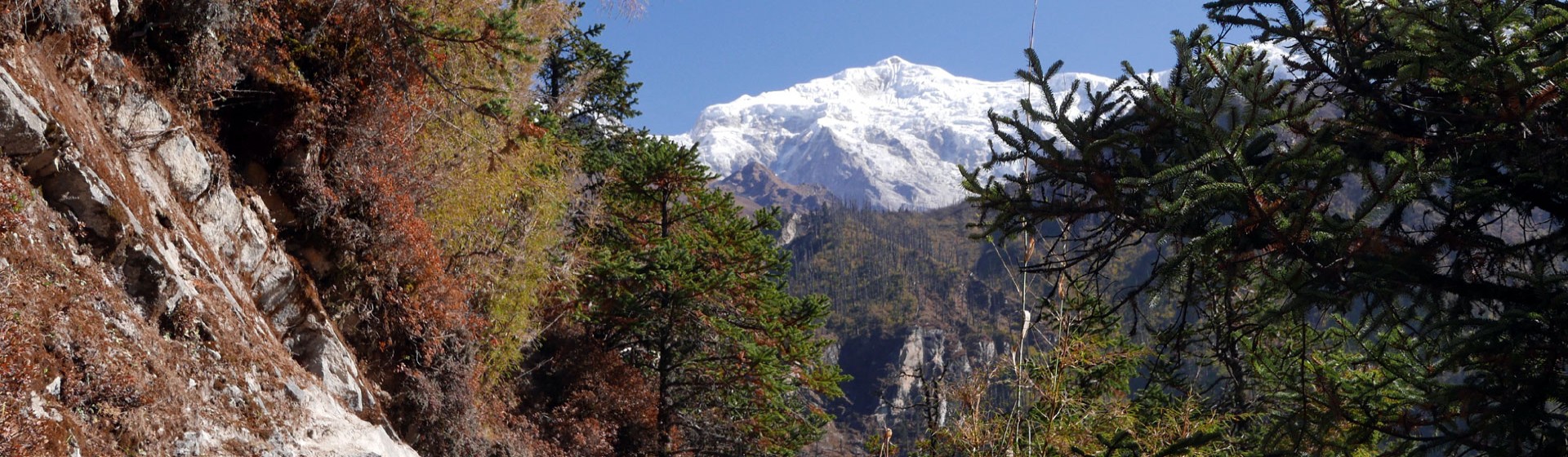
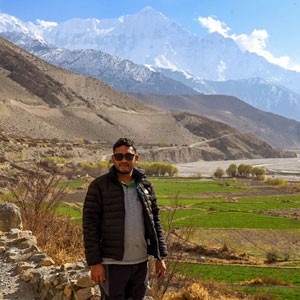
Before reaching Bimthang, most trekkers spend days thinking about one place: Larkya La Pass.
Questions about the pass come up repeatedly throughout the trek. How difficult will it be? What will the weather be like? How long will the crossing take? By the time trekkers leave Dharamsala before sunrise, the focus is almost entirely on reaching the other side.
Yet after years of organizing Manaslu Circuit Treks, we have noticed something interesting.
Once trekkers arrive in Bimthang, conversations quickly begin to change. The pass that dominated discussions for days suddenly becomes less important. Attention shifts to the valley, the surrounding mountains, a hot cup of tea, and the feeling of relief that comes from knowing one of the most demanding sections of the trek is now behind them.
For many people, Bimthang ends up becoming far more memorable than they expected.
It is not the highest point of the trek. It is not the most famous stop on the route. Yet there is something about arriving in Bimthang that leaves a lasting impression on many trekkers. Perhaps it is the sense of accomplishment, perhaps it is the dramatic change in surroundings, or perhaps it is simply the opportunity to finally slow down after a long and challenging day.
Whatever the reason, Bimthang is often remembered as much for how it feels as for what it looks like.
What Is Bimthang?
On a trekking itinerary, Bimthang appears as a simple overnight stop after crossing Larkya La Pass. Looking at a map, it is easy to assume it is just another place to sleep before continuing toward lower elevations.
Most trekkers reach Bimthang during our Manaslu Circuit Trek itinerary after successfully crossing Larkya La Pass.
The reality feels very different when you arrive on foot.
One thing many trekkers notice immediately is how much the atmosphere changes. After spending hours crossing exposed terrain and focusing on the pass, Bimthang often feels unexpectedly calm and welcoming. The landscape opens up, vegetation becomes more noticeable, and the surroundings feel softer compared to the harsher alpine environment higher on the route.
For guides who regularly operate Manaslu treks, Bimthang is also one of the easiest places to notice a change in trekkers' moods. Backpacks come off, boots are loosened, and people who were concentrating intensely on the pass only a few hours earlier suddenly appear far more relaxed.
The settlement itself is relatively small, but its location gives it a special character. Surrounded by mountains and positioned in a broad valley below the pass, Bimthang feels like a natural place to pause, recover, and reflect on the journey so far.
This combination of landscape, accomplishment, and relief is what makes Bimthang more than just another overnight stop. For many trekkers, it represents the moment when the challenge of the pass is behind them and they can finally begin to fully appreciate everything they have achieved.
Most Trekkers Stop Talking About the Pass Once They Reach Bimthang
In the days leading up to Larkya La Pass, the crossing becomes the main topic of conversation.
Many of these discussions are similar to the questions we hear from trekkers researching the difficulty of the Manaslu Circuit Trek before they arrive in Nepal.
Trekkers ask guides about departure times, weather conditions, trail conditions, and how long the day is likely to feel. In tea houses lower on the route, discussions about the pass often begin long before anyone actually reaches it.
That is why the atmosphere in Bimthang is so interesting.
After years of organizing Manaslu treks, we have noticed that many trekkers stop talking about the pass surprisingly quickly once they arrive.
The first few minutes are usually the same. Backpacks are dropped, trekking poles are leaned against a wall, and people look for a place to sit down. Some order tea immediately. Others simply sit outside for a while, taking in the valley around them.
Conversations about the crossing do happen. Trekkers compare photographs, talk about conditions on the pass, and share stories from the day. Yet these discussions often fade faster than many people expect.
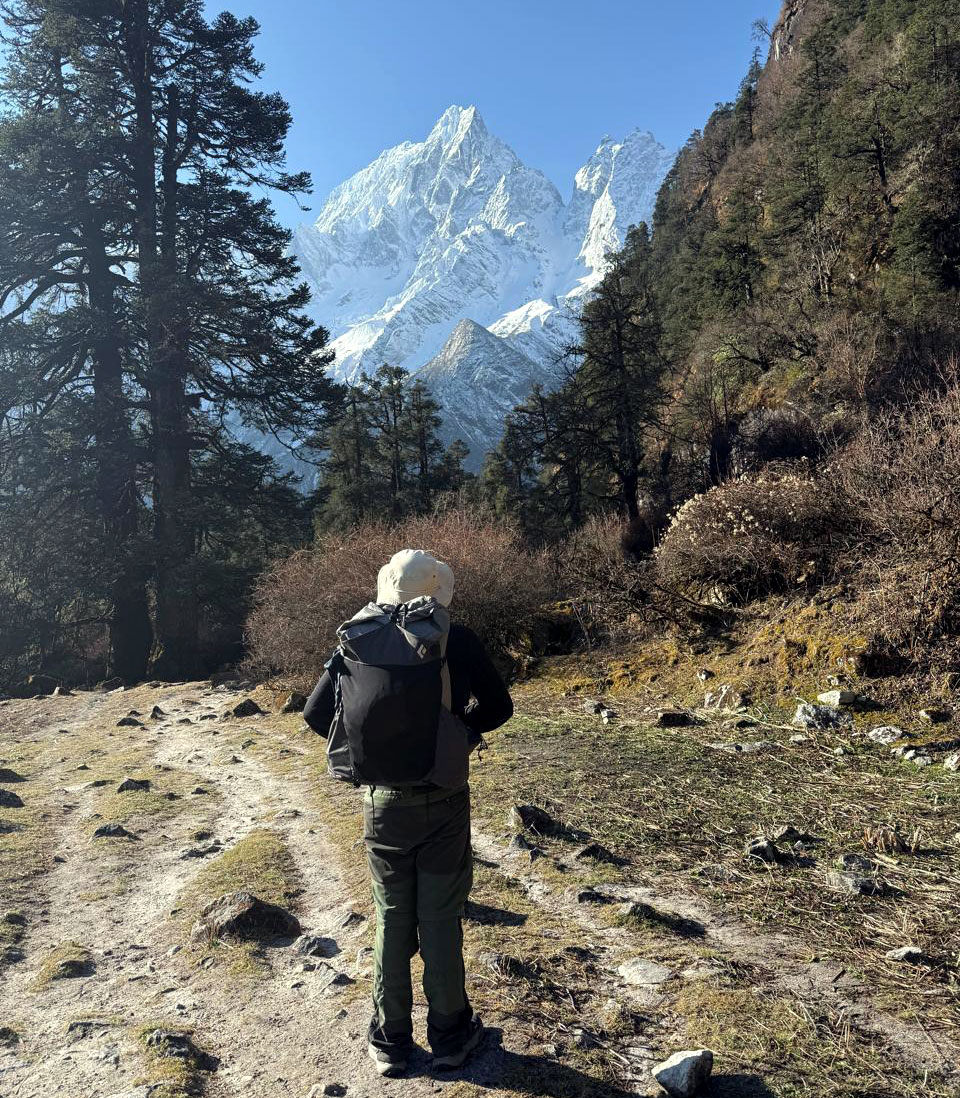
Instead, attention shifts toward where they are now.
People start noticing the landscape around Bimthang, discussing the following days of the trek, or simply enjoying the relief that comes from knowing the most demanding stage of the journey is behind them. The challenge that seemed so important only a few hours earlier is no longer the main focus.
We see this pattern almost every season.
Trekkers spend days preparing for Larkya La Pass, but many of their strongest memories begin to form after they reach Bimthang. The crossing may be the challenge they remember, but Bimthang is often where they finally have time to appreciate the achievement.
The First Reaction We See When Trekkers Arrive in Bimthang
After years of organizing Manaslu Circuit Treks, one thing has become predictable: the first few minutes in Bimthang are often very similar no matter where trekkers come from.
Some people remove their backpacks before they even reach the tea house dining room. Others sit down outside with a cup of tea and spend several minutes quietly looking around the valley. It is not unusual to see trekkers taking photographs again, even after carrying a camera all day.
What stands out most is how quickly the atmosphere changes.
Earlier in the day, the focus is almost entirely on the trail ahead. Trekkers are thinking about the pass, the weather, and the long hours of walking still to come. By the time they reach Bimthang, those conversations have largely disappeared.
Instead, people begin talking about the day they have just experienced.
They compare photographs from the crossing, discuss sections of trail they found memorable, and often laugh about moments that felt far more serious only a few hours earlier. Guides hear the same comments season after season: the day was longer than expected, the descent felt tougher than anticipated, or the views were even better than people had imagined.
Another thing we regularly notice is that trekkers rarely head straight to their rooms. Even after one of the longest days of the trek, many spend time outside before dinner, enjoying the surroundings and taking in the feeling of being somewhere completely different from where they started that morning.
For us, this is one of the reasons Bimthang remains such a memorable stop on the Manaslu Circuit Trek. The village is not just the end of a demanding day. It is often the first place where trekkers have the opportunity to pause, look back, and fully appreciate what they have just accomplished.
Why Trekkers Spend More Time Outside in Bimthang
One thing we have noticed over the years is that many trekkers spend more time outside in Bimthang than they do in several other overnight stops along the Manaslu Circuit Trek.
Normally, after a long day of walking, people head straight to their rooms, rest their legs, or gather inside the dining room. In Bimthang, the routine is often different.
Even after one of the longest days of the trek, many trekkers remain outside for a while after arriving. Some sit with a cup of tea and look across the valley. Others continue taking photographs long after they have reached the lodge. It is also common to see people looking back toward the direction of Larkya La Pass, reflecting on where they started earlier that morning.
Part of this comes from the surroundings.
After the exposed terrain around the pass, the valley feels noticeably different. The landscape appears greener, the environment feels more sheltered, and the atmosphere encourages people to slow down and spend time appreciating where they are.
The experience can vary significantly depending on the best time for the Manaslu Circuit Trek, particularly during spring and autumn.
As guides, we often see trekkers who arrive tired but remain surprisingly reluctant to go indoors immediately. There is usually a sense that people want to make the most of the moment before the light changes and the evening settles over the valley.
These small observations may seem insignificant, but they help explain why Bimthang leaves such a strong impression on many trekkers.
It is not simply a place where people recover after a challenging day. It is a place where they finally have the opportunity to pause, look around, and fully appreciate the journey that brought them there.
If You Have an Extra Day
Most trekkers leave Bimthang the morning after they arrive.
After crossing Larkya La Pass, the itinerary naturally continues toward lower elevations, and few people spend much time thinking about what lies beyond the main trail around the village.
Yet over the years, we have found that some trekkers are pleasantly surprised by how much there is to explore in the area.
One thing many people do not realize before arriving is that Bimthang sits in a broad valley with opportunities for short side trips away from the main trekking route. Without the pressure of crossing a pass or reaching the next overnight stop, the experience feels very different from most days on the trek.
For trekkers who have an additional day available, a walk toward Ponkar Lake can be particularly rewarding. The route leads into quieter terrain above the valley and provides a different perspective of the surrounding landscape. Unlike the main trail, there are often very few people around, which adds to the feeling of exploration.
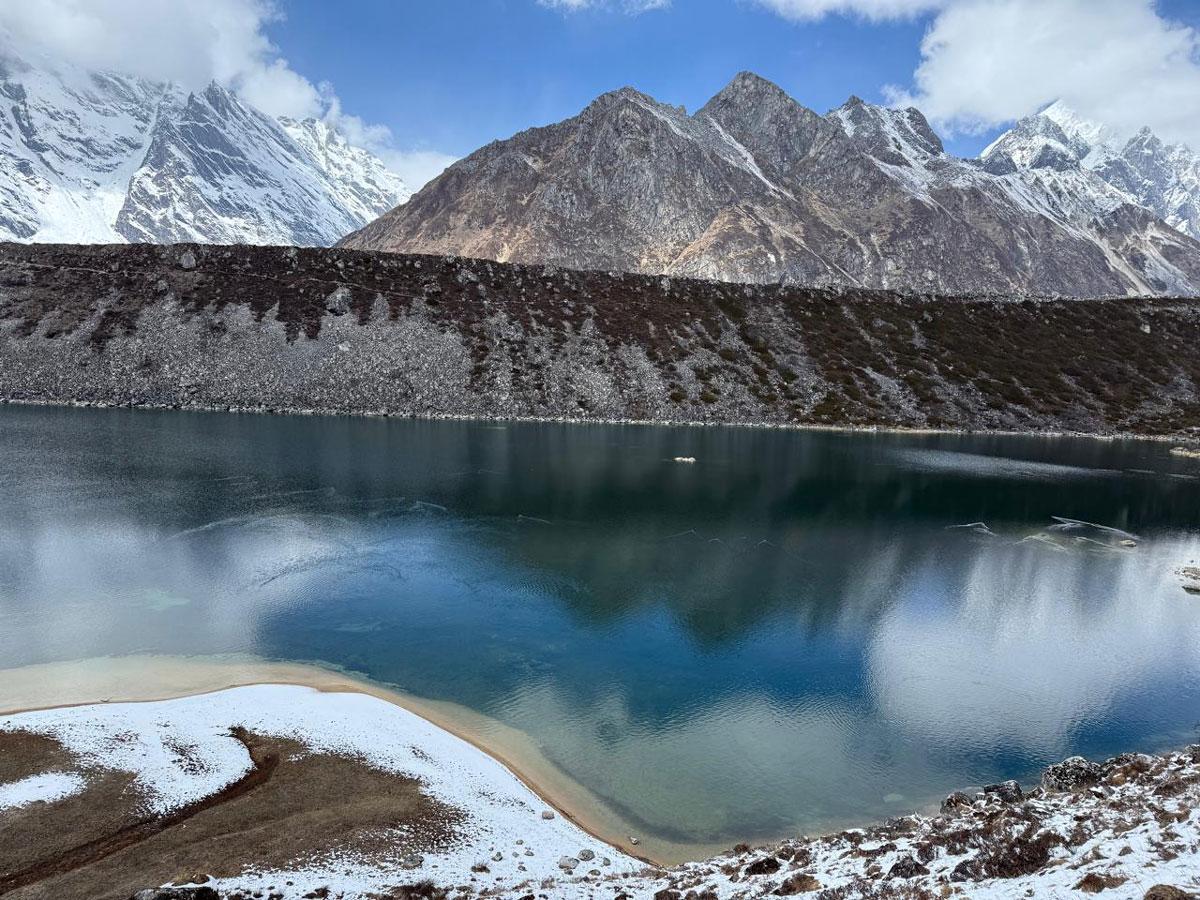
Some of our trekkers who choose to spend an extra night in Bimthang later tell us that it became one of their favorite decisions of the trip. Without a full backpack and without a long day of walking ahead, they have the opportunity to experience the area at a much slower pace.
Most itineraries move on after a single night, and for many trekkers that is the right choice. But for those who enjoy photography, mountain scenery, or simply exploring beyond the standard route, Bimthang has more to offer than first appears.
Final Thoughts
Before starting the Manaslu Circuit Trek, most people spend far more time thinking about Larkya La Pass than Bimthang.
Many first-time trekkers are surprised by how much they enjoy places like Bimthang, which is one reason the route can be rewarding even for those researching whether the Manaslu Circuit Trek is suitable for beginners.
That is completely understandable. The pass is one of the biggest challenges on the route and naturally becomes the focus of conversations long before trekkers reach it.
Yet after years of organizing Manaslu treks, we have noticed something interesting.
When trekkers talk about their time in Bimthang, they rarely focus on a single viewpoint, mountain, or attraction. Instead, they often remember small moments. Sitting outside the tea house after arriving from the pass. Sharing stories from the day with other trekkers. Looking back toward the direction they had come from that morning and realizing how much ground they had covered.
Those moments may seem simple, but they are often the memories that stay with people long after the trek is over.
We have watched trekkers arrive in Bimthang tired, quiet, excited, and relieved. No matter where they come from or how much trekking experience they have, the atmosphere tends to feel remarkably similar. The challenge of the pass is behind them, the pressure of the day is gone, and for the first time many people have the chance to pause and appreciate the journey so far.
For us, that is what makes Bimthang special.
It is not simply the next stop after Larkya La Pass. It is the place where many trekkers stop looking ahead and begin reflecting on everything they have already achieved.