Where Is Dingboche?
Dingboche Village is located in the Khumbu region of northeastern Nepal, inside Sagarmatha National Park, on the classic Everest Base Camp Trek route. At an altitude of 4,410 metres (14,469 feet), it sits between Pangboche and Lobuche, making it the final major village where most trekkers spend two nights before continuing towards Everest Base Camp.
The approach to Dingboche feels noticeably different from the trail below. After passing Pangboche and crossing the open slopes above the Imja Khola, the dense forests gradually disappear and the valley widens. The landscape becomes more rugged, the trees give way to alpine terrain, and the surrounding mountains begin to dominate every direction. It is often along this section of trail that trekkers first realise they have entered the true high Himalayas.
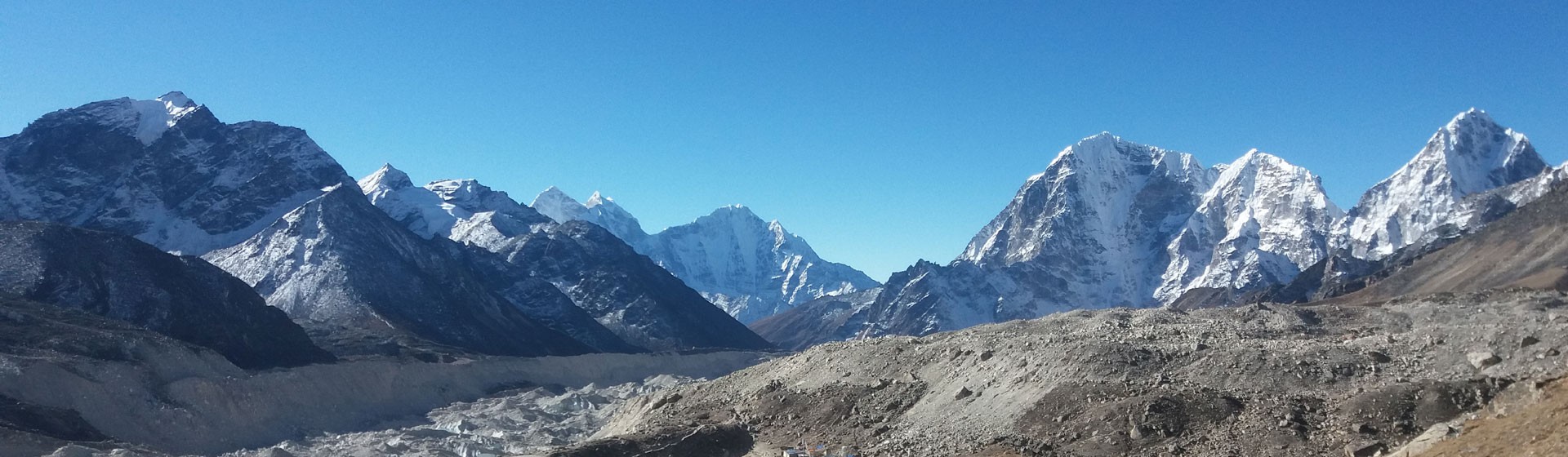
Unlike the narrow valleys lower on the route, Dingboche stands in the broad Imja Valley, surrounded by some of the most recognisable peaks in the Everest region. From the village and the nearby hillsides, trekkers can enjoy outstanding views of Ama Dablam (6,812m), Lhotse (8,516m), Island Peak (6,189m), Taboche (6,495m), Cholatse (6,440m), and the ridges leading towards Nangkartshang Peak, the area's most popular acclimatization hike. The wide valley, traditional stone walls, grazing yaks, and open mountain scenery give Dingboche a character that is distinct from every settlement lower on the Everest Base Camp Trek.
Dingboche is also one of the most important acclimatization points on the journey. By the time trekkers arrive here, they have already gained more than 1,500 metres (4,900 feet) in elevation since Lukla. Although the walking remains non-technical, the thinner air makes steady pacing increasingly important. That is why almost every well-planned Everest Base Camp itinerary includes an extra night in Dingboche, allowing trekkers to complete an acclimatization hike before continuing towards Lobuche, Gorak Shep, and Everest Base Camp.
Dingboche Village at a Glance
| Information | Details |
|---|
| Location | Khumbu Region, Solukhumbu District, Nepal |
| National Park | Sagarmatha National Park (UNESCO World Heritage Site) |
| Altitude | 4,410 m (14,469 ft) |
| Trail Position | Between Pangboche and Lobuche |
| Distance from Lukla | Approximately 45 km (28 miles) |
| Typical Trek from Pangboche | 5-6 hours |
| Typical Trek to Lobuche | 5-6 hours |
| Best Known For | Acclimatization stop, Nangkartshang Peak hike, panoramic mountain views, traditional Sherpa village |
Why Do Trekkers Spend Two Nights in Dingboche?
By the time trekkers reach Dingboche, the Everest Base Camp Trek begins to feel noticeably different. The trail from Pangboche is not especially steep or technically difficult, yet many people arrive more tired than they expected. The reason is not the distance but the altitude. At 4,410 metres (14,469 feet), the body is working much harder than it was only a few days earlier, even during simple activities such as walking uphill, climbing stairs, or carrying a daypack.
This is why almost every well-planned Everest Base Camp itinerary includes two nights in Dingboche instead of continuing directly to Lobuche. The additional day allows the body time to adapt before sleeping even higher, where oxygen levels become progressively lower and the risk of altitude-related illness increases.
One of the changes often noticed here is that trekkers who comfortably walked together below Namche Bazaar gradually begin moving at different speeds. Some continue feeling strong, while others naturally slow their pace, pause more frequently on uphill sections, or need a little more time to recover after reaching the tea house. This is a normal response to altitude rather than a measure of fitness. Even experienced hikers can be affected, which is why knowledgeable guides encourage everyone to walk at a comfortable rhythm instead of trying to keep pace with someone else.
The acclimatization day is not designed as a day of complete rest. Instead, most trekkers complete a morning hike to Nangkartshang Peak, climbing several hundred metres above the village before returning to sleep in Dingboche. This follows the widely accepted principle of "climb high, sleep low," giving the body valuable exposure to a higher elevation while still spending the night at a lower altitude. For many trekkers, this becomes one of the most rewarding mornings of the journey, with sweeping views across the Imja Valley and the surrounding Himalayan peaks.
The extra day also gives the body time to recover before the trek enters its highest section. Beyond Dingboche, the route climbs to Lobuche, Gorak Shep, Everest Base Camp, and Kala Patthar, where sleeping elevations exceed 4,900 metres and daily walking becomes more demanding. Arriving well acclimatized at Dingboche often makes the remaining days feel more comfortable and significantly reduces the chances of altitude-related problems disrupting the trek.
Although spending an extra day may seem like it slows the journey, experienced trek leaders rarely view it that way. Good acclimatization is one of the reasons many trekkers are able to reach Everest Base Camp feeling strong enough to enjoy the experience rather than simply enduring it. In the Himalayas, patience is often one of the most valuable parts of a successful trek.
Dingboche Altitude
At 4,410 metres (14,469 feet), Dingboche is one of the highest permanent villages on the Everest Base Camp Trek and an important milestone before entering the trek's highest section. Although the walk from Pangboche is not technically demanding, many trekkers notice a clear difference in how their body responds after arriving here. It is not the trail itself that changes dramatically, but the altitude.
One of the first things experienced Everest guides notice in Dingboche is that trekking groups naturally begin to spread out. People who comfortably walked together below Namche Bazaar often arrive at the tea house several minutes apart, each settling into a pace that feels right for their own body. This is a normal response to thinner air rather than a reflection of fitness. At this elevation, walking steadily and breathing comfortably become far more important than walking quickly.
Unlike the lower villages, Dingboche is where the mountains begin to set the rhythm of the day. Short uphill sections require a little more patience, conversations naturally become quieter while climbing, and most trekkers find themselves taking more frequent sips of water without even thinking about it. These gradual changes are experienced by many people trekking above 4,000 metres and are one of the reasons Dingboche plays such an important role in every well-planned Everest Base Camp itinerary.
The village also marks the beginning of the highest overnight section of the journey. Beyond Dingboche, the trail climbs to Lobuche (4,940m), Gorak Shep (5,164m), Everest Base Camp (5,364m), and Kala Patthar (5,545m). Each day brings higher sleeping elevations and progressively thinner air, making proper adaptation in Dingboche one of the most valuable investments trekkers can make before continuing.
Experienced trek leaders pay close attention to how everyone is adapting before leaving Dingboche the next morning. Rather than focusing on walking speed, they look for practical signs that the body is adjusting well, such as a good appetite, steady energy, comfortable breathing while walking, and a restful night's sleep. These everyday observations often provide a clearer picture than simply measuring how quickly someone reaches the next village.
A common misconception is that only beginners struggle with altitude. In reality, altitude affects every trekker differently. Some experienced hikers adapt quickly, while others need a little more time despite having excellent fitness. There is no reliable way to predict exactly how an individual will respond, which is why experienced Everest guides encourage trekkers to listen to their body instead of comparing themselves with others on the trail.
For most people, Dingboche is not remembered because it is the highest village on the trek. It is remembered because it prepares them for everything that comes next. Respecting the altitude here by walking at a comfortable pace, staying well hydrated, eating properly, and allowing the body time to adapt often has a greater influence on a successful Everest Base Camp Trek than any physical training completed before arriving in Nepal.
Nangkartshang Peak (Nagarjun Hill): Dingboche's Best Viewpoint Hike
The hike to Nangkartshang Peak, also commonly known as Nagarjun Hill or Nagarjun Peak, is the most popular side trip from Dingboche. Rising to approximately 5,080 metres (16,667 feet), it is the highest point most trekkers reach before continuing towards Lobuche, Gorak Shep, and Everest Base Camp. While it is often described simply as an acclimatization hike, the experience offers far more than preparation for higher elevations. It is one of the finest viewpoints on the Everest Base Camp Trek and a highlight many treknext kers remember long after reaching Base Camp itself.
The trail begins just behind Dingboche, climbing steadily above the village through open alpine slopes. There are no tea houses, villages, or busy rest stops on the route. Instead, the path gains height at a comfortable, consistent gradient, allowing trekkers to settle into their own rhythm while the views become more impressive with every step. Carrying only a light daypack also makes the climb feel noticeably different from a normal trekking day.
One thing experienced Everest trek leaders see on almost every departure is that people naturally find their own pace on this hike. Some continue almost to the highest viewpoint, while others stop a little lower where the panorama is already outstanding. Neither approach is considered better. The goal is not to stand on a particular rock at the summit but to enjoy time at higher elevation before returning to Dingboche for another night.
As the trail climbs, Dingboche gradually shrinks into a small collection of stone-built lodges surrounded by centuries-old potato fields protected by traditional stone walls. Looking back across the valley, Ama Dablam dominates the skyline, while the surrounding Himalayan giants gradually reveal themselves. Higher on the ridge, the views extend across Lhotse, Makalu, Island Peak (Imja Tse), Baruntse, Taboche, Cholatse, and countless snow-covered peaks stretching towards the horizon. On a clear day, it is one of the most rewarding mountain panoramas before reaching Kala Patthar.
Local Everest guides usually prefer leaving Dingboche shortly after breakfast, when mountain visibility is often at its best and conditions are generally calmer than later in the afternoon. Early sunlight slowly illuminates the surrounding peaks while much of the valley below remains in shadow, creating spectacular photography conditions and a peaceful atmosphere before other trekking groups arrive higher on the ridge.
Although trekking maps may use either Nangkartshang Peak or Nagarjun Hill, both names refer to the same viewpoint above Dingboche. Local guides use the two names interchangeably, and regardless of what it is called, this remains the standard side hike completed by most trekkers spending two nights in the village.
For many trekkers, this quiet morning above Dingboche becomes one of the defining memories of the Everest Base Camp Trek. Standing above the village with uninterrupted views across the upper Khumbu provides a completely different perspective from the main trail below. It is often the moment when the scale of the Himalayas truly begins to sink in before the journey continues towards Lobuche and the higher mountains beyond.
Weather in Dingboche (Throughout the Year)
Weather in Dingboche is one of the biggest factors influencing each trekking day. At 4,410 metres (14,469 feet), conditions can change quickly, and the weather often feels very different from what a forecast alone suggests. A calm, sunny breakfast outside the tea house can be followed by stronger winds or passing cloud only a few hours later as trekkers continue towards Lobuche. Understanding these daily patterns helps trekkers prepare more effectively and enjoy the journey in greater comfort.
Spring (March to May) is one of the best seasons to visit Dingboche. Days are generally pleasant for walking, mornings often begin with excellent mountain visibility, and temperatures become comfortable once the sun reaches the valley. As the day progresses, clouds frequently begin to gather around the higher peaks, which is why many trekking groups leave the village early to enjoy the clearest views.
Autumn (late September to November) is widely considered the finest trekking season in the Everest region. After the monsoon, the air is usually exceptionally clear, revealing uninterrupted views of Ama Dablam, Lhotse, Island Peak, and the surrounding Himalayan range. Walking conditions are normally stable, although mornings and evenings become noticeably colder as the season advances into November.
Winter (December to February) brings freezing nights, frosty mornings, and occasional snowfall. The trail generally remains open, but snow and ice can slow progress after winter storms, particularly on shaded sections that receive little direct sunlight. In return, winter often rewards trekkers with remarkably clear skies, quieter trails, and some of the sharpest mountain views of the entire year.
During the summer monsoon (June to early September), Dingboche receives less rainfall than Nepal's lower valleys, but afternoon cloud, occasional showers, and reduced visibility become much more common. Flights to Lukla are also more susceptible to weather-related delays during this period, so allowing extra travel time is always recommended.
One pattern experienced Everest guides notice throughout the main trekking seasons is that the mountains often look their clearest during the first few hours of the morning. For this reason, many groups leave Dingboche soon after breakfast rather than lingering in the village. The trail towards Lobuche is more enjoyable before the exposed sections become windier, and photographers usually have the best opportunity to capture the surrounding peaks while the light remains crisp and the valleys below are still quiet.
Another practical lesson learned on the trail is never to rely solely on the temperature forecast. A sunny, sheltered corner outside a tea house can feel surprisingly warm, yet only a short distance higher, a cool breeze across an exposed ridge may make an extra insulating layer necessary. Most experienced guides therefore encourage trekkers to keep a warm jacket and waterproof shell near the top of their backpack instead of packing them away for the day.
Regardless of the month, starting early remains one of the simplest ways to enjoy Dingboche at its best. Clearer mountain views, calmer conditions, and a comfortable walking pace all help make the journey towards Lobuche both safer and more rewarding.
Accommodation in Dingboche
After the climb from Pangboche, Dingboche is where many trekkers enjoy one of the most comfortable overnight stops before reaching Everest Base Camp. The village has a good selection of family-run tea houses that have welcomed climbers, trekkers, and expedition teams for many years. While the facilities are naturally simpler than those found in Namche Bazaar, most visitors are pleasantly surprised by how comfortable the accommodation remains at 4,410 metres (14,469 feet).
Rooms are simple but practical, usually offering twin beds, mattresses, pillows, blankets, and enough space to organise trekking gear for the following day. Luxury is not the purpose here. After several days on the trail, most trekkers value a clean room, a comfortable bed, and a peaceful night's sleep far more than modern hotel facilities.
One thing that changes noticeably in Dingboche is the daily routine. As the afternoon sun disappears behind the surrounding mountains, temperatures drop quickly and the village becomes remarkably quiet. Boots are left outside room doors, backpacks are prepared for the next day's walk, often based on a well-planned packing list, water bottles are filled, and most trekkers gather in the dining room well before dinner. By early evening, conversations naturally revolve around the journey ahead to Lobuche and how everyone is feeling after gaining more altitude.
The dining room quickly becomes the busiest part of every tea house. Heated by a central stove, it provides a warm place where trekkers relax, play cards, read, charge devices, exchange stories from the trail, and meet travellers from around the world before heading to bed. After dinner, the atmosphere usually settles early, as most groups plan another early start the following morning.
Experienced Everest guides rarely choose accommodation based only on the appearance of a building. Tea houses known for reliable hospitality, good organisation, warm dining areas, and consistent service often become the preferred choice, especially during the busy spring and autumn trekking seasons. Reaching Dingboche by early afternoon also provides a better selection of rooms before the village becomes busier later in the day.
Facilities naturally vary between lodges, but the welcoming hospitality found throughout Dingboche remains remarkably consistent. Many of the families operating these tea houses have hosted Everest trekkers for generations and understand exactly what visitors need after a demanding day in the mountains. Their warm welcome, combined with the spectacular Himalayan setting, is one of the reasons many trekkers remember their overnight stay in Dingboche as one of the most enjoyable parts of the entire Everest Base Camp Trek.
Food in Dingboche
By the time trekkers reach Dingboche, food becomes more than simply satisfying hunger. At 4,410 metres (14,469 feet), eating well is an important part of maintaining energy for the higher sections of the Everest Base Camp Trek. Although the village sits deep in the Himalayas, the tea houses serve a surprisingly wide variety of freshly prepared meals, giving trekkers plenty of choice before continuing towards Lobuche and Gorak Shep.
The meal most guides recommend is dal bhat. Prepared with rice, lentil soup, seasonal vegetables, and curry, it provides steady energy for long trekking days and remains the favourite choice of many experienced trekkers. In many tea houses, additional servings of rice and lentils are available, making it one of the most filling and practical meals on the trail.
Menus also include a wide selection of familiar dishes such as fried rice, vegetable noodles, pasta, macaroni, potatoes, soups, momos, sandwiches, eggs, pancakes, porridge, Tibetan bread, chapati, pizza, and simple desserts. While the menu may look similar from one tea house to another, availability can change slightly depending on when fresh supplies arrive in the village by yak, mule, or porter.
Breakfast is usually served early, as most trekking groups leave Dingboche soon after sunrise. Porridge, eggs, toast, pancakes, Tibetan bread, muesli, and hot drinks are among the most common choices before beginning the gradual climb towards Lobuche. Tea house owners often encourage trekkers to eat a proper breakfast even if their appetite feels smaller than usual, as many people naturally eat less while gaining altitude.
Throughout the day, tea houses prepare a variety of hot drinks, including black tea, milk tea, ginger tea, lemon tea, peppermint tea, masala tea, instant coffee, espresso, cappuccino, and hot chocolate. Garlic soup is another long-standing favourite among Everest trekkers because it is warm, light, and comforting after a cold day's walk. Although it is popular throughout the Khumbu region, it should simply be enjoyed as part of a balanced meal rather than viewed as a treatment for altitude sickness.
One detail many first-time visitors do not expect is that every meal is cooked after it is ordered. During the busy spring and autumn trekking seasons, the kitchen may be preparing food for dozens of trekkers at the same time. For this reason, experienced guides often suggest ordering dinner soon after arriving at the tea house. This allows the kitchen to work more efficiently and gives trekkers plenty of time to relax before another early start the following morning.
After many seasons on the Everest trail, local guides notice a simple pattern. Trekkers who continue eating regular hot meals and drinking enough fluids generally feel more comfortable than those who skip meals because they are tired or have lost some appetite. Higher altitude affects everyone differently, but maintaining good nutrition remains one of the easiest ways to support the body throughout the trek.
The food in Dingboche is not about fine dining or luxury. It is fresh, nourishing, and prepared with the practical needs of mountain travellers in mind. Combined with the warm hospitality of local tea house families, each meal becomes another memorable part of the Everest Base Camp experience before the journey continues into the higher Himalaya.
Money, ATMs & Daily Expenses in Dingboche
By the time our groups reach Dingboche, we have already asked one important question in Namche Bazaar: "Does everyone have enough Nepalese Rupees for the rest of the trek?" We ask this on every Everest Base Camp departure because there is no reliable ATM in Dingboche, and once you arrive here, getting more cash is no longer a simple option.
Cash is still the normal way to pay throughout the village. Tea houses, cafés, bakeries, and small shops generally accept Nepalese Rupees for meals, drinks, snacks, charging electronic devices, WiFi, and other personal purchases. A few lodges may occasionally accept card payments, but that depends on electricity, internet connectivity, and the individual business. Those services are not always available, so we always advise trekkers to carry enough cash instead of relying on a bank card.
One mistake we regularly see is underestimating everyday spending during the final days of the trek, especially when considering the overall Everest Base Camp cost. Most people budget for breakfast, lunch, and dinner, but forget about the smaller purchases that become part of daily life in the mountains. A hot coffee after arriving in Dingboche, extra boiled drinking water, charging a camera battery, or buying fresh bakery items can gradually increase your expenses more than expected. Carrying a little extra cash simply gives you more flexibility and avoids unnecessary worry.
A habit that has worked well for many of our clients is keeping money in two separate places. Carry a small amount in an easily accessible wallet for daily spending and keep the remaining cash securely stored in your main backpack or money pouch. It is a simple routine, but one that makes life on the trail more convenient.
Trekkers also ask why prices continue to increase after Namche Bazaar. The reason is something you can see throughout the Khumbu. Most of the food, drinks, cooking gas, and other supplies used in Dingboche are transported into the mountains by porters, yaks, or mules. Every additional stage of transport adds time, effort, and cost before those supplies finally reach the village.
After guiding trekkers to Everest Base Camp for many years, we have found that carrying a modest cash reserve is far better than carrying the exact amount you expect to spend. It allows you to enjoy the journey at your own pace, support the local tea houses, and continue towards Lobuche and Everest Base Camp without thinking about whether you have enough money left in your pocket.
Health Services & Medical Facilities in Dingboche
As trekking groups spend an extra day in Dingboche for acclimatization, it is also one of the few places on the Everest Base Camp route where trekkers can seek professional medical advice before continuing into the higher Himalayas. For many experienced guides, this makes Dingboche an important checkpoint, not just another overnight stop.
During the main trekking seasons, the Himalayan Rescue Association (HRA) aid post operates in Dingboche and provides medical assessment and advice for trekkers. Whether someone has concerns about how they are adjusting to the altitude or simply wants reassurance before trekking higher, the clinic offers an opportunity to speak with medical professionals who regularly work with visitors in the Everest region.
One lesson we have learned after many seasons guiding in the Khumbu is that small concerns are often easier to assess than problems that have already become serious. When a trekker is uncertain about how they are feeling, we would rather encourage a visit to the HRA aid post in Dingboche than continue another day's walk without a professional opinion. That approach has helped many of our clients make confident decisions before leaving for Lobuche.
It is equally important to understand what the HRA aid post is designed to provide. The clinic offers assessment, guidance, and initial medical care, but it is not a full-service hospital. Trekkers requiring specialist treatment or advanced medical care will need further medical support outside Dingboche.
The extra acclimatization day is one of the reasons Dingboche is well suited to this type of medical assessment. Rather than making decisions while walking between villages, trekkers have time to rest, monitor how they feel, speak with experienced medical staff if needed, and continue their journey with greater confidence.
Good preparation, honest communication with your guide, and seeking professional advice whenever something does not feel right remain some of the simplest ways to trek more safely in the Everest region. Reaching Everest Base Camp is an unforgettable achievement, but making informed decisions along the way is just as important as reaching the destination itself
Everyday Life in Dingboche
Most trekkers arrive in Dingboche thinking about altitude, acclimatization, and the climb towards Everest Base Camp. Spend a day here instead of simply passing through, and another side of the village begins to appear. Once the morning trekking groups leave, Dingboche returns to the pace of everyday mountain life.
Breakfast starts early because most trekkers leave soon after sunrise, but the busiest people outside the lodges are often the guides, porters, and yak handlers. While trekkers finish packing, porters sort loads for the day's walk, guides make one last check that everyone is carrying enough water and warm clothing, and yak caravans continue towards Lobuche with food, cooking gas, soft drinks, and other supplies needed farther up the valley. Before those caravans arrive, nothing reaches the villages above.
Walk beyond the main trail and the stone-walled fields immediately stand out. These walls are not decorative. They protect potato and barley fields from wandering yaks and dzopkyos and from the strong valley winds that become more noticeable during the afternoon. Farming is still part of everyday life in Dingboche, even though many local families also operate tea houses during the trekking seasons.
By late morning, the village becomes noticeably quieter. Most trekkers are hiking to Nangkartshang Peak, while lodge owners begin preparing for the afternoon return of their guests. Bedding is aired whenever the weather allows, dining rooms are made ready for lunch, and supplies arriving from lower villages are unloaded before the next groups reach Dingboche. Much of this work happens quietly in the background, so many visitors never realise how much preparation is required each day.
One detail that first-time trekkers often overlook is how everything in Dingboche has been carried into the village. Rice, flour, vegetables, bottled drinks, building materials, cooking gas, and even replacement windows have travelled along the same mountain trails used by trekkers today. That steady movement of porters and pack animals keeps not only Dingboche operating, but also the higher settlements of Lobuche and Gorakshep.
As evening approaches, the village changes again. The trails become busy with trekkers returning from Nangkartshang Peak, dining rooms gradually fill, and conversations shift from today's hike to tomorrow's journey towards Lobuche. Outside, the valley quickly becomes quiet as temperatures begin to fall. It is a daily rhythm repeated throughout every trekking season and one that has become as much a part of Dingboche as the surrounding Himalayan peaks.
Frequently Asked Questions About Dingboche Village
1. Why do trekkers spend two nights in Dingboche?
Most Everest Base Camp itineraries include two nights in Dingboche because it provides valuable time for acclimatization before continuing to higher elevations. After leaving Namche Bazaar, the altitude increases steadily through Tengboche and Pangboche, and Dingboche at 4,410 metres is an ideal place to slow the pace before trekking to Lobuche and Gorakshep. Rather than resting all day, most trekkers spend the acclimatization day hiking to Nangkartshang Peak before returning to sleep at a lower elevation. This approach helps many people adjust more comfortably to the thinner air while also rewarding them with outstanding views of Ama Dablam, Makalu, Lhotse, and the surrounding Himalayan peaks.
2. How high is Dingboche?
Dingboche sits at an altitude of 4,410 metres (14,469 feet) above sea level in Nepal's Khumbu region. At this elevation, the air contains noticeably less oxygen than in Kathmandu, which is why most Everest Base Camp itineraries include an extra acclimatization day here. Although many trekkers feel well on arrival, walking uphill usually becomes slower than it was in the lower valleys. Guides generally encourage everyone to keep a steady pace, drink plenty of water, and avoid rushing, even on short walks around the village.
3. Is Dingboche better than Pheriche?
Both villages are excellent acclimatization stops, but most Everest Base Camp itineraries use Dingboche because it sits directly on the main route to Lobuche and offers easy access to the popular acclimatization hike to Nangkartshang Peak. Dingboche is also slightly larger, with more tea houses and a wider choice of accommodation during the main trekking seasons. Pheriche, located across the valley, is another well-known trekking village and is home to the Himalayan Rescue Association's seasonal clinic. Some itineraries pass through Pheriche on the return journey from Everest Base Camp.
4. How long does it take to trek from Dingboche to Lobuche?
The trek from Dingboche to Lobuche usually takes 5 to 6 hours, depending on weather, trail conditions, and walking pace. The route gradually climbs through the upper Imja Valley before reaching Thukla, where most trekkers stop for tea or lunch. After crossing the steep moraine above Thukla, the trail passes the Everest Memorial dedicated to climbers who lost their lives on nearby peaks before continuing across glacial terrain to Lobuche. Although the distance is not especially long, the higher altitude often makes this day feel more demanding than previous stages.
5. Can you get altitude sickness in Dingboche?
Yes. Dingboche is high enough for trekkers to experience symptoms of altitude sickness, which is one of the reasons an acclimatization day is included here. Mild symptoms such as headache, reduced appetite, or disturbed sleep are not uncommon, but they should never be ignored. Experienced guides monitor how trekkers are feeling each day and encourage open communication if symptoms develop. Continuing higher should always depend on how well your body is adapting rather than following the itinerary alone. The acclimatization hike to Nangkartshang Peak and a second night in Dingboche are designed to help many trekkers prepare more safely for the higher elevations ahead.
6. Is there WiFi in Dingboche?
Yes, most tea houses in Dingboche offer WiFi, although the connection is usually slower and less reliable than in lower villages such as Namche Bazaar. The quality of the signal depends on the lodge, weather conditions, and how many people are using the network at the same time. During the busy spring and autumn trekking seasons, speeds often decrease in the evening when many trekkers try to contact family or upload photos. WiFi is generally available for an additional fee, so it is worth carrying enough cash to cover small daily expenses.
7. Can I charge my phone and camera batteries in Dingboche?
Yes. Nearly all tea houses provide charging facilities for phones, cameras, power banks, and other small electronic devices. Charging is usually available in the dining room or at a designated charging station rather than inside guest rooms, and a small fee normally applies for each device. Because electricity is limited at this altitude, many trekkers recharge all essential equipment while staying in Dingboche before continuing to Lobuche and Gorakshep, where charging can become more expensive and less convenient.
8. Are there hot showers in Dingboche?
Most tea houses in Dingboche offer hot showers for an additional charge, although the availability depends on the lodge and local conditions. Water is heated using either solar energy or gas, so showers may occasionally be unavailable during poor weather or periods of limited fuel supply. As temperatures become much colder above Dingboche, many trekkers choose to shower here before continuing higher, especially since facilities become more basic in Lobuche and Gorakshep.
9. Are there ATMs or money exchange services in Dingboche?
No. Dingboche does not have an ATM or an official money exchange service. Trekkers should withdraw enough Nepalese Rupees in Kathmandu or Namche Bazaar before travelling farther into the Everest region. Besides accommodation and meals, you may also need cash for charging electronic devices, WiFi, hot showers, drinks, snacks, or bakery items. Carrying small denominations is often helpful, as tea houses may not always have enough change for large banknotes.
10. Is there a medical clinic in Dingboche?
During the main trekking seasons, the Himalayan Rescue Association (HRA) operates a seasonal aid post in Dingboche where trekkers can receive medical advice and assessment. The clinic is particularly valuable for people who are concerned about how they are adjusting to the altitude before continuing towards Lobuche and Everest Base Camp. While it provides professional medical guidance and basic treatment, it is not a full-service hospital. If a trekker develops a serious medical condition, further treatment or evacuation may be necessary depending on the circumstances.
11. What mountains can you see from Dingboche?
Dingboche is one of the best viewpoints on the Everest Base Camp Trek. From the village and the surrounding hills, trekkers enjoy impressive views of Ama Dablam, Lhotse, Island Peak (Imja Tse), Makalu, Taboche, Cholatse, and several other Himalayan peaks. Although Mount Everest itself is not visible from the village, the panorama from the acclimatization hike to Nangkartshang Peak is one of the highlights of staying in Dingboche and offers a much broader mountain view than many lower villages along the route.
12. Is the Nangkartshang Peak hike worth doing?
Yes. Most experienced guides consider the hike to Nangkartshang Peak one of the most rewarding acclimatization walks on the Everest Base Camp Trek. Besides helping your body adjust to the higher altitude, the trail rewards trekkers with spectacular views across the Imja Valley and towards Ama Dablam, Lhotse, Makalu, Island Peak, and the surrounding Himalayan ranges. There is no need to reach the highest point if you are feeling tired, as the views improve steadily throughout the climb and many trekkers turn around whenever they have gained enough elevation.
13. Can helicopters land in Dingboche?
Yes. Dingboche has a recognised helicopter landing area and helicopters regularly operate here during the trekking seasons. They are commonly used for emergency medical evacuations, transporting supplies, supporting climbing expeditions, and occasionally collecting trekkers who have booked helicopter return services. Weather conditions in the Khumbu can change quickly, so helicopter flights always depend on visibility and safe flying conditions.
14. How cold does Dingboche get?
Temperatures in Dingboche vary considerably throughout the year. During the popular spring and autumn trekking seasons, daytime temperatures are often comfortable when walking in the sun, but mornings, evenings, and nights are usually below freezing. In winter, temperatures can fall well below -15°C, especially before sunrise. Dressing in layers and carrying a warm down jacket, insulated gloves, and a suitable sleeping bag helps trekkers stay comfortable at this altitude.
15. What wildlife can you see around Dingboche?
Although the landscape above Dingboche becomes increasingly alpine, wildlife can still be seen by observant trekkers. Himalayan yaks and dzopkyos are a familiar sight, transporting supplies between villages throughout the trekking season. Birdwatchers may also spot Himalayan snowcocks, choughs, or lammergeiers soaring above the valley. On rare occasions, blue sheep can sometimes be seen grazing on the surrounding hillsides, particularly in quieter areas away from the main trekking trail.
16. What do people grow in Dingboche?
Despite the high altitude, farming is still part of daily life in Dingboche. The main crops are potatoes and barley, which are well suited to the short growing season in the Khumbu. The stone-walled fields around the village are used to protect these crops from strong winds and from grazing animals such as yaks and dzopkyos. Even though tourism is now a major part of the local economy, these traditional farming practices continue to support many families.
17. How do supplies reach Dingboche?
Almost everything used in Dingboche is carried in by porters or transported by yaks and dzopkyos. Food, fuel, bottled drinks, construction materials, and even furniture all travel along the same mountain trails used by trekkers. There are no roads reaching this part of the Khumbu, so the movement of goods depends entirely on these traditional transport systems. The same supply chain continues beyond Dingboche to Lobuche and Gorakshep.
18. When is Dingboche busiest?
Dingboche is busiest during the main trekking seasons in spring (March to May) and autumn (late September to November). During these months, the village sees a steady flow of trekkers, guides, porters, and climbing expeditions heading towards Everest Base Camp and nearby peaks such as Island Peak. Outside these seasons, especially in winter, the number of visitors drops significantly and many lodges operate with reduced capacity.
19. Can you buy trekking gear in Dingboche?
Dingboche has a few small shops selling basic items such as snacks, bottled drinks, toiletries, gloves, hats, and simple trekking supplies. However, it is not a place to buy major gear. Items such as jackets, boots, sleeping bags, or technical equipment are best purchased or rented in Kathmandu or Namche Bazaar before heading higher into the Khumbu. Selection in Dingboche is limited and prices are higher due to transport costs.
20. What should I do during the acclimatization day in Dingboche?
The acclimatization day in Dingboche is usually spent taking a short hike to a higher elevation and then returning to the village to sleep. The most common option is the walk towards Nangkartshang Peak, which provides both gradual altitude gain and excellent mountain views. After returning to Dingboche, most trekkers rest, hydrate, organise their gear, and prepare for the next stage of the trek towards Lobuche. Keeping active during the day and resting well in the evening is generally more effective than staying inactive at this altitude.
Conclusion
Dingboche is where the Everest Base Camp trek stops feeling gradual. Up to this point, most days follow a steady rhythm—walk, arrive, rest. From Dingboche onward, that rhythm changes. The distance to Lobuche is not long on paper, but the altitude, colder air, and more exposed terrain mean trekkers begin to move more deliberately. The same pace that worked below Pangboche often feels different here.
What happens in Dingboche directly affects the next stage of the trek. Packing properly the night before, carrying enough water, adjusting layers before leaving the lodge, and keeping a steady pace on the trail all become more important. These are small details, but above 4,500 metres they shape how comfortably someone continues.
From a guide’s perspective, this is also where group movement changes. Faster walkers naturally slow down, conversations become more focused on how people are feeling, and everyone becomes more aware of their own pace. The goal is no longer just reaching the next village. It becomes maintaining steady movement without pushing too hard at altitude.
While this shift is happening, the village continues in its usual routine. Supplies arrive from lower valleys, porters reorganize loads for the next stage, and kitchens prepare for incoming trekkers. Most of this work stays in the background, but it supports every group moving higher into the Khumbu.
Leaving Dingboche the following morning, the trail moves into a more open and exposed section of the valley. Vegetation becomes sparse, the landscape widens, and the route begins to approach the glacial terrain near Lobuche. There are fewer distractions, and the walk becomes more focused.
Dingboche is not remembered for a single landmark. It is remembered as the point where trekkers adjust how they move, how they pace themselves, and how they prepare for the higher part of the Everest Base Camp trek. That adjustment is what allows most people to continue steadily towards Lobuche, Gorakshep, and Everest Base Camp.