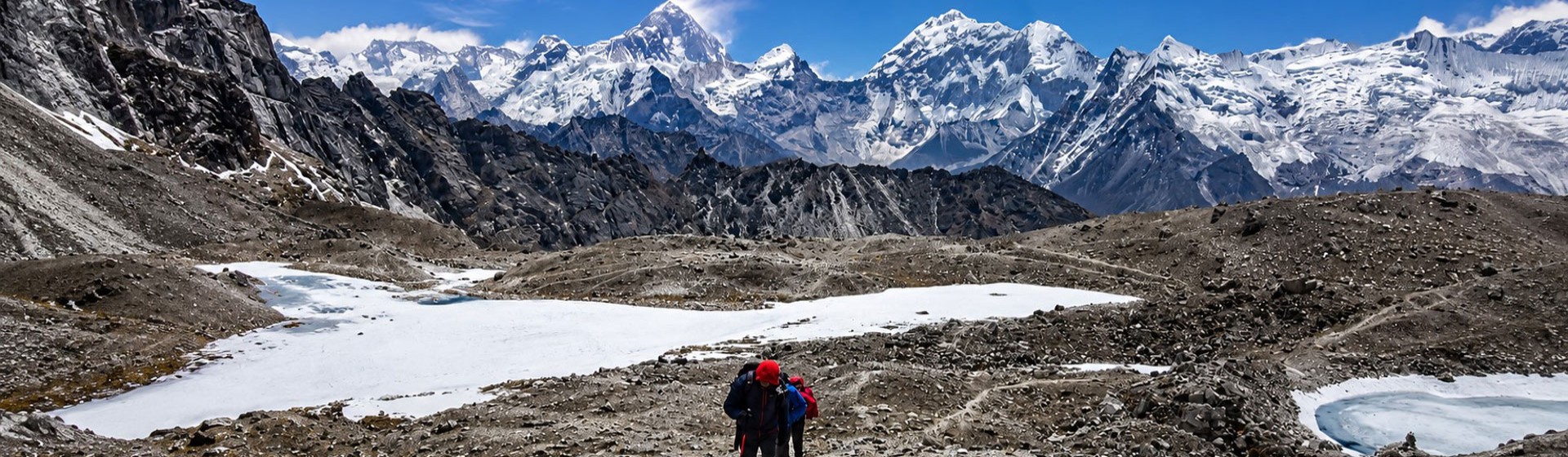
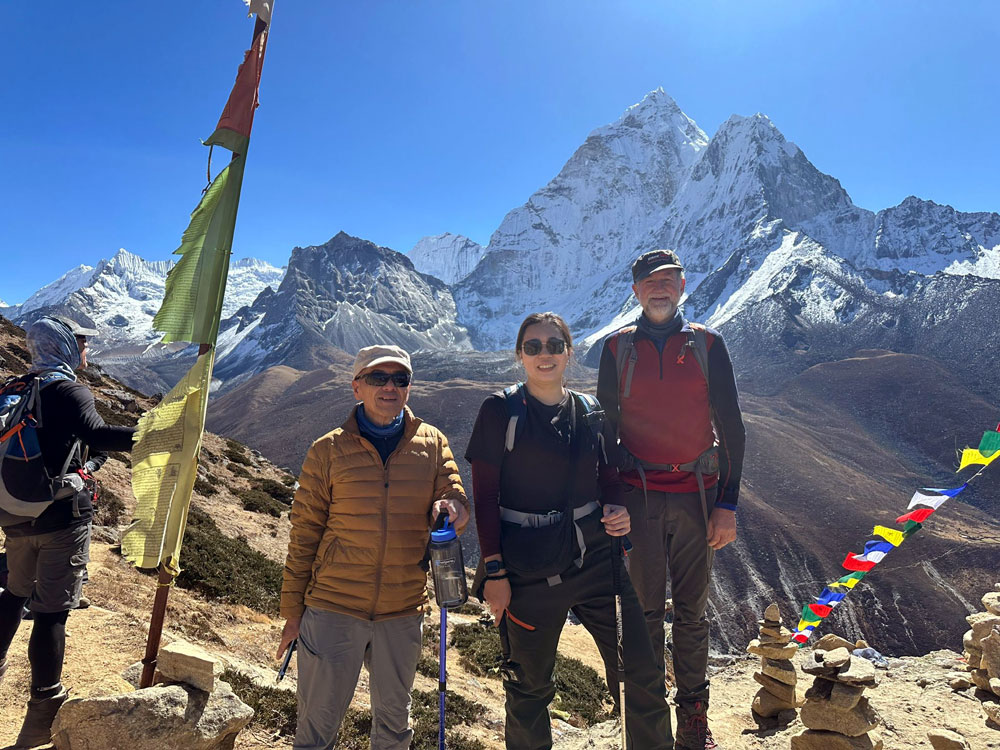
What Does a Budget Everest Base Camp Trek Actually Mean?
A budget Everest Base Camp trek does not mean taking a different or shortened route simply to reduce the price. On our standard 12-day budget itinerary, you follow the classic trail through Namche Bazaar, Tengboche, Dingboche, Lobuche and Gorakshep, reach Everest Base Camp, and hike to Kala Patthar while keeping the important acclimatization stops built into the itinerary.
The main savings come from how the trek is organized rather than from removing essential trekking days. Budget travelers generally stay in standard tea houses, eat regular lodge meals, carry only necessary equipment, share porter services when required, and avoid upgrades such as premium rooms, private transport or helicopter returns.
Accommodation is one area where paying more does not always create a dramatically different experience. In Namche Bazaar and some lower villages, trekkers can choose from a wider range of rooms and upgraded lodges. Higher on the route, particularly around Lobuche and Gorakshep, accommodation becomes simpler for almost everyone because facilities are limited by altitude and location.
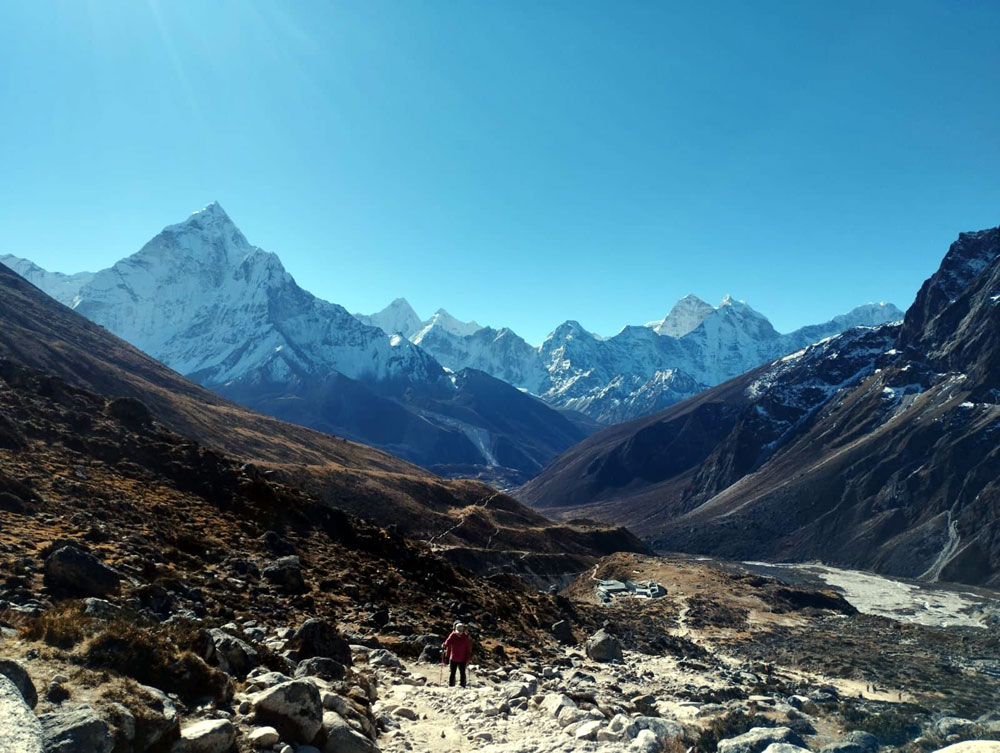
The same principle applies to equipment. Most trekkers do not need to purchase an entirely new set of expensive trekking gear for Everest Base Camp. Items such as sleeping bags and down jackets can be rented in Kathmandu, while well-fitting trekking boots are better brought from home and broken in before the trek.
Where we would not try to save money is on the parts of the journey that directly affect how the trek is managed. Acclimatization time, suitable cold-weather equipment, appropriate travel insurance and reliable trekking support should not be sacrificed simply to reduce the advertised package price.
For us, a well-planned budget EBC trek means keeping the complete trekking experience while removing expenses that add comfort or convenience rather than necessity. The goal is not to make Everest Base Camp as cheap as possible, but to spend deliberately on the parts of the journey that actually matter.
How Much Should You Budget Beyond the EBC Trek Package Price?
The advertised trek price is not necessarily the full amount you will spend on the trail. For our 12-day budget Everest Base Camp trek, the package typically costs around USD 1,150–1,450 per person, but trekkers should also allow for meals not included in the package, drinks and snacks, charging, Wi-Fi, hot showers, tips and other personal expenses.
For our budget arrangement, breakfast is included while lunch and dinner are paid directly by the trekker. Based on what we normally advise our guests to prepare, lunch and dinner are the largest additional trail expense, and we recommend allowing approximately USD 250–400 for the 12-day trek, depending on what and how much you order.
| Additional Expense | Estimated Budget |
|---|
| Lunch and dinner | USD 250-400 |
| Drinks and snacks | USD 50-150 |
| Charging devices | USD 10-30 |
| Wi-Fi/internet | USD 10-40 |
| Hot showers | USD 20-50 |
| Tips | Variable |
| Personal purchases | Variable |
Using these estimates, the common trail expenses listed above add approximately USD 340-670 per person. Combined with a USD 1,150-1,450 trek package, this puts package cost plus common trail spending at roughly USD 1,450-2,070 per person.
This is not the complete cost of traveling to Everest Base Camp. Travel insurance, tips, trekking gear purchases or rentals, international flights, Nepal visa fees, Kathmandu expenses and money kept aside for unexpected delays or itinerary changes should be budgeted separately.
How much you actually spend on the trail also depends heavily on your habits. A trekker who mainly eats regular tea-house meals and limits extra drinks, bakery stops, Wi-Fi and hot showers can stay closer to the lower end. Someone who regularly buys coffee, snacks, bottled drinks, internet access and other conveniences should plan closer to the upper end.
This is why we recommend comparing Everest Base Camp packages by both their advertised price and what they actually include. A cheaper package is not necessarily the lower-cost option once excluded meals and services are added.
For planning purposes, arrive with enough flexibility in your budget rather than calculating expenses down to the final dollar. Prices generally become higher as supplies are transported farther up the Khumbu, and having a reasonable cash reserve is particularly useful once you reach the higher settlements.
Lukla Flight Costs on a Budget Everest Base Camp Trek
Flights to and from Lukla are one of the largest fixed transportation costs on a budget Everest Base Camp trek. Unlike optional expenses such as Wi-Fi, hot showers or room upgrades, there is limited room to reduce this cost unless you choose a considerably longer overland approach through the lower Everest region.
For our 12-day budget Everest Base Camp trek, the scheduled Lukla flights and airport transfers connected with those flights are included in the package price. This is worth checking carefully when comparing budget packages because a lower advertised price may not include the same flight and transfer arrangements.
The departure airport can change according to the trekking season and flight operations. At quieter times, flights may operate directly between Kathmandu and Lukla, while during busy trekking periods many flights operate between Ramechhap (Manthali) and Lukla. When Ramechhap is used, trekkers also need an overland transfer between Kathmandu and Manthali, which adds several hours of road travel to the journey.
For budget planning, it is therefore better to look at the complete Lukla transportation arrangement rather than the airfare alone. Check whether your trek price includes the flight in both directions, airport transfers, and the Kathmandu–Ramechhap road transfer when Ramechhap operations are required.
Weather is another cost factor that is easy to overlook. Lukla flights depend on suitable flying conditions, and delays or cancellations can occasionally affect the planned itinerary. If a disruption requires additional accommodation, meals, transportation or changes to onward travel, those expenses may fall outside the original trekking package.
From our experience, trekkers with very tight international flight schedules tend to feel the impact of a Lukla delay much more than those who have allowed some flexibility. We recommend keeping one or two contingency days after the trek before an important international departure whenever the overall travel schedule allows.
For a budget EBC trek, Lukla transportation is therefore an expense to understand and plan for rather than simply an area to make cheaper. Knowing what your package includes, where your flight is expected to depart from, and what happens if weather disrupts the schedule is more useful than comparing trek prices without checking the transport details.
Guide and Porter Costs for a Budget Everest Base Camp Trek
Guide and porter services are an important part of the Everest Base Camp trek cost, but they serve different purposes. A guide manages the trek and daily logistics, while a porter carries your main trekking bag so you can walk with a lighter daypack.
For our treks, a licensed trekking guide costs approximately USD 35 per day, while an optional porter costs around USD 25 per day. These rates can vary according to the itinerary, group size and service arrangement, so we confirm the applicable cost when preparing the trek.
| Trekking Support | Typical Rate | Main Role |
|---|
| Licensed trekking guide | USD 35/day | Leads the trek, manages logistics and provides support throughout the route |
| Porter | USD 25/day | Carries the main trekking luggage |
| Shared porter for 2 trekkers | About USD 12.50/day each | Splits the porter cost between two travelers |
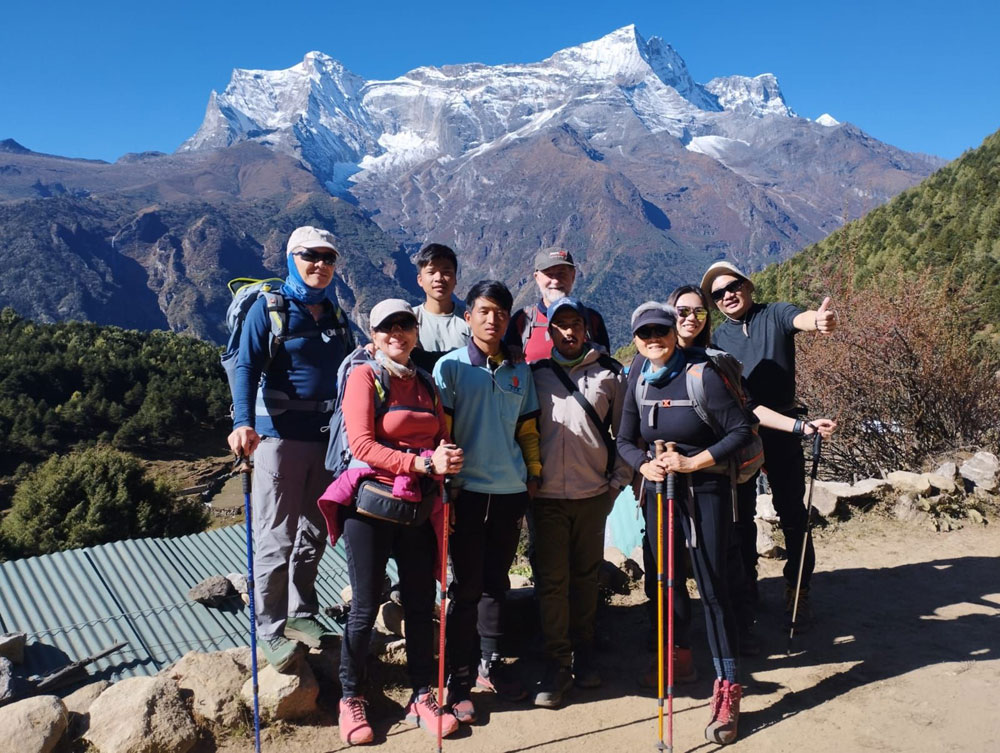
A guide does considerably more than show the way. On the Everest Base Camp route, our guides help manage the daily walking pace, accommodation, changing weather or flight situations and practical decisions as the trek moves higher through Namche Bazaar, Dingboche, Lobuche and Gorakshep.
Porter service is optional. Trekkers who prefer to carry their own equipment can do so, while those who want to walk with only a daypack can add porter support. For two people traveling together, sharing one porter is usually the most economical arrangement.
Our normal porter arrangement is one porter for two trekkers, with the load kept within the agreed carrying limit. This allows each trekker to keep water, extra layers, valuables, medication and other essentials in a daypack while the porter carries the main trekking luggage.
For budget travelers, sharing a porter can therefore reduce the individual cost without removing the practical benefit of luggage support. It becomes particularly useful on the longer climbing days and as the route reaches the higher elevations beyond Dingboche.
We would not recommend choosing trekking staff purely on the lowest daily rate. When comparing guide or porter prices, check what the rate covers, the experience of the guide, the porter load arrangement and whether staff insurance and necessary support are properly provided.
If guide service is already included in your Everest Base Camp package, do not add the daily guide rate again when calculating your personal trail budget. The figures above are most useful for travelers comparing packages or considering additional porter support.
Accommodation Costs on an Everest Base Camp Budget Trek
Accommodation on the Everest Base Camp Trek is mainly in locally operated tea houses along the route. For our 12-day budget trek, standard tea-house accommodation is included in the package price, so guests do not need to budget separately for their regular overnight rooms on the trail.
A standard tea-house room is usually simple, with two single beds, mattresses, pillows and blankets. Bathrooms are commonly shared, particularly as the trek reaches higher elevations. The dining room is normally the warmest and most social part of the lodge, while bedrooms themselves are generally not heated.
The level of accommodation changes noticeably along the route. Lukla, Phakding and especially Namche Bazaar offer a wider choice of lodges, including upgraded rooms and, in some properties, attached bathrooms. As the trek continues toward Tengboche, Dingboche, Lobuche and Gorakshep, choices become more limited and facilities generally become simpler.
This is particularly relevant for budget travelers because paying for upgraded accommodation in the lower villages does not mean the same level of comfort will be available throughout the trek. Lobuche and Gorakshep have fewer accommodation choices, and during busy trekking periods room availability can matter more than choosing between different room standards.
On our budget trek, we therefore focus on clean, practical tea-house accommodation rather than premium room upgrades. The aim is to provide an appropriate place to sleep and recover each night without adding unnecessary accommodation costs to the package.
Hot showers, Wi-Fi and device charging are generally separate personal expenses rather than part of the room itself. Their availability and cost change along the route, particularly as supplies and services become more difficult to provide at higher elevations.
For a budget Everest Base Camp trek, accommodation is therefore one of the areas where costs can remain controlled without changing the route or reducing acclimatization time. Standard tea houses provide what trekkers need for the classic EBC journey without requiring luxury-lodge upgrades.
Food and Drink Costs on the Everest Base Camp Trek
Food is usually the largest daily out-of-pocket expense on our budget Everest Base Camp trek. Breakfast is included in our 12-day package, while lunch and dinner are paid directly by the trekker, allowing guests to choose what they want to eat rather than building every meal into the package price.
For planning purposes, we recommend allowing approximately USD 250–400 for lunch and dinner over the 12-day trek. The exact amount depends on your appetite, what you order, and how often you choose additional dishes or more expensive menu items.
Food prices gradually increase as you move higher through the Khumbu. Supplies have to be transported farther into the mountains, so meals in Lobuche and Gorak Shep generally cost more than in Lukla, Phakding or Namche Bazaar. Current 2026 trail-price guides show the same clear increase with altitude.
Despite the remote location, tea-house menus offer a reasonable selection of familiar trekking meals. Common choices include dal bhat, fried rice, noodles, soups, potatoes, pasta, eggs, porridge and pancakes. The selection becomes somewhat more limited higher on the route, but there are still enough choices for most trekkers throughout the journey.
Drinks and snacks are where small purchases can quietly increase the budget. Coffee in Namche, bakery stops, soft drinks and chocolate may not seem expensive individually, but repeated over 12 days they add up. In addition to lunch and dinner, we suggest allowing approximately USD 50–150 for drinks and snacks, depending on your habits.
Drinking water should also be planned separately. Rather than depending entirely on bottled water, budget-conscious trekkers can carry reusable bottles and a suitable water-treatment method. This reduces both trail spending and unnecessary disposable plastic.
From our experience, it is better to set a realistic food budget before leaving Kathmandu than to become overly restrictive once you reach the higher villages. Eating adequately and staying hydrated are not areas where we recommend trying to save every possible dollar, particularly as the trek climbs above Dingboche toward Lobuche and Gorak Shep.
10 Practical Ways to Reduce the Cost of an Everest Base Camp Trek
Reducing the cost of an Everest Base Camp trek does not require cutting important trekking days or compromising the way the journey is managed. In our experience, the most sensible savings come from accommodation choices, shared services, equipment decisions and controlling the small expenses that accumulate during nearly two weeks on the trail.
1. Travel Just Outside the Busiest Trekking Weeks
April–May and October–November are the main Everest trekking periods, but travelers with flexible dates can consider departures just outside the busiest weeks. Lodge availability may be easier and some trip arrangements can offer greater flexibility.
We would not choose a departure date based on price alone. Weather, trail conditions and Lukla flight operations matter more than a small seasonal saving.
2. Rent Selected Trekking Gear in Kathmandu
You do not need to buy every piece of equipment for a single Everest Base Camp trek. Sleeping bags, down jackets and trekking poles can be rented in Kathmandu, which can make sense if you are unlikely to use them regularly after Nepal.
Bring equipment where personal fit matters most, particularly broken-in trekking boots, trekking socks and base layers. Everest Base Camp is not a good place to discover that a new pair of boots causes blisters.
3. Share a Porter Between Two Trekkers
If you want luggage support without paying for a dedicated porter, two trekkers can share one porter while keeping the combined luggage within the agreed carrying limit.
Each trekker still carries a daypack containing water, warm layers, valuables, medication and anything needed during the walking day. For couples, friends and small groups, porter sharing is one of the simplest ways to reduce the individual support cost.
4. Use Reusable Bottles and Treat Your Water
Buying bottled water repeatedly becomes increasingly expensive as you move higher into the Khumbu. Carrying reusable bottles and a suitable water-treatment method can reduce both trail spending and unnecessary plastic waste.
Do not reduce your water intake to save money. Staying properly hydrated is considerably more important than minimizing this expense.
5. Control the Small Daily Purchases
Coffee, soft drinks, chocolate, bakery stops and other extras can quietly become a noticeable expense when repeated over 12 days.
You do not need to avoid them completely. Instead, decide which extras are actually worth paying for rather than making several small purchases at every overnight stop.
6. Choose Standard Tea Houses Instead of Room Upgrades
For a budget trek, standard tea-house accommodation is generally sufficient. Upgraded rooms are available in places such as Lukla, Phakding and Namche Bazaar, but accommodation choices become progressively more limited higher on the route.
If your priority is reaching Everest Base Camp on a sensible budget, premium rooms are therefore one of the easier expenses to leave out.
7. Check Your Equipment Before Leaving Kathmandu
Forgotten gloves, batteries, toiletries or trekking equipment become more inconvenient to replace once you are on the trail.
Use your packing list before departure and buy or rent anything genuinely missing while you are still in Kathmandu. At the same time, avoid buying specialized equipment simply because it appears on an overly complicated trekking checklist.
8. Compare Package Inclusions, Not Just the Advertised Price
A cheaper advertised Everest Base Camp package is not automatically the cheaper trek.
Before booking, check whether the price includes Lukla flights and transfers, trekking permits, guide service, tea-house accommodation and meals, and whether porter service is included or optional. A slightly higher package price can represent better value if it already covers expenses that another company expects you to pay separately.
9. Keep Emergency Money Separate From Your Daily Spending
Do not arrive on the trail carrying only the exact amount you expect to spend on meals and personal expenses.
Keep a separate cash reserve for unexpected situations, such as an additional night, transportation change, flight disruption or unplanned personal expense. Treat that money as contingency funds rather than part of your normal budget for coffee, snacks and other extras.
10. Do Not Shorten Acclimatization Just to Save Money
Removing a trekking day may reduce accommodation and meal expenses, but acclimatization days should not be treated as optional budget items.
Our 12-day itinerary keeps acclimatization stops at Namche Bazaar and Dingboche before continuing toward Lobuche, Gorak Shep and Everest Base Camp. If you need to reduce the overall cost, look first at room upgrades, equipment purchases and optional daily spending rather than removing days intended to help your body adjust to increasing altitude.
If you enjoy trekking with others while sharing costs, our Everest Base Camp Group Join Trek may be a good option.
Sample 12-Day Budget Everest Base Camp Trek Itinerary
A budget Everest Base Camp itinerary should keep costs practical without removing the days needed for gradual acclimatization. Our 12-day route follows the classic trail to Everest Base Camp and Kala Patthar, with acclimatization days in both Namche Bazaar and Dingboche.
| Day | Route |
|---|
| Day 1 | Fly to Lukla and trek to Phakding |
| Day 2 | Trek to Namche Bazaar |
| Day 3 | Acclimatization day in Namche Bazaar |
| Day 4 | Trek to Tengboche |
| Day 5 | Trek to Dingboche |
| Day 6 | Acclimatization day in Dingboche |
| Day 7 | Trek to Lobuche |
| Day 8 | Trek to Gorak Shep and Everest Base Camp |
| Day 9 | Sunrise at Kala Patthar and trek to Pheriche |
| Day 10 | Trek to Namche Bazaar |
| Day 11 | Trek to Lukla |
| Day 12 | Fly to Kathmandu |
Why This 12-Day Itinerary Works for Budget Trekkers
The value of this itinerary is not simply that it completes the trek in 12 days. It keeps two acclimatization days at Namche Bazaar and Dingboche while keeping the overall itinerary compact for trekkers who are comfortable with the standard 12-day schedule.
This matters because shortening an Everest Base Camp itinerary purely to reduce accommodation and meal costs can result in a faster altitude progression. On this route, trekkers sleep at Namche before continuing toward Tengboche and Dingboche, spend another acclimatization day at Dingboche, and only then move higher toward Lobuche and Gorak Shep.
The itinerary also combines Everest Base Camp with the arrival at Gorak Shep on Day 8, followed by the Kala Patthar hike and descent toward Pheriche on Day 9. This keeps both of the classic high-altitude objectives within the 12-day trekking schedule.
For our budget departures, we prefer to control costs through standard tea-house accommodation, optional porter arrangements and sensible personal spending rather than removing acclimatization days. A shorter itinerary may have a lower advertised price, but price alone does not determine whether it is a sensible choice for an individual trekker.
For detailed elevations, daily walking times, distances, accommodation and a full description of each trekking day, see our Everest Base Camp Trek itinerary.
Where Should You Not Cut Costs on an Everest Base Camp Trek?
A budget Everest Base Camp trek should remove unnecessary expenses, not the parts of the journey that help you manage altitude, weather and unexpected changes. We would prioritize acclimatization, appropriate insurance, reliable trekking support, suitable equipment and contingency money before spending on room upgrades or other optional comforts.
Acclimatization Days
Do not remove acclimatization days simply to make an Everest Base Camp trek cheaper or shorter. Our 12-day itinerary includes acclimatization stops in Namche Bazaar and Dingboche before continuing toward Lobuche and Gorak Shep.
These days are part of the structure of the itinerary, not spare days added to increase the trip length. If budget is the concern, we would reduce optional comforts before removing planned acclimatization time.
Travel Insurance
Travel insurance is not an expense we recommend removing from an EBC budget. Trekking reaches more than 5,000 meters, and unexpected illness, injury, weather disruption or evacuation can become considerably more expensive than the insurance itself.
Before traveling, check that your policy covers high-altitude trekking to the maximum elevation of your itinerary and emergency helicopter evacuation in Nepal. Do not assume a standard travel policy automatically includes these activities.
Experienced Trekking Support
Choosing trekking support purely by the lowest daily rate can be a false economy. A guide's value becomes more apparent when the itinerary changes, a trekker is struggling, weather affects the route, accommodation needs to be reorganized or Lukla flights are disrupted.
For our trips, we place more importance on reliable field experience and practical decision-making than finding the lowest possible guide rate.
Suitable Cold-Weather Equipment
You do not need the most expensive trekking equipment on the market, but essential cold-weather gear should be appropriate for the conditions you may encounter.
A good sleeping bag and down jacket can be rented in Kathmandu if buying them is unnecessary. Boots are different: we recommend bringing well-fitting trekking footwear that you have already used before arriving in Nepal.
Emergency and Contingency Money
Do not calculate your trail budget so tightly that an unexpected change leaves you without enough cash. Lukla flight delays, an additional night, transportation changes or personal expenses can create costs that were not part of the original plan.
Keep contingency money separate from your normal allowance for meals, drinks and other daily spending. If it remains unused at the end of the trek, that is a better outcome than needing it and not having it.
The Budget Priority
If you need to reduce the overall cost, start with premium accommodation, unnecessary equipment purchases, optional porter service if you are comfortable carrying your own load, and non-essential daily spending.
We would not start by removing acclimatization days, inadequate insurance coverage, essential equipment or reliable trekking support. A good budget EBC trek controls optional spending while protecting the parts of the journey that are difficult to replace once you are already high in the Khumbu.
Who Is a Budget Everest Base Camp Trek Best For?
A budget Everest Base Camp trek is best for travelers who want to complete the classic EBC route while keeping accommodation, equipment and personal spending relatively simple. It suits trekkers who value the trail, acclimatization and mountain experience more than premium rooms or additional luxury services.
It can be particularly suitable for:
- Solo travelers who want an organized Everest Base Camp trek while keeping accommodation and optional services simple.
- Students and gap-year travelers who have enough time for the standard itinerary but need to manage their overall Nepal travel budget carefully.
- Couples and friends who can share porter services and other group-based costs while keeping individual expenses lower.
- Experienced hikers who already own suitable trekking equipment and are comfortable staying in basic mountain tea houses.
- Long-term travelers who want Everest Base Camp to fit within a larger Nepal or Asia journey without allocating most of their travel budget to premium trekking services.
A budget trek is less suitable for travelers expecting private bathrooms every night, premium accommodation throughout the route, extensive room heating, private transportation or luxury services at higher elevations. Facilities naturally become simpler as the trail reaches Lobuche and Gorak Shep, regardless of how much you are prepared to spend.
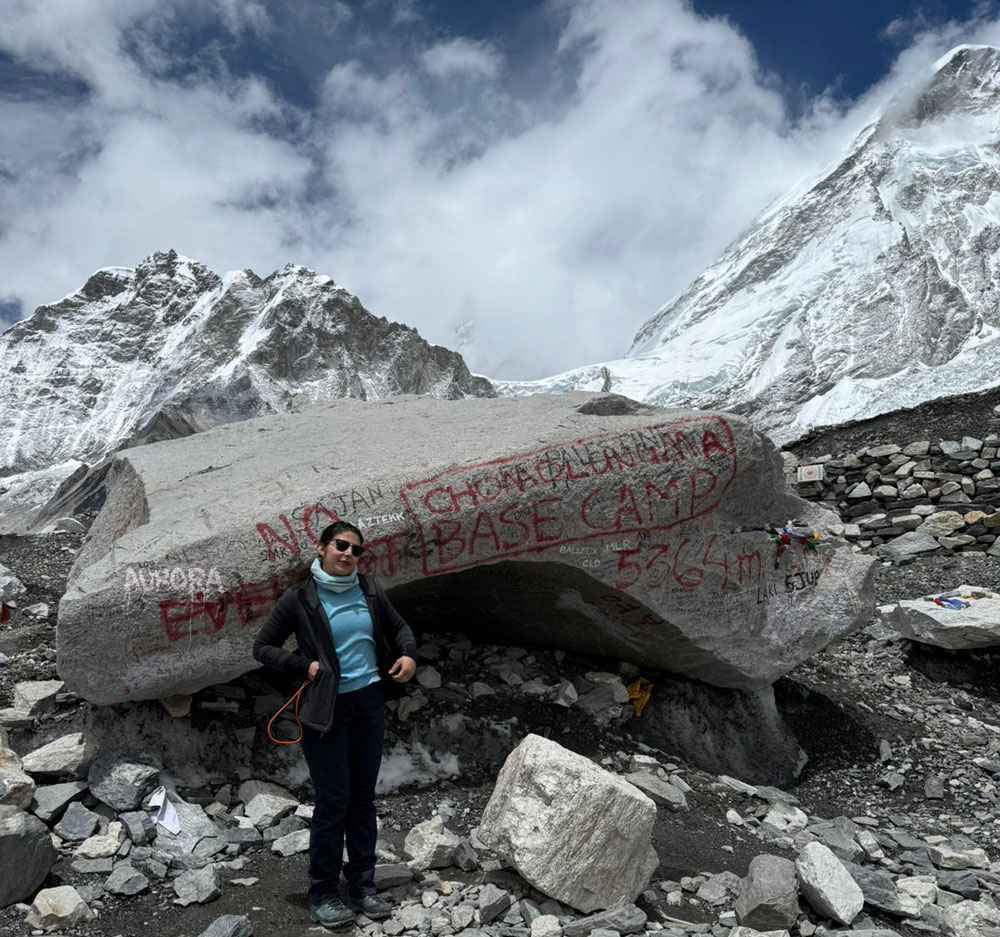
Budget trekking also does not mean that every optional service should be removed. Porter service remains optional, and some trekkers find that paying for luggage support is worthwhile even when carefully controlling other expenses. The right budget therefore depends partly on your fitness, comfort expectations and how much weight you want to carry yourself.
The simplest way to decide is to consider what matters most to you. If your priority is following the classic route, keeping proper acclimatization days, reaching Everest Base Camp and Kala Patthar, and experiencing the Khumbu without paying for unnecessary upgrades, a budget approach can make sense. If premium accommodation and additional private services are important parts of the experience you want, a standard or luxury arrangement is likely to be a better fit.
What Budget Trekkers Tell Us After the Everest Base Camp Trek
After guiding trekkers with very different budgets, one pattern we regularly notice is that the amount spent on optional comforts rarely defines how people describe the trek afterward.
Guests usually talk about particular moments on the trail: their first clear mountain views above Namche Bazaar, walking toward Tengboche with Ama Dablam ahead, the colder and more exposed landscape beyond Dingboche, reaching Everest Base Camp, or getting up early for Kala Patthar. Those trail experiences do not depend on choosing premium accommodation or additional luxury services.
The expenses trekkers are more likely to question afterward are the ones that added little to their journey. Some realize they brought equipment they never used, bought more snacks and drinks than expected, or paid for lower-altitude upgrades that mattered less to them once the trek was underway.
We also see the opposite. A porter that seemed optional in Kathmandu can feel much more valuable after several consecutive trekking days, while proper cold-weather equipment becomes considerably more important once the route reaches Lobuche and Gorak Shep. These are good examples of why the lowest possible budget is not always the most practical one.
For us, that is the main lesson from organizing budget EBC trips: spend according to what will affect the trek, not simply according to what makes the package look cheaper or more expensive. Standard tea houses, shared services and controlled personal spending can keep costs manageable, while acclimatization, appropriate equipment and reliable support deserve priority.
Budget Everest Base Camp Trek FAQs
1. How much should I budget for a 12-day Everest Base Camp trek?
For a locally organized 12-day budget Everest Base Camp trek, around USD 1,150–1,450 per person is a realistic package range based on the arrangement described in this guide. However, this is not your complete trip budget. Meals not included in the package, drinks, charging, Wi-Fi, hot showers, tips, travel insurance, equipment and personal expenses should be budgeted separately.
2. How much cash should I carry on the Everest Base Camp Trek?
For a package where accommodation, breakfast, permits, guide service and scheduled Lukla transportation are already covered, cash is mainly needed for lunch and dinner, drinks, snacks, charging, Wi-Fi, hot showers, tips and personal purchases. Carry Nepalese rupees and keep a separate contingency reserve rather than calculating your cash requirement down to the exact amount you expect to spend.
3. Are there ATMs on the Everest Base Camp route?
ATMs are available in Namche Bazaar, but we do not recommend relying on them as your only source of money during the trek. Machines can occasionally be unavailable, withdrawal limits may apply, and dependable ATM access becomes much more limited once you continue into the higher part of the route. Organize most of the cash you expect to need before leaving Kathmandu.
4. Is it cheaper to book an Everest Base Camp trek after arriving in Nepal?
Not necessarily. Booking after arrival may allow you to compare local operators directly, but the final cost still depends on Lukla flights and transfers, permits, guide arrangements, accommodation and what the package actually includes. A last-minute offer with a lower advertised price is not automatically better value if important services are excluded.
5. Can I rent trekking equipment in Kathmandu to save money?
Yes. Renting selected equipment can be economical if Everest Base Camp is a one-time trek. Sleeping bags, down jackets and trekking poles are commonly available for rent in Kathmandu. We recommend bringing personal equipment where fit and familiarity matter most, particularly well-fitting trekking boots that you have already used before the trek.
6. Is a porter necessary for a budget Everest Base Camp trek?
No. Porter service is optional for trekkers who are comfortable carrying their own trekking load. For those who prefer to walk with a lighter daypack, sharing one porter between two trekkers can reduce the individual cost while still providing luggage support.
7. Does a budget Everest Base Camp trek use a cheaper or different route?
No. Our budget trek follows the classic Everest Base Camp route through Namche Bazaar, Tengboche, Dingboche, Lobuche and Gorak Shep to Everest Base Camp, with Kala Patthar also included. The savings come primarily from standard accommodation, shared or optional services and controlled personal spending rather than using a different trail or removing the main trekking objectives.
8. Can beginners do a budget Everest Base Camp trek?
Yes, provided they prepare appropriately, but budget and difficulty are separate issues. Choosing standard tea houses instead of premium accommodation does not make the trekking easier. First-time trekkers still need reasonable physical preparation, sufficient acclimatization time, appropriate equipment and realistic expectations about walking for several consecutive days at altitude.
9. Is food more expensive higher on the Everest Base Camp trail?
Generally, yes. Food and drinks tend to become more expensive as you move farther into the Khumbu because supplies must be transported to increasingly remote settlements. Meals and drinks in Lobuche and Gorak Shep therefore generally cost more than in Lukla, Phakding or Namche Bazaar.
10. What is the biggest mistake when planning a cheap Everest Base Camp trek?
One of the biggest mistakes is focusing only on the advertised package price without checking what is included, excluded or changed to achieve it. A lower price may exclude meals, porter service, transfers or other expenses, while an unusually short itinerary may reduce acclimatization time. Compare the itinerary, inclusions, exclusions and likely additional spending before deciding which option actually offers better value.