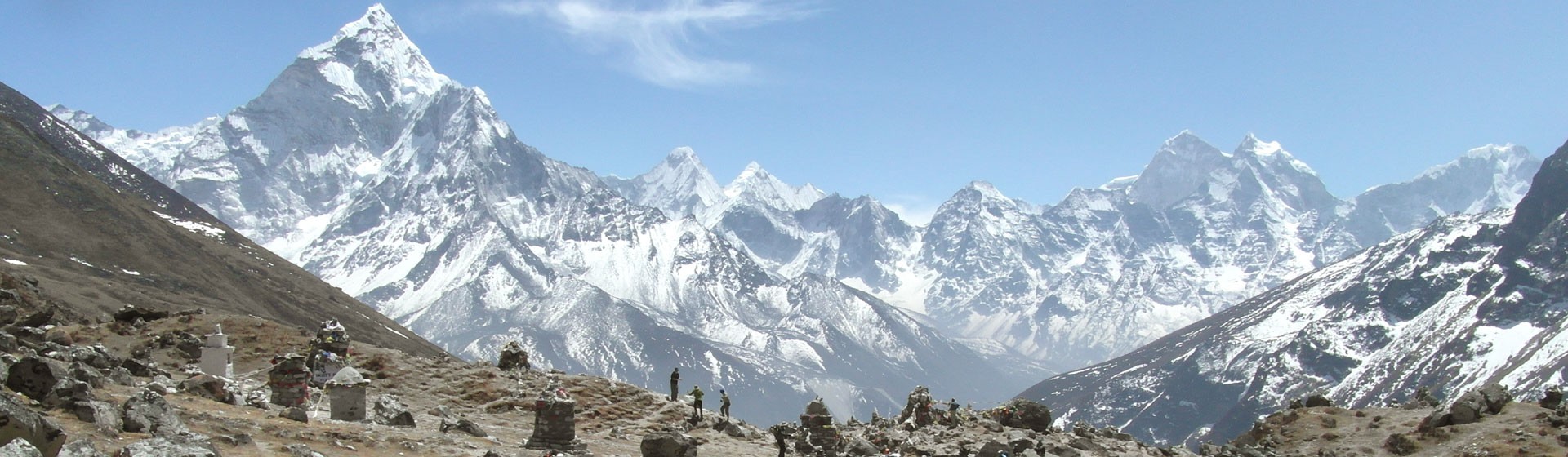
What Experience Do You Actually Need for the Everest Base Camp (EBC) Trek?
One of the biggest misconceptions about the Everest Base Camp Trek is that it requires extensive trekking experience or a background in mountaineering.
Many first-time visitors to Nepal imagine that reaching Everest Base Camp involves technical climbing, dangerous mountain terrain, or skills that can only be gained through years of hiking. This assumption is understandable. When people see photographs of Everest, glaciers, and snow-covered peaks, it is easy to associate the trek with the challenges faced by mountaineering expeditions.
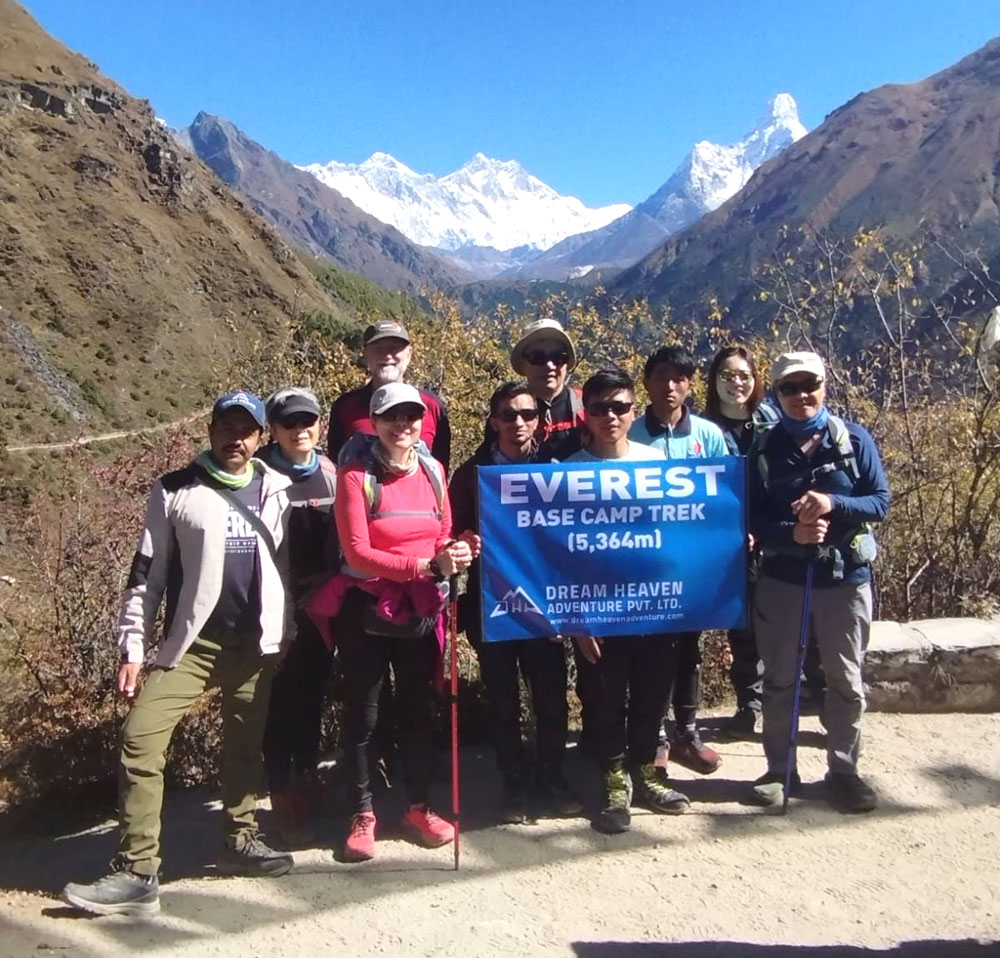
The reality on the trail is quite different.
The standard Everest Base Camp route follows established walking paths that connect Sherpa villages throughout the Khumbu region. From the moment trekkers leave Lukla, the journey unfolds along well-used trails that pass through places such as Phakding, Namche Bazaar, Tengboche, Dingboche, and Lobuche before eventually reaching Everest Base Camp. There are no technical climbing sections, no ropes to manage, and no mountaineering skills required along the normal trekking route.
Over the years, we have guided people from a wide range of backgrounds to Everest Base Camp. Some arrive with years of hiking experience behind them, while others have never completed a multi-day trek before setting foot in Nepal. What often surprises first-time trekkers is how quickly the conversation changes once they are actually on the trail.
Before arriving, many worry about whether they have enough trekking experience. A few days later, most are focused on completely different things. They begin paying attention to their walking pace, how their body responds to the altitude, whether they are drinking enough water, and how they feel as the route climbs higher into the mountains. Experience becomes less important than preparation and decision-making.
In our experience, people who maintain a reasonable level of fitness and approach the trek with patience often perform far better than they expect. We have seen first-time trekkers walk steadily through the Khumbu Valley, acclimatize well in Namche Bazaar and Dingboche, and reach Everest Base Camp with confidence. At the same time, we have also seen experienced hikers struggle because they underestimated the effects of altitude or tried to push too hard too early in the trek.
This is one of the reasons why altitude deserves far more respect than the terrain itself. The trails are generally straightforward to follow, but walking day after day above 3,000 meters and eventually above 5,000 meters places different demands on the body than most people experience at home.
For that reason, the type of experience that helps most is not necessarily trekking experience. A willingness to prepare beforehand, maintain a steady pace, listen to acclimatization advice, and remain flexible as conditions change in the mountains is often far more valuable once the trek begins.
If you are reasonably active, comfortable walking for several hours a day, and willing to approach the journey with realistic expectations, a lack of previous trekking experience should not automatically prevent you from considering the Everest Base Camp Trek.
What Makes Everest Base Camp Difficult for Beginners?
One thing we have noticed over the years is that many first-time trekkers arrive in Nepal expecting the Everest Base Camp Trek to be difficult for reasons that never become major issues on the trail.
People often worry about steep mountain paths, dangerous terrain, or a lack of trekking experience. While the route certainly requires effort, these are usually not the factors that determine how comfortable or challenging the journey feels.
By the time trekkers return to Lukla, most describe the experience differently. The conversations tend to focus on altitude, the cumulative effect of walking for nearly two weeks, the slower pace required at higher elevations, and the increasingly remote environment as the trail climbs deeper into the Khumbu region.
These are the challenges that most beginners encounter along the way.
Altitude Changes the Experience More Than the Terrain
For the majority of trekkers, altitude is the single most important factor that influences the Everest Base Camp Trek experience.
The route begins in Lukla at 2,860 meters and gradually climbs through Namche Bazaar, Tengboche, Dingboche, Lobuche, and Gorakshep before reaching Everest Base Camp at 5,364 meters. Many trekkers also continue to Kala Patthar at 5,545 meters, which is the highest point reached on most itineraries.
What makes altitude unique is that it affects people differently. Strong fitness can certainly help with the physical demands of trekking, but it does not prevent the body from feeling the effects of thinner air. Some trekkers notice the change soon after arriving in Namche Bazaar, while others only begin to feel it higher on the route.
This is why experienced Everest guides place so much importance on acclimatization. The extra days spent in places such as Namche Bazaar and Dingboche are not simply rest days. They are an essential part of allowing the body to gradually adapt before moving higher into the mountains.
Trekkers planning their first journey often find our guide to Everest Base Camp Trek Difficulty helpful when preparing for the challenges of altitude and acclimatization.
In our experience, trekkers who respect the altitude and maintain a steady pace usually enjoy the journey far more than those who focus on moving quickly from one destination to the next.
The Challenge Builds Gradually Over Consecutive Days
Many people are capable of completing a long day hike at home. The difference on the Everest Base Camp Trek is that the walking continues day after day.
Most itineraries involve nearly two weeks of trekking, with very few opportunities for complete physical recovery. While some days are relatively short, others require several hours on the trail as the route moves steadily higher into the Khumbu Valley.
What surprises many beginners is that no single day necessarily feels overwhelming. Instead, the challenge develops gradually. Small amounts of fatigue accumulate over time, particularly as altitude increases and recovery becomes slower.
By the time trekkers reach villages such as Lobuche or Gorakshep, they are often feeling the combined effect of many consecutive days of walking rather than the difficulty of one specific stage.
Trekking Hours Feel Different at High Elevation
A common misconception is that the Everest Base Camp Trek involves extremely long daily distances.
In reality, most trekking days involve approximately five to eight hours of walking, which is manageable for many reasonably active people. What changes the experience is the altitude at which those hours take place.
Above Namche Bazaar, the body naturally begins to work harder. Even moderate uphill sections can feel more demanding than expected, and many trekkers find themselves walking at a pace that would feel unusually slow at lower elevations.
This slower rhythm is completely normal.
One of the most valuable lessons trekkers learn in the Everest region is that speed becomes far less important than consistency. The people who move comfortably, take regular breaks, and allow their bodies time to adjust often finish each day feeling stronger than those who try to push ahead.
Conditions Become Simpler Above Dingboche
Another adjustment for many first-time trekkers is the gradual change in comfort as the trail gains altitude.
Lower villages such as Lukla, Phakding, and Namche Bazaar offer relatively comfortable tea houses and a wider range of facilities. As the route continues beyond Dingboche, however, the environment becomes increasingly remote and services naturally become more limited.
Rooms are simple, temperatures drop significantly during the night, and mornings are often cold even during the main trekking seasons. Water can freeze, washing facilities become more basic, and everyday comforts that people rarely think about at home become less available.
For many trekkers, however, this change becomes one of the most memorable parts of the journey. The higher villages feel more connected to the surrounding mountains, and daily life begins to revolve around the rhythm of the trail rather than modern conveniences.
By the time trekkers reach Everest Base Camp, most discover that the greatest challenge was never technical terrain or a lack of trekking experience. More often, it was learning how to adapt to altitude, maintain energy over consecutive days, and embrace the realities of life in one of the world's highest trekking regions.
Who Usually Does Well on the Everest Base Camp Trek?
After guiding trekkers through the Everest region for many years, we have learned that success on the trail rarely looks the way people expect before arriving in Nepal.
Many first-time trekkers assume that those with extensive hiking backgrounds will automatically have the easiest journey to Everest Base Camp. While previous trekking experience can certainly be helpful, it is often not the deciding factor once the trek begins.
In fact, some of the strongest performances we have seen have come from people who had never completed a major trek before visiting the Himalayas.
The individuals who usually adapt well to the Everest Base Camp Trek tend to share a few characteristics. They arrive with a reasonable level of fitness, understand that the journey is not a race, and are comfortable maintaining a steady effort over multiple days rather than relying on short bursts of energy.
Regular walkers often fall into this category. People who are accustomed to spending several hours on their feet each week usually adjust more naturally to the daily routine of the trail. The ability to keep moving comfortably for long periods often proves more valuable than occasional intense workouts.
Physical preparation does not need to be complicated, as explained in our Everest Base Camp Trek Packing List and Preparation Guide.
Cyclists frequently perform well for similar reasons. Long rides develop endurance, patience, and the ability to manage physical effort over an extended period of time. These qualities become increasingly useful as the trek moves beyond Namche Bazaar and deeper into the Khumbu Valley.
Runners and trail runners are another group that often adapts successfully, although many initially find the slower trekking pace unusual. On the Everest Base Camp route, efficiency is generally more important than speed. Those who learn to conserve energy and settle into a comfortable rhythm often find the transition surprisingly smooth.
We have also noticed that active travelers tend to perform better than they expect. People who regularly explore new places, spend time outdoors, or participate in recreational activities often arrive with a level of physical adaptability that helps them adjust to the demands of the trek.
Perhaps the most important observation, however, has little to do with fitness itself.
The trekkers who consistently enjoy the experience and reach Everest Base Camp comfortably are usually the ones who remain patient throughout the journey. They accept that some days will feel slower than expected, respect the acclimatization process, listen carefully to their guides, and focus on the overall experience rather than the distance covered each day.
By contrast, physical fitness alone does not always guarantee an easier trek. Over the years, we have seen highly athletic individuals struggle because they tried to maintain the same pace they would use at lower elevations, while less experienced trekkers reached Everest Base Camp feeling strong because they understood how to adapt to the conditions of the trail.
For this reason, the people who usually do well on the Everest Base Camp Trek are not necessarily expert hikers. More often, they are individuals who combine a reasonable fitness level with patience, consistency, and a willingness to let the mountains dictate the pace of the journey.
Who Often Finds the Everest Base Camp Trek More Difficult?
One of the advantages of guiding the Everest Base Camp Trek season after season is that certain patterns become easy to recognize.
By the time trekkers return to Lukla, it is often clear that the people who struggled most were not necessarily the oldest, the least experienced, or even the least fit. More often, the challenges came from preparation habits and expectations established long before the trek began.
This is encouraging because many of these difficulties can be addressed before arriving in Nepal.
Trekkers Who Arrive Without Preparing for Sustained Walking
The Everest Base Camp Trek is rarely about a single difficult day. Instead, it requires the ability to keep moving comfortably day after day while gradually gaining altitude.
People who come from a very sedentary lifestyle sometimes find the adjustment more demanding than expected. It is not unusual for someone to feel confident about completing the trek itself but be surprised by the physical routine of walking for several hours every day over an extended period.
What we often see on the trail is that the issue is not strength or determination. The body simply has not had enough time to adapt to sustained activity before the trek begins.
Fortunately, this is also one of the easiest challenges to avoid. Consistent walking, regular exercise, and a few months of preparation usually make a significant difference by the time trekkers reach the Khumbu region.
Trekkers Who Expect the Trek to Feel Easier Than It Is
Another group that occasionally struggles consists of people who underestimate what the Everest Base Camp Trek actually involves.
The route is not technically difficult, but it is still a high-altitude Himalayan trek. Distances that appear manageable on paper can feel very different at elevation, particularly above Namche Bazaar where oxygen levels gradually decrease and recovery becomes slower.
We sometimes meet trekkers who focus heavily on the destination while paying less attention to the process required to get there. As the days progress and the altitude increases, they discover that reaching Everest Base Camp requires more patience and consistency than they originally anticipated.
By contrast, trekkers who arrive with realistic expectations often adapt more comfortably because they understand from the beginning that the journey is meant to be taken gradually.
Trekkers Who Try to Move Faster Than the Mountains Allow
If there is one lesson that the Everest region teaches repeatedly, it is that altitude rewards patience.
The desire to move quickly is understandable. Many trekkers feel strong during the lower sections of the route and naturally want to maintain the same pace as they gain elevation. However, the mountains rarely respond well to that approach.
Some of the most difficult days we have seen on the trail involved trekkers who were physically capable of walking faster but ignored the gradual rhythm required for proper acclimatization. The challenge was not a lack of fitness. The challenge was trying to progress more quickly than their bodies could comfortably adapt.
This is why experienced Everest guides place so much emphasis on pacing. The objective is not to reach the next village first. The objective is to arrive feeling strong enough to continue higher the following day.
The trekkers who generally have the smoothest experience are those who accept this early in the journey. They allow the acclimatization process to unfold naturally, trust the itinerary, and understand that success in the Everest region is rarely determined by speed.
For that reason, the people who often find the trek more difficult are not necessarily those with the least ability. More often, they are the ones who arrive underprepared, underestimate the demands of high-altitude trekking, or try to rush a process that the mountains have never allowed anyone to hurry.
How to Prepare for the Everest Base Camp Trek if You Have Never Trekked Before
One of the most encouraging things we tell first-time trekkers is that many people who reach Everest Base Camp each year had never completed a trek of this length before arriving in Nepal.
The mistake many beginners make is assuming that preparation needs to be complicated. In reality, the most effective training is often surprisingly simple. The objective is not to train like a mountaineer. The objective is to prepare your body for the type of effort you will experience on the trail between Lukla and Everest Base Camp.
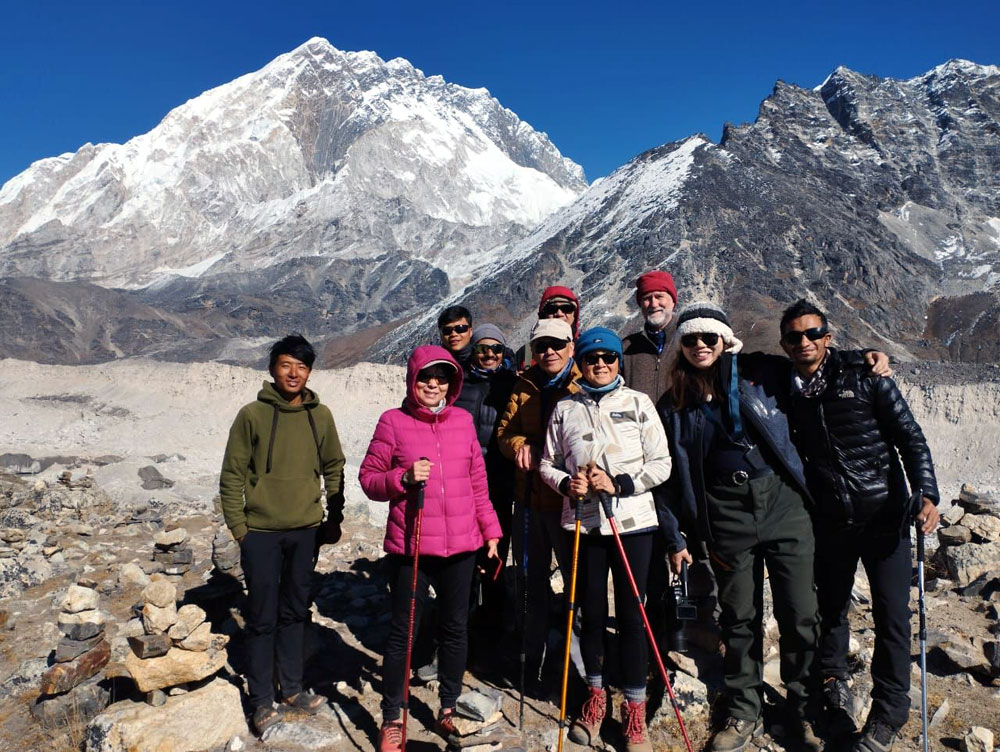
Over the years, we have guided people from cities, coastal regions, and countries where mountains are not part of daily life. Many had no access to trekking trails and very little experience carrying a backpack for several hours at a time. What separated those who felt prepared from those who struggled was usually not natural fitness. It was the consistency of their preparation in the months before the trek.
First-time trekkers who are also considering carrying their own main backpack should read our separate guide to doing Everest Base Camp without a porter, because trekking experience and carrying experience are not always the same thing.
Spend More Time Walking
If you only choose one activity before the Everest Base Camp Trek, make it walking.
The journey itself is built around spending long periods on your feet each day, often at a steady pace rather than a fast one. Regular walking helps develop the type of endurance that becomes valuable throughout the trek, particularly during the longer days between Namche Bazaar, Dingboche, Lobuche, and Gorakshep.
Many trekkers focus heavily on gym workouts while overlooking the fact that the trail simply requires repeated hours of walking. Building that routine beforehand often pays greater dividends than any specialized training program.
Use Stairs Whenever You Can
For people without access to hills or mountain trails, stairs are one of the most useful training tools available.
The Everest Base Camp route involves thousands of meters of cumulative ascent and descent. Suspension bridges are frequently followed by uphill climbs, and many villages are connected by stone staircases that seem to continue around every corner.
While stair training cannot replicate high-altitude trekking, it can help prepare the legs and lungs for the sustained uphill effort that characterizes much of the route.
Include a Few Longer Day Hikes
As departure approaches, longer day hikes become increasingly valuable.
They provide an opportunity to spend several consecutive hours outdoors, experience changes in terrain, and become familiar with the physical and mental rhythm of walking for much of the day. This is often the closest preparation many first-time trekkers can find before arriving in the Himalayas.
Just as importantly, day hikes allow you to test boots, clothing layers, trekking poles, and other equipment before the trek begins.
Develop Cardiovascular Endurance
The Everest Base Camp Trek is not a test of strength as much as it is a test of endurance.
Activities such as cycling, jogging, swimming, rowing, or brisk walking can all help improve cardiovascular fitness. The specific exercise matters less than the ability to sustain regular effort over time.
One thing we often notice on the trail is that people who are accustomed to endurance-based activities usually adapt more comfortably to the daily routine of trekking. Their bodies are already familiar with prolonged physical activity, which makes the transition to life on the trail much smoother.
Practice Carrying a Daypack
Even trekkers who hire a porter will normally carry a daypack containing water, extra layers, snacks, personal items, and other essentials.
For that reason, it is helpful to occasionally train with a backpack rather than walking empty-handed. A small amount of weight can feel surprisingly different after several hours, and practice helps your shoulders, back, and walking posture adjust before the trek begins.
Many experienced trekkers also use training walks to fine-tune their backpack fit and identify any potential comfort issues well before arriving in Nepal.
Give Yourself Time
Perhaps the most overlooked aspect of preparation is time itself.
The people who arrive feeling confident are rarely those who attempt intense training during the final few weeks before departure. More often, they are the individuals who gradually build fitness over several months and allow their bodies to adapt naturally.
The Everest Base Camp Trek rewards consistency in much the same way that the trail rewards patience. Small efforts repeated regularly tend to produce far better results than short bursts of ambitious training.
For first-time trekkers, this should be reassuring. You do not need years of trekking experience to prepare for Everest Base Camp. What you need is enough time to build endurance, develop confidence, and arrive ready to embrace the journey one step at a time.
Common Beginner Mistakes on the Trek to Everest Base Camp
One thing that becomes clear after guiding the Everest Base Camp route for many seasons is that most trekkers do not struggle because they lack ability.
More often, difficulties arise from small decisions made during the trek itself.
Many first-time trekkers arrive in Nepal having spent weeks researching equipment, weather, and fitness preparation. While those things are important, the factors that influence the overall experience are often much simpler. By the time people return from Everest Base Camp, they frequently discover that the trek was less about strength and more about managing energy, adapting to altitude, and maintaining good habits throughout the journey.
Fortunately, the most common mistakes are also among the easiest to avoid once you know what to expect.
Trying to Walk Faster Than Necessary
The lower sections of the Everest Base Camp route can create a false sense of confidence.
After arriving in Lukla, many trekkers feel excited, well-rested, and eager to make progress. The trails towards Phakding and Namche Bazaar often feel manageable, especially for people who maintain an active lifestyle at home.
As a result, some beginners naturally begin walking faster than the conditions require.
What many discover later is that the pace that feels comfortable below Namche Bazaar can feel very different once the route climbs higher into the Khumbu Valley. The trekkers who usually adapt best are rarely the fastest walkers. More often, they are the ones who establish a steady rhythm from the beginning and maintain it throughout the trek.
Experienced guides often repeat the same advice for a reason: if you think you are walking slowly enough, slow down a little more.
Paying Attention to Food but Not Hydration
Most trekkers understand the importance of eating during a long trek, but hydration is often overlooked.
The Everest region is much drier than many visitors expect, particularly as the trail gains elevation. Combined with increased breathing at altitude and long hours of walking, the body gradually loses more fluid than many people realize.
One challenge is that cold temperatures can reduce the sensation of thirst. A trekker may feel comfortable while unknowingly drinking far less water than their body needs.
Over time, this can contribute to headaches, fatigue, and a more difficult acclimatization process. It is one of the reasons guides regularly encourage trekkers to drink consistently throughout the day rather than waiting until they feel thirsty.
Bringing More Than You Actually Need
Before the trek begins, it is natural to want to prepare for every possible situation.
Many first-time trekkers pack extra clothing, duplicate items, and equipment that seems useful at home but rarely gets used on the trail. After a few days of carrying a daypack and unpacking each evening, opinions often begin to change.
By the end of the journey, one of the most common comments we hear is that people would bring less if they were doing the trek again.
The Everest Base Camp route is remote, but it is not wilderness trekking. Tea houses provide accommodation, meals are available throughout the journey, and most essentials can be planned for in advance. A lighter and more organized pack almost always makes the experience more comfortable.
Focusing on the Destination Instead of the Altitude
Perhaps the most important mistake beginners make is viewing Everest Base Camp as a destination rather than a process.
It is easy to become focused on reaching the next village, the next viewpoint, or eventually Everest Base Camp itself. However, the reality of high-altitude trekking is that the body adapts according to its own timetable.
The trekkers who usually have the smoothest experience are those who understand this early in the journey. They pay attention to how they feel, respect acclimatization days, and allow the trek to unfold gradually rather than constantly thinking about how much distance remains.
Over the years, we have found that altitude rarely rewards impatience. The mountains are still there tomorrow, and allowing the body enough time to adapt often becomes one of the smartest decisions a trekker can make.
Looking back, most beginners who complete the trek successfully do not do so because everything went perfectly. They succeed because they make small adjustments along the way, learn from the conditions around them, and gradually settle into the rhythm of life on the trail. In many ways, avoiding these common mistakes is less about trekking experience and more about understanding how the Everest region is best approached.
What We Often Notice as Local Guides
One of the privileges of working regularly on the Everest Base Camp route is having the opportunity to observe how different people respond to the same journey.
Every trekking season brings a mix of personalities, fitness levels, ages, and backgrounds. Some trekkers arrive after years of hiking experience, while others are attempting their first high-altitude trek. Yet despite these differences, certain patterns tend to repeat themselves often enough that they become difficult to ignore.
Perhaps the most surprising observation is that previous trekking experience is not always the advantage people expect it to be.
Before the trek begins, many first-time trekkers worry that they lack the experience needed to reach Everest Base Camp. Meanwhile, some experienced hikers arrive assuming that a strong outdoor background will make the journey straightforward. Once everyone is on the trail, however, the gap between those two groups often becomes much smaller than anticipated.
Many first-time trekkers discover that reaching Namche Bazaar is the moment the journey starts to feel real. Until then, most concerns are still theoretical. After Namche, people begin paying attention to how their own bodies respond to altitude and the mountains around them.
By the time trekkers reach villages such as Dingboche, Lobuche, or Gorakshep, success is usually being determined by factors that have very little to do with how many treks someone has completed in the past.
The people who consistently perform well are often those who adapt to the rhythm of the mountains early in the journey. They understand that altitude changes the pace of everything. What often stands out is how quickly people adapt to life on the trail. Trekkers who begin the journey uncertain about their abilities frequently become more confident with each passing day as the routine of walking, eating, resting, and moving between villages becomes familiar.
We frequently see trekkers with limited mountain experience settle comfortably into this routine and move through the Khumbu with confidence. At the same time, we occasionally see highly experienced hikers become frustrated because the pace required at altitude feels slower than what they are accustomed to elsewhere.
The mountain rarely rewards impatience.
One lesson that becomes increasingly clear above Namche Bazaar is that the Everest Base Camp Trek is not simply a test of fitness. It is a test of consistency. The body responds best when effort remains controlled, recovery is respected, and each day is approached with the understanding that the objective is not only to reach the next village but also to arrive there feeling strong enough to continue higher.
This is why guides spend so much time encouraging trekkers to slow down, drink regularly, and trust the acclimatization process. These recommendations may sound simple, yet they are often the habits that make the greatest difference over the course of the trek.
Looking back at the countless journeys that have passed through Lukla, Namche Bazaar, Dingboche, Lobuche, and Everest Base Camp, the conclusion remains remarkably consistent. The trekkers who enjoy the experience most are rarely those who try to prove how strong they are. More often, they are the ones who remain patient, adaptable, and willing to let the mountains dictate the pace.
For that reason, we rarely judge a trekker's chances of success based solely on previous experience. The habits that matter most on the Everest Base Camp Trek are usually developed on the trail itself.
What We Have Noticed From Our Recent Everest Base Camp Treks
After organizing Everest Base Camp Treks for many years, one pattern continues to stand out among first-time trekkers. Those who enjoy the journey most are rarely the strongest or fastest hikers. Instead, they are usually the ones who settle into a comfortable rhythm from the first day, appreciate the changing landscapes and Sherpa villages, and allow themselves to enjoy the experience rather than focusing only on reaching Everest Base Camp.
Many beginners arrive in Nepal expecting the trek to be a constant physical challenge. By the time they return to Kathmandu, however, they often tell us that the journey felt far more balanced than they had imagined. The gradual change from forest trails to alpine terrain, the welcoming atmosphere of the tea houses, and the sense of achievement gained day by day become just as memorable as standing at Everest Base Camp itself.
One lesson we hear repeatedly is that success on this trek has very little to do with walking quickly. Trekkers who stay patient, follow the itinerary, listen to their guide, and enjoy each day along the trail usually finish with greater confidence and a far more rewarding experience. Reaching Everest Base Camp is an unforgettable milestone, but for many first-time trekkers, the memories they value most are the people they meet, the mountain mornings, and the journey through the Khumbu rather than the destination alone.
Final Verdict: Can a Beginner Trek to Everest Base Camp?
After everything we have discussed, the answer is straightforward.
Yes, most healthy and reasonably active people can complete the Everest Base Camp Trek without previous trekking experience.
Over the years, we have welcomed many trekkers who arrived in Nepal uncertain about whether they were capable of reaching Everest Base Camp. Some had never completed a multi-day trek before. Others had little experience walking in the mountains and were unsure how they would respond to the altitude, daily trekking routine, and remote conditions of the Khumbu region.
By the end of the journey, many of those same trekkers were standing at Everest Base Camp having achieved something they once considered beyond their abilities.
One reason this misconception persists is that people often associate Everest with mountaineering expeditions rather than trekking. While climbing Mount Everest requires years of preparation, technical skills, and specialized equipment, the trek to Everest Base Camp is a very different experience. The route follows established trails through Sherpa villages, mountain valleys, forests, and alpine landscapes, allowing ordinary travelers to experience one of the world's most famous mountain regions without needing climbing experience.
That does not mean the trek should be underestimated.
Altitude must be respected, preparation matters, and the journey demands patience over nearly two weeks of trekking. However, these are challenges that can be managed successfully through sensible planning, realistic expectations, and a willingness to adapt to the pace of the mountains.
Looking back at the trekkers who have had the most rewarding experiences on the route, very few succeeded because they were exceptionally strong or highly experienced. More often, they succeeded because they prepared consistently before arriving in Nepal, followed a gradual pace once the trek began, and gave their bodies enough time to acclimatize as the trail climbed higher into the Everest region.
In many ways, reaching Everest Base Camp is not about proving how tough you are. It is about approaching the journey with patience, respect for altitude, and an understanding that progress in the mountains happens one step at a time.
For that reason, a lack of previous trekking experience should not discourage you from considering the journey. If you are reasonably active, willing to prepare beforehand, and choose a well-paced Everest Base Camp Trek itinerary, there is no reason why your first major trek cannot be the one that takes you all the way to Everest Base Camp.