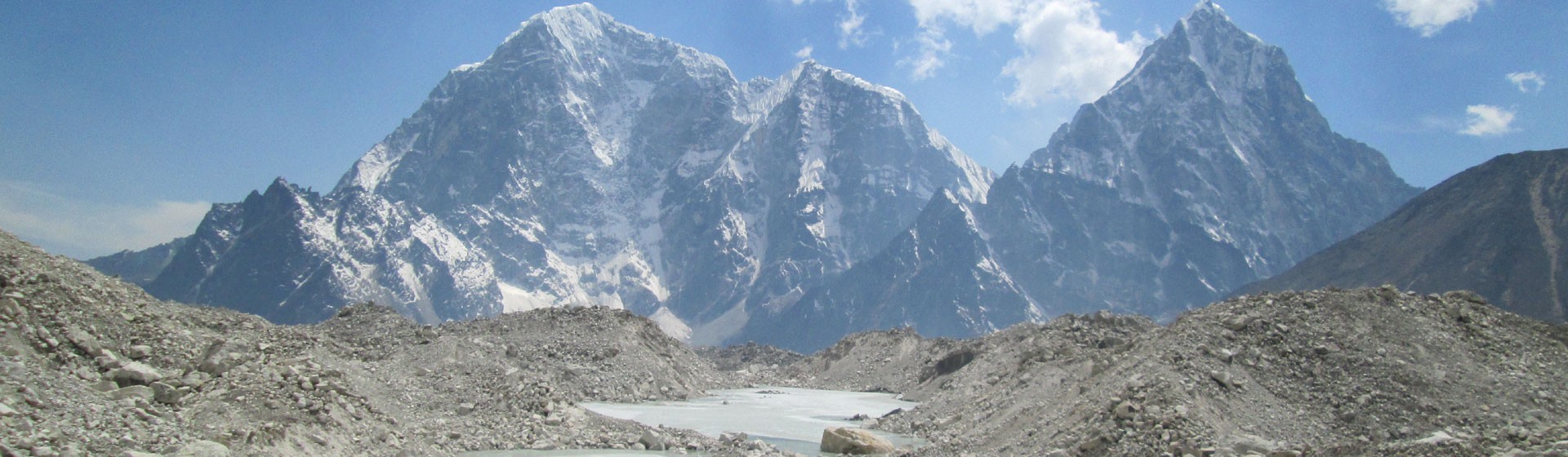
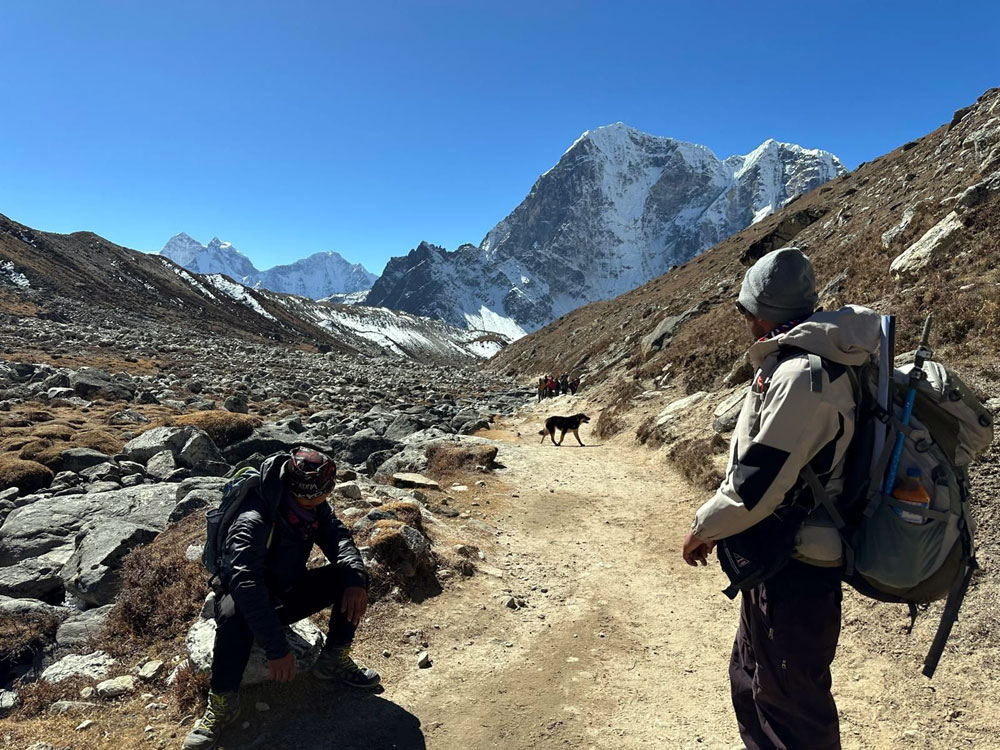
Is It Possible to Trek to Everest Base Camp During Monsoon?
Many trekkers are surprised to learn that people continue trekking to Everest Base Camp throughout the monsoon season.
When June arrives, it is common to see travelers postpone their plans because they assume the Everest region experiences continuous rain for weeks at a time. In practice, that is rarely how conditions unfold along the trail.
From our experience operating Everest treks during different seasons, the biggest uncertainty during monsoon is usually transportation rather than walking. Weather conditions around Lukla can occasionally delay flights, which is why we always recommend allowing extra time before international departures when trekking in June, July, or August.
Once on the trail, conditions often vary considerably between the lower and upper sections of the route. The forests below Namche Bazaar generally receive the most rainfall, and some sections can be muddy after overnight rain. Higher up the valley, however, many trekkers are surprised to find that rainfall is often less persistent than they expected. Days with changing cloud cover, brief showers, and occasional clear mountain views are not uncommon.
The Everest Base Camp Trek during monsoon is therefore less about dealing with constant rain and more about accepting a season that can be unpredictable. Some days offer dramatic mountain scenery and quiet trails, while others may bring low cloud, limited visibility, or schedule changes caused by weather.
For this reason, we do not view monsoon as the best season for every trekker. At the same time, it is also not a season that should be dismissed automatically. Trekkers who understand the realities of June, July, and August and build flexibility into their plans often discover a very different side of the Everest region from the one most visitors experience during the busy autumn months.
Travelers who want to reduce their reliance on return Lukla flights sometimes choose an itinerary with a helicopter return from Everest Base Camp.
Everest Base Camp Trek Weather in June, July, and August
Weather is often the biggest concern for trekkers considering the Everest Base Camp Trek during monsoon. One thing we have learned from operating Everest departures over the years is that conditions can vary considerably not only from month to month but also between different sections of the route.
Many first-time trekkers assume that the entire Everest region experiences constant rainfall throughout June, July, and August. In reality, weather patterns can be far more varied. Rainfall is generally heavier in the lower valleys around Lukla, Phakding, and Namche Bazaar, while higher villages often experience different conditions from what many trekkers expect before arriving in Nepal.
Another common surprise is that monsoon weather does not necessarily mean walking in heavy rain all day. Conditions can change several times between breakfast and arrival at the next village, with periods of sunshine, cloud cover, light showers, and occasional mountain views all occurring within the same trekking day.
June
June marks the gradual transition from the spring trekking season into the monsoon period. Early June can still offer relatively stable conditions, particularly at higher elevations, although afternoon cloud build-up becomes increasingly common.
As the month progresses, rainfall usually becomes more frequent in the lower sections of the route. Trails below Namche Bazaar may become wetter, and visibility around Lukla can occasionally affect flight schedules. Despite this, trekkers often continue to experience clear mornings and good trekking conditions for much of the day.
July
July is generally considered the peak of the monsoon season in the Everest region.
The lower sections of the trail often receive the highest rainfall during this period, especially in forested areas between Lukla and Namche Bazaar. Trails can become muddy after overnight rain, and cloud cover is more common than during spring or autumn.
Higher on the route, however, conditions are often different from what many trekkers imagine. While clouds can limit long-distance mountain views, rainfall is not always as persistent as it is in the lower valleys. For many trekking groups, weather-related flight disruptions around Lukla become a greater challenge than the actual walking conditions on the trail.
August
August shares many similarities with July, although conditions can sometimes become more stable toward the end of the month.
Rainfall remains common in the lower valleys, but longer breaks between weather systems occasionally provide clearer trekking days and improved visibility. After periods of rain, mountain views can be surprisingly dramatic as dust and haze are washed from the atmosphere.
By late August, some trekkers begin to notice the first signs of the approaching autumn trekking season, although weather patterns remain unpredictable and can change quickly.
No two monsoon seasons are exactly the same. Some years bring extended periods of rain, while others experience surprisingly stable weather windows. For this reason, flexibility and realistic expectations are often more important than focusing on average weather statistics alone when planning an Everest Base Camp Trek during June, July, or August.
Where Rain Usually Falls on the Everest Base Camp Trek
Many trekkers planning the Everest Base Camp Trek look at a weather forecast for the Everest region and assume the same conditions apply to the entire route.
One thing we have noticed over the years is that rainfall often affects different sections of the trek very differently.
The stretch between Lukla and Namche Bazaar is usually where monsoon conditions are most noticeable. Villages such as Phakding and Monjo sit at lower elevations surrounded by forested hillsides, and these sections typically receive more rainfall than the higher parts of the route. After overnight rain, trails can be muddy, stone steps may become slippery, and low cloud can settle in the valley for much of the morning.
For many trekkers, this section feels like the wettest part of the entire journey.
As the trail climbs beyond Namche Bazaar, conditions often begin to change. While rain remains possible throughout the monsoon season, the weather higher in the Khumbu Valley is not always as wet as many first-time visitors expect.
Around Dingboche, Lobuche, and Gorakshep, trekking days are often influenced more by cloud cover and visibility than by prolonged rainfall. Some days may begin with overcast skies before gradually improving, while others remain cloudy without producing significant rain.
This difference between the lower and upper sections of the route is something many trekkers only discover after arriving in the Everest region. It is one of the reasons why monsoon conditions on the Everest Base Camp Trek are often more complex than a simple weather forecast suggests.
Understanding where rain is most likely to affect the trail can help set realistic expectations and provide a more accurate picture of what trekking to Everest Base Camp during June, July, and August is actually like.
Are Lukla Flight Delays More Common During Monsoon?
When trekkers ask us about the Everest Base Camp Trek during monsoon, the first thing we usually talk about is not the trail. It is Lukla.
Over the years, we have found that weather-related flight disruptions are often a bigger concern than the trekking conditions themselves during June, July, and August.
Many people assume flights are only affected when it is raining heavily. In practice, visibility is often the deciding factor. Low cloud moving through the valleys, fog around the airport, or changing mountain weather can be enough to delay departures even when rainfall is minimal.
Because of this, some trekking days during monsoon begin with uncertainty. Trekkers may arrive at the airport expecting to fly immediately, only to find themselves waiting for weather conditions to improve. In some cases flights depart later the same day. In others, operations may be suspended until the following morning.
This is one of the reasons we encourage trekkers to view monsoon differently from the peak trekking seasons. The challenge is often not reaching Everest Base Camp. The challenge is allowing enough flexibility for mountain weather before and after the trek.
Whenever we organize Everest departures during June, July, or August, we recommend keeping at least one or two extra days available after the trek whenever possible. These buffer days provide valuable flexibility if flights are delayed and can remove a significant amount of stress from the overall journey.
It is important to remember that Lukla flight delays are not unique to the monsoon season. They can occur at any time of year. Monsoon simply increases the likelihood of visibility-related disruptions, making flexible travel planning more important than usual.
For many trekkers, understanding this reality before arriving in Nepal is far more useful than focusing solely on rainfall forecasts. A delayed flight can affect a trekking schedule much more than a short period of rain on the trail.
Trail Conditions While Trekking to Everest Base Camp During Monsoon
When people think about trekking to Everest Base Camp during monsoon, they often focus on rainfall forecasts. In practice, the condition of the trail itself usually has a greater impact on the daily trekking experience.
The biggest differences are generally found in the lower part of the route.
Between Lukla and Namche Bazaar, the trail passes through forested sections, riverside paths, and long stretches of stone steps that can become wet after rain. Around villages such as Phakding and Monjo, overnight rainfall often leaves sections of the trail muddy, particularly in shaded areas where sunlight reaches the ground for only a short part of the day.
The stone staircases that are a normal part of the Everest route require a little more attention during July and August. They remain fully passable, but wet surfaces can become slippery, especially during descents. For many trekkers, careful footing is more important than the rain itself.
The forests below Namche also feel noticeably different from the dry trekking seasons. Vegetation becomes denser, small streams carry more water, and the landscape takes on a greener appearance than most visitors see during autumn. This section of the trek is where monsoon conditions are usually felt most clearly.
One advantage of the Everest route is that major river crossings are made using established suspension bridges. While rivers are often higher during the monsoon season, trekkers are generally not required to make difficult water crossings on foot.
As the trail climbs beyond Namche Bazaar toward Tengboche, Dingboche, Lobuche, and Gorakshep, conditions often begin to change. Forest cover gradually disappears, muddy sections become less frequent, and the terrain becomes more open and rocky. Many trekkers are surprised to discover that the upper part of the route often feels considerably drier underfoot than the lower valleys.
This does not mean weather stops being a factor at higher elevations. Clouds, mist, and changing visibility remain part of the monsoon experience. However, prolonged muddy trail conditions are generally far more common below Namche than on the final approach to Everest Base Camp.
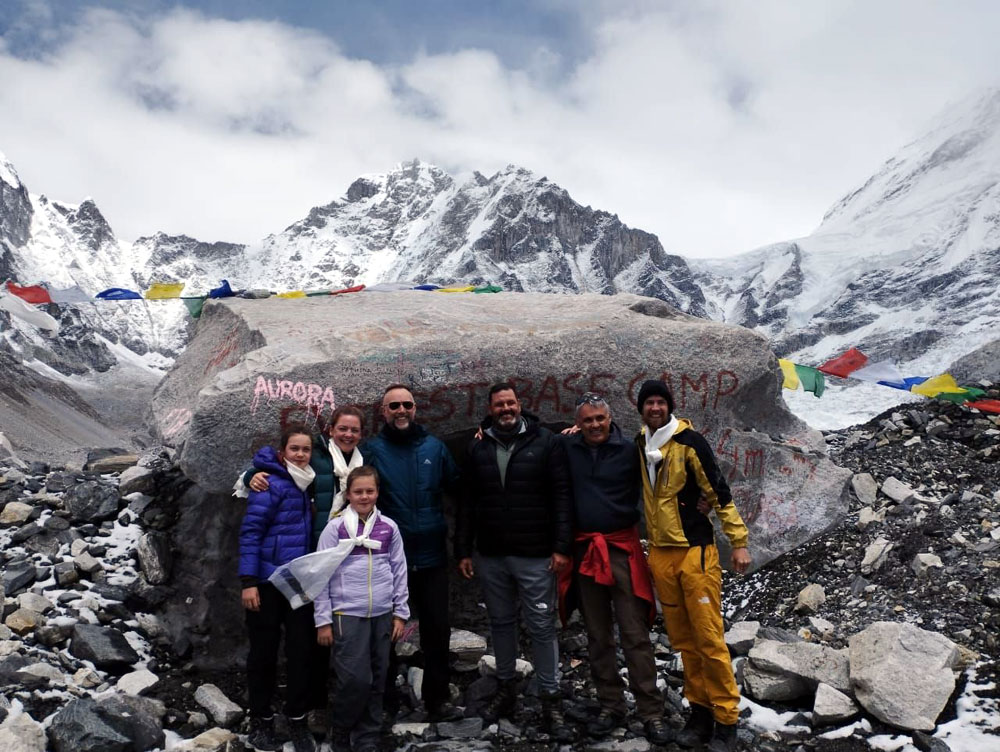
From our experience, most trekkers who complete the Everest Base Camp Trek during monsoon finish the journey with a different impression than they expected before arriving in Nepal. The challenge is rarely a trail made difficult by continuous rain. More often, it is simply a matter of adjusting to wetter conditions in the lower valleys and understanding that the route changes considerably as altitude increases.
Why Some Trekkers Actually Prefer the Everest Trek During Monsoon
Most trekkers who plan an Everest trek naturally choose spring or autumn, and for good reason. These seasons generally offer more reliable mountain views and more predictable weather conditions.
Even so, we occasionally hear an interesting comment from trekkers who have experienced the Everest region during different times of the year.
Some tell us they preferred the monsoon season.
What they remember is rarely a particular weather forecast or a specific mountain view. More often, they talk about the atmosphere on the trail.
During the busiest weeks of autumn, villages such as Namche Bazaar, Dingboche, and Lobuche can be filled with trekking groups arriving at similar times each day. Dining rooms become busy in the evenings, trails see a steady flow of trekkers, and popular viewpoints can be crowded during the most popular trekking months.
During July and August, the experience is often different.
Although the trails are generally quieter, travelers who enjoy meeting other trekkers can still join one of our scheduled Everest Base Camp Group Join Treks during the main trekking seasons.
There are usually fewer trekkers on the route, tea houses tend to be quieter, and finding accommodation is rarely a concern. Some trekkers enjoy the feeling of moving through the Khumbu region at a slower pace without the crowds that are common during peak season.
The landscape also changes noticeably. Forests below Namche Bazaar become greener, hillsides appear more vibrant, and the lower valleys feel very different from the dry conditions often associated with autumn trekking.
For photographers, nature lovers, and trekkers who enjoy quieter trails, these changes can become part of the appeal.
This does not mean monsoon is the ideal season for everyone. Trekkers whose main priority is maximizing their chances of clear mountain views will generally be better suited to spring or autumn.
At the same time, those who value quieter villages, easier room availability, and a different perspective on the Everest region sometimes discover that monsoon offers an experience they had not expected when they first started planning their trek.
Is the Everest Base Camp Trek During Monsoon Worth It?
The answer depends largely on what you want from the trek.
For some people, the monsoon season introduces too much uncertainty. For others, the quieter trails and different atmosphere make it a worthwhile alternative to the busy spring and autumn months.
Reasons Some Trekkers Choose Monsoon
- Fewer people on the trail compared to peak trekking seasons.
- Quieter tea houses and a more relaxed atmosphere in villages throughout the route.
- Easier room availability, even in popular overnight stops.
- Greener forests and more vibrant lower valleys.
- A chance to experience the Everest region without the crowds commonly seen in October and November.
- Mild temperatures compared to the colder winter months.
Reasons Some Trekkers Prefer Other Seasons
- Weather conditions are generally less predictable.
- Lukla flight delays are more common because of cloud cover and visibility issues.
- Lower sections of the route can be muddy after rainfall.
- Mountain views are often less reliable than during spring or autumn.
- Flexible travel plans and buffer days are strongly recommended.
- Daily conditions can change more quickly than during the peak trekking seasons.
For trekkers whose main priority is maximizing the chance of clear views of Everest and the surrounding peaks, spring and autumn remain the strongest choices.
For trekkers who value quieter trails, easier logistics on the trail itself, and a different perspective on the Khumbu region, the monsoon season can be more rewarding than many people expect before arriving in Nepal.
Our Recommendation: Would We Trek to Everest Base Camp During Monsoon?
If we had complete flexibility when choosing a trekking season, we would normally choose spring or autumn for the Everest Base Camp Trek.
Travelers who are still comparing different seasons may also find our guide to the best time for the Everest Base Camp Trek helpful before making a final decision.
The reason is simple. These seasons generally provide the most reliable mountain views, more predictable weather patterns, and fewer disruptions to Lukla flight schedules. For most first-time trekkers, that combination makes the overall experience easier and more straightforward.
At the same time, we do not consider June, July, and August unsuitable months for trekking to Everest Base Camp.
Some of our monsoon trekkers deliberately choose these months because they are looking for a quieter experience on the trail. They understand that weather conditions can change quickly, that flight delays are more likely, and that clear mountain views cannot be expected every day. What they gain in return is a different atmosphere throughout the Khumbu region.
During the monsoon season, villages are generally less crowded, tea houses feel more relaxed, and the pace of the trek is often noticeably different from the busy autumn months. For some trekkers, those qualities become one of the most memorable parts of the journey.
For us, the decision usually comes down to priorities.
If the main goal is maximizing the chance of clear views of Everest and reducing weather-related uncertainty as much as possible, spring and autumn remain the seasons we recommend most strongly.
If quieter trails, fewer crowds, and flexibility are more important than perfect conditions, then trekking to Everest Base Camp during monsoon remains a realistic and rewarding option.
Trekkers seeking upgraded accommodation and additional comfort throughout the journey can also explore our Everest Base Camp Luxury Trek itinerary.
The monsoon season is not the season we recommend first. It is simply a season that rewards trekkers who arrive with the right expectations.
Frequently Asked Questions
Is monsoon a good time for the Everest Base Camp Trek?
Monsoon is not usually considered the best season for the Everest Base Camp Trek because weather conditions are less predictable than in spring or autumn. However, trekkers who value quieter trails, fewer crowds, and a different atmosphere often find June, July, and August rewarding months to visit the Everest region.
Can I trek to Everest Base Camp in July?
Yes. Trekking to Everest Base Camp in July is possible, and the route remains open throughout the season. The main considerations are weather-related flight disruptions, cloud cover, and wetter conditions in the lower valleys.
Is August better than July for Everest Base Camp trekking?
Conditions in August are often similar to July, although weather patterns sometimes begin to improve toward the end of the month as the monsoon season gradually weakens. Both months require flexibility and realistic expectations.
Does it rain all day during an Everest Trek in monsoon?
Not usually. Weather conditions often change throughout the day, and many trekkers experience a mixture of cloud cover, sunshine, and occasional showers rather than continuous rainfall from morning until evening.
Can beginners do the Everest Base Camp Trek during monsoon?
Yes, beginners can complete the Everest Base Camp Trek during monsoon provided they are reasonably fit and follow a well-paced itinerary. The season does not make the route technically difficult, but it does require flexibility and preparation for changing weather conditions.
Will I still see Mount Everest during monsoon?
Yes, although mountain views are generally less consistent than during spring or autumn. Clear weather windows still occur, particularly during mornings and after rainfall when visibility can improve significantly.
How many extra days should I allow for an Everest Base Camp Trek during monsoon?
We generally recommend allowing at least one or two additional days after the trek. These buffer days provide flexibility if weather conditions affect Lukla flight operations.
What should I pack for Everest Base Camp trekking in July and August?
A waterproof jacket, backpack rain cover, quick-drying clothing, and reliable trekking footwear are particularly important during the monsoon season. Trekking poles can also be useful on wet or slippery sections of trail. For a complete equipment checklist, see our detailed Everest Base Camp Trek Packing List.
Is travel insurance important for an Everest Trek during monsoon?
Yes. Comprehensive travel insurance that covers high-altitude trekking and emergency helicopter evacuation is strongly recommended for all Everest treks, regardless of season.
Is Everest Base Camp trekking crowded during monsoon?
Compared to spring and autumn, the Everest Base Camp Trek is generally much quieter during June, July, and August. Trekkers who prefer less crowded trails and more relaxed tea houses often appreciate this aspect of the season.
Which monsoon month is best for trekking to Everest Base Camp?
There is no guaranteed best month because weather conditions vary from year to year. June often marks the transition into monsoon, while August can sometimes bring improving conditions toward the end of the season. Flexibility is usually more important than choosing a specific monsoon month.
Would you personally recommend the Everest Base Camp Trek during monsoon?
For most first-time trekkers, we generally recommend spring or autumn because of their more reliable weather and mountain views. However, trekkers who can remain flexible and prefer quieter trails often find the monsoon season a rewarding time to experience the Everest region.