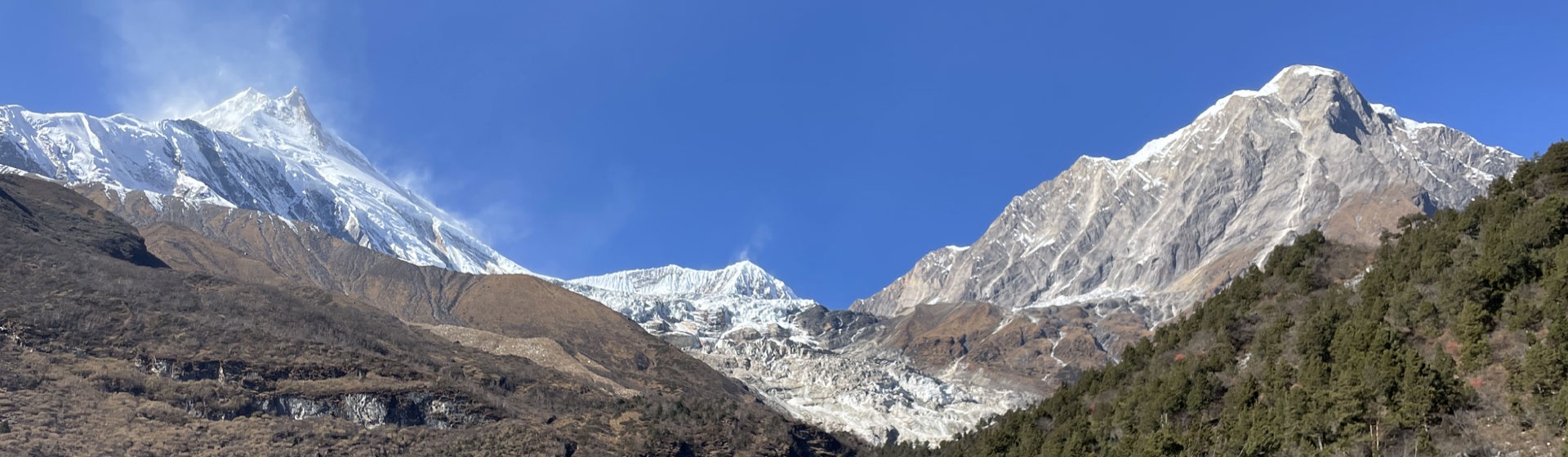
How Fit Do You Really Need to Be for the Manaslu Circuit Trek?
The Manaslu Circuit Trek does not require technical climbing skills, but it does require steady physical endurance over multiple days at increasing altitude.
Most trekking days involve long uphill and downhill walking on uneven mountain terrain rather than difficult climbing. The challenge usually comes from maintaining a consistent walking rhythm while the trail gradually moves higher toward Samdo, Dharamsala, and Larkya La Pass.
Trekkers who already walk regularly, hike, cycle, use stairs often, or maintain active daily routines usually adapt well to the trail. Previous trekking experience is helpful, especially above 3,000 meters, but many first-time trekkers also complete the route comfortably with proper preparation and pacing.
The most important part of fitness on the Manaslu Circuit is not speed. It is the ability to walk steadily for several hours each day while recovering well overnight at higher elevation.
The upper section near Larkya La Pass naturally feels slower because of thinner air, colder temperatures, and longer walking hours. Even experienced trekkers usually reduce their pace at higher altitude, which is completely normal during the trek.
A few weeks of regular walking, stair climbing, light cardio exercise, and longer weekend hikes before arrival in Nepal usually helps much more than intense last-minute training.
The goal is not extreme fitness. The goal is enough endurance and energy to enjoy the overall mountain experience comfortably from beginning to end.
Why Altitude Feels Different on the Manaslu Circuit
The physical challenge on the Manaslu Circuit changes gradually as the trail moves higher into the upper valley. In the lower section, the difficulty usually comes from long walking hours, stone staircases, and continuous elevation changes above the Budhi Gandaki River. Higher on the route, especially beyond Samagaun, altitude itself becomes the main factor.
As oxygen levels decrease, even moderate uphill sections often require slower breathing and more controlled pacing. Many trekkers naturally begin walking more slowly near Samdo, Dharamsala, and the approach to Larkya La Pass, even if they felt strong earlier in the trek.
One reason the Manaslu Circuit is considered good for acclimatization is because the elevation gain happens more gradually over multiple days. Villages are spaced naturally along the route, allowing the body more time to adjust before reaching the highest section of the trek.
The acclimatization stop in Samagaun also plays an important role. Many trekkers use this extra day for short hikes toward higher elevation areas such as Birendra Lake or the Manaslu Base Camp route before returning lower to sleep.
Simple habits usually make the biggest difference at altitude:
- Walking slowly and consistently
- Drinking enough water throughout the day
- Eating regular meals
- Sleeping properly at higher villages
- Staying warm during evenings
Many trekkers planning acclimatization days also compare the differences between the standard circuit and the shorter Manaslu trekking routes before choosing their itinerary.
The upper section between Samdo and Larkya La Pass often feels colder, windier, and more physically demanding than the earlier days of the trek. Because of this, pacing and recovery become increasingly important once the route moves above 3,500 meters.
The most effective acclimatization approach on the Manaslu Circuit is usually very simple: gain elevation gradually, avoid rushing, and allow the body enough time to adjust naturally.
What Many Trekkers Realize Only After Starting the Manaslu Circuit
Many trekkers begin the Manaslu Circuit expecting the main challenge to be the altitude or the Larkya La Pass crossing. After a few days on the trail, however, most people realize the experience is shaped much more by the constant changes in terrain, weather, and daily walking rhythm.
The lower section of the trek often feels more physically demanding than expected because the trail repeatedly climbs and descends above the Budhi Gandaki River. Suspension bridges, stone staircases, narrow hillside paths, and humid lower valley conditions can make the early days surprisingly tiring even before reaching higher altitude.
As the route gradually moves beyond Deng, Namrung, and Lho, the environment begins feeling noticeably quieter and more remote compared to Nepal’s busier trekking regions. Villages become smaller, mountain views feel closer, and the overall pace of daily life slows naturally along the trail.
Another thing many trekkers only fully understand after starting the trek is how important pacing becomes. Above Samagaun especially, steady breathing, hydration, and energy conservation usually matter far more than walking speed.
The upper valley also feels colder and more exposed than many first-time trekkers initially expect. Early mornings near Samdo and Dharamsala are often below freezing, and weather conditions near Larkya La Pass can change quickly depending on wind and recent snowfall.
Many trekkers also find themselves enjoying the quieter rhythm of the trail more than expected. The combination of changing landscapes, simpler tea house life, and gradual movement into the high Himalayas often becomes one of the most memorable parts of the overall experience.
Why the Manaslu Circuit Feels More Demanding Than It Looks on a Map
Before starting the Manaslu Circuit, many trekkers focus mainly on total distance or the elevation of Larkya La Pass. Once the trek begins, however, most people quickly realize that the physical effort comes more from the overall rhythm of the trail than from one single difficult section.
The route rarely stays flat for long periods. The trail constantly moves between suspension bridges, stone staircases, narrow hillside sections, forest paths, rocky terrain, and gradual elevation gain through the Budhi Gandaki valley. Because of this, even shorter trekking days can sometimes feel more tiring than expected.
Another thing many trekkers notice only after several days on the trail is how the physical effort slowly builds as the route moves higher into colder and more remote terrain. Unlike shorter treks where recovery happens quickly, the Manaslu Circuit requires the body to keep adapting continuously while walking for multiple days at increasing altitude.
The walking pace also changes naturally above Samagaun. Even moderate uphill sections often require slower breathing and more controlled movement once the trail enters thinner air near Samdo and Dharamsala.
Weather conditions can also affect how difficult the route feels from one day to the next. A section that feels comfortable during stable morning weather may feel completely different later in the day if strong wind, snowfall, or colder temperatures move into the upper valley.
The long crossing day over Larkya La Pass is another part many trekkers underestimate before arrival. Most groups begin before sunrise in freezing temperatures, and the combination of altitude, cold air, and several hours of steady climbing makes this one of the most physically demanding days of the circuit.
Trekkers who adjust to the slower rhythm of the mountains usually handle the route far more comfortably than those trying to treat the trek like a fast-paced hiking itinerary.
How the Walking Conditions Change Throughout the Trek
One of the unique parts of the Manaslu Circuit is how much the walking conditions change between the lower valley and the upper mountain section. The trail rarely feels physically the same for very long, which is one reason many trekkers find the route more dynamic than expected.
The lower section between Machha Khola and Jagat usually feels warmer, greener, and more humid. Daily walking often includes suspension bridges, stone staircases, riverside trails, and narrow hillside paths above the Budhi Gandaki River. During warmer months, these early days can sometimes feel more tiring because of heat and humidity rather than altitude.
As the route climbs higher toward Deng, Namrung, and Lho, the environment gradually becomes cooler and more open. Forest sections begin thinning, mountain views appear more frequently, and the overall walking pace naturally slows as elevation increases.
Beyond Samagaun, the trail changes again. The landscape becomes more alpine, mornings feel colder, and the terrain starts feeling rougher and more exposed. Vegetation becomes sparse near Samdo and Dharamsala, especially close to the upper valley below Larkya La Pass.
Pass crossing day also feels very different from the earlier part of the trek. Most groups begin before sunrise while temperatures are still below freezing. The trail gradually moves through rocky terrain, snow sections, and high mountain slopes before reaching the pass.
After crossing Larkya La, the descent toward Bhimtang usually feels noticeably greener, softer, and less exposed compared to the upper valley. Many trekkers notice a sudden change in both landscape and temperature within only a few hours of descending from the pass.
What Most Trekkers Underestimate Before the Manaslu Circuit Trek
One thing many trekkers underestimate before the Manaslu Circuit is how quickly conditions change throughout the route. The trail does not feel physically difficult in the same way every day. Terrain, weather, altitude, and temperature continue shifting as the trek moves deeper into the valley.
Many first-time trekkers expect the main challenge to begin only near Larkya La Pass, but the early section of the route can already feel tiring because of repeated uphill and downhill walking above the Budhi Gandaki River. Long staircases, suspension bridges, humid lower valleys, and uneven trails often require more energy than people initially expect.
Another thing many trekkers underestimate is how cold the upper valley becomes after Samdo. Early mornings near Dharamsala and the pass are often below freezing, especially during autumn and spring. Wind conditions can also change quickly once the route moves higher into exposed alpine terrain.
The simplicity of tea house life also surprises some trekkers. Accommodation becomes more basic at higher altitude, electricity may be limited, and internet access becomes unreliable in much of the upper section of the trek.
Altitude itself is another area people often misunderstand before arrival. Being physically strong does not always guarantee easier acclimatization. Trekkers who walk slowly, stay hydrated, and pace themselves consistently usually adapt more comfortably than those trying to move too quickly early in the trek.
Many trekkers also underestimate how quiet and remote the trail feels compared to Everest or Annapurna. Once the route moves beyond the lower villages, long sections of the trail often feel calm, isolated, and far less commercialized than Nepal’s busier trekking regions.
What to Expect From Tea Houses and Daily Mountain Life
Tea houses on the Manaslu Circuit are generally simple, practical, and closely connected to daily mountain life in the region. Compared to Everest, accommodation feels less commercialized, especially higher in the valley where villages become smaller and more remote.
Most rooms include basic beds, blankets, and simple wooden interiors. Heating is usually available only in the dining hall, while bedrooms often become very cold during the night, particularly after Samdo and Dharamsala.
Daily routines along the trail also begin changing naturally after a few days in the mountains. Mornings usually start early because walking conditions are calmer before afternoon weather changes. Evenings are often quiet, with trekkers gathering around the dining area for meals, tea, and warmth before sleeping early for the next day’s walk.
Electricity becomes more limited higher on the route, and charging devices may only be available for a small extra cost. Internet access also becomes unreliable in much of the upper valley, especially near Dharamsala and the approach to Larkya La Pass.
Meals are usually simple but filling, with dal bhat, noodles, soup, potatoes, rice, and Tibetan bread commonly available throughout the trek. Higher villages generally have fewer menu choices because supplies must be carried into the region by mule or porter.
Trekkers wanting a more detailed overview of accommodation, meals, and daily facilities can also read our complete guide about tea houses on the Manaslu Circuit.
Many trekkers eventually find that the quieter rhythm of tea house life becomes part of the overall experience. The combination of simpler facilities, colder evenings, and slower mountain routines often feels very different from everyday travel outside the Himalayas.
What Gear Usually Matters Most on the Manaslu Circuit
Many trekkers preparing for Manaslu focus heavily on buying expensive gear, but the most important equipment is usually the gear that keeps daily walking comfortable in changing mountain conditions.
Reliable trekking shoes, proper layering, warm gloves, a down jacket, and a comfortable backpack often make a much bigger difference than carrying excessive equipment.
Weather conditions on the trail can change quickly, especially above Samdo and near Larkya La Pass. Mornings are often very cold at higher altitude, while lower valley sections can still feel warm during the daytime. Because of this, layering clothing usually works better than carrying extremely heavy winter gear throughout the trek.
A warm sleeping bag also becomes increasingly important in the upper valley where bedrooms are generally unheated during colder months.
Many experienced trekkers eventually realize that lighter and practical gear usually feels more useful on the Manaslu trail than carrying too much unnecessary equipment.
How Trekkers Usually Adjust to the Challenges on the Manaslu Circuit
Most of the common difficulties on the Manaslu Circuit become easier once trekkers adjust their pace and daily routine to mountain conditions instead of trying to move too quickly through the trail.
The lower section often feels hotter and steeper than many people expect because of the repeated uphill and downhill walking near the Budhi Gandaki River. Most trekkers manage this section more comfortably by walking slowly from the beginning rather than trying to gain speed early in the trek.
As the route climbs higher, altitude gradually becomes a bigger factor than distance itself. Above Samagaun, many trekkers naturally begin taking shorter steps, slowing their breathing, and conserving energy more carefully throughout the day.
Cold temperatures in the upper valley are another challenge many people underestimate before arrival. Early mornings near Samdo and Dharamsala often feel extremely cold, especially during autumn and spring. Trekkers usually adapt best by layering clothing properly and keeping warm layers easily accessible during the day.
Trail conditions also continue changing throughout the route. Some sections include loose rocks, rough staircases, glacier valleys, or narrow mountain paths where careful footing becomes more important than walking speed.
The long crossing day over Larkya La Pass is often one of the biggest concerns before the trek begins. In reality, most groups complete this section successfully by starting early, walking steadily, eating regularly, and avoiding unnecessary long stops in freezing conditions.
Many trekkers eventually realize that the Manaslu Circuit feels more comfortable once they accept the slower rhythm of the mountains rather than trying to rush through the experience.
How to Prepare Properly Before the Trek to Manaslu Circuit
Preparing well before the Manaslu Circuit Trek usually makes a much bigger difference than most trekkers expect. The route is not technically difficult, but long walking days, changing terrain, cold temperatures, and gradual altitude gain become far easier when the body is already used to regular movement before arrival in Nepal.
The most effective preparation is usually simple and consistent rather than intense. Regular walking, stair climbing, uphill hikes, light cardio exercise, and longer active days help prepare the body much better than last-minute heavy training.
Many trekkers also find it helpful to practice walking with a light backpack before the trek begins. Even though porters carry the main duffel bag, trekkers still carry water, warm layers, snacks, and personal items throughout the day.
Mental preparation is equally important. The Manaslu Circuit remains a relatively remote trekking route with simpler tea houses, colder upper valleys, limited internet access, and changing mountain weather conditions. Trekkers who arrive expecting a slower mountain rhythm usually adapt more comfortably to the overall experience.
Preparation also becomes more important during colder seasons. Early mornings near Samdo, Dharamsala, and Larkya La Pass often begin below freezing, especially during autumn and spring. Reliable footwear, proper layering, gloves, and warm clothing make a noticeable difference once the trek reaches higher altitude.
Most trekkers do not need specialized mountaineering training for Manaslu. A few weeks of steady endurance preparation, realistic expectations, and controlled pacing usually create a much more comfortable and enjoyable trekking experience overall.
Why Seasonal Timing Matters for the Manaslu Trek
Seasonal conditions can change the overall experience of the Manaslu trek quite significantly, especially near the higher section of the route around Samdo, Dharamsala, and Larkya La Pass.
Spring and autumn usually provide the most stable trekking conditions, clearer mountain views, and safer pass crossings. Autumn often brings colder mornings but very clear skies after the monsoon season, while spring normally offers longer daylight hours and changing mountain landscapes as temperatures gradually warm.
Seasonal conditions near Larkya La Pass can change noticeably from year to year, especially during spring snowfall periods in the upper valley.
Winter conditions can make the upper section more difficult because of snow accumulation and freezing temperatures near the pass. During monsoon season, lower valley sections often become wetter, more humid, and occasionally affected by landslides or muddy trails.
Many trekkers preparing for Manaslu focus mainly on fitness, but seasonal timing often influences trail conditions, visibility, temperature, and overall trekking comfort just as much as physical preparation itself.
Who Usually Enjoys the Manaslu Trek Most
The Manaslu Circuit is usually most rewarding for trekkers who enjoy quieter mountain environments, gradual journeys, and changing landscapes rather than fast-paced trekking schedules.
People who appreciate slower walking days, smaller villages, and less crowded trails often connect strongly with the overall rhythm of the region. Unlike some of Nepal’s busier trekking routes, the experience on Manaslu feels more focused on the mountains, daily trail life, and the gradual transition into higher Himalayan terrain.
Trekkers who enjoy variety throughout a journey also tend to enjoy Manaslu more than expected. The route changes continuously between river valleys, forest trails, suspension bridges, alpine landscapes, glacial terrain, and high mountain crossings, which makes the experience feel dynamic from beginning to end.
The trek is also well suited for people looking for a more immersive Himalayan experience rather than highly developed trekking infrastructure. Accommodation remains relatively simple in the upper valley, internet access is limited, and daily life along the trail still feels closely connected to local mountain communities.
At the same time, Manaslu is usually less suitable for trekkers expecting luxury comfort, fast itineraries, or highly predictable mountain conditions every day. Weather, trail conditions, and altitude often require flexibility and patience, especially near the higher section of the circuit.
For many trekkers, this balance between physical challenge, quieter trails, traditional mountain villages, and changing Himalayan landscapes is exactly what makes the Manaslu Circuit feel so memorable long after the trek is completed.
Conclusion
Preparing properly for the Manaslu Circuit Trek is usually less about extreme fitness and more about understanding the overall rhythm of high-altitude trekking in a remote Himalayan region.
The trail gradually changes from lower river valleys into colder alpine terrain near Larkya La Pass, and conditions often feel very different from one section of the trek to another. Trekkers who walk steadily, allow enough time for acclimatization, and remain flexible with mountain weather usually adapt far more comfortably throughout the journey.
At the same time, many people later realize that the experience of Manaslu is shaped not only by the pass crossing itself, but also by the quieter trails, changing landscapes, traditional villages, and slower pace of life along the route.
With realistic preparation, controlled pacing, and proper expectations, the Manaslu Circuit remains one of the most rewarding high-altitude trekking experiences in Nepal.
You can also explore our complete Manaslu Circuit Trek itinerary, route details, permit information, and latest group departures before planning your journey.
Frequently Asked Questions About Preparing for the Manaslu Trek
Do I need previous trekking experience for the Manaslu Circuit Trek?
Previous trekking experience is helpful, especially above 3,000 meters, but it is not compulsory. Many first-time trekkers complete the Manaslu Circuit comfortably with proper preparation, gradual acclimatization, and steady pacing throughout the journey.
How fit should I be before starting the Manaslu trek?
Trekkers should be comfortable walking for multiple hours each day on uneven mountain terrain. Regular walking, stair climbing, light cardio exercise, and uphill hiking usually provide enough preparation for most people planning a trek to Manaslu.
Is altitude more difficult during Manaslu Circuit trekking?
Altitude affects every trekker differently, but Manaslu Circuit trekking generally allows gradual acclimatization because elevation gain happens steadily over multiple days. Most trekkers begin noticing stronger altitude effects after Samagaun and toward Larkya La Pass.
What is the hardest part of the Manaslu Circuit route?
For many trekkers, the most physically demanding section of the Manaslu Circuit route is the crossing of Larkya La Pass because of the altitude, cold temperatures, and long walking hours. The repeated uphill and downhill terrain in the lower Budhi Gandaki valley can also feel surprisingly tiring.
How cold does the trek to Manaslu get?
Temperatures vary by season, but mornings near Samdo, Dharamsala, and Larkya La Pass are often below freezing, especially during autumn and spring. Proper layering, gloves, and warm clothing become very important in the upper valley.
Are tea houses comfortable during the Manaslu Circuit Trek?
Tea houses during the Manaslu Circuit Trek are generally simple and more basic than Everest. Rooms are usually unheated, electricity may be limited at higher altitude, and internet access becomes unreliable in much of the upper section of the route.
What is the best way to prepare for Manaslu trekking in Nepal?
The best preparation for Manaslu trekking is usually consistent walking endurance rather than intense training. Regular walking, stair climbing, longer hikes, proper pacing, and realistic expectations about mountain conditions help trekkers adjust much more comfortably during the journey.