The Lower Section of the Manaslu Circuit Trail Feels Slow and Unhurried
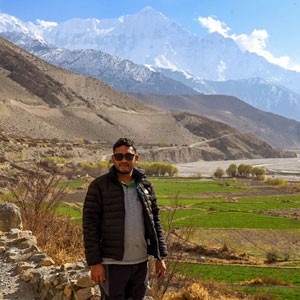
The lower section of the Manaslu Circuit trail follows the Budhi Gandaki Valley, where the route moves through riverside villages, forest paths, stone staircases, and long suspension bridges above fast-flowing glacial water. In this part of the trek, the mountains still feel distant, and much of the journey is shaped more by the landscape of the valley itself than by high Himalayan views.
Villages like Machha Khola, Jagat, and Deng are not designed around tourism in the same way as some of Nepal’s busier trekking regions. Many settlements still feel closely connected to farming, mule caravans, local trade routes, and everyday mountain life. Trekkers often pass terraced hillsides, grazing animals, water-driven mills, and narrow stone paths that continue between homes and cultivated fields.
One of the most noticeable differences during the early days of the Manaslu trek is how the landscape changes with each day higher on the route. The trail does not suddenly become alpine. Instead, the environment changes slowly through elevation, climate, vegetation, and settlement style. Warm lower valleys eventually give way to cooler forest sections, quieter villages, and increasingly open mountain scenery higher in the region.
This slower transition creates a different trekking rhythm compared to routes where major mountain views appear immediately after the first days. On the Manaslu trekking route, the landscape unfolds progressively, which often makes the upper mountain sections feel even more dramatic later in the journey.
The Atmosphere Changes Noticeably Above Deng
Above Deng, the atmosphere along the Manaslu Circuit Trek begins to change in ways that many trekkers notice immediately. The valley becomes narrower in some sections, the air feels cooler, and the villages gradually begin to reflect stronger Tibetan Buddhist influence. Stone houses, mani walls, prayer wheels, and hillside chortens become more common as the trail continues deeper into the upper Manaslu region.
Trekkers interested in experiencing even stronger Buddhist cultural traditions often extend their journey into the Tsum Valley Trek, a remote side valley known for its monasteries and traditional Himalayan villages.
The walking rhythm also changes noticeably after this section of the trek. Forest trails become quieter, settlements feel more spread apart, and the surrounding landscape starts opening toward larger mountain valleys. In some places, the route passes through pine and rhododendron forest with long stretches of peaceful walking between villages, while other sections follow exposed cliffside trails above the Budhi Gandaki River.
Villages such as Ghap, Lho, and Namrung feel very different from the lower valley settlements. The architecture becomes heavier and more stone-built, influenced by colder mountain conditions and traditional Himalayan building styles found closer to the Tibetan border regions. Prayer flags hang across suspension bridges and rooftops, while monasteries and carved mani stones begin appearing more regularly beside the trail.
Many trekkers describe this section of the Manaslu trekking route as the point where the journey starts feeling more remote and distinctly Himalayan. The crowds usually become thinner, the landscape wider, and the cultural atmosphere stronger. Early mornings in villages above Deng often feel especially quiet, with mountain light gradually reaching the upper ridges while local residents begin their daily routines around fields, animals, and tea houses.
Another reason this section feels different is because the mountains no longer appear only in the distance. Peaks begin rising directly above the valley, and the scale of the terrain becomes more noticeable with each day of elevation gain. The trail itself still remains physically demanding in places, but the experience becomes less about simply reaching viewpoints and more about moving gradually through changing mountain environments and cultures.
For many travelers, this part of the Manaslu Circuit Trek creates the first strong feeling of entering a more isolated Himalayan region, far from roads, cities, and the busier trekking corridors found elsewhere in Nepal.
Why Dharmasala Feels More Remote Than Most Trekking Stops in Nepal
Above Samdo, the landscape of the Manaslu Circuit Trek changes almost completely. The forests and larger villages of the lower valley disappear behind the trail, and the surroundings begin feeling colder, wider, and far more exposed to the high Himalayan environment. The route toward Dharmasala moves through open alpine terrain where vegetation becomes sparse and the mountains begin dominating the entire horizon.
Unlike many Himalayan trekking villages that feel settled and permanent, Dharmasala feels temporary against the scale of the surrounding landscape. The small cluster of tea houses sits beneath dark mountain slopes and changing weather systems near Larkya La Pass, with very little separating the settlement from the exposed alpine terrain around it. During colder months, snow often remains visible across nearby ridges and shaded sections of the valley long after sunrise.
Weather conditions and trail conditions can vary significantly throughout the year, which is why many trekkers research the best time for the Manaslu Circuit Trek before planning their departure.
One of the strongest impressions many trekkers remember from this part of the Manaslu trekking route is the silence. Wind moving across the valley, distant rockfall from upper slopes, or the sound of boots crossing frozen ground often replace the busier atmosphere found on Nepal’s more commercial trekking trails. As elevation increases, the environment itself begins shaping the pace and mood of the journey.
The evenings at Dharmasala feel noticeably different from lower tea house settlements in the Manaslu region. Temperatures drop quickly after sunset, the air becomes thinner and colder, and the surrounding mountains often disappear into darkness long before the sky fully fades. Inside the tea houses, the atmosphere usually becomes quieter as trekkers rest before continuing higher into the pass region.
Accommodation conditions change significantly throughout the route, from simple village lodges in the lower valley to very basic facilities near Dharmasala. Travelers can learn more about accommodation, meals, and facilities in our Manaslu tea house trekking guide.
Early mornings above Dharmasala often feel especially raw and atmospheric. Before sunrise, headlamps move slowly across dark alpine slopes while frost covers rocks, trails, and frozen streams surrounding the lodges. As daylight gradually reaches the upper ridges near Larkya La Pass, the scale of the surrounding terrain becomes much more visible, making the upper section of the Manaslu Circuit Trek feel less like a traditional trekking route and more like a remote Himalayan crossing through high mountain wilderness.
This shift in atmosphere is one of the reasons the upper Manaslu region leaves such a lasting impression on many experienced trekkers after returning from the journey.
Crossing Larkya La Pass Feels More Like a Mountain Crossing Than a Viewpoint
One of the reasons the Manaslu Circuit Trek feels different from many trekking routes in Nepal is the experience of crossing Larkya La Pass itself. Unlike shorter climbs that mainly lead toward a viewpoint or summit photo stop, the movement across Larkya La feels long, gradual, and deeply connected to the surrounding mountain terrain from beginning to end.
The landscape above Dharmasala becomes increasingly open and exposed as the trail climbs higher toward the pass. During the early hours of the morning, much of the route remains quiet except for the sound of boots moving across frozen ground, wind crossing the upper slopes, or distant trekking groups slowly spreading out along the climb. At this elevation, the environment itself often shapes the pace of the journey more than the trail does.
Another reason this section of the Manaslu Circuit Trek experience feels memorable is because the terrain changes continuously throughout the crossing. The route moves through frozen sections of trail, rocky slopes, snow-covered terrain during colder months, and long traverses beneath surrounding Himalayan peaks. Instead of reaching one dramatic viewpoint and immediately descending, trekkers remain surrounded by high mountain scenery for many hours while gradually moving across the upper part of the Manaslu region.
The feeling at the top of Larkya La Pass also tends to feel quieter than many people expect. While colorful prayer flags mark the highest point, the surrounding mountains remain the dominant presence around the pass itself. Weather conditions can shift quickly, clouds move rapidly across the ridges, and strong wind often makes long stops difficult at the summit area. Because of this, the experience usually feels more connected to movement through the mountains than simply arriving at a destination.
The descent toward Bimthang changes the atmosphere once again. After hours of exposed alpine terrain near the pass, the trail gradually begins dropping toward wider valleys, glacier views, frozen streams, and eventually the first signs of vegetation returning lower on the route. This transition from high mountain exposure toward quieter valley terrain is one of the reasons many trekkers remember the Larkya La crossing as the emotional high point of the Manaslu trekking route.
For experienced trekkers, this part of the Manaslu Circuit often feels less like a single highlight and more like the moment where the scale, remoteness, and rhythm of the entire journey come together at once.
Why the Manaslu Circuit Trek Still Feels Less Commercialized
One of the reasons many experienced trekkers are drawn toward the Manaslu Circuit Trek is the overall atmosphere of the trail itself. Even though the route has become more popular in recent years, large sections of the Manaslu region still feel quieter and less commercialized compared to some of Nepal’s busier trekking areas. The difference is often noticeable not through one specific viewpoint or village, but through the general rhythm of the journey from day to day.
On many parts of the Manaslu trekking route, the trail still feels closely connected to the surrounding mountain environment rather than heavily shaped around tourism infrastructure. Villages remain relatively small, tea houses are often family-run, and long sections of the route pass through forest, river valleys, alpine terrain, or mountain slopes without continuous movement from large trekking groups. During quieter hours of the day, some sections of the trail can feel remarkably peaceful for a major Himalayan trekking route.
Another difference many trekkers notice is the pace of interaction along the trail. In the Manaslu region, the atmosphere inside tea houses often feels calmer and more personal, especially in smaller villages where daily life still revolves around farming, livestock, local trade, and seasonal mountain conditions. Mule caravans, drying crops, stacked firewood, and stone-built homes remain part of the natural landscape throughout much of the journey.
The Manaslu Circuit Trek also feels less commercialized because the environment itself still plays such a strong role in shaping the experience. Weather conditions, trail conditions, altitude, and remoteness continue influencing the rhythm of the journey in ways that feel more raw and unpredictable than heavily developed trekking regions. Some villages have only a small number of tea houses, facilities become simpler with elevation, and long sections of trail remain fully dependent on the surrounding mountain terrain rather than road access or modern infrastructure.
This quieter atmosphere is often most noticeable during the early mornings and evenings along the route. Before the main trekking hours begin, villages can feel almost completely still beneath the surrounding mountains. Smoke rises slowly from kitchens, rivers echo through narrow valleys below the settlements, and the first mountain light gradually reaches rooftops, ridges, and monastery walls above the trail.
For many travelers, the Manaslu Circuit Trek experience feels memorable not because it is untouched or completely isolated, but because large parts of the route still maintain a slower and more grounded mountain atmosphere that has gradually disappeared from some of Nepal’s more crowded trekking regions.
Travelers with limited time often choose the Short Manaslu Trek, which explores part of the region while keeping the quieter mountain atmosphere that makes Manaslu unique.
The Part of the Manaslu Trek Many Travelers Remember Most
Long after completing the Manaslu Circuit Trek, many travelers remember small moments from the trail more clearly than the major landmarks themselves. The feeling of early morning light reaching stone villages above the valley, the sound of rivers moving below suspension bridges, or the gradual silence of the upper mountain sections often stays in memory longer than individual viewpoints or photographs from the journey.
One of the reasons the Manaslu trek leaves such a lasting impression is because the landscape changes slowly and continuously throughout the route. The journey begins in warm lower valleys filled with forest, waterfalls, and terraced hillsides, then gradually moves toward alpine terrain, glacier valleys, and exposed mountain passes high above the tree line. Instead of feeling repetitive, the trail constantly shifts in atmosphere, elevation, and scenery over many days of walking.
For many trekkers, the quieter rhythm of the route also becomes part of what makes the experience memorable. Evenings inside tea houses often feel calm and unhurried after long days on the trail. In smaller villages, conversations usually gather around warm dining rooms while cold mountain air settles outside after sunset. In higher sections of the Manaslu region, weather conditions, snowfall, and changing mountain light often shape the atmosphere of entire evenings in ways that feel deeply connected to the surrounding landscape.
Another part many travelers remember is the sense of gradual distance from everyday routines. As the trek continues deeper into the Manaslu region, road access disappears, phone signals become limited in some sections, and daily movement begins following the rhythm of the mountains themselves. Walking hours, weather, altitude, rivers, and daylight slowly become more important than schedules or routines from outside the trail.
The Manaslu Circuit Trek experience also tends to stay with people because of how naturally the route balances physical challenge with quiet mountain atmosphere. Long walking days, changing terrain, and high elevation crossings remain part of the journey, but much of the experience is shaped by slower moments between them. The feeling of arriving in a village after snowfall, crossing silent forest sections early in the morning, or watching clouds move across the upper valley near Samagaun often becomes just as memorable as reaching Larkya La Pass itself.
For many experienced trekkers, the Manaslu trekking route does not feel defined by one single highlight. Instead, the lasting memory usually comes from how the entire journey gradually unfolds through changing valleys, mountain weather, quieter villages, and long stretches of Himalayan trail that still feel deeply connected to the landscape around them.
Final Thoughts
The Manaslu Circuit Trek is not a route that reveals itself all at once. Much of what makes the journey memorable comes from the gradual way the landscape, villages, weather, and atmosphere change over many days on the trail. The transition from lower river valleys to remote alpine terrain happens slowly, which is one of the reasons the experience often feels more immersive and connected to the surrounding mountains.
Large sections of the Manaslu region still feel quieter, less rushed, and more closely shaped by the natural rhythm of Himalayan life compared to some of Nepal’s busier trekking routes. Villages remain deeply connected to the landscape around them, while the trail itself moves through forests, glacier valleys, high mountain passes, and isolated settlements that continue to feel remote despite the growing popularity of the route.
The crossing of Larkya La Pass often becomes one of the defining moments of the journey, but many of the strongest memories usually come from smaller experiences along the trail. Early morning light reaching stone villages above the valley, long stretches of peaceful walking between settlements, changing mountain weather near Dharmasala, or quiet evenings inside tea houses often stay in memory long after the trek itself has ended.
Another part that makes the Manaslu trekking route feel different is the gradual sense of movement deeper into the Himalayas. As the journey continues, road access disappears, the landscape becomes increasingly alpine, and the pace of daily life begins following the rhythm of weather, elevation, daylight, and the mountains themselves. This slower progression is part of what gives the Manaslu Circuit Trek experience a more grounded and less commercialized feeling than many travelers expect before arriving in the region.
For trekkers planning the journey, understanding the atmosphere and rhythm of the trail can be just as important as understanding the route itself. Travelers looking for complete day-by-day trekking details, acclimatization planning, permits, transportation, and route information can explore our detailed Manaslu Circuit Trek itinerary for a closer look at the full journey through the Manaslu region.