Why Choosing the Right Manaslu Trek Company Matters
Many trekkers begin comparing Manaslu Circuit Trek companies by looking at price, itinerary length, or what is included in the package. While these are all important, they rarely show how the trek will actually be organised once you arrive in Nepal. Two companies may advertise the same route and the same number of trekking days, yet the experience can be very different because of the way each journey is planned and operated.
The work of a professional trekking company starts well before the first day on the trail. Restricted-area permits must be prepared correctly, transport schedules coordinated, experienced guides assigned, and accommodation planned according to the trekking season and the expected pace of the group. Most trekkers never see this preparation, but it plays a major role in keeping the journey organised from beginning to end.
Once the trek begins, good operations depend on much more than following a printed itinerary. Experienced guides continually observe how the group is adapting to the altitude, adjust the walking pace when necessary, coordinate with local tea houses, monitor weather and trail conditions, and make practical decisions based on the situation on the ground rather than simply following a fixed schedule. This flexibility helps create a safer and more comfortable trekking experience without losing sight of the overall itinerary.
The same approach applies if unexpected situations arise. Although most Manaslu Circuit Treks are completed without major difficulties, responsible operators prepare for changing mountain conditions, transport delays, health concerns, and emergency evacuation procedures before they become urgent. Having a clear plan and experienced people managing these situations is often far more valuable than simply choosing the lowest advertised price.
For this reason, the best trekking company is not necessarily the cheapest or the largest. It is the one that consistently delivers well-planned operations, experienced leadership, transparent communication, and reliable support throughout the entire journey. These are the qualities that experienced trekkers usually value most, even though they are often difficult to judge from a package description alone.
The following sections explain the most important factors to compare before booking a Manaslu Circuit Trek, helping you evaluate trekking companies based on the quality of their operation rather than marketing claims or price alone.
Local Trekking Company vs International Travel Agency
When planning the Manaslu Circuit Trek, one of the first decisions is whether to book directly with a local trekking company in Nepal or through an international travel agency. Both options can lead to an excellent trekking experience, but they usually operate in different ways behind the scenes. Understanding these differences helps you choose the company that best matches your expectations rather than relying on assumptions about where the business is based.
Many local trekking companies organise and operate the entire trek themselves. They arrange restricted-area permits, assign licensed guides, coordinate transportation, reserve tea house accommodation, and manage the journey from your arrival in Kathmandu until your departure. Because the operational team is based in Nepal, they are often able to respond quickly if road conditions change, weather affects travel plans, or adjustments are needed before or during the trek.
International travel agencies generally focus on trip planning, customer support, and reservations for travellers in their home markets. Some organise and operate their own departures, while many work closely with experienced trekking companies in Nepal that manage the trek on the ground. In these cases, the booking may be made through an overseas agency, but the day-to-day operation of the trek is carried out by a local team with direct knowledge of the route.
For this reason, one of the most valuable questions to ask before booking is not where the company is located, but who is actually responsible for operating your trek. Ask who arranges the permits, who employs the guides, who coordinates transportation and accommodation, and who makes operational decisions if weather, road access, or a trekker's condition requires changes to the itinerary. The answers usually reveal much more about the quality of the operation than the company's location alone.
Booking directly with a local operator may provide greater flexibility when discussing private departures, customised itineraries, additional acclimatisation days, porter arrangements, or transport upgrades. On the other hand, some international agencies offer extensive pre-trip planning, local-language customer support, and the convenience of booking through a company in the traveller's own country. Neither approach is automatically better, and many successful Manaslu treks are delivered through close cooperation between international agencies and experienced Nepal-based operators.
Ultimately, the quality of a Manaslu Circuit Trek depends less on whether you book locally or internationally and more on the experience of the team operating the journey. Transparent communication, realistic itinerary planning, qualified guides, efficient permit management, reliable logistics, and dependable support on the trail are the qualities that consistently contribute to a well-organised trek. These are the factors worth comparing when choosing a trekking company, regardless of where the booking is made.
Does the Company Actually Operate Manaslu Treks?
Not every company advertising the Manaslu Circuit Trek actively operates departures each trekking season. Some maintain the itinerary on their website but organise very few groups, while others are on the trail regularly throughout the year. Before booking, try to confirm that the company is actively managing Manaslu treks rather than simply promoting the route.
One of the most reliable indicators is evidence of recent departures. Look for current trekking photos, recent client reviews, and updates from the latest trekking seasons. These usually show that the company is continuing to operate the trek and that the information on its website reflects current conditions rather than experiences from several years ago.
Take a close look at the itinerary as well. Companies that regularly organise Manaslu treks are more likely to review their itineraries whenever permit procedures, transportation, road access, accommodation, or trail conditions change. A recently updated itinerary often reflects practical operational experience instead of simply repeating the same content year after year.
Guide information can also tell you a great deal about the company. Rather than making general claims about experienced guides, look for real guide profiles that introduce the people leading the trek. Information about their trekking experience, language skills, first-aid training, and years of guiding in the Manaslu region demonstrates greater transparency and helps you understand who will actually accompany you on the trail.
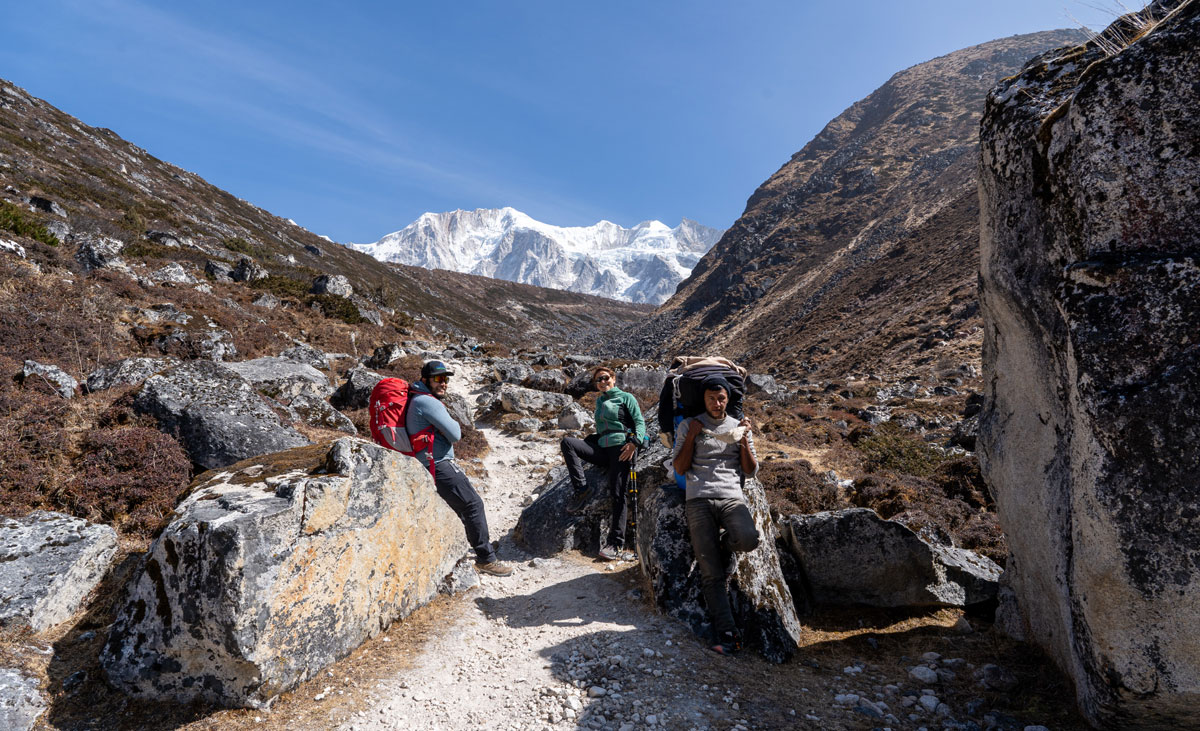
It is equally useful to check whether the company publishes recent trail information. Seasonal weather, road access, permit updates, and changes to tea house facilities can all affect the journey. Companies that operate the route regularly are usually able to provide current information because it comes directly from their guides, office team, or recent departures.
Finally, look at the consistency of the information across the company's website. Recent departures, updated itineraries, current trail reports, genuine guide profiles, and fresh client feedback should all support one another. When these elements are updated regularly, they provide strong evidence that the company is actively operating the Manaslu Circuit Trek rather than simply listing it as another destination.
Choosing a trekking company is not only about comparing prices or reading testimonials. It is also about confirming that the operator has ongoing experience on the route today. A company that regularly runs Manaslu departures is generally better placed to provide accurate advice, realistic planning, and informed support throughout your trek.
Experience of the Trek Leader Matters More Than Company Size
When comparing trekking companies, it is easy to focus on the company's size, years in business, or number of online reviews. While these factors can be helpful, they do not necessarily determine the quality of your experience on the Manaslu Circuit. On a remote high-altitude trek, the judgement, experience, and decision-making of the trek leader often have a greater influence on the journey than the size of the company behind the booking.
One of the first questions to ask is how much experience the trek leader has on the Manaslu Circuit itself. Guiding this route repeatedly over many trekking seasons helps build practical knowledge that cannot be gained from maps or itineraries alone. Familiarity with the villages, trail conditions, seasonal weather patterns, tea house operations, and daily walking stages allows experienced leaders to make informed decisions throughout the trek.
Altitude management is another area where route experience becomes especially valuable. Every trekker adapts differently to increasing elevation, and an experienced trek leader understands that a successful trek is guided by the condition of the group rather than by the clock. They continually observe how trekkers are adapting, adjust the pace when appropriate, encourage proper hydration and rest, and recognise when changes to the plan may be the safest option.
Mountain weather can change quickly, particularly on the approach to Larkya La Pass. Trek leaders who regularly operate the Manaslu Circuit develop a practical understanding of how changing conditions may affect departure times, walking pace, and daily planning. Their decisions are based on current trail conditions, weather, and the wellbeing of the group rather than simply following a fixed itinerary.
Experience on the Manaslu route also helps build long-term relationships with local communities, tea house owners, drivers, and support teams. These relationships often improve communication, simplify day-to-day logistics, and help resolve unexpected situations more efficiently during the trek.
Perhaps the greatest value of an experienced trek leader becomes clear when something does not go exactly as planned. Weather delays, transportation changes, health concerns, or other unexpected circumstances require calm judgement rather than quick assumptions. Experienced leaders assess the situation, explain the available options, communicate clearly with the group, and make practical decisions based on the conditions at the time.
When choosing a trekking company, do not focus only on its size or marketing. Ask who will actually lead your Manaslu Circuit Trek, how often they guide this specific route, and what experience they have managing treks in the Manaslu region. In many cases, the knowledge and judgement of the person leading the trek each day will have a greater influence on the success of your journey than the size of the company where you make your booking.
How a Good Company Plans Acclimatisation
When comparing Manaslu Circuit Trek itineraries, many travellers naturally focus on the total number of days or the overall price. However, one of the biggest differences between trekking companies is often how they plan acclimatisation. A well-designed Manaslu Circuit Trek itinerary is built around the gradual gain in altitude, giving trekkers time to adapt before reaching the highest sections of the trail. The objective is not simply to complete the trek in fewer days, but to balance safety, comfort, and enjoyment throughout the journey.
One of the clearest signs of an experienced operator is an itinerary that explains the purpose behind each high-altitude stop rather than simply listing overnight destinations. Good itinerary planning considers sleeping altitude, daily elevation gain, walking duration, and the condition of the group instead of treating every departure the same.
Sama Gaun is one of the most important acclimatisation stops on the Manaslu Circuit. At approximately 3,530 metres, it provides an ideal place for trekkers to slow their pace before moving higher. Many well-planned itineraries include an additional day here, allowing time for a short acclimatisation hike before returning to sleep in the village. This gradual approach helps many trekkers adapt more comfortably before continuing towards higher elevations.
The following stage to Samdo continues the acclimatisation process. Although the walking distance is relatively short, the increase in altitude is significant enough that experienced trek leaders continue monitoring how each trekker is adapting. Depending on the itinerary, weather conditions, and the group's overall condition, a short acclimatisation walk around Samdo may also be included before moving higher.
These carefully planned stages help prepare trekkers for the ascent to Larkya La Pass at 5,160 metres. By the time the group reaches Dharmasala, several days of progressive altitude gain have already allowed the body to adjust gradually. While no itinerary can completely eliminate the possibility of altitude-related illness, sensible acclimatisation planning provides a stronger foundation for crossing the pass safely and comfortably.
When comparing trekking companies, do not simply ask how many days the trek takes. Ask why the itinerary is designed that way. A company that can clearly explain its acclimatisation strategy, the purpose of overnight stops such as Sama Gaun and Samdo, and how it responds if a trekker needs additional time is often demonstrating genuine operational experience rather than simply offering the shortest itinerary or the lowest price.
Compare What Is Actually Included
When comparing Manaslu Circuit Trek Cost, avoid assuming that every package includes the same services. Two companies may advertise a similar itinerary at a similar price, yet the overall value can be quite different once permits, transportation, equipment, and other services are taken into account. Before making your decision, ask for a complete list of inclusions and a clear explanation of any additional expenses you should expect during the trek.
| Service | What to Confirm Before Booking |
|---|
| Permits | Confirm that all permits required for the Manaslu Circuit Trek are included in the quoted price and ask whether there are any additional government or local fees payable separately. |
| Transportation | Check how you will travel between Kathmandu, the trailhead, and the finishing point. Confirm whether transportation is private or shared where applicable. |
| Guide | Verify that a licensed trekking guide is included and ask who will actually lead your trek rather than assuming a guide will simply be assigned later. |
| Porter | Ask whether porter services are included, optional, or charged separately. It is also useful to confirm the porter-to-trekker ratio and luggage weight allowance. |
| Meals | Find out exactly which meals are included during the trek and whether meals in Kathmandu are covered before or after the trek. |
| Accommodation | Confirm the standard of accommodation in Kathmandu and on the trekking route, including whether tea house accommodation is included for every night of the itinerary. |
| Sleeping Bag | Ask whether a sleeping bag is included, available to rent, or should be brought with you. |
| Duffel Bag | Many operators provide a duffel bag for use during the trek, while others ask trekkers to bring their own. Confirm this before arrival. |
| Airport Transfers | Check whether both airport pick-up and drop-off are included and whether they apply to your scheduled arrival and departure dates. |
| Taxes and Service Charges | Confirm whether government taxes, service charges, and other applicable fees are already included in the advertised price. |
| Additional Costs to Confirm | Ask which expenses are normally paid separately, such as drinks, snacks, charging electronic devices, Wi-Fi, hot showers, personal equipment rental, travel insurance, gratuities, and optional services. A reputable company should explain these clearly before you book. |
Comparing inclusions is often more valuable than comparing prices alone. A package with a higher advertised price may include permits, transportation, equipment, and services that would otherwise be paid separately, while a lower-priced package may involve additional expenses during the journey. Looking at the overall value rather than the headline price will help you make a more informed comparison between trekking companies.
Questions You Should Ask Before Booking the Manaslu Circuit Trek
Before booking the Manaslu Circuit Trek, take a few minutes to ask the trekking company some practical questions. A professional operator should answer them clearly, explain the reasons behind its policies, and be transparent about how the trek is organised. The quality of these answers often tells you more about the company than the advertised itinerary or price.
- Who will be my trek leader, and how much experience do they have on the Manaslu Circuit?
- Does your company operate the trek directly, or is it managed by another local partner?
- Which permits are included in the package price, and are there any additional government or local fees?
- Is transportation between Kathmandu, the trailhead, and the finishing point private or shared?
- What is the maximum group size for this departure?
- How many trekkers are assigned to each porter, and what is the recommended luggage weight limit?
- How is acclimatisation planned, and why was this itinerary chosen?
- What is your procedure if a trekker develops symptoms of altitude-related illness?
- Do your guides hold first-aid training, and what medical equipment do they carry during the trek?
- Is emergency oxygen available if it becomes necessary, and how is it used during an emergency?
- How do guides communicate if there is limited or no mobile phone coverage?
- What happens if heavy snow, landslides, road closures, or other unexpected conditions affect the itinerary?
- What level of travel insurance do participants need before joining the trek?
- What personal equipment is included, available for hire, or should be brought from home?
- Are there any additional expenses that are normally paid separately during the trek, such as drinks, Wi-Fi, charging, hot showers, equipment rental, or gratuities?
There are no perfect answers to every question, as different trekking companies operate in different ways. What matters most is that the operator provides clear, honest, and consistent information before you book. Companies that communicate openly about their guides, logistics, safety procedures, inclusions, and emergency planning usually make it much easier for trekkers to prepare with confidence and know what to expect throughout the journey.
Warning Signs of a Poor Trekking Company
Choosing a trekking company is about more than comparing prices. The way a company answers your questions, explains its operations, and prepares for unexpected situations often reveals far more than its marketing. While one issue alone does not necessarily mean a company is unreliable, several of the warning signs below should encourage you to ask more questions before confirming your booking.
Prices That Seem Significantly Lower Than Everyone Else
Every company has different operating costs, so prices naturally vary. However, if one quotation is dramatically cheaper than most others, ask exactly what is included and what is not. Confirm permits, transportation, guide services, porter arrangements, accommodation, taxes, equipment, and any additional costs before comparing overall value rather than the advertised price alone.
No Information About the Trek Leader
On the Manaslu Circuit, your trek leader plays a far greater role than simply showing the way. They help manage acclimatisation, coordinate logistics, respond to changing trail conditions, and make important decisions if problems arise. A company should be able to explain who leads the trek, their experience on the Manaslu route, and their first-aid or altitude training.
An Itinerary That Explains Where You Go but Not How the Trek Is Operated
Many itineraries look almost identical online. What separates experienced operators is not the daily schedule but how they organise it. A reliable company should be able to explain why acclimatisation days are included, how transportation is arranged, how accommodation is secured during busy seasons, and how the itinerary may be adjusted if weather or trail conditions require changes.
Unclear Permit Information
The Manaslu Circuit Trek requires multiple permits that must be arranged correctly before entering the restricted area. If a company cannot clearly explain which permits are required, what is included in the package, and how the application process works, ask for clarification before booking.
No Clear Emergency Planning
Mountain conditions can change quickly, and every trekking company should have a clear plan for handling emergencies. Ask how guides respond to altitude-related illness, how communication is maintained in areas with limited mobile coverage, how evacuation is organised if necessary, and what role your travel insurance plays during an emergency.
Vague or Inconsistent Answers
Good communication usually reflects good organisation. If practical questions receive incomplete, contradictory, or constantly changing answers, continue asking until you fully understand how the trek will be managed. Clear communication before booking often leads to a smoother experience throughout the journey.
No Evidence of Recent Manaslu Operations
One of the simplest ways to assess a trekking company is to look for signs that it is actively operating the Manaslu Circuit. Recent client reviews, current trail updates, guide profiles, photographs from recent departures, and regularly updated information all help demonstrate ongoing experience with the route rather than relying on outdated content.
Pressure to Book Immediately
It is reasonable for companies to explain that places may become limited during the busiest trekking seasons. However, you should still have enough time to review the itinerary, understand the inclusions, ask questions, and arrange suitable travel insurance before making a final decision. A professional operator should help you make an informed choice rather than rushing you into a payment.
No trekking company is perfect, and no single point on this list should be used to judge a business in isolation. Instead, look at the overall picture. Companies that communicate openly, explain their operations clearly, provide current information, and answer practical questions with confidence generally make it much easier for trekkers to prepare well and know what to expect before arriving in Nepal.
How to Compare Online Reviews Before Choosing a Manaslu Trek Company
Online reviews are one of the best ways to learn how a trekking company actually operates, but the overall rating is only the starting point. Rather than choosing a company simply because it has hundreds of five-star reviews, spend a few minutes reading what previous trekkers consistently say about their experience. The details often reveal far more than the score itself.
Look for the Same Guide Being Recommended
One positive review could simply reflect a good trip. However, when different trekkers repeatedly mention the same guide by name over several months or years, it often suggests consistent leadership and reliable service. Pay particular attention to reviews describing how guides managed acclimatisation, solved unexpected problems, or supported trekkers during challenging sections of the trek.
Read Reviews That Describe the Journey, Not Just the Scenery
The most useful reviews explain how the trek was organised rather than simply saying it was "amazing." Look for comments about transportation, permit arrangements, accommodation, communication before arrival, daily organisation, pacing, and overall logistics. These practical details provide a much clearer picture of how the company operates.
Pay Attention to How Problems Were Managed
Every trekking season brings challenges such as changing weather, delayed transport, road conditions, or altitude-related issues. Companies should not be judged by whether these situations occurred, but by how they responded. Reviews describing professional decision-making, clear communication, and well-managed solutions often provide valuable insight into the experience you can realistically expect.
Prioritise Recent Reviews
A trekking company can change significantly over time as guides, management, and operating standards evolve. Reviews from recent departures usually provide the most accurate reflection of the company's current services, logistics, and overall organisation. A consistent pattern of positive feedback from the past year is generally more useful than excellent reviews written many years ago.
Look for Consistent Patterns Instead of Individual Opinions
Every company receives both positive and critical feedback. Rather than focusing on a single review, look for comments that appear repeatedly across many independent travellers. Consistent praise for knowledgeable guides, organised logistics, honest communication, and good safety practices usually carries more weight than isolated compliments. Likewise, if the same concerns appear repeatedly, they deserve careful consideration before booking.
Verify That the Company Is Actively Operating Manaslu Treks
Reviews become even more valuable when they are supported by other evidence. Look for recent departures, current trail updates, guide profiles, photographs from the latest trekking seasons, and regularly updated information about the Manaslu Circuit. When these details align with recent traveller feedback, they provide stronger confidence that the company continues to organise the route on a regular basis.
Online reviews should never be the only factor in your decision. The best approach is to combine recent traveller feedback with clear communication, transparent permit information, experienced guides, realistic itineraries, and well-explained safety procedures. Looking for consistent evidence across all of these areas gives a far more reliable picture than relying on star ratings alone.
Should You Choose the Cheapest Manaslu Trekking Company?
One of the most common questions travellers ask when planning the Manaslu Circuit Trek is whether the cheapest trekking company offers the best deal. The honest answer is no. However, that does not mean the most expensive company is automatically the best choice either. The right decision comes from understanding what is included, how the trek is operated, and whether the overall service offers good value for your budget.
A Lower Price Does Not Automatically Mean Lower Quality
Some trekking companies offer competitive prices because they organise their own departures, employ experienced local guides, and manage permits and logistics directly. Others reduce prices by including fewer services or leaving more expenses for trekkers to pay during the journey. A lower quotation is not a concern on its own, provided the company clearly explains exactly what is included and what is not.
A Higher Price Does Not Automatically Mean Better Value
A higher price may include smaller group sizes, additional support staff, upgraded accommodation in Kathmandu, or extra services before and after the trek. These additions can certainly improve the overall experience, but price alone should never be used as a measure of quality. A professional trekking company should be able to explain exactly what makes its package different and why those services provide additional value.
Compare the Overall Value, Not Just the Price
Instead of asking, "Which company is the cheapest?", ask, "Which company offers the best overall value?" Compare guide experience, permit handling, transportation, accommodation, porter arrangements, safety planning, group size, communication before the trek, equipment provided, and any additional expenses you may need to pay along the route. Looking at the complete picture almost always leads to a better decision than comparing prices alone.
Ask Why the Prices Are Different
If two companies advertise similar itineraries but very different prices, ask both of them to explain the difference. Experienced operators should be able to clearly describe what is included, what is optional, and how they organise the trek from your arrival in Kathmandu until the journey is completed. Clear, honest, and consistent answers usually provide a better indication of professionalism than the quotation itself.
For most trekkers, the best Manaslu trekking company is rarely the cheapest or the most expensive. It is the company that combines experienced guides, transparent pricing, well-planned logistics, realistic safety procedures, and clear communication before the trek begins. Choosing the best overall value instead of the lowest price is one of the most effective ways to enjoy a safer, smoother, and more rewarding Manaslu Circuit Trek experience.
Why Many Trekkers Prefer Local Operators for the Manaslu Circuit Trek
Many international travel agencies organise excellent trekking holidays in Nepal, either through their own operations or by working with experienced local partners. At the same time, many trekkers choose to book directly with local trekking operators. Their decision is rarely based on price alone. More often, it comes down to direct communication, operational flexibility, current route knowledge, and the confidence that the people organising the trek are closely connected to the journey from start to finish.
Direct Communication from the Start
When booking with a local operator, you are often communicating directly with the team responsible for permits, transportation, accommodation, guides, and daily logistics. This allows questions to be answered more accurately and makes it easier to discuss itinerary changes, special requests, or practical travel arrangements before arriving in Nepal.
Greater Flexibility Throughout the Journey
Conditions in the Himalayas can change quickly. Road access, weather, transportation schedules, and individual trekking pace sometimes require adjustments to the original plan. Operators who manage their own departures are often able to respond more efficiently because the booking team and the staff on the trail remain closely connected throughout the trek.
Up-to-Date Knowledge of the Route
The Manaslu Circuit is a remote trekking route where conditions can vary from one season to the next. Trail maintenance, permit procedures, transportation, and lodge availability may all change over time. Companies that regularly organise departures are often able to provide practical advice based on recent experience rather than relying solely on standard itinerary information.
Supporting the Communities Along the Trail
Every Manaslu trek depends on the people who live and work in the region. Guides, porters, drivers, lodge owners, cooks, permit staff, and many small family-run businesses all contribute to the trekking experience. For many travellers, booking with a locally operated company is also a way of helping tourism benefits remain connected to the communities that support the route.
Local Knowledge Beyond the Itinerary
A well-organised trek is about more than reaching Larkya La Pass. Along the way, experienced local teams often share practical insights into village life, Buddhist traditions, seasonal farming, mountain culture, and changing trail conditions. These conversations help many trekkers gain a deeper understanding of the Manaslu region while travelling through it.
Booking directly with a local operator is not automatically the best choice for every traveller, and many international agencies also organise excellent Manaslu treks. Rather than deciding based only on where a company is located, look at how it communicates, how it manages logistics, how current its knowledge is, and whether it demonstrates genuine experience operating the Manaslu Circuit. Those factors usually have a far greater influence on the overall trekking experience than the company's location alone.
Our Approach at Dream Heaven Adventure
At Dream Heaven Adventure, we organise the Manaslu Circuit Trek with the same approach we use for every departure: careful planning, clear communication, experienced local leadership, and practical support from your first enquiry until you complete the trek. Our goal is to keep every stage of the journey straightforward, well organised, and transparent.
We Organise the Trek Ourselves
Our Manaslu Circuit Trek is managed directly by our team in Nepal. We coordinate permits, transportation, accommodation, guide assignments, and day-to-day logistics ourselves, allowing us to provide accurate information and respond quickly if plans need to change.
Experienced Manaslu Trek Leaders
Our Manaslu departures are led by licensed trekking guides with extensive experience on this route. They understand the trail, acclimatisation planning, seasonal conditions, local culture, and the practical decisions that help keep the trek running smoothly in a remote mountain environment.
Itineraries Reviewed for Current Conditions
We regularly review our itinerary to reflect changes in road access, transportation, trail conditions, permit procedures, and other operational updates. Where necessary, we make practical adjustments while maintaining a sensible pace and appropriate acclimatisation throughout the trek.
Permit and Logistics Management
We arrange all required permits before the trek begins and coordinate the transport, accommodation, and other logistics needed for the journey. By managing these arrangements in advance, we aim to make the preparation process as straightforward as possible for our trekkers.
Airport Pickup and Pre-Trek Briefing
We provide airport pickup on arrival in Kathmandu and meet every trekker before departure for a detailed briefing. During this meeting, we review the itinerary, permits, equipment, weather conditions, and answer any final questions before setting off for the Manaslu region.
Small Group Departures
Our scheduled Manaslu Circuit Trek departures are limited to a maximum of 10 trekkers. Smaller groups allow guides to communicate more easily, monitor each participant's pace, and provide more personal support throughout the journey.
Clear and Transparent Pricing
We explain clearly what is included in the package price, what is not included, and which expenses should be expected during the trek. We encourage every traveller to review the inclusions and exclusions before confirming a booking so they know exactly what to expect.
Support Throughout the Journey
Remote mountain travel sometimes requires flexibility. Whenever communication is available, our guides remain in contact with our office, allowing us to assist with operational matters if unexpected situations arise. Our priority is to make informed decisions based on the conditions, the itinerary, and the wellbeing of everyone in the group.
Our approach is built on careful organisation, experienced local leadership, transparent communication, and practical support throughout the journey. We believe that these everyday operational details are an important part of delivering a well-managed Manaslu Circuit Trek, from your arrival in Nepal until the trek is complete.
Frequently Asked Questions
Which company is best for the Manaslu Circuit Trek?
The best company for the Manaslu Circuit Trek is the one that matches your trekking experience, travel style, budget, and the level of support you expect before and during the journey. Rather than looking for a company with the lowest price or the highest number of reviews, it is more useful to compare how each operator plans and manages the trek.
Look for evidence that the company regularly organises Manaslu departures, uses experienced licensed guides, follows a sensible acclimatisation itinerary, explains its pricing clearly, and communicates promptly before the trek begins. It is also worth asking whether the company operates the trek itself or works through another local partner, as this can influence communication and trip management.
An experienced operator should be able to explain its itinerary, permit arrangements, transportation, accommodation, safety procedures, and how unexpected situations such as weather delays or route changes are managed. Clear, practical answers are often a stronger indication of experience than marketing claims or promotional wording.
Instead of trying to find a single "best" company, choose the operator that demonstrates genuine experience on the Manaslu Circuit and provides the level of organisation, transparency, and support that best matches your expectations.
Should I Book Directly with a Local Trekking Operator?
Booking directly with a local trekking operator allows you to communicate with the team responsible for organising your trek, from permits and transportation to guides, accommodation, and day-to-day logistics. This direct communication often makes it easier to discuss itinerary changes, special requests, and practical travel arrangements before you arrive in Nepal.
However, booking directly is not automatically the best option for everyone. Many international travel agencies also organise excellent Manaslu treks through experienced local partners. Instead of deciding solely on where a company is based, compare how clearly it communicates, how transparent it is about pricing and inclusions, and whether it demonstrates genuine experience operating the Manaslu Circuit Trek. The quality of the organisation and the people managing the trek usually has a greater impact on your experience than the location of the booking office.
Is a Guide Included in the Manaslu Circuit Trek?
Yes. Most organised Manaslu Circuit Trek packages include a licensed trekking guide because the route passes through a restricted area where independent trekking is not permitted under the current regulations. Beyond leading the trail, a guide coordinates permits, communicates with tea houses, monitors acclimatisation, manages daily logistics, and helps respond to unexpected situations if they arise during the journey.
Before confirming your booking, check whether the guide is included in the quoted price and ask about their experience on the Manaslu Circuit. It is also worth confirming whether porter services are included, available as an optional extra, or arranged separately, as this varies between trekking companies.
How Early Should I Book the Manaslu Circuit Trek?
For the widest choice of departure dates, experienced guides, and accommodation, it is generally advisable to book the Manaslu Circuit Trek two to four months before your planned departure, particularly for the busy spring and autumn trekking seasons. Booking early also gives the trekking company sufficient time to process permits, organise logistics, and confirm the arrangements before your arrival in Nepal.
Last-minute bookings are sometimes possible, especially if you are flexible with your travel dates or would like to join an existing group departure. However, during peak trekking seasons, waiting until the last minute may limit your choice of departure dates, guide availability, or accommodation options. Booking in advance usually provides greater flexibility and allows more time to prepare for the trek.
Can Solo Travellers Join a Group Departure?
Yes. Many trekking companies organise scheduled group departures that allow solo travellers to join an existing group instead of booking a private trek. This is often a practical option for reducing the cost of guides, porters, and transportation while following the same itinerary as the rest of the group. It also gives solo trekkers the opportunity to share the experience with other travellers.
Before confirming your booking, ask about the maximum group size, the guide-to-trekker ratio, the planned itinerary, and whether the departure is already guaranteed. A well-managed group should maintain a comfortable pace, allow enough time for acclimatisation, and provide clear communication throughout the trek.
What Happens if Larkya La Pass Is Closed?
Larkya La Pass is usually accessible during the main trekking seasons, but heavy snowfall or severe weather can occasionally make the crossing unsafe. In these situations, the guide will monitor the weather, trail conditions, and local information before deciding whether it is safe to continue, wait for conditions to improve, or return to a lower village if necessary.
A responsible trekking company should always prioritise safety over completing the planned itinerary. Before booking, ask how the company manages unexpected weather delays, whether the itinerary allows some flexibility, and how additional accommodation or transportation arrangements are handled if plans need to change.
Is Helicopter Evacuation Included in the Trek Price?
In most cases, no. Emergency helicopter evacuation is normally not included in the standard price of a Manaslu Circuit Trek. Instead, it is usually covered through a travel insurance policy that includes high-altitude trekking and emergency helicopter evacuation in Nepal, provided the evacuation is medically necessary and covered by the terms of the policy.
Before travelling, confirm that your insurance covers the maximum altitude reached on the Manaslu Circuit and includes emergency helicopter rescue. It is also worth asking the trekking company how emergency situations are managed, how guides communicate with the support team, and what procedures are followed if an evacuation becomes necessary.
Which Permits Should the Trekking Company Arrange?
A trekking company should arrange all permits required for the Manaslu Circuit Trek before the journey begins. These normally include the Manaslu Restricted Area Permit (RAP), the Manaslu Conservation Area Permit (MCAP), and the Annapurna Conservation Area Permit (ACAP), as the trail continues into the Annapurna region after crossing Larkya La Pass.
As permit regulations and fees can change, confirm before booking that all required permits are included in the quotation and will be processed before departure. An experienced operator should clearly explain which permits are needed, what documents you need to provide, and whether any additional local fees apply during the trek.
Can Beginners Complete the Manaslu Circuit Trek?
Yes, beginners can complete the Manaslu Circuit Trek, but success depends more on preparation, fitness, and a well-planned itinerary than on previous trekking experience. Although the trek does not involve technical climbing, it includes several consecutive days of walking, significant altitude gain, and crossing Larkya La Pass at 5,160 metres.
You may also find our guide to Manaslu Circuit Trek Difficulty helpful when deciding whether this trek matches your experience and fitness level.
For first-time trekkers, choosing an itinerary with proper acclimatisation is one of the most important decisions. Avoid schedules that shorten the trek by reducing acclimatisation time, as adapting gradually to the altitude is essential for both safety and enjoyment. An experienced guide, realistic daily walking distances, and sensible overnight stops can make the trek more manageable for beginners.
Should I Book My Trek from Nepal or Overseas?
Both options can work well. Booking through an overseas travel agency may provide the convenience of dealing with a company in your own country, while booking directly with a trekking operator in Nepal often allows you to communicate with the team responsible for permits, guides, transportation, accommodation, and day-to-day logistics.
Rather than deciding solely on where a company is based, compare its experience on the Manaslu Circuit, communication, pricing transparency, reviews, and the level of support it provides before and during the trek. The quality of the planning, communication, and on-the-ground operation usually has a greater influence on your overall experience than where the booking is made.
Are Private Manaslu Treks Better Than Group Treks?
Neither option is automatically better. The right choice depends on your budget, travel style, and personal preferences. A private trek offers greater flexibility, allowing you to choose your own departure date, travel companions, and make reasonable adjustments to your walking pace and daily planning where conditions allow. Group departures are often more economical and provide the opportunity to trek with people from different countries while sharing certain operational costs.
When comparing private and group treks, look beyond the price. Consider the guide's experience, the itinerary, group size, acclimatisation planning, and the level of support provided throughout the journey. These factors usually have a greater influence on the trekking experience than whether you travel privately or with a group.
How Many Trekkers Are Usually in a Group?
Group sizes vary between trekking companies. Some operators specialise in small groups of four to eight trekkers, while others organise larger scheduled departures. Smaller groups often allow guides to communicate more easily with each participant, monitor acclimatisation more closely, and maintain a comfortable walking pace throughout the trek.
Before booking, ask about the maximum group size rather than the average number of participants. Knowing the largest number of trekkers that may join the departure provides a clearer understanding of how the trek will be managed and whether it matches your preferred travel style.
What Should a Good Manaslu Itinerary Include?
A well-designed Manaslu Circuit Trek itinerary should prioritise safe acclimatisation rather than simply completing the route in the shortest possible time. It should include realistic daily walking hours, suitable overnight stops, and enough time to adapt to the altitude before crossing Larkya La Pass. A shorter itinerary is not always a better itinerary if it reduces the opportunity to acclimatise properly.
A good itinerary should also explain transportation arrangements, permit requirements, accommodation, and how unexpected situations such as adverse weather or trail conditions may affect the schedule. When comparing trekking companies, focus on how the itinerary has been planned rather than simply comparing the total number of trekking days.
Should I Choose the Cheapest Trekking Company?
Not necessarily. A lower price does not automatically mean lower quality, just as a higher price does not guarantee a better trekking experience. The more useful comparison is not the total price but what that price includes and how the trek is organised.
Before comparing quotations, look beyond the cost. Compare guide experience, permit arrangements, transportation, accommodation, acclimatisation planning, group size, safety procedures, communication, and any additional expenses that may arise during the trek. A company that clearly explains both its inclusions and exclusions usually provides a better basis for comparison than one that competes on price alone.
Can Trekking Companies Arrange Extra Hotel Nights in Kathmandu?
Yes. Most trekking companies can arrange additional hotel accommodation in Kathmandu before or after the Manaslu Circuit Trek. Many trekkers arrive one or two days early to recover from a long international flight, hire or purchase trekking equipment, or allow extra time in case of travel delays. Others choose to stay an extra night after the trek before flying home.
Before confirming your booking, ask whether hotel accommodation is included in the trekking package or arranged separately. It is also worth confirming the hotel category, airport transfers, check-in arrangements, and whether the company can assist if your travel dates change unexpectedly.
Can I Combine the Manaslu Circuit Trek with the Annapurna Circuit?
Yes. Many trekkers combine the Manaslu Circuit Trek with the Annapurna Circuit because the trail joins the Annapurna region after crossing Larkya La Pass and descending to Dharapani. Combining the two routes creates a longer Himalayan journey with greater variety in landscapes, villages, and mountain scenery.
If you prefer an even longer Himalayan journey, you can also consider the Manaslu Circuit Trek with Tsum Valley before crossing Larkya La Pass.
A well-planned combined itinerary should maintain proper acclimatisation, realistic daily walking distances, and suitable overnight stops rather than simply adding more kilometres each day. When comparing trekking companies, look at how the extended itinerary has been designed instead of focusing only on the total duration.
What Should I Check Before Paying a Deposit?
Before paying a deposit, make sure you understand exactly what is included in the trekking package and what expenses are excluded. Ask the company to explain the itinerary, permits, transportation, accommodation, guide and porter services, payment schedule, cancellation policy, and any additional costs that may arise during the trek.
It is also worth confirming that the company regularly operates the Manaslu Circuit, communicates clearly, and answers practical questions confidently. Spending a little extra time verifying these details before booking can help prevent misunderstandings later.
How Do I Know if a Trekking Company Really Operates Manaslu Trips?
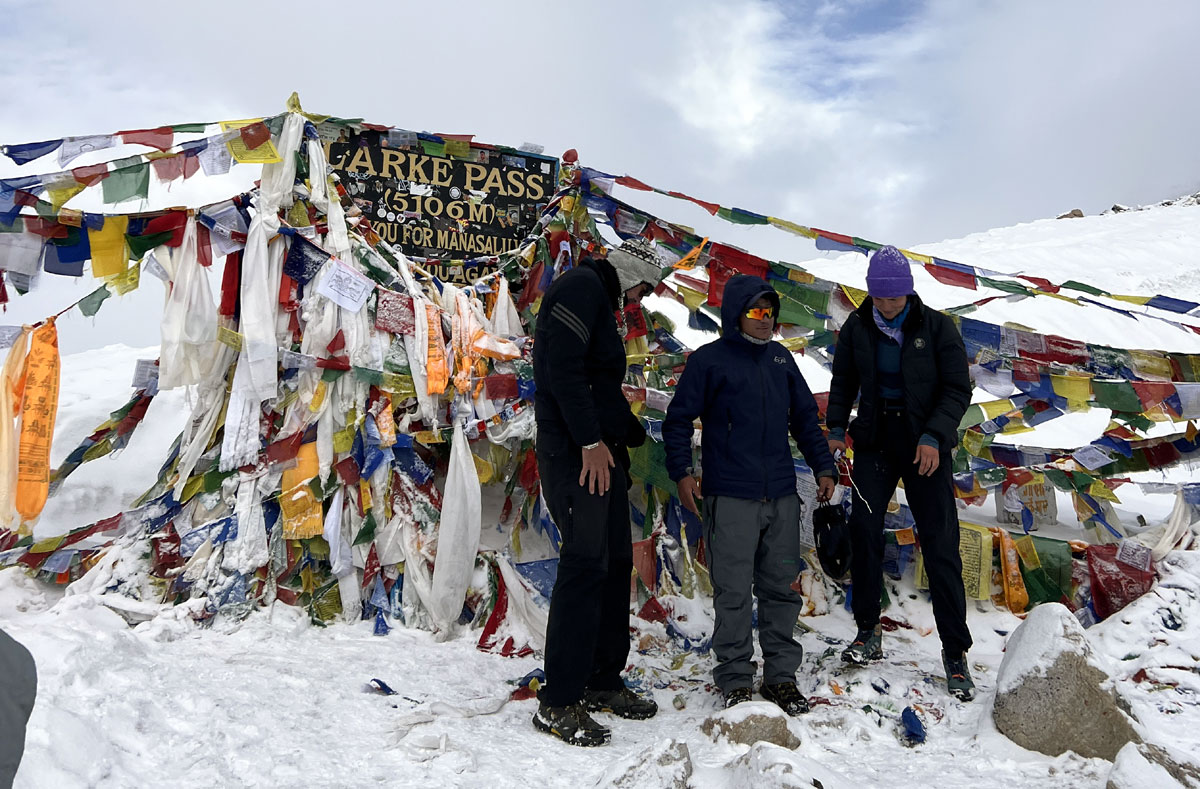
A company that regularly operates the Manaslu Circuit Trek should be able to show evidence of recent departures rather than relying only on promotional descriptions. Look for recent trek photographs, current trail updates, departure dates, guide profiles, detailed itineraries, and reviews that specifically mention the Manaslu Circuit.
You can also ask practical questions about permits, transportation, acclimatisation planning, tea house accommodation, seasonal trail conditions, and how unexpected situations are managed. Companies with genuine operational experience are usually able to answer these questions clearly and consistently because their advice is based on recent departures rather than general destination information.
Seasonal conditions can also influence operations, so reviewing the Best Time for the Manaslu Circuit Trek can help you understand when companies are most active on the trail.