Why More Travelers Are Asking This Question
For many years, the Everest Base Camp Trek was one of those adventures people rarely questioned. If someone dreamed of trekking in Nepal, Everest was often the first route that came to mind.
Today, we hear a different conversation.
Some travelers wonder whether the Everest Base Camp Trek is becoming too crowded. Others question whether the cost, helicopter traffic, and growing number of trekking alternatives have changed the experience.
It is a fair question.
After years of organizing treks in the Everest region, we have found that many people arrive with doubts but leave with a very different opinion. The reality of the trek is often not what they expected before coming to Nepal.
So, is the Everest Base Camp Trek still worth it in 2026?
The answer depends on what you are looking for and what you expect from the journey.
Is the Everest Base Camp Trek Worth It for the Mountain Views?
Yes, but perhaps not in the way many first-time trekkers expect.
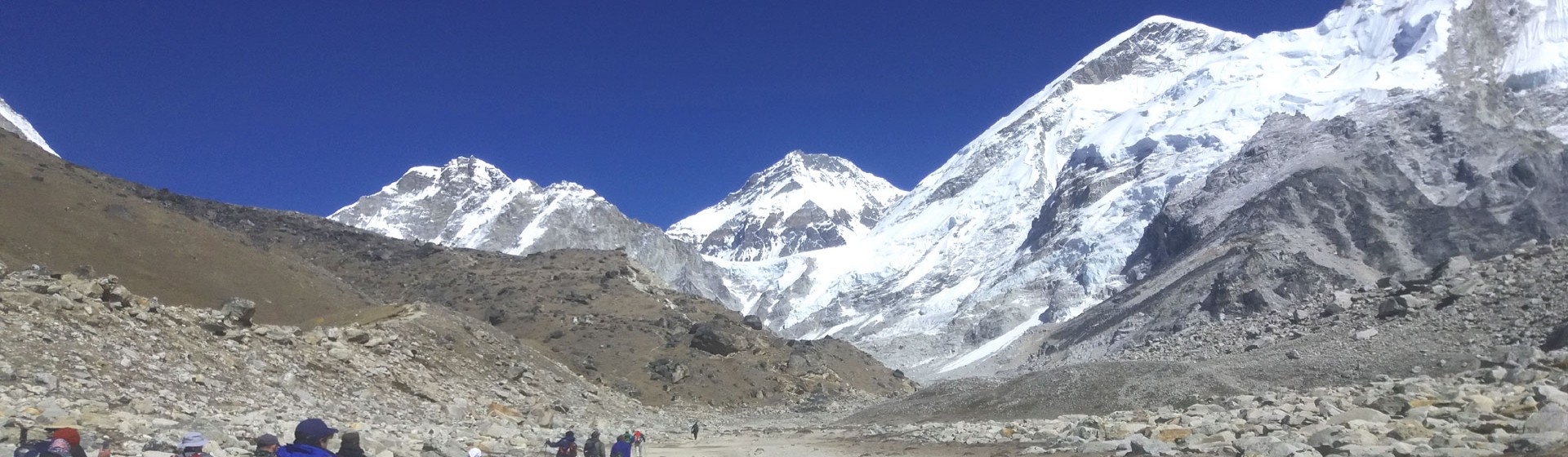
Before arriving in Nepal, a lot of people imagine that the Everest Base Camp Trek is a two-week walk with Mount Everest constantly in front of them. The reality is quite different. Everest appears gradually throughout the journey, and that is part of what makes the experience so memorable.
One thing we have noticed over the years is that many trekkers arrive focused entirely on Everest but leave talking just as much about the mountains around it. Ama Dablam often becomes the surprise favorite. From places like Tengboche, Pangboche, and Dingboche, it is usually the peak that causes people to stop walking, take out their cameras, and simply stand still for a few moments. By the end of the trek, many photo galleries contain as many pictures of Ama Dablam as they do of Everest itself.
The scenery also changes far more than many people expect. The lower trail passes through forests, rivers, suspension bridges, and Sherpa villages. As you gain altitude, the landscape becomes wider, drier, and more dramatic. Above Dingboche, glaciers, moraines, and towering Himalayan peaks begin to dominate the horizon. By the time you reach Lobuche and Gorakshep, the environment feels completely different from the trail you started on just a few days earlier.
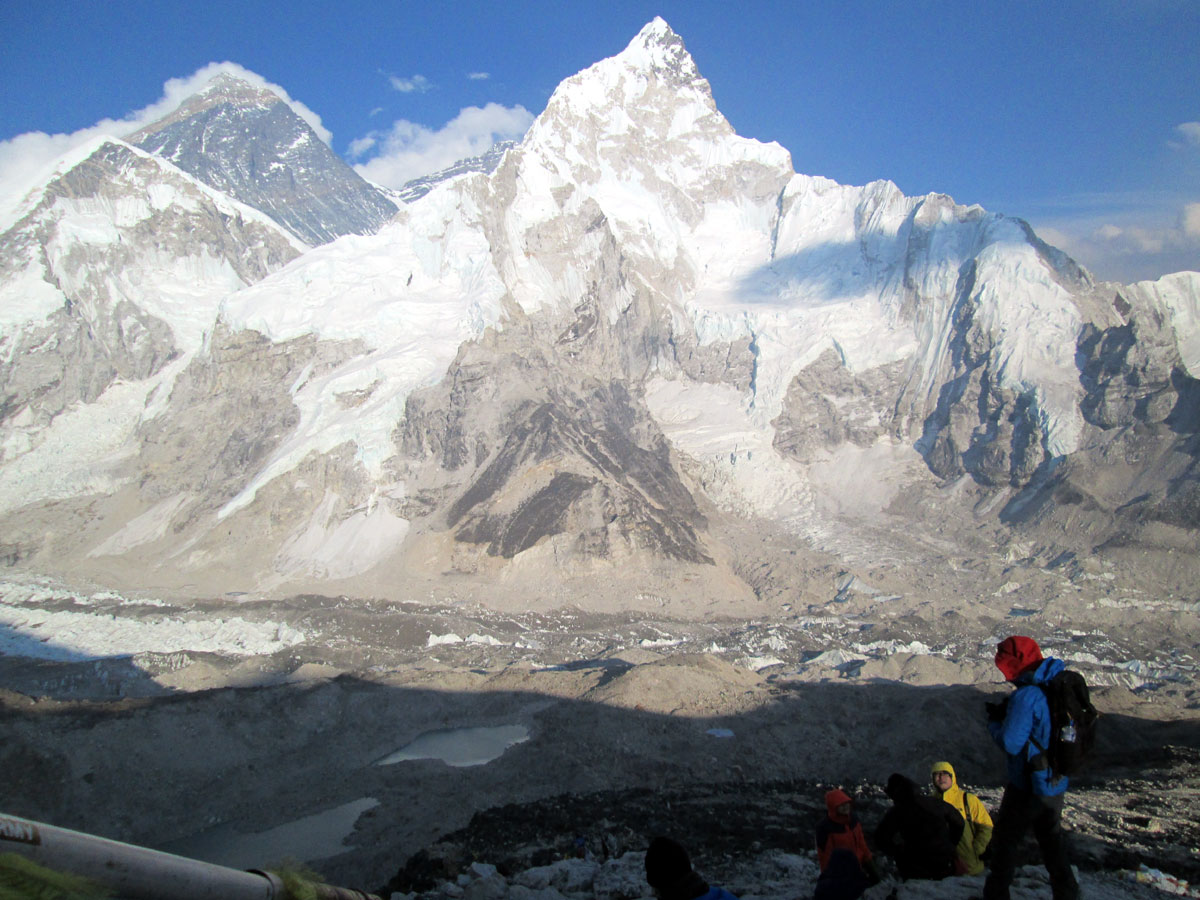
Another surprise for many trekkers is that Everest Base Camp itself is not always their favorite viewpoint. Reaching Base Camp is an unforgettable achievement, but when people look back on the trek, the moment they talk about most often is sunrise from Kala Patthar. Watching the first light touch the summit of Everest while Nuptse, Pumori, and the Khumbu Glacier stretch across the landscape below is a view that stays with people long after they return home.
If your goal is simply to see Mount Everest, there are quicker ways to do that. However, if you want to experience how the world's highest mountain gradually reveals itself while walking through one of the most famous mountain regions on Earth, then the Everest Base Camp Trek remains one of the most rewarding trekking experiences in Nepal.
For many people, it is not a single viewpoint that makes the trek worthwhile. It is the combination of changing landscapes, legendary peaks, and the feeling that each day brings you deeper into the heart of the Himalayas.
Is Everest Base Camp Worth It for the Cultural Experience?
Yes, and for many trekkers it becomes one of the most memorable parts of the journey.
Most people book the Everest Base Camp Trek because of the mountains. Very few mention Sherpa culture in their first email. Yet by the end of the trek, conversations about local people, villages, monasteries, and life in the Khumbu often become just as important as the views themselves.
One thing we have noticed over the years is that the cultural experience does not come from a single attraction or organized activity. It happens naturally as the trek unfolds. You share tea in family-run lodges, pass long mani walls carved with Buddhist prayers, spin prayer wheels beside the trail, and walk through villages where mountain life continues much as it has for generations.
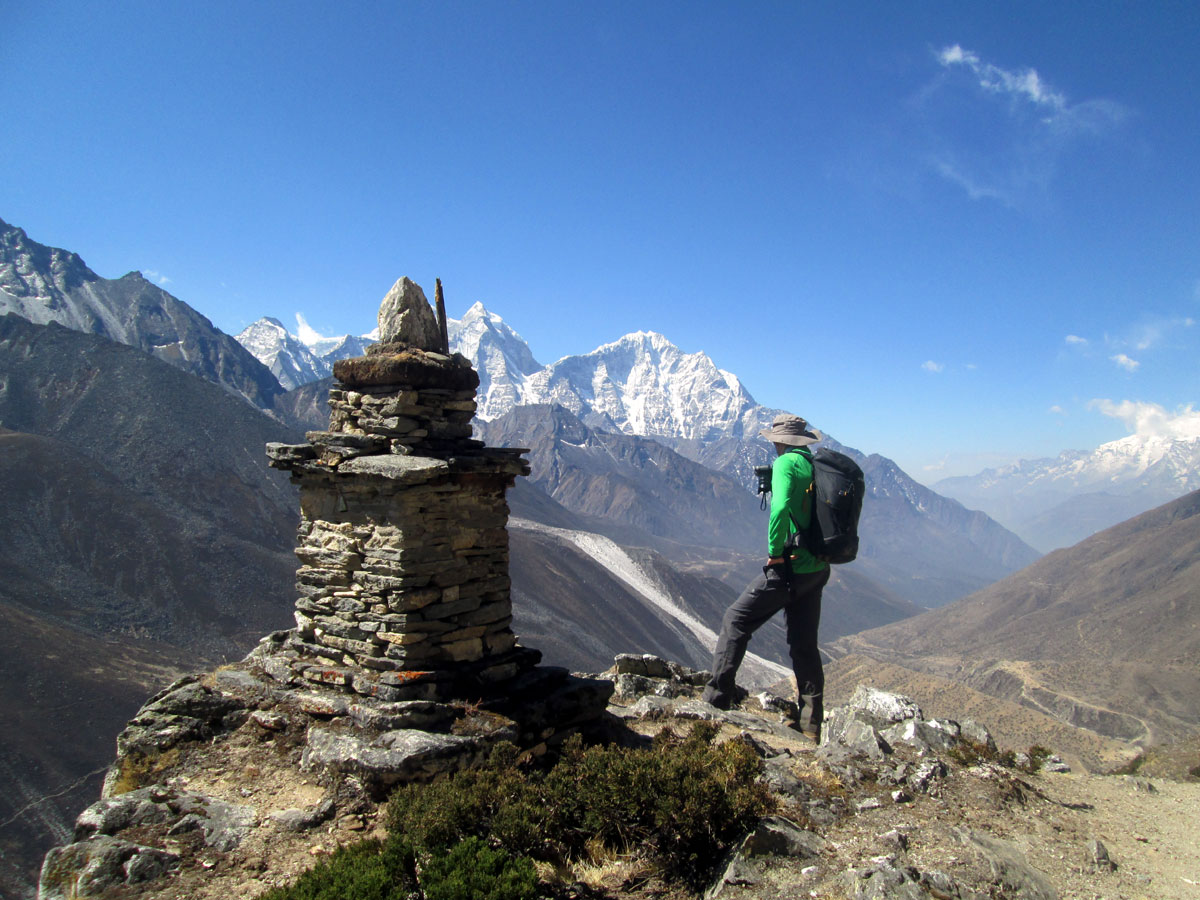
Tengboche Monastery is often the cultural highlight of the trek. Many people arrive expecting a quick photo stop and end up spending much longer than planned. The setting is remarkable, but what leaves an impression is seeing an active monastery in the middle of the Himalayas rather than a place created for visitors.
Another thing that stands out is how closely daily life is connected to the mountains. Supplies still arrive by porter, yak, or mule. Children walk between villages to attend school. Lodge owners prepare meals, welcome trekkers, and continue with their normal routines while thousands of visitors pass through the region each year. Because of this, the Everest Base Camp Trek feels less like a visit to a tourist destination and more like a journey through a place where people genuinely live and work.
For travelers whose main goal is cultural immersion, routes such as the Manaslu Circuit Trek or Upper Mustang may offer a deeper look into traditional village life. However, what makes the Everest Base Camp Trek special is the combination of Sherpa culture, mountain history, and Himalayan scenery found along a single route.
Many trekkers start the journey focused on reaching Everest Base Camp. By the time they return to Kathmandu, they are often talking just as much about the people they met along the way.
Is the Everest Base Camp Trek Worth the Time and Effort?
The Everest Base Camp Trek requires a bigger commitment than many other treks in Nepal. Most people spend around two weeks on the trail, walk for several hours each day, and deal with the challenges that come with gaining altitude.
If you have limited time available, our Everest Base Camp Short Trek may be a better fit while still allowing you to experience the highlights of the region.
Because of that, it is reasonable to ask whether the experience is worth the time and effort.
One thing we have noticed over the years is that very few trekkers talk about the walking hours once the trek is finished. Instead, they talk about specific moments. Their first arrival in Namche Bazaar. The morning they woke up to see Ama Dablam outside the lodge window. Reaching Kala Patthar before sunrise. Standing at Everest Base Camp after days of steadily moving higher into the mountains.
The effort is part of what gives those moments meaning. There are easier ways to see Everest. A mountain flight takes less than an hour. A helicopter can reach Everest Base Camp in a single morning. Yet people continue to spend nearly two weeks walking because the experience is about much more than seeing a mountain.
Another thing that often surprises first-time trekkers is how quickly life on the trail becomes simple. Wake up, eat breakfast, walk, rest, and repeat. Away from traffic, schedules, and daily routines, many people find themselves focusing on the journey itself rather than the destination.
That does not mean every day is easy. Altitude can be challenging, temperatures become colder as the trek progresses, and some days feel much longer than expected. However, these are often the same difficulties that make reaching Everest Base Camp feel rewarding in the end.
If you are looking for comfort and convenience above everything else, there are easier ways to spend two weeks in Nepal. If you are looking for an experience that requires patience, commitment, and a willingness to step outside your normal routine, the Everest Base Camp Trek remains one of the most rewarding journeys in the Himalayas.
Many trekkers start the trek wondering whether the time and effort will be worthwhile. By the time they return to Kathmandu, most are already talking about when they might come back.
Is the Everest Trek Worth the Cost in 2026?
The cost of the Everest Base Camp Trek is one of the first things many travelers ask about when planning their trip to Nepal.
For a detailed breakdown of permits, flights, accommodation, and daily expenses, see our complete Everest Base Camp Trek Cost Guide.
It is also one of the things they talk about the least once the trek is finished.
Before booking, people naturally compare prices. They look at flights, permits, guides, accommodation, food, and trekking packages. Because reaching Everest Base Camp requires both time and money, most travelers want to know whether the experience will justify the investment.
From what we have seen over the years, the answer is usually yes.
One reason is that the cost covers much more than simply getting from one village to another. The Everest Base Camp Trek takes people into a mountain region that remains inaccessible by road, where every meal, building material, and supply must be transported into the mountains. Flights, permits, tea houses, guides, and local services all play a role in making the journey possible.
What is interesting is how quickly the conversation changes once people begin trekking. Questions about cost are gradually replaced by discussions about acclimatization, mountain views, life in the villages, and reaching Everest Base Camp itself. By the end of the trek, most people are thinking about the experience they had rather than what they paid for it.
That does not mean the Everest Base Camp Trek is inexpensive. For many travelers, it is one of the largest travel expenses they will make that year. However, it is also an experience that cannot easily be compared with a typical holiday. Few journeys combine high mountain landscapes, Sherpa culture, physical challenge, and the opportunity to stand at the foot of the world's highest mountain.
If your goal is to find the cheapest trekking experience in Nepal, there are certainly more affordable options. If your goal is to experience the Everest region properly and understand why people travel from around the world to walk this trail every year, most trekkers feel the cost is justified.
One thing we hear far more often after the trek is not "It cost too much."
It is "I am glad I finally did it."
Is Everest Base Camp Trekking Worth It After 50?
Absolutely.
One thing that surprises many first-time visitors to the Everest region is how many trekkers in their 50s and 60s are on the trail. In some trekking seasons, it is not unusual to see as many people over 50 heading towards Everest Base Camp as trekkers in their twenties.
Over the years, we have noticed that age is rarely the factor that determines who reaches Everest Base Camp successfully. Pace, patience, and acclimatization are usually much more important.
In fact, older trekkers often approach the journey differently. Rather than focusing on how quickly they can reach the next village, they tend to walk at a steady pace, take acclimatization seriously, and listen carefully to how their bodies respond to altitude. Those habits often work in their favor on a high-altitude trek.
Recovery can take a little longer than it does for younger trekkers, which is why a well-planned itinerary becomes especially important. Extra acclimatization time, gradual altitude gain, proper hydration, and realistic daily expectations usually contribute more to success than age itself.
Some of the most memorable Everest Base Camp success stories we have seen over the years have involved trekkers in their 50s and 60s. Many arrived wondering whether they would be able to complete the trek. A couple of weeks later, they were standing at Everest Base Camp or watching sunrise from Kala Patthar after achieving something they had thought about for years.
The Everest Base Camp Trek after 50 is not necessarily about proving anything to other people. For many travelers, it is about finally taking on an adventure they have postponed because of work, family commitments, or the belief that they had missed their opportunity.
The reality is that there is no perfect age to trek to Everest Base Camp. What matters far more is arriving with reasonable fitness, allowing enough time for acclimatization, and approaching the journey with patience rather than urgency.
For many trekkers over 50, the experience becomes memorable not because of their age, but because they finally decided to go.
Is the Everest Base Camp Trek Worth Choosing Over Other Treks in Nepal?
This is probably one of the hardest questions to answer because Nepal offers several world-class trekking routes.
Over the years, we have guided trekkers who were deciding between Everest Base Camp, Manaslu, Annapurna, and Langtang. Interestingly, the best choice was rarely about which trek was "better." It was usually about which experience matched their expectations.
Everest Base Camp Trek vs Manaslu Circuit Trek
The Everest Base Camp Trek and Manaslu Circuit Trek are often compared because both offer spectacular Himalayan scenery, but the atmosphere on the trail feels very different.
People usually choose Everest because they have dreamed about the region for years. They want to see the Khumbu, visit Namche Bazaar, experience Sherpa culture, and stand at the foot of the world's highest mountain.
Manaslu attracts a different type of traveler. Many are looking for a quieter trail, fewer trekkers, and a stronger feeling of remoteness. Villages are smaller, facilities are more basic, and there are long sections where the mountains and local communities feel far removed from the busier trekking routes in Nepal.
Everest Base Camp Trek vs Annapurna Circuit Trek
The Annapurna Circuit is often chosen by travelers who want maximum variety.
Over the course of the trek, the scenery, climate, and culture change dramatically. The route passes through forests, farming villages, high mountain deserts, and the famous Thorong La Pass.
The Everest Base Camp Trek feels more focused. The entire journey revolves around the Everest region, Sherpa communities, and the gradual approach towards the highest mountains in the world.
Many trekkers who choose Annapurna are looking for variety. Many who choose Everest are following a dream they have had for years.
Everest Base Camp Trek vs Langtang Valley Trek
Langtang is often selected by travelers with limited time or those looking for a shorter Himalayan trekking experience.
The mountains are impressive, the Tamang culture is fascinating, and the region is much easier to reach from Kathmandu.
The Everest Base Camp Trek requires a larger commitment, but it also delivers a bigger sense of scale. The mountain scenery is more extensive, the trekking duration is longer, and the feeling of travelling deep into the Himalayas is stronger.
So Which Trek Would We Choose?
If someone asked us which trek offers the best overall experience, our answer would always be the same.
It depends on what you are looking for.
If your dream is Everest, no other trek truly replaces the Everest Base Camp Trek.
If your dream is solitude, Manaslu may be a better fit.
If you want the greatest variety of landscapes, Annapurna is hard to beat.
If you have limited time but still want a rewarding Himalayan adventure, Langtang is an excellent choice.
The good news is that none of these routes are poor choices. The best trek in Nepal is usually the one that matches your interests, expectations, and travel style rather than the one with the most famous name.
What Trekkers Often Say After Reaching Everest Base Camp
Over the years, we have spoken with hundreds of trekkers after they completed the Everest Base Camp Trek. What is interesting is how often the same observations come up again and again.
One of the most common comments is that the trek felt harder than expected. Not because the trail was dangerous or technically difficult, but because walking for days at high altitude is very different from what most people experience at home. Many trekkers arrive focused on distance and fitness, then discover that altitude changes everything.
At the same time, many people also tell us the experience was better than they expected.
Before the trek, most attention is focused on Everest itself. Afterwards, the stories are often about completely different things. Some talk about the atmosphere in Namche Bazaar. Others remember early mornings in Dingboche, evenings spent around the dining room stove, or conversations with lodge owners and fellow trekkers from around the world.
Another observation we hear regularly is that Kala Patthar becomes the highlight of the journey. Reaching Everest Base Camp is a major achievement, but many trekkers say the sunrise view from Kala Patthar is the moment they remember most clearly after returning home.
Many people are also surprised by how much they enjoyed the Sherpa villages. Before the trek, they expect mountain scenery. After the trek, they often find themselves talking about Tengboche, Pangboche, Namche Bazaar, and the people they met along the trail.
If you are currently preparing for the journey, our Everest Base Camp Trek Packing List covers the gear most trekkers actually use on the trail.
Perhaps the biggest difference between expectations and reality is the feeling at the end of the trek. Reaching Everest Base Camp is not simply about arriving at a destination. For many trekkers, it represents days of effort, patience, acclimatization, and determination. That sense of achievement is difficult to explain before the trek begins, but it is one of the reasons so many people remember the experience for years afterwards.
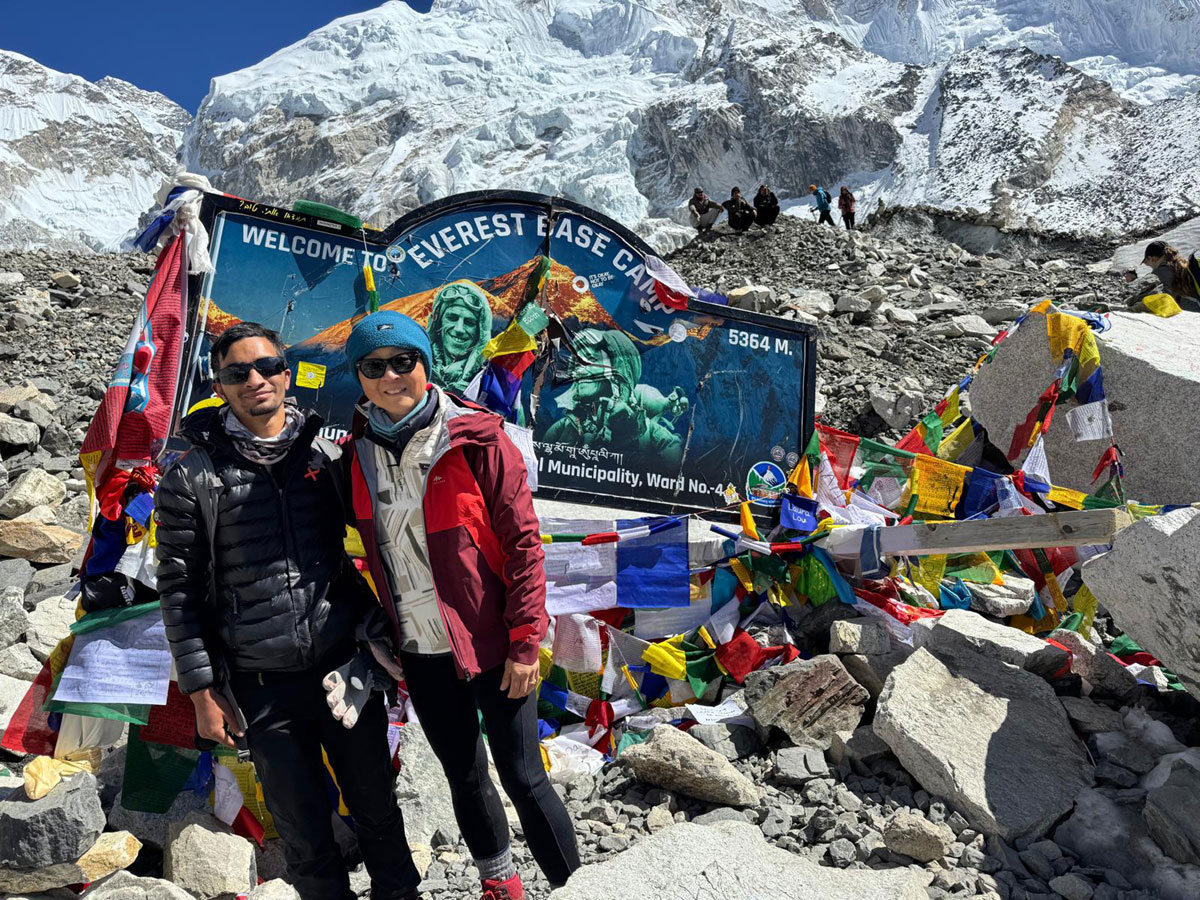
One thing we rarely hear from trekkers after they return to Kathmandu is that the journey was not worth it.
What we hear far more often is that they are already thinking about their next trek in Nepal.
So, Is the Everest Base Camp Trek Still Worth It in 2026?
After everything we have discussed, the answer is still yes.
The Everest Base Camp Trek is not the easiest trek in Nepal, the cheapest trek in Nepal, or the quietest trek in Nepal. There are routes with fewer people, routes that feel more remote, and routes that require less time and money.
Yet year after year, trekkers continue to choose Everest.
It Is Worth It If...
- You have dreamed of visiting the Everest region for years.
- You enjoy journeys that require patience rather than speed.
- You want more than just mountain views and are interested in the people, villages, and culture along the trail.
- You are looking for a challenge that feels genuinely earned.
- You want to experience one of the world's most iconic trekking routes for yourself rather than simply seeing it in photos or videos.
It May Not Be Worth It If...
- Your main goal is finding the quietest trekking route in Nepal.
- You have very limited time available for trekking.
- You prefer comfort and convenience over physical challenge.
- You are looking specifically for a remote wilderness experience.
- You would rather avoid the popularity that comes with the Everest region.
Over the years, we have spoken with many trekkers after they completed the journey. Some said it was harder than expected. Some said it was more emotional than expected. Many said Kala Patthar became their favorite moment of the trek.What we hear surprisingly rarely is that someone wishes they had never gone.
In fact, a much more common comment is that they wish they had done it sooner.
That alone probably answers the question better than anything else.
For the right traveler, the Everest Base Camp Trek remains one of the most rewarding adventures in Nepal in 2026.
Our Final Thoughts After Years of Organizing Everest Base Camp Treks
After years of organizing Everest Base Camp Treks, one thing continues to surprise us.
The things people worry about before the trek are rarely the things they talk about afterwards.
Before arriving in Nepal, many trekkers are concerned about altitude, fitness, accommodation, weather, and whether they will actually make it to Everest Base Camp. Those questions are completely understandable and part of every trek.
After the journey is over, the conversation usually changes.
People talk about the friends they met on the trail. They talk about the first time they saw Everest. They talk about Namche Bazaar, Tengboche, Kala Patthar, and the feeling of standing somewhere they had imagined for years.
Some tell us the trek was harder than expected.
Many tell us it was better than expected.
What we hear surprisingly rarely is regret.
The Everest Base Camp Trek is not the right trek for everyone, and it does require time, effort, and commitment. However, after watching hundreds of trekkers complete the journey, we have found that most leave with a sense of satisfaction that is difficult to find in many other travel experiences.
If Everest has been on your mind for years, there is probably a reason.
Sometimes the hardest part is not reaching Everest Base Camp.
It is deciding to go.
Thinking About Trekking to Everest Base Camp?
If you are considering the Everest Base Camp Trek and would like to discuss itineraries, acclimatization, costs, the best trekking season, or whether the trek is suitable for your experience level, feel free to get in touch with our team.
You can explore our complete Everest Base Camp Trek itinerary, Everest Base Camp Trek with Helicopter Return, Everest Base Camp Short Trek, and Luxury Everest Base Camp Trek to find the option that best matches your travel style and available time.
We have been helping travelers explore the Everest region for many years and are always happy to answer questions, whether you are ready to book or simply looking for honest advice before planning your trip.