Annapurna Circuit Trek Cost at a Glance (2026-2027)
The cost of the Annapurna Circuit Trek depends on the itinerary you choose, the services included, and whether you trek independently or join an organised package. Transportation, accommodation, guide and porter services, permits, and daily personal expenses all contribute to the total budget. Understanding these costs before booking makes it easier to compare trekking options and avoid unexpected expenses along the trail.
The table below provides a realistic overview of the typical costs most trekkers should expect when planning the Annapurna Circuit Trek.
| Expense | Typical Cost (USD) |
|---|
| Organised Annapurna Circuit Trek Package | From USD 850-1,600+ per person |
| Independent Trek (excluding international flights) | Approximately USD 500-1,000+ |
| Licensed Trekking Guide | USD 30-40 per day |
| Porter | USD 25-30 per day |
| Tea House Accommodation | USD 5-15 per night |
| Meals | USD 20-35 per day |
| Transportation | Varies by itinerary and vehicle |
| Personal Expenses | USD 10-25 per day |
| Recommended Cash to Carry During the Trek | USD 250-450 |
These figures are intended as practical planning estimates rather than fixed prices. Your final budget will vary depending on your itinerary, trekking season, group size, transportation choices, accommodation preferences, and personal spending during the trek.
Why Does the Annapurna Circuit Trek Cost Vary?
No two Annapurna Circuit treks are exactly the same. A shorter itinerary with shared transportation and basic tea houses will usually cost less than a longer itinerary with private transfers, an experienced guide, porter support, and additional services. This is why comparing package prices alone rarely gives a complete picture of the total cost.
The main factors that influence the cost of the Annapurna Circuit Trek include:
- Trek duration and itinerary
- Organised package or independent trekking
- Guide and porter services
- Transportation to and from the trail
- Government permits
- Tea house accommodation
- Daily meals and drinking water
- Hot showers, Wi-Fi, and charging electronic devices
- Equipment rental in Kathmandu
- Travel insurance and emergency evacuation cover
- Tips and other personal expenses
The following sections explain each of these expenses in detail, helping you understand where your money goes, compare trekking options more accurately, and prepare a realistic budget for the Annapurna Circuit Trek.
How Much Does the Annapurna Circuit Trek Cost?
The average cost of the Annapurna Circuit Trek ranges from approximately USD 500 to USD 1,000 or more for independent trekkers, while most organised trekking packages typically cost between USD 850 and USD 1,600 or more per person. The final price depends on your itinerary, transportation, guide and porter services, accommodation standard, group size, and the level of support included throughout the trek.
Unlike many trekking routes in Nepal, there is no single standard itinerary for the Annapurna Circuit. Some trekkers choose a shorter itinerary, while others include additional acclimatisation days, side trips, or a longer walking route. Transportation also varies, with some itineraries using local buses and shared jeeps, while others include private vehicle transfers. These choices directly influence the overall cost of the trek.
When comparing trekking prices, it is important to look beyond the advertised package price. Two companies may offer similar prices but include very different services. Before booking, check whether permits, transportation, accommodation, meals, guide and porter services, airport transfers, and government taxes are included. Understanding exactly what is covered allows you to compare trekking packages fairly and avoid unexpected expenses during your journey.
The following sections break down every major expense, including permits, transportation, accommodation, meals, guide and porter services, and daily personal spending, helping you calculate a realistic budget for the Annapurna Circuit Trek in Nepal.
Our detailed Annapurna Circuit Trek itinerary explains the daily route, overnight stops, and walking distances that influence the total trekking cost.
Organised Package vs Independent Annapurna Circuit Trek Cost
One of the biggest decisions when planning the Annapurna Circuit Trek is whether to join an organised trekking package or arrange everything independently. Both options can provide an excellent trekking experience, but the overall cost, level of convenience, and amount of planning involved are quite different.
Independent trekking usually costs less upfront because you pay for each service separately throughout the journey. This gives you greater flexibility to choose your own accommodation, meals, transportation, and daily budget. However, it also means organising permits, transport, tea house bookings during busy seasons, and managing any itinerary changes yourself if weather, road conditions, or personal circumstances affect your plans.
An organised trekking package combines most major expenses into a single price. Depending on the company, this often includes permits, transportation, accommodation, guide services, some or all meals, airport transfers, and logistical support before and during the trek. While the initial price is generally higher, many trekkers appreciate the convenience of having the practical arrangements handled in advance, allowing them to focus on the trekking experience itself.
Neither option is automatically better. Independent trekking may suit experienced travellers who are comfortable planning logistics and managing unexpected changes along the route. An organised package is often preferred by trekkers looking for a more straightforward experience, particularly those visiting Nepal for the first time or those who value local support throughout the trek.
Organised Package vs Independent Trek Comparison
| Category | Organised Package | Independent Trek |
|---|
| Initial Cost | Higher | Lower |
| Overall Budget Predictability | Excellent | Moderate |
| Permit Arrangements | Usually Included | Arrange Yourself |
| Transportation | Usually Included | Book Separately |
| Guide | Included (depending on package) | Optional |
| Porter | Optional or Included | Optional |
| Accommodation Booking | Usually Arranged | Self-managed |
| Trip Planning | Minimal | Full Responsibility |
| Flexibility | Moderate | High |
| Suitable For | First-time visitors and those seeking convenience | Experienced independent travellers |
Rather than choosing solely based on price, compare what is included in each option. A package that appears more expensive may provide better overall value if it already covers permits, transportation, accommodation, and experienced local support. Understanding exactly what is included is often the best way to compare the true cost of different Annapurna Circuit Trek options.
Should You Trek Independently or Choose an Organised Package?
Whether you trek independently or join an organised package is one of the biggest factors influencing the overall cost of the Annapurna Circuit Trek. Both options offer an excellent trekking experience, but they differ significantly in terms of budget, planning, flexibility, and the services included.
Independent trekkers organise their own transportation, accommodation, meals, and daily logistics, while any required permits are obtained separately as part of the trek planning process. This approach offers greater flexibility and can reduce upfront costs, but it also requires more preparation before arriving in Nepal and greater responsibility for managing transport, accommodation, and any itinerary changes during the trek.
An organised trekking package combines most major trekking expenses into a single price. Depending on the company and itinerary, this may include permits, transportation, accommodation, guide services, porter support, airport transfers, and other logistical arrangements. For many trekkers, this makes budgeting simpler and reduces the amount of planning required before and during the journey.
Neither option is universally better. Independent trekking is often preferred by experienced travellers who enjoy planning their own trip, while an organised package is well suited to those seeking local support, straightforward logistics, and a more predictable overall budget.
Organised Package vs Independent Trek Comparison
| Category | Organised Package | Independent Trek |
|---|
| Initial Cost | Higher | Lower |
| Budget Predictability | Excellent | Moderate |
| Transportation | Usually Included | Booked Separately |
| Permits | Usually Arranged | Arranged During Trip Planning |
| Licensed Guide | Included or Optional | Optional |
| Porter | Included or Optional | Optional |
| Tea House Accommodation | Usually Planned in Advance | Self-managed |
| Trek Logistics | Managed by the Company | Managed Independently |
| Flexibility | Moderate | High |
| Best Suited For | Travellers seeking convenience and local support | Experienced independent travellers |
When comparing Annapurna Circuit Trek prices, focus on what is included rather than the advertised price alone. Two packages with similar prices can offer very different levels of service. Checking whether transportation, permits, accommodation, guide services, porter support, meals, airport transfers, and government taxes are included will give you a much clearer picture of the true overall cost and help you compare different trekking options fairly.
Annapurna Circuit Trek Permit Costs
The Annapurna Conservation Area Permit (ACAP) is a mandatory government permit for all foreign trekkers entering the Annapurna Conservation Area. It is one of the few fixed costs of the Annapurna Circuit Trek, meaning the fee remains the same regardless of your itinerary or the number of trekking days.
| Permit | Cost |
|---|
| Annapurna Conservation Area Permit (ACAP) - Foreign Nationals | NPR 3,000 |
| Annapurna Conservation Area Permit (ACAP) - SAARC Nationals | NPR 1,000 |
Independent trekkers arrange and pay for the permit separately before starting the trek, while organised trekking packages usually include the permit cost in the overall package price. Before comparing trekking prices, it is always worth confirming whether the permit fee is already included.
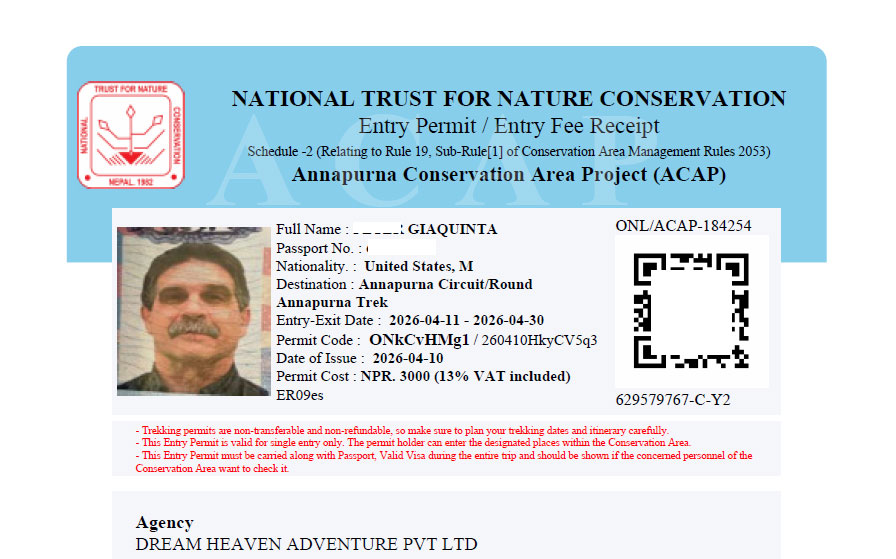
Although the ACAP fee represents only a small part of the total trekking budget, it is an essential expense for every foreign trekker. The revenue contributes to conservation programmes, trail maintenance, visitor management, and community development projects throughout the Annapurna Conservation Area.
Once your permit is arranged, the remaining trekking costs mainly depend on your transportation, accommodation, meals, guide and porter services, itinerary, and personal spending during the trek.
Annapurna Circuit Trek Transportation Costs
Transportation is one of the largest variable expenses of the Annapurna Circuit Trek because there is no single standard itinerary. Your transportation budget depends on where you begin the trek, where you finish, and whether you travel by local bus, shared jeep, or private vehicle. These choices can make a significant difference to the total cost of the trek.
Most trekkers begin the Annapurna Circuit from either Kathmandu or Pokhara before travelling to the trailhead by road. After completing the trek, they usually return to Pokhara or Kathmandu by road, while some itineraries finish earlier or include additional transportation depending on the chosen route. Because of these variations, transportation costs differ from one itinerary to another.
Typical Transportation Costs
| Journey | Typical Cost (USD) |
|---|
| Kathmandu – Besisahar (Local Bus) | USD 10-15 |
| Kathmandu – Besisahar (Shared Jeep) | USD 25-40 |
| Pokhara – Besisahar (Local Bus) | USD 8-12 |
| Pokhara – Besisahar (Shared Jeep) | USD 20-35 |
| Private Jeep (Kathmandu or Pokhara to Trailhead) | Depends on group size and destination |
| Return Transportation After the Trek | Varies according to the finishing point and mode of travel |
Choosing local buses is generally the most economical option, while shared or private jeeps offer greater comfort, shorter travel times, and more flexibility. Some trekkers also choose itineraries that reduce road travel or include additional destinations, which can further influence the overall transportation budget.
If you join an organised Annapurna Circuit Trek package, transportation is often included according to the itinerary. Before comparing package prices, check exactly which road transfers are covered, as this can have a noticeable impact on the total value of the package.
Transportation costs should always be considered alongside permit fees, accommodation, meals, guide and porter services, and personal expenses when planning the total budget for the Annapurna Circuit Trek.
Annapurna Circuit Trek Guide Cost
Hiring a licensed trekking guide is one of the main costs to consider when planning the Annapurna Circuit Trek. The typical cost of a licensed guide ranges from USD 35 to USD 40 per day, depending on the trekking season, itinerary, guide's experience, group size, and the services included.
| Guide Service | Typical Cost |
|---|
| Licensed Trekking Guide | USD 30-40 per day |
For organised Annapurna Circuit Trek packages, the guide cost is usually included in the overall package price. Independent trekkers normally hire and pay for a guide separately. Before comparing trekking prices, it is worth confirming whether the quoted guide fee includes the guide's insurance, accommodation, meals, transportation, and government taxes, as these costs are not included by every trekking company.
Hiring a guide increases the overall trekking budget, but it also provides local knowledge, route guidance, and logistical support throughout the journey. Understanding exactly what is included in the guide fee makes it easier to compare different trekking companies and calculate the true overall cost of the Annapurna Circuit Trek.
Annapurna Circuit Trek Porter Cost
Hiring a porter is an optional expense on the Annapurna Circuit Trek, but many trekkers choose this service to make the journey more comfortable by carrying their main trekking bag. The typical cost of hiring a porter ranges from USD 25 to USD 30 per day, depending on the trekking season, itinerary, group size, and the trekking company.
| Porter Service | Typical Cost |
|---|
| Porter | USD 25-30 per day |
A porter typically carries up to 20-25 kg, which is usually shared between two trekkers. This means two people can often share one porter while each carries only a lightweight daypack containing water, snacks, extra clothing, valuables, and other personal essentials needed during the day's walk.
For organised Annapurna Circuit Trek packages, porter services may be included or offered as an optional extra. Independent trekkers normally hire and pay for a porter separately. Before comparing trekking prices, check whether the quoted porter fee includes the porter's insurance, accommodation, meals, transportation, and government taxes, as these costs are not included by every trekking company.
Knowing how many trekkers share one porter and understanding exactly what is included in the quoted price makes it much easier to estimate the true porter cost and compare different trekking companies fairly.
Annapurna Circuit Trek Tea House Accommodation Cost
Tea house accommodation is one of the most affordable expenses on the Annapurna Circuit Trek. Most villages along the route offer simple twin-sharing rooms with basic facilities, allowing trekkers to complete the journey without camping or staying in expensive mountain lodges.
| Accommodation | Typical Cost |
|---|
| Tea House Room | USD 5-15 per night |
Accommodation costs generally become higher as you gain altitude, although the room itself usually remains one of the least expensive parts of the daily trekking budget. In many tea houses, the main source of income comes from food and drinks rather than the room, so some lodges may reduce or waive the room charge if trekkers purchase their meals there.
The price of a tea house room varies depending on the village, trekking season, and availability. During the busy spring and autumn trekking seasons, popular overnight stops can fill quickly, making advance planning particularly useful for organised groups and independent trekkers following fixed itineraries.
If you book an organised Annapurna Circuit Trek package, tea house accommodation is usually included throughout the trek. Independent trekkers should confirm room availability and include accommodation costs as part of their overall trekking budget.
Annapurna Circuit Trek Food Cost
Food is one of the largest daily expenses on the Annapurna Circuit Trek. While tea house accommodation is usually inexpensive, meals account for a significant part of the overall trekking budget, especially as you gain altitude and transporting supplies to remote mountain villages becomes more expensive.
| Food | Typical Cost |
|---|
| Daily Food Budget | USD 20-35 per day |
A daily food budget of USD 20-35 is realistic for most trekkers and usually covers breakfast, lunch, dinner, and a few hot drinks. Your total daily spending may be higher if you regularly purchase soft drinks, chocolate, desserts, alcoholic beverages, or extra snacks along the trail.
Dal bhat is often one of the best-value meals on the Annapurna Circuit because many tea houses traditionally offer free refills, making it a popular choice for trekkers walking long distances each day. Imported foods, bottled drinks, and packaged snacks generally become more expensive at higher elevations because they must be transported to remote mountain villages.
If you book an organised Annapurna Circuit Trek package, check whether meals are included in the quoted price. Understanding exactly what is covered helps you estimate your daily food expenses more accurately and compare different trekking packages fairly.
Annapurna Circuit Trek Drinking Water Cost
Drinking water is a daily expense that many trekkers overlook when planning the cost of the Annapurna Circuit Trek. The amount you spend depends on how much water you drink each day and whether you purchase boiled drinking water from tea houses or carry a reusable water bottle with a water filter or purification tablets.
| Drinking Water | Typical Cost |
|---|
| Boiled Drinking Water | USD 1-4 per litre |
| Water Filter or Purification Tablets | One-time purchase before the trek |
Most trekkers buy boiled drinking water from tea houses throughout the trek, with prices generally increasing at higher elevations because fuel and other supplies become more expensive to transport. Others carry a reusable water bottle together with a water filter or purification tablets and refill water where appropriate along the trail.
Including drinking water in your daily budget from the beginning helps provide a more realistic estimate of the total cost of the Annapurna Circuit Trek, particularly on longer itineraries. If you book an organised Annapurna Circuit Trek package, it is also worth checking whether drinking water is included or paid for separately, as this varies between trekking companies.
Hidden and Personal Expenses on the Annapurna Circuit Trek
Accommodation, meals, transportation, permits, and guide services make up most of the Annapurna Circuit Trek budget, but there are several smaller daily expenses that many trekkers overlook. Individually these costs may seem minor, but together they can noticeably increase your overall spending during the trek.
| Personal Expense | Typical Cost |
|---|
| Hot Shower | USD 2-5 |
| Wi-Fi | USD 2-5 |
| Device Charging | USD 1-3 |
| Laundry | Varies by village |
| Snacks, Soft Drinks & Chocolate | Higher than in Kathmandu |
| Alcoholic Drinks | Significantly more expensive than lower elevations |
Hot showers, Wi-Fi, and charging electronic devices are available in many tea houses, although prices generally increase at higher elevations. Availability may also vary between villages, weather conditions, and the facilities provided by individual tea houses.
Many trekkers also spend more than expected on snacks, bottled drinks, chocolate, desserts, and other personal purchases made along the trail. These small expenses can add up over the course of the trek, so it is sensible to include a little extra in your daily budget.
Planning for these additional costs helps provide a more realistic estimate of the total Annapurna Circuit Trek cost and reduces the chance of unexpected expenses during the journey.
Additional Costs to Budget for on the Annapurna Circuit Trek
Many trekkers carefully budget for permits, accommodation, meals, transportation, and guide services but overlook the smaller daily expenses that arise during the trek. Individually these costs may seem minor, but together they can noticeably increase the total cost of the Annapurna Circuit Trek.
| Additional Expense | Typical Cost |
|---|
| Hot Shower | USD 2-5 |
| Wi-Fi | USD 2-5 |
| Charging Electronic Devices | USD 1-3 |
| Laundry | Varies by village |
| Soft Drinks & Snacks | Varies |
| Alcoholic Drinks | Generally more expensive at higher elevations |
| Tips for Guide & Porter | Optional |
Hot showers, Wi-Fi, and charging facilities are available at many tea houses, although prices generally increase at higher elevations and may vary between villages. Personal purchases such as soft drinks, chocolate, snacks, desserts, and alcoholic beverages can quickly increase your daily spending, especially on longer itineraries.
Including these additional expenses in your budget provides a more realistic estimate of the total cost of the Annapurna Circuit Trek and helps reduce unexpected spending during the journey.
Sample Annapurna Circuit Trek Budgets
The examples below provide a realistic estimate of what different types of trekkers can expect to spend on the Annapurna Circuit Trek. Actual costs vary depending on the itinerary, transportation, accommodation, guide and porter services, personal spending, and the trekking season.
| Trek Style | Estimated Budget* |
|---|
| Budget Independent Trek | USD 500-900 |
| Independent Trek with Guide | USD 900-1,200 |
| Organised Trekking Package | USD 850-1,600+ |
Estimated budgets exclude international flights to and from Nepal.
These estimates include the main trekking expenses such as permits, transportation, accommodation, and meals, together with the level of support appropriate for each trekking style. Personal spending on hot showers, Wi-Fi, charging electronic devices, snacks, alcoholic drinks, equipment rental, travel insurance, and tips should be budgeted separately.
The best option depends on your travel style rather than the lowest advertised price. Comparing what is included and setting aside a realistic budget for personal expenses will help you avoid unexpected costs and plan your Annapurna Circuit Trek with greater confidence.
If budget is only one part of your decision, our Is Annapurna Circuit Trek Suitable for Beginners? guide explains the fitness level, daily walking hours, and who the trek is best suited for.
How to Save Money on the Annapurna Circuit Trek
The Annapurna Circuit Trek does not have to be expensive. With careful planning and a few practical decisions, you can reduce your overall trekking budget without affecting the quality of your experience.
- Travel during the shoulder seasons when accommodation and transportation may be easier to arrange and some costs can be lower than during the busiest trekking months.
- Carry a reusable water bottle and a reliable water filter or purification tablets to reduce spending on drinking water where appropriate.
- Choose local meals such as dal bhat, which often provide better value than imported dishes and are widely available throughout the trek.
- Limit purchases of soft drinks, alcoholic beverages, and packaged snacks, as these become progressively more expensive at higher elevations.
- Share a porter if travelling with a companion, as one porter can usually carry up to 20–25 kg between two trekkers.
- Pack essential trekking equipment before leaving Kathmandu to avoid paying higher prices in mountain villages where supplies are limited.
- Compare trekking packages based on what is included, rather than selecting the lowest advertised price.
Saving money does not always mean choosing the cheapest option. A well-planned budget, realistic daily spending, and understanding what is included in your trekking package can often provide better value and help you avoid unexpected expenses during the Annapurna Circuit Trek.
Looking for a longer Himalayan adventure? Our Manaslu and Annapurna Circuit Combined Trek guide explains how both classic trekking routes can be completed in a single itinerary.
Frequently Asked Questions (FAQs)
1. How much does the Annapurna Circuit Trek cost in total?
The total cost of the Annapurna Circuit Trek typically ranges from USD 500 to over USD 2,000, depending on whether you trek independently or join an organised package. Your final budget is influenced by permits, transportation, accommodation, meals, guide and porter services, itinerary length, personal spending, and the level of comfort you choose. Most organised trekking packages include many of these costs, while independent trekkers pay for each expense separately.
2. Is the Annapurna Circuit Trek cheaper than the Everest Base Camp Trek?
In most cases, yes. The Annapurna Circuit Trek is generally less expensive than the Everest Base Camp Trek because it is reached by road rather than domestic flights to Lukla. Accommodation and meals are often more affordable along much of the Annapurna Circuit, although your total budget still depends on the itinerary, guide and porter services, transportation choices, and personal spending.
If you are comparing both routes, our Manaslu Circuit vs Annapurna Circuit guide explains the differences in cost, permits, difficulty, scenery, and overall trekking experience.
3. How much cash should I carry for the Annapurna Circuit Trek?
Most trekkers carry enough Nepalese Rupees to cover personal expenses such as drinking water, snacks, hot showers, Wi-Fi, charging electronic devices, laundry, tips, and any costs not included in their trekking package. The exact amount depends on your itinerary, spending habits, and package inclusions. Carrying sufficient cash before starting the trek is recommended because banking facilities and card payment options become limited along the Annapurna Circuit.
4. Are Annapurna Circuit Trek permits included in the package price?
Most organised Annapurna Circuit Trek packages include the required trekking permits as part of the overall price, but this varies between trekking companies. Independent trekkers normally arrange and pay for their permits separately before beginning the trek. It is always worth confirming exactly which permits are included before booking.
5. Are there any hidden costs on the Annapurna Circuit Trek?
The main trekking expenses are usually straightforward, but many trekkers underestimate smaller daily costs such as drinking water, hot showers, Wi-Fi, charging electronic devices, snacks, alcoholic drinks, laundry, equipment rental, and tips. Including these personal expenses in your budget from the beginning helps provide a more realistic estimate of the total cost of the Annapurna Circuit Trek.
6. How much should I budget for food each day on the Annapurna Circuit Trek?
Most trekkers should budget around USD 20–35 per day for food on the Annapurna Circuit Trek. This generally covers breakfast, lunch, dinner, and a few hot drinks. Your daily food budget may be higher if you regularly buy snacks, desserts, soft drinks, or alcoholic beverages during the trek.
7. How much does drinking water cost on the Annapurna Circuit Trek?
Boiled drinking water generally costs around USD 1-4 per litre, with prices gradually increasing at higher elevations. Many trekkers also carry a reusable water bottle together with a water filter or purification tablets, providing greater flexibility for refilling water where appropriate during the trek.
8. Can I find budget tea house accommodation throughout the Annapurna Circuit Trek?
Yes. Most villages along the Annapurna Circuit offer simple tea house accommodation at reasonable prices. Although room rates generally increase at higher elevations, accommodation usually remains one of the least expensive parts of the overall trekking budget, while meals account for a larger share of daily spending.
9. Are hot showers, Wi-Fi, and charging included in the tea house price?
In most cases, no. These services are normally charged separately unless they are specifically included in your trekking package. Charges vary between villages and tea houses, so budgeting a little extra for these daily expenses is recommended.
10. Is hiring a porter worth the extra cost on the Annapurna Circuit Trek?
Many trekkers believe so, particularly on longer itineraries. A porter usually carries up to 20–25 kg, commonly shared between two trekkers, allowing each person to walk with only a lightweight daypack. Whether the additional cost is worthwhile depends on your budget, fitness, and preferred trekking style.
11. Are guide and porter tips included in the Annapurna Circuit Trek package?
In most cases, no. Tips for guides and porters are generally considered a personal gesture of appreciation and are not included in the package price. Although tipping is optional, many trekkers choose to tip at the end of the trek if they are satisfied with the service.
12. Is travel insurance included in the Annapurna Circuit Trek cost?
Travel insurance is usually not included in the cost of the Annapurna Circuit Trek. Trekkers are generally responsible for arranging their own insurance before arriving in Nepal. Choose a policy that covers trekking activities, emergency medical treatment, and helicopter evacuation where appropriate.
13. What is usually not included in the Annapurna Circuit Trek package?
Although inclusions vary between trekking companies, personal expenses such as drinks, snacks, alcoholic beverages, hot showers, Wi-Fi, charging electronic devices, laundry, travel insurance, tips, and equipment rental are commonly excluded. Always check the package inclusions carefully before booking.
14. Can I pay by credit card during the Annapurna Circuit Trek?
Cash is the most widely accepted payment method along the Annapurna Circuit. Although card payments may be available in some locations before or after the main trekking section, they should not be relied upon during the trek. Carrying sufficient Nepalese Rupees before starting the journey is recommended.
15. How many trekkers can share one porter on the Annapurna Circuit Trek?
Most trekking companies assign one porter to two trekkers, with a typical carrying limit of 20–25 kg shared between them. Sharing a porter is a practical way to reduce trekking costs while allowing each person to carry only a lightweight daypack during the walk.
16. Can I rent trekking equipment in Kathmandu instead of buying it?
Yes. Kathmandu has many trekking shops where you can rent equipment such as sleeping bags, down jackets, trekking poles, crampons (when seasonally required), and duffel bags. Renting equipment is often a more economical option for trekkers who do not plan to trek regularly.
17. Should I book my Annapurna Circuit Trek in advance to get the best price?
Booking in advance is recommended, especially during the busy spring and autumn trekking seasons. While booking early does not always mean a lower price, it gives you a better chance of securing your preferred departure dates, experienced guides, transportation, and tea house accommodation throughout the trek.
18. Should I carry Nepalese Rupees or foreign currency on the Annapurna Circuit Trek?
Carry Nepalese Rupees for your trek. Personal expenses such as food, drinks, hot showers, Wi-Fi, charging, snacks, laundry, and tips are normally paid in local currency. Exchanging money before leaving Kathmandu or Pokhara is the most practical option.
19. What is the cheapest way to complete the Annapurna Circuit Trek?
Travelling independently, using local transportation, staying in standard tea houses, choosing local meals, and managing your daily personal expenses can help reduce the overall cost of the trek. Before choosing the lowest-priced option, compare what is included, as the cheapest option does not always provide the best overall value.
20. How much extra money should I carry on the Annapurna Circuit Trek?
In addition to your package price or planned trekking budget, it is sensible to carry extra Nepalese Rupees for personal expenses. Drinking water, snacks, hot showers, Wi-Fi, charging, laundry, tips, and other small unforeseen expenses can vary throughout the trek, so having additional cash provides flexibility and helps avoid unnecessary financial stress during the journey.
Looking for a More Remote Alternative?
If you are comparing trekking costs across Nepal's most popular long-distance routes, the Manaslu Circuit Trek is another excellent option. While permit fees are higher because it is a restricted area, the trail is generally quieter, less commercialised, and offers a more remote Himalayan trekking experience than the Annapurna Circuit.
Read our detailed Manaslu Circuit Trek guide to compare the itinerary, permits, cost, and overall trekking experience before deciding which route best matches your budget and travel goals.