Before Booking an Everest Base Camp Trek, Most Travelers Focus on the Wrong Things
Over the years, we have spoken with many people before they booked their Everest Base Camp Trek. The conversations are often very similar.
Most travelers want to know which company is best, which package is cheapest, what previous clients said in reviews, and whether the photographs look as impressive as they do online.
Those are all reasonable things to consider.
What we have noticed, however, is that some of the most important questions are often asked much later, sometimes after the trek has already started.
The interesting thing is that the concerns people have before the trek are not always the things they talk about afterwards.
Before arriving in Nepal, many focus on choosing a package. After completing the trek, they are more likely to talk about how the journey unfolded day by day, what surprised them on the trail, and what they wish they had known before leaving home.
That is why we decided to put together this guide.
The following questions are based on situations, conversations, and experiences we have seen repeatedly while organizing Everest Base Camp Treks over the years. They are not necessarily the questions asked most often before booking, but they are the questions that frequently matter most once trekking begins.
If you are planning a trek to Everest Base Camp, these are the things we believe are worth thinking about before making your final decision.
Who Will Actually Be Leading Your Everest Base Camp Trek?
Many travelers spend weeks comparing Everest Base Camp Trek packages before making a decision. They compare prices, read reviews, check itineraries, and look at photographs of the trail.
What many do not ask is a much simpler question.
Who will actually be leading me to Everest Base Camp?
Over the years, we have found that this question often has a bigger impact on the overall experience than many of the things people compare before booking.
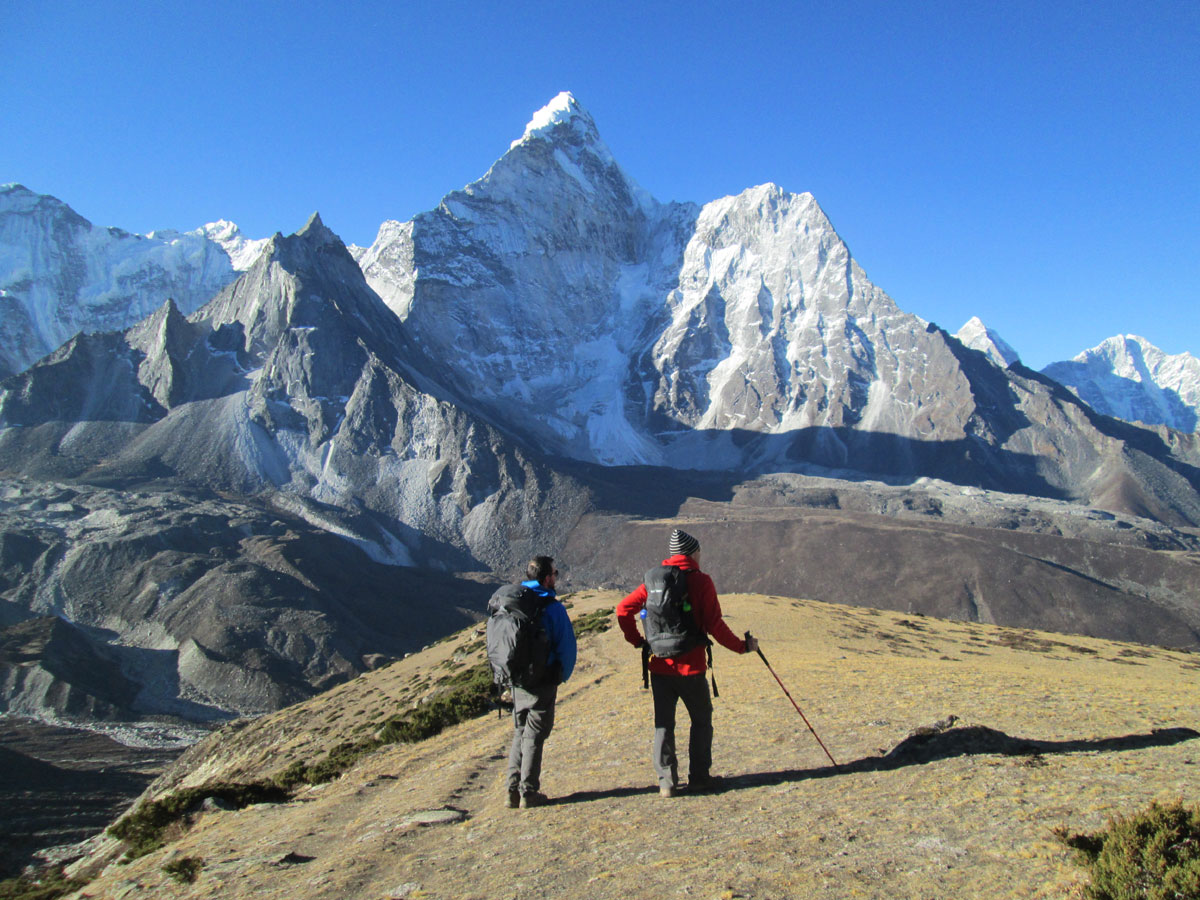
Once the trek begins, the guide becomes the person you spend the most time with in the mountains. They set the pace of the day, help the group move together, adjust plans when necessary, and often become the main source of information about the places you pass through.
One thing experienced guides tend to do very well is notice small things before they become bigger issues. They understand when a group is moving comfortably, when people need a longer break, and when the day is unfolding differently from what was expected that morning. These decisions are rarely visible when reading an itinerary online, but they often shape the experience on the trail.
Local knowledge also matters more than many first-time trekkers realize. Some of the most memorable conversations on an Everest Base Camp Trek happen while walking between villages or sitting around the dining room in the evening. Stories about local customs, mountain history, Sherpa life, and changes in the region often add a completely different dimension to the journey.
Another thing we have noticed is that trekkers rarely talk about guide experience before the trek begins. Afterwards, they talk about it surprisingly often. Many of the stories people remember from the Everest region involve moments where a guide's knowledge, judgment, or local insight made the experience smoother, more enjoyable, or simply more interesting.
If there is one question we believe deserves more attention before booking an Everest Base Camp Trek, it is not about accommodation, meals, or even the route itself.
It is who will be walking beside you throughout the journey.
That answer often influences the experience far more than most people expect.
Does This Everest Base Camp Trek Itinerary Give You Enough Time to Acclimatize?
One thing we have noticed over the years is that many travelers are drawn to shorter Everest Base Camp Trek itineraries when they first start planning their trip.
The reasoning is understandable.
A shorter itinerary means fewer days away from home, fewer vacation days required, and a quicker route to Everest Base Camp.
What is interesting is that once the trek begins, many people start looking at the itinerary very differently.
The Everest Base Camp Trek is not simply a journey from one village to the next. Each day takes you higher into the mountains, and the pace of the itinerary often has a bigger influence on the overall experience than first-time trekkers expect.
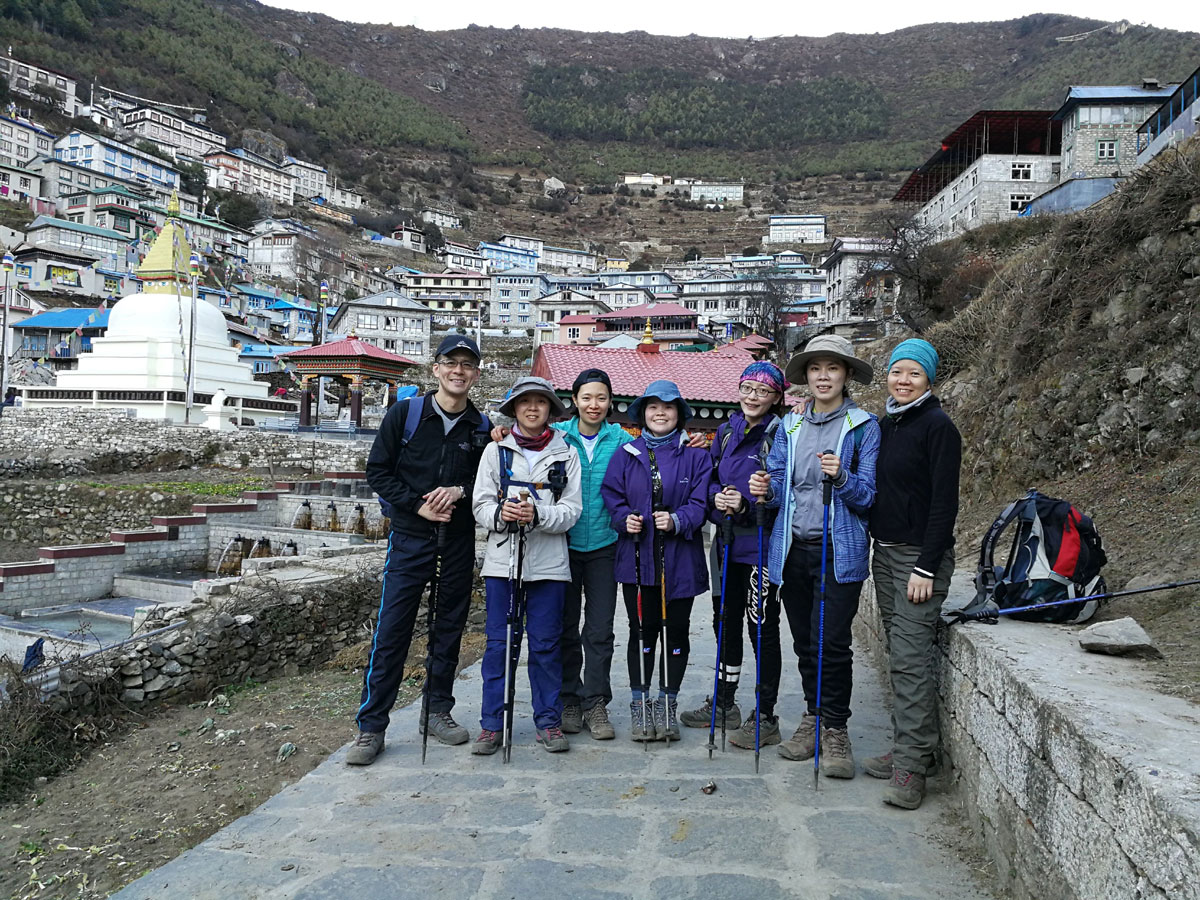
Most standard Everest Base Camp Trek itineraries include acclimatization days in Namche Bazaar and Dingboche. These days are sometimes viewed as delays when people are planning the trek from home. On the trail, they often become some of the most appreciated days of the journey.
Namche Bazaar is usually the first place where trekkers slow down enough to explore the village, visit local bakeries, enjoy mountain views, and experience daily life in the Khumbu. Dingboche offers a different atmosphere altogether, with wider valleys, dramatic scenery, and a chance to settle into the rhythm of the trek before continuing higher.
Another pattern we have seen repeatedly is that many of the difficulties encountered on the Everest Base Camp Trek are connected to itineraries that try to move too quickly through the region. The mountains do not reward rushing. In fact, some of the most enjoyable treks are the ones where people feel they had enough time to appreciate where they were rather than focusing only on where they were going.
When comparing Everest Base Camp Trek itineraries, one of the most useful questions is not how many days the trek takes.
It is whether the itinerary allows the journey to unfold at a comfortable pace.
After speaking with trekkers at the end of their adventure, we have found that people rarely wish they had spent less time in the Everest region.
Far more often, they wish they had allowed themselves a little more.
Travelers with limited vacation time may also want to compare our Everest Base Camp Short Trek itinerary before deciding which schedule suits them best.
What Happens If Lukla Flights Are Delayed?
Many travelers planning an Everest Base Camp Trek assume that once the trip begins, the biggest challenges will be on the trail itself.
In reality, one of the most common disruptions can happen before the trekking even starts.
Lukla flights are heavily dependent on weather conditions, and delays or cancellations occur every year, including during the main spring and autumn trekking seasons. This often surprises first-time trekkers who assume that peak season automatically guarantees smooth flight operations.
One thing we have noticed over the years is that many people check the weather forecast in Kathmandu and feel confident that everything will operate normally. However, conditions around Lukla are often far more important than conditions in the capital. It is entirely possible to have a clear morning in Kathmandu while flights to Lukla remain delayed or cancelled because of cloud cover or poor visibility in the mountains.
The good news is that delays are considered a normal part of Everest travel rather than an unusual event. Experienced trekkers and local operators generally plan with this possibility in mind from the beginning.
This is one reason why buffer days are so valuable. An extra day at the end of an Everest Base Camp Trek may seem unnecessary when planning from home, but it can become extremely useful if flights are delayed during the return journey.
Another thing worth understanding is that not every delay develops in the same way. Some flights depart later in the day once conditions improve. Some operate normally the following morning. During busy trekking seasons, helicopter options may also become available for travelers working with tighter schedules.
After years of organizing treks in the Everest region, we have found that the travelers who handle Lukla delays best are usually not the lucky ones who avoid them altogether.
They are the ones who knew delays were possible before the journey began.
When reviewing an Everest Base Camp Trek itinerary, it is worth asking not only how you will reach Lukla, but also what options exist if flights do not operate exactly as planned.
That small question can save a great deal of stress later on.
What Happens If You Get Sick During the Everest Trek?
This is one of the questions we believe every traveler should ask before booking an Everest Base Camp Trek.
Interestingly, it is rarely one of the first questions people ask.
Most trekkers spend time comparing itineraries, reading reviews, and looking at photographs of the Everest region. Far fewer ask what would actually happen if they became unwell while trekking in the mountains.
Over the years, we have found that the answer often depends on the experience and preparedness of the team supporting the trek.
When someone starts feeling unwell on the trail, the situation is rarely as simple as deciding whether to continue or stop. Small decisions made early often make the biggest difference. This is where experienced guides become especially important.
A guide who has spent years working on the Everest Base Camp Trek has usually encountered a wide range of situations. They understand the trail, know the locations of health posts and medical facilities along the route, carry basic first-aid supplies, and are trained to respond calmly when a trekker is not feeling well.
One thing we have noticed over the years is that many travelers assume emergency situations begin with an evacuation. In reality, they often begin with observation, communication, and informed decision-making. Recognizing when someone should rest, when plans need to change, and when descending is the best option can be just as important as any emergency response itself.
If additional assistance becomes necessary, experienced trekking companies already have established procedures in place. This may involve coordinating with local medical services, arranging transport, communicating with insurance providers, or organizing a helicopter evacuation when circumstances require it.
Another factor that is frequently overlooked before booking is insurance. Most people hope they will never need to use it, but in the Everest region it can become one of the most valuable parts of trip preparation if unexpected situations arise.
What we have learned after years of organizing Everest treks is that travelers often focus on how a company operates when everything goes according to plan.
A more useful question is how the company responds when things do not.
Fortunately, serious situations remain relatively uncommon on the Everest Base Camp Trek. However, knowing that your guide is experienced, trained in first aid, familiar with the trail, and supported by a team capable of arranging assistance when needed provides a level of reassurance that many trekkers only fully appreciate once they are already in the mountains.
Before booking an Everest Base Camp Trek, it is worth asking not only where the itinerary goes, but also what support is available if circumstances change along the way.
Are You Comparing Everest Base Camp Trek Prices or Everest Base Camp Trek Value?
When planning an Everest Base Camp Trek, most travelers naturally compare prices first. That makes sense.
The challenge is that two Everest Base Camp Trek packages can look very similar online while offering very different experiences once you are actually on the trail.
Over the years, we have noticed that many trekkers focus on the number at the bottom of the page without fully understanding what contributes to the overall value of the trek.
One of the biggest examples is guide experience. An experienced Everest guide does much more than lead the way from one village to the next. They understand the trail, know how conditions can change throughout the season, recognize potential issues early, and help keep the journey running smoothly when unexpected situations arise. Many are trained in first aid and have spent years working in the Everest region, gaining practical knowledge that cannot be learned from an itinerary alone.
Another area where value becomes visible is support behind the scenes. Before the trek begins, travelers often need advice about equipment, flights, travel arrangements, and preparation. During the trek, reliable support becomes even more important if plans need to change or assistance is required.
Porter welfare is another detail that many people do not think about until they arrive in Nepal. Responsible trekking companies invest in fair wages, insurance, proper clothing, and reasonable carrying loads for the people helping make the journey possible. These things may not be obvious while comparing prices online, but they are part of what creates a sustainable trekking experience.
Accommodation arrangements can also influence how comfortable the trek feels from day to day. While tea houses across the Everest region are generally simple, experienced operators often have a better understanding of the available options and seasonal conditions along the route.
One thing we hear regularly from trekkers after they complete the Everest Base Camp Trek is that the details they appreciated most were often not the things they focused on before booking.
They remember knowledgeable guides, helpful support, good organization, and the confidence that came from knowing experienced people were looking after the logistics throughout the journey.
The cheapest Everest Base Camp Trek package is not automatically poor value. The most expensive package is not automatically the best value.
The real question is what level of experience, support, knowledge, safety, and service stands behind the price. That is usually where the true value of an Everest Base Camp Trek is found.
For a detailed breakdown of permits, flights, accommodation, and daily expenses, see our Everest Base Camp Trek Cost Guide.
How Large Is the Group on This Everest Base Camp Trek?
When planning an Everest Base Camp Trek, many travelers pay close attention to the itinerary, accommodation, and departure dates.
Group size is often considered later. Over the years, we have found that group size can influence the trekking experience far more than many people expect.
A smaller group often allows for a more flexible and relaxed experience on the trail. Walking speeds tend to be easier to manage, daily routines are usually simpler, and it is often easier for everyone to settle into a comfortable rhythm as the trek progresses.
Larger groups can also be enjoyable and bring a different atmosphere to the journey. Many trekkers appreciate meeting people from different countries and sharing the experience with others who are working towards the same goal. Friendships formed on the Everest trail often remain one of the most memorable parts of the trip.
What many first-time trekkers do not realize is that group size can influence the pace of each day. In a larger group, people naturally walk at different speeds, take breaks at different times, and have different preferences regarding daily routines. None of these things are problems, but they can create a very different experience compared to trekking with only a few people.
Another option that some travelers overlook is a private Everest Base Camp Trek. Many people assume private trips are only for solo travelers or large groups. In reality, private departures are often chosen by couples, friends, and families who want a little more flexibility throughout the journey. For two or more people traveling together, a private trek can provide a more personal experience while still following the same classic route to Everest Base Camp.
One thing we have noticed over the years is that there is no perfect group size for everyone. Some trekkers enjoy the social atmosphere that comes with a larger group. Others prefer a quieter experience with fewer people around them each day. Many couples and friends appreciate the comfort and flexibility of a private trek where decisions are made within their own group.
Before booking an Everest Base Camp Trek, it is worth asking not only how many days the itinerary includes, but also how many people are likely to share the experience with you. The answer may have a bigger influence on the overall journey than you expect.
Who Will Carry Your Bag During Trekking to Everest Base Camp?
One thing that surprises many first-time trekkers is how little they know about the porter system before arriving in Nepal.
Most travelers spend time preparing their equipment, planning flights, and reading about the Everest Base Camp Trek itself. Few think much about the person who will be carrying their duffel bag through the mountains.
For many trekkers, the first meeting with their porter happens shortly after landing in Lukla. While trekkers are organizing gear, taking photographs, and enjoying the excitement of arriving in the Everest region, porters are already preparing loads and getting ready for the journey ahead.
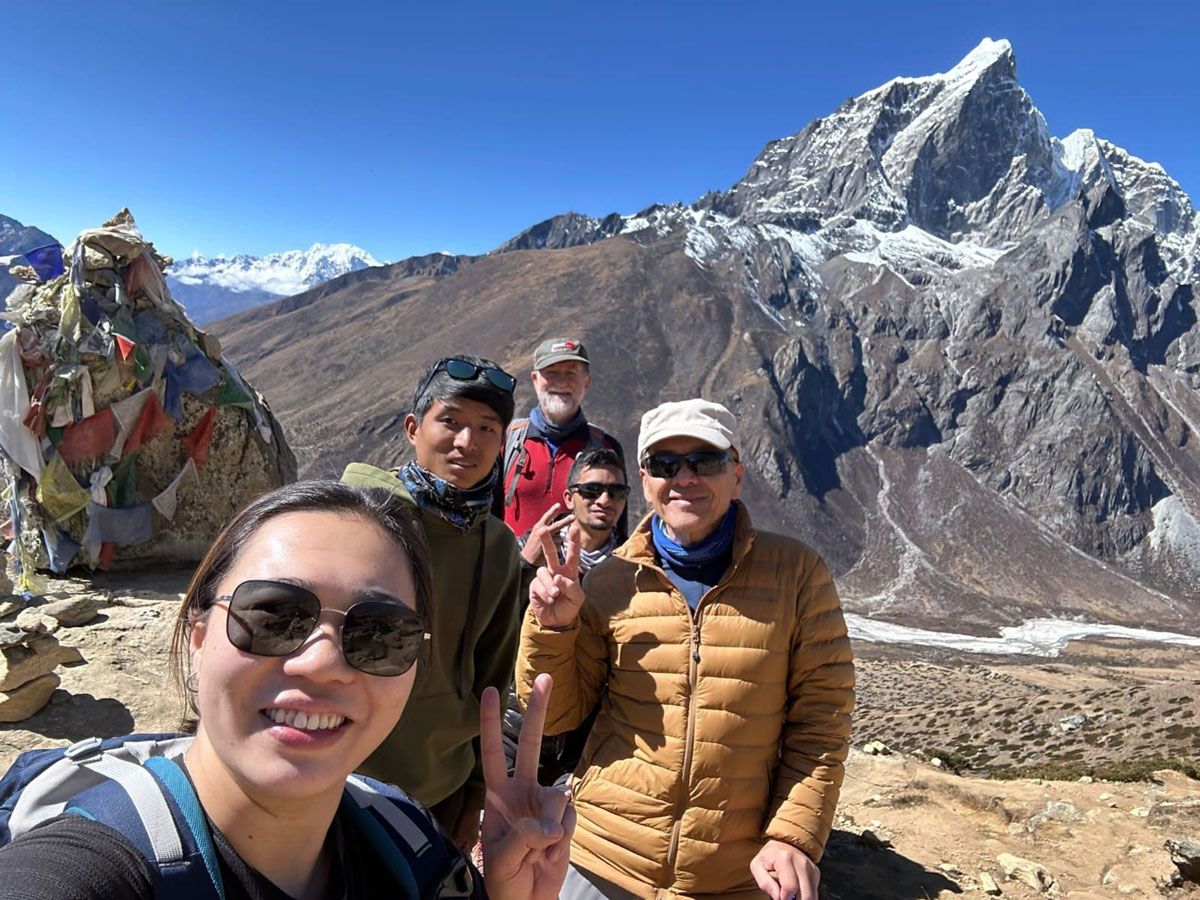
Over the years, we have noticed that many travelers arrive with the impression that porters simply transport luggage between villages. In reality, their role is a little more personal than that.
By carrying the main duffel bag, porters allow trekkers to walk with only a daypack containing water, extra clothing, personal items, and anything needed during the day. For many people, this makes the Everest Base Camp Trek significantly more enjoyable than carrying all of their equipment themselves.
On most Everest Base Camp Treks, one porter is shared between two trekkers. This is the most common arrangement throughout the Everest region and works well for the majority of travelers. Those carrying additional equipment, such as photography gear, sometimes choose a personal porter instead.
Another thing worth understanding is porter welfare. Responsible trekking companies provide fair wages, insurance coverage, suitable clothing, and reasonable carrying limits. These things are not always visible when comparing Everest Base Camp Trek packages online, but they play an important role in ensuring that trekking remains sustainable for the people who work on the trail.
One thing we have found over the years is that trekkers often think very little about porters before the trek begins.
Afterwards, many remember them as one of the people who helped make the journey possible.
By the time the trek finishes, it is not unusual for trekkers to know their porter by name, share photographs together, and leave the mountains with a much greater appreciation of the work that happens behind the scenes on every Everest trek.
When planning a trek to Everest Base Camp, it is worth understanding not only who will carry your bag, but also the role porters play in making the journey possible for thousands of trekkers every year.
What Is the Hardest Part of the Everest Base Camp Trek?
Before starting an Everest Base Camp Trek, many travelers assume that the hardest part will be reaching Everest Base Camp itself.
For most trekkers, the greatest challenge is not a single day, a specific viewpoint, or the moment they arrive at Base Camp. Instead, it is usually the combination of altitude, consecutive days of walking, colder temperatures, and the gradual build-up of fatigue as the trek progresses.
One thing we have noticed repeatedly is that many trekkers feel surprisingly strong during the early stages of the journey. The trail through Lukla, Phakding, and Namche Bazaar often feels more manageable than expected, especially when excitement is high and energy levels are still fresh.
The experience usually changes higher up the valley. Many trekkers expect Everest Base Camp day to be the most difficult part of the journey. In reality, the days above Dingboche are often where the trek begins to feel significantly more demanding.
By the time trekkers continue towards Lobuche, several days of walking are already behind them. The air feels thinner, mornings are noticeably colder, recovery takes longer, and even gradual uphill sections can require more effort than they did earlier in the trek.
Because of this, the challenge often comes from accumulation rather than a single difficult section of trail.
This is why we often tell people that the Everest Base Camp Trek becomes a different experience above Dingboche. The scenery grows more dramatic, but the environment also becomes more demanding. The mountains begin to remind trekkers that they are now travelling in a high-altitude region rather than simply following a trekking trail.
Interestingly, daily distance is rarely the biggest obstacle.
Many people are physically capable of covering the distance. What catches them off guard is doing it day after day while adapting to colder conditions and increasing elevation.
Another observation we hear regularly after the trek is that the journey feels more manageable when people focus on one day at a time rather than constantly thinking about reaching Everest Base Camp.
The trail has a way of rewarding patience. Over the years, we have found that the hardest part of the Everest Base Camp Trek is usually not one dramatic challenge. It is the accumulation of many small challenges over multiple days.
The good news is that this is also one of the reasons reaching Everest Base Camp feels so rewarding. The sense of achievement comes not from overcoming a single difficult moment, but from steadily moving forward through the Himalayas one step at a time.
Trekkers preparing for the challenge may also find our Everest Base Camp Trek Packing List useful before departure.
What Do Most People Wish They Had Known Before Reaching Everest Base Camp?
Perhaps the most interesting observation is that the memories people carry home are often very different from the ones they expected to make before starting the trek. Many travelers arrive in Nepal believing that Everest Base Camp will be the single moment they remember most, yet after returning home they often find themselves talking about completely different experiences.
Some remember an evening in a tea house when trekkers from different countries shared stories around the stove after a long day on the trail. Others talk about a quiet morning in Tengboche, the first clear view of Ama Dablam above the valley, or a section of trail between villages where the scenery was far more impressive than they expected. These are rarely the moments people imagine while planning the trek, but they often become the stories that stay with them the longest.
Over the years, we have found that reaching Everest Base Camp is certainly memorable, but many of the experiences people continue talking about afterwards happen long before they arrive there. In many ways, that is what makes the journey special. The destination matters, but it is often the unexpected moments along the trail that leave the strongest impression once the trek is over.
If We Were Booking an Everest Base Camp Trek Today, What Would We Ask?
Many travelers spend a great deal of time comparing Everest Base Camp Trek itineraries before making a decision. They read reviews, compare inclusions, and try to determine which company offers the best overall experience. Yet some of the questions that end up having the greatest influence on the trek itself are often the ones that receive the least attention during the planning stage.
If we were booking an Everest Base Camp Trek today, the first question we would ask would be simple:
Who will actually be meeting me in Nepal and guiding me on the trail?
The guide is the person you spend the most time with in the mountains. Long after the trek is finished, many travelers remember specific conversations, decisions, and moments on the trail that were shaped by the person leading the journey. Their experience, local knowledge, judgment, and ability to manage day-to-day situations often influence the overall experience far more than many trekkers realize before they arrive.
The second question would be:
Does this itinerary give me enough time to enjoy the Everest region rather than simply move through it?
Many first-time trekkers naturally focus on reaching Everest Base Camp as quickly as possible. However, some of the most memorable parts of the journey often happen in places people originally viewed as stopovers. A morning in Namche Bazaar, an afternoon in Tengboche, or an extra day spent enjoying the atmosphere of the Khumbu can become just as memorable as the destination itself. A good itinerary should allow enough time for those experiences to happen naturally.
The third question would be:
What happens if plans change?
Weather conditions, flight delays, and other unexpected situations are part of travelling in the Himalayas. The important question is not whether disruptions can occur, but how they are managed when they do. Understanding how a company responds when things do not go exactly as planned often provides a clearer picture of the support available behind the scenes than any promotional description ever could.
Another question we would ask is:
What kind of support is available before the trek even begins?
Preparing for an Everest Base Camp Trek involves much more than selecting a departure date. Questions about equipment, flights, travel arrangements, and practical preparation arise long before arriving in Nepal. Clear communication, honest advice, and timely support during the planning stage are often strong indicators of the experience that follows once the trek begins.
Ultimately, we would not be looking for the cheapest itinerary or the most impressive marketing. We would be looking for a team that understands the trail, communicates clearly, and has the experience to help trekkers enjoy the Everest region with confidence. If those things are in place, many of the smaller details tend to take care of themselves.
The One Question Every Everest Trekker Should Ask Before Paying a Deposit
Before booking an Everest Base Camp Trek, most travelers compare reviews, prices, itineraries, accommodation, and what is included in the package. Those things are all important and deserve consideration.
However, if we could recommend focusing on just one question before making a final decision, it would be this:
Does this itinerary give me the best chance of enjoying the Everest region safely, comfortably, and at a pace that feels right for me?
At first glance, it sounds like a simple question. In reality, it covers many of the things that ultimately shape the trekking experience. The pace of the itinerary, the level of support available before and during the journey, the experience behind the operation, and the planning that takes place long before you arrive in Nepal all contribute to how the trek feels once you are actually on the trail.
Many trekkers spend weeks comparing small differences between packages, yet those details are rarely what they talk about afterwards. What they remember is whether the journey felt enjoyable, whether they felt well supported when challenges arose, and whether they were able to experience the Everest region in a way that matched their expectations.
People rarely regret choosing a trek that was well organized and suited their needs. They are far more likely to regret feeling rushed, unsupported, or unprepared once they are already in the mountains.
Most trekkers are not simply trying to reach Everest Base Camp. They are hoping to enjoy everything that happens between Lukla and Base Camp. Everything else is secondary.
If you are still weighing the overall experience against the time and effort required, our guide on Is Everest Base Camp Worth It in 2026? explores that question in more detail.
Final Thoughts After Years of Organizing Everest Base Camp Treks
The conversations we have with trekkers before an Everest Base Camp Trek are often very different from the conversations we have with them afterwards.
Before arriving in Nepal, people naturally focus on reaching Everest Base Camp itself. They think about fitness, altitude, weather conditions, accommodation, and whether they are fully prepared for the challenge ahead. Those concerns are understandable because they are part of planning a journey that many people have dreamed about for years.
Yet what many trekkers discover afterwards is that the things they worried about most before departure are rarely the things they remember most vividly after returning home.
After returning from the mountains, most trekkers rarely spend much time talking about the things that worried them before departure. Instead, they remember moments that were never part of the original plan. It might be a morning in Namche Bazaar when the clouds lifted unexpectedly, an evening spent around a tea house stove sharing stories with other trekkers, or a section of trail where everyone stopped walking for a few minutes simply to admire the view.
Many travelers arrive having spent months researching Everest Base Camp, yet some of the places they remember most vividly afterwards are villages they knew very little about before the trek began. Tengboche, Dingboche, and Pangboche often become associated with memorable encounters, quiet moments, and experiences that were impossible to anticipate while planning the journey from home.
Reaching Everest Base Camp is undoubtedly a special achievement and remains one of the highlights of the trek. However, when people begin sharing stories with friends and family after returning home, they often find themselves talking just as much about the journey itself as they do about the destination. The tea houses, the mountain villages, the daily rhythm of the trail, and the gradual progression through the Khumbu often become part of the memories that stay with them longest.
People often begin the trek believing that Everest Base Camp will be the defining memory of the experience. Yet many discover that the moments they continue talking about years later happened somewhere between Lukla and Base Camp rather than at the destination itself.
That is something we have seen again and again.
And it is one of the reasons the Everest Base Camp Trek continues to leave such a lasting impression on the people who walk it.
Depending on your available time and travel style, you may also wish to explore our Everest Base Camp Trek, Everest Base Camp Trek with Helicopter Return, Everest Base Camp Short Trek, Luxury Everest Base Camp Trek, and Everest Three Passes Trek itineraries.