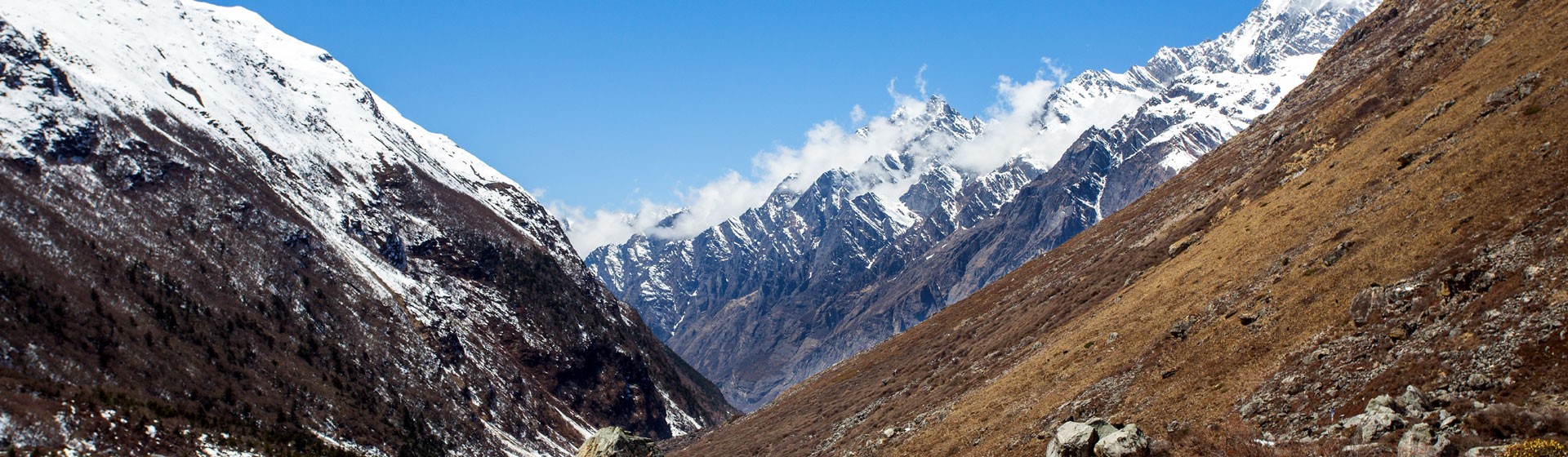
Do You Need a Guide for the Langtang Valley Trek?
If you're planning the Langtang Valley Trek, one of the first questions you'll probably ask is whether hiring a guide is necessary. Nepal's current trekking regulations are intended to have foreign trekkers use a licensed guide on major trekking routes, including Langtang. Before travelling, it's always worth confirming the latest requirements with your trekking agency, as permit procedures and their implementation can change over time.
From our experience, however, the more important question isn't whether you can complete the trek without a guide. It's whether you'll enjoy a safer, smoother, and more rewarding journey with one. After leading Langtang Valley Treks for many years, we believe the answer is yes.
The trail to Kyanjin Gompa is well established, but a successful trek depends on far more than following the route. Every departure involves dozens of small decisions that most trekkers never notice. Before leaving each morning, our guides confirm room availability with the next tea house, speak with local lodge owners and other guides about recent trail and weather conditions, discuss the day's walking pace, and check that every trekker is adapting well to the increasing altitude. Throughout the journey, they continue making practical adjustments whenever road conditions, landslides, weather, or individual fitness require changes to the day's plan.
Just as importantly, a licensed local guide helps you experience Langtang beyond its spectacular mountain scenery. They introduce you to Tamang culture, explain the history and rebuilding of Langtang Village following the 2015 earthquake, share the significance of monasteries, mani walls, and prayer flags, identify surrounding Himalayan peaks, and offer local knowledge that simply cannot be learned from a map or trekking app. For many of our guests, these conversations become some of the most memorable moments of the entire journey.
Whether you're visiting Langtang for the first time or returning to explore the valley again, we always recommend trekking with an experienced licensed local guide through a registered Nepali company. Beyond helping you meet current trekking requirements, an experienced guide provides local knowledge, organised logistics, and reliable support from Syabrubesi to Kyanjin Gompa, allowing you to spend less time worrying about the details and more time appreciating one of Nepal's most beautiful Himalayan valleys.
Before arranging your guide, it is also worth understanding the complete Langtang Valley Trek itinerary, walking days, and overall route.
What Does a Langtang Valley Trek Guide Actually Do?
Many people imagine that a trekking guide simply walks at the front of the group and points out the trail. In reality, navigation is only a small part of the job. After operating Langtang Valley Treks for many years, we've learned that a guide's work begins before the day's walk starts and continues long after everyone reaches the next tea house.
Every morning, our guides first check how each trekker is feeling before leaving the lodge, especially after gaining altitude above Lama Hotel, Langtang Village, and Kyanjin Gompa. They adjust the walking pace to match the group rather than following a fixed timetable, allowing enough time for rest, hydration, photographs, and gradual acclimatization. If someone shows early signs of altitude-related discomfort, the guide monitors the situation closely and decides whether the group should slow down, take a longer break, or adjust the day's plan.
Throughout the trek, our guides regularly speak with tea house owners, local residents, and guides returning from higher up the valley. These conversations often provide the latest information about weather, trail conditions, landslides, bridge repairs, or anything else that could affect the journey. During the busy spring and autumn seasons, they also try to confirm accommodation ahead whenever possible, helping the group avoid unnecessary delays after a long day on the trail.
A guide also manages many practical details that most trekkers never see. They coordinate transportation between Kathmandu and Syabrubesi, explain permits and local procedures, recommend suitable meals as the altitude increases, help overcome language barriers, and resolve small logistical problems before they become larger ones. If weather or road conditions disrupt travel, they work with local transport providers to organise the best available alternative.
For trekkers planning side hikes such as Kyanjin Ri or Tserko Ri, guides assess the morning weather, trail conditions, and each person's physical condition before making recommendations. They suggest the best departure time, monitor how everyone is adapting to the altitude, and adjust the itinerary when necessary so these hikes can be completed without affecting the overall trek.
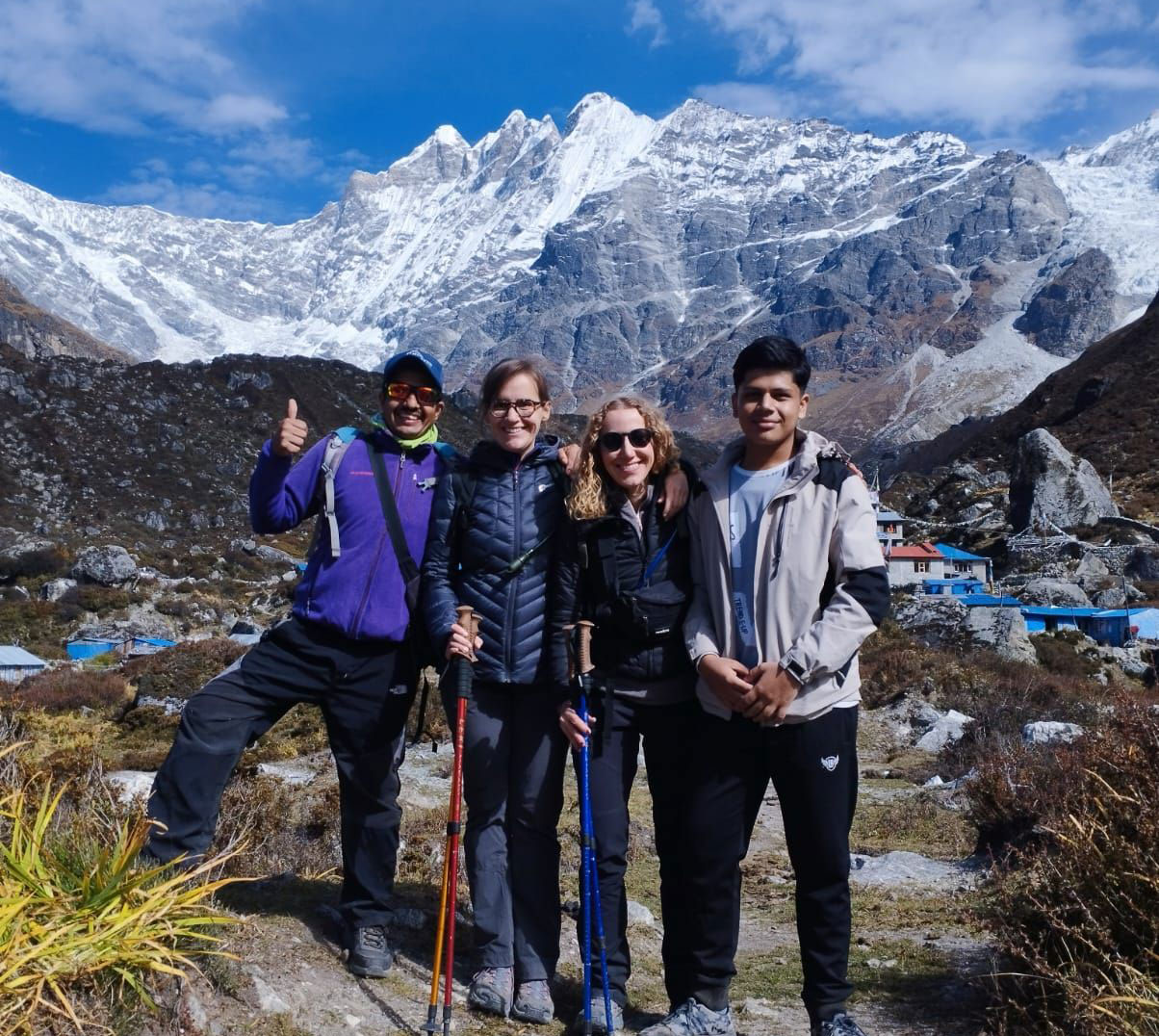
Beyond the daily logistics, a local Langtang guide helps you understand the valley in ways that maps and guidebooks cannot. Along the trail, they explain Tamang traditions, share the history of Langtang Village and its rebuilding after the 2015 earthquake, describe the meaning of monasteries, mani walls, chortens, and prayer flags, identify surrounding Himalayan peaks, and point out details that many independent trekkers simply walk past. These conversations often become just as memorable as reaching Kyanjin Gompa itself.
The best trekking guides are rarely the ones who talk the most. They're the ones quietly making hundreds of small decisions throughout the journey so everything feels organised, comfortable, and uncomplicated. When accommodation is ready, the pace feels right, unexpected situations are handled calmly, and trekkers can simply enjoy the Langtang Valley without worrying about the logistics, that's usually the result of an experienced local guide working behind the scenes.
Guide vs Porter: What's the Difference in Langtang Trek?
Many trekkers planning the Langtang Trek are unsure whether they need a guide, a porter, or a guide-porter. Although these roles are often confused, each has different responsibilities throughout the journey. Understanding the difference will help you choose the level of support that best matches your experience, budget, and trekking style.
| Feature | Guide | Porter | Guide-Porter |
|---|
| Primary responsibility | Leads the trek and manages the overall journey | Carries your luggage | Guides the trek while carrying a lighter load |
| Navigation | ✔ Leads the route and daily itinerary | ✘ Not responsible for navigation | ✔ Yes |
| Acclimatization support | ✔ Monitors how trekkers are adapting to altitude and adjusts the pace when necessary | ✘ No | ✔ Basic monitoring |
| Local knowledge | ✔ Explains Tamang culture, monasteries, local history, wildlife, and surrounding Himalayan peaks | ✘ Limited | ✔ Basic interpretation |
| Tea house & daily logistics | ✔ Helps arrange accommodation, meals, and day-to-day trekking logistics | ✘ No | ✔ Usually |
| Changing trail conditions | ✔ Adjusts plans if weather, landslides, or road conditions affect the journey | ✘ No | ✔ Basic assistance |
| Emergency support | ✔ Assists if someone becomes unwell or the itinerary needs to change | ✘ Limited | ✔ Basic assistance |
| Carries your backpack | Usually only a personal daypack | ✔ Main responsibility | ✔ Carries a lighter trekking load |
| Typical carrying weight | Personal gear only | Usually 20-25 kg shared between two trekkers | Usually around 8-12 kg while guiding |
| Best suited for | First-time trekkers, families, private groups, and anyone wanting the fullest trekking experience | Experienced trekkers who only want luggage support | Solo trekkers or couples looking for a more economical option |
Which Option Do We Recommend?
For most trekkers, we recommend hiring a licensed guide. A guide does far more than lead the trail. They monitor acclimatization, manage daily logistics, communicate with tea house owners, stay informed about changing trail conditions, and help ensure the trek runs smoothly from Syabrubesi to Kyanjin Gompa. Their local knowledge also adds a deeper understanding of the Langtang Valley that goes well beyond simply following the route.
A porter is an excellent choice for trekkers who are confident navigating the trail independently but would prefer not to carry a heavy backpack. Reducing the weight you carry can make long climbing days more comfortable and leave you with more energy to enjoy the journey.
A guide-porter provides a practical balance for solo travellers and couples looking for a more budget-friendly option. They can guide the route while carrying a lighter load, making them suitable for many trekkers. However, because they divide their responsibilities between guiding and carrying equipment, they cannot usually provide the same level of interpretation, logistical management, and personalised support as a dedicated licensed guide.
How Much Does It Cost to Hire a Guide for the Langtang Valley Trek?
If you are hiring a guide separately rather than booking a complete trekking package, the cost depends on the type of support you need. At Dream Heaven Adventure, our standard daily hiring rates are:
| Service | Daily Rate | Best For |
|---|
| Licensed Trekking Guide | USD 35 per day | Trekkers who want complete guidance, local knowledge, and full trekking support |
| Guide-Porter | USD 30 per day | Solo trekkers and couples looking for a balance between cost and support |
| Porter | USD 25 per day | Trekkers who only need luggage assistance |
These rates reflect our standard operating prices for the Langtang Valley Trek and may vary depending on the season, group size, language requirements, or any additional services requested.
Licensed Trekking Guide (USD 35 per Day)
A licensed trekking guide is responsible for much more than showing the way. Throughout the Langtang Valley Trek, your guide manages the daily itinerary, monitors acclimatization, adjusts the walking pace when necessary, communicates with tea house owners about accommodation, keeps track of changing weather and trail conditions, and assists whenever plans need to be adjusted.
A guide also helps you understand the places you walk through, explaining the history of Langtang Village, Tamang culture, Buddhist monasteries, local traditions, and the surrounding Himalayan peaks. For most trekkers, this is the option that provides the safest and most complete trekking experience.
Guide-Porter (USD 30 per Day)
A guide-porter combines guiding responsibilities with carrying a lighter trekking load. This is a popular choice for solo travellers and couples who want someone to lead the route while keeping costs lower than hiring a dedicated guide and porter separately.
Although guide-porters can safely guide the Langtang Valley Trek, they divide their time between carrying equipment and guiding. As a result, they generally cannot provide the same level of interpretation, logistical management, and personalised support as a dedicated licensed trekking guide.
Porter (USD 25 per Day)
A porter carries your main trekking bag, allowing you to walk comfortably with only your daily essentials. This can make a noticeable difference on the long climbs between Syabrubesi, Langtang Village, and Kyanjin Gompa, particularly as the trail gains altitude.
Porters are not responsible for navigation, itinerary planning, or managing the trek, so this option is best suited to experienced trekkers who are already confident following the Langtang route independently.
What Is Included?
When hiring through Dream Heaven Adventure, the daily guide and porter rates include:
Daily wages
- Accommodation and Meals while working ( for guide and porters)
- Insurance for guides and porters arranged by our company
What Is Not Included?
The following items are normally paid separately unless included in your trekking package:
- Your travel insurance
- Tips for guides and porters
- Your accommodation and meals in the trek
- All necessary land transportation ( including staff)
- Personal trekking equipment and clothing
- Drinks, snacks, charging, hot showers, laundry, and other personal expenses along the trail
- Additional expenses caused by itinerary changes or personal requests
If you are unsure which option best suits your trekking plans, we are always happy to recommend the most appropriate choice based on your experience, group size, and the type of Langtang Valley Trek you are planning.
Can You Hire a Langtang Trek Guide in Kathmandu or Syabrubesi?
Yes. You can hire a Langtang Trek guide either in Kathmandu before travelling to the trailhead or after arriving in Syabrubesi. Both options are available, but they offer different levels of convenience, guide availability, and trip preparation.
Hiring a Guide in Kathmandu
For most trekkers, arranging a guide in Kathmandu is the most practical choice. Kathmandu has a much wider selection of licensed trekking guides, making it easier to find someone who matches your preferred language, trekking experience, and travel dates.
Organising your guide before leaving Kathmandu also allows the rest of your trek to be prepared in advance. Your permits can be arranged, transportation between Kathmandu and Syabrubesi can be confirmed, and your guide is already familiar with your itinerary, group size, and any special requirements before the journey begins. Instead of spending time looking for a guide after reaching the trailhead, you can simply start trekking as planned.
From our experience operating Langtang Treks, this is how most private groups, families, and first-time visitors to Nepal choose to organise their trip.
Hiring a Guide in Syabrubesi
It is also possible to hire a guide after arriving in Syabrubesi. During the main spring and autumn trekking seasons, local trekking agencies and lodges can often help connect trekkers with licensed guides who are available to start immediately.
However, the number of available guides is considerably smaller than in Kathmandu, and availability depends on the season and how many guides are already leading groups in the Langtang region. During busy periods, you may have fewer choices regarding language, guiding experience, or departure timing.
For travellers making last-minute plans or already staying in Syabrubesi, hiring locally can still be a convenient option, provided a suitable guide is available.
Which Option Do We Recommend?
Based on the way we regularly organise Langtang Treks, we usually recommend hiring your guide in Kathmandu. It provides the widest choice of licensed guides, allows permits and transportation to be arranged before departure, and helps the trek begin without unnecessary delays once you reach Syabrubesi.
Hiring a guide in Syabrubesi remains a practical alternative for flexible travellers, but because guide availability changes throughout the season, arranging everything in Kathmandu is generally the more reliable approach.
Benefits of Hiring a Local Langtang Trekking Guide
Hiring a local Langtang trekking guide adds far more to the journey than simply leading the trail. It gives you access to local knowledge, conversations, and experiences that are difficult to discover when trekking independently. From understanding village life to learning how the valley has changed over the years, a local guide helps you experience Langtang beyond the walking trail itself.
Local Relationships That Open Doors
Most local guides have spent years trekking between Syabrubesi, Lama Hotel, Langtang Village, and Kyanjin Gompa. Along the way, they build long-term relationships with tea house owners, yak herders, shopkeepers, and local families. These connections often lead to genuine conversations about daily mountain life, livestock farming, seasonal changes, local festivals, and how communities continue to live in one of Nepal's most beautiful Himalayan valleys. For many trekkers, these personal interactions become just as memorable as the mountain scenery.
Understanding Tamang Culture and Monastery Etiquette
The Langtang Valley is home to the Tamang people, whose traditions remain deeply connected to Tibetan Buddhism. Throughout the trek, you pass prayer wheels, mani walls, chortens, monasteries, and villages where these customs continue to shape everyday life. A local guide explains the meaning behind these places, shares the stories that visitors often miss, and helps you understand simple cultural etiquette, such as walking clockwise around religious monuments and showing respect inside monasteries. These small details allow trekkers to appreciate the region with a much deeper understanding.
Learning How the Valley Rebuilt After 2015
The Langtang Valley carries a powerful story of resilience. Following the devastating 2015 earthquake and avalanche that destroyed much of Langtang Village, local communities rebuilt their homes, tea houses, schools, and trekking infrastructure over the years that followed. Many guides working in Langtang today witnessed this recovery themselves or have family and friends from the valley. Their personal stories offer an understanding of the region that cannot be found in guidebooks or online maps, giving trekkers a greater appreciation of both the landscape and the people who call it home.
Discovering More of Langtang National Park
Langtang National Park protects diverse forests, alpine meadows, glaciers, and a wide variety of Himalayan wildlife. Although wildlife sightings are never guaranteed, experienced local guides often recognise animal tracks, identify native bird species, explain alpine plants, and point out areas where Himalayan tahr, musk deer, or even the elusive red panda have occasionally been seen. Their familiarity with the landscape helps trekkers notice details that many independent hikers simply walk past.
Supporting the Local Economy
Hiring a local trekking guide also directly supports the communities that make the Langtang Valley Trek possible. Trekking income benefits not only guides but also porters, tea house owners, jeep drivers, shopkeepers, farmers, and many other small family-run businesses throughout the valley. By choosing a registered local trekking company, more of your travel spending remains within Nepal and continues supporting the families and communities who welcome trekkers every trekking season.
How to Choose the Right Langtang Trek Guide
The quality of your guide can have just as much influence on your Langtang Trek as the itinerary itself. Beyond leading the trail, a good guide helps the journey run smoothly, shares local knowledge, and knows how to respond when weather, trail conditions, or unexpected situations require changes. Before booking, these are the most important things to consider.
Choose a Licensed Trekking Guide
Always hire a government-licensed trekking guide through a registered trekking company. Licensed guides have completed official training and are authorised to lead foreign trekkers in Nepal. They are also more likely to follow professional guiding standards and understand the responsibilities involved in leading multi-day Himalayan treks.
Look for Experience in the Langtang Region
Experience in the Langtang region is often more valuable than simply having many years of guiding. A guide who regularly works between Syabrubesi, Lama Hotel, Langtang Village, and Kyanjin Gompa understands how the trail changes throughout the seasons, which tea houses operate reliably, typical walking times between villages, and how to adjust the itinerary if weather or local conditions affect the trek.
Make Sure You Can Communicate Comfortably
Good communication makes every trekking day easier. Whether discussing the next day's plan, asking questions about local culture, or explaining how you are feeling at higher altitude, being able to communicate clearly with your guide improves the overall experience. If you require another language besides English, confirm availability before booking.
Confirm Guide and Porter Insurance
A responsible trekking company should provide insurance for the guides and porters working on the trek. This reflects professional operating standards and ensures the trekking staff are protected while working in the mountains. If a company cannot clearly explain its insurance arrangements, it is worth asking additional questions before confirming your booking.
Read Recent Reviews, Not Just Ratings
Instead of looking only at overall ratings, read recent reviews written by trekkers who completed the Langtang Trek. Comments about organisation, communication, punctuality, local knowledge, and how guides handled unexpected situations often provide a much clearer picture than a simple five-star score.
Book Through a Registered Trekking Agency
Booking through a registered trekking agency usually provides better support before and during the trek. Your agency can organise permits, transportation between Kathmandu and Syabrubesi, accommodation, and guide coordination before departure, while also helping if weather, road conditions, or personal circumstances require changes to your itinerary.
Ask About Emergency Experience
Every experienced Langtang guide should know how to respond if conditions change during the trek. Ask how they handle altitude-related illness, severe weather, trail closures, or transport delays. A knowledgeable guide understands when to continue, when to slow the pace, when to descend, and when additional assistance is needed. These decisions come from practical experience on the trail rather than simply following a planned itinerary.
Questions to Ask Before Hiring a Langtang Trek Guide
Many trekkers compare guide prices before comparing guide experience. In practice, asking the right questions before booking often tells you far more about the quality of your guide than the daily rate alone. An experienced trekking company should be able to answer these questions clearly before your Langtang Trek begins.
How Many Langtang Treks Have You Personally Led?
Experience in the Langtang region is one of the first things worth asking about. A guide who regularly leads treks between Syabrubesi, Lama Hotel, Langtang Village, and Kyanjin Gompa understands seasonal trail conditions, realistic walking times, tea house operations, and how the route changes throughout the year. Local experience is often more valuable than simply knowing the trail on a map.
Are You a Government-Licensed Trekking Guide?
Always confirm that your guide holds a valid government trekking guide licence and works through a registered trekking company. Licensed guides have completed professional training and are authorised to lead foreign trekkers in Nepal.
Exactly What Is Included in the Guide Fee?
Ask for a clear breakdown of what the quoted price includes. Confirm whether accommodation, meals, transportation, permits, government taxes, guide insurance, and other services are already covered so there are no unexpected costs after your trek begins.
Who Arranges the Trekking Permits?
Ask whether your trekking company arranges all the required permits before the trek begins. Most registered trekking companies include this service, while others may ask trekkers to provide documents in advance or complete part of the permit process themselves. Understanding who is responsible for the permits before you arrive in Nepal helps avoid unnecessary confusion or delays before starting the trek.
What Happens If Weather or Trail Conditions Affect the Itinerary?
Although the Langtang Valley Trek does not depend on mountain flights, heavy rainfall, landslides, road closures, or damaged trails can occasionally affect travel plans. Ask how your guide or trekking company manages itinerary changes and what support is available if conditions require adjustments during the trek.
Are You Trained in First Aid and Emergency Response?
Professional trekking guides should understand basic first aid and know how to respond if someone becomes unwell in the mountains. Ask about their experience with altitude-related illness, emergency procedures, and how they would coordinate assistance if evacuation or medical support became necessary.
Which Langtang Route Do You Normally Operate?
This is a question many trekkers never think to ask. Some guides regularly lead the classic Langtang Valley Trek, while others spend most of their time in different regions of Nepal. A guide who frequently works in Langtang is generally more familiar with seasonal conditions, accommodation standards, alternative walking plans, and the day-to-day pace of the route.
When Is Hiring a Guide Most Valuable for the Langtang Valley Trek?
A professional guide brings value throughout the year, but the situations where their experience becomes most valuable depend on the season. Changes in weather, road access, trail conditions, tea house availability, and daylight hours all influence how each trekking day is planned. Understanding these seasonal differences helps explain why many experienced trekkers consider the right guide just as important as choosing the right trekking season.
Trekking conditions vary significantly throughout the year. If you are still deciding when to travel, our detailed Best Time for the Langtang Valley Trek guide explains the weather, trail conditions, and seasonal differences to help you choose the right trekking season.
Spring (March to May)
Spring is one of the busiest trekking seasons in the Langtang region, offering stable weather, comfortable temperatures, blooming rhododendron forests, and excellent mountain views. As visitor numbers increase, popular tea houses can become busy, especially during peak weeks. An experienced guide helps coordinate accommodation, recommend suitable departure times, adjust the daily pace, and suggest optional side hikes based on weather conditions and each trekker's fitness and acclimatization.
Autumn (September to November)
Autumn is widely regarded as the best season for the Langtang Valley Trek, attracting trekkers from around the world with clear skies and outstanding mountain visibility. During this busy period, guides play an important role in organising overnight stops, planning realistic walking days, and adapting travel plans if road conditions between Kathmandu and Syabrubesi are affected by recent rainfall or maintenance work.
Winter (December to February)
Winter offers quieter trails and beautiful mountain scenery, but colder temperatures, shorter daylight hours, and occasional snowfall require more careful planning. Conditions around Kyanjin Gompa, Kyanjin Ri, and Tserko Ri can change quickly after fresh snow. Guides who regularly lead Langtang treks monitor local conditions, recommend suitable departure times, and adjust the itinerary if weather or trail conditions make higher viewpoints less practical.
Monsoon (June to August)
The monsoon season presents different challenges from the rest of the year. Rain can make forest trails muddy and slippery, increase the presence of leeches at lower elevations, and occasionally cause landslides or temporary road disruptions on the journey to Syabrubesi. Experienced guides stay informed through local communities and current trail updates, helping trekkers adapt their itinerary when necessary while choosing the most practical daily walking plan based on the latest conditions.
Can Solo Travelers Hire a Guide for the Langtang Valley Trek?
Yes. Solo travellers can easily hire a licensed guide for the Langtang Valley Trek through registered trekking companies in Nepal. Whether you are travelling alone for flexibility, photography, or simply prefer independent travel, arranging a private guide is a straightforward process.
Most trekking companies organise the guide before your trek begins, along with transportation between Kathmandu and Syabrubesi, the required trekking permits, and accommodation throughout the journey. This allows solo trekkers to begin the trek without worrying about organising daily logistics after arriving in Nepal.
Solo travellers can choose between hiring a private guide or joining a scheduled group departure. A private guide offers complete flexibility over your walking pace, rest stops, and daily routine, while a group departure allows you to share the experience with other trekkers following the same itinerary.
For many solo travellers, the decision comes down to the type of experience they want rather than whether it is possible to find a guide. Both options are widely available, and registered trekking companies can usually arrange either before your arrival in Nepal.
FAQs
Is a Guide Mandatory for the Langtang Valley Trek?
Whether a guide is mandatory depends on the latest trekking regulations in Nepal, which can change over time. Before planning your trip, it is always worth confirming the current requirements with a registered trekking company. Regardless of the regulations, many trekkers choose to hire a licensed guide because they provide local knowledge, coordinate permits, organise transportation and accommodation, and help the trek run more smoothly from Kathmandu to Kyanjin Gompa. For many visitors, hiring a guide is less about following a rule and more about enjoying a better organised trekking experience.
Can I Trek to Langtang Valley Without a Guide?
The answer depends on the trekking regulations in effect at the time of your visit. Even when independent trekking is permitted, many trekkers still prefer hiring a guide to simplify the journey. A local guide manages transportation, tea house arrangements, permits, and daily logistics while sharing insights into Tamang culture, monasteries, wildlife, and the history of the Langtang region. If regulations require a guide, registered trekking companies can organise everything before your trek begins, allowing you to start your journey fully prepared.
Can Solo Travellers Hire a Guide for the Langtang Valley Trek?
Yes. Solo travellers can easily hire a licensed guide through a registered trekking company before arriving in Nepal. Most companies arrange the guide, transportation between Kathmandu and Syabrubesi, trekking permits, and accommodation before the trek starts, making the process straightforward. Solo trekkers can either choose a private guide for maximum flexibility or join a scheduled group departure if they would like to share the experience with other trekkers while reducing overall costs.
How Far in Advance Should I Book a Langtang Trek Guide?
For spring and autumn, booking your Langtang Trek guide several weeks in advance is generally recommended, as these are the busiest trekking seasons in Nepal. Early booking provides a wider choice of experienced guides and allows permits, transportation, and accommodation to be organised well before your arrival. During the quieter winter and monsoon seasons, guide availability is usually more flexible, although advance booking is still advisable if you have fixed travel dates.
Can I Book a Langtang Trek Guide Before Arriving in Nepal?
Yes. Most registered trekking companies allow trekkers to book their Langtang Trek guide before arriving in Nepal. Once your travel dates are confirmed, the company can arrange your guide, transportation, permits, and accommodation in advance, allowing your trek to begin smoothly after you arrive in Kathmandu. Booking ahead also gives you the opportunity to discuss your itinerary, fitness level, trekking experience, and any special requirements before the journey begins.
Can I Hire a Guide in Syabrubesi Before Starting the Langtang Valley Trek?
Yes, but booking a guide after arriving in Syabrubesi is generally less predictable than arranging one in advance. During busy spring and autumn seasons, many experienced Langtang guides are already assigned to confirmed trekking departures from Kathmandu, which means guide availability in Syabrubesi may be limited. Booking before you arrive allows your trekking company to allocate your guide, arrange permits, organise transportation, and confirm accommodation before the trek begins, resulting in a smoother start to your journey.
How Much Does It Cost to Hire a Langtang Trek Guide?
At Dream Heaven Adventure, the cost of hiring a licensed Langtang Trek guide is USD 35 per day. This rate reflects our standard guide service and applies throughout the year unless otherwise stated for special departures or customised itineraries.
Before comparing prices between trekking companies, always check what is included in the quoted rate. Some operators advertise only the guide's daily fee, while others include additional services such as transportation, accommodation, meals, insurance, government taxes, and full trek coordination. Comparing the overall service rather than the daily price alone gives a much clearer picture of the value offered.
What Is Included in the Langtang Trek Guide Fee?
This varies between trekking companies, so it is important to request a detailed breakdown before confirming your booking. Professional operators clearly explain which services are covered, including the guide's accommodation, meals, insurance, government taxes, and logistical arrangements. Understanding these details before arriving in Nepal helps avoid misunderstandings and allows you to compare services on an equal basis.
Can I Hire Only a Porter for the Langtang Valley Trek?
Yes. Many trekking companies offer porter-only services for trekkers who prefer to carry only a light daypack while their main duffel bag or backpack is transported separately. Before booking, confirm the recommended weight limit, where you will meet your porter, and how luggage will be managed throughout the trek. If trekking regulations require a licensed guide at the time of your visit, your trekking company will explain the available options and organise the necessary arrangements before departure.
Can a Langtang Trek Guide Arrange Trekking Permits?
Yes. Registered trekking companies normally arrange all the required permits before your Langtang Valley Trek begins. After confirming your booking, you will usually be asked to provide your passport details and any other required documents so the permits can be prepared before you leave Kathmandu. Having your trekking company organise the permits helps avoid unnecessary delays and ensures everything is ready before the journey to Syabrubesi.
Can Guides Arrange Tea House Accommodation During the Langtang Valley Trek?
Yes. Arranging tea house accommodation is one of the guide's regular responsibilities throughout the trek. Each day, guides coordinate overnight stops based on your walking pace, the planned itinerary, and current room availability. During the busy spring and autumn seasons, this local coordination is particularly valuable, as popular tea houses can fill quickly in villages along the route.
Can My Guide Arrange Transportation Between Kathmandu and Syabrubesi?
Transportation is usually organised by your trekking company before the trek begins rather than by the guide alone. Depending on your booking, this may include a shared local bus, shared jeep, or private jeep between Kathmandu and Syabrubesi. Planning transportation in advance allows the guide, vehicle schedule, and trekking itinerary to work together from the first day of your journey.
Can Langtang Trek Guides Customise the Itinerary?
Yes, particularly on private Langtang Valley Treks. Before your trek begins, your itinerary can often be adjusted to match your fitness level, previous trekking experience, available time, and personal interests. Travellers with limited holiday time may also prefer our 5 Days Langtang Valley Trek, which follows a shorter itinerary while still visiting the main highlights of the Langtang Valley. Some trekkers choose to spend extra time in Kyanjin Gompa, while others include hikes to Kyanjin Ri or Tserko Ri. Discussing these preferences before departure allows accommodation, transportation, permits, and daily walking plans to be organised accordingly.
Can I Change My Trekking Guide After the Trek Begins?
Guide changes are uncommon but may be possible if there is a genuine reason. Whether a replacement can be arranged depends on your location, the season, and the availability of another licensed guide in the Langtang region. If an issue arises during the trek, contact your trekking company as soon as possible so they can assess the situation and determine the most practical solution based on where you are and how far you have progressed along the route.
What Happens If I Get Altitude Sickness During the Langtang Valley Trek?
If you begin experiencing symptoms of altitude sickness during the Langtang Valley Trek, your guide will first assess your condition before deciding on the safest course of action. Depending on your symptoms and altitude, this may involve resting, descending to a lower elevation, or arranging further medical assistance if necessary. Every situation is different, which is why experienced guides make decisions based on your condition rather than following a fixed itinerary. If continuing higher is not advisable, your trekking plan will be adjusted accordingly.
Do Langtang Trek Guides Carry Oxygen?
Oxygen cylinders are not routinely carried on the Langtang Valley Trek because the route reaches a lower altitude than many of Nepal's expedition and high-pass trekking routes. Instead, experienced guides focus on monitoring trekkers for early signs of altitude-related illness, managing a sensible walking pace, and making timely decisions if descent becomes necessary. If you have a pre-existing medical condition or specific concerns about altitude, discuss them with your trekking company before the trek begins.
Is Travel Insurance Required for a Guided Langtang Valley Trek?
Travel insurance is strongly recommended for anyone planning a Langtang Valley Trek. Your policy should include high-altitude trekking, emergency medical treatment, and helicopter evacuation where available. Before travelling to Nepal, carefully review your policy to ensure it covers the maximum altitude reached during your itinerary, as insurance coverage varies between providers.
Are Langtang Trek Guides Trained in First Aid?
Licensed trekking guides in Nepal complete government-approved guide training before leading international trekkers. Many also receive first aid training and continue building practical experience by guiding regularly in the Himalayas. Before confirming your booking, you can always ask about the qualifications, trekking experience, and first aid training of the guide who will lead your Langtang Valley Trek.
Can a Guide Help Me Hike Kyanjin Ri and Tserko Ri Safely?
Yes. Kyanjin Ri and Tserko Ri are two of the most popular viewpoint hikes during the Langtang Valley Trek, and your guide will help determine which option is better suited to your fitness, acclimatization, weather conditions, and available time. Guides normally recommend an early morning start, when visibility is often at its best and conditions are generally more favourable for hiking before afternoon clouds develop.
Do Langtang Valley Trek Guides Speak English?
Yes. Most licensed guides leading the Langtang Valley Trek communicate comfortably in English while guiding international visitors. If you require another language, such as German, French, Spanish, Chinese, or Japanese, it is best to discuss this before confirming your booking so your trekking company can check guide availability in advance.
Can I Hire a Female Guide for the Langtang Valley Trek?
Yes. Female trekking guides are available for the Langtang Valley Trek, although they are fewer in number than male guides. If you specifically prefer a female guide, it is recommended to request one when booking your trek, particularly during the busy spring and autumn seasons when guide availability is highest.
Why Should I Book a Langtang Trek Guide Through a Registered Trekking Company?
Booking through a registered trekking company provides support long before the trek begins. Your company can organise permits, transportation, accommodation, guide allocation, and pre-trek preparation while assisting with any itinerary adjustments if weather, road conditions, or other unexpected situations affect your plans. It also gives you a reliable point of contact before, during, and after your Langtang Valley Trek.
If you're comparing overall expenses, our detailed Langtang Valley Trek Cost guide explains permit fees, transportation, accommodation, meals, guide and porter charges, and the total budget to help you plan your trek.
What Documents Do I Need to Hire a Langtang Trek Guide?
To organise your Langtang Valley Trek, trekking companies normally require your passport details before confirming permits and other travel arrangements. Depending on the booking process, you may also be asked to provide a passport-sized photograph or digital copy, your travel dates, and emergency contact information. Providing these details in advance allows all necessary preparations to be completed before your departure from Kathmandu.
Can I Join an Existing Langtang Trek Group as a Solo Traveller?
Yes. Many trekking companies organise scheduled Langtang Valley Trek departures that solo travellers can join. This is a popular option for those who enjoy trekking with others while sharing certain operational costs, such as guide and transportation expenses. Group availability depends on your preferred travel dates and the trekking season, so it is advisable to enquire before finalising your plans.
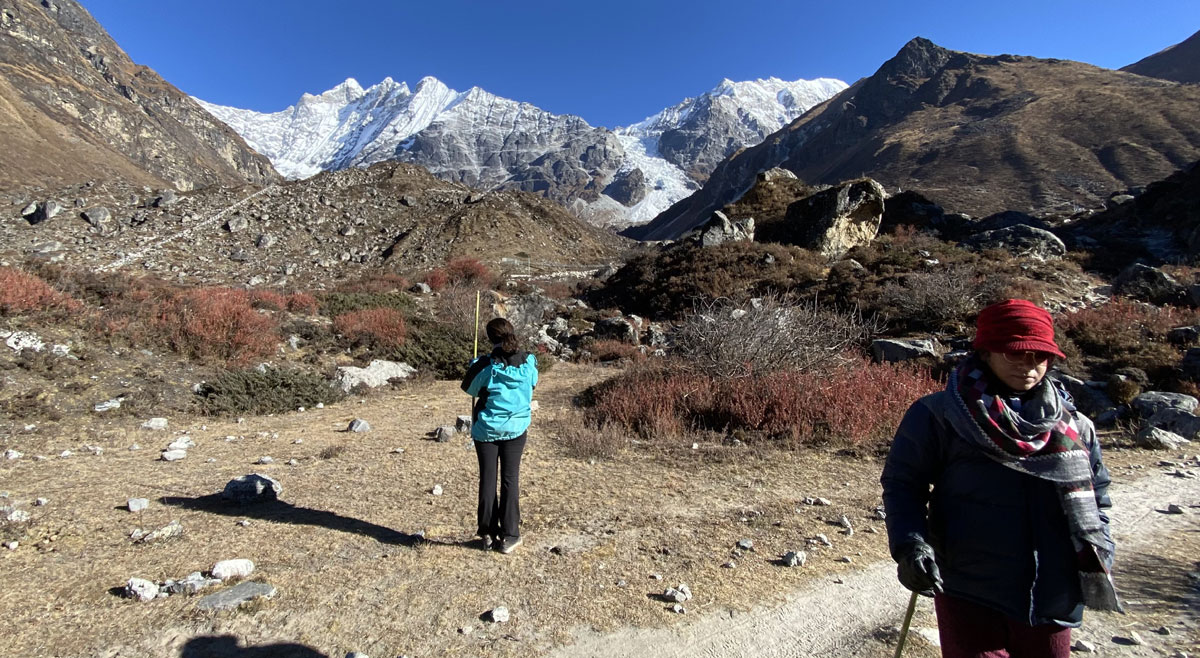
If your travel dates are flexible, you can also compare our 6 Days Langtang Valley Trek, which is a popular option for solo travellers looking for a well-balanced itinerary.