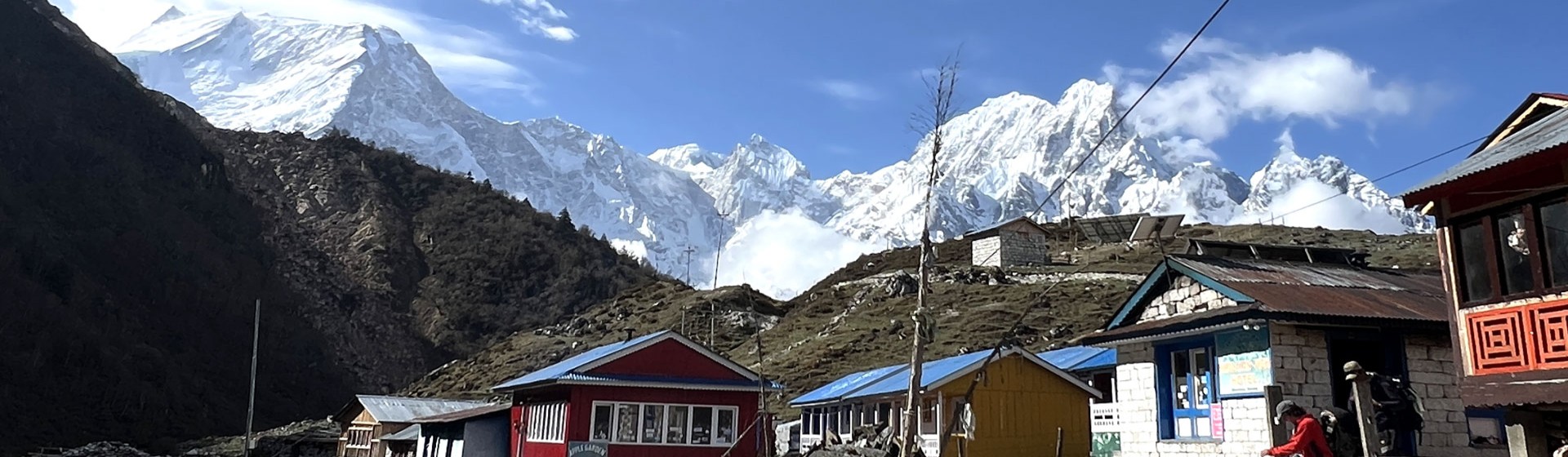
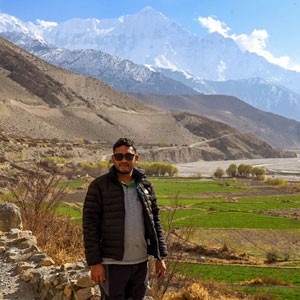
Machha Khola: Where the Trek Begins to Feel Real
For many trekkers, Machha Khola is the first place where the journey starts to feel different.
The long drive from Kathmandu often takes most of the day. By the time people arrive, the busy streets, traffic, and routines of daily life already feel far away. The sound of the Budhi Gandaki River becomes part of the evening atmosphere, and the focus shifts from reaching the trail to finally beginning the trek.
Most trekkers spend their first evening checking gear, preparing daypacks, meeting guides and fellow trekkers, and thinking about the days ahead. There is usually a mixture of excitement and uncertainty. The mountains still feel distant, but everyone knows that the adventure has truly begun.
Machha Khola is not the village that people talk about most after completing the Manaslu Circuit Trek. Yet it often becomes an important part of the experience. It is the place where trekking replaces travel, where the rhythm of the trail begins to take over, and where the journey toward Samagaun, Samdo, and Larkya La Pass finally starts to feel real.
Jagat: The Gateway to the Restricted Manaslu Region
By the time trekkers reach Jagat, many begin to notice that the atmosphere of the journey is changing.
The first days from Machha Khola follow the Budhi Gandaki through riverside villages, suspension bridges, and narrow valleys. Jagat is home to one of the main permit checkpoints on the Manaslu Circuit, and from here onward, trekkers officially enter the restricted Manaslu region.
One thing we often notice is that conversations start to change after Jagat. During the first days, people are usually focused on the long drive from Kathmandu and settling into the rhythm of the trek. Beyond Jagat, attention gradually shifts toward places such as Namrung, Lho, Samagaun, and eventually Larkya La Pass. The journey ahead begins to feel more real.
Jagat is also where many trekkers first notice how different Manaslu feels compared to Nepal's busier trekking routes. Groups are generally smaller, the trail is quieter, and there is a growing sense of travelling deeper into a region that remains less visited than many other parts of the Himalayas.
For many people, Jagat is more than a checkpoint village. It marks the point where the trek starts to develop its own identity and the feeling of entering the mountains becomes much stronger.
For those planning the Manaslu Circuit and Tsum Valley Trek, Jagat serves as an important gateway village and one of the first major stops on the journey into the restricted Manaslu region.
Namrung: Where Many Trekkers Begin to Look Beyond the Trail
For many trekkers, Namrung is the place where the character of the Manaslu Circuit begins to change.
The first days of the trek are spent following the Budhi Gandaki through deep valleys, forests, suspension bridges, and small riverside settlements. While the scenery is impressive, the mountains often feel distant. By the time trekkers reach Namrung, that begins to change.
One thing we frequently notice is that people spend more time looking around and less time looking at the trail. The views start to open up, the surrounding peaks feel closer, and the excitement of reaching places like Lho, Samagaun, and Larkya La Pass becomes much more real. For many trekkers, Namrung is the first village where the journey starts to feel truly Himalayan.
The atmosphere also begins to shift. Traditional stone houses, prayer walls, Buddhist influences, and mountain communities become more noticeable as the route continues north. While the transition happens gradually, many trekkers later remember Namrung as one of the places where they first sensed a change in both landscape and culture.
By the time trekkers leave Namrung the following morning, the mountains no longer feel like a distant backdrop. They become a constant part of the journey, accompanying every step toward the higher villages of the Manaslu region.
Lho: The Village Where Manaslu Finally Reveals Itself
For many trekkers, Lho is the village where the journey begins to feel different.
The days leading to Lho pass through forests, steep valleys, suspension bridges, and mountain villages, but the mountain that gives the trek its name often remains hidden behind ridges and surrounding terrain. By the time trekkers reach Lho, that usually changes.
One thing we often notice is that people spend more time outside the teahouse after arriving in Lho. Instead of heading directly to their rooms, many remain outside looking toward Manaslu, taking photographs, or simply sitting quietly and enjoying the view. After several days on the trail, the mountain finally becomes a constant presence rather than something occasionally seen between hillsides.
Lho is also home to Ribung Monastery, one of the most recognizable monasteries on the Manaslu Circuit. Many trekkers take time to walk around the monastery grounds, watch local daily life, and enjoy the combination of traditional village atmosphere and mountain scenery that surrounds the settlement.
For many people, Lho becomes one of the first villages they clearly remember long after the trek is over. It is often the place where the scale of the Manaslu region becomes easier to appreciate and where the excitement of continuing toward Samagaun starts to build.
By the following morning, it is not unusual to see trekkers stepping outside before breakfast to look at the mountain once more before continuing up the valley. For many, this is the point where Manaslu stops feeling like the destination and starts feeling like part of the journey itself.
Samagaun: More Than Just an Acclimatization Stop
Before reaching Samagaun, many trekkers think of it as the place where they will spend an extra day to acclimatize before heading toward higher elevations.
After arriving, the village often becomes much more than that.
One thing we frequently notice is that the pace of the trek changes completely in Samagaun. For the first time since leaving Kathmandu, there is no pressure to pack bags early in the morning and move on to the next destination. Instead, trekkers have time to explore, slow down, and experience daily life in the heart of the Manaslu region.
Some spend the day walking to Birendra Lake, while others head toward Manaslu Base Camp or one of the viewpoints above the village. Many simply wander through the stone lanes, visit local bakeries, sit outside tea houses, and watch the rhythm of village life unfold beneath the surrounding mountains.
For a closer look at acclimatization, side hikes, and daily trekking distances, our Manaslu Circuit Trek itinerary explains how most trekkers spend their time in Samagaun.
The extra day often changes the atmosphere within trekking groups as well. People who have spent days walking together finally have time to relax, share stories, sort photos, and enjoy the surroundings without thinking about the next climb. After several days of continuous trekking, Samagaun feels less like a stop on the itinerary and more like a place where people can settle into the mountains for a while.
Many trekkers arrive expecting to remember Larkya La Pass most clearly. Yet after the trek is over, Samagaun is often one of the villages that comes up again in conversation. Not because it is the highest point on the route or the most challenging section of the journey, but because it is one of the few places where people have enough time to truly experience the Manaslu region rather than simply pass through it.
Samdo: The Last Permanent Village Before Larkya La
For many trekkers, Samdo feels different from the moment they arrive.
Unlike Samagaun, where people often spend time exploring side trips, visiting bakeries, or wandering through the village, Samdo has a quieter atmosphere. By this stage of the trek, the focus gradually shifts from where people have been to what lies ahead.
One thing we frequently notice is that conversations begin to change in Samdo. Questions about accommodation, food, and daily walking distances become less common. Instead, trekkers start talking about Dharamsala, weather conditions, and the upcoming crossing of Larkya La Pass. The highest point of the trek suddenly feels much closer.
The surrounding landscape also adds to that feeling. Wide valleys, open hillsides, and the absence of dense forests create a sense of space that feels very different from the lower sections of the route. It is not unusual to see yak caravans moving through the valley or grazing on nearby slopes, reminders that traditional mountain life remains closely connected to the landscape.
For many trekkers, Samdo is also the place where the proximity to Tibet becomes easier to sense. The culture, architecture, and daily life reflect connections that have existed across these Himalayan valleys for generations. While the border itself remains out of sight, the influence is often noticeable in ways that feel more subtle and authentic than many people expect.
By the evening, the village often feels calm and reflective. The excitement of the lower trail has given way to anticipation. The pass is now only a short distance away, and many trekkers spend their final night in a permanent settlement preparing for the most challenging section of the Manaslu Circuit Trek.
In many ways, Samdo feels less like a destination and more like a threshold. Beyond it, the journey enters a different phase, one that eventually leads toward Dharamsala, Larkya La Pass, and the far side of the circuit.
Why Dharamsala Feels Different From Every Other Stop
By the time trekkers reach Dharamsala, the atmosphere of the journey often changes in a way that is difficult to describe until you experience it yourself.
Unlike the villages below, Dharamsala does not feel like a place where people arrive and immediately start exploring. Most trekkers arrive with their attention fixed on one thing: Larkya La Pass.
One thing we frequently notice is that the pass suddenly becomes the main topic of conversation again. Trekkers who have spent days talking about villages, mountain views, food, and daily life often return to the same questions. What time will we leave? How long will the climb take? What will the weather be like tomorrow morning? After days of gradual progress through the valley, the challenge ahead begins to feel very real.
The mood inside the tea houses is often different as well. People tend to head to bed earlier, gear is checked one final time, and there is a quiet sense of anticipation throughout the evening. Even experienced trekkers who appear relaxed during most of the journey often become more thoughtful as pass day approaches.
What makes Dharamsala memorable is not the settlement itself but the feeling that surrounds it. It is the final pause before the highest and most demanding day of the Manaslu Circuit Trek. Excitement, confidence, uncertainty, and curiosity all seem to come together in one place.
Trekkers wondering what the crossing involves can also read our guide to Manaslu Circuit Trek difficulty and altitude challenges.
By the time the lights go out and alarms are set for the early morning start, most trekkers know they are only a few hours away from the moment they have been thinking about since the beginning of the trek. That feeling gives Dharamsala an atmosphere unlike anywhere else on the Manaslu Circuit.
After the Pass: Why Bimthang Feels So Different
Before reaching Bimthang, most trekkers spend days thinking about one place: Larkya La Pass.
Questions about the pass come up repeatedly throughout the trek. How difficult will it be? What will the weather be like? How long will the crossing take? By the time trekkers leave Dharamsala before sunrise, the focus is almost entirely on reaching the other side.
One thing we have noticed over the years is that this often changes surprisingly quickly.
Many trekkers arrive in Bimthang expecting to spend the evening talking about the pass. In reality, the conversation usually moves on much faster than people expect. Attention shifts to the valley, the surrounding mountains, a hot drink, a comfortable seat in the dining room, and the simple satisfaction of knowing the most demanding section of the trek is now behind them.
The atmosphere in Bimthang feels noticeably different from the villages before the pass. There is often a sense of relief, but also a feeling that the journey has entered a new phase. Trekkers who spent the previous evening preparing for an early start now have time to relax, reflect on the crossing, and enjoy the dramatic scenery surrounding the valley.
Many people begin the trek believing that Larkya La Pass will be the moment they remember most. Yet after returning home, Bimthang is often one of the places that comes up again in conversation. Not because it is the highest point on the route or the most famous stop, but because it is where the achievement of crossing the pass finally starts to sink in.
For many trekkers, Bimthang becomes more than just the first stop after Larkya La. It becomes the place where the journey feels different again.
Many trekkers are surprised by how memorable Bimthang becomes after the pass, a topic we explore further in our article about why Bimthang is one of the most rewarding stops on the Manaslu Circuit Trek.
What Most Trekkers Remember About the Villages of the Manaslu Circuit
One thing we have noticed over the years is that trekkers rarely talk about villages in terms of altitude, distance, or where they appeared on the itinerary.
Instead, they remember experiences.
A quiet evening in a tea house after a long day on the trail. A conversation with a lodge owner. The first clear view of Manaslu above Lho. A bakery in Samagaun. A line of yaks moving through the valley near Samdo. The feeling of sitting down in Bimthang after crossing Larkya La Pass.
The pace of life is another part of the experience that many people remember. As the days pass, attention gradually shifts away from daily routines and toward simpler things: the next village, the weather outside, the people met along the trail, and the mountains that become part of everyday life.
Every village on the route has its own atmosphere. Some are remembered for mountain views, others for their people, their location, or simply how they made trekkers feel at a particular moment in the journey. Together, they create an experience that is difficult to understand from an itinerary alone.
Whether following the full route or a Short Manaslu Circuit Trek, these villages often become some of the most memorable parts of the journey.
Long after the details of daily distances and trekking schedules have faded, many people still remember the villages. Not because they were major attractions, but because they were the places where the experience of the Manaslu Circuit Trek actually unfolded.
Conclusion
Before the trek begins, most attention naturally goes to Larkya La Pass.
Yet one thing we have noticed over the years is that many trekkers return home talking just as much about the villages.
The mountain views, the tea houses, the people they met along the way, and the changing rhythm of life on the trail often become some of the most memorable parts of the journey.
For many trekkers, the villages of the Manaslu Circuit Trek are not simply places between major landmarks. They become part of the reason the trek is remembered long after it is over.
Trekkers looking to spend more time exploring the remote valleys of the region may also be interested in our Tsum Valley Trek, which includes additional villages, monasteries, and cultural experiences beyond the main circuit.