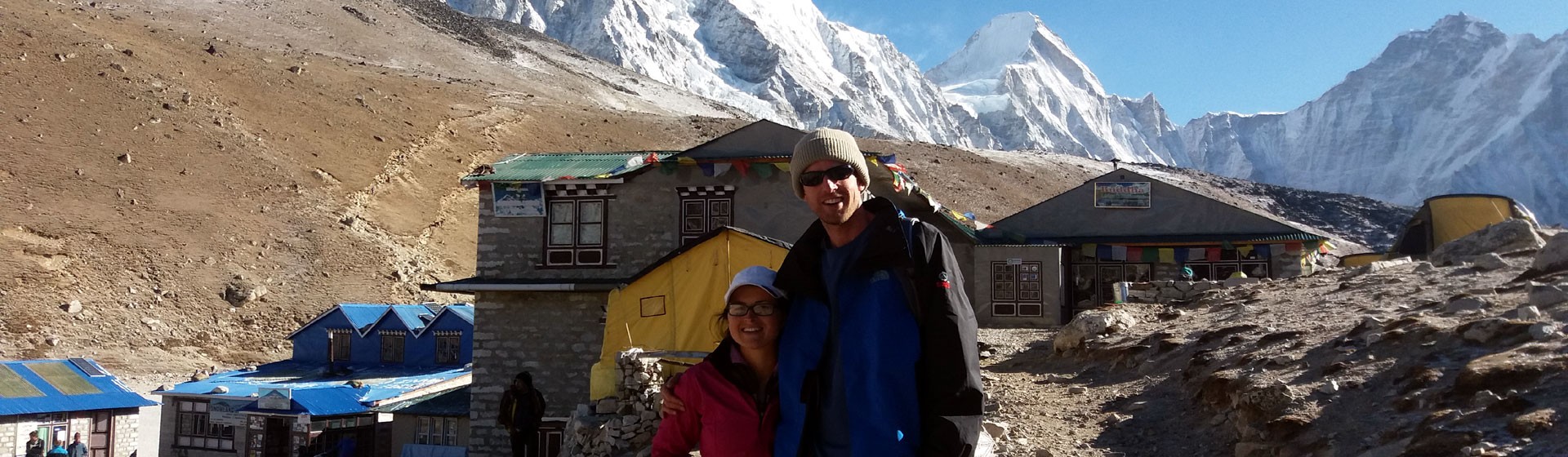
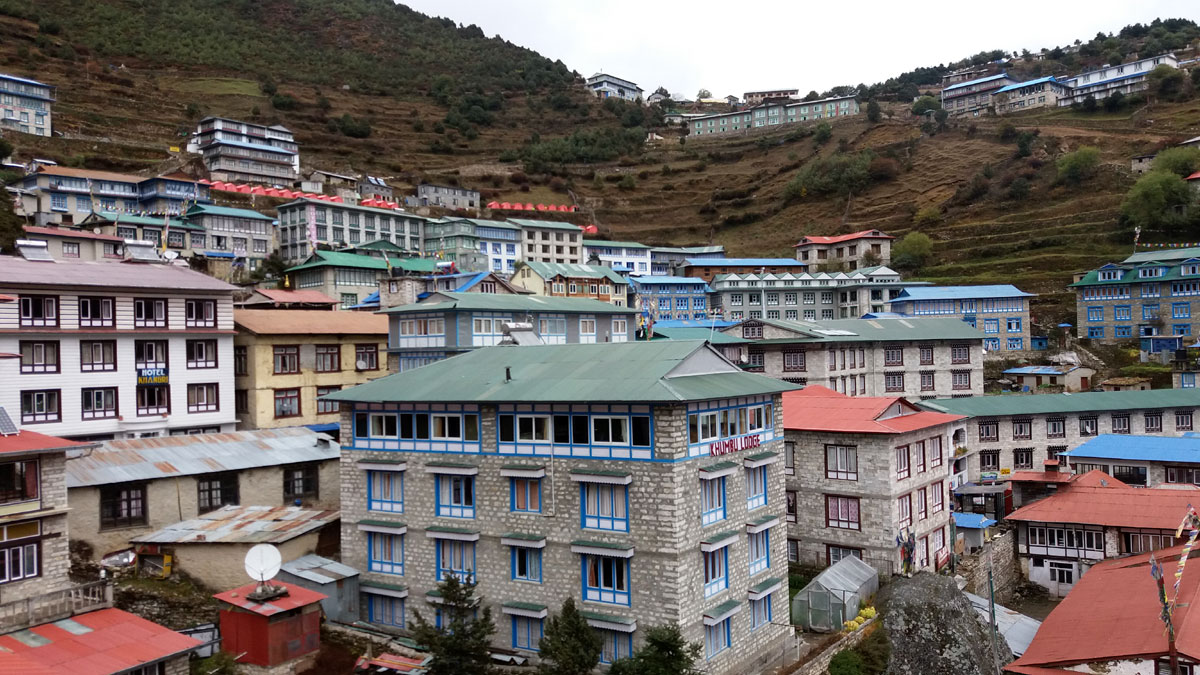
What Are Tea Houses on the Everest Base Camp Trek?
Tea houses are simple mountain lodges where trekkers stay overnight throughout the Everest Base Camp Trek. Instead of camping in tents, almost everyone trekking to Everest Base Camp stays in these locally operated lodges, which provide accommodation, freshly prepared meals, and a comfortable place to rest at the end of each day's walk.
Most tea houses are owned and managed by local Sherpa families or other mountain communities who have lived in the Khumbu region for generations. Many have welcomed trekkers for decades, with knowledge and traditions passed from one generation to the next. While every tea house is different, they all share the same purpose: providing a safe and welcoming place for trekkers to eat, sleep, and recover before continuing their journey through the Himalayas.
Tea houses are available in every major overnight village along the Everest Base Camp route, from Lukla to Gorak Shep. As you gain altitude, the facilities naturally become simpler because most food, fuel, building materials, and everyday supplies must be transported into the mountains by porters, yaks, or helicopters. Despite these challenges, tea houses make it possible to complete the trek without carrying camping equipment or arranging full expedition-style support.
One of the defining features of the Everest Base Camp Trek is the genuine hospitality found in these mountain lodges. Although the accommodation is simple, local families take great pride in welcoming trekkers from around the world and helping them feel at home in one of the world's most remote trekking regions. For many visitors, the people they meet in the tea houses become just as memorable as the spectacular Himalayan scenery itself.
What Do Everest Base Camp Tea House Rooms Look Like?
Tea house rooms on the Everest Base Camp Trek are simple, clean, and built for one purpose: giving trekkers a comfortable place to rest and recover after a long day on the trail. Rather than expecting hotel-style luxury, think of them as practical mountain rooms designed for life at high altitude. While every tea house is slightly different, the basic room layout remains remarkably consistent throughout the Khumbu region.
Most rooms are furnished with two single beds, comfortable mattresses, pillows, and blankets. A small table, hooks for hanging clothing, and a window overlooking the surrounding mountains or village are common, although the exact furniture varies from one tea house to another. The rooms are generally compact but provide enough space to organise your backpack, change into warm clothing, and relax before another day's trekking.
One of the first things many trekkers notice is that bedrooms are not heated. Instead of heating individual rooms, tea houses usually keep the central dining hall warm during the evening, where guests gather before returning to their rooms for the night. Blankets are normally provided, but we strongly recommend bringing a good-quality sleeping bag, particularly during the colder months and at higher elevations, for extra warmth and comfort.
Private twin rooms are available in most villages along the Everest Base Camp route and are the standard option for couples, friends, and travellers booking together. Solo trekkers can often have a private room during quieter months, although twin-sharing may occasionally be necessary during the busiest trekking seasons or in higher villages where accommodation is more limited.
As you climb higher towards Everest Base Camp, the rooms gradually become simpler, reflecting the challenges of operating lodges in remote mountain villages. Even so, they remain clean, practical, and well suited to the needs of trekkers. After guiding Everest Base Camp treks over many seasons, we've found that first-time visitors are often pleasantly surprised by the standard of accommodation, especially in villages such as Lukla, Phakding, and Namche Bazaar. Expectations are usually much lower before the trek than the reality experienced on the trail.
From our experience leading regular Everest Base Camp treks, the biggest difference trekkers notice is not the quality of the rooms but how the atmosphere changes with altitude. In Namche Bazaar, many tea houses have larger dining rooms, a wider menu, and more comfortable facilities. By the time you reach Lobuche and Gorak Shep, the rooms are much simpler and the evenings are quieter, but after a long day on the trail, a warm meal beside the dining room stove and the hospitality of the local families often become the part of the experience that guests remember most.
How Do Tea Houses Change as You Climb Higher?
One of the most interesting parts of the Everest Base Camp Trek is seeing how tea houses gradually change as you gain altitude. Although the purpose of every lodge remains the same, providing a safe and comfortable place for trekkers to eat, sleep, and rest, the facilities naturally become simpler as the trail climbs deeper into the Himalayas.
In the lower villages, including Lukla, Phakding, and Namche Bazaar, tea houses are generally larger and offer a wider range of facilities. Many have spacious dining halls, comfortable bedrooms, a broader choice of meals, and more modern amenities. These villages have better transport access and larger local communities, making it easier for lodge owners to maintain and improve their properties over time.
Above Namche Bazaar, the environment becomes increasingly remote. Villages such as Tengboche, Dingboche, Lobuche, and Gorak Shep operate in far more challenging conditions, where almost every sack of rice, gas cylinder, mattress, solar panel, and other daily supplies must be transported by porters, yaks, or helicopters. These logistical realities influence every aspect of running a tea house, from construction and maintenance to the range of services that can realistically be provided.
As you continue higher, you'll notice that tea houses become smaller and more practical rather than less welcoming. Bedrooms remain clean and comfortable, but facilities are naturally more basic because operating a lodge at high altitude requires far greater effort than in the lower villages. This is not a reflection of lower standards. Instead, it reflects the remarkable dedication of local families who continue to provide accommodation for trekkers in one of the world's highest trekking regions.
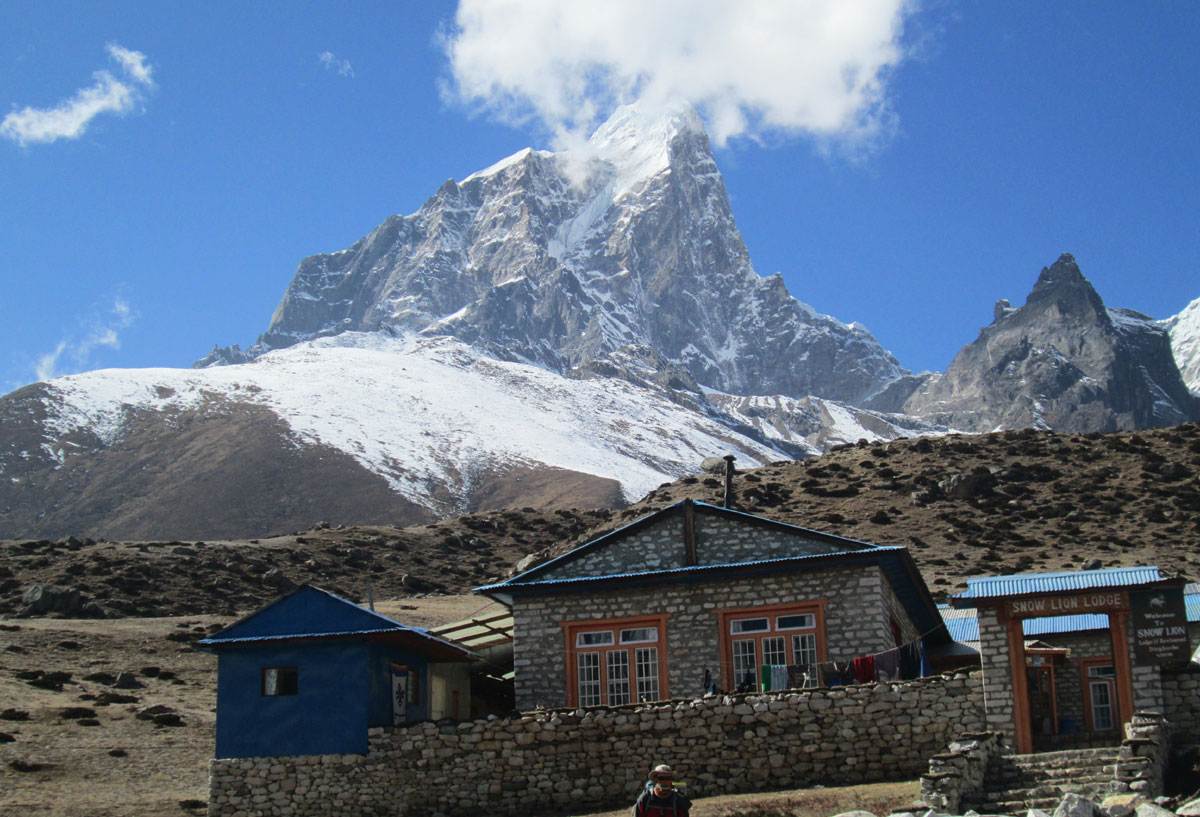
After guiding Everest Base Camp treks over many seasons, we've found that most trekkers adjust to these changes much more quickly than they expect. By the time they reach the higher villages, a warm meal, a comfortable bed, and genuine mountain hospitality often matter far more than the extra conveniences available lower on the trail. Understanding how tea houses change with altitude helps set realistic expectations and allows trekkers to appreciate the experience of staying in these remarkable mountain lodges.
Everest Base Camp Tea House Facilities by Village
The table below provides a general overview of the facilities available at tea houses along the Everest Base Camp Trek. Individual tea houses may vary slightly depending on the season, altitude, and local operating conditions.
| Village | Typical Room Standard | Hot Shower | Wi-Fi | Charging |
|---|
| Lukla | Comfortable with the best facilities on the trek | ✓ | ✓ | ✓ |
| Namche Bazaar | Comfortable with a wide choice of tea houses | ✓ | ✓ | ✓ |
| Dingboche | Simple but comfortable | ✓ | ✓ | ✓ |
| Lobuche | Basic with fewer facilities | Limited | ✓ | ✓ |
| Gorak Shep | Very basic due to the high altitude | Limited | ✓ | ✓ |
Note: Facilities, availability, and additional charges may vary between individual tea houses, trekking seasons, and local operating conditions.
What Food Is Available at Everest Base Camp Tea Houses?
Food at Everest Base Camp tea houses is simple, freshly prepared, and designed to provide the energy needed for long days of trekking at high altitude. While you should not expect restaurant-style dining, most tea houses serve a surprisingly varied menu that keeps trekkers well fed throughout the journey. Meals are cooked to order using ingredients available in the Khumbu and focus on warm, filling dishes that are practical for mountain conditions.
The most popular meal is dal bhat, Nepal's traditional combination of rice, lentil soup, seasonal vegetables, and curry. It remains the first choice for many guides, porters, and experienced trekkers because it is nutritious, satisfying, and, at many tea houses, comes with free refills of rice and lentils. If you're unsure what to order after a long day on the trail, dal bhat is rarely a disappointing choice.
Tea house menus also include fried rice, fried noodles, pasta, vegetable curries, potatoes, soups, eggs, pancakes, porridge, Tibetan bread, chapati, toast, muesli, and a selection of hot drinks. Breakfast is usually simple and filling, while dinner focuses on warm meals that help trekkers recover before the next day's walk. Some villages also serve momos and a small selection of desserts, although choices vary from one tea house to another.
As you gain altitude, menus gradually become shorter. This is simply the reality of operating tea houses in remote mountain villages, where almost every ingredient must be carried by porters, transported by yaks, or flown in by helicopter when necessary. Even so, most trekkers find there is enough variety to enjoy different meals throughout the trek without feeling limited.
After many seasons of leading Everest Base Camp treks, we generally recommend choosing freshly cooked vegetarian meals once above Namche Bazaar. They are usually the freshest option, are prepared more frequently, and are the choice most experienced guides prefer at higher elevations. If you have vegetarian, vegan, or other dietary requirements, most tea houses can usually accommodate them with advance notice, although the range of ingredients naturally becomes more limited in the highest villages.
One of the pleasures of trekking in the Everest region is discovering how satisfying simple mountain food can be. After several hours on the trail, a hot bowl of soup, freshly cooked dal bhat, or warm Tibetan bread served with a cup of tea often becomes one of the most memorable parts of the day. For many trekkers, these shared evening meals inside the tea house are just as much a part of the Everest Base Camp experience as the mountains themselves.
Drinking Water at Everest Base Camp Tea Houses
Staying well hydrated is essential on the Everest Base Camp Trek. Long walking days, dry mountain air, and increasing altitude all increase your body's need for fluids. Fortunately, every overnight stop along the route provides access to safe drinking water, although the available options and prices gradually change as you climb higher into the Khumbu.
The most common and reliable option is boiled drinking water purchased directly from tea houses. It is available throughout the Everest Base Camp route and is the choice our guides recommend to most trekkers. Many visitors carry an insulated water bottle or thermos so the water stays warm during cold mornings and evenings, particularly in the higher villages.
Bottled mineral water is widely available in the lower sections of the trek, including Lukla, Phakding, and Namche Bazaar. However, as you gain altitude it becomes increasingly expensive and less practical because every bottle has to be transported into the mountains by porters, yaks, or, when necessary, helicopter. To help reduce plastic waste in the Everest region, we encourage trekkers to rely on reusable bottles whenever possible.
Many experienced trekkers also carry a reusable bottle together with a water purification method, such as purification tablets, purification drops, or a portable water filter. This allows water collected from suitable local sources to be treated before drinking, helping reduce costs while minimising single-use plastic during the trek.
After many years of operating Everest Base Camp treks, our advice remains consistent: carry a reusable insulated bottle and refill it with boiled drinking water from tea houses throughout the journey. It is the simplest, most dependable, and environmentally responsible approach for most trekkers, and it works well from Lukla all the way to Gorak Shep.
Hot Showers at Everest Base Camp Tea Houses
After a long day of trekking, a hot shower is one of the comforts many trekkers look forward to. Hot showers are available at many tea houses along the Everest Base Camp Trek, but the type of shower, availability, and cost gradually change as you climb higher into the Khumbu.
In the lower villages, including Lukla, Phakding, and Namche Bazaar, most tea houses offer reliable hot showers with a comfortable supply of warm water. As you continue through Tengboche, Dingboche, Lobuche, and Gorak Shep, hot showers are still available at many lodges, but they are usually offered for an additional charge and may be more limited. This is simply the reality of operating tea houses in remote mountain villages, where fuel and energy resources are much harder to obtain.
Most tea houses use either gas-heated or solar-heated water. On clear days, solar-heated systems often provide a comfortable shower, while gas-heated systems generally offer a more consistent supply regardless of the weather. At the highest villages, water temperature and pressure may not be the same as you are used to at home, but a warm shower is still appreciated after a day on the trail.
After many seasons of operating Everest Base Camp treks, we've found that many trekkers enjoy regular showers in the lower villages before becoming more selective as they gain altitude. Colder temperatures, longer trekking days, and simpler facilities naturally influence this decision. Rather than following a fixed routine, experienced trekkers usually decide each day based on the weather, their energy level, and how comfortable they feel.
If you decide to take a shower, it is worth having your towel, toiletries, and clean clothes ready beforehand. Tea houses operate with limited fuel, water, and energy resources, so using hot water thoughtfully helps support the local families who run these lodges and ensures the facilities remain available for everyone staying there.
Hot showers are a welcome comfort on the Everest Base Camp Trek, but they should be viewed as a mountain convenience rather than a hotel-style service. Understanding how shower facilities change with altitude helps set realistic expectations while giving greater appreciation for the remarkable effort local tea house owners make to provide this service in one of the world's highest trekking regions.
Charging & Wi-Fi at Everest Base Camp Tea Houses
Charging your phone, camera, smartwatch, or other electronic devices is straightforward in the lower part of the Everest Base Camp Trek, but it becomes more limited as you climb higher into the Khumbu. Most tea houses provide charging facilities and Wi-Fi, although availability, reliability, and charges naturally vary from one village to another.
In the lower villages, including Lukla, Phakding, and Namche Bazaar, electricity is generally more reliable and charging your devices is usually straightforward. As you continue through Tengboche, Dingboche, Lobuche, and Gorak Shep, electricity becomes a more carefully managed resource. Many tea houses charge separately for using charging points, reflecting the additional cost and effort required to provide power in these remote mountain communities.
Depending on the village, electricity may come from local hydropower, solar energy, or other locally managed systems. Weather conditions, seasonal demand, and available power can all influence when charging facilities are available, particularly in the higher villages. For this reason, it is always worth charging your devices whenever you have the opportunity rather than waiting until your batteries are almost empty.
Wi-Fi is available at many tea houses throughout the Everest region, but connection quality varies considerably. Lower villages generally offer faster and more stable connections, while higher settlements often experience slower speeds because of weather conditions, network demand, and the challenges of maintaining internet services at high altitude. Sending messages is usually much easier than making video calls or uploading large files.
After many years of operating Everest Base Camp treks, one piece of advice we consistently give our clients is to bring a fully charged power bank from Kathmandu. It provides extra flexibility during longer trekking days and ensures you have backup power if charging facilities are busy or temporarily unavailable. Carrying spare batteries for cameras or other essential equipment is also worthwhile if you plan to take a lot of photographs.
Although charging facilities and Wi-Fi have made trekking in the Everest region more convenient than ever, they should be viewed as useful extras rather than guaranteed services. Temporary power interruptions, slower internet speeds, and limited charging opportunities are all part of trekking in the remote Himalayas. Approaching these services with realistic expectations allows you to focus on the experience while appreciating the remarkable effort local tea house owners make to provide them.
Everest Base Camp Tea House Costs
Understanding how tea house costs work helps you plan your Everest Base Camp Trek with greater confidence. While prices vary between villages and seasons, the biggest factor is altitude. As you travel deeper into the Khumbu, transporting food, fuel, building materials, and everyday supplies becomes increasingly difficult, so the overall cost of staying in tea houses gradually rises.
One thing many first-time trekkers do not realise is that accommodation and meals are closely connected. Most tea houses expect guests to have their meals where they stay, allowing room rates to remain relatively affordable while helping local families cover the cost of running lodges in remote mountain communities. This long-established system benefits both trekkers and local tea house owners.
As you climb higher, the cost of meals, hot drinks, drinking water, charging electronic devices, Wi-Fi, and hot showers also increases. These higher prices reflect the additional expense of supplying remote mountain villages rather than a difference in the hospitality you receive. Every meal prepared, gas cylinder delivered, blanket provided, and facility maintained requires significant time and effort in one of the world's highest trekking regions.
After many years of operating Everest Base Camp treks, we recommend carrying enough Nepalese Rupees before leaving Kathmandu to cover your personal expenses. Although digital payment options are becoming more common in some lower villages, cash remains the most dependable way to pay for accommodation, meals, and optional services, particularly at higher elevations where payment facilities may be limited.
Typical Tea House Costs
| Item | Approximate Cost (NPR |
|---|
| Tea house room | 500–1,500 per night |
| Breakfast | 600–1,200 |
| Lunch | 700–1,300 |
| Dinner | 700–1,400 |
| Boiled drinking water (1 litre) | 300–700 |
| Hot shower | 500–1,000 |
| Device charging | 300–800 per device |
| Wi-Fi | 500–1,000 |
For most trekkers, budgeting approximately NPR 5,000 to 7,000 per person per day is realistic for accommodation, three meals, safe drinking water, and a few basic personal expenses. If you regularly purchase extra snacks, soft drinks, desserts, alcoholic beverages, additional hot drinks, Wi-Fi, charging, or hot showers, your daily spending may be higher.
For a complete breakdown of permits, guide fees, accommodation, transportation, and overall expenses, read our Everest Base Camp Trek Cost guide.
Staying in local tea houses is about more than simply paying for a bed. Every overnight stay and meal directly supports the families who welcome trekkers into their homes and helps sustain the mountain communities that have made the Everest Base Camp Trek one of the world's most iconic trekking experiences.
Prices are approximate and intended as a general guide. Actual costs vary depending on the village, trekking season, and individual tea house.
Do You Need to Book Everest Base Camp Tea Houses in Advance?
For most trekkers, booking every tea house well in advance is unnecessary. However, if you are trekking during the busy spring (March to May) or autumn (September to November) seasons, arranging accommodation through an experienced guide or trekking company is highly recommended. During these months, popular tea houses in Namche Bazaar, Dingboche, Lobuche, and Gorak Shep can fill quickly, particularly later in the afternoon when most trekkers arrive.
For trekkers joining an organised Everest Base Camp Trek, tea house accommodation is normally arranged by the trekking company or guide. This allows you to focus on enjoying the trek rather than searching for available rooms at the end of each day. Experienced guides also know which tea houses are best suited to different group sizes, daily walking distances, and changing trail conditions.
One of the advantages of trekking with an experienced local operator is flexibility. Weather conditions, Lukla flight delays, altitude-related itinerary adjustments, or changes in your walking pace can all affect the day's plan. Rather than relying on fixed reservations made weeks in advance, experienced guides stay in regular contact with tea house owners along the route and adjust accommodation when necessary. If a preferred tea house is full, experienced guides can usually arrange accommodation at another suitable lodge in the same village.
During our Everest Base Camp treks, we arrange all tea house accommodation on your behalf. Because our team works regularly with trusted tea house owners throughout the Everest region, we coordinate bookings as the trek progresses and adapt when mountain conditions or travel schedules change. This allows our guests to enjoy the journey without worrying about finding accommodation after a long day on the trail.
If you are planning an independent Everest Base Camp Trek, finding accommodation is usually straightforward outside the busiest trekking seasons. During peak periods, arriving at your destination village earlier in the afternoon gives you a better chance of staying at your preferred tea house, especially in the higher villages where the number of rooms is more limited.
Understanding how tea house bookings work helps you prepare with realistic expectations. The Everest Base Camp Trek is supported by a well-established network of family-run tea houses, and with sensible planning or the support of an experienced local trekking company, finding comfortable accommodation is rarely a concern.
Practical Tips for Staying in Everest Base Camp Tea Houses
A little preparation goes a long way when staying in Everest Base Camp tea houses. The lodges provide everything needed for a comfortable trekking experience, but understanding how tea houses operate will help you settle in more easily and enjoy life in the high Himalayas.
Carry enough Nepalese Rupees before leaving Kathmandu. While digital payment options are becoming more common in some lower villages, cash remains the most reliable way to pay for meals, drinks, Wi-Fi, charging, hot showers, and other personal expenses throughout the trek, especially at higher elevations.
Bring a good-quality sleeping bag. Most tea houses provide blankets, but bedrooms are generally unheated, particularly in the higher villages. From our experience leading Everest Base Camp treks throughout the year, a good-quality sleeping bag is one of the items trekkers appreciate most once they reach the higher villages.
Our Everest Base Camp Packing List explains exactly what to bring for staying comfortably in tea houses throughout the trek.
Keep batteries warm overnight. Cold temperatures reduce battery performance much faster than many trekkers expect. We recommend keeping your phone, camera batteries, and power bank inside your sleeping bag or close to your body while sleeping to help preserve their charge for the following day.
Carry a reusable insulated water bottle. It helps keep drinking water warmer for longer during cold mornings and higher sections of the trek while reducing the use of single-use plastic bottles in the mountains.
Spend your evenings in the dining room. The communal dining room is usually the warmest part of the tea house, where trekkers relax, enjoy meals, and share stories from the day's walk. Bedrooms become much colder after sunset, so most trekkers remain in the dining area until they are ready to sleep.
Respect local tea house customs. Tea houses are family-run lodges as well as homes for many local people. Greeting your hosts, removing muddy boots where requested, having your meals where you stay, and treating the staff and facilities with respect all help support the local communities that make trekking in the Everest region possible.
Be patient with mountain life. Electricity, internet, hot water, and meal service can all take a little longer, particularly during busy evenings when many trekking groups arrive around the same time. A little patience and flexibility are part of the Everest Base Camp experience and are always appreciated by tea house owners.
Carry a few small essentials. A headlamp is useful when moving around the lodge early in the morning or during the evening. Earplugs, lip balm, moisturiser, hand sanitiser, and a small personal first-aid kit are also items many experienced trekkers are glad they packed.
The best tea house experience comes from embracing the simplicity of mountain life rather than expecting hotel-style comforts. With realistic expectations, respect for local traditions, and a little flexibility, staying in Everest Base Camp tea houses becomes one of the most memorable and rewarding parts of the entire journey.
Frequently Asked Questions
1. Are tea houses available all the way to Everest Base Camp?
Tea houses are available in every overnight village along the Everest Base Camp Trek, from Lukla to Gorak Shep. However, there are no tea houses at Everest Base Camp itself, as trekkers visit Base Camp during the day and then return to Gorak Shep for the night. This well-established network of family-run lodges is one of the reasons the Everest Base Camp Trek can be completed without camping, making the route accessible to trekkers with a wide range of experience.
2. Can I get a private room in Everest Base Camp tea houses?
Yes. Private twin or double rooms are available in most tea houses along the Everest Base Camp Trek, particularly in Lukla, Phakding, and Namche Bazaar. As you climb higher, the number of rooms becomes more limited, and during the busy spring and autumn trekking seasons, you may need to share a room if the lodges are full. When we operate Everest Base Camp treks, our guides arrange accommodation as the journey progresses and always try to secure private rooms early in the day whenever they are available, especially in the higher villages where rooms fill quickly.
3. Do Everest Base Camp tea houses have attached bathrooms?
Most Everest Base Camp tea houses do not have attached bathrooms. Shared toilets are the standard throughout the trek, particularly above Namche Bazaar. Some tea houses in Lukla, Phakding, and Namche Bazaar offer rooms with attached bathrooms, but these become much less common as you gain altitude. It is best to expect simple shared facilities for most of the journey and consider attached bathrooms a welcome bonus rather than the standard.
4. Are blankets provided in Everest Base Camp tea houses?
Yes. Almost all Everest Base Camp tea houses provide blankets for their guests. However, because bedrooms are generally unheated and temperatures become much colder at higher elevations, experienced Everest guides still recommend bringing a warm sleeping bag. Using both the tea house blankets and your sleeping bag provides a much more comfortable night's sleep, particularly in villages such as Lobuche and Gorak Shep.
5. Do tea houses have heating in the bedrooms?
No. Tea house bedrooms are generally not heated. The main heating source is usually a stove in the communal dining room, where trekkers gather during the evening to eat, relax, and stay warm before going to bed. Once you return to your room, temperatures drop quickly after sunset, particularly during late autumn, winter, and early spring. Dressing in warm layers and using a suitable sleeping bag will help you stay comfortable throughout the night.
6. Can I charge my phone and camera every night?
In most villages, yes. Nearly all tea houses offer charging facilities, although availability, charging methods, and fees vary with altitude. Lower villages generally have more reliable electricity, while charging becomes more limited in the higher villages because of the challenges of supplying power in remote mountain communities. From our experience leading Everest Base Camp treks, we recommend charging your devices whenever the opportunity is available rather than waiting until batteries are nearly empty. Camera batteries also tend to lose charge more quickly than phones in cold conditions, so carrying a fully charged power bank and a spare camera battery is always worthwhile.
7. Is Wi-Fi available throughout the Everest Base Camp Trek?
Yes. Most Everest Base Camp tea houses provide Wi-Fi, although the connection quality varies throughout the trek. In villages such as Lukla, Phakding, and Namche Bazaar, internet access is generally faster and more reliable, while higher villages often experience slower connections because of weather, altitude, and the challenges of maintaining communication infrastructure in the mountains. Most tea houses charge a separate fee for Wi-Fi. From our experience leading Everest Base Camp treks, most trekkers simply use it in the evening to send messages home, check the weather, or stay in touch with family rather than expecting fast internet throughout the journey.
8. Can I buy snacks and drinks at tea houses?
Yes. Most tea houses sell a selection of snacks and drinks, including chocolate bars, biscuits, tea, coffee, hot chocolate, soft drinks, bottled water, and energy drinks. As you gain altitude, the variety gradually becomes smaller and prices increase because every item must be carried into the mountains by porters, yaks, or other local transport. Many experienced trekkers buy their favourite energy bars or trail snacks in Kathmandu before starting the trek and then purchase additional refreshments from tea houses along the route whenever needed.
9. Are vegetarian and vegan meals available?
Yes. Vegetarian meals are available at virtually every tea house along the Everest Base Camp Trek. Popular choices include dal bhat, vegetable fried rice, noodles, pasta, soups, potatoes, porridge, pancakes, Tibetan bread, and chapati. Vegan meals are also possible in many tea houses, although the choice becomes more limited in the higher villages. If you have dietary requirements or food allergies, let your guide and the tea house staff know as early as possible so they can recommend the most suitable options from the available menu.
10. Is it safe to drink tea house drinking water?
Yes, provided you choose a safe drinking water option. Most trekkers buy boiled drinking water directly from tea houses, while others use water purification tablets, purification drops, or portable water filters. Boiled water remains one of the simplest and most reliable choices throughout the trek. Our guides encourage every trekker to stay well hydrated each day, as maintaining good hydration supports both comfort and acclimatisation at high altitude.
11. Can I stay in a tea house without booking in advance?
Yes, in most cases. Outside the busiest trekking seasons, finding accommodation is usually straightforward. During the popular spring and autumn months, however, tea houses in villages such as Namche Bazaar, Dingboche, Lobuche, and Gorak Shep can fill quickly. When we operate Everest Base Camp treks, our guides arrange accommodation as the journey progresses and adjust bookings if weather, Lukla flight schedules, or acclimatisation plans change along the way. This flexibility helps ensure the itinerary remains practical while reducing the stress of searching for rooms at the end of a long trekking day.
If you are considering a shorter itinerary, our Everest Base Camp Short Trek guide explains how accommodation and overnight stops differ from the classic route.
12. What time do tea houses usually serve dinner?
Most Everest Base Camp tea houses begin serving dinner between 6:00 pm and 7:30 pm, although the exact time varies slightly between villages and seasons. After dinner, trekkers usually spend the evening in the communal dining room, where the stove provides the warmest place to relax, chat with fellow trekkers, prepare for the following day's walk, or simply enjoy the unique atmosphere of a Himalayan tea house. Because many trekking days begin early, especially before visiting Everest Base Camp or climbing Kala Patthar for sunrise, most tea houses become quiet not long after dinner.
13. Do tea houses provide toilet paper and toiletries?
Tea houses usually provide basic toilet facilities, but toilet paper and toiletries are not always supplied, particularly in the higher villages. Most experienced trekkers carry their own toilet paper, hand sanitiser, biodegradable wet wipes, toothbrush, toothpaste, soap, and other personal hygiene items from Kathmandu. Packing these essentials ensures you are prepared throughout the trek, regardless of the facilities available at each tea house.
14. Are Everest Base Camp tea houses suitable for families?
Yes. Many families successfully complete the Everest Base Camp Trek and stay in tea houses throughout the journey. The lodges provide a warm dining area, freshly prepared meals, and comfortable places to rest after each day's walk. The trek itself is a bigger consideration than the accommodation, so families should choose an itinerary that allows enough time for acclimatisation and suits the fitness and experience of every member of the group. Our guides adjust the pace whenever necessary to help make the journey more comfortable.
15. Can solo trekkers easily find tea house accommodation?
Yes. Solo trekkers can usually find accommodation in Everest Base Camp tea houses without difficulty, particularly outside the busiest trekking months. During the peak spring and autumn seasons, however, rooms in the higher villages can fill quickly. Joining a guided trek or travelling with an experienced local guide makes finding accommodation much easier, as guides communicate with tea house owners and arrange rooms as the trek progresses.
16. What happens if a tea house is full?
During busy trekking seasons, some popular tea houses may reach full capacity before all trekkers arrive. In most villages, there are several lodges, so experienced guides simply arrange accommodation at another nearby tea house. On very busy days in places such as Lobuche or Gorak Shep, flexibility is sometimes necessary, but it is extremely uncommon for trekkers to be left without accommodation. This is one of the reasons many visitors choose to trek with an experienced local operator.
17. Are tea houses open during winter and the monsoon season?
Yes. Tea houses remain open throughout most of the year, although some smaller lodges may close temporarily during quieter periods, particularly in winter or the monsoon. Even during these seasons, there are always enough tea houses operating to support trekkers on the Everest Base Camp route. Our guides monitor seasonal conditions and plan overnight stops at lodges that are operating normally during your trek.
18. Can tea houses accommodate special dietary requirements?
In many cases, yes. Vegetarian meals are widely available, and many tea houses can also prepare simple vegan dishes using the ingredients they have available. If you have food allergies or specific dietary requirements, it is important to inform both your trekking company and your guide before the trek begins. During the trek, your guide can explain your requirements to the tea house staff and help you choose suitable meals from the daily menu, although the range of options naturally becomes more limited at higher elevations.
19. What is the highest tea house on the Everest Base Camp Trek?
The highest tea houses on the Everest Base Camp Trek are located in Gorak Shep (5,164 metres), the final overnight stop before visiting Everest Base Camp and climbing Kala Patthar. Although the facilities are more basic than in the lower villages, Gorak Shep tea houses provide comfortable beds, freshly prepared meals, hot drinks, and a welcoming place to rest before and after one of the most memorable days of the trek. Because of the altitude and the limited number of rooms, accommodation here is in particularly high demand during the main trekking seasons.
20. Are tea houses one of the best parts of the Everest Base Camp Trek?
For many trekkers, absolutely. Tea houses are much more than places to eat and sleep. They are where people gather after a day's walk to enjoy a warm meal, share stories with fellow trekkers, meet local families, and experience the hospitality that has become part of the Everest region's trekking tradition. From our experience leading Everest Base Camp treks, many guests remember the evenings spent around the dining room stove, conversations with tea house owners, and the welcoming atmosphere just as vividly as the mountain scenery itself. Those everyday moments often become some of the most lasting memories of the entire journey.
Tea houses are one of the reasons our Luxury Everest Base Camp Trek combines comfortable accommodation with the traditional mountain lodge experience whenever possible.